87 Results for "

sodium excretor

" in MedChemExpress (MCE) Product Catalog:
Products (87)

87 Results for "sodium excretor" in MCE Product Catalog:

2
2 Cited Publications
Cat. No.: HY-B1120
CAS No.: 3383-96-8
Synonyms: Temefos
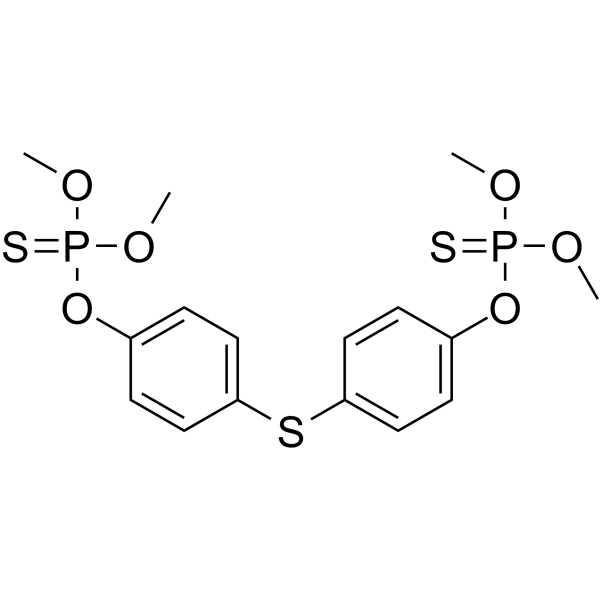
Temephos (Temefos) is an orally active, blood-brain barrier-permeable organophosphate insecticide and AChE inhibitor. By irreversibly inhibiting AChE to induce cholinergic overactivation, Temephos effectively blocks larval development of Aedes aegypti (yellow fever mosquito) and Aedes albopictus (Asian tiger mosquito), and is commonly used in studies related to Dengue Virus, Zika Virus and other relevant pathogens. Temephos exhibits genotoxicity and neurodevelopmental toxicity, and may also cause liver injury, reproductive system abnormalities and cholinergic poisoning symptoms in mammals. Temephos tends to accumulate in adipose tissues and aquatic organisms, and is excreted via feces after metabolism through oxidation and hydrolysis. Note that CYP-mediated metabolic detoxification may reduce the actual larvicidal efficacy of Temephos against some mosquito species. Temephos can be used in research related to dengue fever, Zika virus disease, chikungunya and dracunculiasis .
loading...
    loading...
1
1 Cited Publications
Cat. No.: HY-113409
CAS No.: 625-08-1
Purity:  ≥97.0%
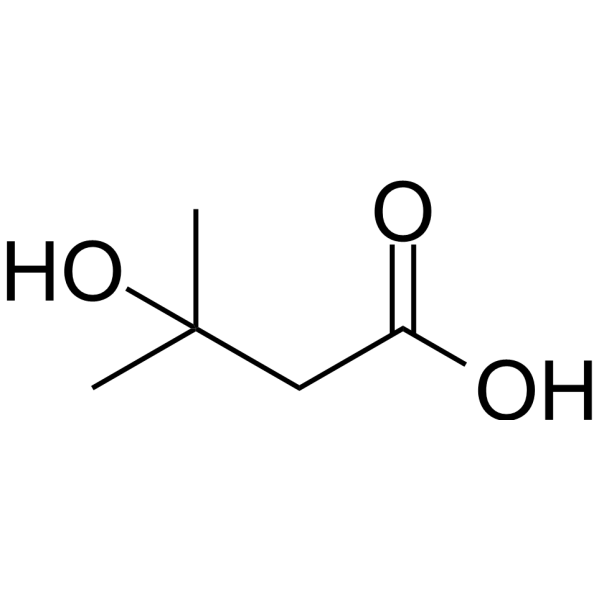
3-Hydroxyisovaleric acid is a normal endogenous metabolite excreted in the urine. The urinary excretion of 3-hydroxyisovaleric acid is early and sensitive indicator of biotin deficiency .
loading...
    loading...
1
1 Cited Publications
Cat. No.: HY-N9457
CAS No.: 60696-62-0
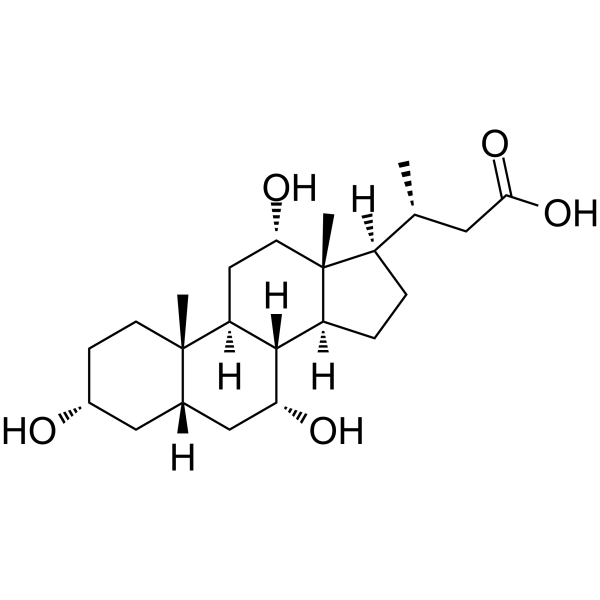
Norcholic acid is a normal minorbile C23 bile acid having four side chain and exsits in human urine and meconium. Norcholic acid can become prominent under certain pathological conditions. Norcholic acid is efficiently absorbed from intestine and quickly excreted into the bile but not into urine .
loading...
    loading...
1
1 Cited Publications
Cat. No.: HY-30219
CAS No.: 7326-19-4
Synonyms: D-3-Phenyllactic acid
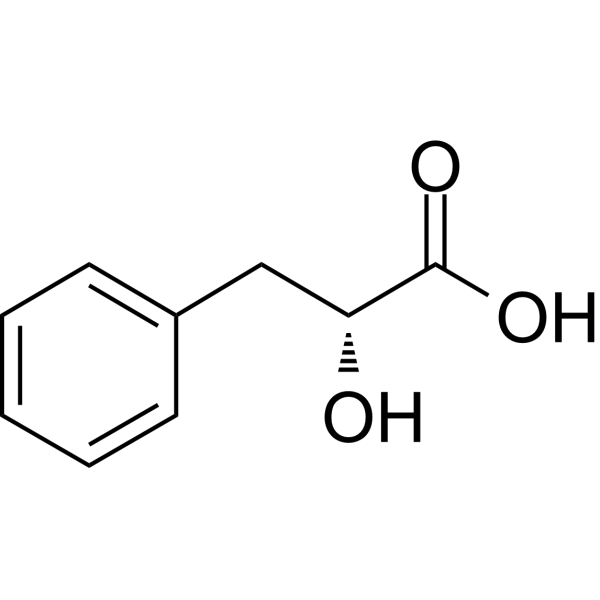
D-​(+)​-​Phenyllactic acid is an anti-bacterial agent, excreted by Geotrichum candidum, inhibits a range of Gram-positive from humans and foodstuffs and Gram-negative bacteria found in humans .
loading...
    loading...
1
1 Cited Publications
Cat. No.: HY-W027446
CAS No.: 65-22-5
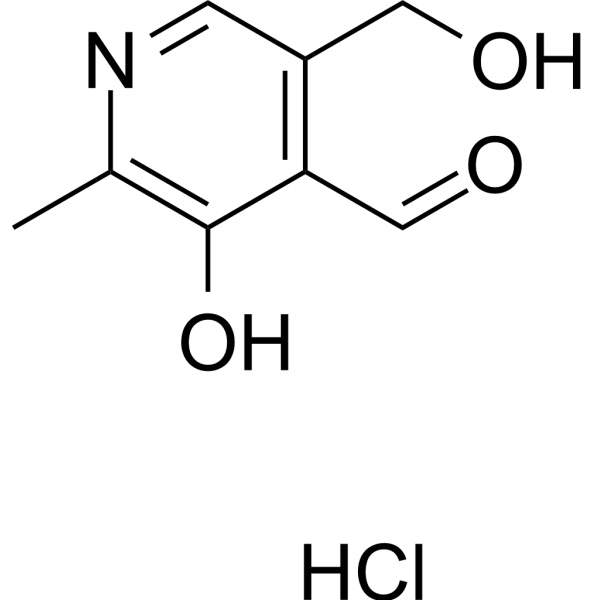
Pyridoxal hydrochloride, the hydrochloride form of Pyridoxal (HY-107469), is a newly developed neuroprotective agent. Pyridoxal hydrochloride is one of the major forms of vitamin B6. Pyridoxal hydrochloride is solvolyzed in methanol to form pyridoxal monomethylacetal. Pyridoxal is phosphorylated by pyridoxal kinase to Pyridoxal phosphate (HY-B1744). Pyridoxal is oxidized by the liver to 4-Pyridoxic acid (HY-113493) which is excreted in the urine. Pyridoxal hydrochloride is proming for research of carpal tunnel syndrome (CTS) .
loading...
    loading...
1
1 Cited Publications
Cat. No.: HY-W041019
CAS No.: 154-02-9
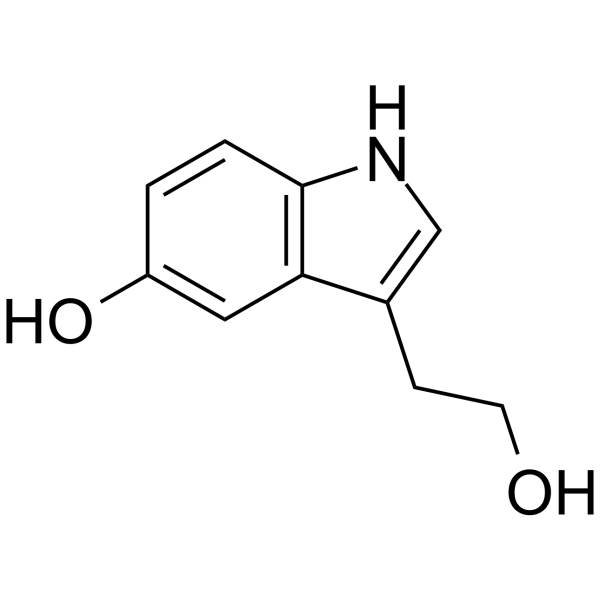
5-Hydroxytryptophol is a mammalian serotonin metabolite that can be used as a sensitive biomarker for recent alcohol intake. 5-Hydroxytryptophol is formed by alcohol-induced changes in the serotonin metabolic pathway and is excreted in the urine as a glucuronic acid conjugate. 5-Hydroxytryptophol is elevated in urine excretion and can be used clinically to monitor alcohol intake in scenarios such as alcohol relapse .
loading...
    loading...
1
1 Cited Publications
Cat. No.: HY-107469
CAS No.: 66-72-8
Purity:  99.61%
Synonyms: Pyridoxaldehyde
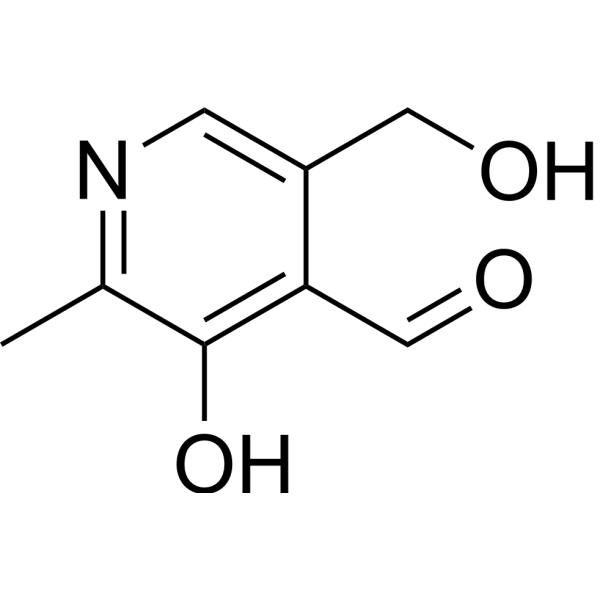
Pyridoxal is a neuroprotectant. Pyridoxal is one of the main forms of vitamin B6. Pyridoxal is phosphorylated by pyridoxal kinase to pyridoxal phosphate (HY-B1744). Pyridoxal is oxidized by the liver to 4-pyridoxic acid (HY-113493) and excreted in the urine. Pyridoxal has shown promise in the study of carpal tunnel syndrome (CTS) .
loading...
    loading...
1
1 Cited Publications
Cat. No.: HY-107469R
CAS No.: 66-72-8
Synonyms: Pyridoxaldehyde (Standard)
Pyridoxal (Standard) is the analytical standard of Pyridoxal. This product is intended for research and analytical applications. Pyridoxal is a neuroprotectant. Pyridoxal is one of the main forms of vitamin B6. Pyridoxal is phosphorylated by pyridoxal kinase to pyridoxal phosphate (HY-B1744). Pyridoxal is oxidized by the liver to 4-pyridoxic acid (HY-113493) and excreted in the urine. Pyridoxal has shown promise in the study of carpal tunnel syndrome (CTS)[1][2][3].
loading...
    loading...
1
1 Cited Publications
Cat. No.: HY-113095
CAS No.: 178167-75-4
Purity:  98.30%
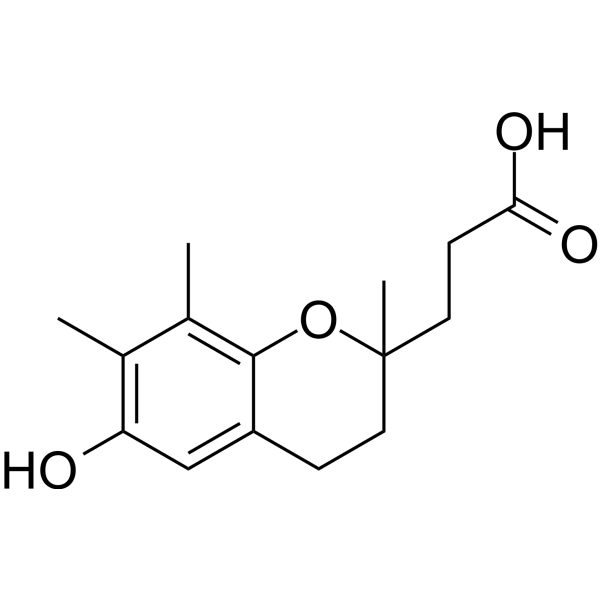
γ-CEHC is a γ-tocopherol (HY-N7148) metabolite. γ-CEHC is mainly excreted into the urine rather than into the bile. γ-CEHC is present in conjugated form in human urine, mainly as glucuronide .
loading...
    loading...
1
1 Cited Publications
Cat. No.: HY-133813A
CAS No.: 72296-47-0
Purity:  ≥95.0%
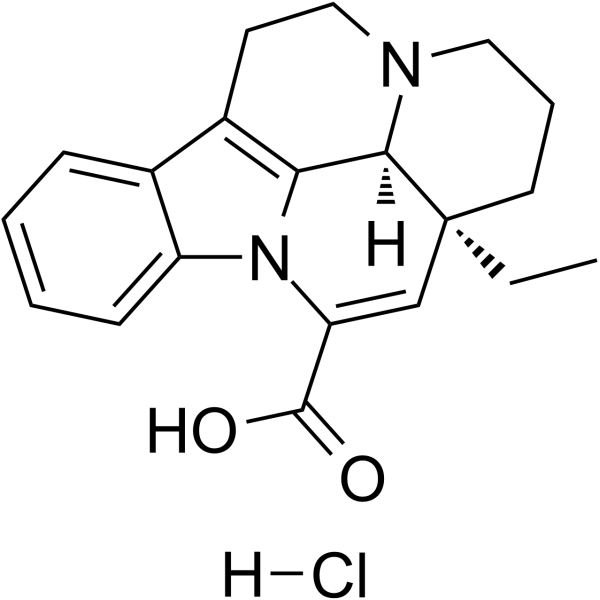
Apovincaminic acid hydrochloride salt is the major metabolite of Vinpocetine (HY-13295), with blood-brain barrier permeability and oral activity. Apovincaminic acid hydrochloride salt is detectable in the plasma of pregnant rabbits after oral administration of Vinpocetine. Apovincaminic acid hydrochloride salt is absorbable from all segments of the gastrointestinal tract of Norway rat, with the stomach as the primary absorption site, and is excreted via urine and feces. Apovincaminic acid hydrochloride salt is used in the research of cerebrovascular diseases .
loading...
    loading...
Cat. No.: HY-113320
CAS No.: 53-42-9
Purity:  99.35%
Synonyms: 5β-Androsterone
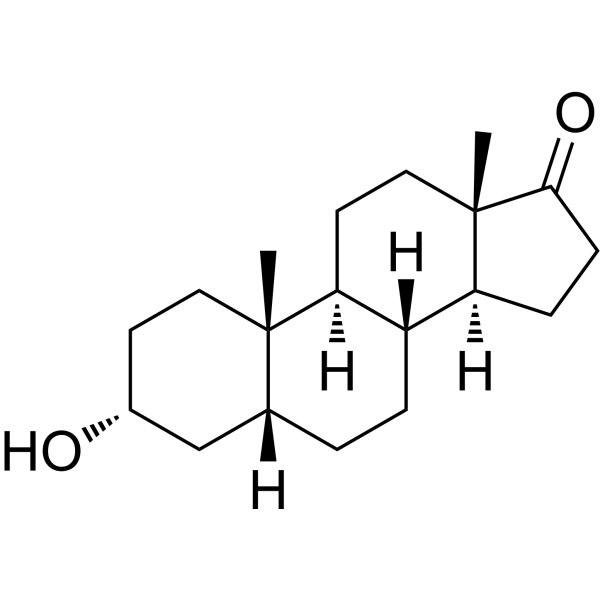
Etiocholanolone (5β-Androsterone) is the excreted metabolite of testosterone and has anticonvulsant activity . Etiocholanolone is a less potent neurosteroid positive allosteric modulator (PAM) of the GABAA receptor than its enantiomer form .
loading...
    loading...
Cat. No.: HY-113493
CAS No.: 82-82-6
Purity:  99.82%
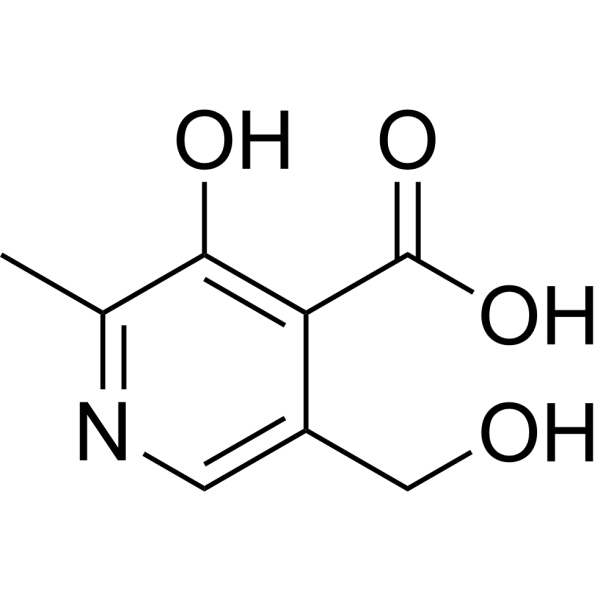
4-Pyridoxic acid is an endogenous substrate of renal organic anion transporters (OAT1/3) and a catabolite of vitamin B6. 4-Pyridoxic acid is excreted through OAT1/3-mediated tubular active secretion, which can reflect OAT1/3 activity. Elevated plasma concentrations of 4-Pyridoxic acid are associated with decreased OAT1/3 activity in chronic kidney disease (CKD) and can be used as a biomarker to reflect the severity of knee osteoarthritis (KOA) and lumbar spondylosis (LS) .
loading...
    loading...
Cat. No.: HY-N2853
CAS No.: 7559-04-8
Synonyms: α-Tocopherylquinone
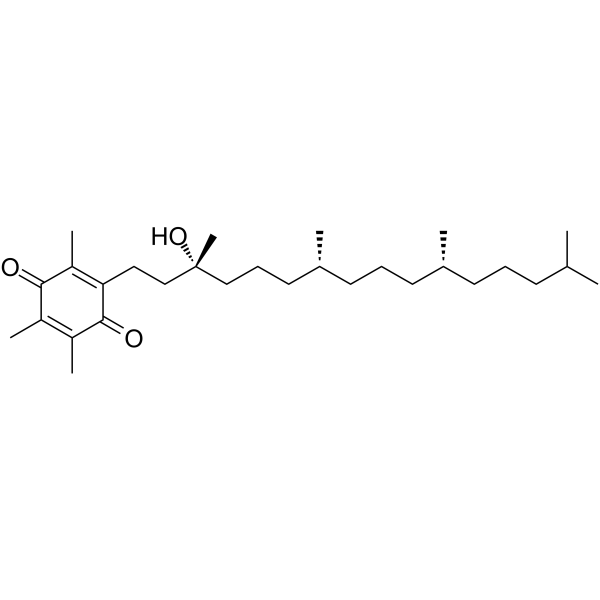
D-α-Tocopherylquinone (α-Tocopherylquinone) is a quinone, can be isolated from Phaeodactylum tricornutum. D-α-Tocopherylquinone is an oxidation product of α-Tocopherol (vitamin E). D-α-Tocopherylquinone can act as an anticoagulant and as an antioxidant. D-α-Tocopherylquinone reduces cellular oxidative damage produced by oxidized lipids. D-α-Tocopherylquinone binds to a liver cytosolic protein with a molecular mass of about 40 kDa. D-α-Tocopherylquinone binds to glurathione-S-transferase (GST) and can be transported to the site of metabolism or excreted in the bile .
loading...
    loading...
Cat. No.: HY-165151
CAS No.: 28925-89-5
Synonyms: Urochrome hydrochloride
Target:  

Endogenous Metabolite

Research Areas:  

Others

Urobilin hydrochloride is the metabolite of Hemoglobin (HY-P2995), that can be excreted through urine and feces in many mammals. Urobilin hydrochloride can be used as an indicator of human waste pollution .
loading...
    loading...
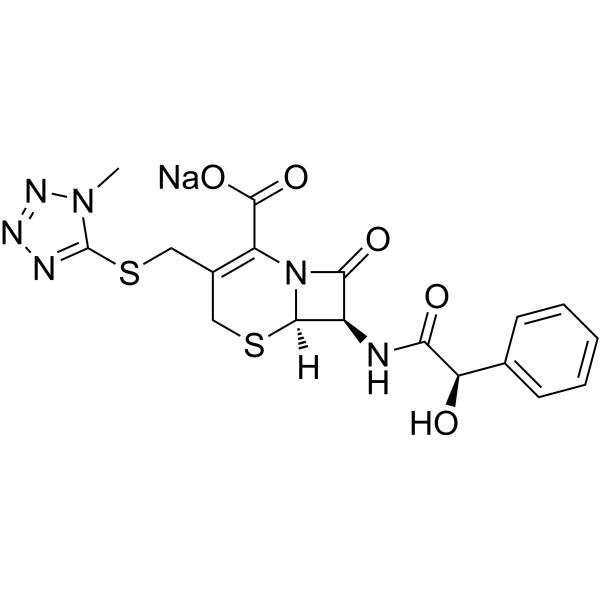
Cat. No.: HY-B1128A
CAS No.: 30034-03-8
Synonyms: Cephamandole sodium
Target:  

Antibiotic Bacterial

Research Areas:  

Infection

Cefamandole (Cephamandole) sodium is a semi-synthetic second-generation cephalosporin antibiotic with broad-spectrum antimicrobial activity. Cefamandole sodium is resistant to hydrolysis by β-lactamases produced by some Gram-negative bacteria. Cefamandole sodium kills Gram-positive cocci and various Gram-negative bacilli mainly by inhibiting cell wall synthesis, but it is inactive against Pseudomonas, Proteus vulgaris and Providencia stuartii, and its efficacy is affected by inoculum size. The plasma elimination half-life of Cefamandole sodium in rats is only 0.4 h, it is mainly excreted in urine in biologically active form, and it hardly penetrates the non-inflamed blood-brain barrier. Cefamandole sodium is widely used in studies related to bacterial infections .
loading...
    loading...
Cat. No.: HY-N11424
CAS No.: 17459-92-6
Bilirubin diglucuronide is a bilirubin glycoside conjugate with a 1-O-acyl β-D-glucuronide structure. Bilirubin diglucuronide is the major conjugated bilirubin (HY-N0323) and predominant pigment excreted in the bile of adult humans, rats, dogs and cats. Bilirubin diglucuronide is mainly synthesized via UDP-glucuronosyltransferase-mediated transfer of glucuronic acid from UDP-glucuronic acid to bilirubin monoglucuronide, or via enzymatic disproportionation of two moles of bilirubin monoglucuronide (predominantly producing the IXα configuration). In addition, Bilirubin diglucuronide can also be synthesized from bilirubin or its monoglucuronide in a UDP-glucuronic acid-dependent manner. Pretreatment with phenobarbital significantly enhances the formation process of Bilirubin diglucuronide .
loading...
    loading...
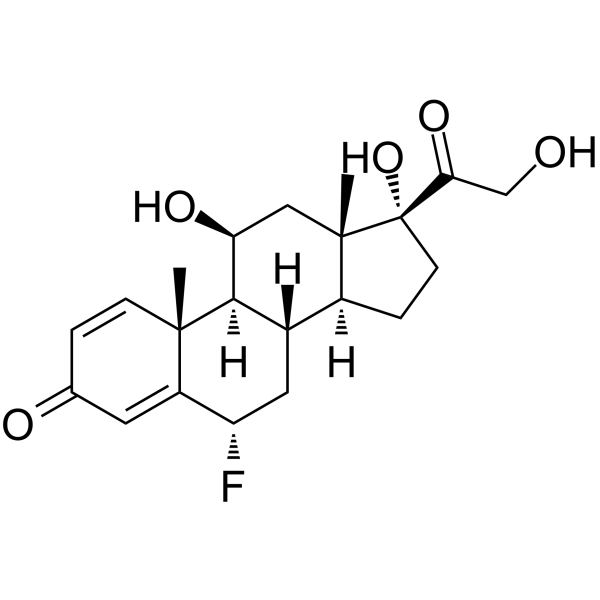
Cat. No.: HY-107935
CAS No.: 53-34-9
Purity:  95.93%
Synonyms: Fluprednisolone
Research Areas:  

Inflammation/Immunology

6α-Fluoroprednisolone (Fluprednisolone) serves as the internal standard for Methylprednisolone (HY-B0260), Prednisolone (HY-17463), and Prednisone (HY-B0214). 6α-Fluoroprednisolone is an anti-inflammatory agent with anti-inflammatory activity. 6α-Fluoroprednisolone exhibits thymolytic activity. 6α-Fluoroprednisolone functions as a natriuretic agent .
loading...
    loading...
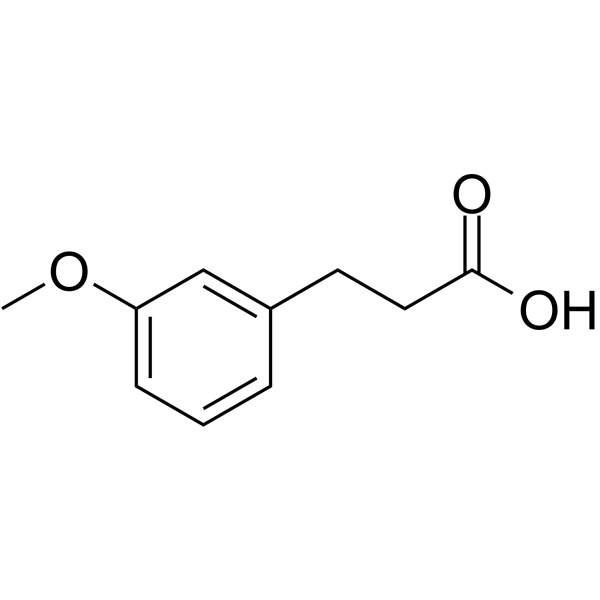
Cat. No.: HY-W016482
CAS No.: 10516-71-9
3-(3-Methoxyphenyl) propionic acid is an organic acid and endogenous metabolite. 3-(3-Methoxyphenyl) propionic acid is excreted in urine .
loading...
    loading...
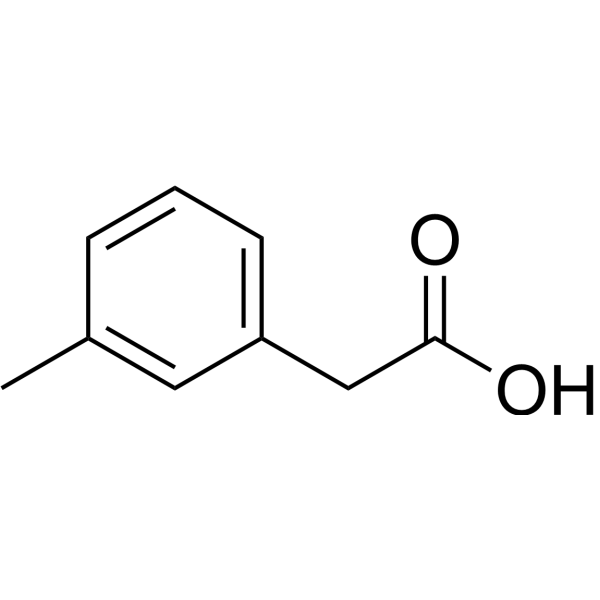
Cat. No.: HY-W053507
CAS No.: 621-36-3
Synonyms: 3-Methylbenzeneacetic acid
m-Tolylacetic acid (3-Methylbenzeneacetic acid) is a hydroaromatic dicarboxylic acids excreted in the urine as metabolite of tolueneacetic acid. m-Tolylacetic acid can be used for drug intermediate for synthesising more complex molecules .
loading...
    loading...
Cat. No.: HY-113493S1
CAS No.: 1435934-03-4
Purity:  98.79%
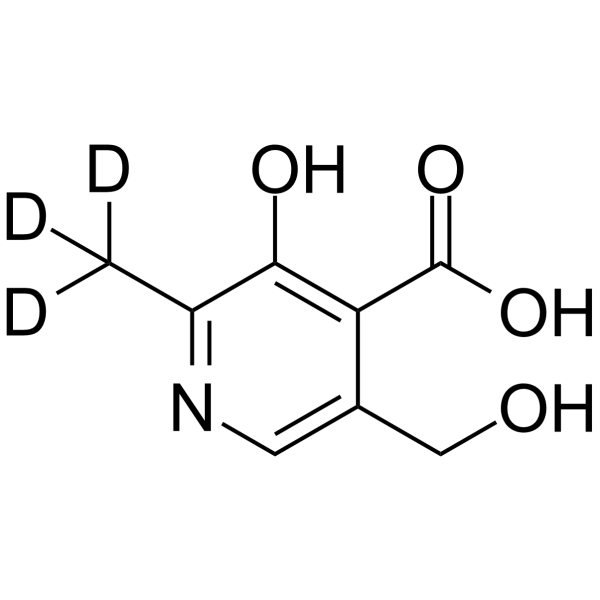
4-Pyridoxic acid-d3 is the deuterium labeled 4-Pyridoxic acid. 4-Pyridoxic acid is a catabolic product of vitamin B6 which is excreted in the urine .
loading...
    loading...

