



1. Search Result
Search Result
Results for "

solid tumor malignancies

" in MedChemExpress (MCE) Product Catalog:

41

Inhibitors & Agonists

17

Inhibitory Antibodies

Cat. No. Product Name Target Research Areas Chemical Structure
  • HY-136173
    Batoprotafib
    5 Publications Verification

    TNO155

    SHP2 Phosphatase Cancer
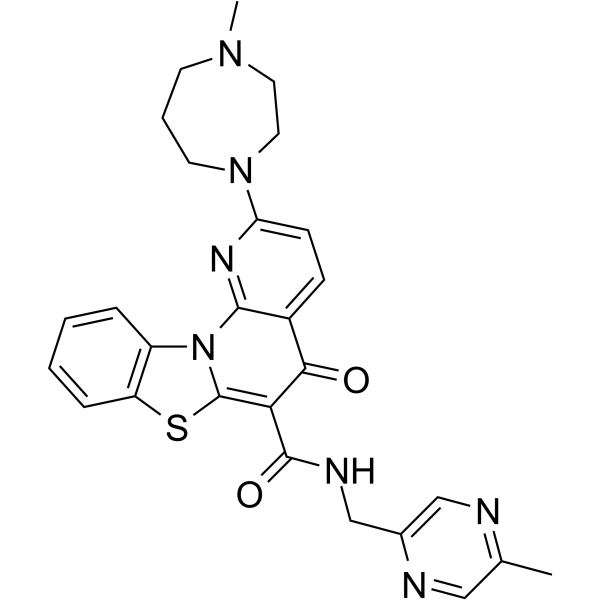
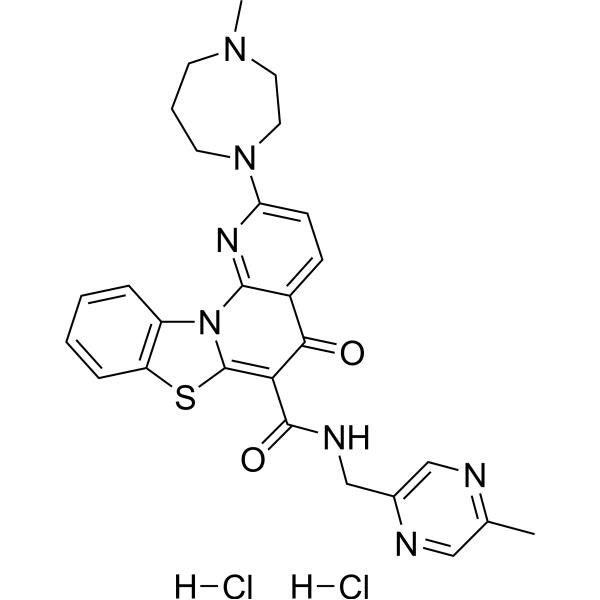
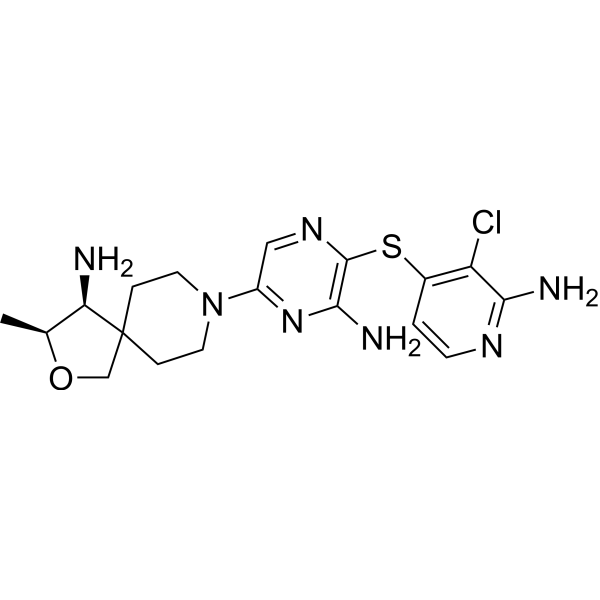
    Batoprotafib (TNO155) is a potent selective and orally active allosteric inhibitor of wild-type SHP2 (IC50=0.011 µM). Batoprotafib has the potential for the study of RTK-dependent malignancies, especially advanced solid tumors .
    Batoprotafib
  • HY-128586
    TAS4464
    Maximum Cited Publications
    9 Publications Verification

    Apoptosis Carbonic Anhydrase NEDD8-activating Enzyme Cancer
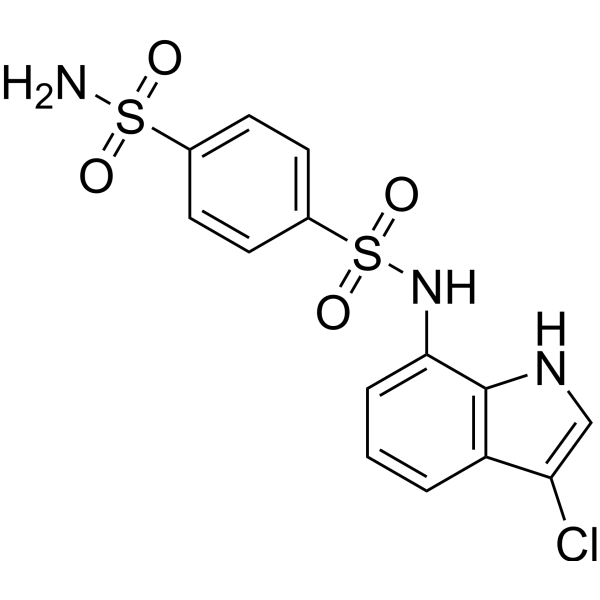
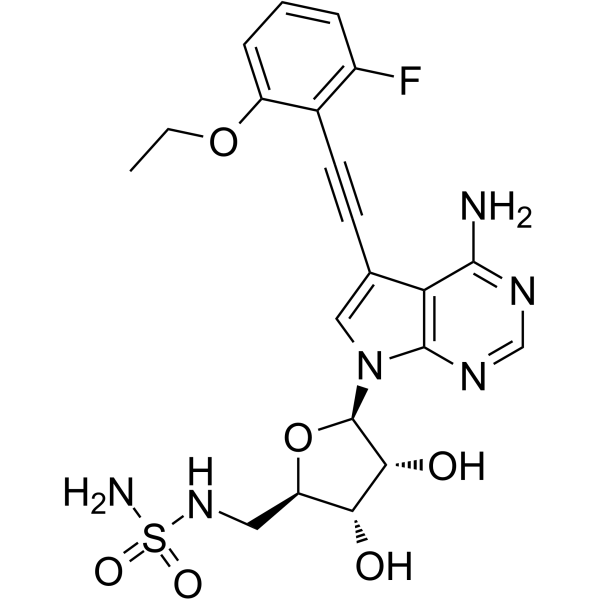
    TAS4464 is a long-acting, highly selective covalent inhibitor targeting NEDD8-activating enzyme (NAE) (IC50=0.955 nM), and also inhibits CAII with an IC50 of 0.73 μM, which is less potent than MLN4924 (HY-70062). The IC50 values of TAS4464 against other E1 enzymes UAE and SAE are 449 nM and 1280 nM, respectively. TAS4464 targets NEDD8 in an ATP-dependent manner to inhibit NAE, blocks the neddylation pathway, causes accumulation of CRL ubiquitin ligase substrates (such as CDT1, p27, phosphorylated IκBα), and further induces tumor cell apoptosis. TAS4464 exhibits antiproliferative and cytotoxic effects, and has broad-spectrum antitumor activity against various hematologic and solid tumor cell lines as well as patient-derived tumor cells. TAS4464 has a wide selcetive window, without obvious toxicity. TAS4464 can be used in the research of hematologic malignancies (leukemia, lymphoma, multiple myeloma, etc.) and solid tumors (small cell lung cancer, colorectal cancer, sarcoma, endometrial cancer, ovarian cancer, etc.) .
    TAS4464
  • HY-150105

    BMF-219; Menin-MLL inhibitor 21

    Epigenetic Reader Domain Metabolic Disease Inflammation/Immunology Cancer
    Icovamenib (BMF-219) is a selective, orally active, irreversible Menin inhibitor. Icovamenib forms a stable and irreversible covalent bond with Menin. Icovamenib promotes selective and controlled proliferation of beta cells and improvement of beta cell function in ex vivo human islet cultures. Icovamenib enhances glycemic control in animal diabetic models. Icovamenib induces a dose-dependent enhancement in insulin secretion potentiated by the GLP-1 RA. Icovamenib can be used for the study of multiple hematologic malignancies, solid tumors, and diabetes mellitus, such as diffuse large B-cell lymphoma (DLBCL), multiple myeloma (MM) and chronic lymphocytic leukemia and type 2 diabetes .
    Icovamenib
  • HY-P99364
    Icrucumab
    1 Publications Verification

    Anti-VEGFR1/FLT1 Reference Antibody; IMC-18F1

    VEGFR Apoptosis p38 MAPK Akt Endocrinology Cancer
    Icrucumab (Anti-VEGFR1/FLT1 Reference Antibody; IMC-18F1) is an IgG1 antibody inhibitor targeting VEGFR-1/FLT1 with anti-tumor activity. By blocking ligand-dependent phosphorylation and downstream signal transduction, Icrucumab reduces the activities of MAPK and Akt in breast cancer xenograft models, inhibits the proliferation and invasion of VEGFR-1-positive tumor cells, and reverses the conversion of M1 macrophages to the pro-tumor M2-like phenotype. Icrucumab also inhibits tumor cell proliferation, promotes apoptosis, and effectively suppresses tumor growth through direct targeting of tumors and host support mechanisms. In addition, Icrucumab exhibits a synergistic effect when combined with chemotherapeutic agents, and it is used in research related to various cancers including advanced solid malignancies, thyroid cancer, melanoma, and lung cancer .
    Icrucumab
  • HY-P99934
    Eftozanermin alfa
    1 Publications Verification

    ABBV-621

    Apoptosis Caspase TNF Receptor Cancer
    Eftozanermin alfa (ABBV-621) is a tumor necrosis factor-related apoptosis-inducing ligand receptor (TRAIL-R) agonist. Eftozanermin alfa is a fusion protein consisting of a mutant immunoglobulin G1-Fc linked to 2 single-chain trimers of TRAIL. Eftozanermin alfa induces apoptosis in tumor cells by activation of death receptors (DR4 receptor and DR5 receptor) with Kds of 780 nM and 635 nM. Eftozanermin alfa can be used for the research of multiple solid and heme malignancies .
    Eftozanermin alfa
  • HY-172416

    ZE63-0302

    Epigenetic Reader Domain Cancer
    Balomenib (ZE63-0302) is an orally bioavailable menin-KMT2A interaction inhibitor. Balomenib disrupts menin-KMT2A binding, reverses aberrant HOX gene expression. Balomenib inhibits Meis1 mRNA expression in KMT2A-rearranged acute myeloid leukemia cells. Balomenib can be used for the research of leukemia .
    Balomenib
  • HY-155163

    Anaplastic lymphoma kinase (ALK) ROS Kinase FAK Apoptosis Cancer
    APG-2449 is an orally active inhibitor for BCL-2 and multikinase (ALK/FAK/ROS1) with potent antitumor activities. APG-2449 reduces cell viability and enhances apoptosis in acute myeloid leukemia cells in vitro. APG-2449 decreases activation of FAK and its downstream effectors. APG-2449 can be studied in research for mesothelioma tumor, non-small cell lung cancer, ovarian cancer, hematologic and solid malignancies .
    APG-2449
  • HY-128586A
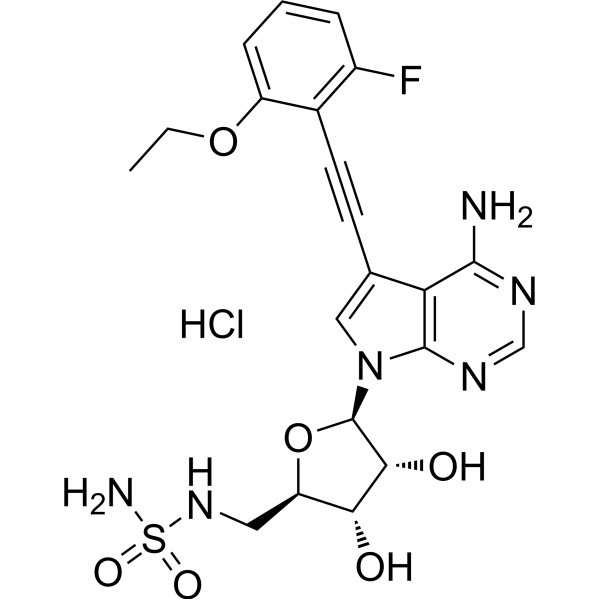
    TAS4464 hydrochloride
    Maximum Cited Publications
    9 Publications Verification

    NEDD8-activating Enzyme Carbonic Anhydrase Apoptosis Cancer
    TAS4464 hydrochloride is a long-acting, highly selective covalent inhibitor targeting NEDD8-activating enzyme (NAE) (IC50=0.955 nM), and also inhibits CAII with an IC50 of 0.73 μM, which is less potent than MLN4924 (HY-70062). The IC50 values of TAS4464 hydrochloride against other E1 enzymes UAE and SAE are 449 nM and 1280 nM, respectively. TAS4464 hydrochloride targets NEDD8 in an ATP-dependent manner to inhibit NAE, blocks the neddylation pathway, causes accumulation of CRL ubiquitin ligase substrates (such as CDT1, p27, phosphorylated IκBα), and further induces tumor cell apoptosis. TAS4464 hydrochloride exhibits antiproliferative and cytotoxic effects, and has broad-spectrum antitumor activity against various hematologic and solid tumor cell lines as well as patient-derived tumor cells. TAS4464 hydrochloride has a wide therapeutic window, without obvious toxicity. TAS4464 hydrochloride can be used in the research of hematologic malignancies (leukemia, lymphoma, multiple myeloma, etc.) and solid tumors (small cell lung cancer, colorectal cancer, sarcoma, endometrial cancer, ovarian cancer, etc.) .
    TAS4464 hydrochloride
  • HY-10252
    NVP-ADW742
    3 Publications Verification

    ADW742; GSK 552602A; ADW

    IGF-1R Insulin Receptor Apoptosis Endocrinology Cancer
    NVP-ADW742 (ADW742) is an orally active, selective IGF-1R tyrosine kinase inhibitor with an IC50 of 0.17 μM. NVP-ADW742 inhibits insulin receptor (InsR) with an IC50 of 2.8 μM. NVP-ADW742 induces pleiotropic antiproliferative/proapoptotic biologic sequelae in tumor cells .
    NVP-ADW742
  • HY-P99172

    CD47 Interleukin Related Cancer
    CC-90002 is a humanized anti-CD47 monoclonal antibody (mAb). CC-90002 has a high affinity for binding to CD47 with a subnanomolar Kd value. CC-90002 can be used for the research of hematologic malignancies and solid tumors .
    CC-90002
  • HY-P99057

    CDX-1127

    TNF Receptor Transmembrane Glycoprotein Inflammation/Immunology Cancer
    Varlilumab (CDX-1127) is an agonist anti-CD27 monoclonal antibody. Varlilumab can promote T cell expansion and activate the immune response. Varlilumab has anti-tumor activity and can be used in the research of hematological malignancies and solid tumors .
    Varlilumab
  • HY-P99249

    Pogalizumab; MOXR 0916

    Orexin Receptor (OX Receptor) Cancer
    Vonlerolizumab (Pogalizumab; MOXR 0916) is a humanized IgG1 monoclonal antibody targeting OX40 (CD134). Pogalizumab partially blocks the interaction between OX40 and its natural ligand OX40L upon binding, thereby activating the NF-κB signaling pathway. Pogalizumab enhances T cell activation and proliferation and has shown antitumor activity in mouse models .
    Vonlerolizumab
  • HY-172615

    Molecular Glues Epigenetic Reader Domain Cancer
    AMPTX-1 is a selective, orally active, covalent reversible BRD9 molecular glue degrader with a DC50 of 0.05 nM. AMPTX-1 selectively recruits BRD9 to the E3 ligase DCAF16. AMPTX-1 forms a ternary complex with BRD9 and a reversible covalent adduct with Cys58 on the surface of DCAF16. AMPTX-1 mediates BRD9 degradation via the proteasome and Cullin RING E3 ligase pathways. AMPTX-1 can be used in the research of solid tumors and hematological malignancies .
    AMPTX-1
  • HY-P991180

    TNF Receptor Cancer
    TRX-518 is a humanized agylcosyl IgG1 anti-GITR mAb, , and is a GITR agonist. TRX-518 binds to the extracellular domain of human GITR, abrogates Treg-mediated suppression. TRX-518 increases effector T cell activation and pro-inflammatory cytokine production, reduces circulating and intratumor Treg frequencies. TRX-518 destabilizes Treg phenotype via Foxp3 downregulation and T-bet upregulation. TRX-518 can be used for the research of solid tumors[1][2][3].
    TRX-518
  • HY-173266A

    PROTACs HDAC Neurological Disease Cancer
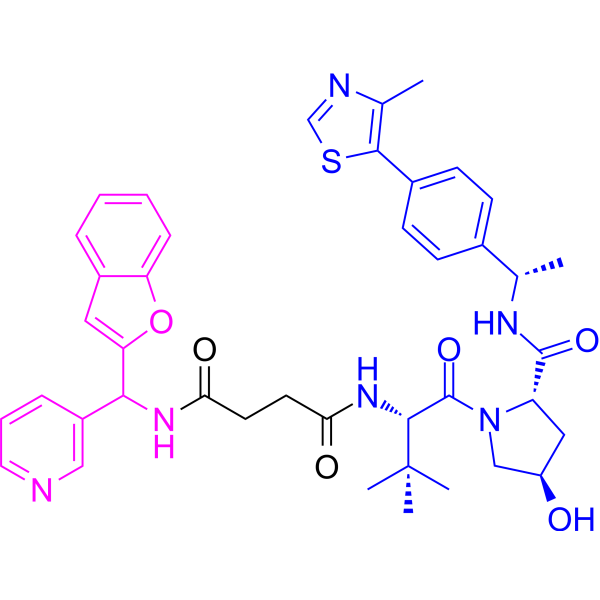
    TO-1187 TFA is a selective HDAC6 PROTAC degrader (DC50: 5.81 nM). TO-1187 TFA promotes the ubiquitination and degradation of HDAC6 and can be used in the study of hematological malignancies and solid tumors (Pink: HDAC6 ligand (HY-173386); Blue: CRBN ligase ligand (HY-41547); Black: linker (HY-140212)) .
    TO-1187 TFA
  • HY-168878

    METTL3 Cancer
    EP652 is a METTL3 inhibitor and antitumor agent with IC50 values of 2 nM, <10 nM, and 37 nM in SPA, intracellular, and ATPlite assays, respectively. EP652 exhibits high selectivity against 40 other methyltransferases and FTO, and possesses favorable pharmacokinetic parameters. EP652 reduces intracellular N 6-methyladenosine (m 6A) levels in mRNA. EP652 inhibits tumor growth and progression of both hematologic malignancies and solid tumors. EP652 can be used for the research of acute myeloid leukemia, ovarian cancer, non-small cell lung cancer, and hypopharyngeal squamous cell carcinoma .
    EP652
  • HY-P99475

    MSB-2311

    PD-1/PD-L1 Cancer
    Betifisolimab (MSB-2311) is a humanized monoclonal antibody directed against the immunosuppressive ligand PD-L1. Betifisolimab has the potential for advanced solid tumors and hematological malignancies research .
    Betifisolimab
  • HY-156602

    OKI-179

    HDAC Cancer
    Bocodepsin (OKI-179) is an orally active and selective HDAC inhibitor, with antitumor activity. Bocodepsin can be used for suppression on solid tumor and hematologic malignancies .
    Bocodepsin
  • HY-12455

    ADC Payload Antibiotic DNA Alkylator/Crosslinker Apoptosis Caspase Cancer
    Duocarmycin A is an antitumor antibiotic and DNA alkylating agent with broad-spectrum antibacterial activity, which can serve as a payload for synthesizing antibody-drug conjugates (ADCs). Duocarmycin A selectively binds to the AT-rich minor groove of DNA, forms covalent adducts by alkylating the adenine N3 residue, thereby disrupting DNA structure and inhibiting its replication and transcription. Duocarmycin A induces apoptosis, sub-G1 phase accumulation and chromatin condensation, reduces the levels of pro-caspase-3/9, and induces p53-independent p21 expression. Duocarmycin A is widely used in the research of various malignancies, including leukemia, sarcoma, glioblastoma, as well as multiple solid tumor models such as lung cancer, breast cancer, and colorectal cancer .
    Duocarmycin A
  • HY-P99027

    LAG525; IMP701; Hu5A8

    LAG-3 Cancer
    Ieramilimab (LAG525; IMP701) is a humanized IgG4 monoclonal antibody that binds to LAG-3, resulting in inhibition of LAG-3 interaction with MHC-II molecules. Ieramilimab restores T-cell and NK-cell-mediated antileukemic immunity by reducing exhaustion and augmenting cytokine output and cytotoxicity. Ieramilimab increases the infiltration of cytotoxic T lymphocytes and reduces baseline densities of regulatory T cells (Tregs) and ADAM10-expressing tumor cells. Ieramilimab can be used for the study of various malignancies including melanoma, RCC, and advanced solid tumors .
    Ieramilimab
  • HY-173266

    PROTACs HDAC Neurological Disease Cancer
    TO-1187 is a selective HDAC6 PROTAC degrader (DC50: 5.81 nM). TO-1187 promotes the ubiquitination and degradation of HDAC6 and can be used in the study of hematological malignancies and solid tumors (Pink: HDAC6 ligand (HY-173386); Blue: CRBN ligase ligand (HY-41547); Black: linker (HY-140212)) .
    TO-1187
  • HY-178468

    PARP Cancer
    PARP1-IN-47 (Compound 35) is a highly selective PARP1 inhibitor (IC50 <100 nM). PARP1-IN-47 blocks poly(ADP-ribosyl)ation and disrupts DNA damage repair pathways to induce tumor cell apoptosis. PARP1-IN-47 is promising for research of solid tumors and hematological malignancies .
    PARP1-IN-47
  • HY-P991612

    Sym024

    CD73 Inflammation/Immunology Cancer
    S095024 is a humanized IgG1 monoclonal antibody inhibitor targeting CD73. S095024 can be used to study acute respiratory distress syndrome (ARDS), non-small cell lung cancer (NSCLC) and advanced solid tumor malignancies .
    S095024
  • HY-P991151

    PD-1/PD-L1 TNF Receptor Cancer
    Opamtistomig is a humanized immunoglobulin (H-γ1-scFv-L-κ) dimer monoclonal antibody targeting human programmed death ligand 1 (PD-L1), CD274 and tumor necrosis factor receptor superfamily member 9 (TNFRSF9). Opamtistomig is promising for research of various solid tumors and hematological malignancies .
    Opamtistomig
  • HY-P991135

    RO-7502175; RG-6411

    CCR Cancer
    Enzelkitug is a humanized immunoglobulin G1-κ monoclonal antibody targeting the human C-C motif chemokine receptor 8 (CCR8). Enzelkitug is promising for research of various solid tumors and hematological malignancies .
    Enzelkitug
  • HY-100885A

    (S)-NUC-1031; Fosgemcitabine palabenamide

    Others Cancer
    (S)-Acelarin ((S)-NUC-1031) is an anti-cancer agent. (S)-Acelarin inhibits the growth of various cancer cells. (S)-Acelarin can be used for the study of solid tumors (e.g., pancreatic cancer, BTC, ovarian cancer) and hematological malignancies .
    (S)-Acelarin
  • HY-158618

    Aurora Kinase Apoptosis Cancer
    Aurora kinase inhibitor-14 (Compound 79) is an orally active and highly selective inhibitor of Aurora kinases with IC50 values of 0.5 nM and 1.2 nM for Aurora A and Aurora B, respectively. Aurora kinase inhibitor-14 binds to the ATP-binding site of Aurora kinases to block chromosome segregation during mitosis and induce apoptosis in tumor cells. Aurora kinase inhibitor-14 is promising for research of various solid tumors and hematological malignancies, such as non-small cell lung cancer, breast cancer, and acute myeloid leukemia .
    Aurora kinase inhibitor-14
  • HY-156602A

    OKI-179 hydrochloride

    HDAC Cancer
    Bocodepsin hydrochloride (OKI-179) is an orally active and selective HDAC inhibitor, with antitumor activity. Bocodepsin hydrochloride can be used for suppression on solid tumor and hematologic malignancies .
    Bocodepsin hydrochloride
  • HY-P99057A

    CDX-1127 (anti-CD27)

    TNF Receptor Transmembrane Glycoprotein Inflammation/Immunology Cancer
    Varlilumab (CDX-1127) (anti-CD27) is an agonist anti-CD27 monoclonal antibody. Varlilumab (anti-CD27) can promote T cell expansion and activate the immune response. Varlilumab (anti-CD27) has anti-tumor activity and can be used in the research of hematological malignancies and solid tumors .
    Varlilumab (anti-CD27)
  • HY-178140

    STAT Cancer
    STAT3-IN-47 is an orally active STAT3 inhibitor. STAT3-IN-47 exhibits broad-spectrum anti-tumor activity against HeLa, HepG2, U87, and LN229 cells. STAT3-IN-47 suppresses STAT3 activation in vitro. STAT3-IN-47 can be used for the study of solid tumors, especially central nervous system (CNS) malignancies and hepatocellular carcinoma .
    STAT3-IN-47
  • HY-170226

    Epigenetic Reader Domain Cancer
    BET-IN-28 (Compound 44) is a highly potent inhibitor of bromodomain and extra-terminal domain (BET), with an IC50 value of 4.47 nM against BRD4-BD1. BET-IN-28 blocks the interaction between BET proteins and N-acetylated lysine residues on histone tails, down-regulates certain genes. BET-IN-28 can be used for hematological malignancies and solid tumors study .
    BET-IN-28
  • HY-169076

    FLT3 HDAC Apoptosis Cancer
    FLT3/HDAC-IN-1 is a dual inhibitor of FLT3/HDAC, with IC50 values of 30.4, 52.4, and 14.7 nM for FLT3, HDAC1, and HDAC3, respectively. FLT3/HDAC-IN-1 can induce apoptosis in MV-4-11 cells and has anti-proliferative effects on FLT3 mutant-transformed BaF3 cells. FLT3/HDAC-IN-1 is being researched for its potential in treating hard-to-treat solid tumors and hematological malignancies .
    FLT3/HDAC-IN-1
  • HY-P99911

    MEDI-6383

    Orexin Receptor (OX Receptor) Inflammation/Immunology Cancer
    Efizonerimod alfa (MEDI-6383) is a recombinant human OX40L IgG4P Fc fusion protein that assembles into a hexameric structure and exerts potent agonist activity upon binding to OX40. The activity of Efizonerimod alfa is enhanced by Fcγ receptor-mediated aggregation. Efizonerimod alfa binds to OX40 on the surface of activated T cells, induces NF-κB promoter activity in OX40-expressing T cells, and triggers the production of Th1-type cytokines, T cell proliferation, and resistance to regulatory T cell (Treg)-mediated suppression. Efizonerimod alfa enhances the cytolytic activity of tumor-reactive T cells and slows tumor growth in immunodeficient mice. Efizonerimod alfa induces the proliferation of CD4, CD8, and B cells in the peripheral blood of healthy non-human primates. Efizonerimod alfa can be used in the research of advanced solid malignancies and melanoma .
    Efizonerimod alfa
  • HY-183774

    TAM Receptor Cancer
    NTQ2494 is a potent and orally active AXL kinase inhibitor with an IC50 of 4.89 nM. NTQ2494 inhibits AXL kinase catalytic activity. NTQ2494 suppresses tumor growth in mouse xenograft models. NTQ2494 can be used for the research of advanced hematological malignancies, solid tumors .
    NTQ2494
  • HY-181620

    Molecular Glues CDK Cancer
    CDK2 degrader 9 (compound 1) is a CDK2-targeting Molecular Glue with selectivity for GSPT1 and CDK1. CDK2 degrader 9 promotes the ubiquitination and degradation of CDK2 via the ubiquitin ligase pathway. CDK2 degrader 9 is applicable to research related to cancer, solid tumors and hematologic malignancies .
    CDK2 degrader 9
  • HY-182700

    Complement System VEGFR Cancer
    NRPa-308 is a potent and orally active Neuropilin-1 (NRP-1) antagonist with an IC50 of 42 μM for inhibiting VEGF-A165 binding to NRP-1. NRPa-308 blocks the specific interaction between VEGF-A165 and NRP-1. NRPa-308 effectively suppresses angiogenesis in vitro and in vivo and reduces the viability of a broad spectrum of human solid and haematological cancer cells. NRPa-308 inhibits tumor growth and prolongs median survival in a human breast cancer xenograft mouse model. NRPa-308 can be used for the research of multiple human malignancies including solid tumors and hematological cancers .
    NRPa-308
  • HY-P991135A

    RO-7502175 (FUT8-KO); RG-6411 (FUT8-KO)

    CCR Cancer
    Enzelkitug (RO-7502175; RG-6411) (FUT8-KO) is an anti-CCR8 monoclonal antibody expressed by CHO cells with the fucosyltransferase 8 gene (FUT8) knocked out. Fucose deficiency enhances the antibody-dependent cellular cytotoxicity (ADCC) effect of the antibody. Enzelkitug (FUT8-KO) can be used for the research of various solid tumors and hematological malignancies .
    Enzelkitug (FUT8-KO)
  • HY-10252R

    ADW742 (Standard); GSK 552602A (Standard); ADW (Standard)

    Reference Standards IGF-1R Insulin Receptor Apoptosis Endocrinology Cancer
    NVP-ADW742 (Standard) is the analytical standard of NVP-ADW742 (HY-10252). This product is intended for research and analytical applications. NVP-ADW742 (ADW742) is an orally active, selective IGF-1R tyrosine kinase inhibitor with an IC50 of 0.17 μM. NVP-ADW742 inhibits insulin receptor (InsR) with an IC50 of 2.8 μM. NVP-ADW742 induces pleiotropic antiproliferative/proapoptotic biologic sequelae in tumor cells .
    NVP-ADW742 (Standard)
  • HY-P992450

    TNF Receptor Cancer
    REGN6569 is a fully human IgG1 monoclonal antibody targeting glucocorticoid-induced tumor necrosis factor receptor-related protein (GITR) with high specificity for GITR. REGN6569 exerts stronger in vitro antibody-dependent cell-mediated cytotoxicity (ADCC) against regulatory T cells expressing GITR. REGN6569 selectively depletes regulatory T cells via antibody-dependent cell-mediated cytotoxicity and increases the proportion of proliferative natural killer (NK) cells in peripheral blood. REGN6569 is applicable for advanced solid malignancies. Isotype control: HY-P99001 .
    REGN6569
  • HY-106021

    ILX651 free base

    Microtubule/Tubulin Prolyl Endopeptidase (PREP) Cancer
    Tasidotin (ILX651 free base) is a tubulin inhibitor and competitive Prolyl Endopeptidase (PREP) inhibitor, with an IC50 of 10 μM against bovine tubulin. Tasidotin exhibits high cerebrospinal fluid penetration in non-human primates. Tasidotin antagonizes microtubule assembly and induces an extended assembly lag phase, thereby inhibiting mitosis and cell proliferation, and exerts cytotoxic and oncolytic effects on cancer cells. Tasidotin is metabolized into polypeptides and proline inside cells, and its in vivo metabolism is mediated by prolyl endopeptidase. Tasidotin can be applied in research related to Burkitt's lymphoma, breast cancer, leukemia, melanoma, central nervous system malignancies and various solid tumors .
    Tasidotin
  • HY-P992002

    ADC Antibody Cancer
    AMT-151 Antibody is a monoclonal antibody inhibitor targeting folate receptor α. AMT-151 Antibody can be used to synthesize the antibody-drug conjugate (ADC) AMT-151. AMT-151 Antibody can be used to research related to cancer .
    AMT-151 Antibody

Inquiry Online

Your information is safe with us. * Required Fields.

Salutation


Country or Region *

Applicant Name *


Organization Name *

Department *


Email Address *


Product Name *

Cat. No.


Requested quantity *

Phone Number *


Remarks

Inquiry Online

Inquiry Information

Product Name:
Cat. No.:
Quantity:
MCE Japan Authorized Agent:

