1. Search Result
Search Result
Results for "

spatial

" in MedChemExpress (MCE) Product Catalog:

77

Inhibitors & Agonists

4

Screening Libraries

2

Biochemical Assay Reagents

7

Peptides

7

Natural
Products

5

Isotope-Labeled Compounds

1

Click Chemistry

1

Oligonucleotides

1

GMP Molecules

Cat. No. Product Name Target Research Areas Chemical Structure
  • HY-B0764
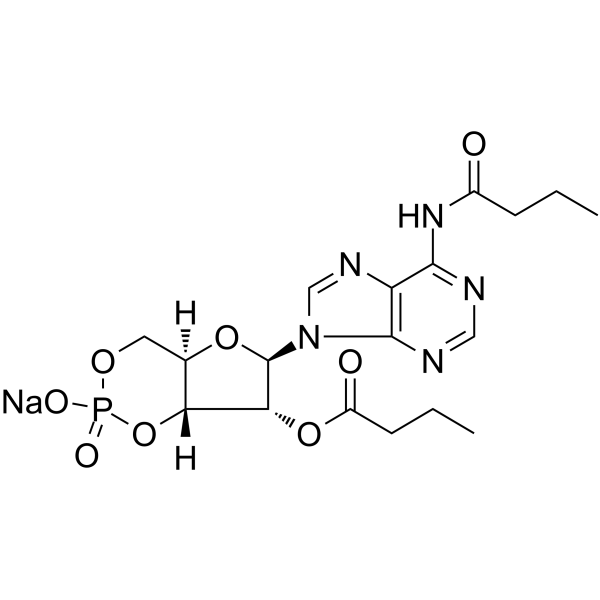
    Bucladesine sodium
    40+ Cited Publications

    Dibutyryl cAMP sodium; DBcAMP sodium

    PKA Reactive Oxygen Species (ROS) Apoptosis Neurological Disease Inflammation/Immunology Cancer
    Bucladesine (Dibutyryl cAMP; DBcAMP) sodium is a membrane-permeable 3′, 5′-cyclic adenosine monophosphate (cAMP) analog. Bucladesine selectively activates cAMP dependent protein kinase (PKA) by increasing the intracellular level of cAMP. Bucladesine significantly attenuates MDMA-induced increases in hippocampal mitochondrial ROS formation, mitochondrial outer membrane damage, cytochrome c release, and hippocampal ADP/ATP ratio, thereby improving spatial learning and memory impairments. Bucladesine exhibit anti-nociceptive and anti-inflammation effect. Bucladesine can inhibit cancer cells proliferation, induce apoptosis. Bucladesine can be used for the researches of neurological disease, cancer, inflammation .
    Bucladesine sodium
  • HY-10295
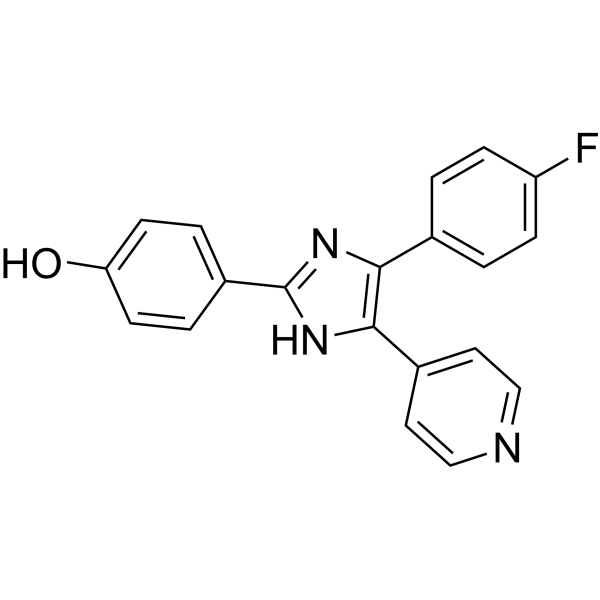
    SB 202190
    Maximum Cited Publications
    134 Publications Verification

    Organoid p38 MAPK Autophagy Apoptosis Neurological Disease Cancer
    SB 202190 is a selective p38 MAP kinase inhibitor with IC50s of 50 nM and 100 nM for p38α and p38β2, respectively. SB 202190 binds to the ATP pocket of the active recombinant human p38 kinase with a Kd of 38 nM. SB 202190 has anti-cancer activity and rescued memory deficits . SB202190 induces autophagy .
    SB 202190
  • HY-18731
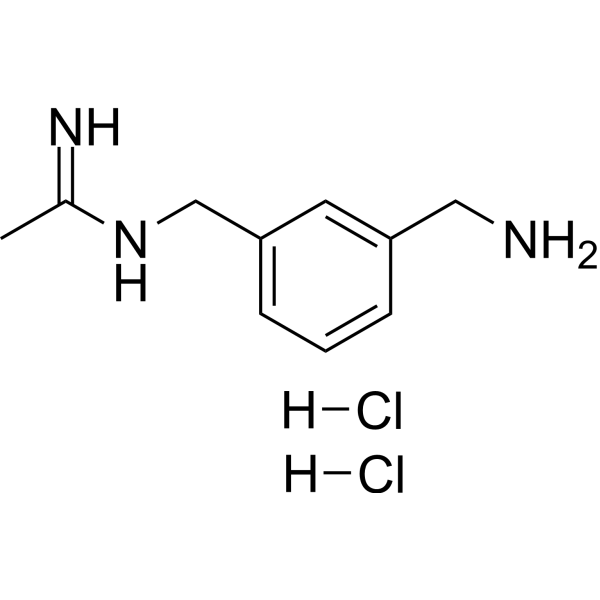
    1400W Dihydrochloride
    25+ Cited Publications

    NO Synthase Apoptosis Cardiovascular Disease Inflammation/Immunology Cancer
    1400W dihydrochloride is the dihydrochloride form of 1400W (HY-18730). 1400W is a slow, tight binding, and highly selective inducible nitric-oxide synthase (iNOS) inhibitor, with a Kd value ≤ 7 nM. 1400W inhibits iNOS induction in microglial cells, and reduces generation of NO, thereby mitigating oxidative stress and neuronal cell apoptosis in the rat cerebral cortex, and improving the spatial memory dysfunction caused by acute hypobaric hypoxia-reoxygenation .
    1400W Dihydrochloride
  • HY-W004260
    Arachidic acid
    3 Publications Verification

    Eicosanoic acid

    Endogenous Metabolite Neurological Disease
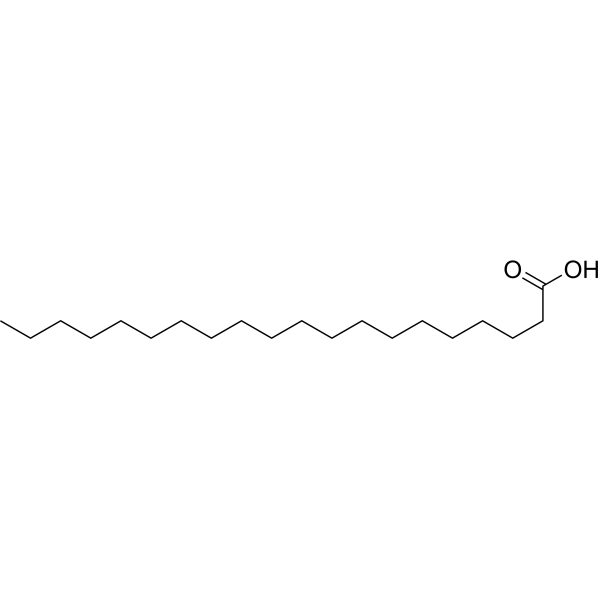
    Arachidic acid is an orally bioavailable membrane fluidity modulator and receptor/ion channel effector. Arachidic acid does not activate arachidonic acid-sensitive K + channels in rat midbrain and hypothalamic neurons. Arachidic acid alleviates age-related spatial cognitive impairment. Arachidic acid is applicable for research related to age-related spatial cognitive impairment .
    Arachidic acid
  • HY-D0175
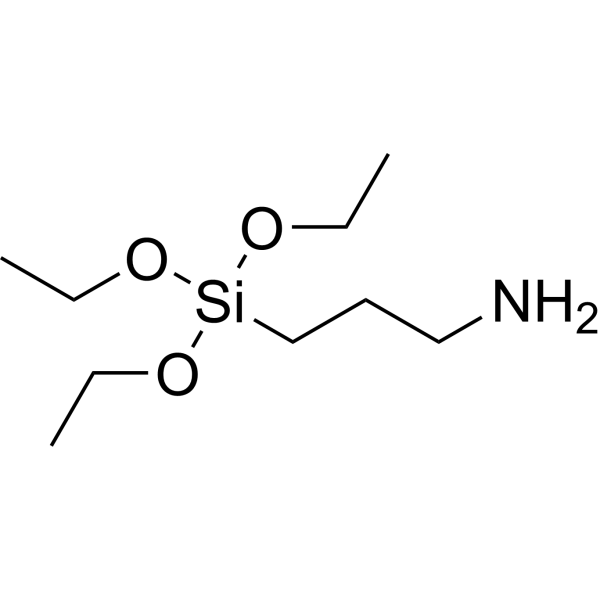
    3-Aminopropyltriethoxysilane
    2 Publications Verification

    γ-Aminopropyltriethoxysilane; APTES

    Biochemical Assay Reagents Others
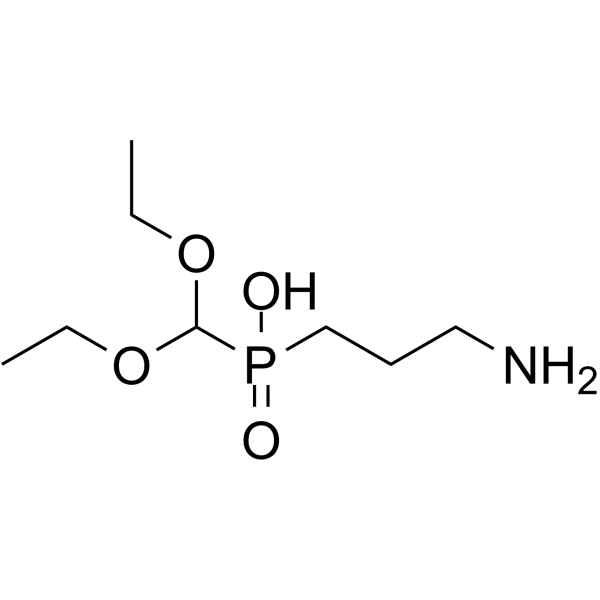
    3-Aminopropyltriethoxysilane (APTES) acts as a strong glue to immobilize biomolecules such as antibodies and enzymes to silicon and silicon derivatives such as silicon nitride (Si3N4 )) on. 3-Aminopropyltriethoxysilane also acts as a spacer, providing biomolecules with more spatial freedom during immobilization for higher specific activity. 3-Aminopropyltriethoxysilane can form a more stable, sensitive, and highly biocompatible bioanalytical platform by immobilizing biomolecules onto some solid materials, electrode materials, nanomaterials, and nanocomposites .
    3-Aminopropyltriethoxysilane
  • HY-139912

    DNA Stain Biochemical Assay Reagents Others
    Biotin-aniline is a probe with substantially high reactivity towards RNA and DNA. Biotin-aniline is also a novel APEX2 substrate. Biotin-aniline can label proteins via miniSOG. Biotin-aniline emerges as more efficient probe for capturing subcellular transcriptome in living cells with high spatial specificity .
    Biotin-aniline
  • HY-B0764A
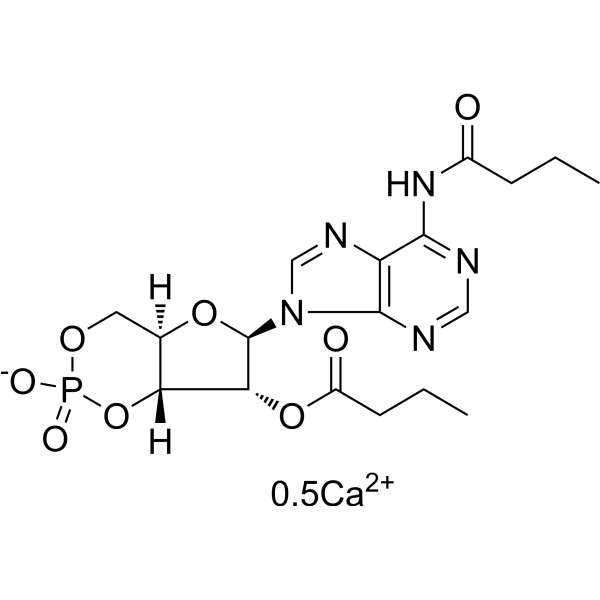
    Bucladesine hemicalcium
    40+ Cited Publications

    Dibutyryl cAMP hemicalcium; DBcAMP hemicalcium

    PKA Apoptosis Reactive Oxygen Species (ROS) Neurological Disease Cancer
    Bucladesine (Dibutyryl cAMP; DBcAMP) hemicalcium is a membrane-permeable 3′, 5′-cyclic adenosine monophosphate (cAMP) analog. Bucladesine selectively activates cAMP dependent protein kinase (PKA) by increasing the intracellular level of cAMP. Bucladesine significantly attenuates MDMA-induced increases in hippocampal mitochondrial ROS formation, mitochondrial outer membrane damage, cytochrome c release, and hippocampal ADP/ATP ratio, thereby improving spatial learning and memory impairments. Bucladesine exhibit anti-nociceptive and anti-inflammation effect. Bucladesine can inhibit cancer cells proliferation, induce apoptosis. Bucladesine can be used for the researches of neurological disease, cancer, inflammation .
    Bucladesine hemicalcium
  • HY-103530
    CGP35348
    2 Publications Verification

    GABA Receptor Neurological Disease
    CGP 35348 is a selective, brain penetrant, centrally active GABAB receptor antagonist with an EC50 of 34 μM. CGP 35348 shows affinity for the GABAB receptor only . CGP 35348 has a potential to improve neuromuscular coordination and spatial learning in albino mouse following neonatal brain damage .
    CGP35348
  • HY-120782
    Yhhu-3792
    2 Publications Verification

    Notch Neurological Disease
    Yhhu-3792 is a Notch activator. Yhhu-3792 enhances the self-renewal capability of neural stem cells (NSCs). Yhhu-3792 promotes the expression of Hes3 and Hes5. Yhhu-3792 increases the spatial and episodic memory abilities of mice. Yhhu-3792 can be used for the study of neurodegenerative diseases (such as Alzheimer's disease) or for neural regeneration after brain injury .
    Yhhu-3792
  • HY-N10889

    Drug Metabolite RET Neurological Disease
    Sominone is the active metabolite of Withanoside IV (HY-N8693). Sominone enhances neuronal morphological plasticity by activating the RET pathway. Sominone can also induce axon/dendrite regeneration and synaptic reconstruction, thereby improving spatial memory. Sominone can be used in the research of neurodegenerative diseases such as Alzheimer's disease .
    Sominone
  • HY-NP0204

    ELOVL Apoptosis NOD-like Receptor (NLR) Caspase Tau Protein Neurological Disease Inflammation/Immunology
    Mouse Serum Albumin is most abundant protein in plasma, which leaks into the brain parenchyma when the blood-brain barrier (BBB) is impaired. Mouse Serum Albumin induces astrocytes to A1 phenotype to remarkably increase levels of Elovl1. Mouse Serum Albumin promotes VLSFAs secretion and causes neuronal lippoapoptosis through endoplasmic reticulum stress response pathway. MSA-activated microglia triggeres remarkable tau phosphorylation at multiple sites (Ser202/Thr205) through NLRP3 inflammasome pathway. Mouse Serum Albumin decreases the spatial learning and memory abilities in mice. Mouse Serum Albumin can be used for the study of neurodegenerative diseases like Alzheimer’s disease (AD) and frontotemporal dementia (FTD) .
    Mouse Serum Albumin
  • HY-10295A
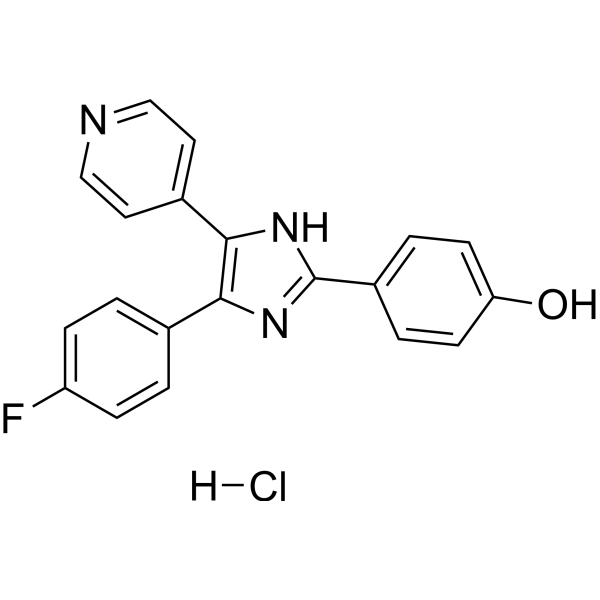
    SB 202190 hydrochloride
    Maximum Cited Publications
    134 Publications Verification

    Organoid p38 MAPK Autophagy Apoptosis Neurological Disease Cancer
    SB 202190 hydrochloride is a selective p38 MAP kinase inhibitor with IC50s of 50 nM and 100 nM for p38α and p38β2, respectively. SB 202190 hydrochloride binds to the ATP pocket of the active recombinant human p38 kinase with a Kd of 38 nM. SB 202190 hydrochloride has anti-cancer activity . SB202190 hydrochloride induces autophagy .
    SB 202190 hydrochloride
  • HY-18730
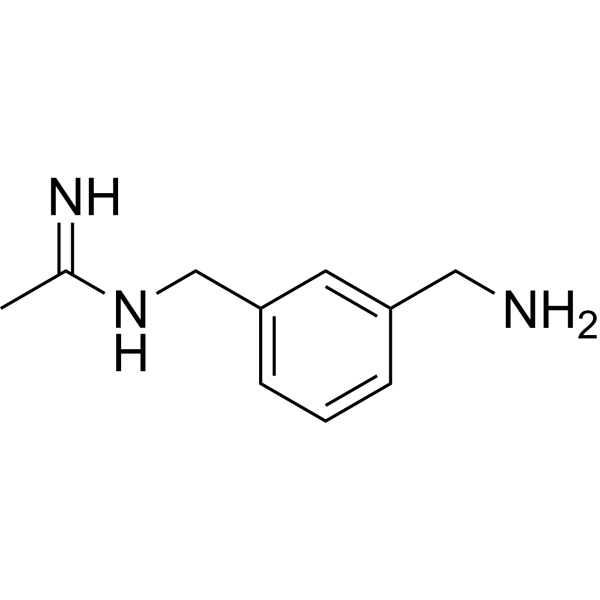
    1400W
    25+ Cited Publications

    W1400

    NO Synthase Apoptosis Cardiovascular Disease Inflammation/Immunology Cancer
    1400W is a slow, tight binding, and highly selective inducible nitric-oxide synthase (iNOS) inhibitor, with a Kd value ≤ 7 nM. 1400W inhibits iNOS induction in microglial cells, and reduces generation of NO, thereby mitigating oxidative stress and neuronal cell apoptosis in the rat cerebral cortex, and improving the spatial memory dysfunction caused by acute hypobaric hypoxia-reoxygenation .
    1400W
  • HY-123037

    Environmental Pollutants AMPK Akt PERK Fungal Infection Neurological Disease Metabolic Disease Endocrinology
    Triadimefon is an orally active fungicide. Triadimefon significantly reduces the phosphorylation of AKT1 and ERK1/2. Triadimefon significantly increases pAMPK levels, but does not affect total AMPK levels. Triadimefon inhibits the growth of Saccharomyces cerevisiae, disrupts hormone homeostasis (affecting the synthesis of testosterone, etc.), inhibits fetal adrenal development in rats, induces metabolic shifts in hepatocytes, and impairs spatial learning and memory .
    Triadimefon
  • HY-129084
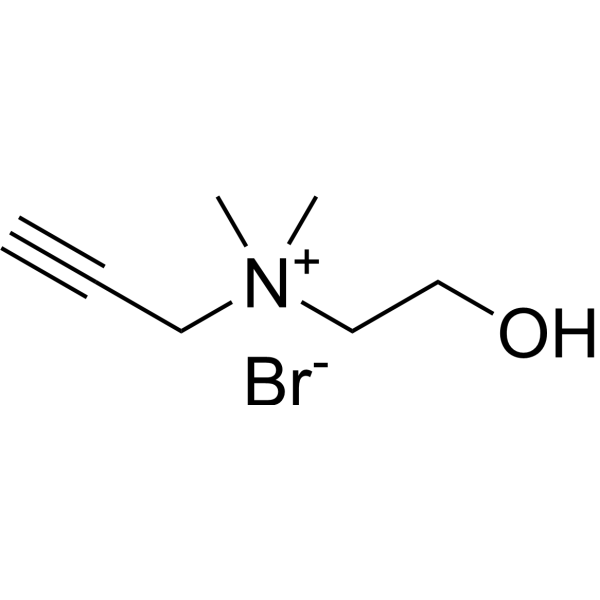
    Propargylcholine bromide
    1 Publications Verification

    Biochemical Assay Reagents Others
    Propargylcholine bromide is a choline analogue containing terminal propargyl that can be incorporated into all classes of Choline-containing phospholipids such as phosphatidylcholine and sphingomyelin, labeling Choline-containing phospholipids. Propargylcholine bromide-labeled phospholipid molecules can be visualized in cells with high sensitivity and spatial resolution. Propargylcholine bromide can be used as a molecular tool to study the biochemical and metabolic processes of Choline-containing phospholipids in cells . Propargylcholine (bromide) is a click chemistry reagent, it contains an Alkyne group and can undergo copper-catalyzed azide-alkyne cycloaddition (CuAAc) with molecules containing Azide groups.
    Propargylcholine bromide
  • HY-P10638

    CaMK Cardiovascular Disease Neurological Disease
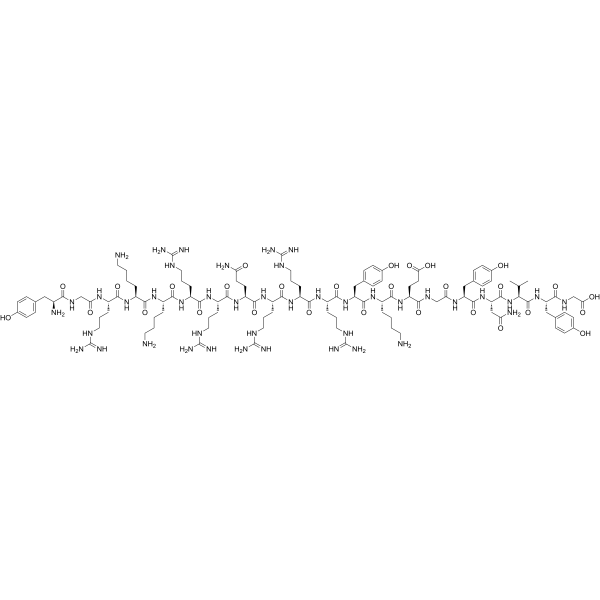
    TAT-CN21 is a potent CaMKII inhibitor with an IC50 of 77.2 nM. TAT-CN21 inhibits both calcium/calmodulin-dependent and autonomously activated CaMKII, blocks glutamate-induced translocation of CaMK IIα, and reverses the enhanced phosphorylation of CaMKII at Thr286 following excitotoxic injury. TAT-CN21 shows application potential in studies related to ischemic stroke by reducing neuronal excitotoxicity and exacerbating pre-existing long-term neuronal death prior to injury. TAT-CN21 improves definitive behaviors in rats with residual nerve injury without altering indicators such as mechanical/thermal hyperalgesia or spatial memory. TAT-CN21 can also be used in studies related to neuropathic pain .
    TAT-CN21
  • HY-B0072
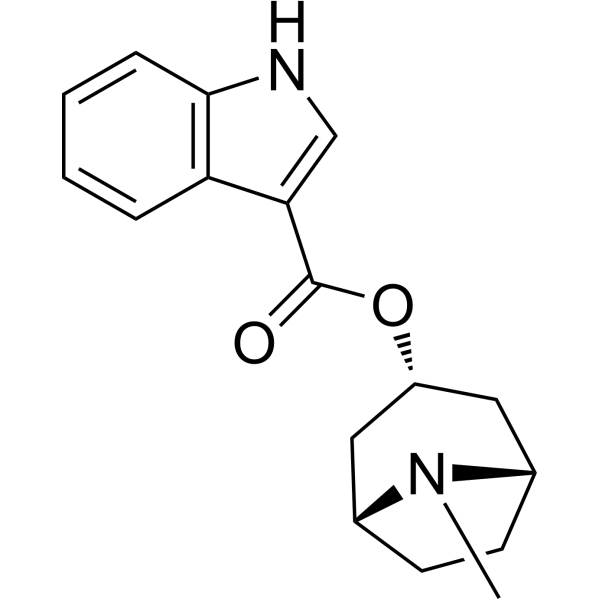
    Tropisetron
    4 Publications Verification

    SDZ-ICS-930 free base

    5-HT Receptor nAChR p38 MAPK NF-κB AP-1 Nuclear Factor of activated T Cells (NFAT) JAK Neurological Disease Inflammation/Immunology Cancer
    Tropisetron is an orally active 5-HT3R antagonist (Ki = 5.3 nM) as well as being a potent and selective α7 nicotinic partial agonist (EC50 = 1.3 μM). Tropisetron prevents phosphorylation and activation of the p38 MAPK. Tropisetron inhibits both IL-2 gene transcription and IL-2 synthesis in stimulated T cells. Tropisetron inhibits the binding to DNA and the transcriptional activity of NFAT and AP-1. Tropisetron is anti-inflammatory and antiemetic. Tropisetron has antitumor and neuroprotective effects. Tropisetron can be studied in research for diseases including hemorrhagic cystitis, chronic joint inflammation, lung cancer and chronic cerebral hypoperfusion .
    Tropisetron
  • HY-101955A

    (2R,6R)-HNK hydrochloride

    Drug Metabolite Neurological Disease
    (2R,6R)-Hydroxynorketamine ((2R,6R)-HNK) hydrochloride is an active ketamine metabolite with no NMDAR binding activity. (2R,6R)-Hydroxynorketamine hydrochloride rescues impaired dorsal hippocampal long-term potentiation and restores robust long-term potentiation in the hippocampal SC-CA1 pathway. (2R,6R)-Hydroxynorketamine hydrochloride can be used for research on depression .
    (2R,6R)-Hydroxynorketamine hydrochloride
  • HY-P2259
    TAT-GluA2 3Y
    2 Publications Verification

    iGluR Neurological Disease
    TAT-GluA2 3Y, an interference peptide, blocks long-term depression (LTD) at glutamatergic synapses by disrupting the endocytosis of AMPAR. TAT-GluA2 3Y can alleviate Pentobarbital-induced spatial memory deficits and synaptic depression .
    TAT-GluA2 3Y
  • HY-100406
    (S)-MCPG
    1 Publications Verification

    (+)-MCPG

    mGluR Neurological Disease
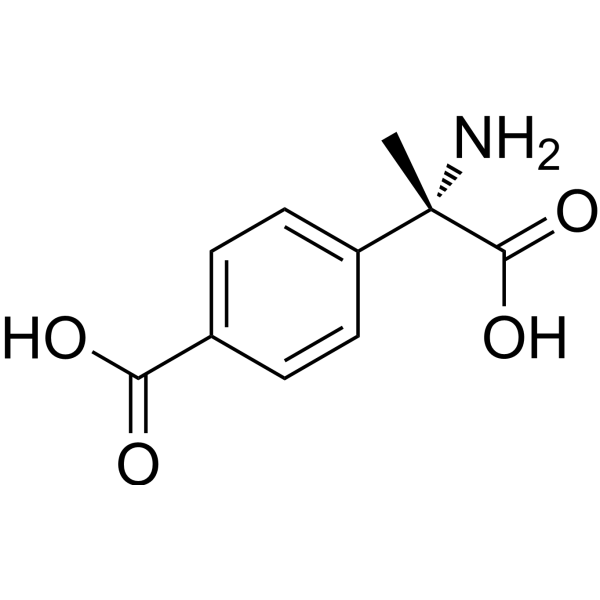
    (S)-MCPG ((+)-MCPG) is a potent group I/II metabotropic glutamate receptor (mGluRs) antagonist and the active isomer of (RS)-MCPG (HY-100371) . (S)-MCPG can be used for the study of the function of mGluRs in spatial learning .
    (S)-MCPG
  • HY-125232
    MS645
    1 Publications Verification

    Epigenetic Reader Domain Cancer
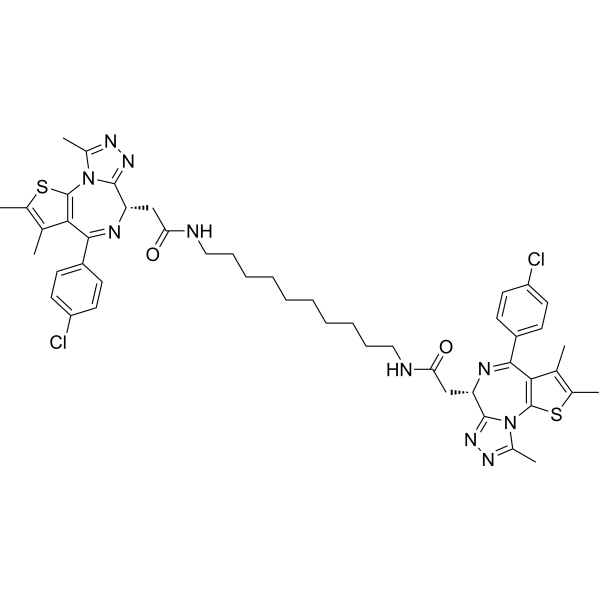
    MS645 is a bivalent BET bromodomains (BrD) inhibitor with a Ki of 18.4 nM for BRD4-BD1/BD2. MS645 spatially constrains bivalent inhibition of BRD4 BrDs resulting in a sustained repression of BRD4 transcriptional activity in solid-tumor cells .
    MS645
  • HY-167832

    JNK SGK ROCK Tau Protein MMP DNA/RNA Synthesis Pyruvate Kinase NF-κB COX NO Synthase Reactive Oxygen Species (ROS) Neurological Disease Cancer
    PT109 is an orally active, blood-brain barrier permeable multi-kinase inhibitor. By inhibiting PTBP1, PT109 promotes the switch of pyruvate kinase isoform from PKM2 to PKM1, thereby effectively inhibiting the proliferation and migration of glioblastoma multiforme and inducing its reprogramming into oligodendrocytes. PT109 also targets and regulates key signaling molecules such as JNK, SGK1, GSK3β to exert neuroprotective effects including promoting neurogenesis, inducing synapse formation and alleviating neuroinflammation. In Alzheimer's disease models, PT109 exhibits significant efficacy in improving spatial learning ability, along with excellent in vivo pharmacokinetic properties. PT109 can be used to investigate metabolic reprogramming of glioblastoma multiforme and neuroprotective mechanisms of Alzheimer's disease .
    PT109
  • HY-N1414

    Trk Receptor NF-κB Amyloid-β Neurological Disease
    (E)-3',6-Disinapoylsucrose is an orally active, blood-brain barrier permeable neuroprotective agent that inhibits protein aggregation. (E)-3',6-Disinapoylsucrose exerts anxiolytic, anti-inflammatory and cognitive-enhancing effects. (E)-3',6-Disinapoylsucrose regulates the TrkB/BDNF signaling pathway, inhibits the expression of NF-κB p65, reduces pro-inflammatory cytokine levels, and alleviates neuronal damage. (E)-3',6-Disinapoylsucrose also enhances the functions of central 5-HT and noradrenergic systems, thereby improving spatial learning and memory abilities and reducing anxiety-like behaviors. (E)-3',6-Disinapoylsucrose can be used for the research of related diseases such as Alzheimer's disease, depression, memory impairment and anxiety disorder .
    (E)-3',6-Disinapoylsucrose
  • HY-120657

    CGRP Receptor NF-κB Neurological Disease Metabolic Disease Inflammation/Immunology
    9-PAHSA is an orally active endogenous GPR120 agonist (EC50=18 μM). 9-PAHSA significantly inhibits LPS-induced inflammatory responses by blocking the NF-κB pathway. 9-PAHSA induces adipocyte browning, enhances glucose uptake and reduces lipid accumulation, while improving mitochondrial function and the survival rate of steatotic hepatocytes. In terms of neuroprotection, 9-PAHSA regulates the expression of REST and BDNF in the prefrontal cortex of diabetic mice, and effectively prevents spatial working memory deficits and abnormal social behaviors. 9-PAHSA does not directly regulate insulin secretion or improve systemic insulin sensitivity, and possesses specific anti-inflammatory, metabolic regulatory and neuroprotective properties. 9-PAHSA can be used in the research of diabetes-related cognitive impairment, obesity and non-alcoholic fatty liver disease .
    9-PAHSA
  • HY-106432A

    SB-202026 hydrochloride; Memric hydrochloride

    mAChR Dopamine Receptor Neurological Disease
    Sabcomeline (SB-202026; Memric) hydrochloride is a muscarinic receptor agonist capable of crossing the blood-brain barrier. Sabcomeline hydrochloride exhibits affinity for all hM1 to hM5 subtypes (pKi=6.72-7.23), and shows near-full agonism at the hM3 receptor, inducing extracellular acidification. Sabcomeline hydrochloride alters the binding kinetics of dopamine D2 receptors through neural network regulation. Sabcomeline hydrochloride also causes minimal cardiovascular changes, effectively reverses spatial memory deficits in rodents and induces conditioned taste aversion. Sabcomeline hydrochloride is an important tool compound in studies of Alzheimer's disease and related neurodegenerative diseases .
    Sabcomeline hydrochloride
  • HY-B0764B

    Dibutyryl cAMP; DBcAMP

    PKA Reactive Oxygen Species (ROS) Apoptosis Neurological Disease Inflammation/Immunology Cancer
    Bucladesine (Dibutyryl cAMP; DBcAMP) is a membrane-permeable 3′, 5′-cyclic adenosine monophosphate (cAMP) analog. Bucladesine selectively activates cAMP dependent protein kinase (PKA) by increasing the intracellular level of cAMP. Bucladesine significantly attenuates MDMA-induced increases in hippocampal mitochondrial ROS formation, mitochondrial outer membrane damage, cytochrome c release, and hippocampal ADP/ATP ratio, thereby improving spatial learning and memory impairments. Bucladesine exhibit anti-nociceptive and anti-inflammation effect. Bucladesine can inhibit cancer cells proliferation, induce apoptosis. Bucladesine can be used for the researches of neurological disease, cancer, inflammation .
    Bucladesine
  • HY-P1341

    Orexin A (17-33) (human, mouse, rat, bovine)

    Orexin Receptor (OX Receptor) Sigma Receptor Phospholipase Neurological Disease
    OXA (17-33) (Orexin A (17-33) (human, mouse, rat, bovine)) is the shortest active orexin peptide that selectively targets OX1 (EC50=8.29 nM), with 23-fold selectivity for the OX1 receptor over the OX2 receptor. The activity of OXA (17-33) depends on the Tyr17, Leu20, Asn25, His26 residues and the spatial conformation of the α-helix. OXA (17-33) activates signaling pathways involving inositol-1,4,5-trisphosphate receptor (IP3R), phospholipase D (PL-D) and choline-Sigma-1R, thereby increasing the cytoplasmic Ca 2+ level in nucleus accumbens neurons, an effect that is blocked by Sigma-1R antagonists. OXA (17-33) serves as an important biological probe for investigating the function of the OX1 receptor. OXA (17-33) can be modified via incorporation of mixed disulfide bonds of homocysteine and cysteamine, and is widely used in studies related to insomnia and narcolepsy .
    OXA(17-33)
  • HY-117080

    Biochemical Assay Reagents Others
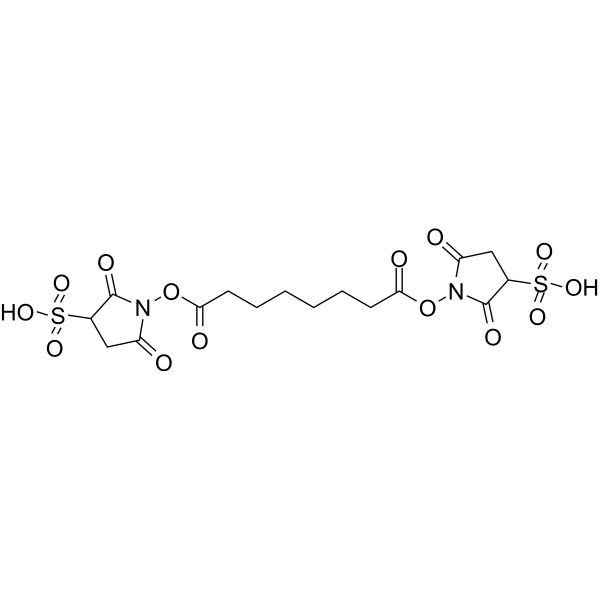
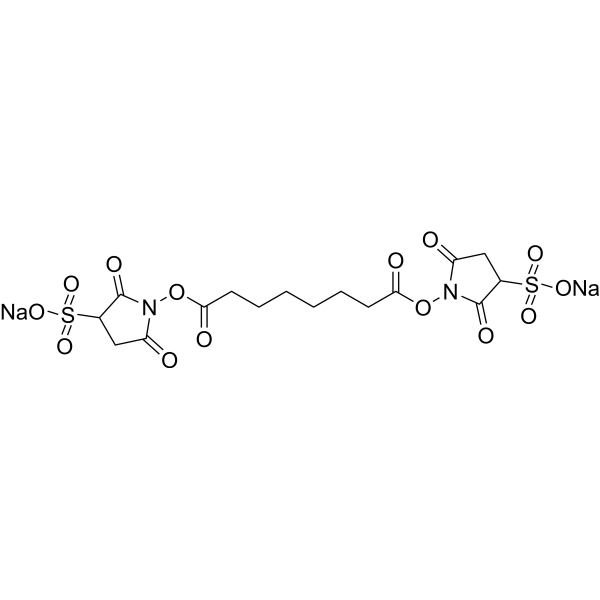
    Sulfo-EGS is a homobifunctional, amine-reactive chemical crosslinker. Sulfo-EGS is used to study protein-protein or protein-peptide interactions, which can determine the spatial proximity of amino acid residues in a protein complex, without relying on standards .
    Sulfo-EGS
  • HY-P3026

    Ser/Thr Protease Endogenous Metabolite Cancer
    The Bowman-Birk inhibitor, a highly cross-linked protein featuring seven disulfide bridges, possesses spatially distinct domains specifically designed for the inhibition of both trypsin and chymotrypsin, showcasing its significant role as a plant protease inhibitor with anticarcinogenic properties.
    Bowman-birk inhibitor
  • HY-B0764G

    Dibutyryl cAMP sodium; DBcAMP sodium

    PKA Reactive Oxygen Species (ROS) Apoptosis Neurological Disease Inflammation/Immunology Cancer
    Bucladesine (Dibutyryl cAMP; DBcAMP) sodium (GMP) is a Bucladesine sodium (HY-B0764) produced by using GMP guidelines. Bucladesine (Dibutyryl cAMP; DBcAMP) is a membrane-permeable 3′, 5′-cyclic adenosine monophosphate (cAMP) analog. Bucladesine selectively activates cAMP dependent protein kinase (PKA) by increasing the intracellular level of cAMP. Bucladesine significantly attenuates MDMA-induced increases in hippocampal mitochondrial ROS formation, mitochondrial outer membrane damage, cytochrome c release, and hippocampal ADP/ATP ratio, thereby improving spatial learning and memory impairments. Bucladesine exhibit anti-nociceptive and anti-inflammation effect. Bucladesine can inhibit cancer cells proliferation, induce apoptosis. Bucladesine can be used for the researches of neurological disease, cancer, inflammation .
    Bucladesine sodium
  • HY-B0764R

    Dibutyryl cAMP sodium (Standard); DBcAMP sodium (Standard)

    Reference Standards PKA Reactive Oxygen Species (ROS) Apoptosis Neurological Disease Inflammation/Immunology Cancer
    Bucladesine (Dibutyryl cAMP; DBcAMP) sodium (Standard) is the analytical standard of Bucladesine sodiumn (HY-B0764). This product is intended for research and analytical applications. Bucladesine is a membrane-permeable 3′, 5′-cyclic adenosine monophosphate (cAMP) analog. Bucladesine selectively activates cAMP dependent protein kinase (PKA) by increasing the intracellular level of cAMP. Bucladesine significantly attenuates MDMA-induced increases in hippocampal mitochondrial ROS formation, mitochondrial outer membrane damage, cytochrome c release, and hippocampal ADP/ATP ratio, thereby improving spatial learning and memory impairments. Bucladesine exhibit anti-nociceptive and anti-inflammation effect. Bucladesine can inhibit cancer cells proliferation, induce apoptosis. Bucladesine can be used for the researches of neurological disease, cancer, inflammation .
    Bucladesine sodium (Standard)
  • HY-128174

    Beta-CCM; Ro 22-7497

    GABA Receptor Neurological Disease
    β-CCM is a benzodiazepine receptor inverse agonist with anxiogenic and proconvulsant effects. β-CCM enhances emotional reactivity and reduces vulnerability to interference in spatial working memory tasks. β-CCM can be used for research on anxiety-related disorders .
    β-CCM
  • HY-135525

    Dopamine Receptor Adrenergic Receptor Neurological Disease Inflammation/Immunology
    Agroclavine acts as an agonist of the D1-dopamine receptor and α1-adrenergic receptor. Agroclavine enhances the sensitivity of the brain to magnetic fields; it impairs spatial memory without affecting hippocampal long-term potentiation (LTP). Agroclavine exerts bidirectional regulatory effects on immune activity: it enhances NK cell activity with low toxicity under normal conditions, while it inhibits NK cell activity and exhibits significant cardiac and hepatic toxicity under stress conditions. Agroclavine can be used for research on neuroelectrophysiology, learning and memory, and immunoregulation .
    Agroclavine
  • HY-123037R

    Reference Standards Fungal Akt PERK AMPK Infection Neurological Disease Metabolic Disease Endocrinology
    Triadimefon (Standard) is the analytical standard of Triadimefon (HY-123037). This product is intended for research and analytical applications. Triadimefon is an orally active fungicide. Triadimefon significantly reduces the phosphorylation of AKT1 and ERK1/2. Triadimefon significantly increases pAMPK levels, but does not affect total AMPK levels. Triadimefon inhibits the growth of Saccharomyces cerevisiae, disrupts hormone homeostasis (affecting the synthesis of testosterone, etc.), inhibits fetal adrenal development in rats, induces metabolic shifts in hepatocytes, and impairs spatial learning and memory .
    Triadimefon (Standard)
  • HY-175655

    p38 MAPK Cholinesterase (ChE) Interleukin Related Neurological Disease Inflammation/Immunology
    BChE/p38-α MAPK-IN-1 is a selective dual inhibitor of hBChE (IC50 = 772 nM) and p38α MAPK (IC50 = 191 nM). BChE/p38-α MAPK-IN-1 reduces the production of pro-inflammatory cytokines (IL-1β, IL-6, IL-8, TNF-α) in cells. BChE/p38-α MAPK-IN-1 improves Scopolamine (HY-N0296)-induced cognitive impairment, as well as alleviates LPS (HY-D1056)-induced spatial learning impairment and exerts anti-neuroinflammatory effects in mice. BChE/p38-α MAPK-IN-1 can be used for the study of Alzheimer’s disease (AD) by targeting both cholinergic deficit and neuroinflammation .
    BChE/p38-α MAPK-IN-1
  • HY-W770410

    Isotope-Labeled Compounds CGRP Receptor NF-κB Others
    9-PAHSA- 13C4 is 13C-labeled 9-PAHSA. 9-PAHSAis an orally active endogenous GPR120 agonist (EC50=18 μM). 9-PAHSAsignificantly inhibits LPS-induced inflammatory responses by blocking the NF-κB pathway. 9-PAHSAinduces adipocyte browning, enhances glucose uptake and reduces lipid accumulation, while improving mitochondrial function and the survival rate of steatotic hepatocytes. In terms of neuroprotection, 9-PAHSAregulates the expression of REST and BDNF in the prefrontal cortex of diabetic mice, and effectively prevents spatial working memory deficits and abnormal social behaviors. 9-PAHSAdoes not directly regulate insulin secretion or improve systemic insulin sensitivity, and possesses specific anti-inflammatory, metabolic regulatory and neuroprotective properties. 9-PAHSAcan be used in the research of diabetes-related cognitive impairment, obesity and non-alcoholic fatty liver disease .
    9-PAHSA-13C4
  • HY-136611

    Drug Metabolite Infection
    ω-Hydroxy-DEET is a major metabolite of insect repellent N-N-diethyl-meta-toluamide (DEET). ω-Hydroxy-DEET has anti-proliferative effects. DEET is a spatial repellent and an irritant that commonly used to prevent contact with mosquitoes .
    ω-Hydroxy-DEET
  • HY-136092

    Cytochrome P450 Neurological Disease Endocrinology
    Androsta-1,4,6-triene-3,17-dione is a lipophilic and specific aromatase inhibitor with a Ki of 0.18 μM. Androsta-1,4,6-triene-3,17-dione inhibits estrogen biosynthesis and shows antifertility effects. Androsta-1,4,6-triene-3,17-dione induces impairment of spatial memory .
    Androsta-1,4,6-triene-3,17-dione
  • HY-120782A

    Notch Neurological Disease
    Yhhu-3792 hydrochloride is a Notch activator. Yhhu-3792 hydrochloride enhances the self-renewal capability of neural stem cells (NSCs). Yhhu-3792 hydrochloride promotes the expression of Hes3 and Hes5. Yhhu-3792 hydrochloride increases the spatial and episodic memory abilities of mice. Yhhu-3792 hydrochloride can be used for the study of neurodegenerative diseases (such as Alzheimer's disease) or for neural regeneration after brain injury .
    Yhhu-3792 hydrochloride
  • HY-W097570
    Sulfamonomethoxine sodium
    1 Publications Verification

    Antibiotic Bacterial Infection Neurological Disease
    Sulfamonomethoxine sodium is an orally active broad-spectrum synthetic sulfonamide antibiotic that inhibits dihydropteroate synthetase. Sulfamonomethoxine sodium increases blood glucose levels, induces anxiety-related activities and impairs spatial learning and memory. Sulfamonomethoxine sodium can be used for the research of anxiety, spatial memory impairment, colisepticemia, salmonellosis, and staphylococcus infection .
    Sulfamonomethoxine sodium
  • HY-124244

    PPARδ/γ agonist 1

    PPAR Neurological Disease
    DB-959 (PPARδ/γ agonist 1) is a potent PPAR agonist targeting PPARδ/γ. DB-959 improves spatial learning and memory in mice induced by Streptozotocin (HY-13753) and has the potential to improve Alzheimer's disease (AD). .
    DB-959
  • HY-121041

    Phosphodiesterase (PDE) Neurological Disease
    GEBR-7b is a selective PDE4D inhibitor with an IC50 of 0.67 μM. GEBR-7b increases hippocampal cAMP and does not influence Aβ levels in rodents. GEBR-7b also improves spatial and can be used for the study of cognitive deficits .
    GEBR-7b
  • HY-15350

    LY 300046 hydrochloride

    Reverse Transcriptase Others
    Trovirdine hydrochloride, a phenethylthiazolylthiourea (PETT) derivative, is an HIV reverse transcriptase (RT) non-nucleoside inhibitor (NNI). A novel computer model of the RT/NNI binding pocket revealed spatial gaps around Trovirdine hydrochloride's pyridyl ring. Docking studies suggested that replacing this planar ring with a nonplanar piperidinyl or piperazinyl ring could better occupy the binding pocket, enhancing anti-HIV activity. Synthesized heterocyclic compounds based on this modification demonstrated greater potency than Trovirdine hydrochloride, effectively inhibiting HIV replication at nanomolar concentrations without cytotoxicity in infected peripheral blood mononuclear cells .
    Trovirdine hydrochloride
  • HY-120657S

    Isotope-Labeled Compounds CGRP Receptor NF-κB Others
    9-PAHSA-d4 is the deuterium labeled 9-PAHSA. 9-PAHSA is an orally active endogenous GPR120 agonist (EC50=18 μM). 9-PAHSA significantly inhibits LPS-induced inflammatory responses by blocking the NF-κB pathway. 9-PAHSA induces adipocyte browning, enhances glucose uptake and reduces lipid accumulation, while improving mitochondrial function and the survival rate of steatotic hepatocytes. In terms of neuroprotection, 9-PAHSA regulates the expression of REST and BDNF in the prefrontal cortex of diabetic mice, and effectively prevents spatial working memory deficits and abnormal social behaviors. 9-PAHSA does not directly regulate insulin secretion or improve systemic insulin sensitivity, and possesses specific anti-inflammatory, metabolic regulatory and neuroprotective properties. 9-PAHSA can be used in the research of diabetes-related cognitive impairment, obesity and non-alcoholic fatty liver disease .
    9-PAHSA-d4
  • HY-19692

    DA 6215; U98079A

    5-HT Receptor Neurological Disease
    Itasetron (DA 6215) is a selective 5-HT3 receptor antagonist. Itasetron improves spatial learning and memory abilities in the aged rat. Itasetron has potent antiemetic properties. Itasetron is used for age-related memory degeneration in rodents .
    Itasetron
  • HY-RS14229

    Small Interfering RNA (siRNA) Others

    TBATA Human Pre-designed siRNA Set A contains three designed siRNAs for TBATA gene (Human), as well as a negative control, a positive control, and a FAM-labeled negative control.

    TBATA Human Pre-designed siRNA Set A
    TBATA Human Pre-designed siRNA Set A
  • HY-103530R

    Reference Standards GABA Receptor Neurological Disease
    CGP35348 (Standard) is the analytical standard of CGP35348. This product is intended for research and analytical applications. CGP 35348?is a selective, brain penetrant, centrally active GABAB receptor antagonist with an EC50 of 34 μM.?CGP 35348 shows affinity for the GABAB receptor only . CGP 35348 has a potential to improve neuromuscular coordination and spatial learning in albino mouse following neonatal brain damage .
    CGP35348 (Standard)
  • HY-116377

    Steroid Sulfatase Neurological Disease
    DU-14 is a potent steroid sulfatase inhibitor with an IC50 of 55.8 nM. DU-14 inhibits the MCF-7 cell proliferation (IC50 = 38.7 nM). DU-14 has neuroprotective effects against neurotoxic Aβ, suggesting that up-regulation of endogenous DHEAS by DU-14 could be beneficial to the alleviation of Aβ-induced impairments in spatial memory and synaptic plasticity .
    DU-14
  • HY-P2004

    MMP Cancer
    FFAGLDD is MMP9 selective cleavage peptides, which used for cytosolic delivery of Doxorubi-cin (DOX) and achieve temporally and spatially controlled slow drug delivery and release .
    FFAGLDD
  • HY-P2004A

    MMP Cancer
    FFAGLDD TFA is MMP9 selective cleavage peptides, which used for cytosolic delivery of Doxorubi-cin (DOX) and achieve temporally and spatially controlled slow drug delivery and release .
    FFAGLDD TFA

Inquiry Online

Your information is safe with us. * Required Fields.

Salutation


Country or Region *

Applicant Name *


Organization Name *

Department *


Email Address *


Product Name *

Cat. No.


Requested quantity *

Phone Number *


Remarks

Inquiry Online

Inquiry Information

Product Name:
Cat. No.:
Quantity:
MCE Japan Authorized Agent:

