1. Search Result
Search Result
Results for "

sterol synthesis

" in MedChemExpress (MCE) Product Catalog:

29

Inhibitors & Agonists

5

Natural
Products

5

Isotope-Labeled Compounds

Targets Recommended:
Cat. No. Product Name Target Research Areas Chemical Structure
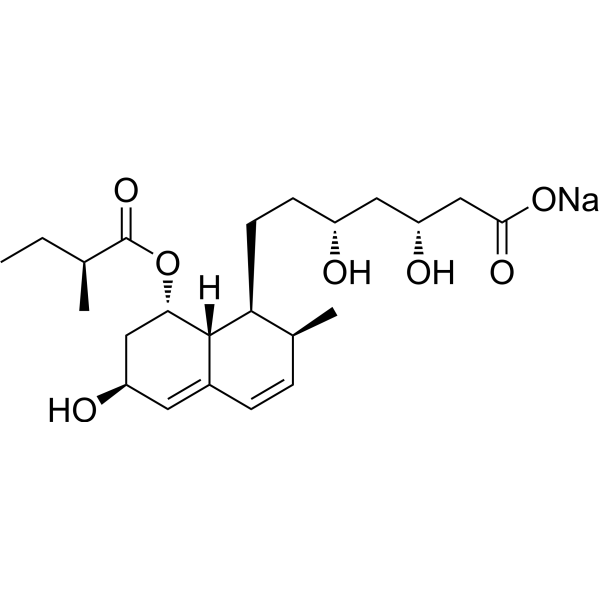
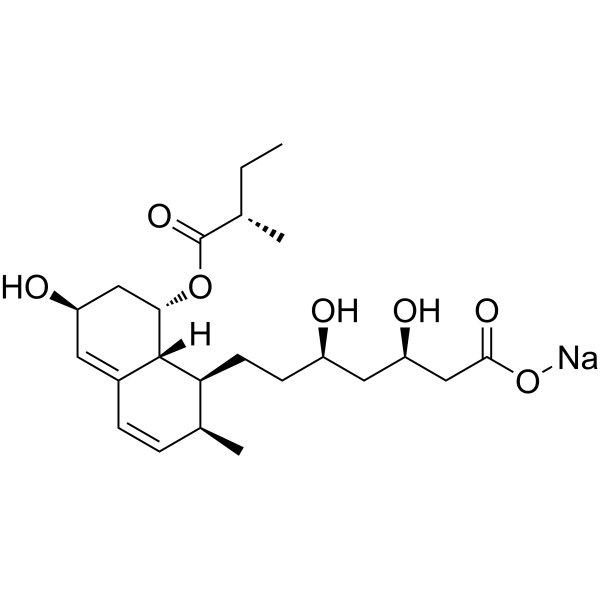
  • HY-B0165A
    Pravastatin sodium
    Maximum Cited Publications
    8 Publications Verification

    CS-514 sodium

    HMG-CoA Reductase (HMGCR) Autophagy Ferroptosis Cardiovascular Disease Cancer
    Pravastatin sodium (CS-514 sodium) is an HMG-CoA reductase inhibitor against sterol synthesis with IC50 of 5.6 μM.
    Pravastatin sodium
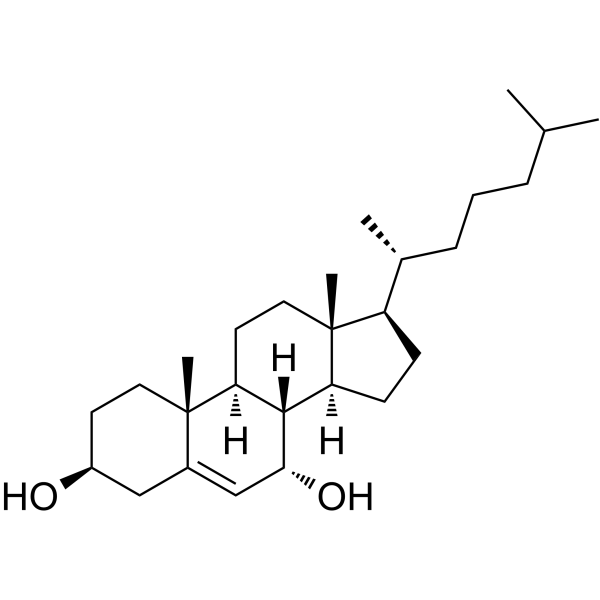
  • HY-N7264
    7α-Hydroxycholesterol
    3 Publications Verification

    HMG-CoA Reductase (HMGCR) Toll-like Receptor (TLR) Akt Src ERK MDM-2/p53 Metabolic Disease Inflammation/Immunology
    7α-Hydroxycholesterol is a cholesterol oxide and can serve as a biomarker for oxidative stress and lipid peroxidation. 7α-Hydroxycholesterol has cytotoxic and pro-inflammatory activities. 7α-Hydroxycholesterol can also inhibit sterol synthesis and reduce the activity of HMG-CoA reductase. 7α-Hydroxycholesterol can be used in the research of diseases such as diabetes and atherosclerosis .
    7α-Hydroxycholesterol
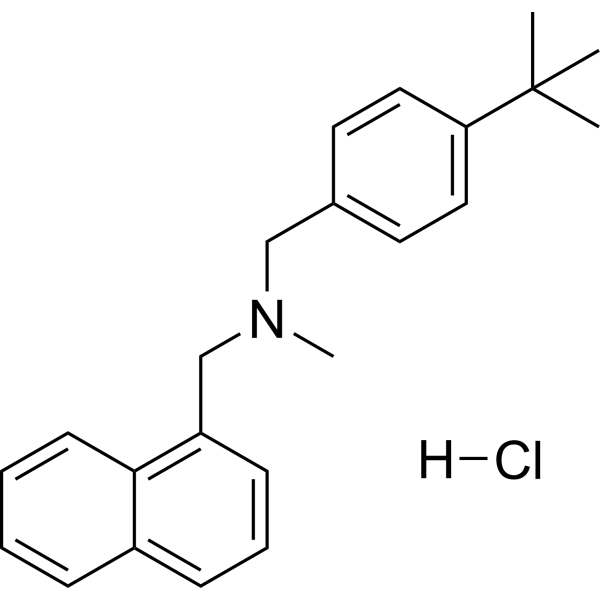
  • HY-17396
    Butenafine Hydrochloride
    1 Publications Verification

    KP363 Hydrochloride

    Fungal Antibiotic Infection
    Butenafine Hydrochloride (KP363 Hydrochloride) is a synthetic benzylamine antifungal, works by inhibiting the synthesis of sterols by inhibiting squalene epoxidase.
    Butenafine Hydrochloride
  • HY-114296

    Squalene oxide

    Drug Intermediate Endogenous Metabolite Others
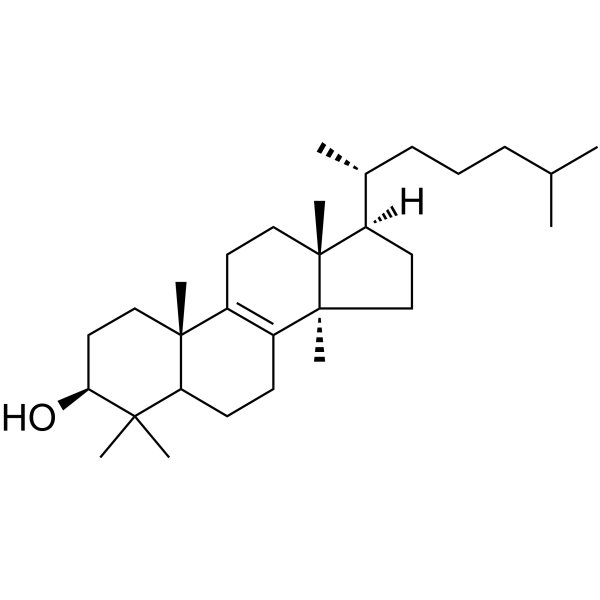
    2,3-Oxidosqualene (Squalene oxide) is a sterol biosynthesis precursor intermediate.2,3-Oxidosqualene participates in cyclization pathways that form sterols and triterpenes, and contributes to introduction of their characteristic 3-hydroxyl group.2,3-Oxidosqualene forms metabolically from squalene in rat liver homogenates under sterol synthesis conditions.2,3-Oxidosqualene converts to sterols including cholesterol, lathosterol, and lanost-8-en-3β-ol in rat liver homogenates under anaerobic conditions .
    2,3-Oxidosqualene
  • HY-B0165AR
    Pravastatin sodium (Standard)
    5+ Cited Publications

    CS-514 sodium (Standard)

    Reference Standards HMG-CoA Reductase (HMGCR) Autophagy Ferroptosis Cardiovascular Disease Cancer
    Pravastatin (sodium) (Standard) is the analytical standard of Pravastatin (sodium). This product is intended for research and analytical applications. Pravastatin sodium (CS-514 sodium) is an HMG-CoA reductase inhibitor against sterol synthesis with IC50 of 5.6 μM.
    Pravastatin sodium (Standard)
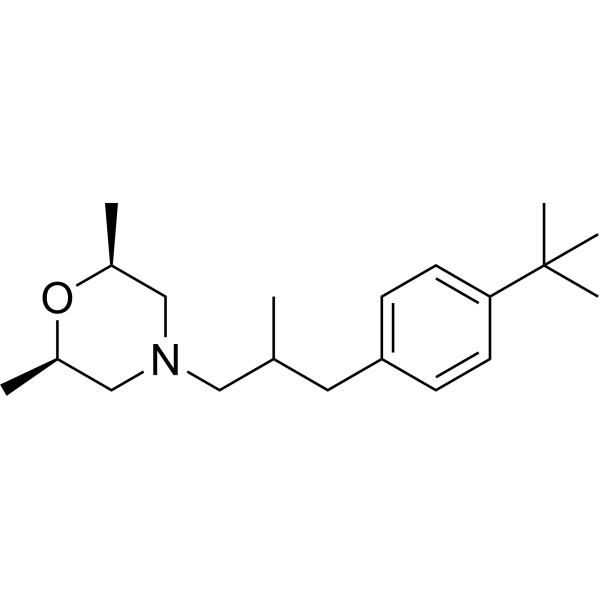
  • HY-128033

    Environmental Pollutants Fungal Infection
    Fenpropimorph is a fungicide that inhibits the sterol pathway. Fenpropimorph inhibits δ8-δ7-sterol isomerase in yeast at low concentrations, with δ14-sterol reductase being blocked at higher levels, preventing the biosynthesis of ergosterol. Fenpropimorph also inhibits sterol synthesis in certain plants and mammalian cells .
    Fenpropimorph
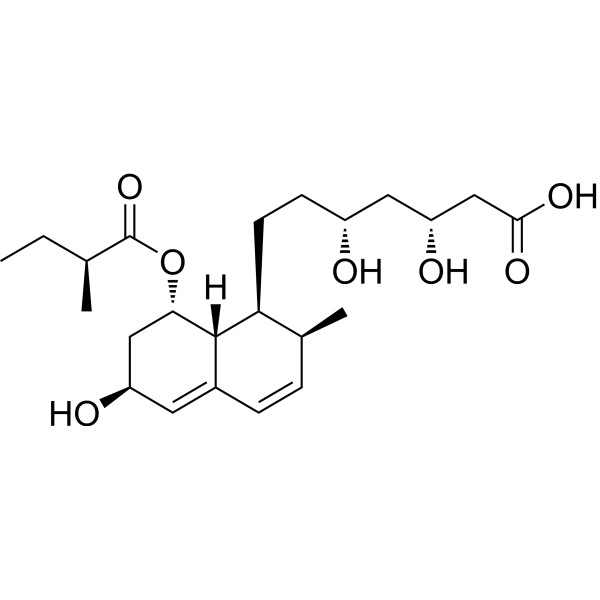
  • HY-B0165

    CS-514

    Autophagy HMG-CoA Reductase (HMGCR) Cardiovascular Disease Cancer
    Pravastatin (CS-514) is a competitive HMG-CoA reductase inhibitor against sterol synthesis with IC50 of 5.6 μM .
    Pravastatin
  • HY-117089

    Environmental Pollutants Fungal Infection
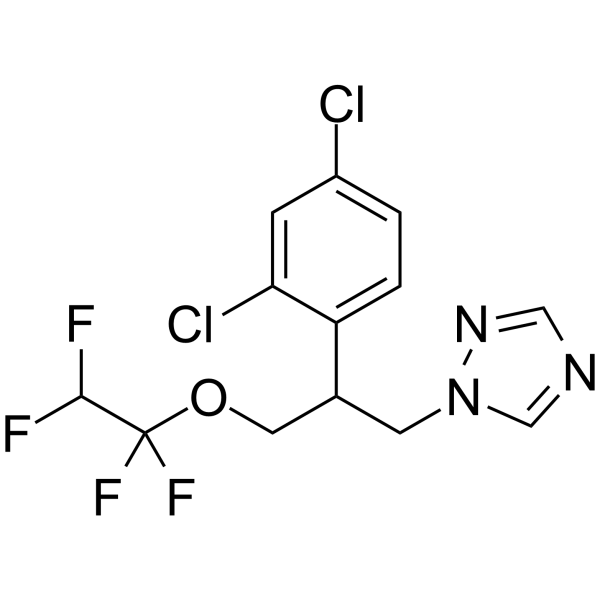
    Tetraconazole is a selective irreversible inhibitor of 14-α-sterol demethylase (CYP51) with antifungal activity. Tetraconazole competitively binds to the enzyme to block fungal ergosterol synthesis, resulting in cell membrane damage. The EC50 of tetraconazole against wheat pathogens is 0.382-0.802 mg/L, and the EC50 against onion root tip meristem cell growth is 6.7 mg/L, and (R)-(+)-Tetraconazole is 1.49-1.98 times more active than (S)-(-)-Tetraconazole. Tetraconazole can also induce oxidative stress and chromosomal aberrations in plant cells .
    Tetraconazole
  • HY-N2221

    Others Metabolic Disease
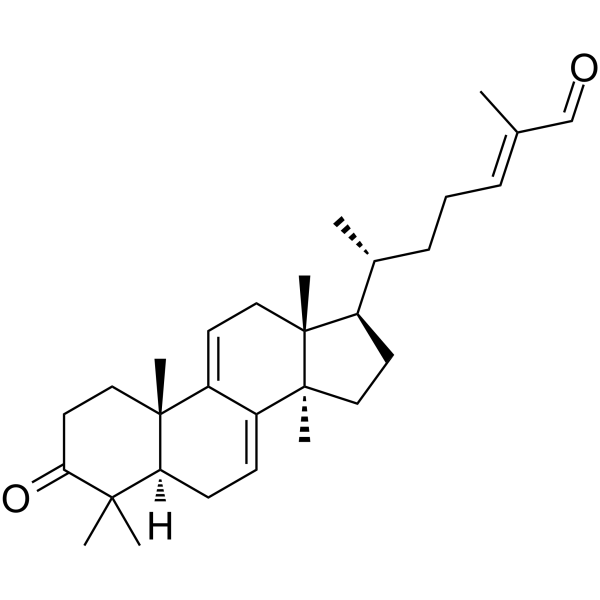
    Ganoderal A, an oxygenated sterol from G. lucidum, is a cholesterol synthesis inhibitor .
    Ganoderal A
  • HY-121012

    NF-κB Akt Endocrinology
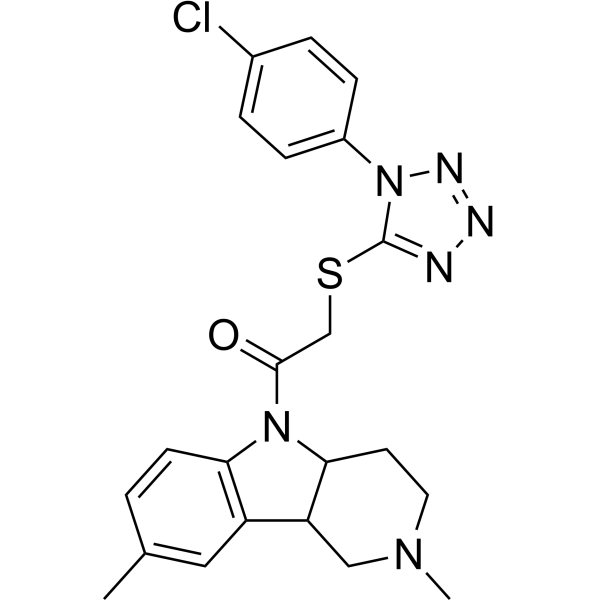
    (rac)-AG-205 is a potent inhibitor of progesterone receptor membrane component 1 (Pgrmc1) that induces genes involved in sterol synthesis, including the INSIG1 protein, which forms a complex with PGRMC1. (rac)-AG-205 prevents neuronal resistance to hypoxic ischaemia by blocking NF-kB signalling and activation of the BDNF/PI3K/AKT pathway .
    (rac)-AG-205
  • HY-B0165CS

    Isotope-Labeled Compounds HMG-CoA Reductase (HMGCR) Autophagy Cardiovascular Disease
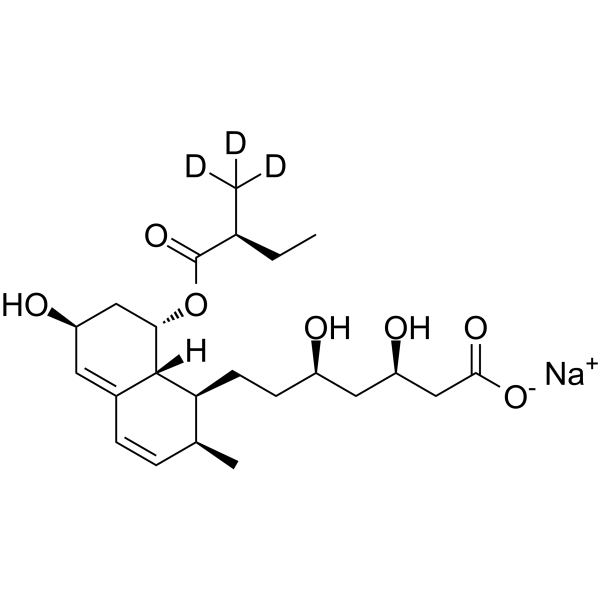
    Pravastatin-d3 (sodium) is the deuterium labeled Pravastatin sodium salt. Pravastatin (CS-514) sodium salt is a competitive HMG-CoA reductase inhibitor against sterol synthesis with IC50 of 5.6 μM .
    Pravastatin-d3 sodium salt
  • HY-114296S

    Squalene oxide-d6

    Isotope-Labeled Compounds Drug Intermediate Endogenous Metabolite Others
    2,3-Oxidosqualene-d6 (Squalene oxide-d6) is a deuterium labeled 2,3-Oxidosqualene (HY-114296). 2,3-Oxidosqualene (Squalene oxide) is a sterol biosynthesis precursor intermediate.2,3-Oxidosqualene participates in cyclization pathways that form sterols and triterpenes, and contributes to introduction of their characteristic 3-hydroxyl group.2,3-Oxidosqualene forms metabolically from squalene in rat liver homogenates under sterol synthesis conditions.2,3-Oxidosqualene converts to sterols including cholesterol, lathosterol, and lanost-8-en-3β-ol in rat liver homogenates under anaerobic conditions.
    2,3-Oxidosqualene-d6
  • HY-128033R

    Fungal Reference Standards Infection
    Fenpropimorph (Standard) is the analytical standard of Fenpropimorph. This product is intended for research and analytical applications. Fenpropimorph is a fungicide that inhibits the sterol pathway. Fenpropimorph inhibits δ8-δ7-sterol isomerase in yeast at low concentrations, with δ14-sterol reductase being blocked at higher levels, preventing the biosynthesis of ergosterol. Fenpropimorph also inhibits sterol synthesis in certain plants and mammalian cells .
    Fenpropimorph (Standard)
  • HY-117219

    Cytochrome P450 HMG-CoA Reductase (HMGCR) Endogenous Metabolite Metabolic Disease
    SKF 104976 is a 3,2-carboxylic acid derivative with potent 14-alpha-demethylase (14 alpha DM) inhibitory activity. SKF 104976 inhibited 14 alpha DM activity by 50% at 2 nM in Hep G2 cell extracts. SKF 104976 inhibited the incorporation of [14C]acetate into cholesterol in intact cells at similar concentrations, accompanied by accumulation of lanosterol, and resulted in a 40-70% decrease in 3-hydroxy-3-methylglutaryl-CoA reductase (HMGR) activity. SKF 104976 did not affect the uptake and degradation of low-density lipoprotein in Hep G2 cells, indicating that HMGR and low-density lipoprotein receptor activities are not coordinately regulated under these conditions. The inhibitory effect of SKF 104976 on HMGR activity remained unchanged even when the flux of carbon units in the sterol synthesis pathway was reduced by 80%. SKF 104976 did not inhibit HMGR activity under conditions where sterol synthesis was almost completely blocked by lovastatin .
    SKF 104976
  • HY-N7264R

    Reference Standards Others HMG-CoA Reductase (HMGCR) Toll-like Receptor (TLR) Akt Src ERK MDM-2/p53 Metabolic Disease Inflammation/Immunology
    7α-Hydroxycholesterol is a cholesterol oxide and can serve as a biomarker for oxidative stress and lipid peroxidation. 7α-Hydroxycholesterol has cytotoxic and pro-inflammatory activities. 7α-Hydroxycholesterol can also inhibit sterol synthesis and reduce the activity of HMG-CoA reductase. 7α-Hydroxycholesterol can be used in the research of diseases such as diabetes and atherosclerosis .
    7α-Hydroxycholesterol (Standard)
  • HY-B1734

    16-DPA

    FXR 5 alpha Reductase Cytochrome P450 Drug Intermediate Cardiovascular Disease Cancer
    16-Dehydropregnenolone acetate (16-DPA), a sterols compound, is an orally active 17α-hydroxylase and 5α-reductase inhibitor. 16-Dehydropregnenolone is also a potent bile acid receptor (BAR)/farnesoid X receptor (FXR) antagonist. 16-Dehydropregnenolone hypolipidemic and anticancer effects. 16-Dehydropregnenolone acetate (16-DPA) is the drug intermediate that can be used for synthesis of Dexamethasone (HY-14648) and related other steroidal pharmacophores .
    16-Dehydropregnenolone acetate
  • HY-130752

    Cytochrome P450 Parasite Infection
    VNI is an effective inhibitor of CYP51. VNI can inhibit sterol synthesis in Trypanosoma cruzi, exhibiting anti-Trypanosoma cruzi activity .
    VNI
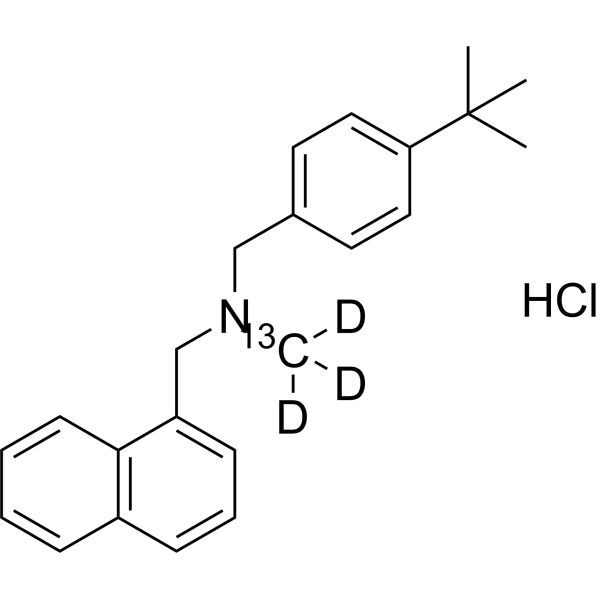
  • HY-17396S

    KP363-13C,d3 hydrochloride

    Isotope-Labeled Compounds Fungal Antibiotic Infection
    Butenafine- 13C,d3 (hydrochloride) is the 13C- and deuterium labeled. Butenafine Hydrochloride (KP363 Hydrochloride) is a synthetic benzylamine antifungal, works by inhibiting the synthesis of sterols by inhibiting squalene epoxidase.
    Butenafine-13C,d3 hydrochloride
  • HY-B0165AS

    CS-514-13C,d3 sodium

    Isotope-Labeled Compounds HMG-CoA Reductase (HMGCR) Autophagy Ferroptosis Cardiovascular Disease Cancer
    Pravastatin- 13C,d3 (sodium) is the 13C- and deuterium labeled Pravastatin (sodium). Pravastatin sodium (CS-514 sodium) is an HMG-CoA reductase inhibitor against sterol synthesis with IC50 of 5.6 μM.
    Pravastatin-13C,d3 sodium
  • HY-B0165S

    CS-514-d9 sodium

    Autophagy HMG-CoA Reductase (HMGCR) Isotope-Labeled Compounds Cardiovascular Disease Cancer
    Pravastatin-d9 sodium is deuterated labeled Pravastatin (HY-B0165). Pravastatin (CS-514) is a competitive HMG-CoA reductase inhibitor against sterol synthesis with IC50 of 5.6 μM .
    Pravastatin-d9 sodium
  • HY-W749520

    Dihydrofolate reductase (DHFR) Metabolic Disease
    Zymosterone is converted into zymosterol, an intermediate in cholesterol synthesis, through the action of the enzyme hydroxysteroid (17β) dehydrogenase 7 (HSD17B7), and this transformation, catalyzed by 3-keto sterol reductase (ERG27), plays a crucial role in the biosynthesis of ergosterol in yeast.
    Zymosterone
  • HY-123457

    Fungal Infection
    PF-1163A is an antifungal agent that inhibits Ergosterol (HY-N0181) synthesis (IC50 = 12 ng/mL), which is found in a fermentation broth of Penicillium sp. PF-1163A also inhibits C-4 sterol methyl oxidase with an MIC value of 12.5 µg/mL .
    PF-1163A
  • HY-118843

    Potassium Channel Infection
    Lombazole is an antimicrobial compound with activity that inhibits cell membrane synthesis. Lombazole had little effect on K+ permeability in S. aureus. Lombazole inhibited only de novo synthesis of cell enclosure in S. aureus, and this effect occurred before growth was affected. The main effect of lombazole was through inhibition of lipid synthesis. Lombazole may have an effect on key steps in lipid biosynthesis, as inferred from the lack of changes in lipid patterns after treatment. Lombazole also inhibited the sterol C-14 demethylation step in Candida albicans .
    Lombazole
  • HY-W422288

    (Rac)-Ketoconazol; (Rac)-R 41400

    Fungal Cytochrome P450 Infection
    (Rac)-Ketoconazole ((Rac)-R 41400) is an antifungal imidazole compound with oral activity. (Rac)-Ketoconazole interferes with ergosterol synthesis by inhibiting cytochrome P450-dependent 14α-sterol demethylase (CYP51), a key enzyme on the fungal cell membrane, leading to membrane dysfunction and ultimately inhibition of fungal growth and reproduction. (Rac)-Ketoconazole is indicated for studies of fungal infections .
    (Rac)-Ketoconazole
  • HY-119449

    Zanchol

    Others Inflammation/Immunology
    Florantyrone (Zanchol) is a bile-promoting agent. Florantyrone increases the volume of bile rather than the content of bile acids. Zanchol can stimulate the synthesis of cholesterol in the liver, significantly raising the plasma cholesterol level, increasing the weight of the liver, but has no significant effect on the synthesis of cholesterol in the intestine. Florantyrone can be used in research on biliary motility disorders .
    Florantyrone
  • HY-P2879D

    Biochemical Assay Reagents Metabolic Disease
    Cholesterol esterase, Candida Rugosa (EC 3.1.1.13), catalyzes the synthesis of sterols and fatty acids from sterol esters. In the presence of bile acids, it aggregates to form a hexamer, which may be the active form of this enzyme.
    Cholesterol esterase, Candida Rugosa
  • HY-137983

    3-Acetylbetulin

    Drug Metabolite Endocrinology
    3-O-Acetylbetulin is a derivative of Betulin (HY-N0083), a sterol regulatory element-binding protein (SREBP) inhibitor. 3-O-Acetylbetulin can be utilized in synthesis of other betulin derivatives .
    3-O-Acetylbetulin
  • HY-16620

    Endogenous Metabolite Metabolic Disease
    DF 461 is a sterol synthase inhibitor with significant inhibitory activity. DF 461 shows high selectivity for the liver and can effectively inhibit cholesterol synthesis in rat liver. DF 461 has shown the effect of lowering plasma lipids in repeated dosing studies in non-rodents .
    DF 461
  • HY-125507

    MMP Metabolic Disease
    F81-1144b is a MMP-1 and MMP-3 inhibitor with IC50 values of 5 nM and 29 nM, respectively. F81-1144b reduces serum and hepatic triacylglycerol levels, decreases the secretion of very-low-density lipoprotein-triacylglycerol, inhibits de novo hepatic fatty acid synthesis, and lowers serum insulin and glucose levels. F81-1144b can be used for the research of hypertriglyceridemia .
    F81-1144b

Inquiry Online

Your information is safe with us. * Required Fields.

Salutation


Country or Region *

Applicant Name *


Organization Name *

Department *


Email Address *


Product Name *

Cat. No.


Requested quantity *

Phone Number *


Remarks

Inquiry Online

Inquiry Information

Product Name:
Cat. No.:
Quantity:
MCE Japan Authorized Agent:

