90 Results for "

tuberculosis infection

" in MedChemExpress (MCE) Product Catalog:
Products (90)

90 Results for "tuberculosis infection" in MCE Product Catalog:

56
56 Publications Verification
Cat. No.: HY-14881A
CAS No.: 845533-86-0
Purity:  99.97%
Synonyms: R403323; TMC207 fumarate; R207910 fumarate
Target:  

Bacterial Antibiotic

Research Areas:  

Infection

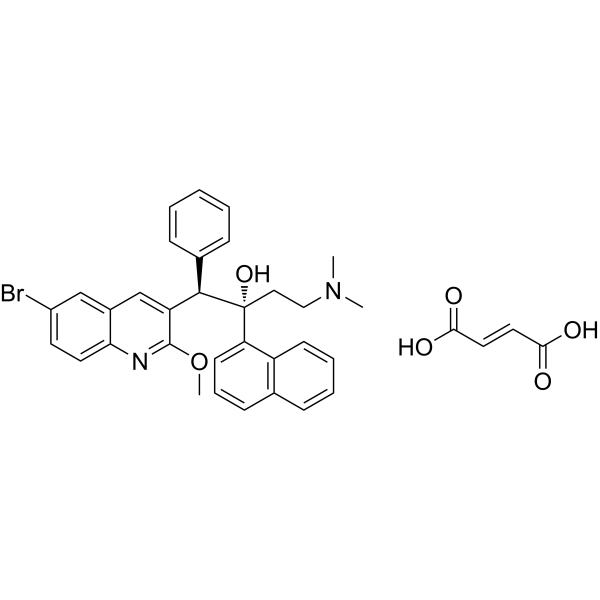
Bedaquiline fumarate, a diarylquinoline antibiotic that targets ATP synthase, is effective for the treatment of Mycobacterium tuberculosis infections.
loading...
    loading...
49
49 Cited Publications
Cat. No.: HY-B1906
CAS No.: 57-92-1
Synonyms: Agrept; Agrimycin; Streptomycin A
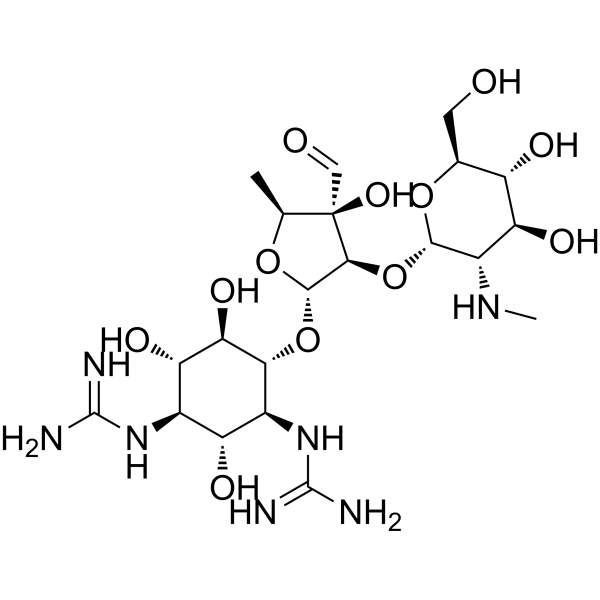
Streptomycin (Agrept) is an effective antibiotic against M. tuberculosis, is used for the research of tuberculosis (TB). Streptomycin also is a bacteriocidal agent that can be used for the research of a number of bacterial infections. Streptomycin can bind strongly to nucleic acids, interferes and blocks protein synthesis while permitting continued RNA and DNA synthesis. Streptomycin, as a common antibiotic used in culture media, also is a blocker of stretch-activated and mechanosensitive ion channels in neurons and cardiac myocytes .
loading...
    loading...
38
38 Cited Publications
Cat. No.: HY-B0330B
CAS No.: 177325-13-2
Synonyms: (-)-Ofloxacin hydrochloride
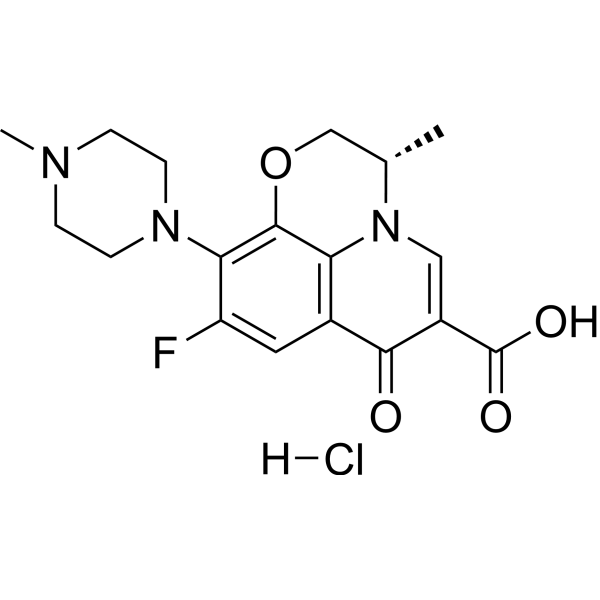
Levofloxacin hydrochloride is an orally active antibiotic. Levofloxacin inhibits DNA gyrase and topoisomerase IV activity, inducing Apoptosis. Levofloxacin hydrochloride has antibacterial activity against both Gram-positive and Gram-negative bacteria. Levofloxacin hydrochloride exhibits anticancer activity against lung cancer. Levofloxacin hydrochloride has anti-acnegenic, anxiogenic, and analgesic effects. Levofloxacin hydrochloride shortens sleep duration in mice. Levofloxacin hydrochloride can be used in the research of infectious diseases (such as tuberculosis, chronic periodontitis, bacterial infections associated with stable COPD, and BK viremia) and lung cancer .
loading...
    loading...
2
2 Cited Publications
Cat. No.: HY-B1907
CAS No.: 14897-39-3
Synonyms: Rifamycin SV sodium
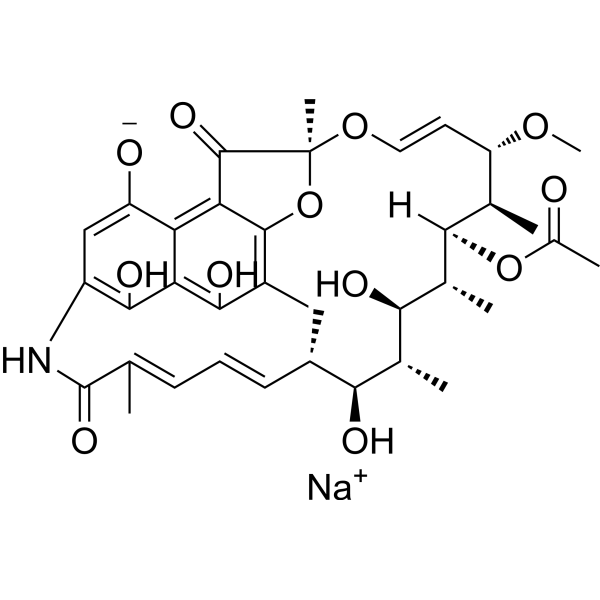
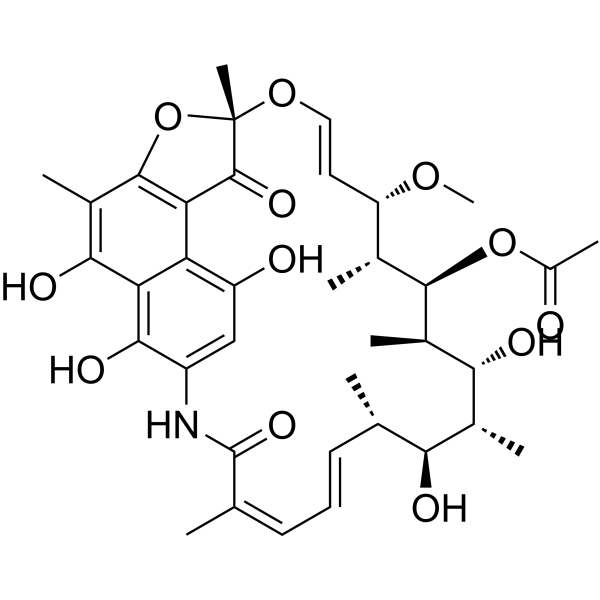
Rifamycin sodium (Rifamycin SV monosodium) is an orally active ansamycin antibiotic. Rifamycin sodium inhibits DNA-dependent RNA synthesis. Rifamycin sodium has antibacterial activity against Mycobacterium tuberculosis. Rifamycin sodium interferes with hepatic bile acid metabolism. Rifamycin sodium has anti-inflammatory effects. Rifamycin sodium can be used in the study of Mycobacterium tuberculosis, Bacteroides fragilis infection, and Lipopolysaccharide (HY-D1056B3)-induced inflammation .
loading...
    loading...
2
2 Cited Publications
Cat. No.: HY-B1907A
CAS No.: 6998-60-3
Synonyms: Rifamycin SV
Research Areas:  

Infection

Rifamycin (Rifamycin SV) is an orally active ansamycin antibiotic. Rifamycin inhibits DNA-dependent RNA synthesis. Rifamycin has antibacterial activity against Mycobacterium tuberculosis. Rifamycin interferes with hepatic bile acid metabolism. Rifamycin has anti-inflammatory effects. Rifamycin can be used in the study of Mycobacterium tuberculosis, Bacteroides fragilis infection, and Lipopolysaccharide (HY-D1056B3)-induced inflammation .
loading...
    loading...
2
2 Cited Publications
Cat. No.: HY-45854
CAS No.: 1645486-93-6
Target:  

Bacterial

Research Areas:  

Infection

GWP-042 is a potent inhibitor of mycobacterial alanine dehydrogenase (Ald) Rv2780, with the IC50 of 0.21 μM. GWP-042 has antimicrobial activity against M. tuberculosis infection in vivo .
loading...
    loading...
1
1 Cited Publications
Cat. No.: HY-139398
CAS No.: 2071265-08-0
Purity:  99.73%
Target:  

Antibiotic Bacterial

Research Areas:  

Infection

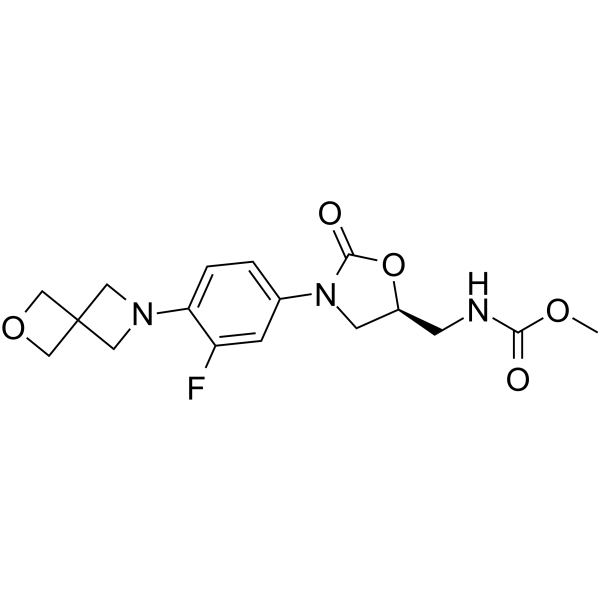
TBI-223 is an orally active oxazolidinone antibiotic and an antimicrobial. TBI-223 shows activity against Mycobacterium tuberculosis (Mtb). TBI-223 exhibits an IC50 of 68 μg/mL for inhibiting mitochondrial protein synthesis (MPS) in HepG2 cells. TBI-223 is effective in three mouse models (bloodstream infection, skin infection, and bone infection) of methicillin-resistant staphylococcus aureus infection. TBI-223 can be used for the study of tuberculosis .
loading...
    loading...
Cat. No.: HY-10393
CAS No.: 165800-04-4
Purity:  96.11%
Synonyms: PNU-100592
Target:  

Bacterial Antibiotic

Research Areas:  

Infection

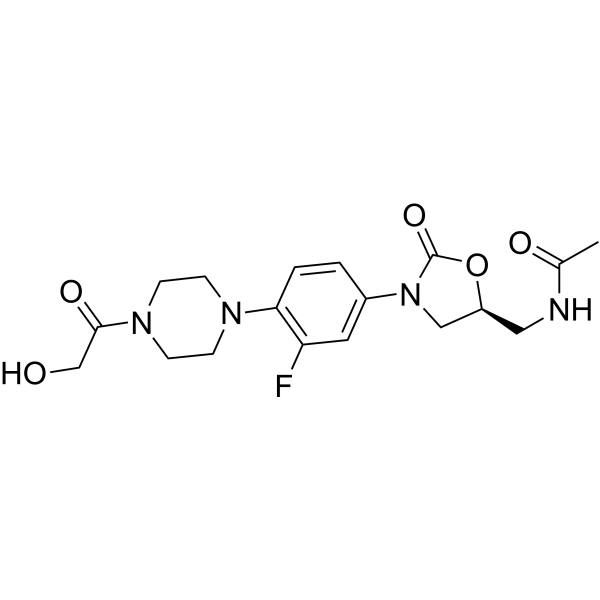
Eperezolid (PNU-100592) is an orally active protein synthesis inhibitor that targets the bacterial 50S ribosomal subunit. Eperezolid competitively binds to a specific site on the ribosomal 50S subunit (overlapping with the binding sites of chloramphenicol (HY-B0239) and lincomycin (HY-117660)) to inhibit the translation initiation stage and exert antibacterial activity. Eperezolid can induce host cell autophagy to enhance the clearance of intracellular mycobacteria, and its MIC90 for Staphylococcus aureus and Enterococcus is 1-4 μg/mL. Eperezolid is mainly used for antibacterial research on infections with Gram-positive bacteria such as methicillin-resistant (HY-121544) Staphylococci and vancomycin-resistant (HY-B0671) Enterococci, as well as infections with intracellular bacteria such as Mycobacterium tuberculosis .
loading...
    loading...
Cat. No.: HY-W040128
CAS No.: 70560-51-9
Research Areas:  

Infection

Kanamycins sulfate is a blood-brain barrier-permeable JNK1 and Bcl-2 modulator as well as an antibiotic, with broad-spectrum antibacterial, and biofilm-inhibiting activities, and it induces autophagy. Kanamycins sulfate promotes Bcl-2 phosphorylation to upregulate autophagy levels, triggering changes such as mitochondrial swelling and endoplasmic reticulum expansion. Consequently, it causes reversible neuronal damage in the dorsal cochlear nucleus without inducing significant neuronal apoptosis. In the presence of exogenous alanine or glucose, Kanamycins sulfate effectively kills drug-resistant bacteria, restores drug sensitivity of multidrug-resistant bacteria, and alleviates urinary tract and kidney infections in mice. Kanamycins sulfate can be applied to scientific research related to Mycobacterium tuberculosis, salmonellosis, brucellosis, shigellosis, urinary tract infections, and reversible neurotoxicity .
loading...
    loading...
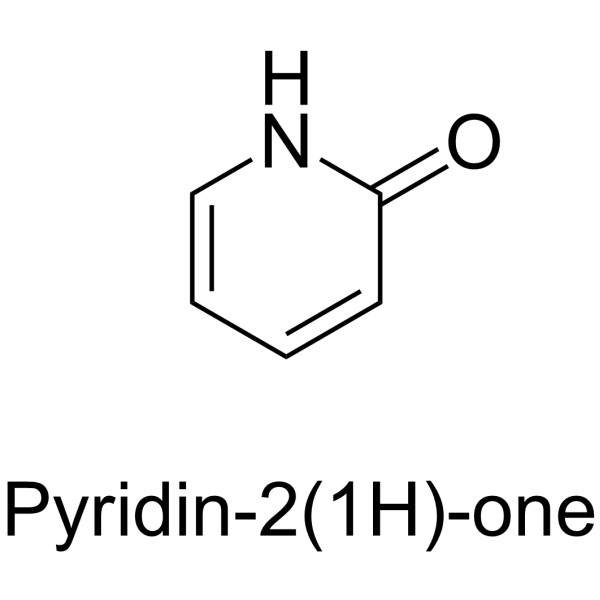
Cat. No.: HY-Y0191
CAS No.: 142-08-5
Synonyms: 2-Pyridone
α-Pyridone (2-Pyridone) is an antibacterial agent that plays an important role in the field of biochemical research. α-Pyridone can serve as a scaffold compound to synthesize a variety of active compounds .
loading...
    loading...
Cat. No.: HY-165613
CAS No.: 656831-18-4
Synonyms: Dipalmitoyl-S-glyceryl-cysteine; S-[2,3-Bis(palmitoyloxy)propyl]cysteine
Pam2Cys (Dipalmitoyl-S-glyceryl-cysteine; S-[2,3-Bis(palmitoyloxy)propyl]cysteine) is a TLR2 agonist and immunostimulant. Pam2Cys binds to TLR2 to activate dendritic cells and trigger the TLR2-dependent NF-κB signaling pathway. Pam2Cys also induces dendritic cell maturation by upregulating the expression of cell surface MHC II molecules. Pam2Cys activates innate immune signaling pathways, drives pro-inflammatory and antimicrobial responses, enhances the expression of macrophage activation markers, increases phagocytic activity, induces the release of IL-12 and pro-inflammatory cytokines, and polarizes macrophages into a pro-inflammatory, antimicrobial phenotype without interfering with IL-10-induced macrophage polarization. Pam2Cys also serves as the lipid moiety in synthetic lipopeptide vaccines and possesses self-adjuvant properties. Pam2Cys enhances the immunogenicity of conjugated peptide segments and induces cellular and humoral immune responses. However, it does not activate CD4 T cells in mouse splenocyte cultures when used alone. Pam2Cys activates pulmonary TLR2 signaling pathways, triggers innate immune responses, recruits neutrophils and macrophages, induces the secretion of various cytokines, alleviates symptoms and damages associated with influenza A virus infection in mice without impairing adaptive immunity. Pam2Cys can be used in studies related to tuberculosis and influenza A virus infection .
loading...
    loading...
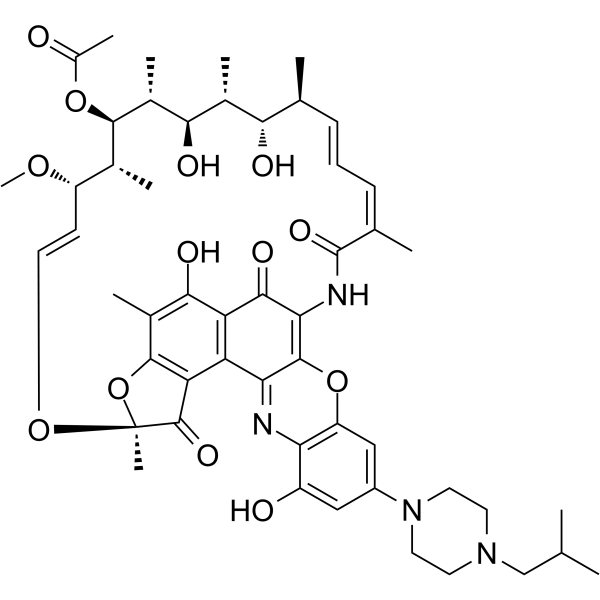
Cat. No.: HY-105099
CAS No.: 129791-92-0
Purity:  99.64%
Synonyms: KRM-1648; ABI-1648
Rifalazil (KRM-1648; ABI-1648), a rifamycin derivative, inhibits the bacterial DNA-dependent RNA polymerase and kills bacterial cells by blocking off the β-subunit in RNA polymerase . Rifalazil (KRM-1648; ABI-1648) is an antibiotic, exhibits high potency against mycobacteria, gram-positive bacteria, Helicobacter pylori, C. pneumoniae and C. trachomatis with MIC values from 0.00025 to 0.0025 μg/ml . Rifalazil (KRM-1648; ABI-1648) has the potential for the treatment of Chlamydia infection, Clostridium difficile associated diarrhea (CDAD), and tuberculosis (TB) .
loading...
    loading...
Cat. No.: HY-N15643
CAS No.: 23040-84-8
Synonyms: α-MA (C80)
α-Mycolic acid (C80) is a structural lipid component of mycobacterial cell wall. α-Mycolic acid (C80) can be isolated from Mycobacterium tuberculosis Canetti. α-Mycolic acid (C80) significantly modulates membrane permeability and stability, promising for mycobacterium tuberculosis infection research .
loading...
    loading...
Cat. No.: HY-14881AR
CAS No.: 845533-86-0
Synonyms: R403323 (Standard); TMC207 fumarate (Standard); R207910 fumarate (Standard)
Research Areas:  

Infection

Bedaquiline (fumarate) (Standard) is the analytical standard of Bedaquiline (fumarate). This product is intended for research and analytical applications. Bedaquiline fumarate, a diarylquinoline antibiotic that targets ATP synthase, is effective for the treatment of Mycobacterium tuberculosis infections.
loading...
    loading...
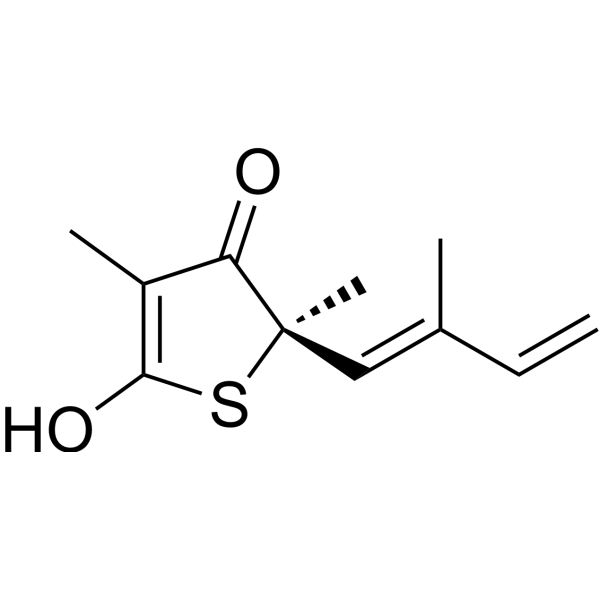
Cat. No.: HY-122394
CAS No.: 82079-32-1
Purity:  96.65%
Research Areas:  

Infection

Thiolactomycin is an orally active bacterial type II fatty acid synthase (FAS-II) inhibitor with antibacterial and antimalarial activities. Thiolactomycin specifically targets KasA/KasB in mycobacteria and FabB/FabF in bacteria, thereby inhibiting the biosynthesis of fatty acids and mycolic acids. Thiolactomycin can be used in studies related to tuberculosis, systemic bacterial infections, and experimental pyelonephritis .
loading...
    loading...
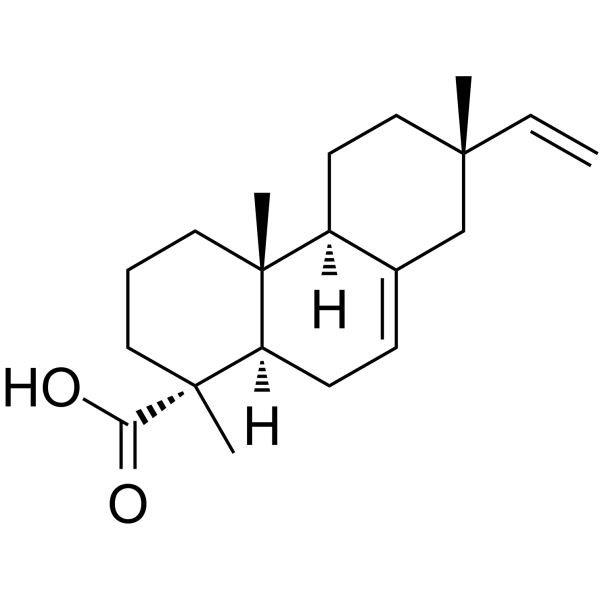
Cat. No.: HY-N3463
CAS No.: 5835-26-7
Isopimaric acid is a coniferous tree defense compound. Isopimaric acid binds to AKT and inhibits mTOR phosphorylation, thereby regulating the AKT/mTOR pathway. Isopimaric acid inhibits oxidative stress, inflammation, microglial migration, apoptosis, autophagic flux, ornithine decarboxylase activity, breast cancer proliferation and metastasis, and fungal spore germination. Isopimaric acid also induces M2 microglial polarization, mitochondrial damage, ROS accumulation, starvation-induced colon cancer cell apoptosis, and breast cancer cell cycle arrest. Isopimaric acid activates potassium channels, regulates sodium channels and calcium channels, reduces myocardial excitability, and improves arrhythmia. Isopimaric acid acts as an oxidative substrate for CYP6BW1/3, down-regulates PINK1/Parkin, and regulates calcium homeostasis, oxidative phosphorylation, EMT, and the Wnt pathway. Isopimaric acid exhibits activity against drug-resistant Staphylococcus aureus, repels feeding, and promotes the growth of rice seedlings. Isopimaric acid is suitable for research related to epilepsy, tumors, drug-resistant bacterial infections, atrial fibrillation, hypertension, hyperlipidemia, pulmonary tuberculosis, etc .
loading...
    loading...
Cat. No.: HY-B1906R
CAS No.: 57-92-1
Synonyms: Agrept (Standard); Agrimycin (Standard); Streptomycin A (Standard)
Streptomycin (Standard) is the analytical standard of Streptomycin. This product is intended for research and analytical applications. Streptomycin (Agrept) is an effective antibiotic against M. tuberculosis, is used for the research of tuberculosis (TB). Streptomycin also is a bacteriocidal agent that can be used for the research of a number of bacterial infections. Streptomycin can bind strongly to nucleic acids, interferes and blocks protein synthesis while permitting continued RNA and DNA synthesis. Streptomycin, as a common antibiotic used in culture media, also is a blocker of stretch-activated and mechanosensitive ion channels in neurons and cardiac myocytes .
loading...
    loading...
Cat. No.: HY-135174
CAS No.: 13081-14-6
Synonyms: L-CySSG; CYSH-GSH
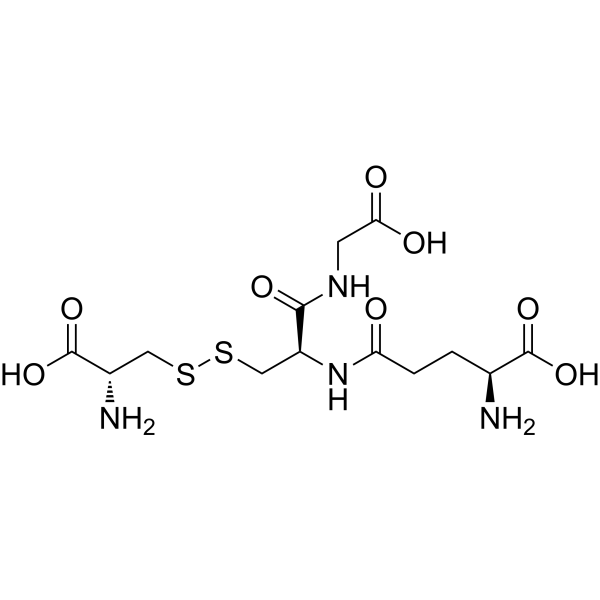
L-Cysteine-glutathione disulfide (L-CySSG; CYSH-GSH) is a thiol-modified glutathione prodrug with antioxidant, anti-inflammatory, and oral activities. L-Cysteine-glutathione disulfide reduces the production of mitochondrial ROS, and alleviates oxidative stress, inflammatory responses, and elevated levels of hepatic enzymes. L-Cysteine-glutathione disulfide prevents liver injury in mice induced by high-fat diet or LPS. The expression level of L-Cysteine-glutathione disulfide changes during tuberculosis infection, so it can serve as a biomarker for pulmonary tuberculosis. L-Cysteine-glutathione disulfide is applicable to research on pulmonary tuberculosis, metabolic dysfunction-associated steatotic liver disease, and liver injury .
loading...
    loading...
Cat. No.: HY-N15645
CAS No.: 2260795-20-6
α-Mycolic acid, keto cis is a structural lipid component of mycobacterial cell wall. α-Mycolic acid, keto cis can be isolated from Mycobacterium tuberculosis Canetti. α-Mycolic acid, keto cis significantly modulates membrane permeability and stability, promising for mycobacterium tuberculosis infection research .
loading...
    loading...
Cat. No.: HY-162836
CAS No.: 13929-35-6
Synonyms: 4-O-(Carboxymethyl)-Rifamycin
Target:  

Antibiotic Bacterial

Research Areas:  

Infection

Rifamycin B (4-O-(Carboxymethyl)-Rifamycin) is a member of ansamycin antibiotics family with an anti-mycobacterial activity against tuberculosis, leprosy and AIDS-related mycobacterial infections. Rifamycin B is a metabolic product of Nocardia inediterranei, which can yield Rifamycin O and Rifamycin S (HY-125365) by microbial transformation .
loading...
    loading...

