1. Search Result
Search Result
Results for "

ubiquitin proteasome

" in MedChemExpress (MCE) Product Catalog:

207

阻害剤およびアゴニスト

4

スクリーニングライブラリ

7

ペプチド

2

天然物

1

同位体標識化合物

4

クリックケミストリー

製品番号 製品名 Target 研究分野 構造式
  • HY-156730

    Molecular Glues STAT Cancer
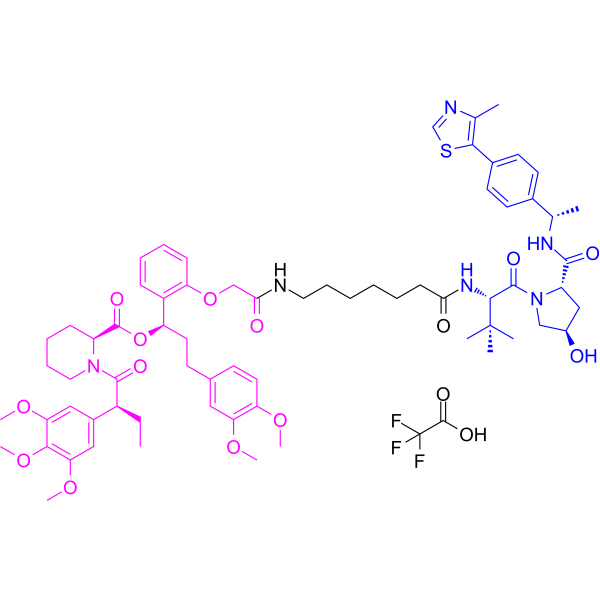
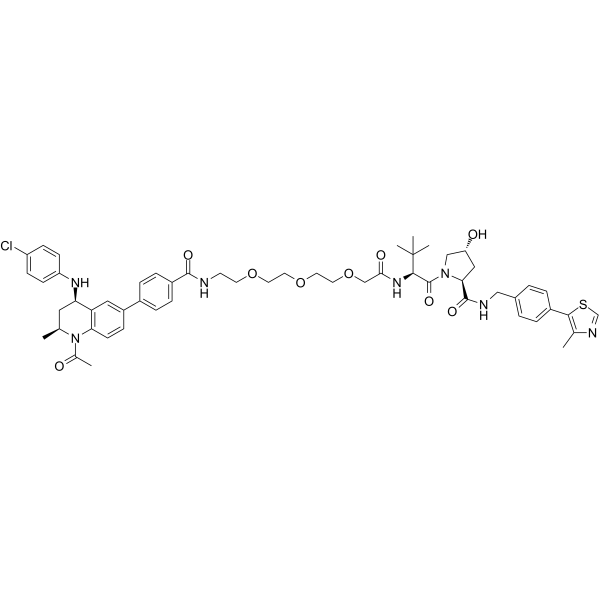
    KT-333 is a molecular glues that degrades STAT3 protein. KT-333 mediates the selective degradation of STAT3 through the ubiquitin-proteasome system by binding to STAT3 protein and E3 ubiquitin ligase von Hippel-Lindau protein (VHL). KT-333 has strong selectivity for STAT3 protein degradation and good antitumor activity. KT-333 can be used in the study of hematologic malignancies such as large granular lymphocytic leukemia (LGL-L), peripheral T-cell lymphoma (PTCL), and cutaneous T-cell lymphoma (CTCL) .
    KT-333
  • HY-141432

    Cbl-b-IN-3

    E1/E2/E3 Enzyme Cancer
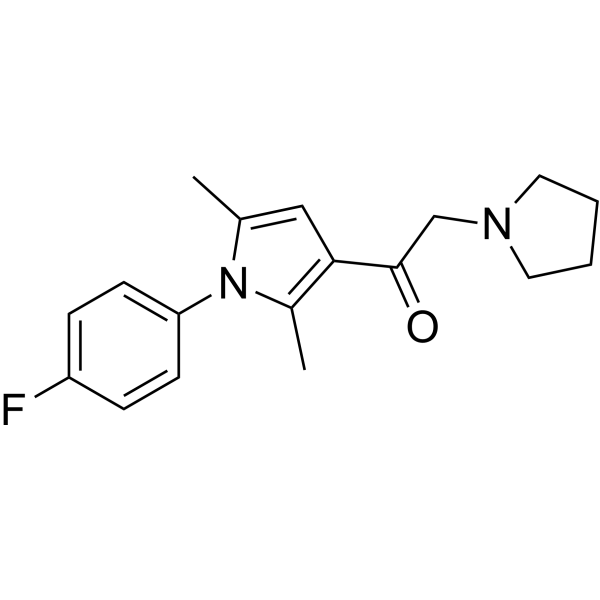
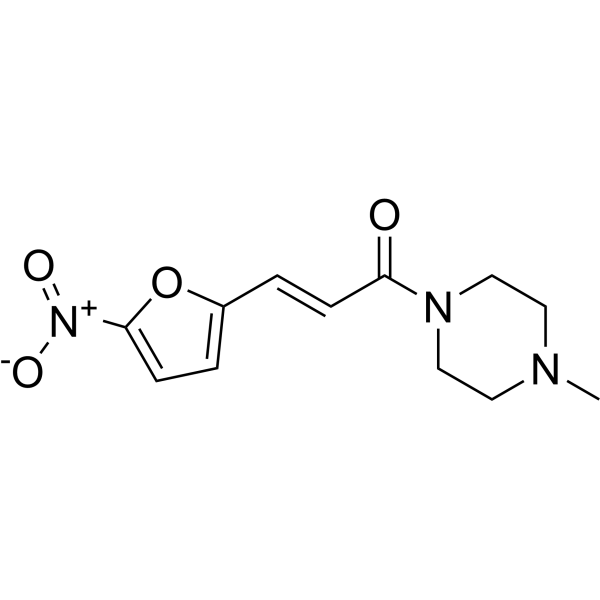
    NX-1607 (Compound 23) is an inhibitor of Cbl-b, an E3 enzyme in the ubiquitin-proteasome pathway, with an IC50 value of less than 1 nM. NX-1607 can be used in cancer research .
    NX-1607
  • HY-13817
    IU1
    Maximum Cited Publications
    25 Publications Verification

    Deubiquitinase Autophagy Apoptosis Cardiovascular Disease Neurological Disease Endocrinology Cancer
    IU1 is a selective, reversible USP14 inhibitor with an IC50 of 4-5 μM. IU1 binds USP14’s catalytic cleft to block deubiquitinase activity. IU1 induces calpain-dependent Tau cleavage, causes ATP deficits, reduces E1~Ub thioester levels and 26S proteasome assembly. IU1 enhances 26S proteasome chymotrypsin-like activity, modulates LC3B-dependent autophagy flux, reduces cancer cell proliferation and migration, and blocks G0/G1 to S phase cell cycle transition in follicular thyroid cancer cells. IU1 activates autophagy-lysosomal and ubiquitin-proteasome pathways, triggers apoptosis, and reduces cervical cancer cell growth. IU1 enhances degradation of proteasome substrates linked to neurodegenerative disease, accelerates oxidized protein degradation, and increases oxidative stress resistance. IU1 can be used for the research of Alzheimer’s disease, follicular thyroid cancer, ischemic stroke, cervical cancer, and neurodegenerative disease .
    IU1
  • HY-106443A
    Arimoclomol maleate
    5 Publications Verification

    BRX-220

    HSP Neurological Disease Metabolic Disease Inflammation/Immunology
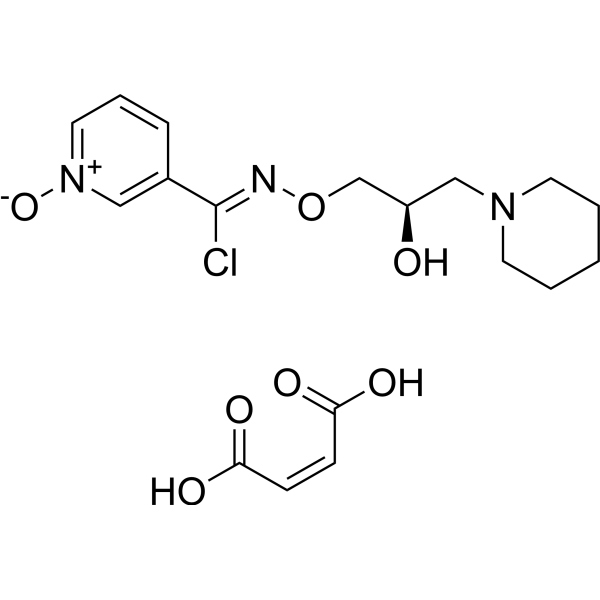
    Arimoclomol maleate (BRX-220) is an orally active co-inducer of heat shock proteins (HSP) . Arimoclomol protects motor neurons by enhancing Hsp expression, thus directly affecting protein aggregation and clearance of misfolded assemblies via the proteasome-ubiquitin system .Arimoclomol maleate can be used for the study of Niemann–Pick disease type C.
    Arimoclomol maleate
  • HY-145898

    14-D-Valine-TPL

    c-Myc Molecular Glues Cancer
    WBC100 (14-D-Valine-TPL) is a potent, selective, and orally active c-Myc molecule glue degrader. WBC100 is a c-Myc degrader and targets ubiquitin E3 ligase CHIP mediated 26S proteasome pathway. WBC100 is used for c-Myc overexpressing tumors research .
    WBC100
  • HY-152154

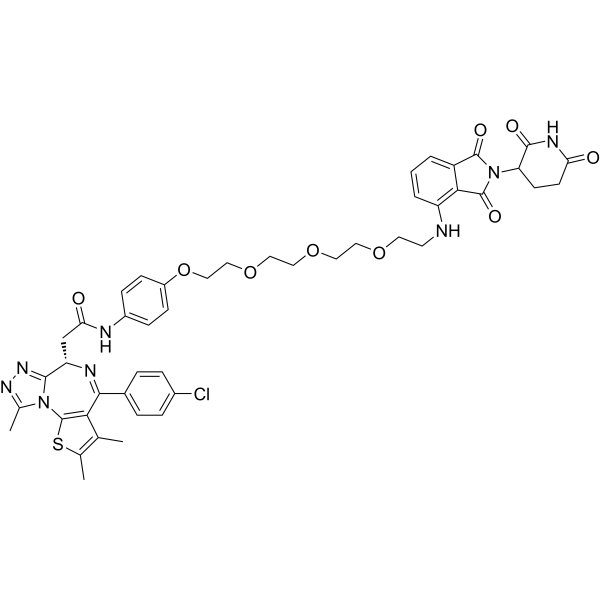
    PROTACs NAMPT Cancer
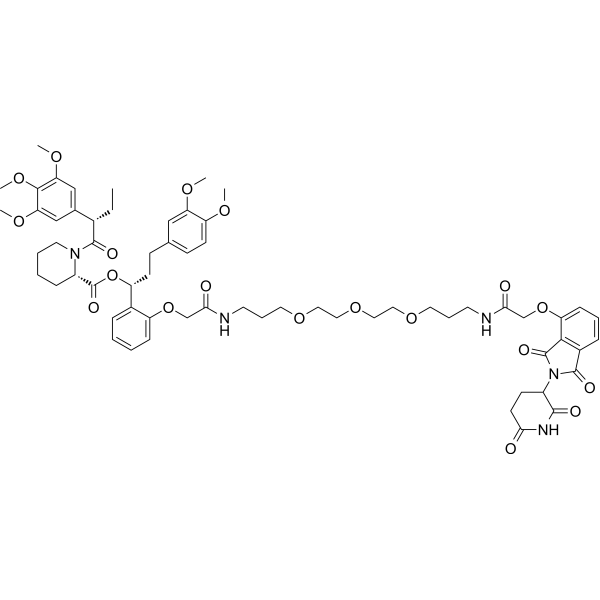
    Nampt degrader-2 is a fluorescent PROTAC, which efficiently degrades NAMPT with an IC50 of 41.9 nM. Nampt degrader-2 binds to NAMPT and VHL to form a ternary complex and subsequently induced NAMPT degradation via ubiquitin-proteasome system (UPS). Nampt degrader-2 leads to significant reduction of NAD + and exerts potent antitumor activities .
    Nampt degrader-2
  • HY-106443
    Arimoclomol
    5 Publications Verification

    BRX-220 free base

    HSP Neurological Disease Metabolic Disease Inflammation/Immunology
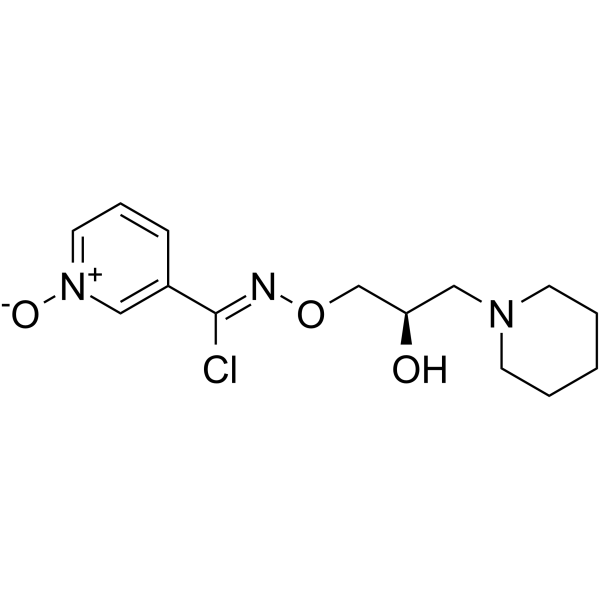
    Arimoclomol (BRX-220 free base) is an orally active co-inducer of heat shock proteins (HSP). Arimoclomol protects motor neurons by enhancing Hsp expression, thus directly affecting protein aggregation and clearance of misfolded assemblies via the proteasome-ubiquitin system.Arimoclomol can be used for the study of Niemann–Pick disease type C. Arimoclomol can cross the blood-brain barrier and can be used in research on Niemann-Pick disease type C .
    Arimoclomol
  • HY-106443B
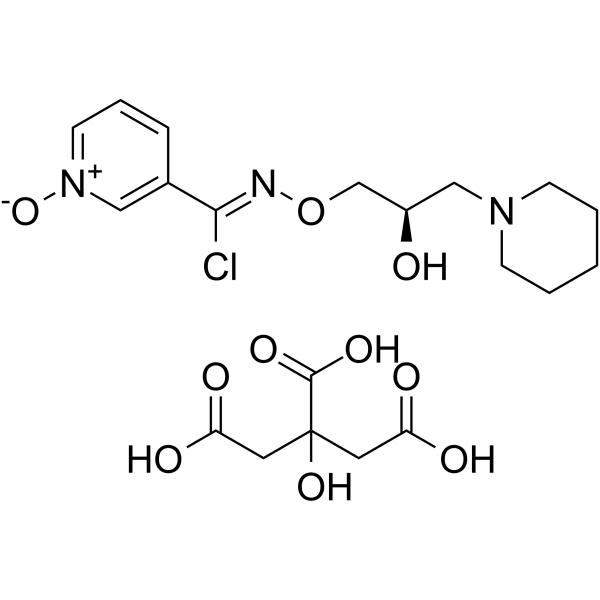
    Arimoclomol citrate
    5 Publications Verification

    BRX-220 citrate

    HSP Neurological Disease Metabolic Disease Inflammation/Immunology
    Arimoclomol citrate (BRX-220 citrate) is an orally active co-inducer of heat shock proteins (HSP) . Arimoclomol citrate protects motor neurons by enhancing Hsp expression, thus directly affecting protein aggregation and clearance of misfolded assemblies via the proteasome-ubiquitin system . Arimoclomol citrate can be used for the study of Niemann–Pick disease type C.
    Arimoclomol citrate
  • HY-100739
    RA190
    4 Publications Verification

    Proteasome Cancer
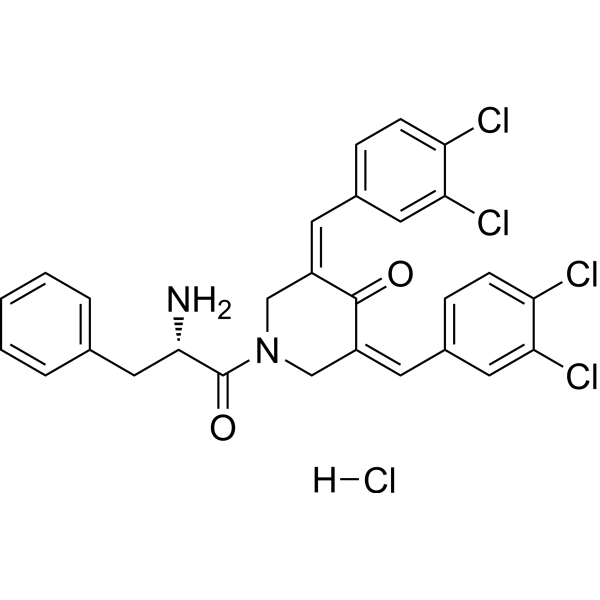
    RA190, a bis-benzylidine piperidon, inhibits proteasome function by covalently binding to cysteine 88 of ubiquitin receptor RPN13.
    RA190
  • HY-148523

    Molecular Glues CDK Cancer
    HQ005 is a potent CCNK degrader with an DC50 value of 0.041 µM. HQ005 is a molecular-glue degrader that mediates interactions between target proteins and components of the ubiquitin-proteasome system to cause selective protein degradation .
    HQ005
  • HY-19726
    NSC59984
    2 Publications Verification

    MDM-2/p53 Cancer
    NSC59984 induces mutant p53 protein degradation via MDM2 and the ubiquitin-proteasome pathway . NSC59984 acts by targeting GOF-mutant p53 and stimulates p73 to restore the p53 pathway signaling .
    NSC59984
  • HY-69220

    PROTAC Linkers Cancer
    7-Octynoic acid (compound 42) is a PROTAC linker and can be used in the synthesis of a series of PROTACs. PROTACs contain two different ligands connected by a linker; one is a ligand for an E3 ubiquitin ligase and the other is for the target protein. PROTACs exploit the intracellular ubiquitin-proteasome system to selectively degrade target proteins . 7-Octynoic acid is a click chemistry reagent, it contains an Alkyne group and can undergo copper-catalyzed azide-alkyne cycloaddition (CuAAc) with molecules containing Azide groups.
    7-Octynoic acid
  • HY-136242

    Estrogen Receptor/ERR Endocrinology Cancer
    UT-34 is a potent, selective, orally bioactive second-generation pan-androgen receptor (AR) antagonist and degrader, with IC50 values of 211.7 nM, 262.4 nM, and 215.7 nM for wild-type AR, F876L-AR, and W741L-AR, respectively. UT-34 binds to the ligand-binding domain (LBD) and functional 1 (AF-1) domain of AR and requires the ubiquitin-proteasome pathway for AR degradation. UT-34 has anti-prostate cancer effects.
    UT-34
  • HY-136528

    Deubiquitinase Apoptosis Cancer
    RA-9 is a potent and selective proteasome-associated deubiquitinating enzymes (DUBs) inhibitor with favorable toxicity profile and anticancer activity. RA-9 blocks ubiquitin-dependent protein degradation without impacting 20S proteasome proteolytic activity. RA-9 selectively induces onset of apoptosis in ovarian cancer cell lines and primary cultures derived from donors. RA-9 induces endoplasmic reticulum (ER)-stress responses in ovarian cancer cells .
    RA-9
  • HY-40178

    PROTAC Linkers Cancer
    NH2-C4-NH-Boc (compound 15) is a PROTAC linker, which refers to the Alkyl/ether composition. NH2-C4-NH-Boc can be used in the synthesis of a series of PROTACs. PROTACs contain two different ligands connected by a linker; one is a ligand for an E3 ubiquitin ligase and the other is for the target protein. PROTACs exploit the intracellular ubiquitin-proteasome system to selectively degrade target proteins .
    NH2-C4-NH-Boc
  • HY-162563

    STING Inflammation/Immunology Cancer
    AK59 is a STING degrader that works by leveraging HERC4, a hect domain E3 ligase. AK59 can be used in the study of autoimmune diseases and cancer .
    AK59
  • HY-49444

    NF-κB Molecular Glues E1/E2/E3 Enzyme Cancer
    EN450 is a cysteine-reactive covalent molecular glue degrader targeting NF-κB. EN450 interacts with allosteric C111 in the E2 ubiquitin ligase UBE2D. EN450 induces the ternary complex formation between UBE2D and NFKB1. EN450 exerts its anti-proliferative effects through a Cullin E3 ligase and proteasome-dependent mechanism .
    EN450
  • HY-149127

    ASC-JM17; ALZ-003

    Keap1-Nrf2 Androgen Receptor HSP Mitophagy Ferroptosis Apoptosis Reactive Oxygen Species (ROS) Autophagy Metabolic Disease
    Rosolutamide (ASC-JM17) is an orally active Nrf1/Nrf2 activator. Rosolutamide activates Hsf1 pathways, upregulates proteasome subunits and antioxidant enzymes, induces proteasome complex structural rearrangement, and enhances ubiquitin-proteasome system-mediated degradation. Rosolutamide reduces mutant androgen receptor and ataxin-3 aggregates, restores mitochondrial function, attenuates reactive oxygen species (ROS) levels, induces apoptosis and ferroptosis, and inhibits cancer cell growth. Rosolutamide can be used for the research of spinal and bulbar muscular atrophy, Huntington’s disease, and temozolomide-resistant glioblastoma .
    Rosolutamide
  • HY-152261

    PROTACs Cancer
    MS6105 is an LDH protein hydrolysis-targeted chimera (PROTAC) that effectively degrades LDHA and LDHB in a time- and ubiquitin-proteasome system-dependent manner and has anticancer activity . MS6105 is a click chemistry reagent, it contains an Alkyne group and can undergo copper-catalyzed azide-alkyne cycloaddition (CuAAc) with molecules containing Azide groups.
    MS6105
  • HY-152134

    HDAC PROTACs Cancer
    HDAC6 degrader-3 is a potent and selective HDAC6 degrader via ternary complex formation and the ubiquitin-proteasome pathway with a DC50 value of 19.4 nM. HDAC6 degrader-3 has IC50s of 4.54 nM and 0.647 μM for HDAC6 and HDAC1, respectively. HDAC6 degrader-3 causes strong hyperacetylation of α-tubulin .
    HDAC6 degrader-3
  • HY-108374

    PROTAC Linkers Cancer
    4-Azidobutylamine is a PROTAC linker, which refers to the alkyl chain composition. 4-Azidobutylamine can be used in the synthesis of a series of PROTACs. PROTACs contain two different ligands connected by a linker; one is a ligand for an E3 ubiquitin ligase and the other is for the target protein. PROTACs exploit the intracellular ubiquitin-proteasome system to selectively degrade target proteins . 4-Azidobutylamine is a click chemistry reagent, it contains an Azide group and can undergo copper-catalyzed azide-alkyne cycloaddition reaction (CuAAc) with molecules containing Alkyne groups. It can also undergo strain-promoted alkyne-azide cycloaddition (SPAAC) reactions with molecules containing DBCO or BCN groups.
    4-Azidobutylamine
  • HY-176792

    PROTACs Ras Cancer
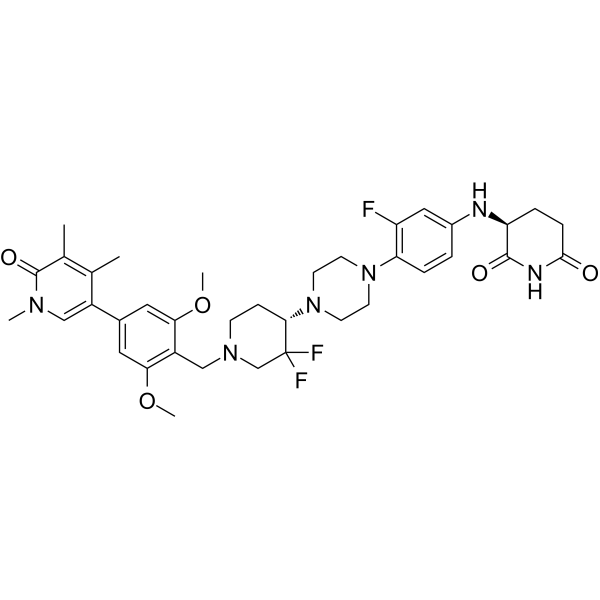
    ACBI-4 is a selective GTP-loaded active state of KRAS (KRAS(on)) PROTAC degrader, with Kd values of 141 nM against KRAS G12R. ACBI-4 forms a stable ternary complex with VHL, triggering ubiquitination and KRAS degradation via the ubiquitin-proteasome system. ACBI-4 induces antiproliferative effects in KRAS mutant-driven cancer cells. ACBI-4 can be used for the research of KRAS mutant-driven cancer .
    ACBI-4
  • HY-111876

    SNIPERs Cancer
    SNIPER(TACC3)-1 targets the TACC3 protein for degradation via the ubiquitin-proteasome pathway based on IAP ligand. SNIPER(TACC3)-1 induces cancer cell death .
    SNIPER(TACC3)-1
  • HY-158345

    PROTACs ATM/ATR DNA/RNA Synthesis Apoptosis Cancer
    PROTAC ATM degrader-1 is a ATM PROTAC degrader with a KD value of 1.17 nM. PROTAC ATM degrader-1 triggers DNA damage response, cell cycle arrest, and apoptosis in cancer cells via the ubiquitin-proteasome-dependent degradation pathway. PROTAC ATM degrader-1 can be used for research on colorectal cancer .
    PROTAC ATM degrader-1
  • HY-N7695

    Apoptosis Autophagy Cancer
    Physalin B, one of the major active steroidal constituents of Cape gooseberry, induces cell cycle arrest and triggers apoptosis in breast cancer cells through modulating p53-dependent apoptotic pathway. Physalin B inhibits the ubiquitin-proteasome pathway and induces incomplete autophagic response in human colon cancer cells in vitro .
    Physalin B
  • HY-143883

    PROTACs Akt Cancer
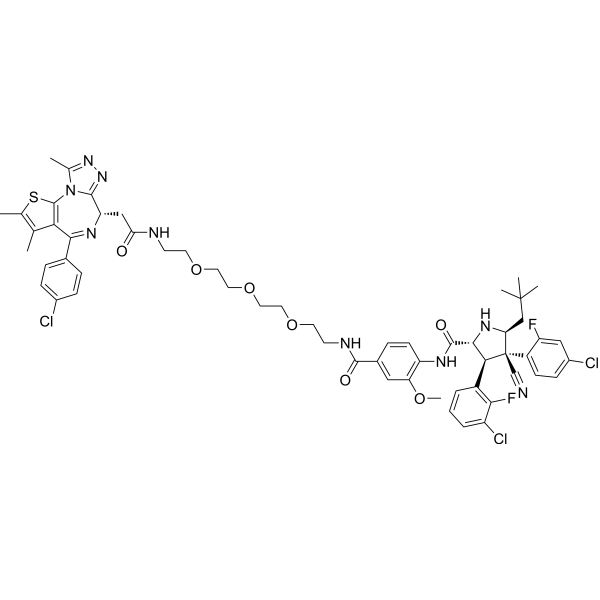
    MS143 is a potent PROTAC AKT degrader (DC50=46 nM and GI50=0.8 μM in PC3 cells). MS143 induces rapid and robust AKT degradation in a concentration- and time-dependent manner via hijacking the ubiquitin-proteasome system. MS143 can suppress cancer cell growth (Pink: AKT ligand (HY-15431); Blue: E3 ligase ligand (HY-125845); Black: linker) .
    MS143
  • HY-176184

    PROTACs Discoidin Domain Receptor MMP Cancer
    PROTAC DDR1 degrader-1 is a potent and selective DDR1-targeting PROTAC degrader. PROTAC DDR1 degrader-1 selectively induces full-length DDR1 degradation via the ubiquitin proteasome system, blocking downstream signaling pathways. PROTAC DDR1 degrader-1 inhibits tumor cell migration and invasion. PROTAC DDR1 degrader-1 exhibits anti-tumor activity in mice. PROTAC DDR1 degrader-1 can be used for the research of DDR1-driven cancers .
    PROTAC DDR1 degrader-1
  • HY-P1259A

    Proteasome Bacterial Inflammation/Immunology
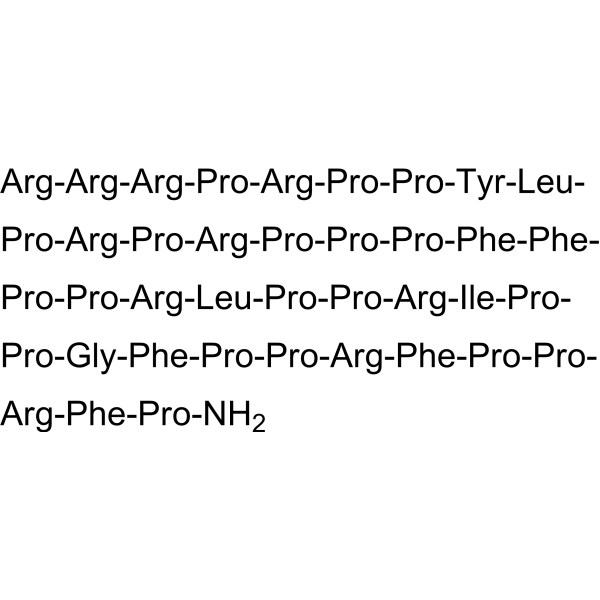
    PR-39 TFA, a natural proline- and arginine-rich antibacterial peptide, is a noncompetitive, reversible and allosteric proteasome inhibitor. PR-39 TFAreversibly binds to the α7 subunit of the proteasome and blocks degradation of NF-κB inhibitor IκBα by the ubiquitin-proteasome pathway. PR-39 TFA stimulates angiogenesis, inhibits inflammatory responses and significant reduces myocardial infarct size in mice .
    PR-39 TFA
  • HY-111877

    SNIPERs Cancer
    SNIPER(TACC3)-2 targets the TACC3 protein for degradation via the ubiquitin-proteasome pathway based on IAP ligand. SNIPER(TACC3)-2 induces cancer cell death .
    SNIPER(TACC3)-2
  • HY-161696

    Apoptosis Cancer
    AN5777 is a GSPT1 degrader. AN5777 significantly reduces GSPT1 through the ubiquitin-proteasome system. AN5777 induces G1 block and Apoptosis. AN5777 has antitumor activity .
    AN5777
  • HY-P2483B

    Bacterial Proteasome Infection Inflammation/Immunology Cancer
    Octaarginine acetate is a cell-penetrating peptide and proteasome inhibitor. Octaarginine acetate exhibits mixed-type inhibition against 20S proteasome chymotrypsin-like, caspase-like, and trypsin-like activities, and inhibits 26S proteasome activity with decreased efficiency. Octaarginine acetate induces ubiquitin-conjugated protein accumulation, mediates HSPG-dependent cellular internalization via macropinocytosis, enhances liposomal cargo uptake and gene delivery. Octaarginine acetate can be used for the research of cervix carcinoma, collagen antibody-induced arthritis, and bacterial infections .
    Octaarginine acetate
  • HY-P2483

    Proteasome Bacterial Infection Inflammation/Immunology Cancer
    Octaarginine is a cell-penetrating peptide and proteasome inhibitor. Octaarginine exhibits mixed-type inhibition against 20S proteasome chymotrypsin-like, caspase-like, and trypsin-like activities, and inhibits 26S proteasome activity with decreased efficiency. Octaarginine induces ubiquitin-conjugated protein accumulation, mediates HSPG-dependent cellular internalization via macropinocytosis, enhances liposomal cargo uptake and gene delivery. Octaarginine can be used for the research of cervix carcinoma, collagen antibody-induced arthritis, and bacterial infections .
    Octaarginine
  • HY-139606

    p97 Cancer
    VCP/p97 inhibitor-1 is a potent inhibitor of VCP/p97 (also called Cdc48, CDC-. 48, or Ter94) with an IC50 of 54.7 nM. VCP/p97 inhibitor-1 causes the dysregulation of protein homeostasis and disturbs the degradation of misfolded polypeptides by the ubiquitin-proteasome system (UPS) .
    VCP/p97 inhibitor-1
  • HY-147942

    PROTACs EGFR Cancer
    MS9449 is a potent PROTAC EGFR degrader with Kds of 17 nM and 10 nM for EGFR WT and EGFR L858R, respectively. MS9449 effectively induces degradation of mutant EGFRs through both the ubiquitin/proteasome system (UPS) and autophagy/lysosome pathways. MS9449 potently inhibits the proliferation of NSCLC cells. MS9449 can be used for researching anticancer .
    MS9449
  • HY-171825

    PROTACs Anaplastic lymphoma kinase (ALK) Cancer
    SIAIS001 is a CRBN-dependent ALK PROTAC degrader with a DC50 of 3.9 nM. SIAIS001 induces ALK protein degradation via the ubiquitin-proteasome system. SIAIS001 induces G1/S phase cell cycle arrest and inhibits proliferation of cancer cells. SIAIS001 can be used for the research of anaplastic large-cell lymphomas .
    SIAIS001
  • HY-147941

    PROTACs EGFR Inflammation/Immunology Cancer
    MS9427 is a potent PROTAC EGFR degrader with Kds of 7.1 nM and 4.3 nM for EGFR WT and EGFR L858R, respectively. MS9427 selectively degrades the mutant but not the WT EGFR through both the ubiquitin/proteasome system (UPS) and autophagy/lysosome pathways. MS9427 potently inhibits the proliferation of NSCLC cells. MS9427 can be used for researching anticancer .
    MS9427
  • HY-130715

    PROTAC Linkers Cancer
    tert-Butyl 11-aminoundecanoate (compound 6b) is a PROTAC linker, which refers to the PEG composition. tert-Butyl 11-aminoundecanoate can be used in the synthesis of a series of PROTACs. PROTACs contain two different ligands connected by a linker; one is a ligand for an E3 ubiquitin ligase and the other is for the target protein. PROTACs exploit the intracellular ubiquitin-proteasome system to selectively degrade target proteins .
    tert-Butyl 11-aminoundecanoate
  • HY-153322

    PROTACs Itk Inflammation/Immunology Cancer
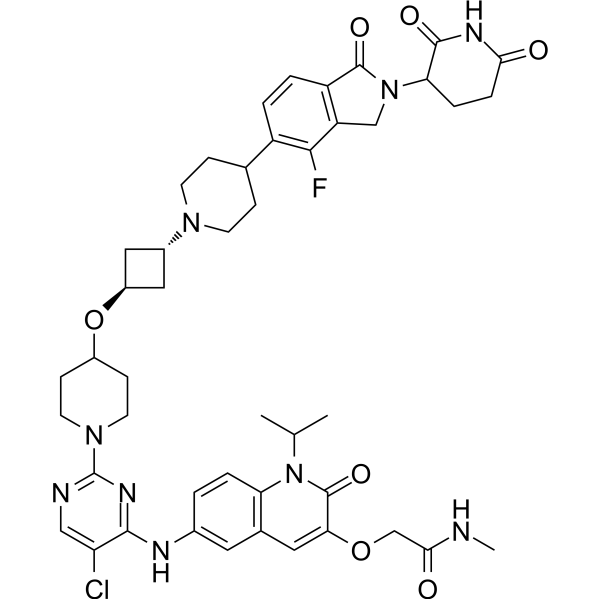
    ITK degrader 2 is an orally active ITK PROTAC degrader with a DC50 < 0.001 nM. ITK degrader 2 degrades ITK via the ubiquitin-proteasome pathway. ITK degrader 2 can be used in the research of cancer, autoimmune diseases and inflammatory diseases .
    ITK degrader 2
  • HY-173002

    DNA Methyltransferase Cancer
    MS9024 is the degrader for DNA methyltransferase 1 that degrades DNMT1 in cell HCT116 through the ubiquitin-proteasome pathway with a DC50 of 35 nM (DC50 in MDA-MB-468 and H1299 is 254 nM and 101 nM). MS9024 also inhibits DNMT1 with an IC50 of 0.43 μM .
    MS9024
  • HY-161597

    PROTACs DYRK Cancer
    PROTAC DYRK2 degrader 1 is a DYRK2 PROTAC degrader with DC50 values of 1.607 μM (MDA-MB-231 cells) and 3.265 μM (HeLa cells), respectively. PROTAC DYRK2 degrader 1 induces DYRK2 degradation via the ubiquitin-proteasome system. It is applicable to the research of triple-negative breast cancer and cervical cancer .
    PROTAC DYRK2 degrader 1
  • HY-170574

    Molecular Glues Apoptosis RIO Kinase Cancer
    CQ627 is a molecular glue targeting the degradation of RIOK2. It effectively induces the degradation of RIOK2 in the MOLT4 leukemia cell line via the ubiquitin-proteasome system (UPS) by recruiting the E3 ubiquitin ligase RNF126, with a DC50 value of 410 nM. CQ627 dose-dependently induces apoptosis in MOLT4 leukemia cells, blocks their cell cycle in the G2/M phase, and exhibits antiproliferative activities in various cancer cell lines. CQ627 also demonstrates in vivo anticancer activity in a MOLT4 xenograft mouse model .
    CQ627
  • HY-156730A

    Molecular Glues STAT Cancer
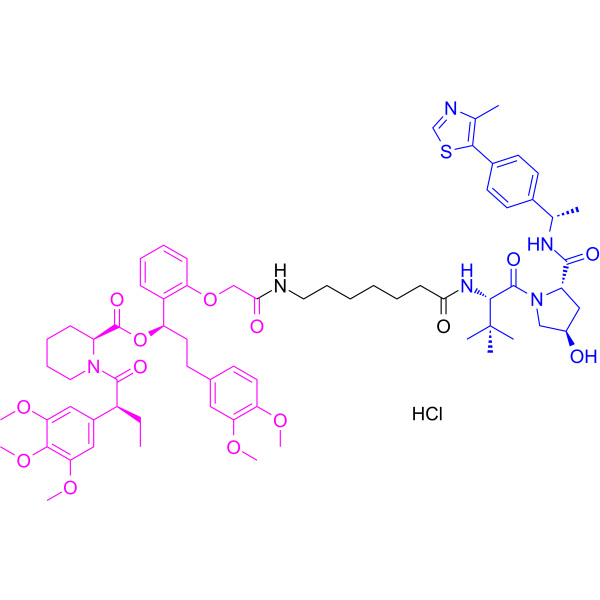
    KT-333 ammonium (Compound A) is a molecular glues that degrades STAT3 protein. KT-333 ammonium mediates the selective degradation of STAT3 through the ubiquitin-proteasome system by binding to STAT3 protein and E3 ubiquitin ligase von Hippel-Lindau protein (VHL). KT-333 ammonium has strong selectivity for STAT3 protein degradation and good antitumor activity. KT-333 ammonium can be used in the study of hematologic malignancies such as large granular lymphocytic leukemia (LGL-L), peripheral T-cell lymphoma (PTCL), and cutaneous T-cell lymphoma (CTCL) .
    KT-333 ammonium
  • HY-175453

    Molecular Glues Neurological Disease Cancer
    MRT-23227 is a molecular glue degrader that targets cereblon (CRBN). MRT-23227 forms a ternary complex with CRBN and G3BP2, activating the ubiquitin-proteasome system, leading to G3BP2 degradation. MRT-23227 has potential applications in the research of G3BP2-related cancers (such as breast and lung cancer) and neurodegenerative diseases .
    MRT-23227
  • HY-169358

    PROTACs Epigenetic Reader Domain Cancer
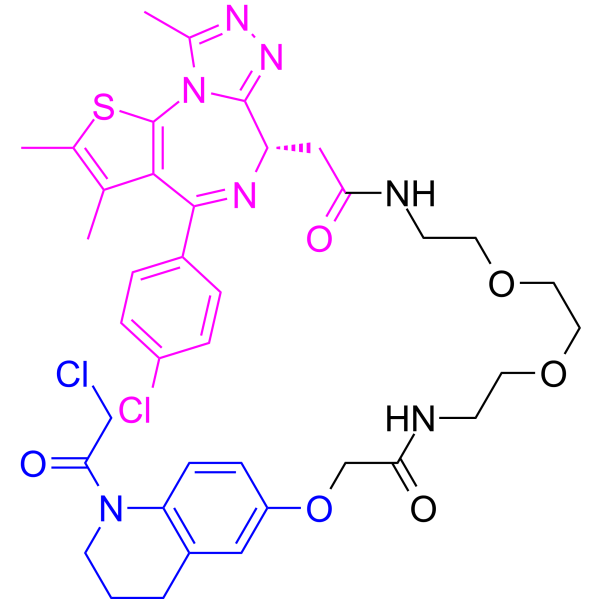
    L134 is a potent PROTAC BRD4 degrader with a DC50 value of 7.36 nM. L134 mediates the degradation of BRD4 via the ubiquitin-proteasome system in a DCAF11-dependent manner (Blue: JQ-1 (carboxylic acid) (HY-78695), Black: linker (HY-W004640); Pink: E3 ligase ligand, L321 (HY-169359)) .
    L134
  • HY-W054146
    RAMB4
    1 Publications Verification

    Proteasome Cancer
    RAMB4 is a ubiquitin-proteasome system (UPS)-stressor. RAMB4 inhibits ubiquitin-mediated protein degradation upstream of the 20S proteasomal catalytic activites. RAMB4 triggers a ubiquitin-proteasome-system (UPS)-stress response without affecting 20S proteasome catalytic activities. Anticancer activity .
    RAMB4
  • HY-174329

    Molecular Glues Neurological Disease Cancer
    MRT-5702D is a G3BP2 molecular glue degrader. MRT-5702D forms a CRBN-MRT-5702D-G3BP2 ternary complex to activate the ubiquitin-proteasome system for G3BP2 degradation. MRT-5702D can be used for research of G3BP2-related cancers and neurodegenerative diseases .
    MRT-5702D
  • HY-163709

    PROTACs FAK Akt ERK Cancer
    PROTAC FAK degrader 2 is an orally active PROTAC FAK degrader with a DC50 of 60.10 nM. PROTAC FAK degrader 2 forms a ternary complex with FAK and CRBN E3 ubiquitin ligase, driving proteasome-mediated degradation of total and phosphorylated FAK. PROTAC FAK degrader 2 inhibits phosphorylation of AKT and ERK, suppressing their downstream signaling pathways. PROTAC FAK degrader 2 reduces cancer cell viability, adhesion, migration, and invasion. PROTAC FAK degrader 2 exerts anti-tumor activity in HCT8/T tumor xenografts in mice. PROTAC FAK degrader 2 can be used for the research of breast cancer, colorectal cancer, lung cancer .
    PROTAC FAK degrader 2
  • HY-P1259

    Proteasome Bacterial Inflammation/Immunology
    PR-39, a natural proline- and arginine-rich antibacterial peptide, is a noncompetitive, reversible and allosteric proteasome inhibitor. PR-39 reversibly binds to the α7 subunit of the proteasome and blocks degradation of NF-κB inhibitor IκBα by the ubiquitin-proteasome pathway. PR-39 stimulates angiogenesis, inhibits inflammatory responses and significant reduces myocardial infarct size in mice .
    PR-39
  • HY-152145

    SOS1 PROTACs Ras Cancer
    PROTAC SOS1 degrader-3 is a potent PROTAC SOS1 degrader. PROTAC SOS1 degrader-3 effectively targeted SOS1 for degradation through the ubiquitin-proteasome system .
    PROTAC SOS1 degrader-3
  • HY-173599

    PNPLA3 Cancer
    NUV-244 is a PNPLA3 I148M degrader. NUV-244 reduces PNPLA3 I148M levels on lipid droplets via BFAR-mediated ubiquitin-proteasome degradation .
    NUV-244

オンラインお問い合わせ

入力情報は安全に管理されます. 必須入力項目.

タイトル


国或いは地域 *

お名前 *


組纖名 *

デパートメント *


メールアドレス *


製品名 *

製品番号


カスタマ需要量 *

電話番号 *


必ず会社名を記載ください。個人への返信は行いません。

備考

バルクお問い合わせ

Inquiry Information

製品名:
製品番号:
数量:
MCE 日本正規代理店:

