



S-Allyl-L-cysteine
Based on 1 publication(s) in Google Scholar
S-Allyl-L-cysteine, one of the organosulfur compounds found in AGE, possess various biological effects including neurotrophic activity, anti-cancer activity, anti-inflammatory activity.
For research use only. We do not sell to patients.
- Purity : 98.0%
- CAS No.: 21593-77-1
- Formula: C6H11NO2S
- Molecular Weight:161.22
-
Storage:Powder -20°C, 3 years , 4°C, 2 years ; In solvent -80°C, 2 years , -20°C, 1 year

To place orders, for customer services and technical support, please contact: MedChemExpress USA
Tel: 609-228-6898 E-mail: [email protected] [email protected]


-
 Biological Activity
-
Chemical Information
-
Solvent & Solubility
- Protocols
- Purity & Documentation
- References
-
 Help & FAQs


-
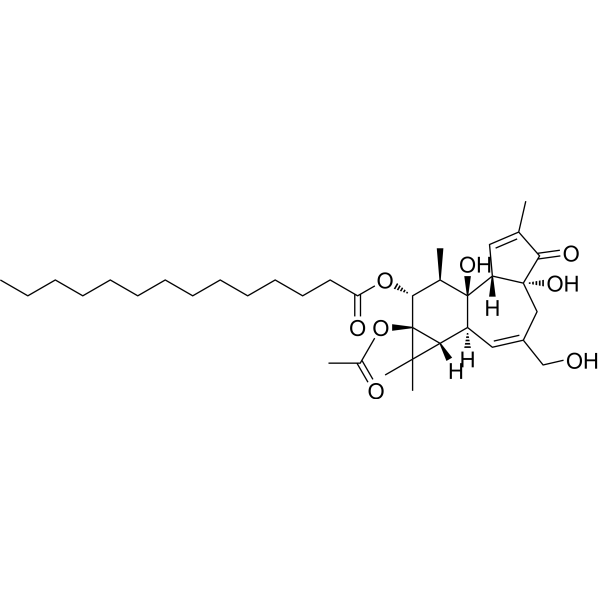
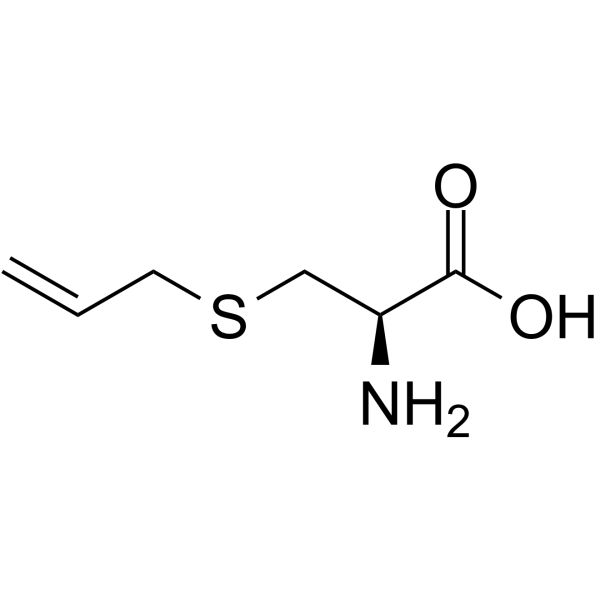
HY-18739
Phorbol 12-myristate 13-acetatePKC Activator -
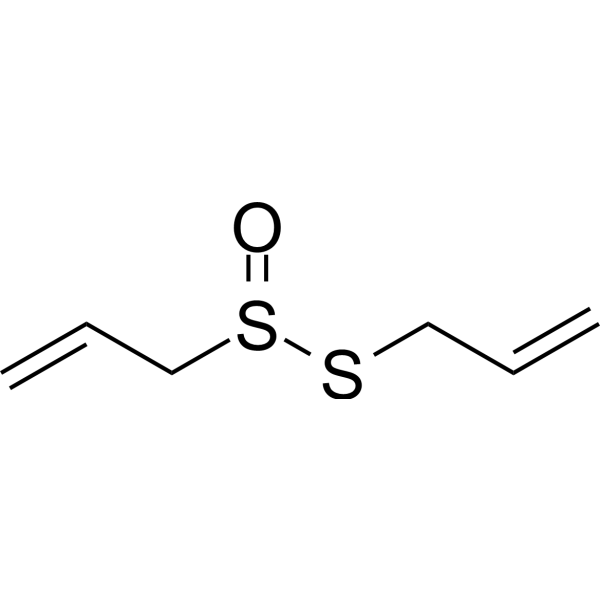
HY-N0315
AllicinBacterial Inhibitor -
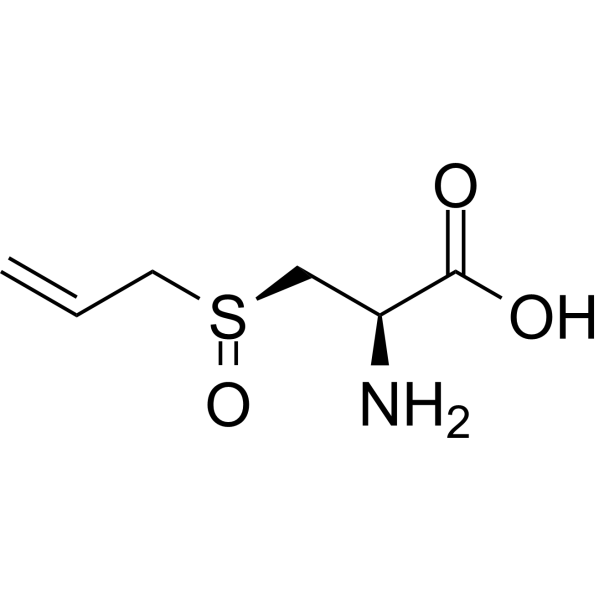
HY-N0661
AlliinAnti-Inflammatory Agent -
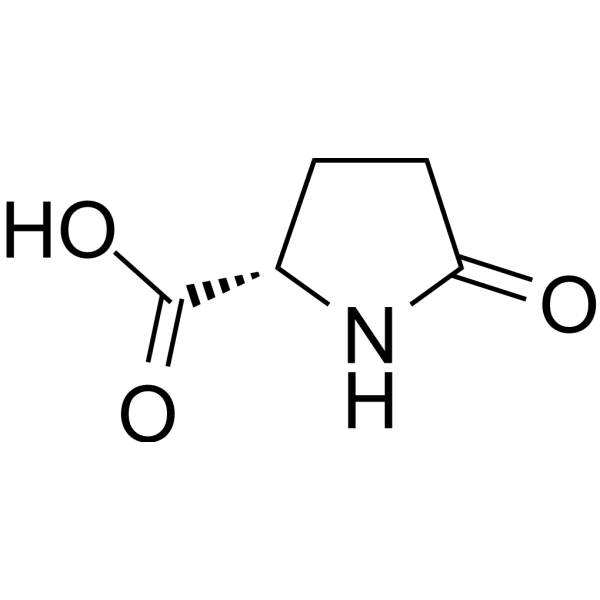
HY-76082
L-Pyroglutamic acidEndogenous Metabolite -
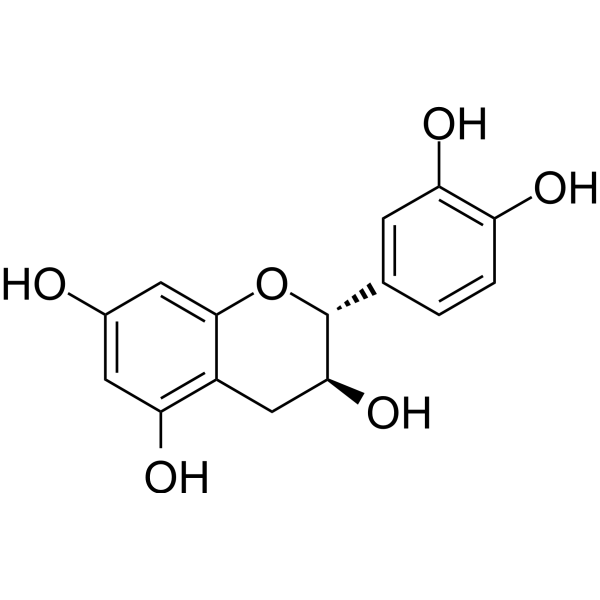
HY-N0898
CatechinCOX-1 Inhibitor -
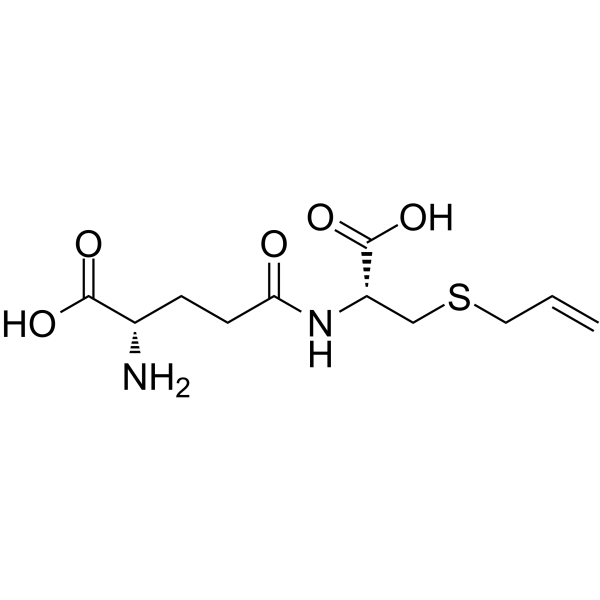
HY-N9413
γ-Glutamyl-S-allylcysteineAntiglycative Compound -

HY-W013573R
S-Allyl-L-cysteine (Standard) -
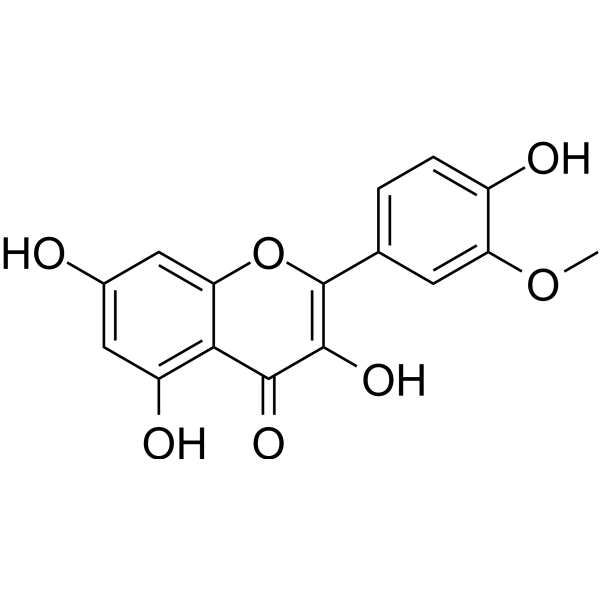
HY-N0776
IsorhamnetinEndogenous Metabolite -
HY-W008638
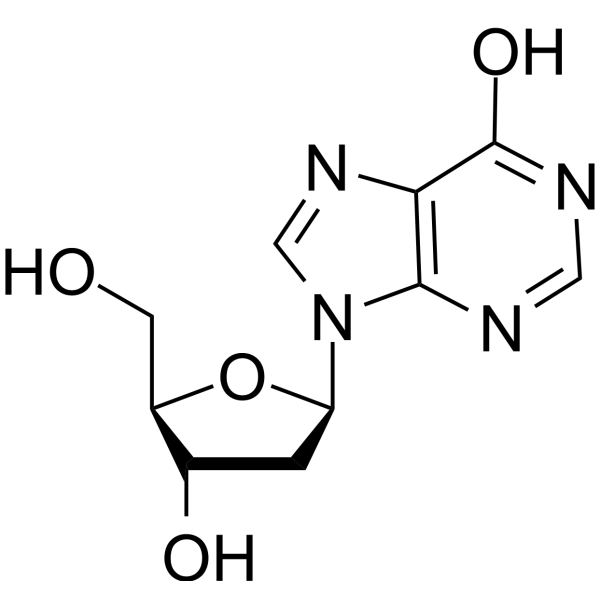
2'-DeoxyinosineProduct of 2'-Deoxyadenosine -
HY-N0012
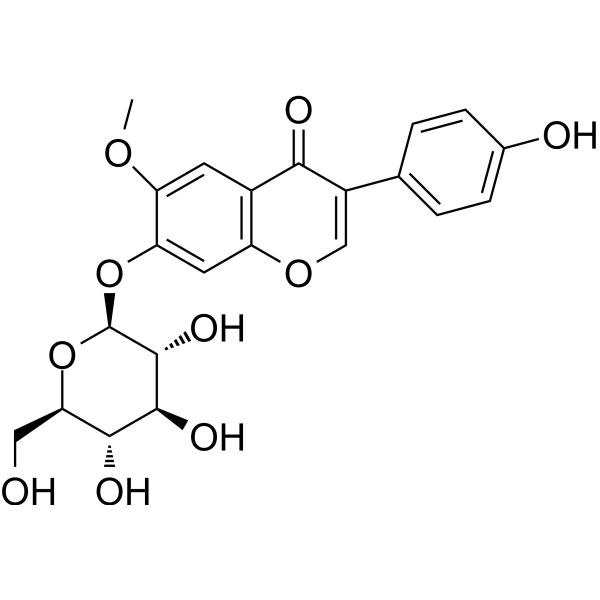
GlycitinSoy Isoflavone -
HY-15449
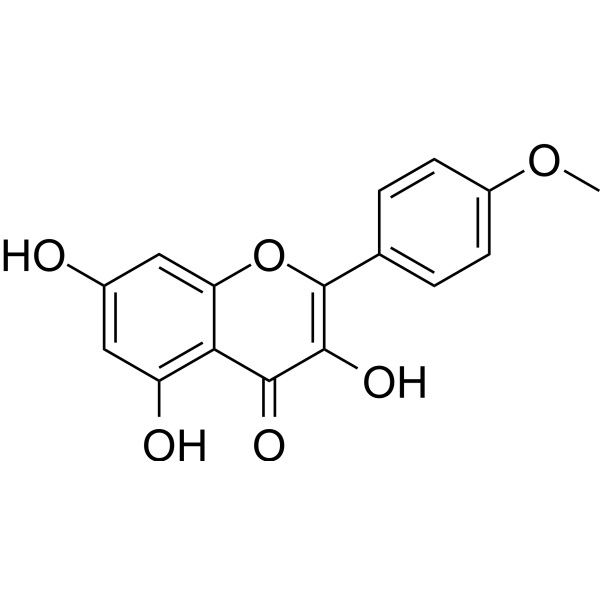
KaempferideAnti-cancer/Anti-inflammatory/Antioxidant -

HY-W008638R
2'-Deoxyinosine (Standard)Standard of 2'-Deoxyinosine
Publications Citing Use of MedChemExpress (MCE) S-Allyl-L-cysteine
More

Biological Activity
Description
In Vitro
It is found that S-Allyl-L-cysteine could protect against amyloid-protein (A)-and tunicamycin-induced cell death in differentiated PC12 cells. Simultaneously applied S-Allyl-L-cysteine (1 μM) suppresses the cell death induced by Aβ25-35 and Aβ1-40 in a concentration-dependent manner, and neuronal integrity is almost completely retained. Simultaneously applied S-Allyl-L-cysteine significantly decreases the Aβ-induced level of ROS. The TEAC value of S-Allyl-L-cysteine is lower than that of oxidized GSH, and no antioxidant activity is observed. Intracellular GSH levels remains unaffected by treatment of neurons with S-Allyl-L-cysteine for 24 h. Furthermore, the increase in caspase-12 protein expression is suppressed by simultaneously adding 1 μM S-Allyl-L-cysteine [1]. S-Allyl-L-cysteine up to a concentration 1.0 mM does not exhibit any cytotoxic impact on morphology of myoblast and myotubes in culture observed under bright field microscope. TNF treatment leads to a significant decrease in the intracellular CK activity while S-Allyl-L-cysteine pre-treatment to TNF treated myotubes decreases the release of CK in media. S-Allyl-L-cysteine pre-treatment decreases the level of active form of this enzyme in S-Allyl-L-cysteine+TNF group. Similar observations are recorded at mRNA level for caspase-3. These results illustrate that S-Allyl-L-cysteine regulates apoptotic signals via suppressing the transcription and thus protein expression of caspase-3[2].
MedChemExpress (MCE) has not independently confirmed the accuracy of these methods. They are for reference only. Further protocols information, click here.


Chemical Information
-
CAS No. 21593-77-1
-
Appearance Solid
-
Molecular Weight 161.22
-
Formula C6H11NO2S
-
Color White to off-white
-
SMILES
N[C@@H](CSCC=C)C(O)=O
-
Structure Classification
-
Initial Source
-
Shipping
Room temperature in continental US; may vary elsewhere.
-
Storage
Powder -20°C 3 years 4°C 2 years In solvent -80°C 2 years -20°C 1 year


Publications (1)
-
Journal Impact Factor
-
Most Recent
-
Biochem Biophys Res Commun
S-Allyl-L-cysteine (SAC) inhibits copper-induced apoptosis and cuproptosis to alleviate cardiomyocyte injury. [Abstract]2024 Oct 20:730:150341. PMID: 39018965


Solvent & Solubility
In Vitro:
H2O : 16.67 mg/mL (103.40 mM; ultrasonic and warming and heat to 60°C)
Please refer to the solubility information to select the appropriate solvent. Once prepared, please aliquot and store the solution to prevent product inactivation from repeated freeze-thaw cycles.
Storage method and period of stock solution: -80°C, 2 years; -20°C, 1 year. When stored at -80°C, please use it within 2 years. When stored at -20°C, please use it within 1 year.
* Note: If you choose water as the stock solution, please dilute it to the working solution, then filter and sterilize it with a 0.22 μm filter before use.
Please refer to the solubility information to select the appropriate solvent. Once prepared, please aliquot and store the solution to prevent product inactivation from repeated freeze-thaw cycles.
Storage method and period of stock solution: -80°C, 2 years; -20°C, 1 year. When stored at -80°C, please use it within 2 years. When stored at -20°C, please use it within 1 year.
* Note: If you choose water as the stock solution, please dilute it to the working solution, then filter and sterilize it with a 0.22 μm filter before use.
Concentration (start) × Volume (start) = Concentration (final) × Volume (final)
In Vivo:
For the following dissolution methods, please prepare the working solution directly:
It is recommended to prepare fresh solutions and use them promptly within a short period of time.
The percentages shown for the solvents indicate their volumetric ratio in the final prepared solution. If precipitation or phase separation occurs during preparation, heat and/or sonication can be used to aid dissolution.
Add each solvent one by one: PBS
Solubility: 50 mg/mL (310.14 mM); Clear solution; Need ultrasonic

Protocols
-
Cotton Pellet Granuloma
Cotton pellet granuloma is a classical in vivo chronic inflammation model used to evaluate the anti-inflammatory potential of test substances by measuring their ability to inhibit granuloma tissue formation around an implanted foreign body (cotton pellet) in rodents. The method is based on the biological response to a sterile implanted material, which induces proliferative phase inflammation characterized by fibroblast proliferation and collagen-rich granuloma formation, and the final readout reflects the extent of chronic inflammatory tissue growth surrounding the pellet. In multiple preclinical pharmacological evaluations, inhibition of cotton pellet-induced granuloma formation has been used as an indicator of anti-inflammatory activity in both synthetic and natural product screening contexts.
-
Carrageenan-Induced Paw Edema
Carrageenan-induced paw edema is an acute inflammation model in which intraplantar injection of carrageenan induces localized inflammatory swelling characterized by vascular permeability, leukocyte infiltration, and production of inflammatory mediators such as prostaglandins and cytokines, making it widely used to evaluate anti-inflammatory agents in vivo. The resulting paw volume or thickness increase is quantified over time as a direct readout of inflammatory intensity and drug efficacy, typically reflecting cyclooxygenase-mediated prostaglandin-driven edema formation and immune cell recruitment in peripheral tissue[20].
-
Research Protocol for Inflammation-related Diseases
The NLRP3 inflammasome is a cytosolic innate immune signaling platform that integrates priming signals and danger-signal activation to promote caspase-1 activation, maturation of IL-1β and IL-18, and gasdermin D-mediated pyroptotic cell death. The core experimental logic is to determine whether inflammatory disease phenotypes are driven by increased NLRP3 expression, ASC-containing inflammasome assembly, caspase-1 cleavage, GSDMD cleavage, and extracellular release of IL-1β/IL-18 rather than by nonspecific cell injury alone. The pathway is strongly linked to inflammation-related disease phenotypes because monosodium urate crystals activate NALP3/NLRP3 inflammasome signaling in gout-like crystal inflammation, cholesterol crystals activate NLRP3 inflammasomes in atherogenesis models, and DSS-induced intestinal inflammation has been reported to involve NLRP3 inflammasome activity. However, experimental colitis studies also show context-dependent protective effects of NLRP3 inflammasome co


Purity & Documentation
-
Data Sheet (272 KB)
-
SDS (393 KB)
- English - EN (393 KB)
- Français - FR (393 KB)
- Deutsch - DE (393 KB)
- Norwegian - NO (393 KB)
- Español - ES (393 KB)
- Swedish - SV (393 KB)
- Italian - IT (393 KB)
- Korean - KR (393 KB)
- Portuguese - PT (393 KB)
-
Handling Instructions (2659 KB)
References
[1]. Kosuge Y, et al. S-allyl-L-cysteine selectively protects cultured rat hippocampal neurons from amyloid beta-protein- and tunicamycin-induced neuronal death. Neuroscience. 2003;122(4):885-95. [Content Brief]
[2]. Dutt V, et al. S-allyl cysteine inhibits TNFα-induced skeletal muscle wasting through suppressing proteolysis and expression of inflammatory molecules. Biochim Biophys Acta. 2018 Apr;1862(4):895-906. [Content Brief]


Complete Stock Solution Preparation Table
Please refer to the solubility information to select the appropriate solvent. Once prepared, please aliquot and store the solution to prevent product inactivation from repeated freeze-thaw cycles.
Storage method and period of stock solution: -80°C, 2 years; -20°C, 1 year. When stored at -80°C, please use it within 2 years. When stored at -20°C, please use it within 1 year.
| Optional Solvent | Concentration Solvent Mass | 1 mg | 5 mg | 10 mg | 25 mg |
|---|---|---|---|---|---|
| H2O | 1 mM | 6.2027 mL | 31.0135 mL | 62.0270 mL | 155.0676 mL |
| 5 mM | 1.2405 mL | 6.2027 mL | 12.4054 mL | 31.0135 mL | |
| 10 mM | 0.6203 mL | 3.1014 mL | 6.2027 mL | 15.5068 mL | |
| 15 mM | 0.4135 mL | 2.0676 mL | 4.1351 mL | 10.3378 mL | |
| 20 mM | 0.3101 mL | 1.5507 mL | 3.1014 mL | 7.7534 mL | |
| 25 mM | 0.2481 mL | 1.2405 mL | 2.4811 mL | 6.2027 mL | |
| 30 mM | 0.2068 mL | 1.0338 mL | 2.0676 mL | 5.1689 mL | |
| 40 mM | 0.1551 mL | 0.7753 mL | 1.5507 mL | 3.8767 mL | |
| 50 mM | 0.1241 mL | 0.6203 mL | 1.2405 mL | 3.1014 mL | |
| 60 mM | 0.1034 mL | 0.5169 mL | 1.0338 mL | 2.5845 mL | |
| 80 mM | 0.0775 mL | 0.3877 mL | 0.7753 mL | 1.9383 mL | |
| 100 mM | 0.0620 mL | 0.3101 mL | 0.6203 mL | 1.5507 mL |
* Note: If you choose water as the stock solution, please dilute it to the working solution, then filter and sterilize it with a 0.22 μm filter before use.


S-Allyl-L-cysteine Related Classifications
HY-W013573 Related Classifications
 Powered by Bioz