



Apoptosis
Apoptosis
Apoptosis is a distinctive form of cell death exhibiting specific morphological and biochemical characteristics, including cell membrane blebbing, chromatin condensation, genomic DNA fragmentation, and exposure of specific phagocytosis signaling molecules on the cell surface. Cells undergoing apoptosis differ from those dying through necrosis. Necrotic cells are usually recognized by the immune system as a danger signal and, thus, resulting in inflammation; in contrast, apoptotic death is quiet and orderly.
There are two major pathways of apoptotic cell death induction: The intrinsic pathway, also called the Bcl-2-regulated or mitochondrial pathway, is activated by various developmental cues or cytotoxic insults, such as viral infection, DNA damage and growth-factor deprivation, and is strictly controlled by the BCL-2 family of proteins. The extrinsic or death-receptor pathway is triggered by ligation of death receptors (members of the tumor necrosis factor (TNF) receptor family, such as Fas or TNF receptor-1 (TNFR1)) that contain an intracellular death domain, which can recruit and activate caspase-8 through the adaptor protein Fas-associated death domain (FADD; also known as MORT1) at the cell surface. This recruitment causes subsequent activation of downstream (effector) caspases, such as caspase-3, -6 or -7, without any involvement of the BCL-2 family.
Studies suggest that alterations in cell survival contribute to the pathogenesis of a number of human diseases, including cancer, viral infections, autoimmune diseases, neurodegenerative disorders, and AIDS (acquired immunodeficiency syndrome). Treatments designed to specifically alter the apoptotic threshold may have the potential to change the natural progression of some of these diseases.
All Product Categories
-
Apoptosis Inhibitors
(855)
View all products
-
Apoptosis Agonists
(7)
View all products
-
Apoptosis Antagonists
(9)
View all products
-
Apoptosis Activators
(339)
View all products
-
Apoptosis Modulators
(57)
View all products
-
Apoptosis Inducers
(7595)
View all products
-
Apoptosis Degrader
(1)
View all products
-
Apoptosis Controls
(33)
View all products
-
Apoptosis Related Products (9446)
Related Products (9446)

-
Antibodies (120)
-
rel-PROTAC PARP1 degrader
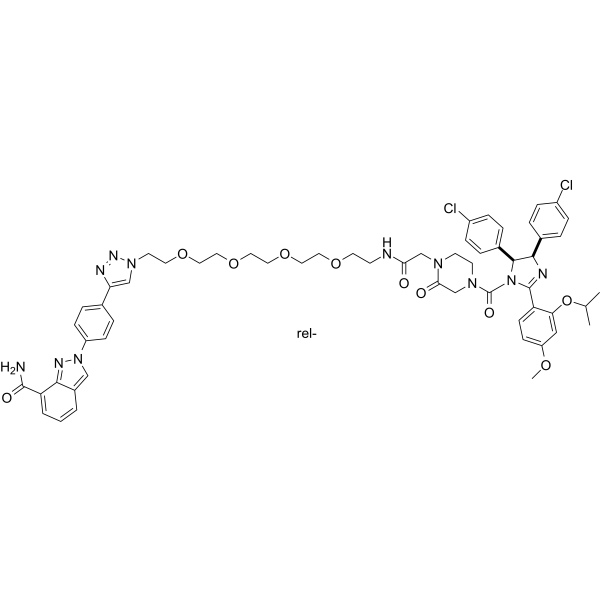 0 ImagesCat. No.: HY-114324APurity: 98.32%rel-PROTAC PARP1 degrader is the relative configuration of ROTAC PARP1 degrader (HY-114324). PROTAC PARP1 degrader is a PROTAC PARP1 degrader. PROTAC PARP1 degrader mediates the interaction between PARP1 and MDM2 E3 ubiquitin ligase, thereby inducing ubiquitination of PARP1 and subsequent proteasome-mediated degradation. PROTAC PARP1 degrader selectively inhibits the growth of breast cancer cells. PROTAC PARP1 degrader induces cell apoptosis by activating caspase-3 and phosphatidylserine externalization. PROTAC PARP1 degrader can be used in the research of triple-negative breast cancer.
-
Glyphosate-d2
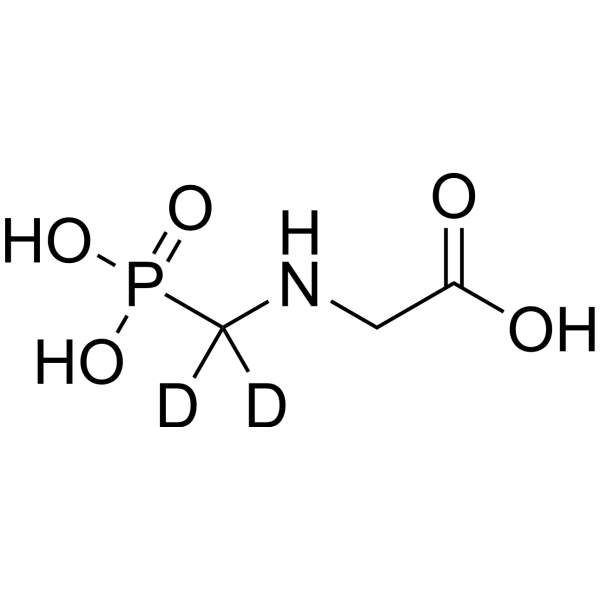 0 ImagesCat. No.: HY-B0863SCAS No.: 2733532-11-9Glyphosate-d2 is the deuterium labeled Glyphosate. Glyphosate is an herbicidal derivative of the amino acid glycine. Glyphosate targets and blocks a plant metabolic pathway not found in animals, the shikimate pathway, required for the synthesis of aromatic amino acids in plants.
-
SKF-96365
 0 ImagesSKF-96365 is a TRPC channel antagonist and store-operated calcium entry (SOCE) inhibitor. SKF-96365 reduces calcium ion influx by inhibiting the activity and expression of TRPC6, STIM1 and Orai1. SKF-96365 inhibits voltage-gated sodium current (cardiac INa/NaV1.5) and slows myocardial conduction. SKF-96365 inhibits phosphorylation/activation of CaMKIIγ and suppresses the downstream AKT signaling pathway. SKF-96365 induces G2/M phase cell cycle arrest, apoptosis and cytoprotective autophagy in colorectal cancer cells. SKF-96365 alleviates allergic rhinitis symptoms by reducing inflammatory cytokine levels. SKF-96365 reduces intracellular calcium overload, inhibits Homer1 expression, prevents nuclear damage and suppresses apoptosis. SKF-96365 inhibits the growth of colorectal cancer xenografts in nude mice. SKF-96365 is applicable to research related to allergic rhinitis, colorectal cancer, Parkinson's disease, persistent spontaneous nociception and hyperalgesia.

-
(rac)-Methyl jasmonate (Standard)
 0 Images(rac)-Methyl jasmonate (Standard) is the analytical standard of Methyl jasmonate. This product is intended for research and analytical applications. (rac)-Methyl jasmonate is the racemate of Methyl jasmonate (HY-135663). Methyl jasmonate is a phytohormone that regulates the defense response of plants under biotic and biotic stress through jasmonate signaling pathway. Methyl jasmonate inhibits the activation of NF-κB signaling pathway. Methyl jasmonate can promote the mitochondrial ROS production, but also scavenges free radicals and reduces the oxidative stress. Methyl jasmonate exhibits anti-inflammatory, antitumor, anticonvulsant, antinociceptive and sedative activities.
-
L-Glutamic acid-13C
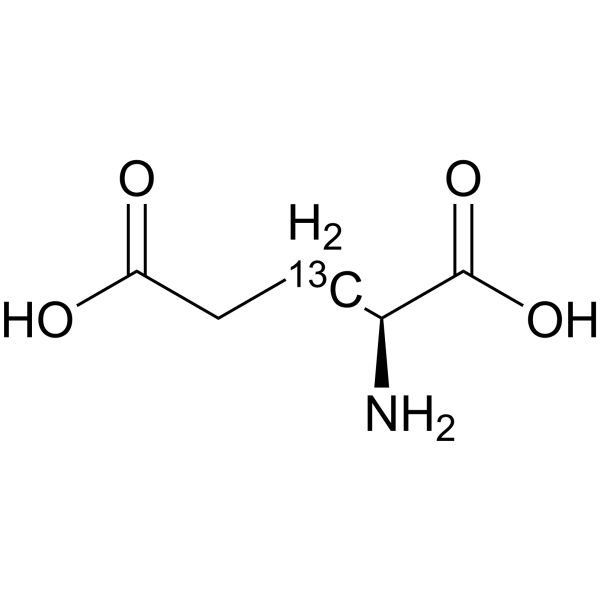 0 ImagesL-Glutamic acid-13C is the 13C-labeled L-Glutamic acid. L-Glutamic acid acts as an excitatory transmitter and an agonist at all subtypes of glutamate receptors (metabotropic, kainate, NMDA, and AMPA). L-Glutamic acid shows a direct activating effect on the release of DA from dopaminergic terminals.
-
α-Lipoic Acid (Standard)
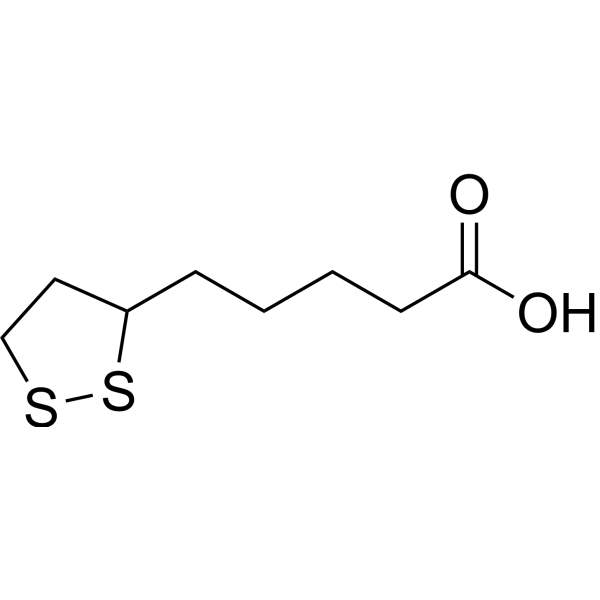 0 ImagesSynonyms: Thioctic acid (Standard); (±)-α-Lipoic acid (Standard); DL-α-Lipoic acid (Standard)α-Lipoic Acid (Standard) is the analytical standard of α-Lipoic Acid. This product is intended for research and analytical applications. α-Lipoic Acid (Thioctic acid) is an antioxidant, which is an essential cofactor of mitochondrial enzyme complexes. α-Lipoic Acid inhibits NF-κB-dependent HIV-1 LTR activation. α-Lipoic Acid induces endoplasmic reticulum (ER) stress-mediated apoptosis in hepatoma cells. α-Lipoic Acid can be used with CPUL1 (HY-151802) to construct the self-assembled nanoaggregate CPUL1-LA NA, which has improved antitumor efficacy than CPUL1.
-
NSC745885
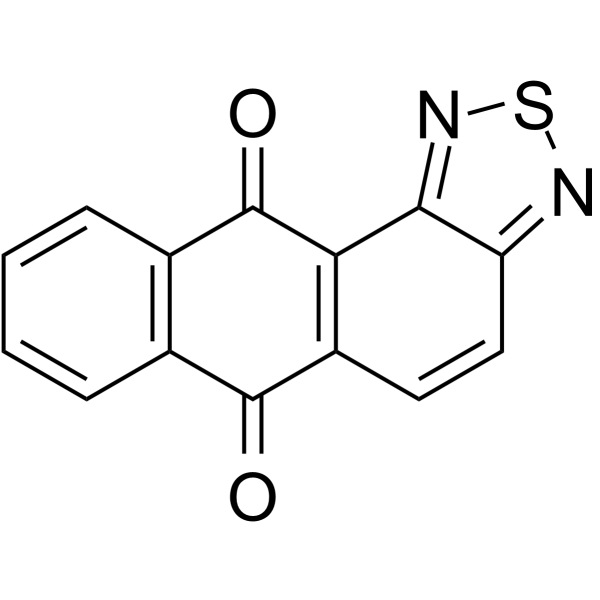 0 ImagesNSC745885 an effective anti-tumor agent, shows selective toxicity against multiple cancer cell lines but not normal cells. NSC745885 is an effective down-regulator of EZH2 via proteasome-mediated degradation. NSC745885 provides possibilities for the study of advanced bladder and oral squamous cell carcinoma (OSCC) cancers.
-
Mefuparib hydrochloride
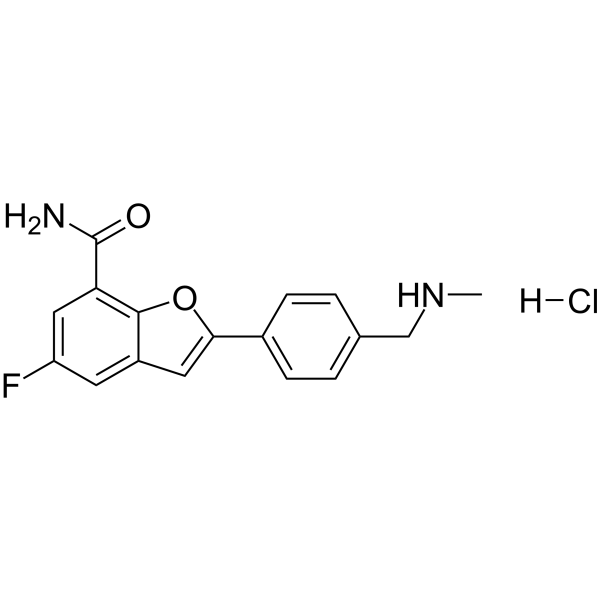 0 ImagesSynonyms: MPHMefuparib hydrochloride (MPH) is an orally active, substrate-competitive and selective PARP1/2 inhibitor with IC50s of 3.2 nM and 1.9 nM, respectively. Mefuparib hydrochloride induces apoptosis and possesses prominent anticancer activity in vitro and in vivo.
-
PROTAC SKP2 Degrader-1
 0 ImagesPROTAC SKP2 Degrader-1 is a PROTAC degrader targeting SKP2, with a Kd value of 6.28 μM. PROTAC SKP2 Degrader-1 induces targeted degradation of SKP2 via the ubiquitin-proteasome system. PROTAC SKP2 Degrader-1 stabilizes the expression of SOCS1 and regulates the expression of immunoproteasomes through the JAK/STAT pathway, thereby inhibiting tumor cell proliferation. PROTAC SKP2 Degrader-1 is applicable for cancer-related research.
-
Eriocitrin (Standard)
 0 ImagesSynonyms: Eriodictyol 7-rutinoside (Standard); Eriodictyol 7-O-rutinoside (Standard)Eriocitrin (Standard) is the analytical standard of Eriocitrin. This product is intended for research and analytical applications. Eriocitrin is a flavonoid isolated from lemons that is a powerful antioxidant. Eriocitrin inhibits the proliferation of liver cancer cells by arresting the cell cycle in the S phase by upregulating p53, cyclin A, cyclin D3 and CDK6. Eriocitrin triggers apoptosis by activating intrinsic signaling pathways involving mitochondria.
-
Betamethasone (Standard)
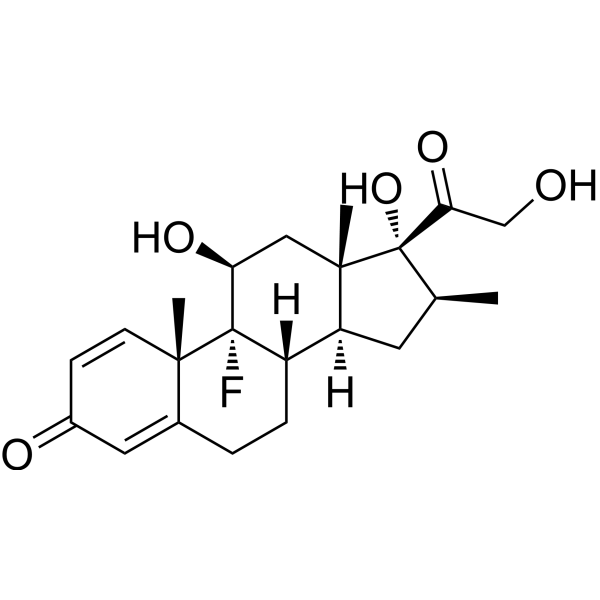 0 ImagesBetamethasone (Standard) is the analytical standard of Betamethasone. This product is intended for research and analytical applications. Betamethasone is a synthetic glucocorticoid with anti-inflammatory and immunosuppressive activities. Betamethasone accelerates fetal lung maturation and induces gene expression and apoptosis.
-
Z-Ile-Leu-aldehyde
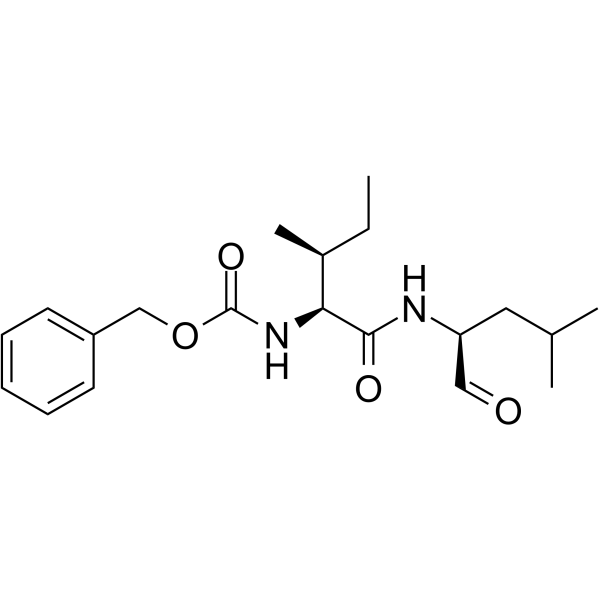 0 ImagesCat. No.: HY-12465CAS No.: 161710-10-7Synonyms: Z-IL-CHO; GSI-XII; γ-Secretase inhibitor XIIZ-Ile-Leu-aldehyde (Z-IL-CHO) is a potent and competitive peptide aldehyde inhibitor of γ-secretase and notch.
-
Enpp/Carbonic anhydrase-IN-2
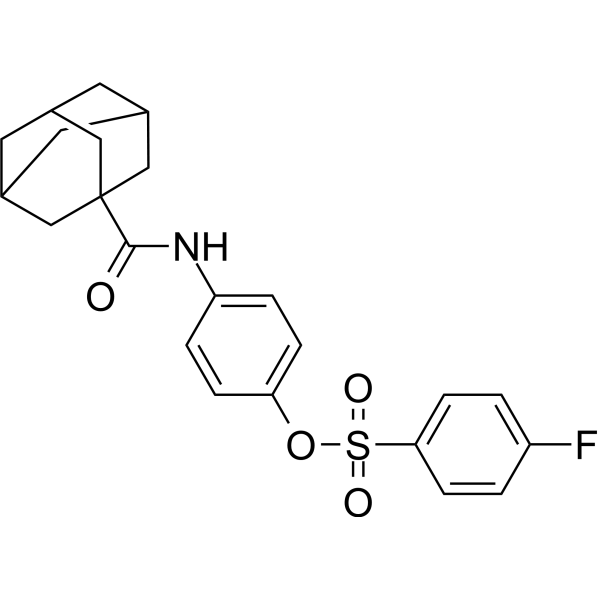 0 ImagesEnpp/Carbonic anhydrase-IN-2 (compound 1i) is a potent Enpp and carbonic anhydrase inhibitor with IC50s of 1.13, 1.07, 0.74, 0.33, 0.68 for NPP1, NPP2, NPP3, CA-IX, CA-XII respectively. Enpp/Carbonic anhydrase-IN-2 shows antiproliferative activity for cancer cells and low cytotoxic against normal cells. Enpp/Carbonic anhydrase-IN-2 induces Apoptosis.
-
Pongamol
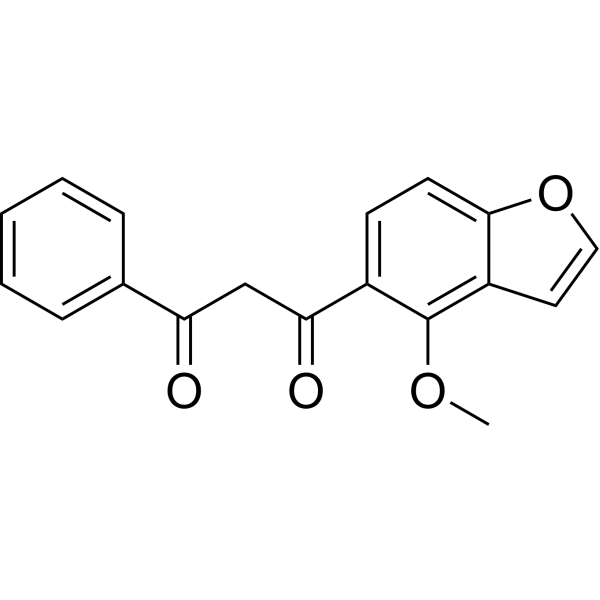 0 ImagesPongamol (Lanceolatin C) is an orally active flavonoid with an IC50 of 75 μM and a Ki of 58 μM against PTPase-1B, and an IC50 of 103.5 μM against intestinal α-Glycosidase. Pongamol reduces the release of IL‑1β, TNF‑α, COX‑2 and iNOS in cells, reverses the nuclear translocation of NF‑κB, and upregulates the levels of Beclin 1 and LC3 Ⅱ/LC3 Ⅰ. Pongamol promotes glucose uptake by increasing the level of GLUT4 on the surface of skeletal muscle cells. Pongamol inhibits epithelial-mesenchymal transition by suppressing the FAK/Akt-mTOR signaling pathway. Pongamol inhibits neuronal cytotoxicity, suppresses cell apoptosis and extends the lifespan of Caenorhabditis elegans by activating the MAPKs/Nrf2 signaling pathway. Pongamol exerts hypoglycemic effects in diabetic mouse models. Pongamol exhibits antibacterial activity. Pongamol alleviates oxidative stress, neuroinflammation, Aβ deposition and excessive phosphorylation of Tau Protein, and restores autophagy function in Alzheimer's disease mouse models by inhibiting the Akt/mTOR signaling pathway. Pongamol is applicable to research related to Alzheimer's disease, type 2 diabetes, non-small cell lung cancer and postprandial hyperglycemia.
-
Z-LLNle-CHO
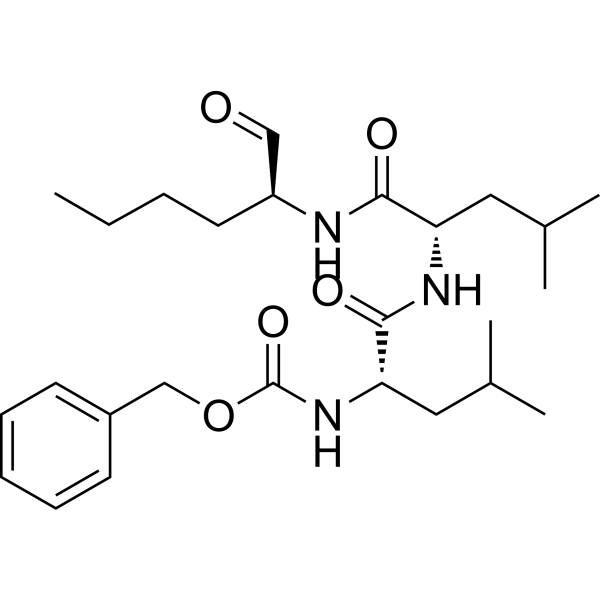 0 ImagesCat. No.: HY-120234CAS No.: 133407-83-7Synonyms: Z-Leu-Leu-Nle-CHO; GSII
-
5-Fluorouridine (Standard)
 0 Images5-Fluorouridine (Standard) is the analytical standard of 5-Fluorouridine. This product is intended for research and analytical applications. 5-Fluorouridine, a metabolite of5-Fluorouracil (HY-90006), is a potent ribozyme self-cleavage inhibitor. 5-Fluorouridine incorporates into both total and poly A RNA and has antiproliferative activity. 5-Fluorouridine induces apoptosis.
-
L 741742
 0 ImagesL 741742 is a highly selective and brain-penetrant D4 dopamine receptor antagonist, with Ki values of 3.5 nM, 770 nM and >1700 nM for human D4, D3 and D2 receptors, respectively. L 741742 suppresses PDGFRβ, ERK1/2, and mTOR signaling pathways, and impairs autophagic flux while disrupting lysosomal function.L 741742 induces G0/G1 cell-cycle arrest and apoptosis, promotes neuronal differentiation of normal human neural stem cells, selectively inhibits growth and clonogenic potential of glioblastoma neural stem cells and primary glioblastoma tumor cells, exerts synergistic effects with Temozolomide (TMZ) (HY-17364) against glioblastoma neural stem cells in vitro, and inhibits glioblastoma neural stem cell xenograft growth in immunocompromised mice. L 741742 can be used for the research of schizophrenia and glioblastoma.




