



Fungal
An antifungal agent is a drug that selectively eliminates fungal pathogens from a host with minimal toxicity to the host.
Classes: 1. Polyene Antifungal Drugs: Amphotericin, nystatin, and pimaricin interact with sterols in the cell membrane (ergosterol in fungi, cholesterol in humans) to form channels through which small molecules leak from the inside of the fungal cell to the outside. 2. Azole Antifungal Drugs: Fluconazole, itraconazole, and ketoconazole inhibit cytochrome P450-dependent enzymes (particularly C14-demethylase) involved in the biosynthesis of ergosterol, which is required for fungal cell membrane structure and function. 3. Allylamine and Morpholine Antifungal Drugs: lylamines (naftifine, terbinafine) inhibit ergosterol biosynthesis at the level of squalene epoxidase. The morpholine drug, amorolfine, inhibits the same pathway at a later step. 4. Antimetabolite Antifungal Drugs: 5-Fluorocytosine acts as an inhibitor of both DNA and RNA synthesis via the intracytoplasmic conversion of 5-fluorocytosine to 5-fluorouracil.
All Product Categories
-
Fungal Related Products (2737)
Related Products (2737)

-
Antibodies (1)
-
Related Compound Screening Libraries (1)
-
Spore germination-IN-1
 0 ImagesCat. No.: HY-172670Purity: 98.67%Spore germination-IN-1 (Compound 110) is an orally active spore germination inhibitor (IC50: 14 μM). Spore germination-IN-1 specifically inhibits the enzymatic activities of mature SleC and CspB on spores (Kd: 12 and 8 μM). Spore germination-IN-1 can be used in studies against C. difficile.
-
Bafilomycin D
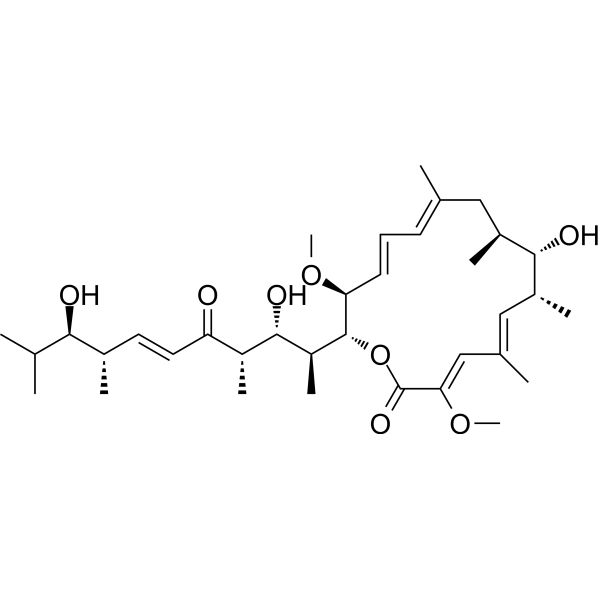 0 ImagesBafilomycin D is a specific inhibitor of vacuolar-type ATPase (V-ATPase). Bafilomycin D has antimicrobial, insecticidal, herbicidal and cytotoxic activity.
-
Nerolidol (Standard)
 0 ImagesNerolidol (Standard) is the analytical standard of Nerolidol. This product is intended for research and analytical applications. Nerolidol has multiple natural membrane activities, possesses anti-cancer, anti-inflammatory, antibacterial and anti-insect activity. Nerolidol Suppresses parasitic activity, suppresses bloodsucking diseases, bloodworm diseases, and other diseases. Nerolidol can protect the cells from lipid and protein properties, damage to DNA, and protect the cells from damage.
-
Chitosan (≥90% deacetylated,viscosity 650-700 mPa.s)
 0 ImagesSynonyms: Deacetylated chitin (≥90% deacetylated,viscosity 650-700 mPa.s); Poly(D-glucosamine) (≥90% deacetylated,viscosity 650-700 mPa.s)Chitosan (Deacetylated chitin) (≥90% deacetylated, viscosity 650-700 mPa.s) is a polysaccharide obtained by deacetylating chitin, and exhibits antimicrobial activity against various bacteria and fungi. Chitosan (≥90% deacetylated, viscosity 650-700 mPa.s) can be used as a versatile biomaterial in drug delivery, tissue engineering, and wound healing.
-
Phytolaccagenin
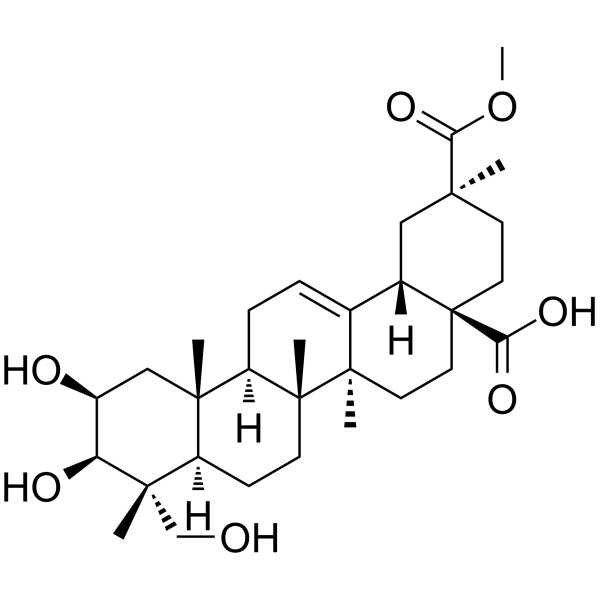 0 ImagesPhytolaccagenin is a triterpenoid saponin aglycone, Antifungal agent, vasodilator, antihypertensive agent, and anti-inflammatory agent. Phytolaccagenin activates vascular and cardiac Muscarinic receptors, blocks cardiac β-adrenergic receptors, and inhibits voltage-dependent calcium channels in blood vessels. Phytolaccagenin inhibits the growth of Candida albicans and Cryptococcus neoformans. Phytolaccagenin induces vasodilation, produces negative inotropic and negative chronotropic effects, reduces mean arterial pressure, and inhibits LPS-induced inflammation. Phytolaccagenin exhibits enhanced antihypertensive effects in high salt-induced hypertensive rats. Phytolaccagenin can be used in the research of candidiasis, cryptococcosis, hypertension, and inflammation-related diseases.
-
D-Gluconic acid potassium (Standard)
 0 ImagesD-Gluconic acid (potassium) (Standard) is the analytical standard of D-Gluconic acid (potassium). This product is intended for research and analytical applications. D-Gluconic acid potassium is an orally active carboxylic acid by the oxidation with antiseptic and chelating properties.
-
Dermaseptin
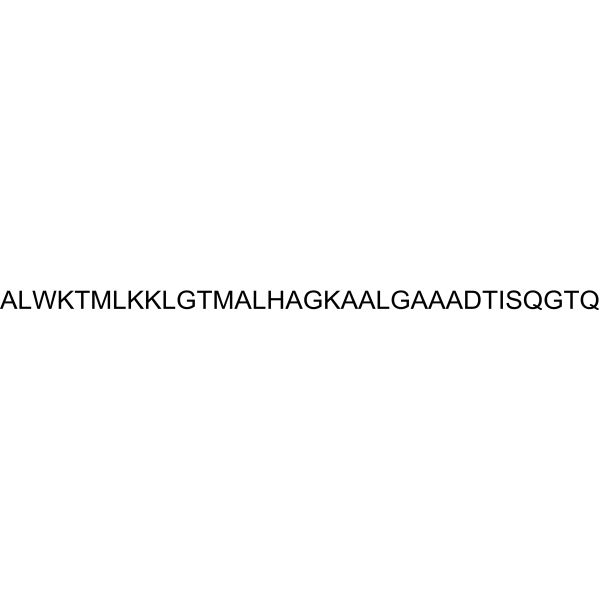 0 ImagesDermaseptin, a peptide isolated from frog skin, exhibits potent antimicrobial activity against bacteria, fungi, and protozoa at micromolar concentration.
-
Thujopsene
 0 ImagesCat. No.: HY-W587878CAS No.: 470-40-6Thujopsene is the inhibitor for cytochrome P450, that inhibits CYP2B6, CYP3A4, CYP2C19, CYP2C8, CYP2C9 with IC50s of 1.3, 12.6, 13.6, 29.8, and 44.9 μM, respectively. Thujopsene binds to PKM2, inhibits the metabolism pathway of cancer cell, induces apoptosis in MKN45, thereby exhibiting antitumor efficacy. Thujopsene exhibits anti-termite and antifungal activities through autoxidation.
-
6-Chloro-7-deazapurine-β-D-riboside
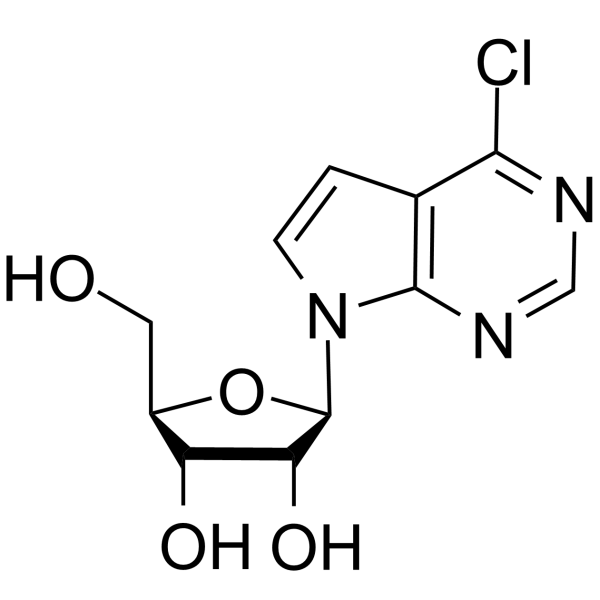 0 ImagesCat. No.: HY-W054064CAS No.: 16754-80-66-Chloro-7-deazapurine-β-D-riboside, a nucleoside derivative, exerts antifungal effects. 6-Chloro-7-deazapurine-β-D-riboside shows activity against plant pathogenic fungi.
-
DHMB
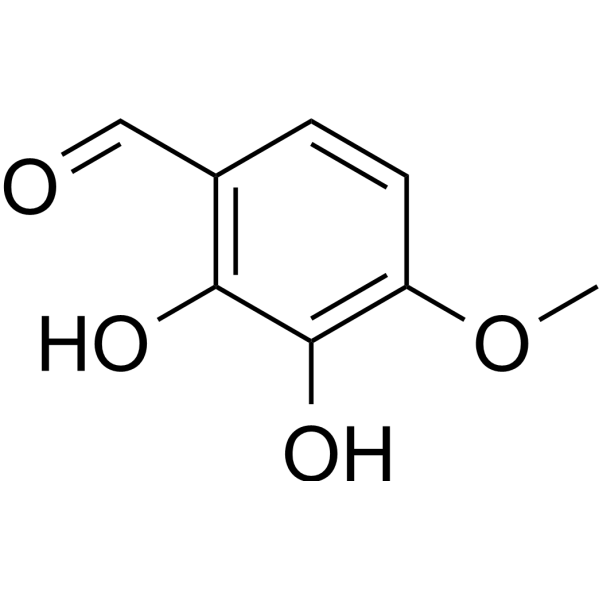 0 ImagesSynonyms: 2,3-Dihydroxy-4-methoxybenzaldehydeDHMB (2,3-Dihydroxy-4-methoxybenzaldehyde) is a small organic molecule with anti-fungal and anti-inflammatory activity. DHMB has protective effect on intestinal epithelial cells.
-
Cyclosporin C
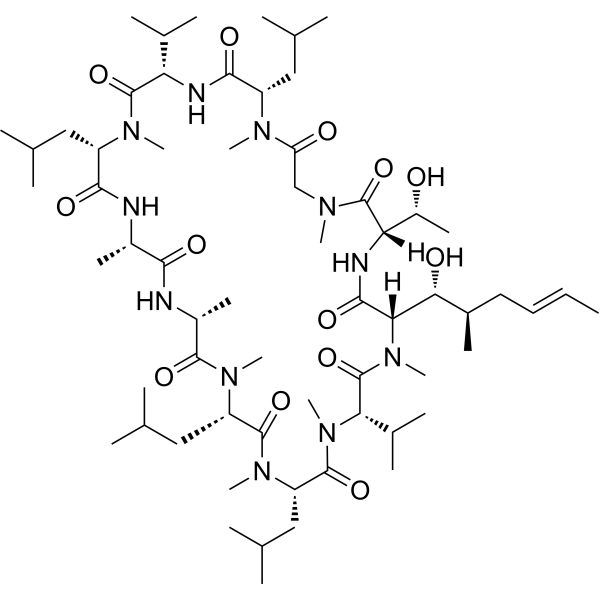 0 ImagesCyclosporin C is a fungal metabolite that has been found in T. inflatum and has diverse biological activities, including antifungal, antiviral, and immunosuppressant properties. Cyclosporin C shows no activity against bacteria or yeasts.
-
Retusin
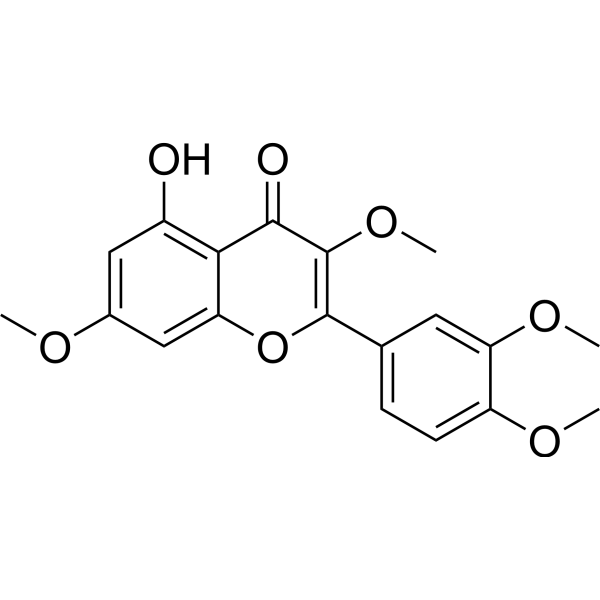 0 ImagesSynonyms: Quercetin-3,3',4',7-tetramethyletherRetusin (Quercetin-3,3',4',7-tetramethylether) is a tyrosinase inhibitor, with IC50 values of 50.9 μM and 51.8 μM against mushroom and intracellular tyrosinase, respectively. Retusin also acts as a free radical scavenger, melanogenesis inhibitor, anti-apoptosis agent, neuroprotective agent, antiemetic, antifungal agent, and antiviral agent. Retusin scavenges ABTS•+ and DPPH• free radicals. Retusin can be used in studies related to hyperpigmentation, vomiting, Aspergillus niger infection, and COVID-19 infection.
-
Dehydroacetic acid
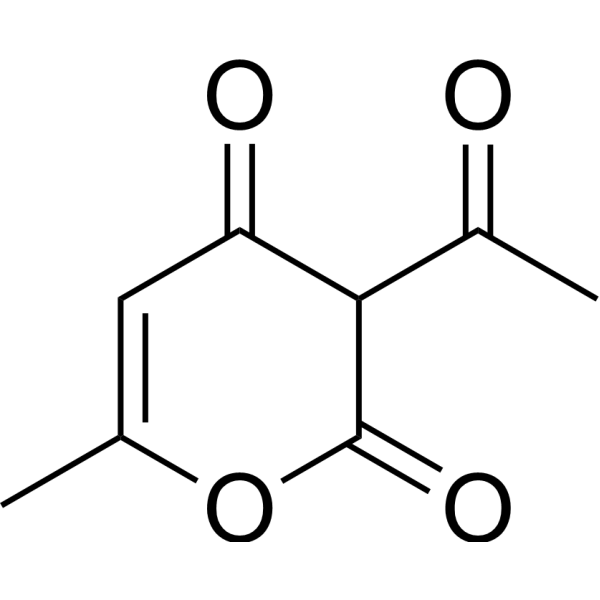 0 ImagesDehydroacetic acid (Biocide 470F) is a pyrone derivative. Dehydroacetic acid has antibacterial, antifungal and phytotoxic activities. Dehydroacetic acid can be added to cosmetics, food and beverages for preservation and other purposes. Dehydroacetic acid can also be used to synthesize various heterocycles and cycloaddition products.
-
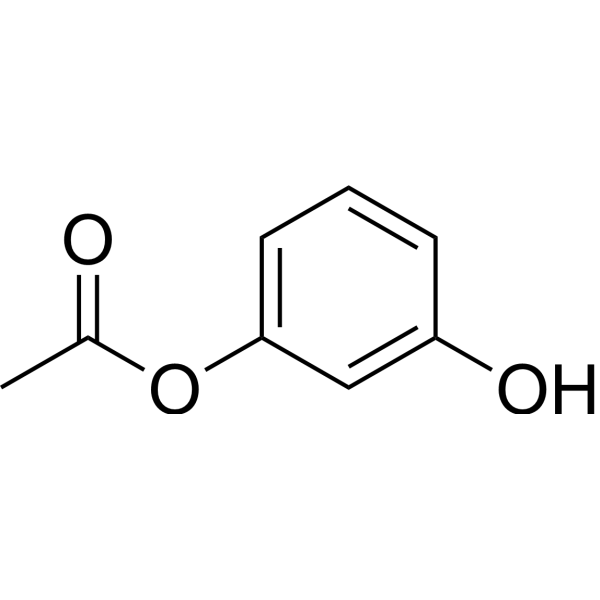
Ametoctradin
 0 ImagesAmetoctradin is a potent Qo site inhibitor of bc1 complex in mitochondrial respiration. Ametoctradin is a highly selective and effective Oomycete-specific fungicide that can be used against late blight and downy mildews.
-
α-Guaiene
 0 ImagesCat. No.: HY-W587956CAS No.: 3691-12-1α-Guaiene is a natural sesquiterpene and fungicidal agent found in Pogostemon cablin (patchouli) essential oil. α-Guaiene suppresses the growth of Aspergillus niger, Candida albicans, Microsporum gypseum, and Trichophyton mentagrophytes. α-Guaiene can be used for the study of fungal infection.
-
Carbendazim-d4
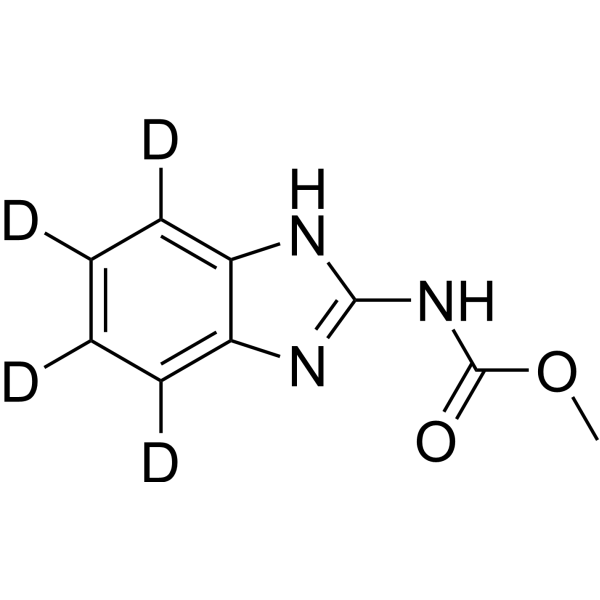 0 ImagesCarbendazim-d4 is the deuterium labeled Carbendazim. Carbendazim is a potent and orally active broad-spectrum?benzimidazole fungicide and can be acts as a pesticide for fungal diseases research, such as Seproria,?Fusarium?and?Sclerotina. Carbendazim is a benzimidazole (HY-Y1825) derivative with antitumor activity and used for cancer research, especially advanced solid tumors and lymphoma.
-
Voxvoganan trihydrochloride
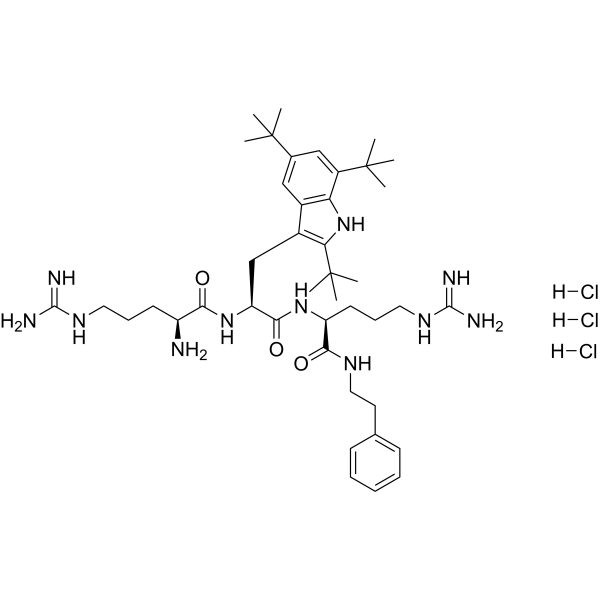 0 ImagesCat. No.: HY-119123APurity: 99.75%Synonyms: LTX-109 trihydrochloride
-
Clotrimazole-d5
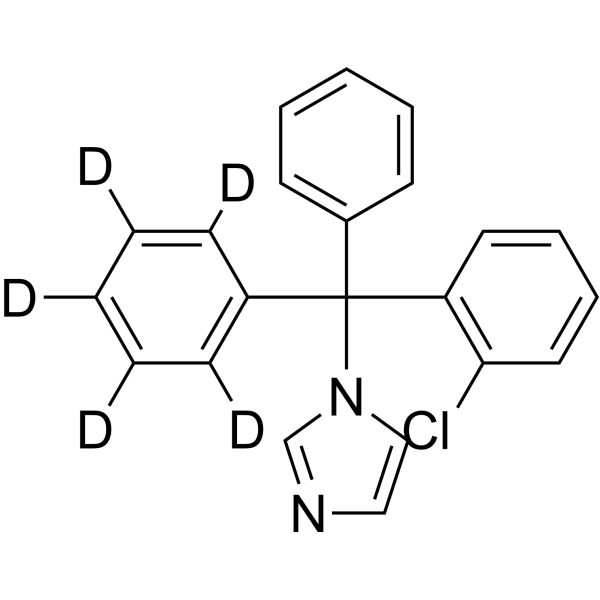 0 ImagesClotrimazole-d5 is the deuterium labeled Clotrimazole. Clotrimazole is an imidazole derivative, an antifungal compound and is a CYP (cytochrome P450) inhibitor. Clotrimazole has antibacterial activity.
-
Methylisothiazolinone-d3 hydrochloride
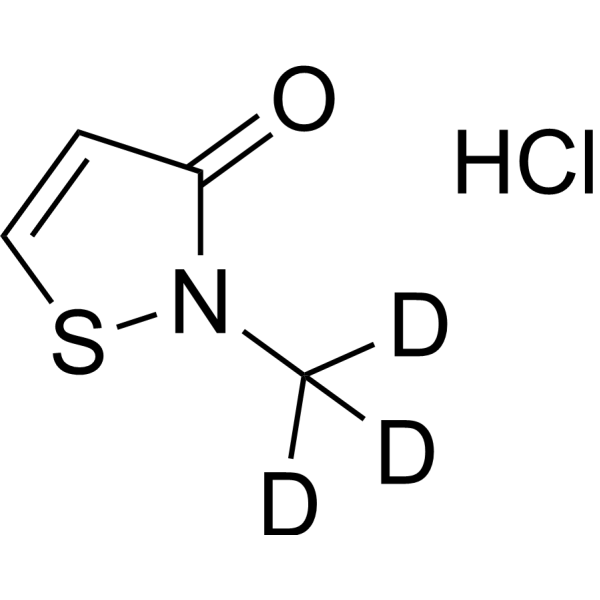 0 ImagesMethylisothiazolinone-d3 hydrochloride is the deuterium labeled Methylisothiazolinone hydrochloride (HY-W010243). Methylisothiazolinone hydrochloride is a bacterial and fungal inhibitor and preservative, as well as a sensitizer. Methylisothiazolinone hydrochloride can activate matrix metalloproteinases (MMPs) in human bronchial epithelial cells to induce apoptosis and inflammatory response. Methylisothiazolinone hydrochloride can promote the development of atopic dermatitis in mice by disrupting Th2/Th17 related immune responses. Methylisothiazolinone hydrochloride can cause mitochondrial damage in the endothelium of rat cerebral blood vessels.




