



Flavivirus
Flavivirus
Flavivirus is a group of single-stranded positive-sense RNA viruses that are mainly transmitted by arthropods such as mosquitoes and ticks. The viral particles of the Flavivirus are spherical, with a diameter of approximately 40-60 nanometers and have an envelope. The envelope is embedded with spike glycoproteins, which play a crucial role in the recognition and binding process between the virus and host cells. Flavivirus contains a variety of viruses, such as the yellow fever virus and the dengue virus, etc., which can cause a variety of serious diseases and have a significant impact on global public health security[1].
All Product Categories
-
Flavivirus Related Products (194)
Related Products (194)

-
Antibodies (1)
-
SP-471P
 0 ImagesSP-471P is a potent dengue virus (DENV) protease inhibitor with EC50s of 5.9 μM, 1.4 μM, 5.1 μM and 1.7 μM for DENV1, DENV2, DENV3 and DENV4, respectively and CC50 value over 100 μM. SP-471P can reduce DENV viral RNA synthesis.
-
Glabranine
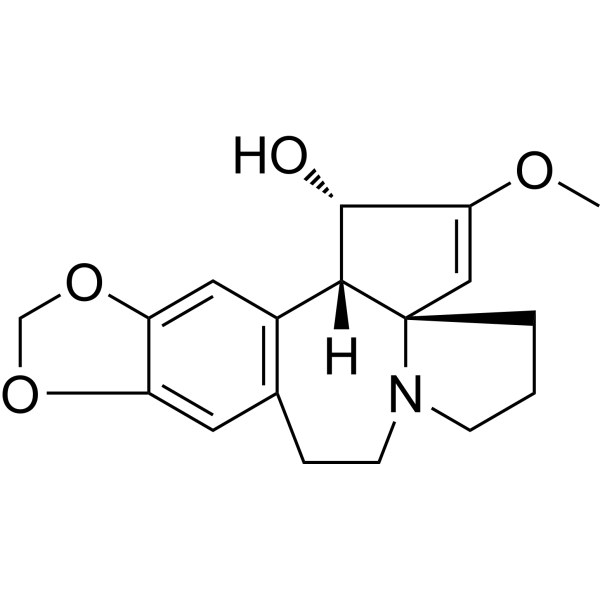
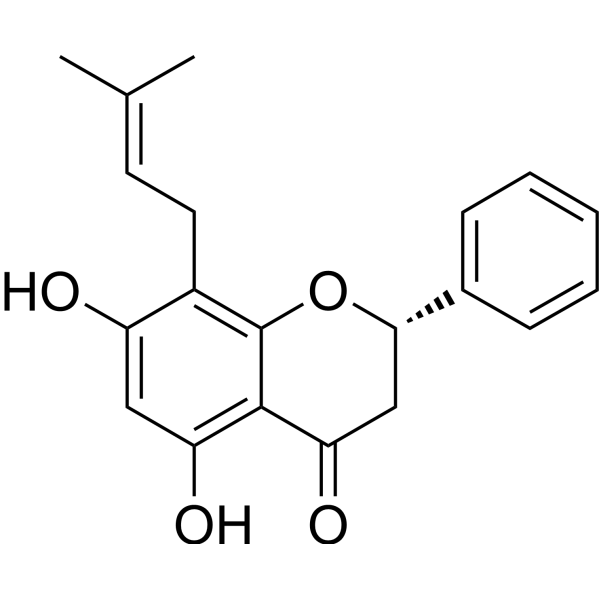 0 ImagesGlabranine, an flavonoid, is isolated from Tephrosia s.p, exerts a inhibitory effect in vitro on the dengue virus. Glabranine forms interaction with the soluble ectodomain of DENV type 2 (DENV2) E protein.
-
NS2B/NS3-IN-3
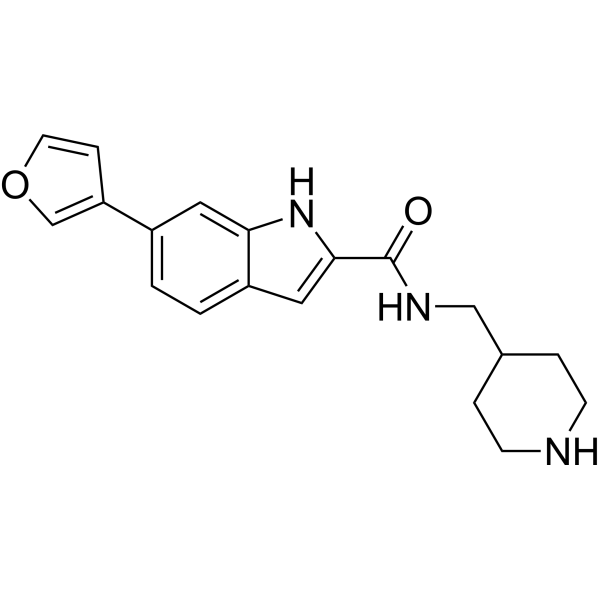 0 ImagesNS2B/NS3-IN-3 is an inhibitor of Flavivirus NS2B-NS3 protease, with an IC50 of 0.32 μM against Zika virus NS2B-NS3 protease. NS2B/NS3-IN-3 also exhibits inhibitory effects on dengue virus type 2 NS2B-NS3 protease and West Nile virus NS2B-NS3 protease. NS2B/NS3-IN-3 inhibits the intracellular replication of Zika virus. NS2B/NS3-IN-3 can be used in studies related to flavivirus infections.
-
KIN101
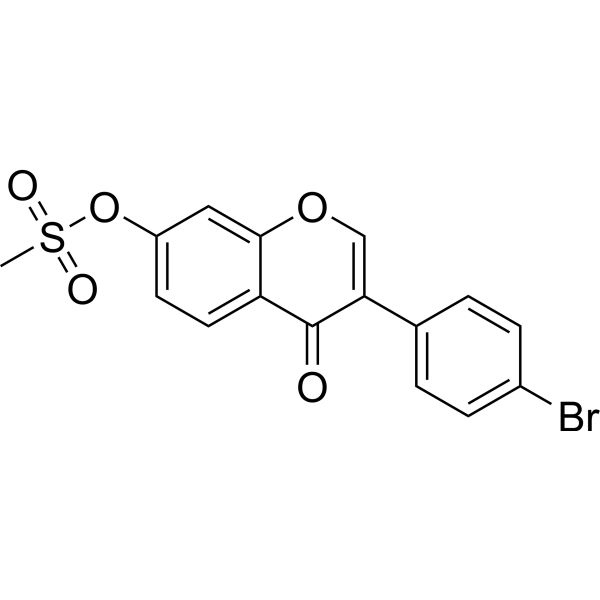 0 ImagesKIN101 is a potent RNA viral inhibitor with IC50s of 2 μM, >5 μM for influenza virus and Dengue virus (DNV), respectively. KIN101, an isoflavone agonist of IRF-3 dependent signaling, induces IRF-3 nuclear translocation. KIN101 has broad-spectrum activity against RNA viruses.
-
FX-06
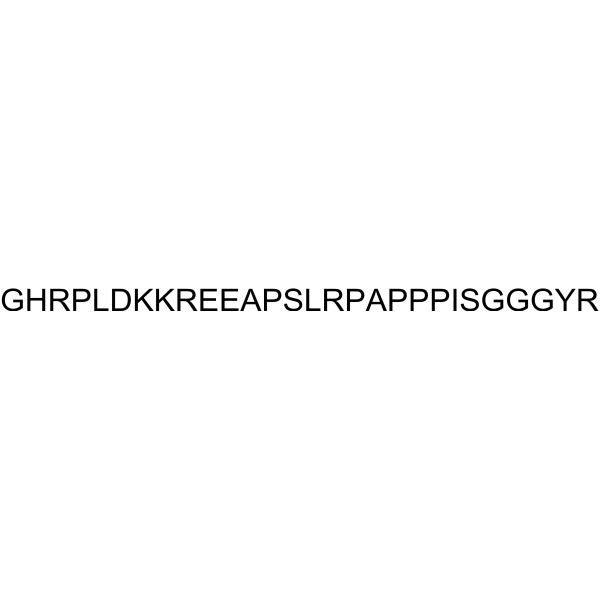 0 ImagesSynonyms: Fibrin-derived peptide Bβ15-42FX-06 (Fibrin-derived peptide Bβ15-42) is a fibrin Bbeta chain-derived peptide. FX-06 binds to VE-cadherin and inhibits leukocyte transmigration and initiates VE-cadherin-mediated signaling. FX-06 can be used in the research of ischemia/reperfusion injury, Dengue shock syndrome (DSS).
-
Rhodiolin
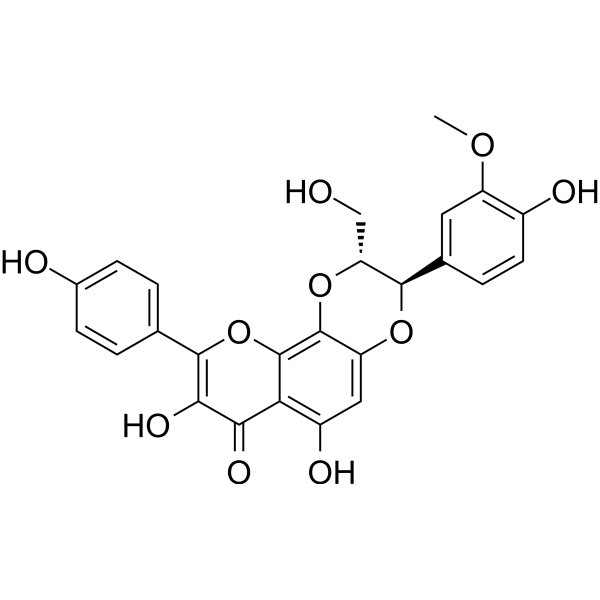 0 ImagesRhodiolin, a flavonoid, is an orally active glucose 6-phosphate isomerase (GPI) inhibitor. Rhodiolin inhibits papillary thyroid cancer (PTC) by targeting glycolysis enzyme glucose 6-phosphate isomerase GPI and suppressing PI3K/AKT/mTOR phosphorylation and induce apoptosis. Rhodiolin as a NS2B-NS3 protease inhibitor can disrupt dengue viral replication. Rhodiolin is also a potential candidate for developing anticancer strategies inhibiting CK1ε kinase. Rhodiolin can be used for the study of anti-tumor and anti-viral .
-
Cyclofenil
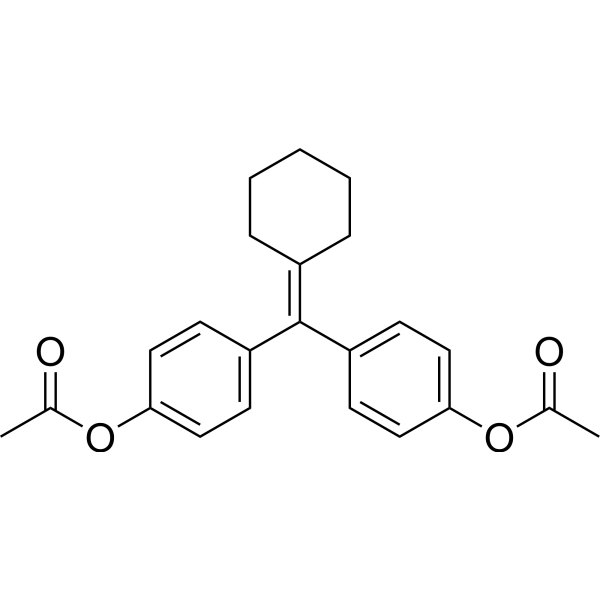 0 ImagesCat. No.: HY-W011100CAS No.: 2624-43-3Cyclofenil is a selective estrogen receptor modulator and an ovulation-inducing agent. Cyclofenil shows an inhibitory effect on dengue virus replication in Vero cells with an EC50 of 1.62 μM. Cyclofenil has anti-dengue-virus activity.
-
ZINC03129319
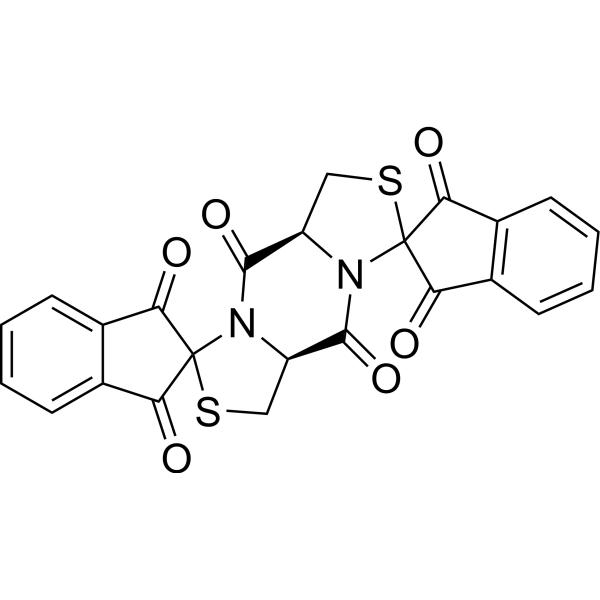 0 ImagesZINC03129319 is a dengue virus (DENV) NS2B-NS3 protease inhibitor extracted from patent US20150141521A1, has inhibition constants (Ki1) of 92 μM and Ki3 of 20 μM.
-
FGI-106 tetrahydrochloride
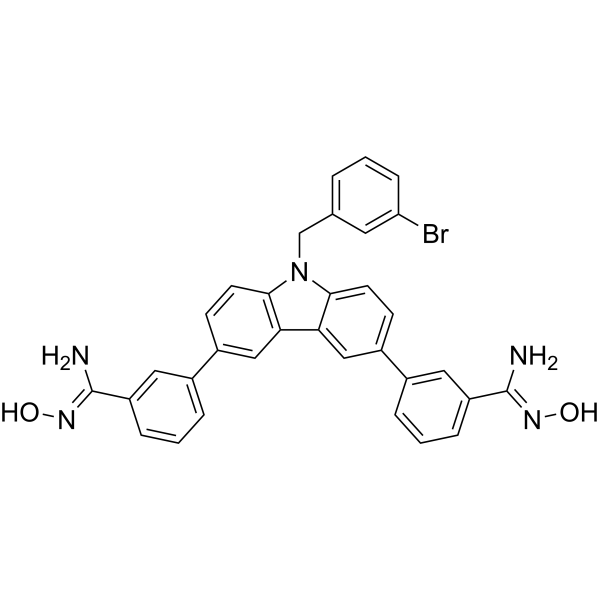
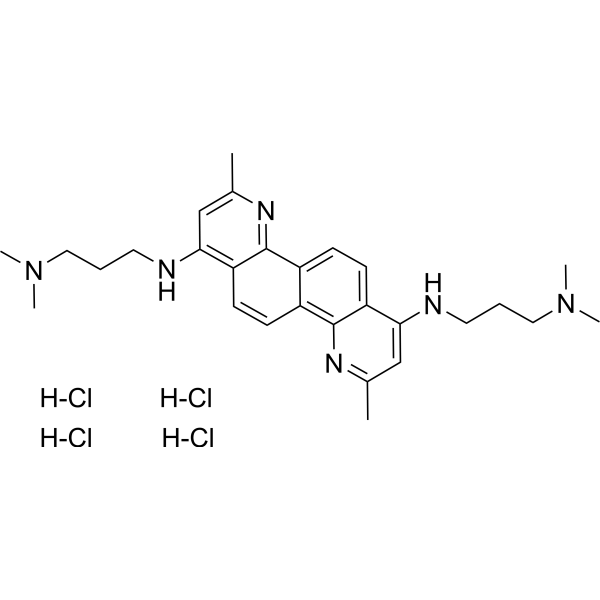 0 ImagesFGI-106 tetrahydrochloride is a potent and broad-spectrum inhibitor with inhibitory activity against multiple viruses. FGI-106 tetrahydrochloride is active against Ebola, Rift Valley and Dengue Fever viruses with EC50s of 100 nM, 800 nM and 400-900 nM, respectively. FGI-106 tetrahydrochloride also inhibits non-hemorrhagic fever viruses HCV and HIV-1 with EC50s of 200 nM and 150 nM, respectively.
-
SP-471
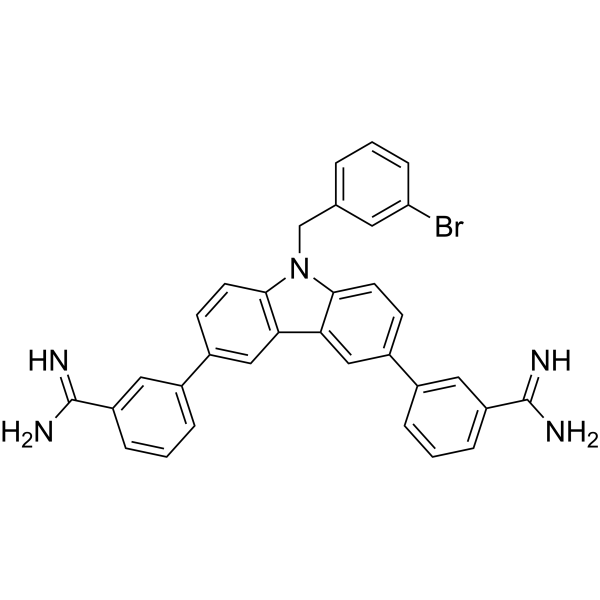 0 ImagesSP-471 is a potent dengue virus (DENV) protease inhibitor with IC50 value of 18 μM. SP-471 inhibits both intermolecular and intramolecular protease processes of DENV.
-
NS2B/NS3-IN-3 hydrochloride
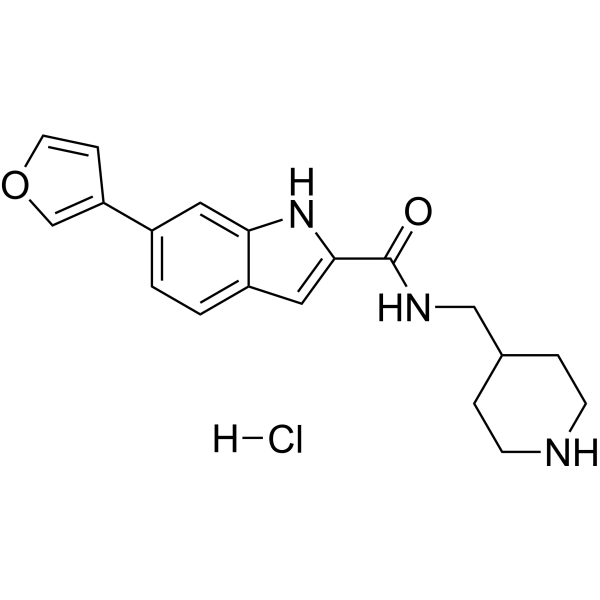 0 ImagesCat. No.: HY-144644ACAS No.: 2832876-91-0NS2B/NS3-IN-3 hydrochloride is an inhibitor of Flavivirus NS2B-NS3 protease, with an IC50 of 0.32 μM against Zika virus NS2B-NS3 protease. NS2B/NS3-IN-3 hydrochloride also exhibits inhibitory effects on dengue virus type 2 NS2B-NS3 protease and West Nile virus NS2B-NS3 protease. NS2B/NS3-IN-3 hydrochloride inhibits the intracellular replication of Zika virus. NS2B/NS3-IN-3 hydrochloride can be used in studies related to flavivirus infections.
-
GAK inhibitor 2
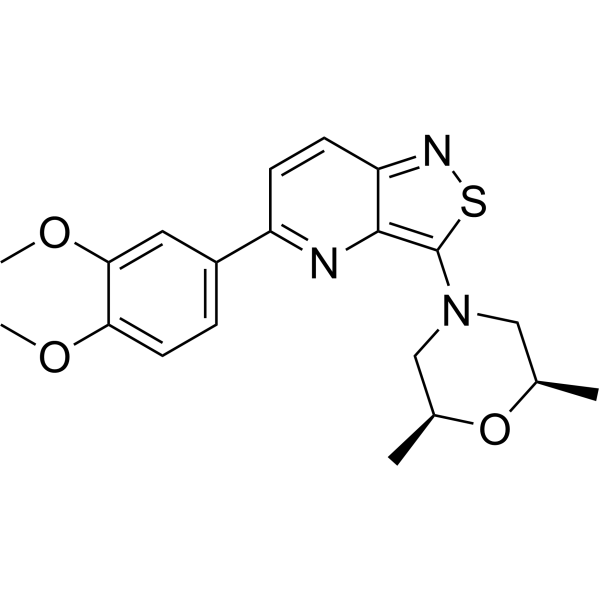 0 ImagesGAK inhibitor 2 (Compound 14g) is a potent cyclin G-associated kinase (GAK) inhibitor with an IC50 of 0.024 μM. GAK inhibitor 2 shows antiviral activity with an EC50 of 1.049 μM against dengue virus (DENV).
-
Loratadine (Standard)
 0 ImagesSynonyms: Loratidine (Standard); SCH 29851 (Standard)Loratadine (Standard) is the analytical standard of Loratadine. This product is intended for research and analytical applications. Loratadine (SCH-29851) is a selective inverse peripheral histamine H1-receptor agonist with an IC50 of >32 μM. Loratadine has anti-dengue-virus (DENV) activity. Loratadine can inhibit immunologic release of inflammatory mediators.
-
Quinine hemisulfate hydrate
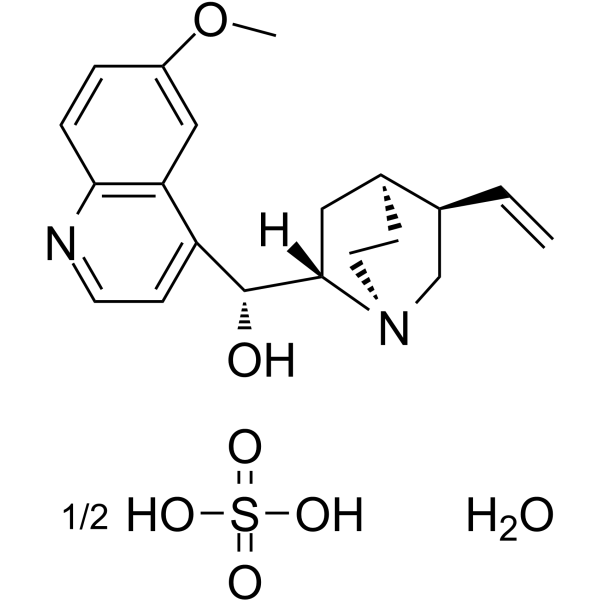 0 ImagesQuinine hemisulfate hydrate is an orally active alkaloid extracted from cinchona bark, possessing various biological activities including antimalarial, antidengue virus (DENV), and anticancer properties. Quinine hemisulfate hydrate acts as a potassium channel inhibitor that suppresses the +100 mV current of MT mSlo3 (KCa5.1) channels induced by voltage pulses, with an IC50 value of 169 μM. Quinine hemisulfate hydrate serves as a fluorescence standard reference substance with fluorescence spectrum calibration and validation activity.
-
RCB16007
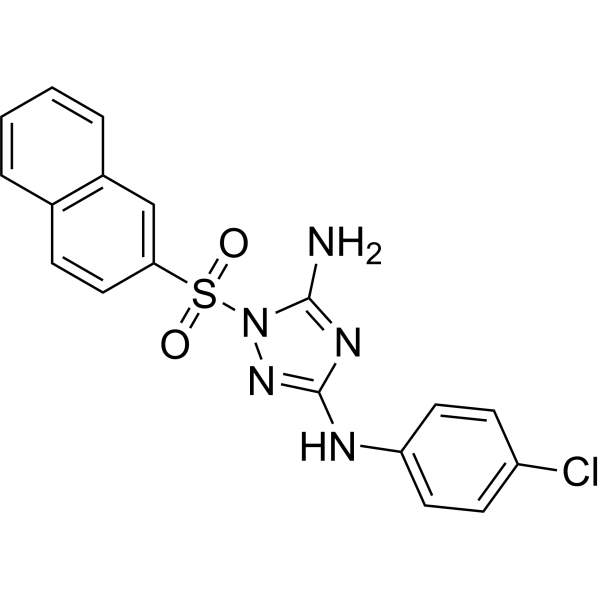 0 ImagesRCB16007 is a Yellow Fever Virus (YFV) Inhibitor. RCB16007 inhibits the West Nile virus (EC50: 7.9 μM, CC50: 17 μM).
-
IHVR-19029
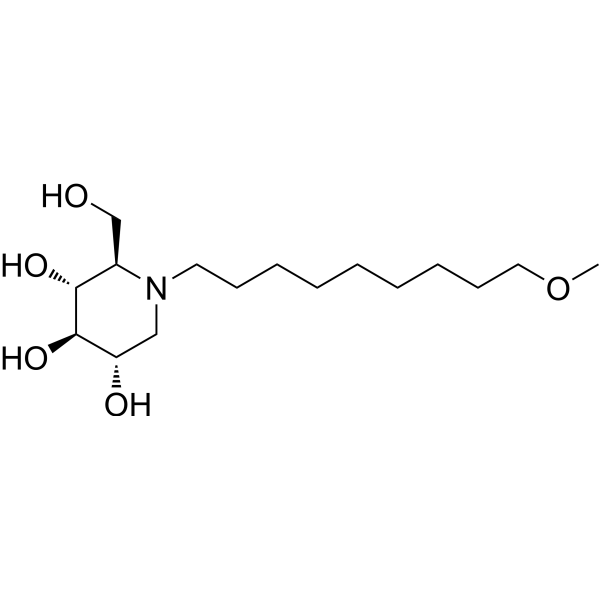
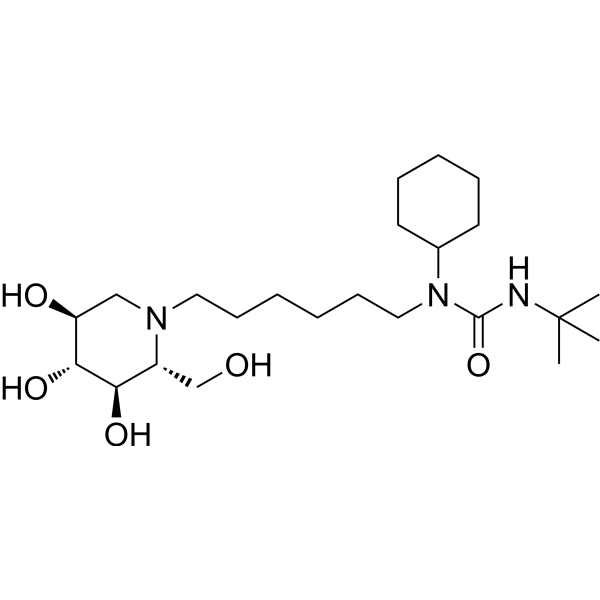 0 ImagesCat. No.: HY-124662CAS No.: 1447464-73-4IHVR-19029 is a potent endoplasmic reticulum (ER) α-glucosidases I and II inhibitor, with an IC50 of 0.48 μM for ER a-glucosidase I. IHVR-19029 efficiently blocks the replication of several hemorrhagic fever viruses, such as Dengue virus (DENV), Ebola virus (EBOV) and Rift Valley fever virus. The combination of IHVR-19029 with Favipiravir (HY-14768) improves the antiviral efficacy.
-
CHIKV-IN-2
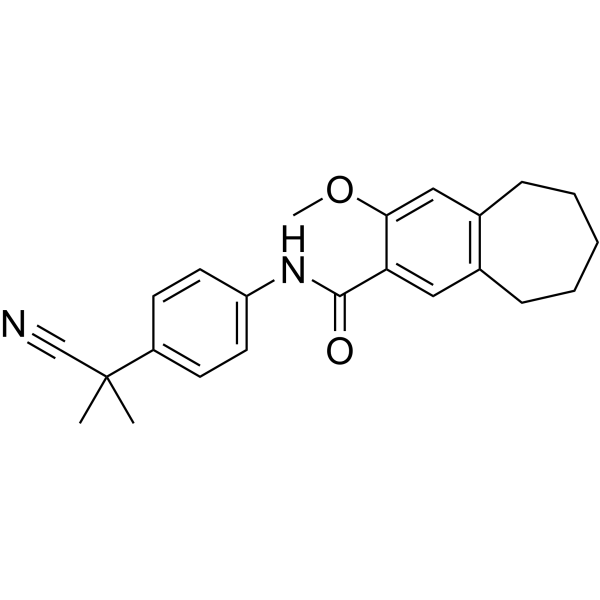 0 ImagesCHIKV-IN-2 is a potent inhibitor against Chikungunya virus (CHIKV), with excellent cellular antiviral activity (EC90=270 nM) and improved liver microsomal stability. CHIKV-IN-2 shows inhibitory activity against a cellular target Dihydroorotate Dehydrogenase (DHODH), which interacts with various viruses and regulate their replication via depleting intracellular pyrimidine pools.




