



Heme Oxygenase (HO) Modulator
-
2-O-β-D-Glucopyranosyl-L-ascorbic acid
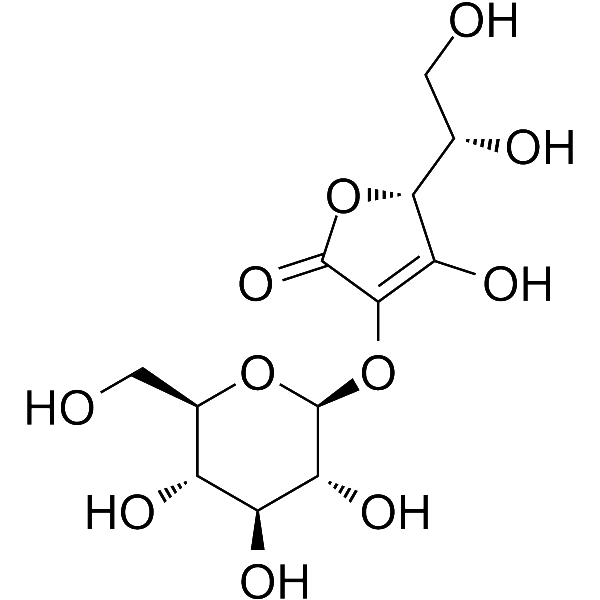 0 Images製品番号: HY-N6958CAS 番号: 562043-82-7別名: AA-2βG
2-O-β-D-Glucopyranosyl-L-ascorbic acid (AA-2βG) is an orally active vitamin C derivative. 2-O-β-D-Glucopyranosyl-L-ascorbic acid exhibits multiple activities including antioxidant, anti-tumor and immunomodulatory effects. 2-O-β-D-Glucopyranosyl-L-ascorbic acid mediates tumor cell apoptosis, induces cell cycle arrest, scavenges free radicals and eliminates oxidative stress. 2-O-β-D-Glucopyranosyl-L-ascorbic acid can be used in studies related to cancer, inflammation and immunity.
-
Rotundic acid
(Rotundic acid)
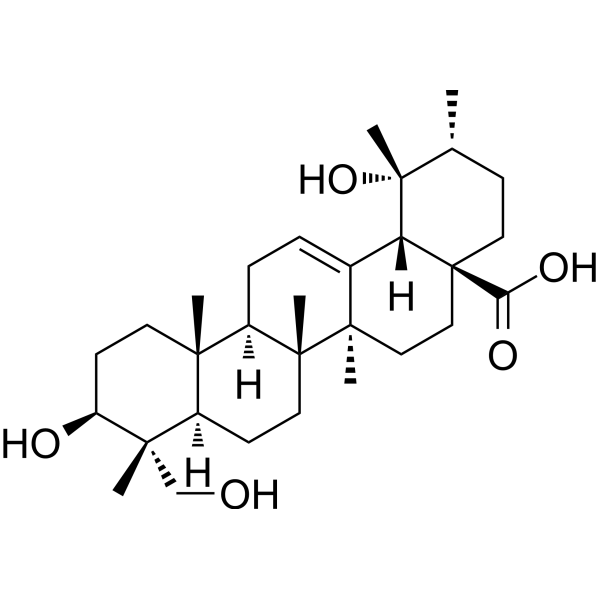 0 Images別名: ロツンダ酸
Rotundic acid is an orally effective triterpenoid with a Kd value of 51.3 µM for PTP1B. Rotundic acid downregulates the AKT/mTOR pro-survival pathway and modulates the MAPK pathway. Rotundic acid induces cell cycle S-phase arrest, DNA damage and apoptosis; it inhibits migration, invasion, angiogenesis and proliferation of cancer cells. Rotundic acid improves leptin sensitivity, regulates gut microbiota and reduces cellular senescence. Rotundic acid can be used in research related to hepatocellular carcinoma, obesity, aging, acute lung injury and type 2 diabetes.
-
CF-Vanillin
 0 Images製品番号: HY-181474CAS 番号: 1323378-95-5
CF-Vanillin is an orally active hypolipidemic/hepatic protector with strong binding affinity for PPAR-α. CF-Vanillin exerts antioxidant and anti-inflammatory effects by activating the Nrf2/HO-1 signaling pathway. CF-Vanillin reduces triglyceride and total cholesterol levels and alleviates liver injury. CF-Vanillin can be used in the research of diseases such as hyperlipidemia and liver injury.
-
DL-Histidine hydrochloride hydrate
 0 Images
DL-Histidine hydrochloride hydrate is a heme oxygenase (HO) regulator, with no activity against rat spleen HO-1 and rat brain HO-2. DL-Histidine hydrochloride hydrate can be used in research on cancer and neurodegenerative diseases.



