



Isotope-Labeled Compounds
Isotope-labeled compounds are chemical substances in which some atoms in their molecules are replaced by isotope atoms. The range of stable isotope products can cover from gases to complex molecules. Isotope-labeled compounds could provide a site-specific investigation of structures, making molecules easily detectable by mass spectrometry and NMR, and maintaining the physico-chemical properties of the target molecule at the same time.
MCE isotope-labeled compounds are all stable isotope-labeled compounds and are non-radioactive labeled substances. MCE isotope-labeled compounds are unique tools for identifying and understanding biological and chemical processes. Stable isotope-labeled products are now getting more and more popular among scientists. The scope of application is gradually penetrating into various scientific fields, such as life sciences, food and medicine, agriculture, environment, geology, etc. Stable isotope-labeled compounds have a wide range of applications in the Life Science areas, such as Metabolomics, Proteomics, Clinical studies, Deuterium drugs, etc.
All Product Categories
-
Isotope-Labeled Compounds Related Products (11097)
Related Products (11097)

-
Phenylmethan-d2-ol
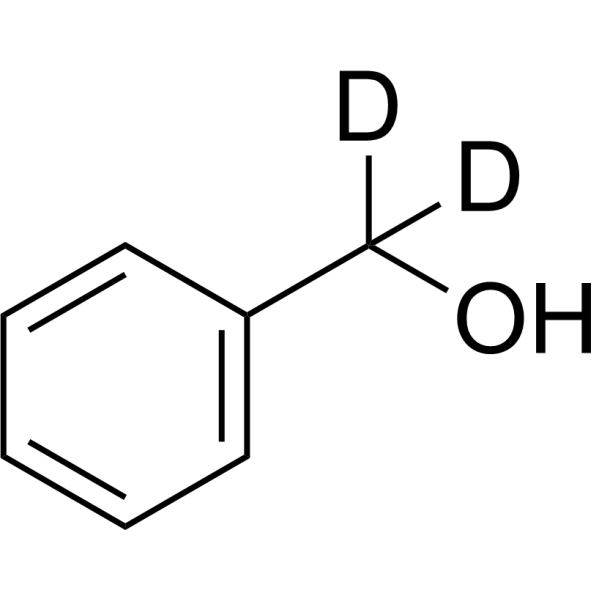 0 ImagesSynonyms: Dideutero(phenyl)methanolPhenylmethan-d2-ol is the deuterium labeled Phenylmethan-ol.
-
Tildacerfont-d8
 0 ImagesSynonyms: SPR001-d8; LY2371712-d8Tildacerfont-d8 (SPR001-d8; LY2371712-d8) is a deuterium labeled Tildacerfont (HY-113603). Tildacerfont (SPR001; LY2371712) is an orally active, blood-brain barrier-penetrant selective corticotropin-releasing factor type 1 (CRF1) receptor antagonist. Tildacerfont selectively blocks CRF1 receptors, thereby inhibiting the release of pituitary adrenocorticotropic hormone (ACTH). Tildacerfont can be used in research related to congenital adrenal hyperplasia.
-
Dihydrouracil-d4
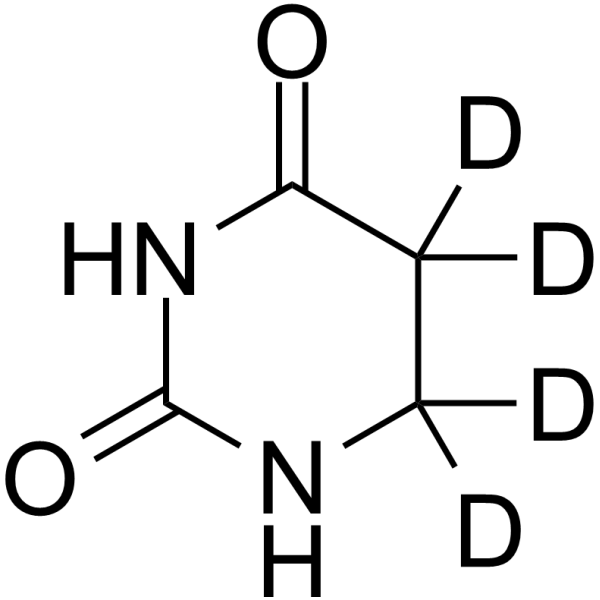 0 ImagesSynonyms: 5,6-Dihydrouracil-d4Dihydrouracil-d4 is the deuterium labeled Dihydrouracil. Dihydrouracil (HY-W012926), a metabolite of Uracil, can be used as a marker for identification of dihydropyrimidine dehydrogenase (DPD)-deficient.
-
(±)-1,2-Propanediol-d8
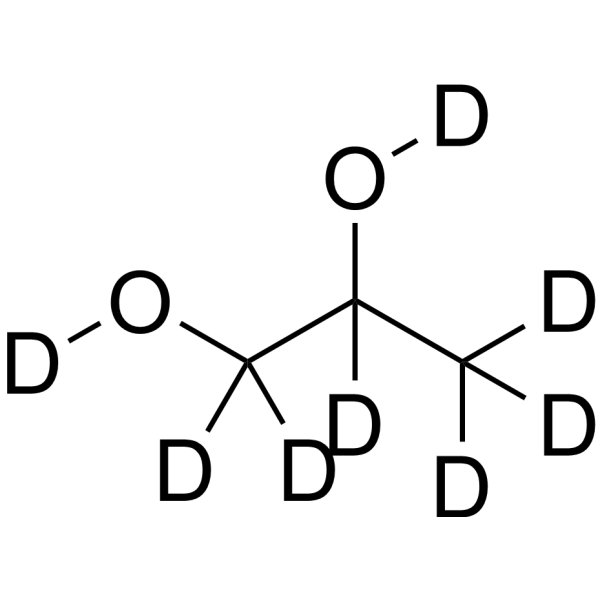 0 ImagesSynonyms: 1,2-(RS)-Propanediol-d8; 1,2-Propylene glycol-d8; Propylene glycol-d8(±)-1,2-Propanediol-d8 is the deuterium labeled (±)-1,2-Propanediol. (±)-1,2-Propanediol (1,2-(RS)-Propanediol) is an aliphatic alcohol and frequently used as an excipient in many agent formulations to increase the solubility and stability of agents.
-
Glucosamine-6-13C hydrochloride
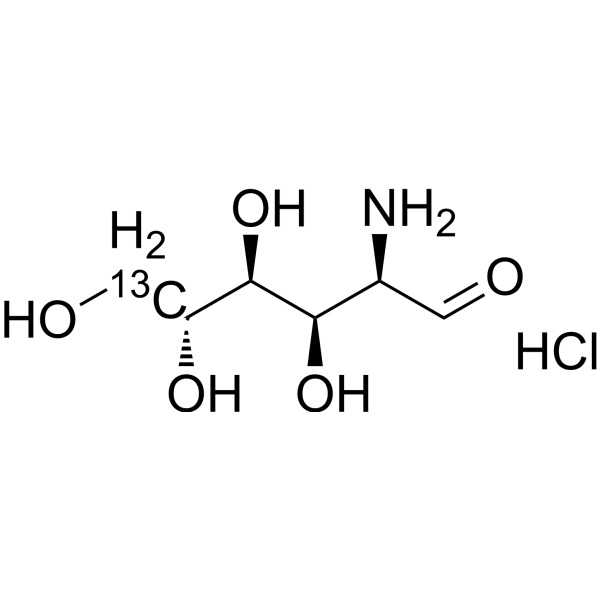 0 ImagesCat. No.: HY-N0733S3Purity: 98.0%Synonyms: D-(+)-Glucosamine-6-13C hydrochloride; Chitosamine-6-13C hydrochlorideGlucosamine-6-13C (hydrochloride) is the 13C labeled Glucosamine hydrochloride. Glucosamine hydrochloride (D-Glucosamine hydrochloride) is an amino sugar and a prominent precursor in the biochemical synthesis of glycosylated proteins and lipids, is used as
-
MCB-22-174
 0 ImagesMCB-22-174 is a deuterated Piezo1 agonist, with an EC50 value of 6.28 μM. MCB-22-174 remarkably activates the CaMKII/ERK signaling pathway and initiates Ca2+ influx in rMSCs. MCB-22-174 significantly decreases the expression of chondrogenesis markers (Comp, Acan) and adipogenesis markers (Lpl, Fabp4) in MSCs. MCB-22-174 can effectively improve bone quality in hind-limb unloading (HU) model rats. MCB-22-174 can be used for the study of disuse osteoporosis (OP).
-
Fulvestrant-d3
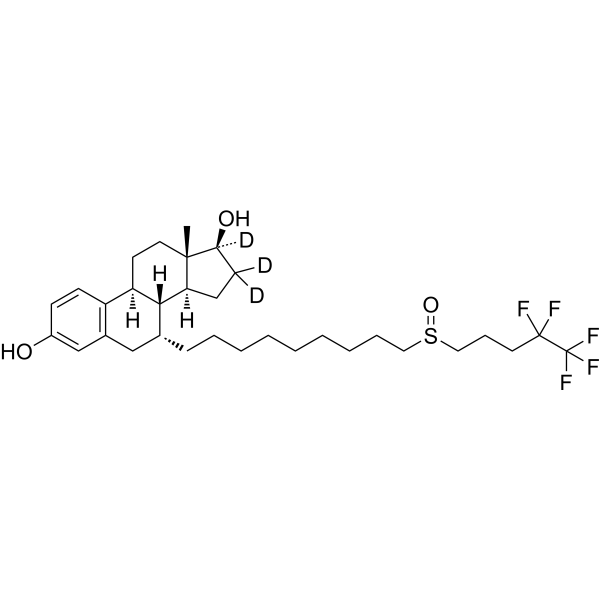 0 ImagesCat. No.: HY-13636SSynonyms: ICI 182780-d3; ZD 9238-d3; ZM 182780-d3Fulvestrant-d3 is the deuterium labeled Fulvestrant. Fulvestrant (ICI 182780) is a pure antiestrogen and a potent estrogen receptor (ER) antagonist with an IC50 of 9.4 nM. Fulvestrant is also a GPR30 agonist. Fulvestrant effectively inhibits the growth of ER-positive MCF-7 cells with an IC50 of 0.29 nM. Fulvestrant also induces autophagy and has antitumor efficacy.
-
Estradiol-d2
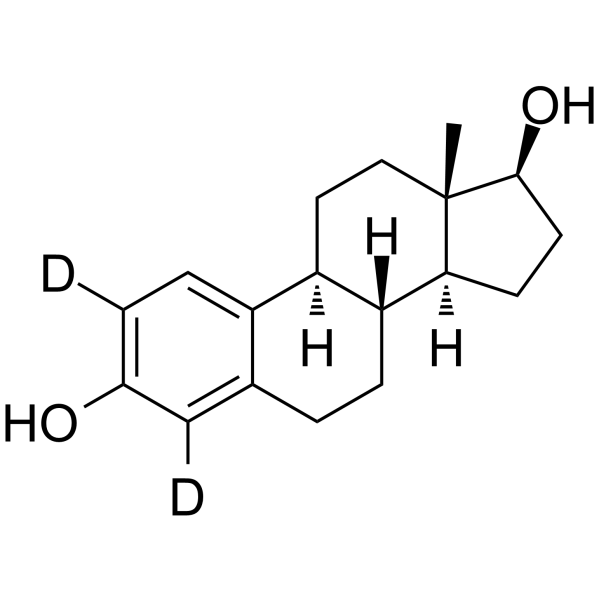 0 ImagesSynonyms: β-Estradiol-d2; 17β-Estradiol-d2; 17β-Oestradiol-d2Estradiol-d2 is the deuterium labeled Estradiol. Estradiol is a steroid sex hormone vital to the maintenance of fertility and secondary sexual characteristics in females. Estradiol upregulates IL-6 expression through the estrogen receptor β (ERβ) pathway.
-
L-Histidine-13C6 hydrochloride hydrate
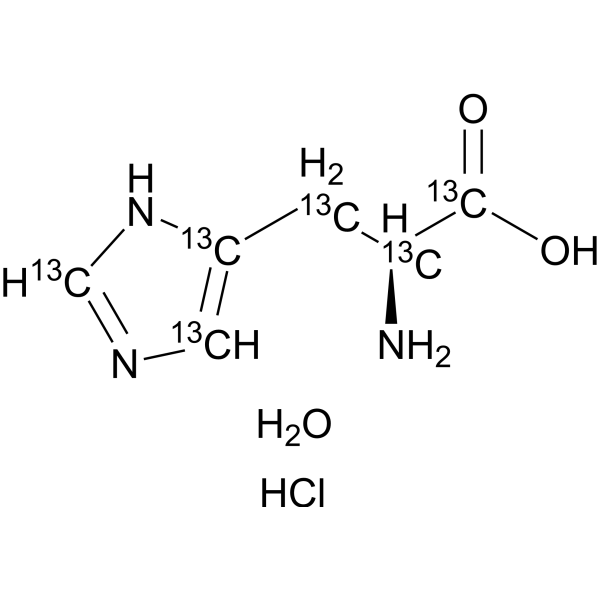 0 ImagesSynonyms: H-His-OH-13C6 hydrochloride hydrateL-Histidine-13C6 (hydrochloride hydrate) is the 13C-labeled L-Histidine hydrochloride hydrate (HY-W014423). L-Histidine hydrochloride hydrate is an endogenous metabolite. L-Histidine hydrochloride hydrate scavenges hydroxyl radicals and singlet oxygen, regulate the absorption of zinc, copper and iron, exhibits anti-inflammatory and antioxidant activities. L-Histidine hydrochloride hydrate is blood brain barrier penetrable.
-
Adenosine-1′-13C
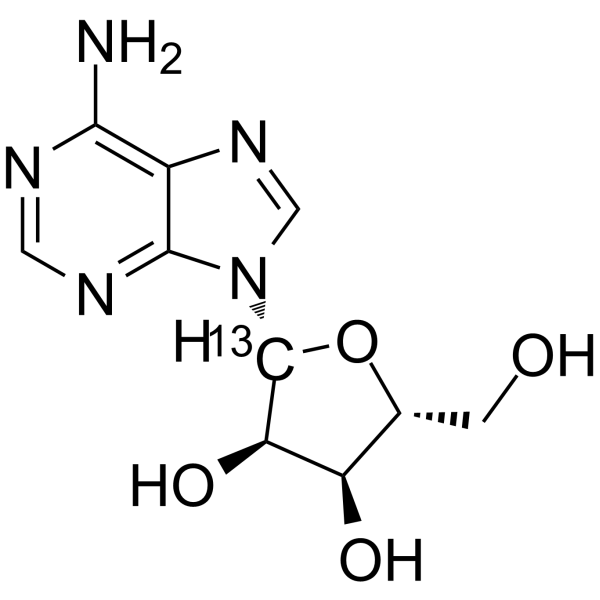 0 ImagesCat. No.: HY-B0228S4CAS No.: 201996-55-6Synonyms: Adenine riboside-1′-13C; D-Adenosine-1′-13C
-
Deoxythymidine-5'-triphosphate-13C10 dilithium
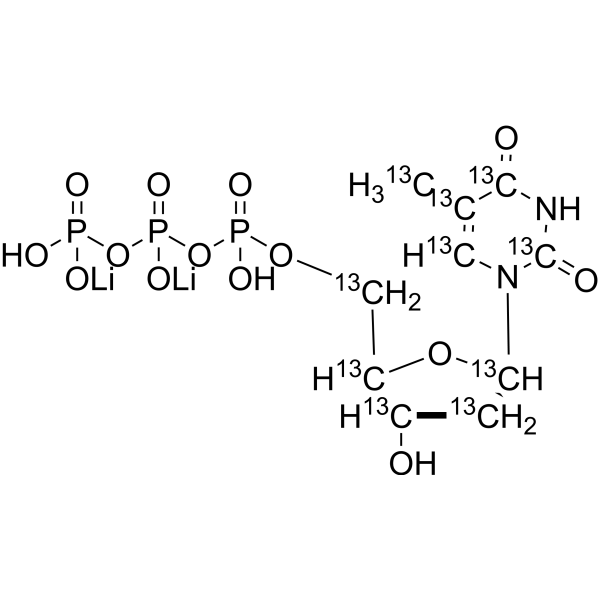 0 ImagesCat. No.: HY-138615S2Purity: 99.1%Synonyms: dTTP-13C10 dilithiumDeoxythymidine-5'-triphosphate-13C10 dilithium (dTTP-13C10 dilithium) is the 13C-labeled Deoxythymidine-5'-triphosphate (HY-138615). Deoxythymidine-5'-triphosphate (dTTP) is a deoxyribonucleoside triphosphate and a thymidine analog, which serves as a direct precursor for DNA synthesis. Deoxythymidine-5'-triphosphate can be used for DNA amplification in the DNA polymerase chain reaction (PCR). Deoxythymidine-5'-triphosphate is also applicable to research related to diseases such as leukemia.
-
9-cis-Retinoic acid-d5
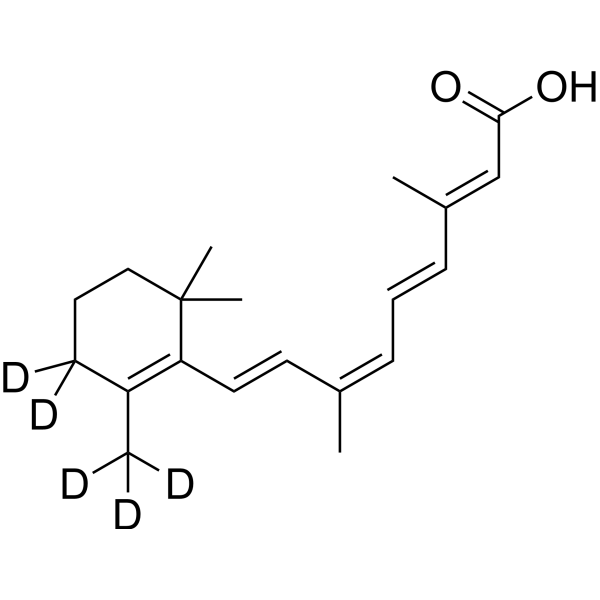 0 ImagesCat. No.: HY-132334SPurity: 99.24%9-cis-Retinoic acid-d5 is the deuterium labeled 9-cis-Retinoic acid. 9-cis-Retinoic acid (ALRT1057), a vitamin A derivative, is a potent RAR/RXR agonist. 9-cis-Retinoic acid induces apoptosis, regulates cell cycle and has anticancer, anti-inflammatory and neuroprotection activities.
-
Folic acid-d4
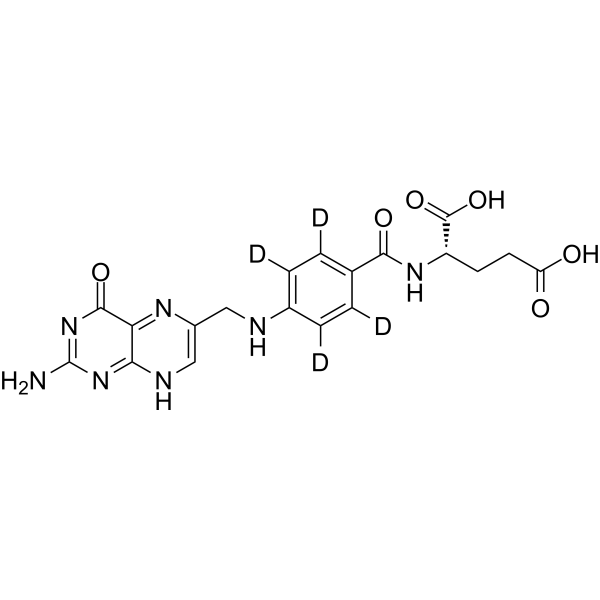 0 ImagesCat. No.: HY-16637S1CAS No.: 171777-72-3Synonyms: Vitamin B9-d4; Vitamin M-d4Folic acid-d4 is the deuterium labeled Folic acid. Folic acid (Vitamin M; Vitamin B9) is a B vitamin; is necessary for the production and maintenance of new cells, for DNA synthesis and RNA synthesis.
-
Ethambutol-d4
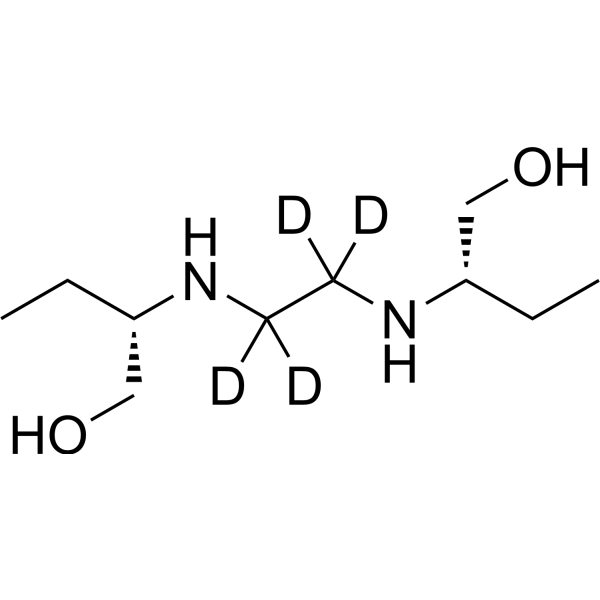 0 ImagesSynonyms: Emb-d4Ethambutol-d4 is the deuterium labeled Ethambutol. Ethambutol is a bacteriostatic antimycobacterial agent, which obstructs the formation of cell wall by inhibiting arabinosyl transferases.
-
Tris(1,3-dichloro-2-propyl) Phosphate-d15
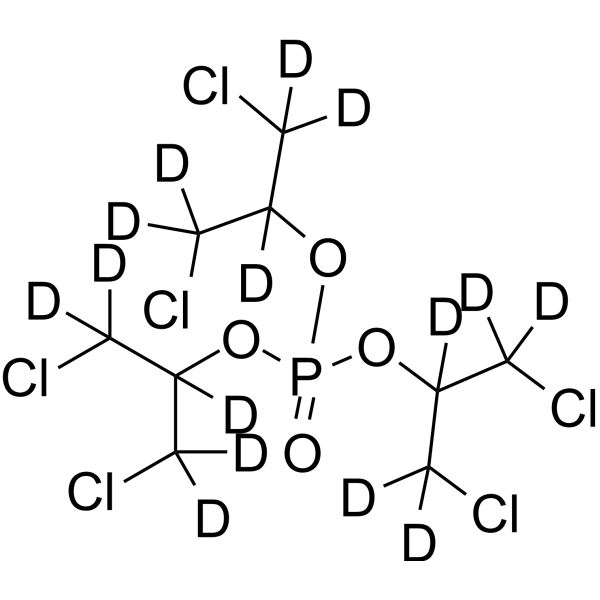 0 ImagesTris(1,3-dichloro-2-propyl) Phosphate-d15 is the deuterium labeled Tris(1,3-dichloro-2-propyl) Phosphate.
-
4-Hydroxyestrone-d4
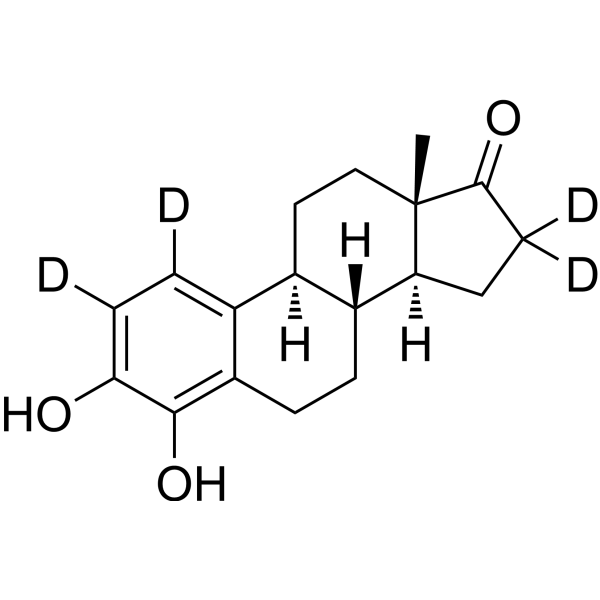 0 ImagesSynonyms: 4-OHE1-d44-Hydroxyestrone (4-OHE1)-d4 is the deuterium labeled 4-Hydroxyestrone (HY-W009300). 4-Hydroxyestrone is a brain-penetrant estrogen metabolite. 4-Hydroxyestrone shows neuroprotective effects involving increased cytoplasmic localization of p53 resulting from SIRT1-mediated p53 deacetylation. 4-Hydroxyestrone relies on PDI to mediate its protective effect against chemically induced ferroptosis in estrogen receptor-negative cancer cells. 4-Hydroxyestrone inhibits lipid peroxidation and lipid-ROS accumulation. 4-Hydroxyestrone blocks preovulatory luteinizing hormone surges in Rattus norvegicus. 4-Hydroxyestrone can be used for the researches of neurodegeneration, breast cancer and endocrine disease.
-
Trazodone-d6 hydrochloride
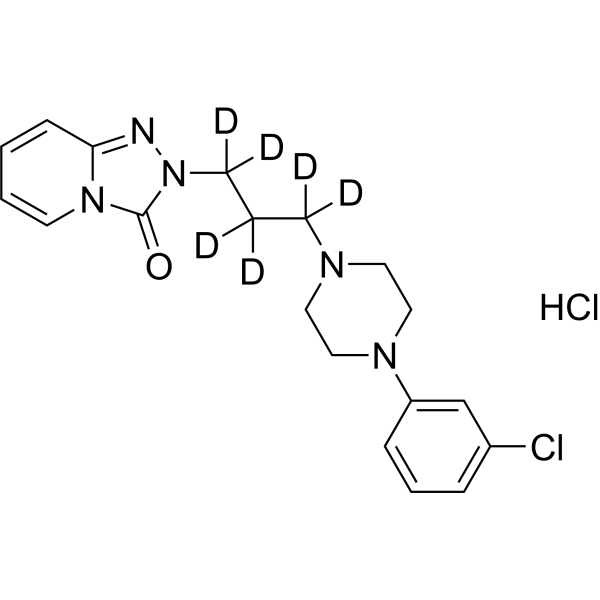 0 ImagesSynonyms: AF-1161-d6Trazodone-d6 (hydrochloride) is the deuterium labeled Trazodone hydrochloride.
-
Estriol-d3
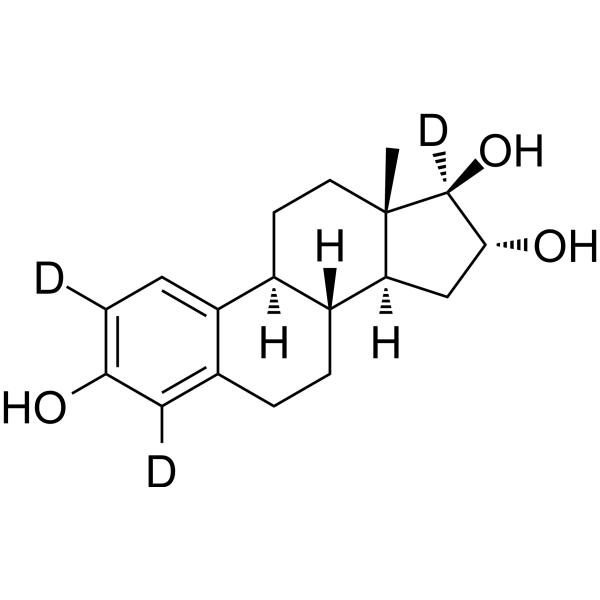 0 ImagesEstriol-d3 is the deuterium labeled Estriol. Estriol is an antagonist of the G-protein coupled estrogen receptor in estrogen receptor-negative breast cancer cells.
-
2-Hydroxyestrone-d4
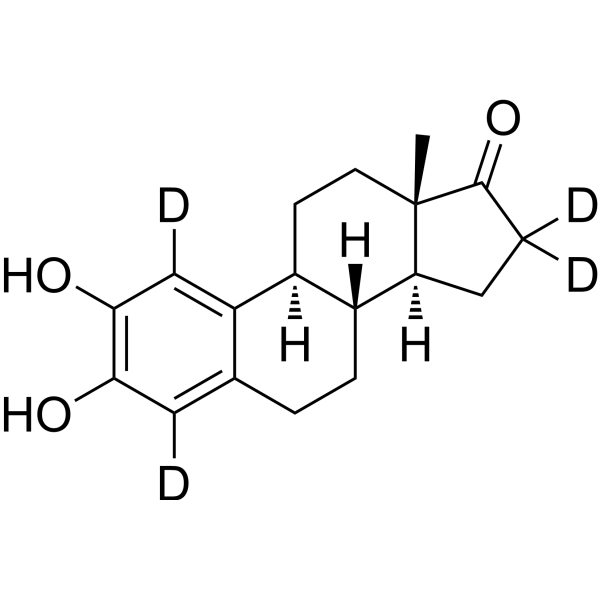 0 ImagesCat. No.: HY-113251SCAS No.: 81586-97-2Synonyms: Catecholestrone-d42-Hydroxyestrone-d4 is the deuterium labeled 2-Hydroxyestrone. 2-Hydroxyestrone (Catecholestrone) is a specific receptor-mediated antiestrogenic agent. 2-Hydroxyestrone is anticarcinogenic.
-
(Rac)-1,2-Bis-palmitol-3-chloropropanediol-d5
 0 Images(Rac)-1,2-Bis-palmitol-3-chloropropanediol-d5 is the deuterium labeled (Rac)-1,2-Bis-palmitol-3-chloropropanediol.



