



Anti-Mouse/Human CD44 Antibody (IM7)
Based on 3 publication(s) in Google Scholar
Anti-Mouse/Human CD44 Antibody (IM7) is an anti-huamn and mouse CD44 IgG2b monoclonal antibody that recognizes a conserved epitope outside the HA-binding domain of the CD44 molecule. Anti-Mouse/Human CD44 Antibody (IM7) exerts a potent anti-inflammatory effect by inducing the shedding of cell surface CD44, significantly improving symptoms in mice with rheumatoid arthritis without affecting relevant immune responses. Anti-Mouse/Human CD44 Antibody (IM7) can be used for researches on inflammation conditions and cancer such as arthritis and osteosarcoma.
For research use only. We do not sell to patients.
- Purity : 99.07%
- Molecular Weight:150 kDa
-
Storage:
Please store the product under the recommended conditions in the Certificate of Analysis.

To place orders, for customer services and technical support, please contact: MedChemExpress USA
Tel: 609-228-6898 E-mail: [email protected] [email protected]


-
 Biological Activity
-
Chemical Information
- Protocols
- Purity & Documentation
- References
-
 Help & FAQs


-

HY-P990682
Rat IgG2b kappa, Isotype ControlIsotype Control -

HY-P78358
Osteopontin/OPN Protein, Mouse (HEK293, His) -

HY-P990117
Anti-Mouse/Rat/Human Osteopontin/SPP1 Antibody (MPIIIB10)Osteopontin/SPP1 Antibody Inhibitor -
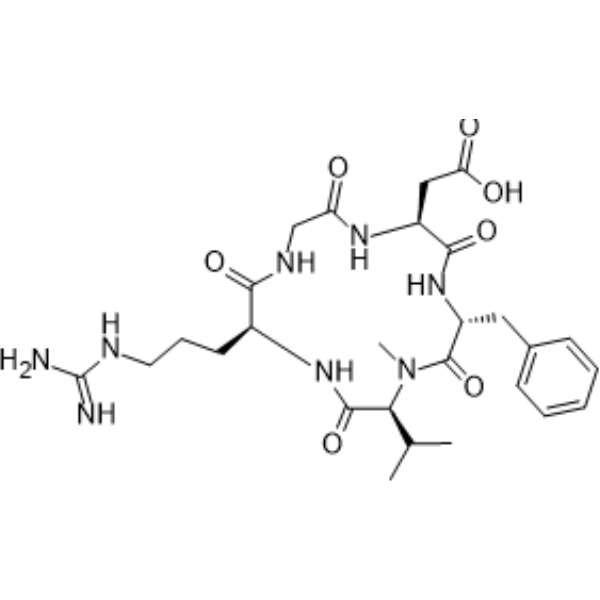
HY-16141
CilengitideIntegrin Inhibitor -
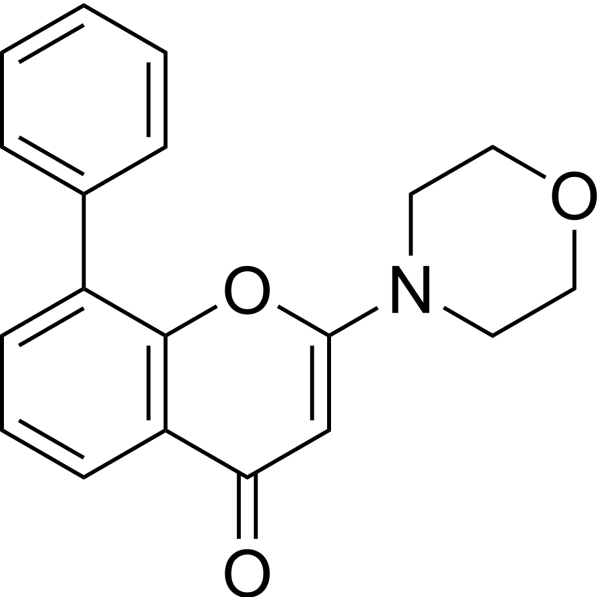
HY-10108
LY294002PI3K Inhibitor -
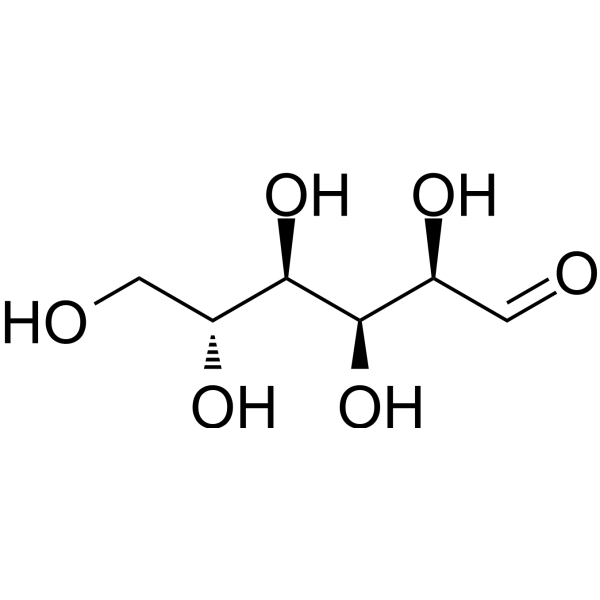
HY-B0389
D-GlucoseMonosaccharide -
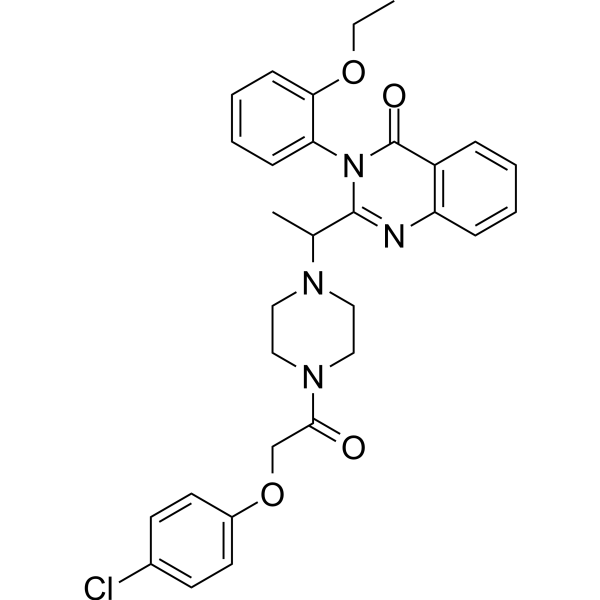
HY-15763
ErastinFerroptosis Inducer -
HY-P990116
Anti-Mouse osteopontin/SPP1 Antibody (103D6)Osteopontin/SPP1Antibody Inhibitor -
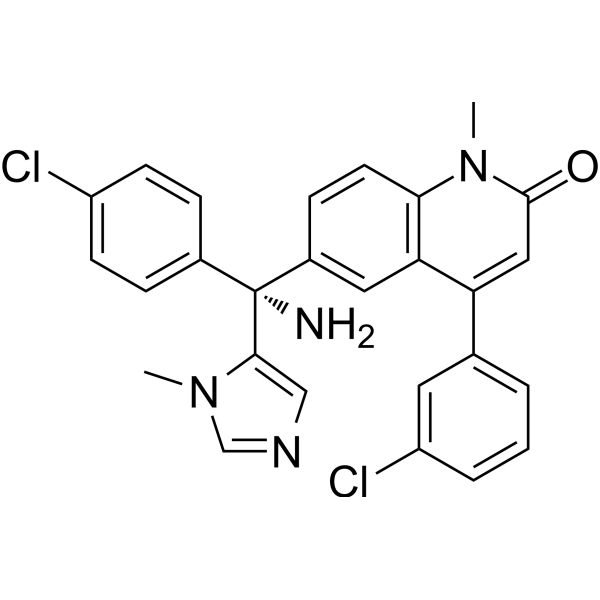
HY-10502
TipifarnibFTase Inhibitor -
HY-K0301
Cell Counting Kit-8 -
HY-K0010
Protease Inhibitor Cocktail (EDTA-Free, 100× in DMSO) -
HY-K0022
Phosphatase Inhibitor Cocktail Ⅱ (100× in ddH2O)
Publications Citing Use of MedChemExpress (MCE) Anti-Mouse/Human CD44 Antibody (IM7)
More Customer Validation & Images

-
In Vivo Efficacy Study
-
Histological Imaging/Staining
-
WB
-
RT-PCR
-
Flow Cytometry


Biological Activity
Description
Isotype
Rat IgG2b kappa
Recommend Isotype Controls
Species Reactivity
Human/Mouse
IC50 & Target
CD44
In Vitro
Anti-Mouse/Human CD44 Antibody (IM7) (0.05-50 μg/mL, 24-72 h) significantly reduces cell activity of SW1353 cells in a time-dependent manner[1].
Anti-Mouse/Human CD44 Antibody (IM7) (50 μg/mL, 72 h) significantly induces cell apoptosis of SW1353 cells[1].
Anti-Mouse/Human CD44 Antibody (IM7) (12-20 h) inhibits the migration and adhesion of inflammatory cells by inducing CD44 shedding and blocking hyaluronic acid binding in white blood cells and synovial cells from arthritis mice[2].
MedChemExpress (MCE) has not independently confirmed the accuracy of these methods. They are for reference only. Further protocols information, click here.
-
Cell Line:SW1353 cells
-
Concentration:0.05, 5 and 50 μg/mL
-
Incubation Time:24, 48 and 72 h
-
Result:Significantly reduced the activity of SW1353 cells after 72 hours.
In Vivo
MedChemExpress (MCE) has not independently confirmed the accuracy of these methods. They are for reference only.
-
Animal Model:BALB/c mice with proteoglycan-arthritis and DBA/1 mice with collagen-arthritis[2]
-
Dosage:Initial dose of 100 µg, maintenance dose of 50 µg
-
Administration:Intraperitoneal injection (i.p.), once daily, for 10 days
-
Result:Significantly reduced joint swelling within 24-36 hours.
Restored normal joint function in mice after 8 days of treatment.
Significantly reduced leukocyte infiltration in synovium.
Prevented white blood cells from migrating to synovial tissue, but did not affect their homing to lymph nodes.
Gene ID
Accession
NP_001034240.1
Conjugated
Unconjugated
Reconsititution
The product can be reconstituted/diluted with sterile PBS or saline.
Application
in vivo CD44 neutralization; in vitro CD44 neutralization
Verified Bioactivity
-
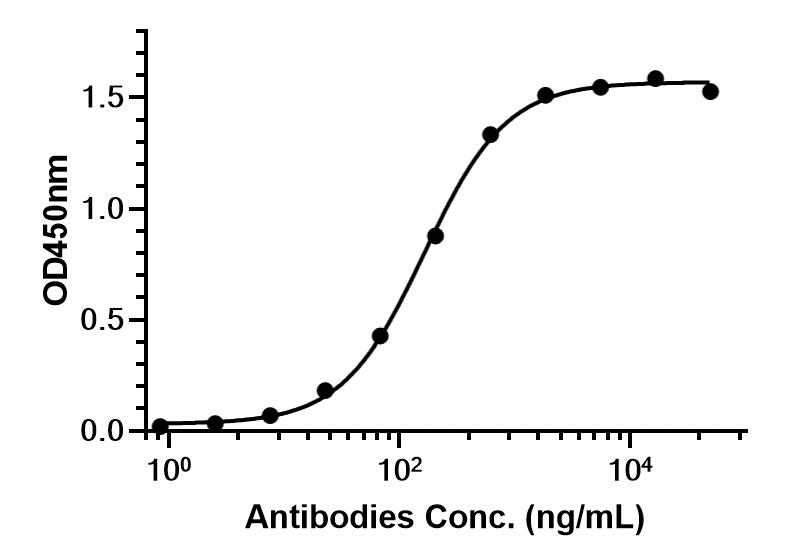 Immobilized CD44 Protein, Mouse (HEK293, His, HY-P74291) can bind Anti-Mouse CD44 Antibody (IM7). The EC50 for this effect is 0.165 μg/mL.


Chemical Information
-
Appearance Liquid
-
Molecular Weight 150 kDa
-
Color Colorless to light yellow
-
SMILES
[Anti-Mouse/Human CD44 Antibody (IM7)]
-
Shipping
Shipping with dry ice.
-
Formulation
Please refer to the lot-specific COA for specific buffer information.
-
Storage
Please store the product under the recommended conditions in the Certificate of Analysis.


Publications (3)
-
Journal Impact Factor
-
Most Recent
-
JCI Insight
Versican regulating viscoelasticity drives pleural fibrosis via mechanotransductive signaling. [Abstract]2026 Apr 23:e199507. PMID: 42024449 -
Cell Signal
CD44-mediated copper accumulation drives Ly6Chi macrophages activation in ulcerative colitis. [Abstract]2025 Dec 11:112315. PMID: 41389969
Anti-Mouse/Human CD44 Antibody (IM7) purchased from MedChemExpress. Usage Cited in: Cell Signal. 2025 Dec 11:112315. [Abstract]
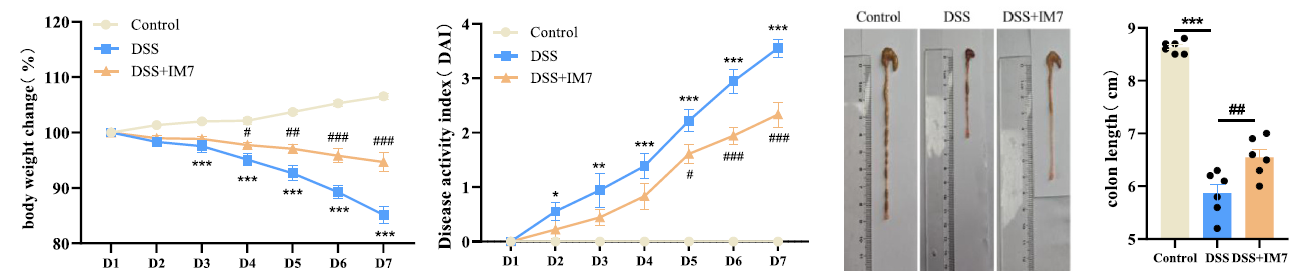
Anti-Mouse/Human CD44 Antibody (IM7) (100 μL; i.p.; 7 d) significantly attenuated body weight loss, reduced disease activity index (DAI) scores, and partially restored colon length in UC (ulcerative colitis) mice.
Anti-Mouse/Human CD44 Antibody (IM7) purchased from MedChemExpress. Usage Cited in: Cell Signal. 2025 Dec 11:112315. [Abstract]
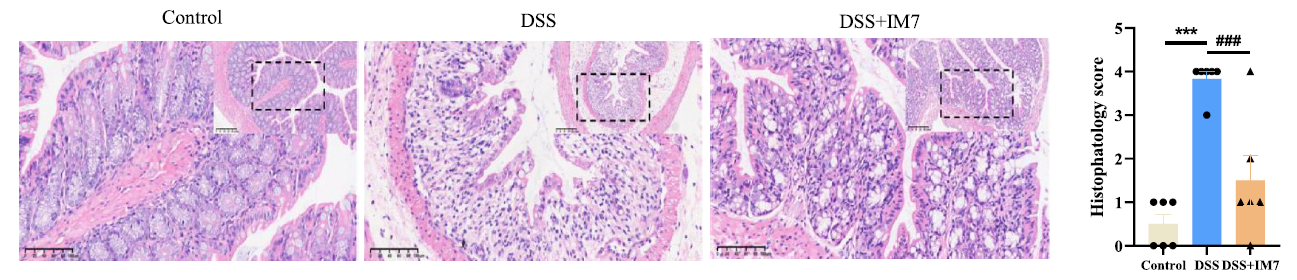
Anti-Mouse/Human CD44 Antibody (IM7) (100 μL; i.p.; 7 d) repaired mucosal epithelial barriers, diminished inflammatory infiltration, and improved histopathology scores in colon tissues of UC (ulcerative colitis) mice.
Anti-Mouse/Human CD44 Antibody (IM7) purchased from MedChemExpress. Usage Cited in: Cell Signal. 2025 Dec 11:112315. [Abstract]
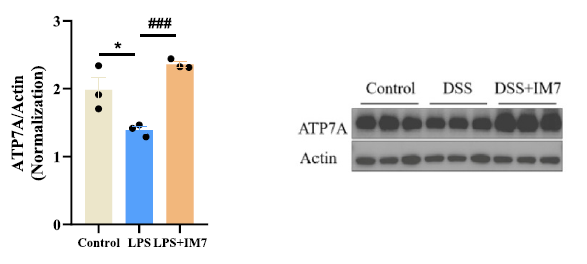
Anti-Mouse/Human CD44 Antibody (IM7) (10 μg/mL) reduced CD44 protein levels and elevated ATP7A expression in BMDM-derived Ly6Chi macrophages.
Anti-Mouse/Human CD44 Antibody (IM7) purchased from MedChemExpress. Usage Cited in: Cell Signal. 2025 Dec 11:112315. [Abstract]
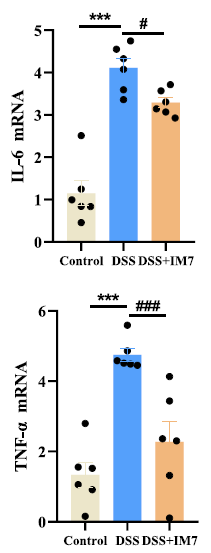
Anti-Mouse/Human CD44 Antibody (IM7) (10 μg/mL) reduced mRNA levels of pro-inflammatory cytokines IL-6 and TNF-α in BMDM-derived Ly6Chi macrophages.
Anti-Mouse/Human CD44 Antibody (IM7) purchased from MedChemExpress. Usage Cited in: Cell Signal. 2025 Dec 11:112315. [Abstract]
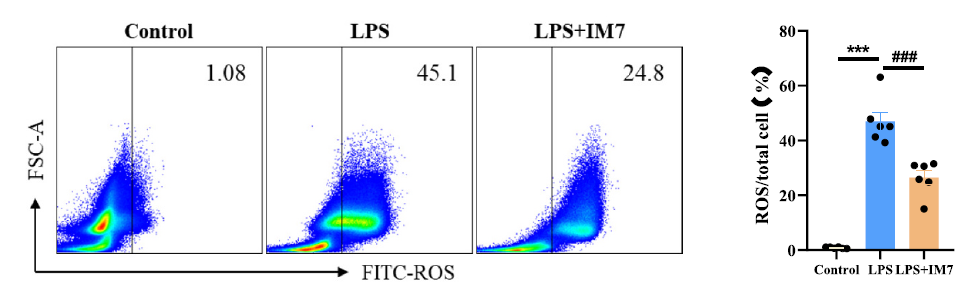
Anti-Mouse/Human CD44 Antibody (IM7) (10 μg/mL) diminished the ROS proportion in BMDM-derived Ly6Chi macrophages.
-

Protocols
-
Collagen-Induced Arthritis
Collagen-induced arthritis (CIA) is an autoimmune murine model of rheumatoid arthritis in which immunization with type II collagen (CII) emulsified in an adjuvant induces a T cell- and autoantibody-driven inflammatory arthritis characterized by synovial hyperplasia, immune cell infiltration, and joint destruction. The model typically relies on genetically susceptible mouse strains (e. g. , DBA/1) and reproduces key features of human rheumatoid arthritis, including anti-collagen immune responses and progressive joint inflammation. Disease onset generally occurs within ~3-4 weeks after immunization, depending on antigen/adjuvant combinations and protocol variation. The immunopathology is driven by adaptive immune activation against CII, leading to systemic and local joint inflammation mediated by pro-inflammatory cytokines and effector immune cells, making CIA a standard preclinical platform for evaluating immunomodulatory and anti-arthritic interventions.
-
Research Protocol for Inflammation-related Diseases
The NLRP3 inflammasome is a cytosolic innate immune signaling platform that integrates priming signals and danger-signal activation to promote caspase-1 activation, maturation of IL-1β and IL-18, and gasdermin D-mediated pyroptotic cell death. The core experimental logic is to determine whether inflammatory disease phenotypes are driven by increased NLRP3 expression, ASC-containing inflammasome assembly, caspase-1 cleavage, GSDMD cleavage, and extracellular release of IL-1β/IL-18 rather than by nonspecific cell injury alone. The pathway is strongly linked to inflammation-related disease phenotypes because monosodium urate crystals activate NALP3/NLRP3 inflammasome signaling in gout-like crystal inflammation, cholesterol crystals activate NLRP3 inflammasomes in atherogenesis models, and DSS-induced intestinal inflammation has been reported to involve NLRP3 inflammasome activity. However, experimental colitis studies also show context-dependent protective effects of NLRP3 inflammasome co


Purity & Documentation
-
Data Sheet (263 KB)
-
SDS (251 KB)
- English - EN (251 KB)
- Français - FR (251 KB)
- Deutsch - DE (251 KB)
- Norwegian - NO (251 KB)
- Español - ES (251 KB)
- Swedish - SV (251 KB)
- Italian - IT (251 KB)
- Korean - KR (251 KB)
- Portuguese - PT (251 KB)
-
Inhibitory Antibodies User Guide (603 KB)
References
[1]. Yoshida M, et al. Induction of apoptosis by anti-CD44 antibody in human chondrosarcoma cell line SW1353. Biomed Res. 2008 Feb;29(1):47-52. [Content Brief]
[2]. Mikecz K, et al. Anti-CD44 treatment abrogates tissue oedema and leukocyte infiltration in murine arthritis. Nat Med. 1995 Jun;1(6):558-63. [Content Brief]
[3]. Mikecz K, et al. Modulation of hyaluronan receptor (CD44) function in vivo in a murine model of rheumatoid arthritis. Arthritis Rheum. 1999 Apr;42(4):659-68. [Content Brief]

Calculators
Concentration (start) × Volume (start) = Concentration (final) × Volume (final)


Anti-Mouse/Human CD44 Antibody (IM7) Related Classifications
HY-P99126 Related Classifications
 Powered by Bioz