

72 Results for "

H9C2

" in MedChemExpress (MCE) Product Catalog:
Products (72)

72 Results for "H9C2" in MCE Product Catalog:

1
1 Cited Publications
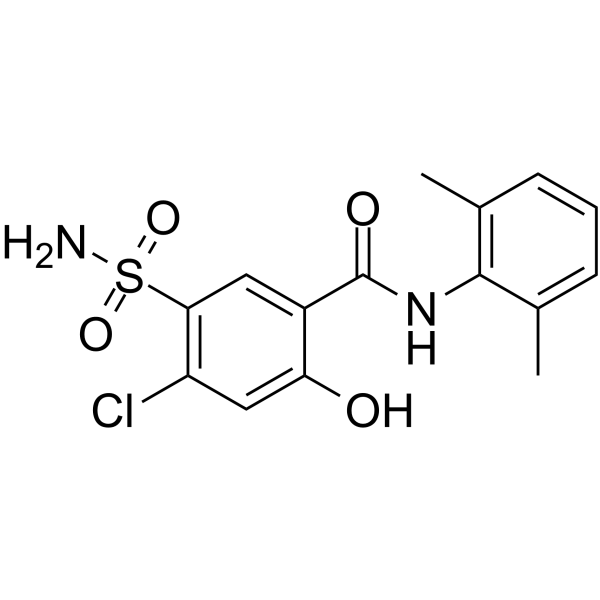
Cat. No.: HY-W042301
CAS No.: 14293-44-8
Xipamide is an orally active carbonic anhydrase (CA) inhibitor and Na +/Cl --potassium transporter inhibitor with diuretic and antihypertensive effects. Xipamide reduces NaCl reabsorption by inhibiting the Cl -/NaCO3 - anion exchanger, and increases calcium reabsorption while promoting potassium and magnesium excretion. Xipamide is mainly cleared via the renal pathway and causes a temporary decrease in glomerular filtration rate under specific conditions. Xipamide does not affect Ca 2+ signaling induced by endothelin-1 and other factors, nor does it inhibit various ion cotransport or pump activities in red blood cells. Xipamide can be used in researches related to cardiovascular diseases, hypertension (especially with left ventricular hypertrophy), advanced renal failure, and liver cirrhosis with ascites .
loading...
    loading...
1
1 Cited Publications
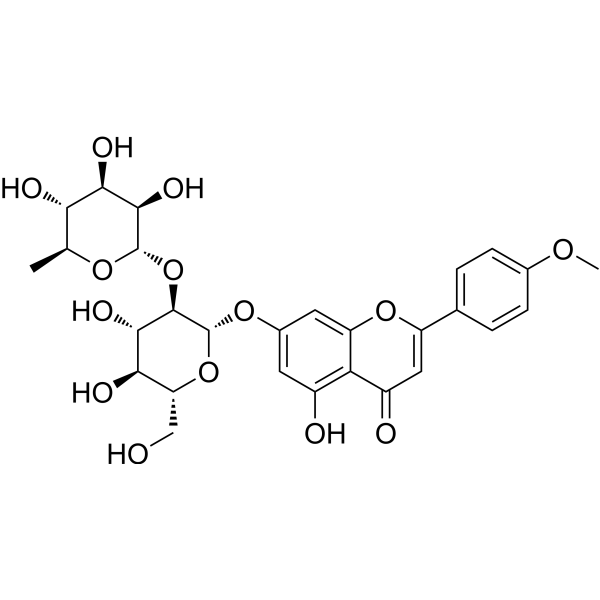
Cat. No.: HY-119678
CAS No.: 20633-93-6
Purity:  96.51%
Fortunellin, is a flavonoid, that can be isolated from the fruits of Fortunella margarita (kumquat). Fortunellin exhibits little toxicity to mice and suppresses inflammation and ROS generation in H9C2 cells induced by LPS. Fortunellin protects against fructose-induced inflammation and oxidative stress by enhancing AMPK/Nrf2 pathway. Fortunellin can be used for diabetic cardiomyopathy research .
loading...
    loading...
1
1 Cited Publications
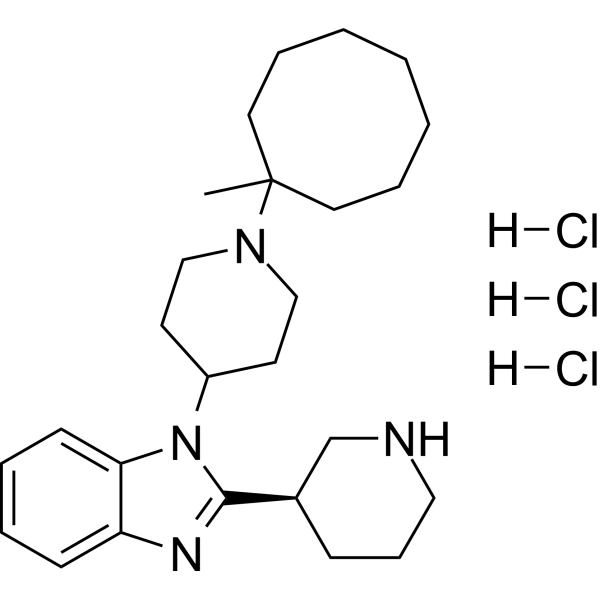
Cat. No.: HY-13101
CAS No.: 1108147-88-1
Purity:  99.98%
MCOPPB trihydrochloride is a NOP/ORL1 G protein-coupled receptor agonist and autophagy inhibitor that can cross the blood-brain barrier. MCOPPB trihydrochloride clears senescent cells, regulates locomotion, lipid storage and immune responses, and inhibits fibrosis and angiogenesis. MCOPPB trihydrochloride blocks autophagic flux, induces changes in locomotion and lipid storage, and activates the stress-responsive immune transcription network, thereby improving post-infarction cardiac function and exerting anxiolytic effects. MCOPPB trihydrochloride can be applied to research fields such as aging-related diseases and ischemic heart failure .
loading...
    loading...
1
1 Cited Publications
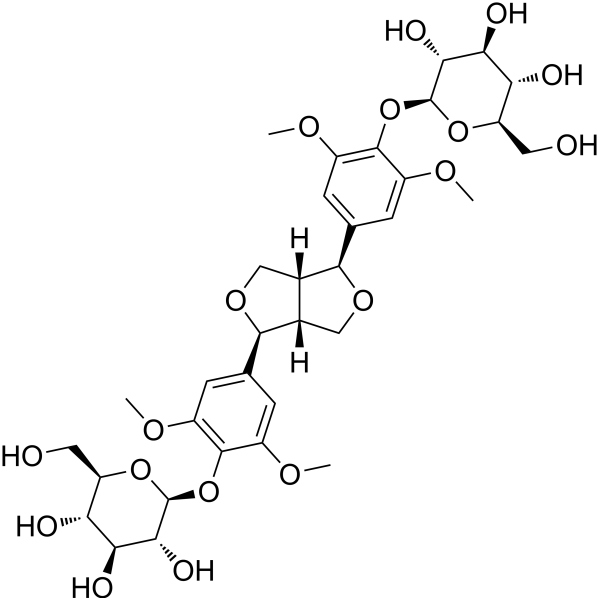
Cat. No.: HY-N3377
CAS No.: 573-44-4
Liriodendrin is an orally effective lignan compound with anti-inflammatory, antioxidant, and anti-platelet aggregation activities. Liriodendrin is isolated and extracted from Sargentodoxae caulis and Linaria vulgaris. Liriodendrin regulates the expression of genes related to inflammation and cellular metabolism by inhibiting the NF-κB, PI3K/Akt, and TLR4 signaling pathways, or by activating the PI3K-DDX18 pathway. Liriodendrin increases the expression of HSF1 and HSP27 without cytotoxicity. Liriodendrin is used in studies on ulcerative colitis, myocardial ischemia-reperfusion injury, sepsis-induced acute lung injury, and chronic endometritis .
loading...
    loading...
Cat. No.: HY-128326
CAS No.: 2362525-64-0
Target:  

MAP3K

Research Areas:  

Cardiovascular Disease

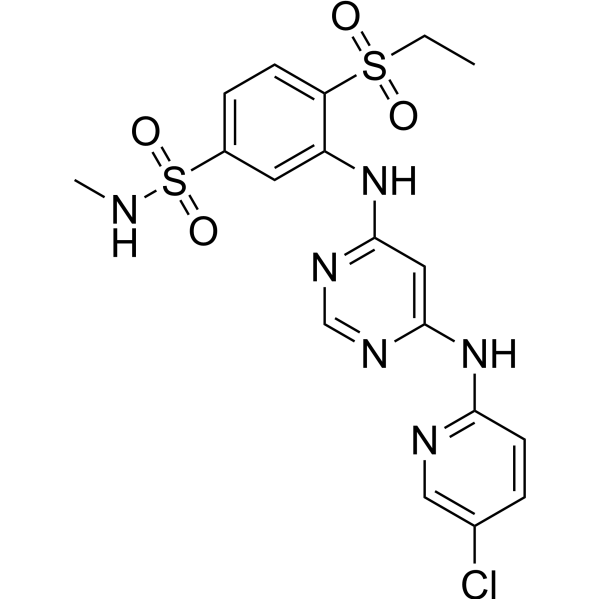
ZAK-IN-1 is an orally active and selective selective leucine-zipper and sterile‑α motif kinase (ZAK) inhibitor with IC50 of 4 nM and KD of 8 nM. ZAK-IN-1 exhibits excellent selectivity against a panel of 403 wild-type kinases. ZAK-IN-1 blocks p38/GATA-4 and JNK/c-Jun signaling and shows promising anti antihypertrophic cardiomyopathy (HCM) efficacy. ZAK-IN-1 can be used for the study of HCM .
loading...
    loading...
Cat. No.: HY-N3431
CAS No.: 20196-89-8
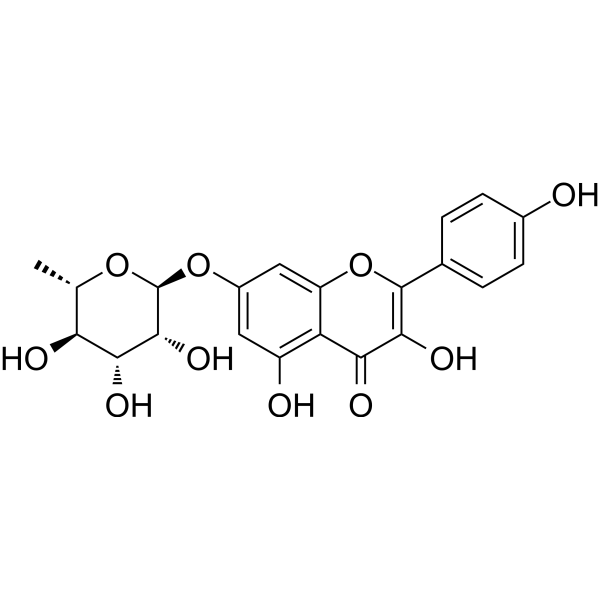
Kaempferol-7-O-rhamnoside is a PD-1/PD-L1 inhibitor and farnesoid X receptor (FXR) agonist. Kaempferol-7-O-rhamnoside demonstrates cardioprotective potential targeting the AMPKα1 signaling pathway. Kaempferol-7-O-rhamnoside significantly upregulates the mRNA expression of AMPKα1 in H9c2 cardiomyocytes. Kaempferol-7-O-rhamnoside reverses APAP-induced reduction of glutathione (GSH) content and increase of ROS production in L02 cells. Kaempferol-7-O-rhamnoside has the potential for heart failure .
loading...
    loading...
Cat. No.: HY-W145516
CAS No.: 9000-30-0
Guar gum is an orally active nonionic galactomannan polysaccharide. It is present in the endosperm of Cyamopsis tetragonolobus seeds. Guar gum reduces cholesterol levels, regulates body weight, and acts as a thickener and viscosity modifier by forming hydrogen-bonded aqueous solutions. It serves as a rate-controlling excipient in compound delivery systems, and finds applications in the food, tissue engineering, nanosensing and industrial fields .
loading...
    loading...
Cat. No.: HY-152846
CAS No.: 2268739-68-8
Synonyms: GDC-8264
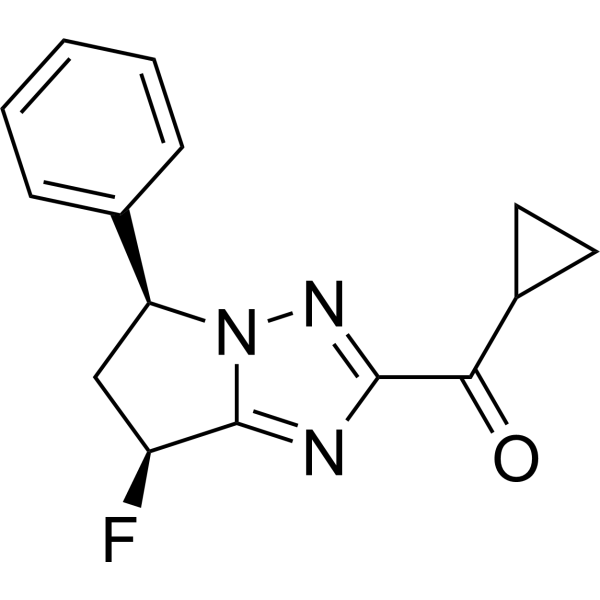
Flizasertib (GDC-8264) is an orally active, reversible and selective RIP1 inhibitor with Ki app values of 0.00071 μM and 0.0013 μM for human and cynomolgus monkey RIP1 kinase, respectively. Flizasertib blocks RIP1 autophosphorylation but does not affect RIP1 protein stability. Flizasertib inhibits pro-inflammatory cytokines (CCL3, CCL4, and IL-1β) production. Flizasertib results in inhibition of colitis and ileitis. Flizasertib can be used in the research of cardiac surgery-associated acute kidney injury .
loading...
    loading...
Cat. No.: HY-119152
CAS No.: 910627-26-8
Purity:  99.42%
Research Areas:  

Others

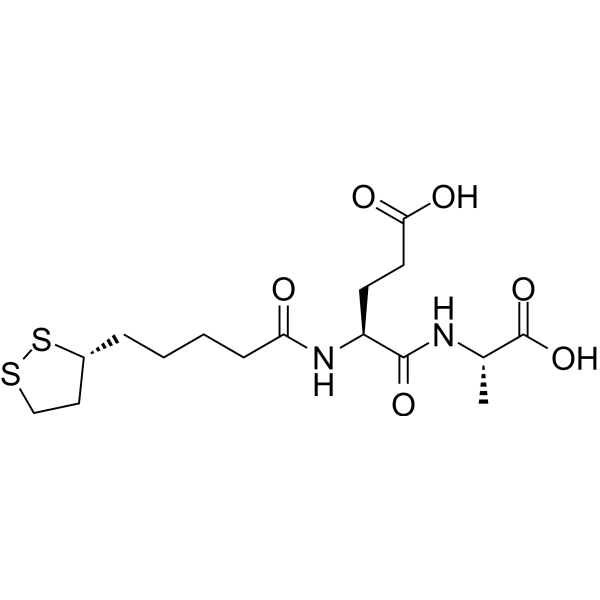
CMX-2043 is a novel analogue of α-Lipoic Acid (HY-N0492). CMX-2043 is effective in antioxidant effect, activation of insulin receptor kinase, soluble tyrosine kinase, and Akt phosphorylation. CMX-2043 shows protection against ischemia-reperfusion injury (IRI) in rat model .
loading...
    loading...
Cat. No.: HY-Y1322
CAS No.: 115-86-6
Triphenyl phosphate is an orally active, blood-brain barrier-permeable aryl organophosphate flame retardant and endocrine disruptor. Triphenyl phosphate disrupts mitochondrial dynamic balance through oxidative stress, induces excessive mitophagy and apoptosis, and ultimately leads to myocardial fibrosis. In the brain, Triphenyl phosphate activates the NF-κB inflammatory pathway by disrupting the gut microbiota, alters tryptophan metabolism and elevates neurotoxins, thereby inducing anxiety- and depression-like behaviors. In the skeletal and reproductive systems, Triphenyl phosphate inhibits osteoblast differentiation and induces germ cell apoptosis by suppressing the MAPK/ERK pathway and activating the JNK signal, respectively. In adipose and placental tissues, Triphenyl phosphate promotes lipid accumulation by activating the PI3K/AKT-PPARγ axis, and disrupts placental metabolism via the MAOA/ROS/NF-κB cascade, impairing neurodevelopment of offspring .
loading...
    loading...
Cat. No.: HY-177204
DSPE-PEG2000-WLSEAGPVVTVRALRGTGSW is a polypeptide targeting tenascin-X (Tenascin-X) that can be conjugated with liposomes and exosomes. DSPE-PEG2000-WLSEAGPVVTVRALRGTGSW specifically binds to Tenascin-X on the surface of cardiomyocytes, mediates receptor-dependent uptake of nanocarriers, enhances targeted drug delivery of cargo to cardiomyocytes, and increases drug accumulation in cardiac tissue. DSPE-PEG2000-WLSEAGPVVTVRALRGTGSW protects cardiomyocytes treated with LPS, alleviates oxidative stress, repairs mitochondrial function, inhibits ferroptosis and apoptosis, and downregulates the secretion of pro-inflammatory cytokines at the same time. DSPE-PEG2000-WLSEAGPVVTVRALRGTGSW improves cardiac injury and pathological morphology in mice with sepsis-induced cardiomyopathy, restores GPX4 expression, and promotes the internalization of cardiomyocyte-derived exosomes, making it suitable for related research on sepsis-induced cardiomyopathy, myocardial ischemia-reperfusion injury, and other conditions .
loading...
    loading...
Cat. No.: HY-P3436
CAS No.: 771479-86-8
Target:  

Exosomes

Research Areas:  

Cardiovascular Disease

WLSEAGPVVTVRALRGTGSW is a cardiomyocyte-targeting peptide that specifically recognizes tenascin X on the surface of cardiomyocytes. WLSEAGPVVTVRALRGTGSW can serve as a targeting ligand to conjugate with various therapeutic carriers (drugs, genes, exosomes, nanoparticles, etc.) for research on cardiovascular diseases (such as myocardial infarction, heart failure) .
loading...
    loading...
Cat. No.: HY-119608
CAS No.: 1316059-00-3
Purity:  98.40%
GSK854 is a TNNI3K inhibitor. GSK854 binds to the DFG-out conformation of the ATP-binding site and forms hydrogen bonds with the hinge and gatekeeper. GSK854 reduces mitochondrial superoxide production, ROS, and p38 MAPK activation, and protects mitochondrial membrane potential and cardiac function. GSK854 can be used in research on ischemia/reperfusion cardiac injury, heart failure, acute coronary syndrome, and ischemic heart disease .
loading...
    loading...
Cat. No.: HY-W087008
CAS No.: 6515-36-2
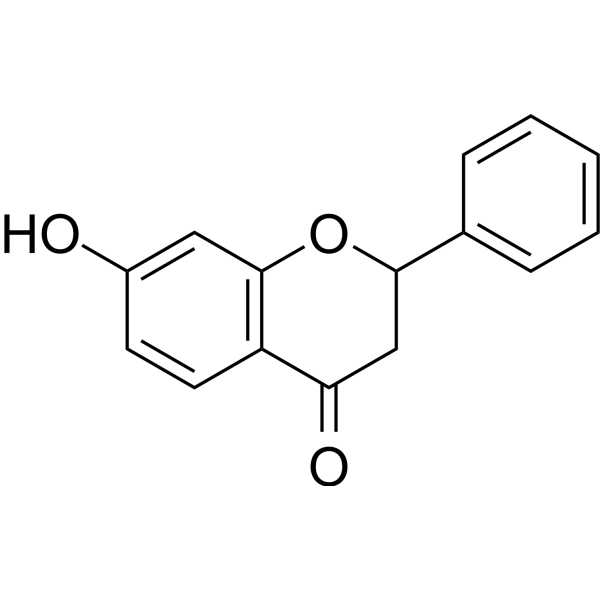
7-Hydroxyflavanone is an aromatase (CYP19) activity inhibitor found in plants with an IC50 of 65 μM, and it also possesses 20S proteasome inhibitory activity. 7-Hydroxyflavanone significantly inhibits primary humoral immunity to SRBC in mice and weakly suppresses DTH. 7-Hydroxyflavanone 1 attenuates Doxorubicin (HY-15142A)-induced oxidative stress, IL-6 inflammation, mitochondrial dysfunction, caspase 3/7 activation, apoptosis, and necrosis, and upregulates the PGC-1α/pAMPK/Beclin-1 autophagy-related pathway. 7-Hydroxyflavanone is extensively metabolized by various fungi, undergoing multiple structural modifications. 7-Hydroxyflavanone can be used in research related to Doxorubicin-induced cardiomyopathy and immune system diseases .
loading...
    loading...
Cat. No.: HY-175640
Troponin-IN-1 is a troponin inhibitor. Troponin-IN-1 protects OGD/R-injured H9c2 cardiomyocytes by reducing LDH leakage, pyroptosis and ROS accumulation. Troponin-IN-1 inhibits NO production and IL-1β/TNF-α/IL-18 release in LPS (HY-D1056)-induced RAW264.7 cells. Troponin-IN-1 acts via caspase-1/GSDMD/IL-18 pathway. Troponin-IN-1 reduces myocardial infarct size in LAD-induced myocardial ischemia/reperfusion (MI/R) male rats. Troponin-IN-1 can be used for the study of myocardial ischemia/reperfusion (MI/R) injury .
loading...
    loading...
Cat. No.: HY-170867
Nrf2/HO-1 activator 3 (Compound C3a) is the activator for Nrf2 signaling pathway that promotes the Nrf2 translocation into nuclei and upregulates the expression of heme oxygenase-1 HO-1. Nrf2/HO-1 activator 3 inhibits the overespression of ROS and MDA in H2O2- or glucose-stimulated H9c2 cardiomyocytes, inhibits the cell viability and colony formation, thereby exhibiting antioxidant efficacy .
loading...
    loading...
Cat. No.: HY-123659
CAS No.: 861218-37-3
KR-33028 is a selective NHE1 inhibitor. KR-33028 reduces hypoxia-induced necrosis and apoptosis in H9c2 cells. KR-33028 inhibits hypoxia-induced increases in cytoplasmic and mitochondrial Ca 2+ levels and cytochrome c release. KR-33028 improves cardiac contractility, reduces lactate dehydrogenase release, and increases tissue ATP, creatine phosphate, and glycogen levels. KR-33028 can be used in research on cancers such as cardioblastoma and cardiovascular diseases such as ischemic stroke .
loading...
    loading...
Cat. No.: HY-N10642
CAS No.: 160789-41-3
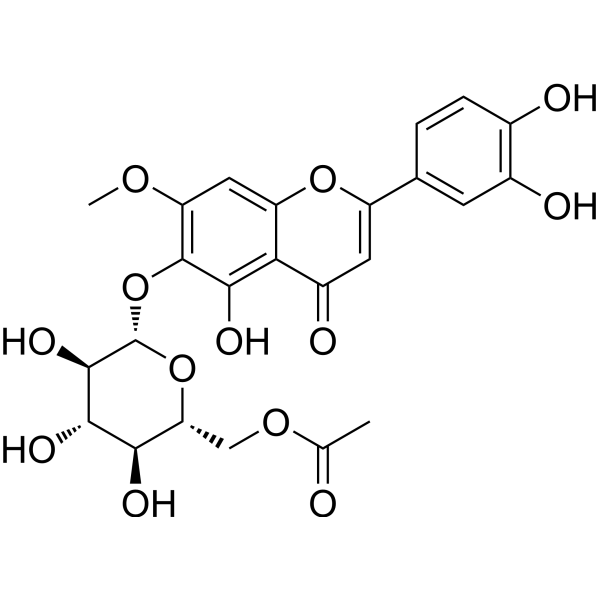
Pedaliin 6''-acetate (compound 10) is a natural product that can be isolated from Dracocephalum tanguticum. Pedaliin 6''-acetate shows antioxidative activity and cytoprotective effect on doxorubicin (DOX)-induced toxicity in H9c2 cardiomyocytes with an EC50 value of 19.1 μM .
loading...
    loading...
Cat. No.: HY-N10595
CAS No.: 1256959-27-9
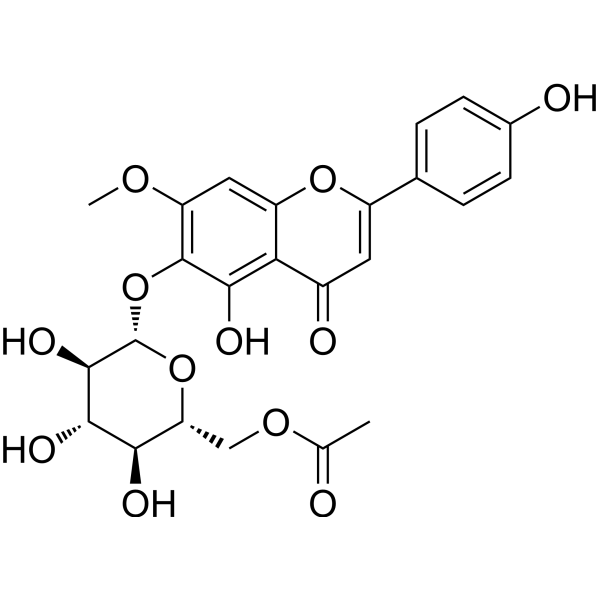
Ladanetin-6-O-β-(6′′-O-acetyl)glucoside is a flavonoid isolated from the whole plants of Dracocephalum tanguticum, with antioxidant ability. Flavonoids from Dracocephalum tanguticum show cardioprotective effects against Doxorubicin (HY-15142A)-induced toxicity in H9c2 cells .
loading...
    loading...
Cat. No.: HY-B0581R
CAS No.: 24584-09-6
Synonyms: ICRF-187 (Standard); ADR-529 (Standard); NSC-169780 (Standard)
Dexrazoxane (Standard) is the analytical standard of Dexrazoxane. This product is intended for research and analytical applications. Dexrazoxane, as an intracellular iron chelating agent, reduces the formation of superoxide radicals and has cardioprotective, anti-inflammatory, antioxidant, anti-tumor and neuroprotective activities. Dexrazoxane inhibits ferroptosis of H9c2 cells by inhibiting HMGB1. Dexrazoxane induces DNA damage and apoptosis in human fibrosarcoma cells .
loading...
    loading...

