



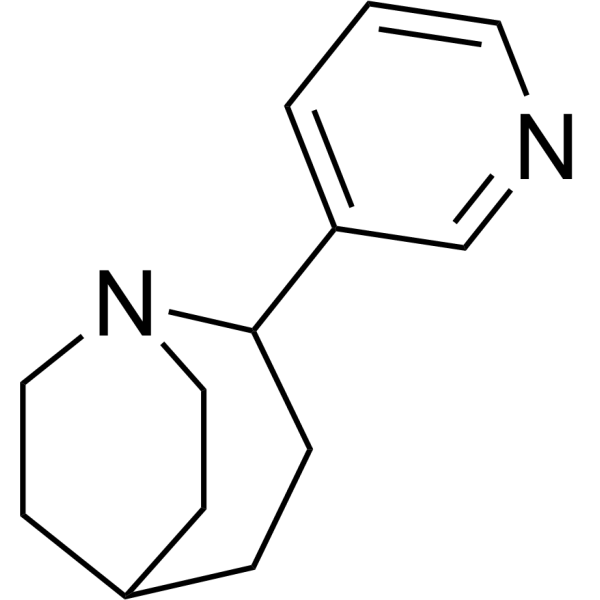
TC-1698
TC-1698 is a selective α7 nicotinic acetylcholine receptors agonist with EC50 value of 0.16 μM and 0.46 μM for monkey α7 nicotinic receptor and human α7 nicotinic receptor, respectively. TC-1698 improves memory and has neuroprotective effects. TC-1698 can be used for Alzheimer's disease research.
Nos produits utilisent uniquement pour la recherche. Nous ne vendons pas aux patients.
- CAS No.: 700834-58-8
- Formule: C13H18N2
- Masse moléculaire:202.30
-
Stockage:
Please store the product under the recommended conditions in the Certificate of Analysis.

To place orders, for customer services and technical support, please contact: MedChemExpress USA
Tel: 609-228-6898 E-mail: [email protected] [email protected]


-
 Activité biologique
-
Chemical Information
- Protocole
- Pureté et documentation
- Références
-
 Help & FAQs


-
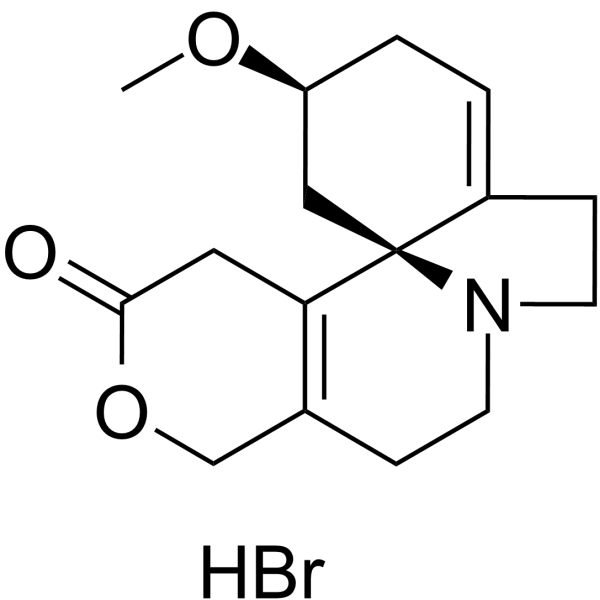
HY-107670
Dihydro-β-erythroidine hydrobromidenAChRs Antagonist -
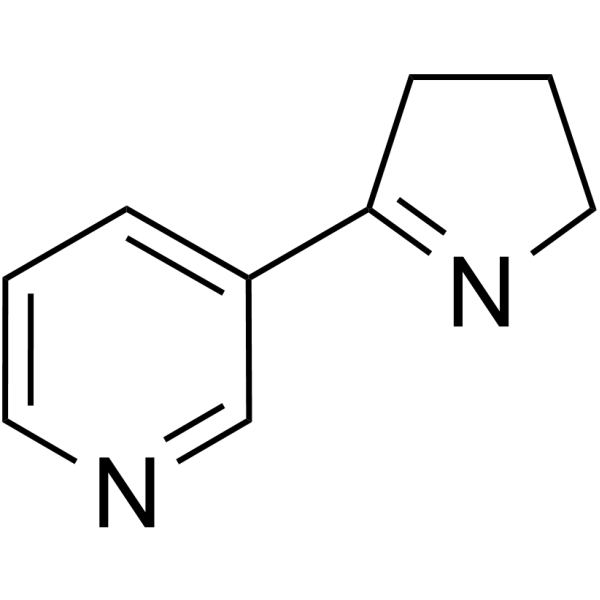
HY-W001909
Myosmine -
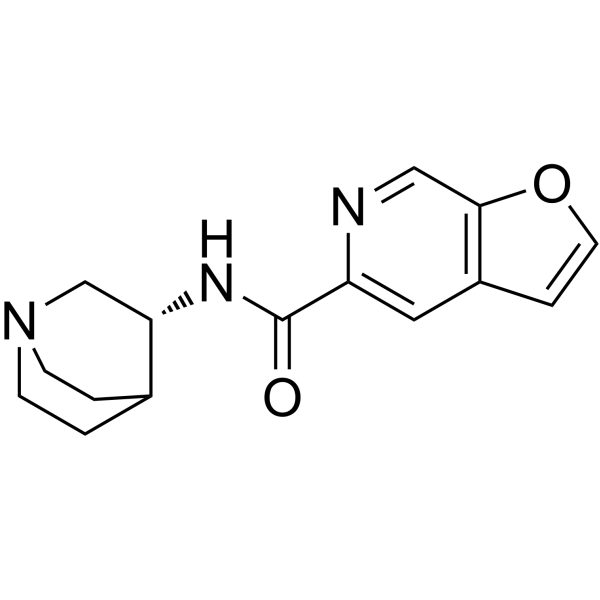
HY-105670
PHA-543613α7 nAChR Agonist -
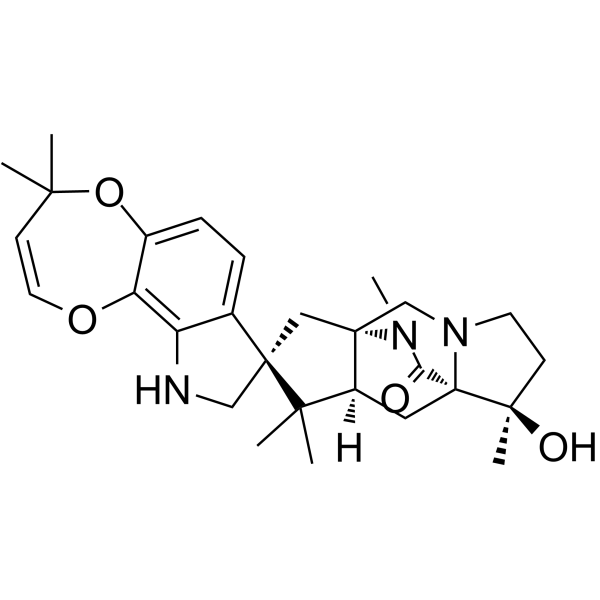
HY-125159
DerquantelnAChR Antagonist -
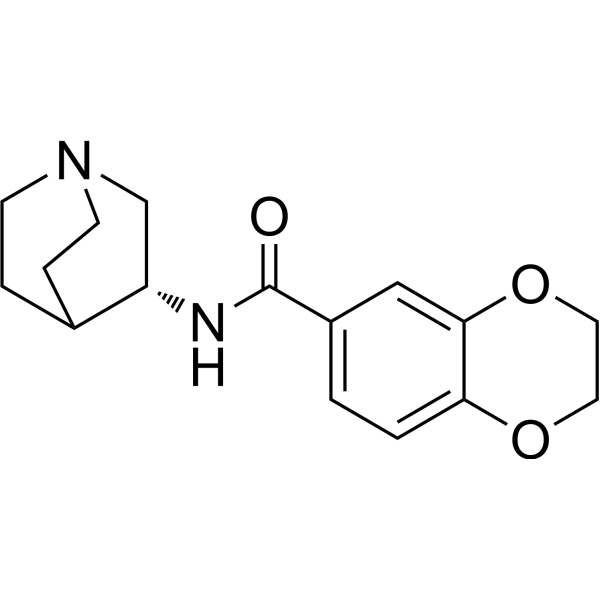
HY-129674
PHA 568487 free baseα-7 nAchR Agonist -
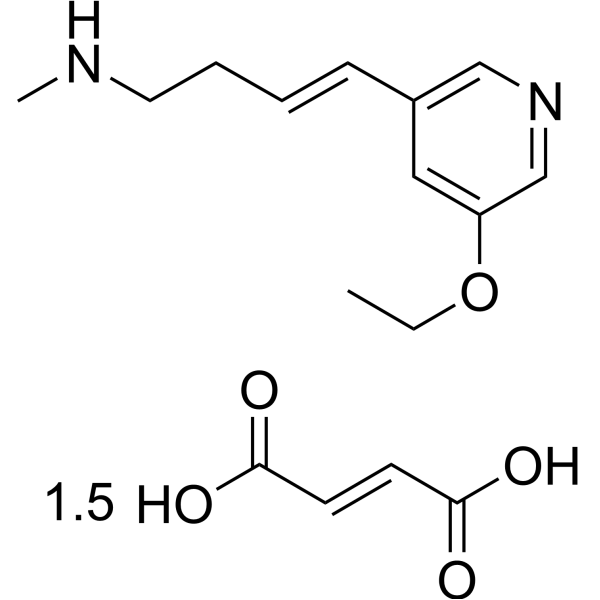
HY-107667
TC-2559 fumarateAcetylcholine Receptor Agonist -
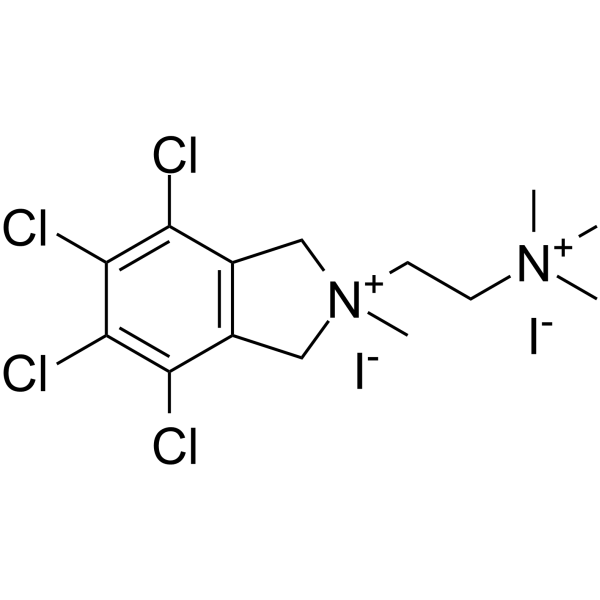
HY-101347
Chlorisondamine diiodidenAChR Antagonist -
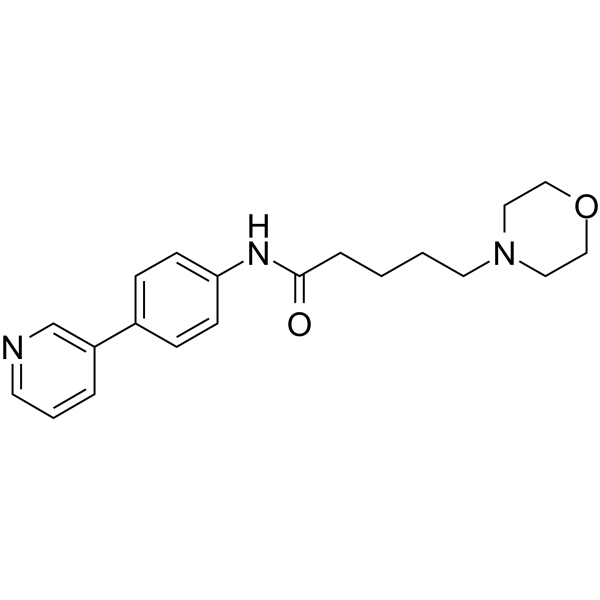
HY-107678
SEN12333α7 nAChR Agonist -
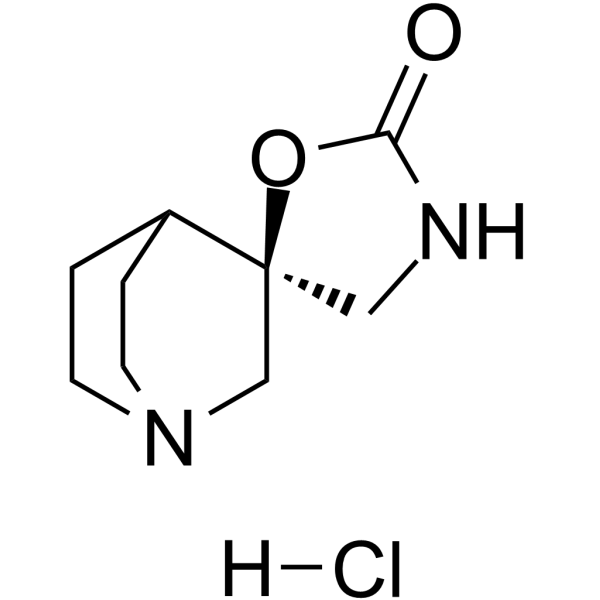
HY-135483A
AR-R17779 hydrochloridenAChR Agonist -
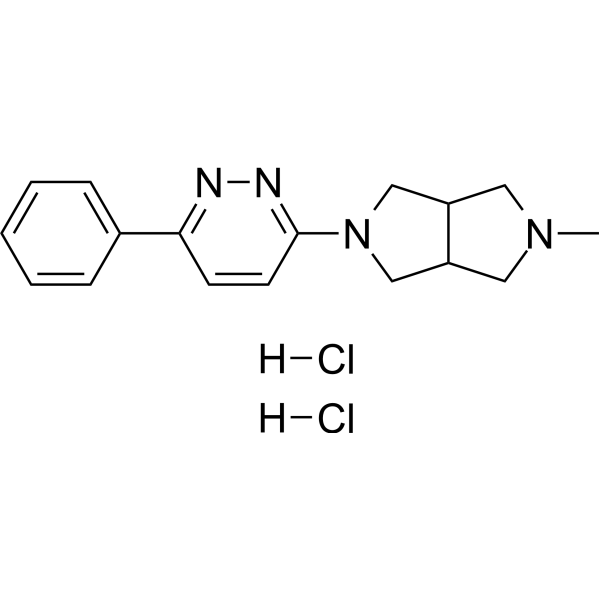
HY-59201A
A-582941 dihydrochlorideα7 nAChR Agonist -
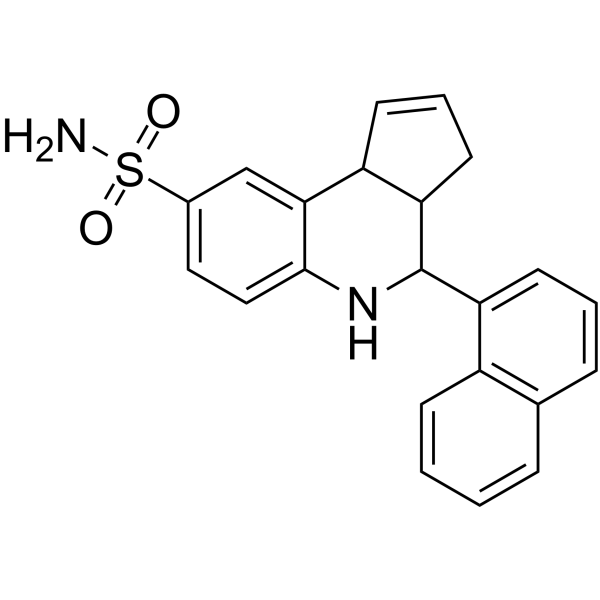
HY-107682
TQSnAChR Positive Allosteric Modulator -
HY-107672
MG624nAChR Antagonist


Activité biologique
Description


Chemical Information
-
CAS No. 700834-58-8
-
Masse moléculaire 202.30
-
Formule C13H18N2
-
SMILES
N1(CC2)C(C3=CC=CN=C3)CCC2CC1
-
Livraison
Room temperature in continental US; may vary elsewhere.
-
Stockage
Please store the product under the recommended conditions in the Certificate of Analysis.

Protocole
-
Alzheimer’s Disease Modeling
Alzheimer’s Disease (AD) is a neurodegenerative disorder characterized by a progressive decline in cognitive functions and loss of specific types of neurons and synapses. Alzheimer's symptoms can be simulated in mice by injecting drugs (such as Aβ) or genetically modified.


Pureté et documentation
Références
[1]. Mazurov AA, et al. Discovery and development of α7 nicotinic acetylcholine receptor modulators. J Med Chem. 2011 Dec 8;54(23):7943-61. [Content Brief]
[2]. Marrero MB, et al. The neuroprotective effect of 2-(3-pyridyl)-1-azabicyclo[3.2.2]nonane (TC-1698), a novel alpha7 ligand, is prevented through angiotensin II activation of a tyrosine phosphatase. J Pharmacol Exp Ther. 2004 Apr;309(1):16-27. [Content Brief]
[3]. Papke RL, et al. Rhesus monkey alpha7 nicotinic acetylcholine receptors: comparisons to human alpha7 receptors expressed in Xenopus oocytes. Eur J Pharmacol. 2005 Nov 7;524(1-3):11-8. [Content Brief]

Calculators
Concentration (start) × Volume (start) = Concentration (final) × Volume (final)


TC-1698 Related Classifications
HY-107668A Related Classifications
 Powered by Bioz