



GKT136901
Based on 5 publication(s) in Google Scholar
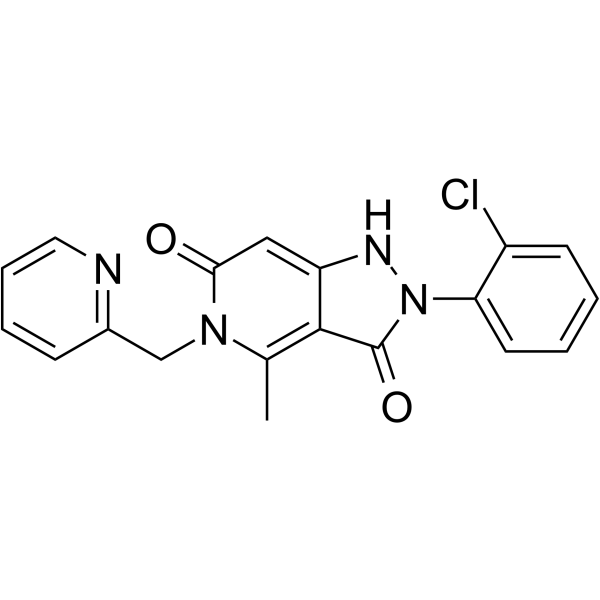
GKT136901 is a potent, selective and orally active inhibitor of NADPH oxidase (NOX1/4), with Kis of 160 and 165 nM, respectively. GKT136901 is also a selective and direct scavenger of peroxynitrite. GKT136901 can be used for the research of diabetic nephropathy, stroke, and neurodegeneration. GKT136901 also has anti-inflammatory activity.
Nos produits utilisent uniquement pour la recherche. Nous ne vendons pas aux patients.
- Pureté : 99.33%
- CAS No.: 955272-06-7
- Formule: C19H15ClN4O2
- Masse moléculaire:366.80
-
Stockage:Powder -20°C, 3 years , 4°C, 2 years ; In solvent -80°C, 6 months , -20°C, 1 month

To place orders, for customer services and technical support, please contact: MedChemExpress USA
Tel: 609-228-6898 E-mail: [email protected] [email protected]


-
 Activité biologique
-
Chemical Information
-
Solvant et solubilité
- Protocole
- Pureté et documentation
- Références
-
 Help & FAQs


-
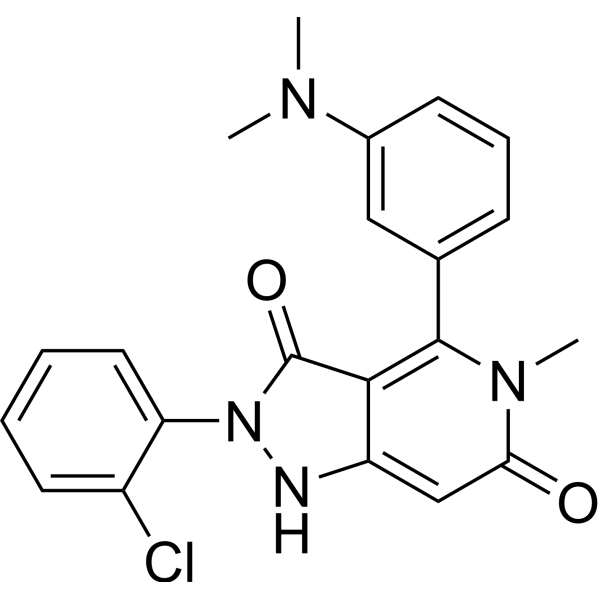
HY-12298
SetanaxibNOX1/4 Inhibitor -
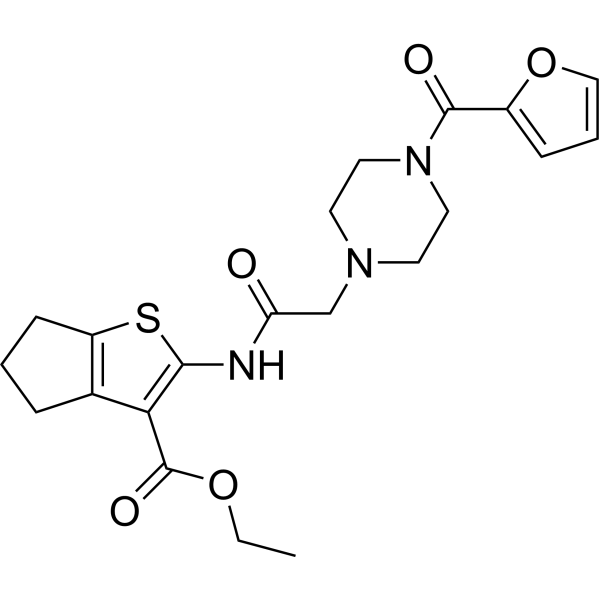
HY-100111
GLX351322NADPH Oxidase 4 Inhibitor -
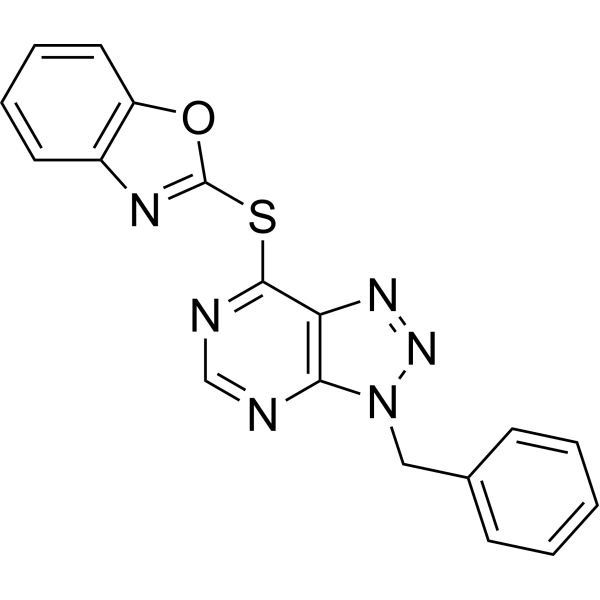
HY-12804
VAS2870Nox Inhibitor -
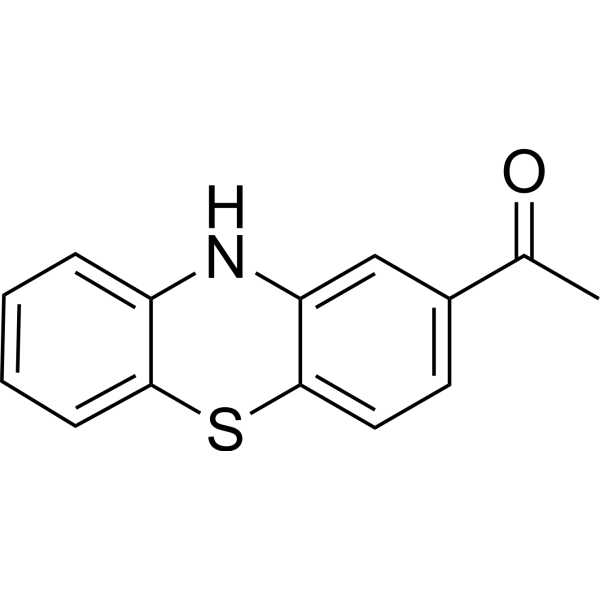
HY-12805
ML171NADPH Oxidase Inhibitor -
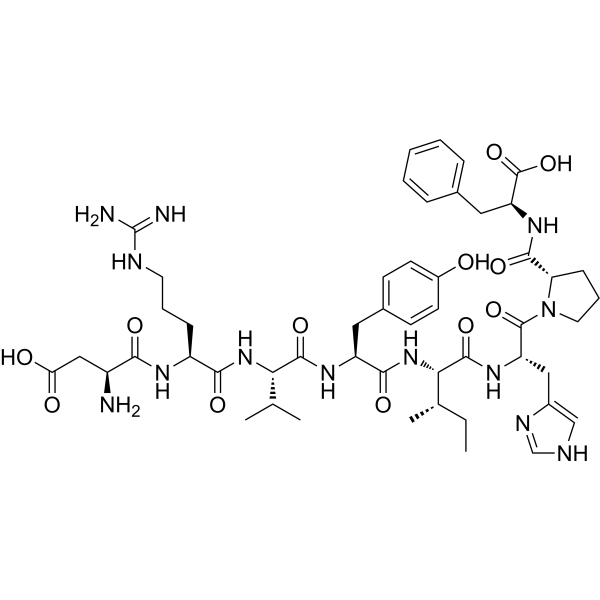
HY-13948
Angiotensin II humanVasoconstrictor -
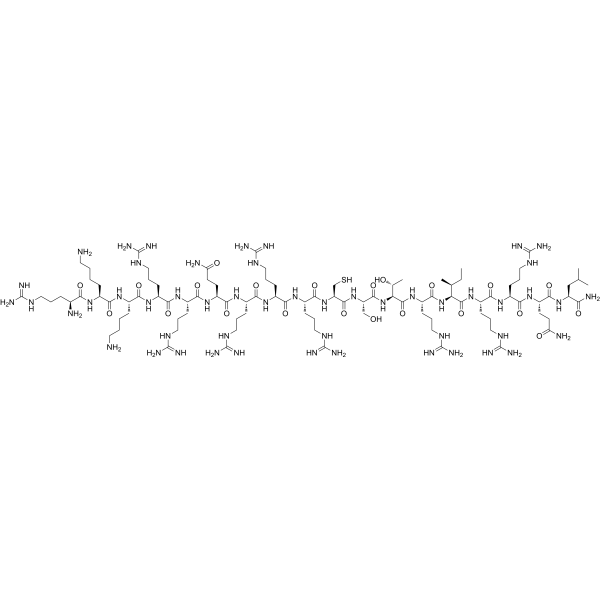
HY-P5381
gp91 ds-tatNox2 Inhibitor -
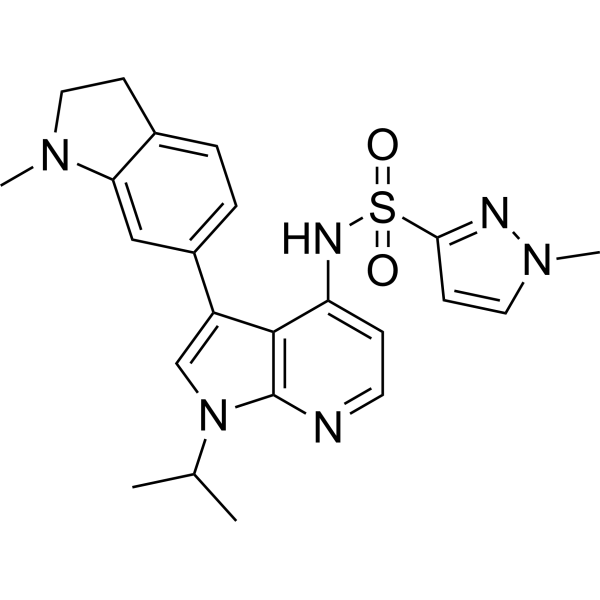
HY-18950
GSK2795039NOX2 Inhibitor -
HY-120801
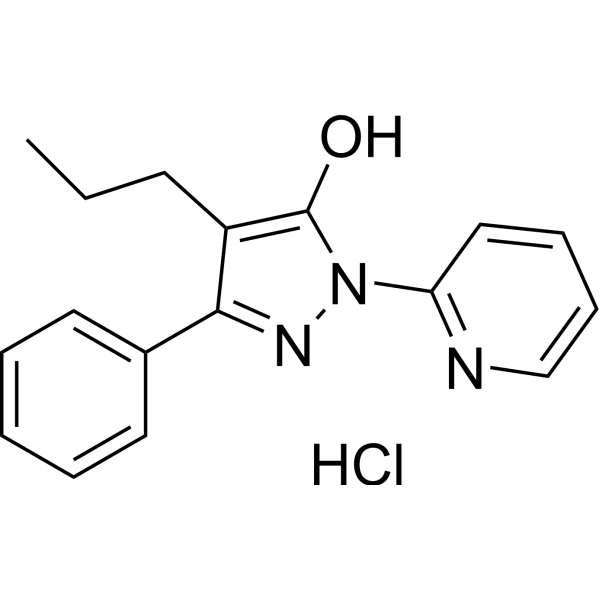
APX-115Pan-Nox Inhibitor -

HY-101499R
GKT136901 (Standard)NOX1/4 Inhibitor -
HY-101499A
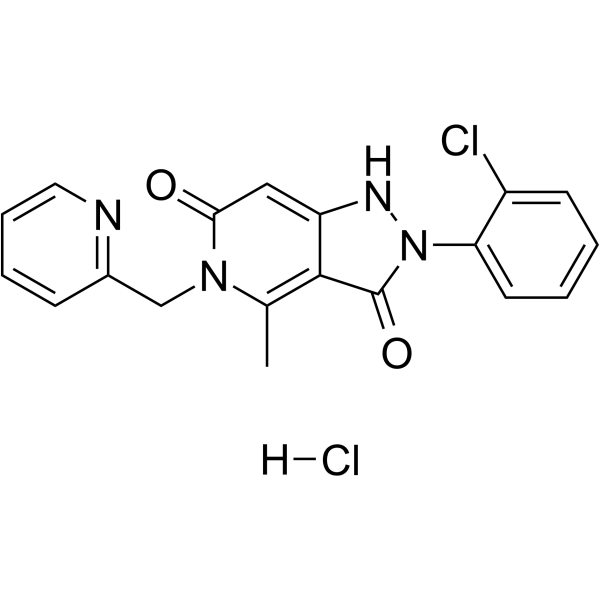
GKT136901 hydrochlorideNOX1/4 Inhibitor -
HY-125944
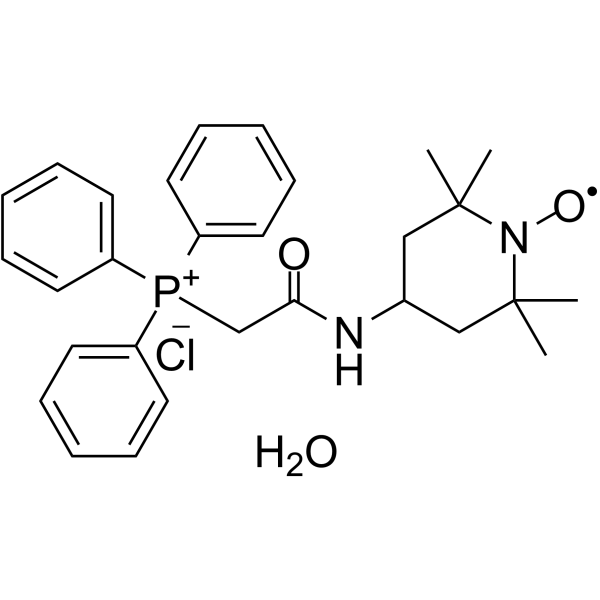
MitoTEMPO hydrateAntioxidant -

HY-W116606
Coumarin boronic acidFluorescence Probe
Publications Citing Use of MedChemExpress (MCE) GKT136901
More

Activité biologique
Description
IC50 & Target
|
NOX1 |
NOX4 |
In Vitro
GKT136901 (10 μM; 30 min) significantly attenuates high-D-glucose-induced increase in O2 production and in H2O2 generation in MPT cells[4].
GKT136901 (10 μM; 30 min) abolishes the effect of high D-glucose on p38MAP kinase activation in MPT cells[4].
GKT136901 (10 μM; 2 h) attenuates methamphetamine (METH)-induced oxidative stress in HBMECs[5].
GKT136901 (10 μM; 2 h) protects HBMECs against METH-induced blood-brain barrier (BBB) dysfunction[5].
MedChemExpress (MCE) has not independently confirmed the accuracy of these methods. They are for reference only. Further protocols information, click here.
In Vivo
MedChemExpress (MCE) has not independently confirmed the accuracy of these methods. They are for reference only.
-
Animal Model:Male db/db and db/m mice (8 weeks)[6]
-
Dosage:30, 90 mg/kg
-
Administration:Daily p.o. for 16 weeks
-
Result:Reduced albuminuria, thiobarbituric acid-reacting substances (TBARS) and renal ERK1/2 phosphorylation and preserved renal structure in diabetic mice.
Had no effect on plasma glucose, BP (blood pressure), and body weight.


Chemical Information
-
CAS No. 955272-06-7
-
Appearance Solid
-
Masse moléculaire 366.80
-
Formule C19H15ClN4O2
-
Color Off-white to light brown
-
SMILES
O=C1N(C2=CC=CC=C2Cl)NC(C1=C(C)N3CC4=NC=CC=C4)=CC3=O
-
Livraison
Room temperature in continental US; may vary elsewhere.
-
Stockage
Powder -20°C 3 years 4°C 2 years In solvent -80°C 6 months -20°C 1 month


Publications (5)
-
Journal Impact Factor
-
Most Recent
-
-
Cell Rep
DEAD-box helicase DDX24 is essential for endothelial mitochondrial function to maintain the blood-brain barrier. [Abstract]2025 Oct 15;44(10):116428. PMID: 41105514 -
Int J Mol Sci
Aβ40 Improves Cerebrovascular Endothelial Function via NOX4-Dependent Hydrogen Peroxide Release. [Abstract]2025 Jul 15;26(14):6759. PMID: 40725005 -
Int J Mol Sci
2023 Nov 13;24(22):16260. PMID: 38003450 -


Solvant et solubilité
In Vitro:
DMSO : 33.33 mg/mL (90.87 mM; Need ultrasonic; Hygroscopic DMSO has a significant impact on the solubility of product, please use newly opened DMSO)
H2O : < 0.1 mg/mL (insoluble)
Please refer to the solubility information to select the appropriate solvent. Once prepared, please aliquot and store the solution to prevent product inactivation from repeated freeze-thaw cycles.
Storage method and period of stock solution: -80°C, 6 months; -20°C, 1 month. When stored at -80°C, please use it within 6 months. When stored at -20°C, please use it within 1 month.
Please refer to the solubility information to select the appropriate solvent. Once prepared, please aliquot and store the solution to prevent product inactivation from repeated freeze-thaw cycles.
Storage method and period of stock solution: -80°C, 6 months; -20°C, 1 month. When stored at -80°C, please use it within 6 months. When stored at -20°C, please use it within 1 month.
Concentration (start) × Volume (start) = Concentration (final) × Volume (final)
In Vivo:
Select the appropriate dissolution method based on your experimental animal and administration route.
- For the following dissolution methods, please ensure to first prepare a clear stock solution using an In Vitro approach and then sequentially add co-solvents:
- To ensure reliable experimental results, the clarified stock solution can be appropriately stored based on storage conditions. As for the working solution for In Vivo experiments, it is recommended to prepare freshly and use it on the same day.
- The percentages shown for the solvents indicate their volumetric ratio in the final prepared solution. If precipitation or phase separation occurs during preparation, heat and/or sonication can be used to aid dissolution.
Add each solvent one by one: 10% DMSO 40% PEG300 5% Tween-80 45% Saline
Solubility: ≥ 2.5 mg/mL (6.82 mM); Clear solution
This protocol yields a clear solution of ≥ 2.5 mg/mL (saturation unknown).
Taking 1 mL working solution as an example, add 100 μL DMSO stock solution (25.0 mg/mL) to 400 μL PEG300, and mix evenly; then add 50 μL Tween-80 and mix evenly; then add 450 μL Saline to adjust the volume to 1 mL.
Preparation of Saline: Dissolve 0.9 g sodium chloride in ddH₂O and dilute to 100 mL to obtain a clear Saline solution.
In Vivo Dissolution Calculator
Please enter the basic information of animal experiments:
-
-
-
-
Recommended: Prepare an additional quantity of animals to account for potential losses during experiments.
Please enter your animal formula composition:
-
%DMSO +
Recommended: Keep the proportion of DMSO in working solution below 2% if your animal is weak.
-
%+
-
+%Tween-80 + +
-
%Saline +
The co-solvents required include: DMSO, . All of co-solvents are available by MedChemExpress (MCE). , Tween 80. All of co-solvents are available by MedChemExpress (MCE).
Working solution concentration: 0.22 mg/mL
Method for preparing stock solution: mg drug dissolved in μL DMSO. Stock solution concentration: mg/mL.
1. Take μL DMSO stock solution;
2. Add μL .
μL , mix evenly;
3. Then add μL Tween 80, mix evenly;
4. Then add μL
Please ensure that the stock solution in the first step is dissolved to a clear state, and add co-solvents in sequence. You can use ultrasonic heating (ultrasonic cleaner, recommended frequency 20-40 kHz), vortexing, etc. to assist dissolution.

Protocole
-
Neurotoxicity Study
This protocol assesses in vitro neurotoxicity by combining neuronal viability, mitochondrial/metabolic activity, neurite outgrowth, and optional neuronal network function readouts. Calcein-AM or resazurin/PrestoBlue readouts estimate viable or metabolically active cells; βIII-tubulin immunofluorescence detects neuronal morphology and neurite networks; TMRE detects mitochondrial membrane potential; and MEA recordings detect functional changes in neuronal network activity.
-
Cotton Pellet Granuloma
Cotton pellet granuloma is a classical in vivo chronic inflammation model used to evaluate the anti-inflammatory potential of test substances by measuring their ability to inhibit granuloma tissue formation around an implanted foreign body (cotton pellet) in rodents. The method is based on the biological response to a sterile implanted material, which induces proliferative phase inflammation characterized by fibroblast proliferation and collagen-rich granuloma formation, and the final readout reflects the extent of chronic inflammatory tissue growth surrounding the pellet. In multiple preclinical pharmacological evaluations, inhibition of cotton pellet-induced granuloma formation has been used as an indicator of anti-inflammatory activity in both synthetic and natural product screening contexts.
-
Carrageenan-Induced Paw Edema
Carrageenan-induced paw edema is an acute inflammation model in which intraplantar injection of carrageenan induces localized inflammatory swelling characterized by vascular permeability, leukocyte infiltration, and production of inflammatory mediators such as prostaglandins and cytokines, making it widely used to evaluate anti-inflammatory agents in vivo. The resulting paw volume or thickness increase is quantified over time as a direct readout of inflammatory intensity and drug efficacy, typically reflecting cyclooxygenase-mediated prostaglandin-driven edema formation and immune cell recruitment in peripheral tissue[20].
-
Research Protocol for Inflammation-related Diseases
The NLRP3 inflammasome is a cytosolic innate immune signaling platform that integrates priming signals and danger-signal activation to promote caspase-1 activation, maturation of IL-1β and IL-18, and gasdermin D-mediated pyroptotic cell death. The core experimental logic is to determine whether inflammatory disease phenotypes are driven by increased NLRP3 expression, ASC-containing inflammasome assembly, caspase-1 cleavage, GSDMD cleavage, and extracellular release of IL-1β/IL-18 rather than by nonspecific cell injury alone. The pathway is strongly linked to inflammation-related disease phenotypes because monosodium urate crystals activate NALP3/NLRP3 inflammasome signaling in gout-like crystal inflammation, cholesterol crystals activate NLRP3 inflammasomes in atherogenesis models, and DSS-induced intestinal inflammation has been reported to involve NLRP3 inflammasome activity. However, experimental colitis studies also show context-dependent protective effects of NLRP3 inflammasome co


Pureté et documentation
-
Fiche technique (277 KB)
-
SDS (396 KB)
- English - EN (396 KB)
- Français - FR (396 KB)
- Deutsch - DE (396 KB)
- Norwegian - NO (396 KB)
- Español - ES (396 KB)
- Swedish - SV (396 KB)
- Italian - IT (396 KB)
- Korean - KR (396 KB)
- Portuguese - PT (396 KB)
-
Instruction de manipulation (2659 KB)
Références
[1]. Laleu B, et, al. First in class, potent, and orally bioavailable NADPH oxidase isoform 4 (Nox4) inhibitors for the treatment of idiopathic pulmonary fibrosis. J Med Chem. 2010 Nov 11;53(21):7715-30. [Content Brief]
[2]. Teixeira G, et, al. Therapeutic potential of NADPH oxidase 1/4 inhibitors. Br J Pharmacol. 2017 Jun;174(12):1647-1669. [Content Brief]
[3]. Schildknecht S, et, al. The NOX1/4 inhibitor GKT136901 as selective and direct scavenger of peroxynitrite. Curr Med Chem. 2014;21(3):365-76. [Content Brief]
[4]. Sedeek M, et, al. Critical role of Nox4-based NADPH oxidase in glucose-induced oxidative stress in the kidney: implications in type 2 diabetic nephropathy. Am J Physiol Renal Physiol. 2010 Dec;299(6):F1348-58. [Content Brief]
[5]. Hwang JS, et, al. GKT136901 protects primary human brain microvascular endothelial cells against methamphetamine-induced blood-brain barrier dysfunction. Life Sci. 2020 Sep 1;256:117917. [Content Brief]
[6]. Sedeek M, et, al. Renoprotective effects of a novel Nox1/4 inhibitor in a mouse model of Type 2 diabetes. Clin Sci (Lond). 2013 Feb;124(3):191-202. [Content Brief]


Complete Stock Solution Preparation Table
Please refer to the solubility information to select the appropriate solvent. Once prepared, please aliquot and store the solution to prevent product inactivation from repeated freeze-thaw cycles.
Storage method and period of stock solution: -80°C, 6 months; -20°C, 1 month. When stored at -80°C, please use it within 6 months. When stored at -20°C, please use it within 1 month.
| Optional Solvent | Concentration Solvent Mass | 1 mg | 5 mg | 10 mg | 25 mg |
|---|---|---|---|---|---|
| DMSO | 1 mM | 2.7263 mL | 13.6314 mL | 27.2628 mL | 68.1570 mL |
| 5 mM | 0.5453 mL | 2.7263 mL | 5.4526 mL | 13.6314 mL | |
| 10 mM | 0.2726 mL | 1.3631 mL | 2.7263 mL | 6.8157 mL | |
| 15 mM | 0.1818 mL | 0.9088 mL | 1.8175 mL | 4.5438 mL | |
| 20 mM | 0.1363 mL | 0.6816 mL | 1.3631 mL | 3.4079 mL | |
| 25 mM | 0.1091 mL | 0.5453 mL | 1.0905 mL | 2.7263 mL | |
| 30 mM | 0.0909 mL | 0.4544 mL | 0.9088 mL | 2.2719 mL | |
| 40 mM | 0.0682 mL | 0.3408 mL | 0.6816 mL | 1.7039 mL | |
| 50 mM | 0.0545 mL | 0.2726 mL | 0.5453 mL | 1.3631 mL | |
| 60 mM | 0.0454 mL | 0.2272 mL | 0.4544 mL | 1.1360 mL | |
| 80 mM | 0.0341 mL | 0.1704 mL | 0.3408 mL | 0.8520 mL |


GKT136901 Related Classifications
HY-101499 Related Classifications
 Powered by Bioz