



Indole-3-pyruvic acid (Standard)

Based on 1 Customer Validation
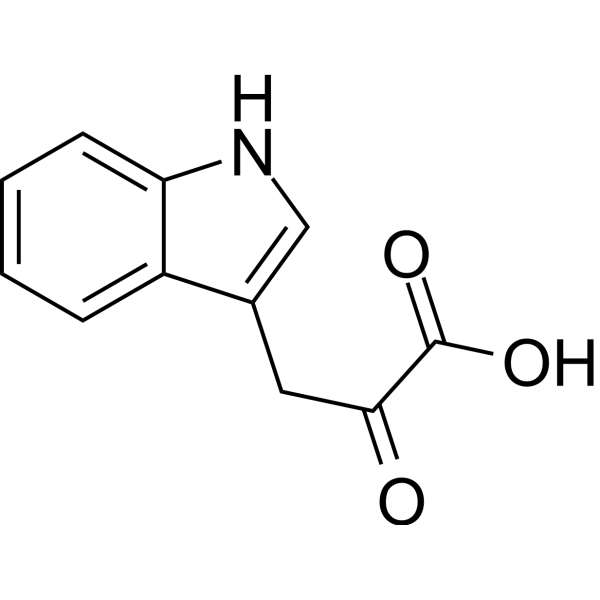
Indole-3-pyruvic acid (Standard) is the analytical standard of Indole-3-pyruvic acid (HY-W028393). This product is intended for research and analytical applications. Indole-3-pyruvic acid is an orally active ketone analog of tryptophan, and is an aryl hydrocarbon receptor (AHR) agonist. Indole-3-pyruvic acid inhibits p38/MAPK phosphorylation, regulates the tryptophan metabolic pathway, and also possesses protective activities against skin photodamage, as well as anti-inflammatory and anti-anxiety bioactivities in the gut. Indole-3-pyruvic acid can downregulate the expression of IL-1β, IL-6, Cox-2, and Bax to alleviate UVB-induced keratinocyte toxicity. Indole-3-pyruvic acid can activate AHR to promote Tr1 cell differentiation, increase IL-10, and inhibit Th1 cytokine production. Indole-3-pyruvic acid can alter the levels of kynurenine metabolites in the brain, mediating central nervous system-related effects. Indole-3-pyruvic acid can be used in research on skin lesions, colitis, and anxiety.
For research use only. We do not sell to patients.
- Purity: 99.38%
- CAS No.: 392-12-1
- Formula: C11H9NO3
- Molecular Weight:203.20
-
Storage:
Please store the product under the recommended conditions in the Certificate of Analysis.


To place orders, for customer services and technical support, please contact: MedChemExpress USA
Tel: 609-228-6898 E-mail: [email protected] [email protected]


-
 Product Information
-
Chemical Information
- Purity & Documentation
-
 Help & FAQs


-
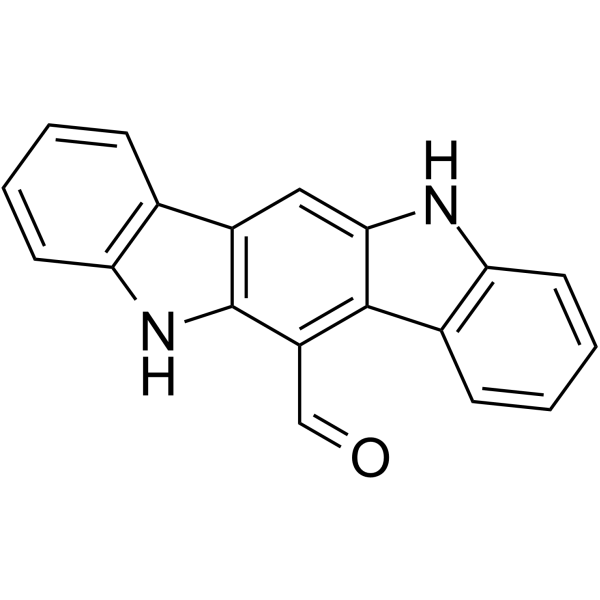
HY-12451
FICZ -
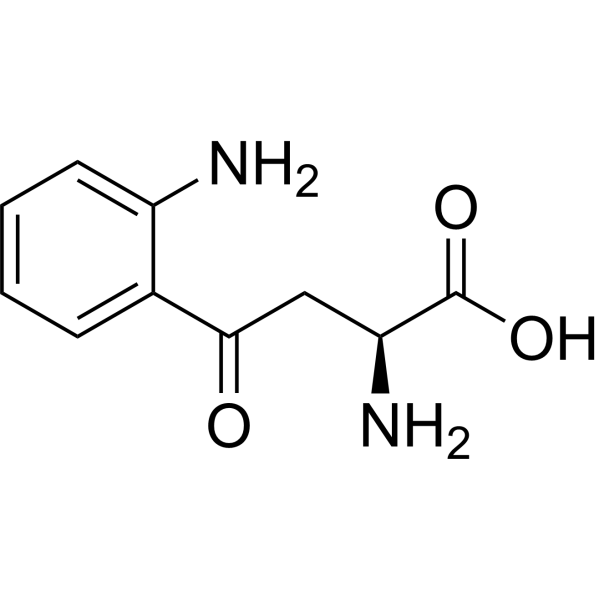
HY-104026R
L-Kynurenine (Standard) -
HY-W028393
Indole-3-pyruvic acid -
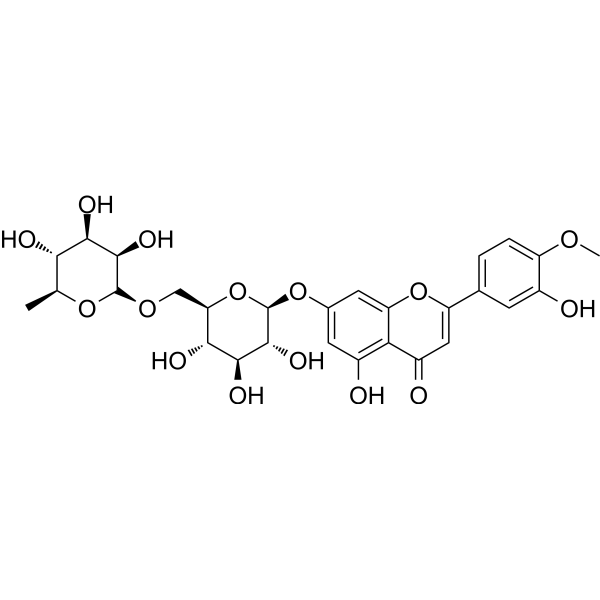
HY-N0178
Diosmin -
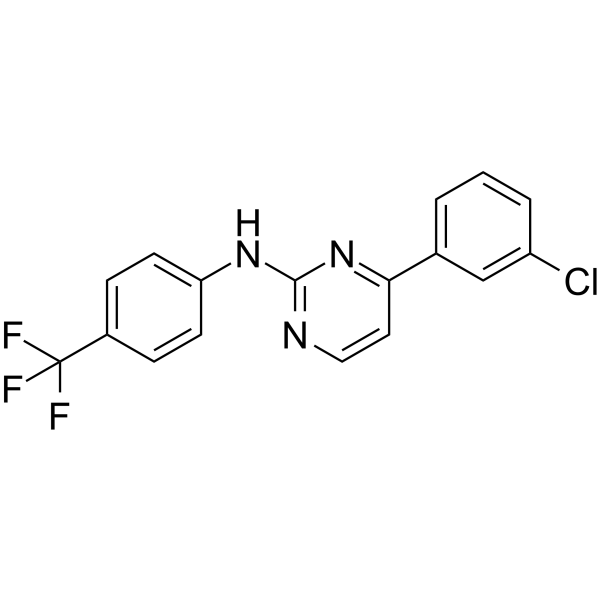
HY-135750
VAF347 -

HY-N0178R
Diosmin (Standard) -
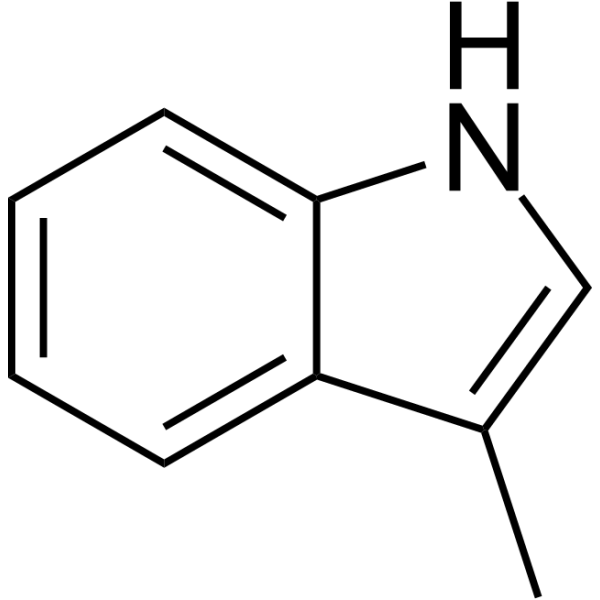
HY-W007355
Skatole -
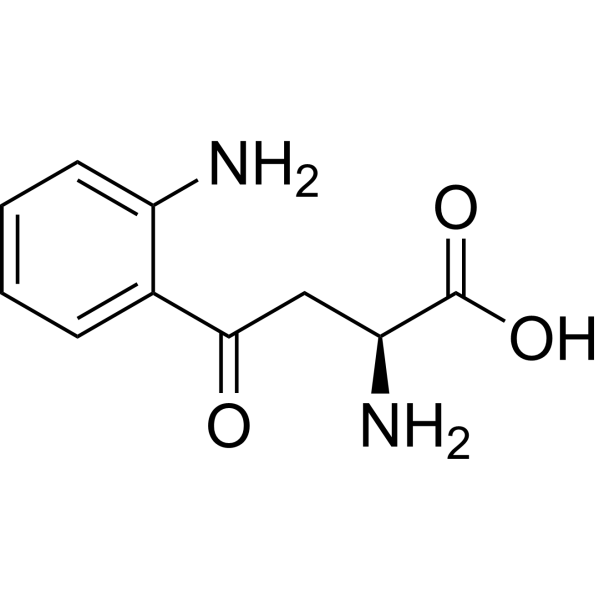
HY-104026
L-Kynurenine -
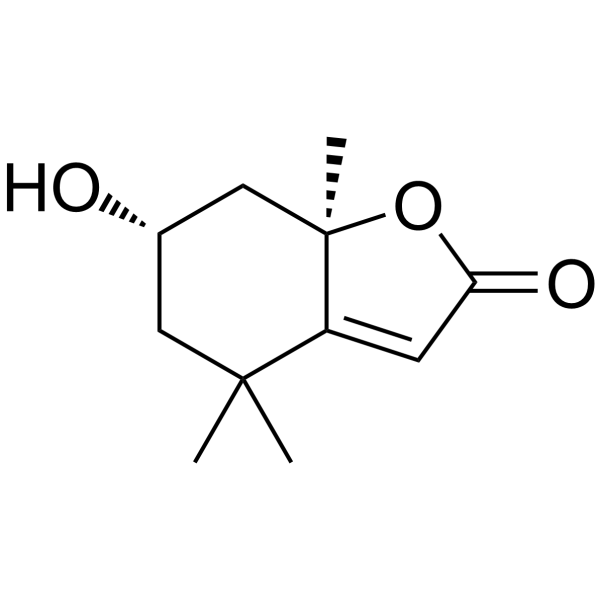
HY-118020A
Loliolide -
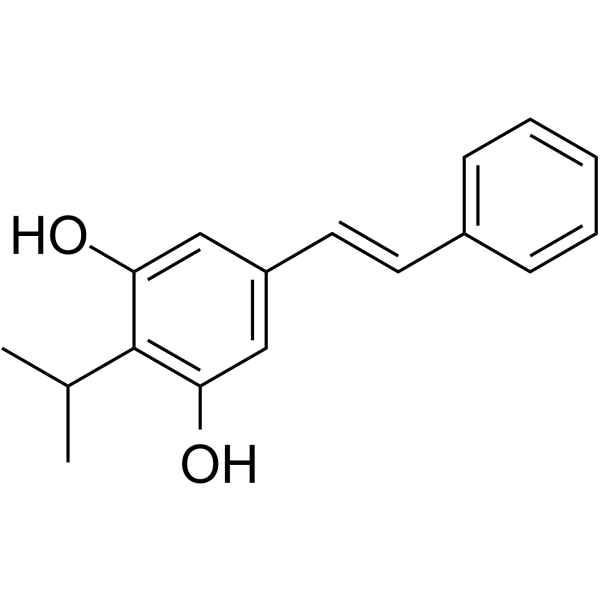
HY-109044
Tapinarof -
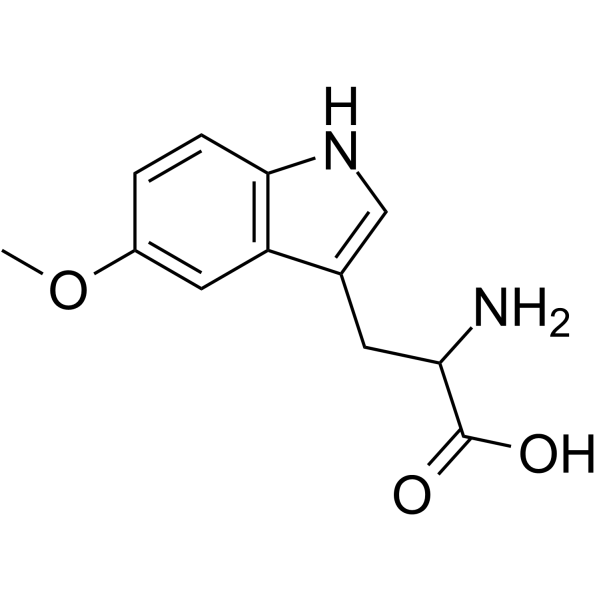
HY-128731
5-Methoxy-DL-tryptophan -
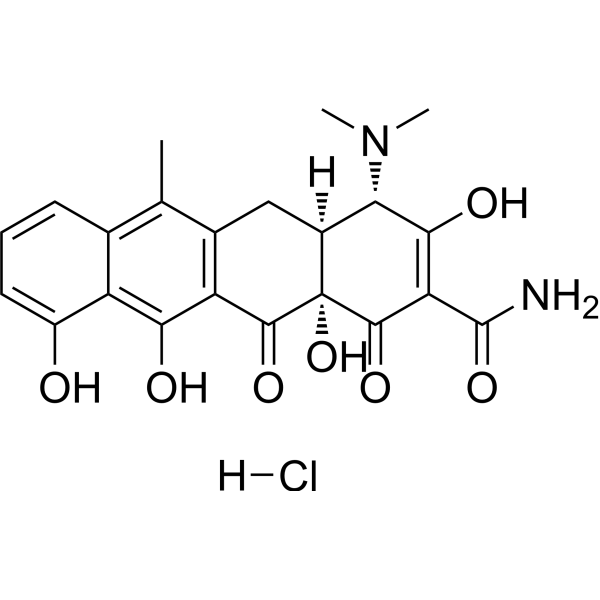
HY-118660
Anhydrotetracycline hydrochloride


Product Information
Information
Application
The compound is the grade of analytical standard, which is the reference standard supplied assay. It is commonly used in qualitative, quantitative and methodological research experiments in HPLC, GC and MS.


Chemical Information
-
CAS No. 392-12-1
-
Appearance Solid
-
Molecular Weight 203.20
-
Formula C11H9NO3
-
Color Off-white to light brown
-
SMILES
O=C(O)C(CC1=CNC2=CC=CC=C12)=O
-
Structure Classification
-
Initial Source
-
Shipping
Room temperature in continental US; may vary elsewhere.
-
Storage
Please store the product under the recommended conditions in the Certificate of Analysis.


Purity & Documentation
-
SDS (393 KB)
- English - EN (393 KB)
- Français - FR (393 KB)
- Deutsch - DE (393 KB)
- Norwegian - NO (393 KB)
- Español - ES (393 KB)
- Swedish - SV (393 KB)
- Italian - IT (393 KB)
- Korean - KR (393 KB)
- Portuguese - PT (393 KB)
-
Handling Instructions (2659 KB)
References
[1]. Reiji Aoki, et al. Protective effect of indole-3-pyruvate against ultraviolet b-induced damage to cultured HaCaT keratinocytes and the skin of hairless mice. PLoS One. 2014 May 8;9(5):e96804. [Content Brief]
[2]. Reiji Aoki, et al. Indole-3-Pyruvic Acid, an Aryl Hydrocarbon Receptor Activator, Suppresses Experimental Colitis in Mice. J Immunol. 2018 Dec 15;201(12):3683-3693. [Content Brief]
[3]. I P Lapin, et al. Anxiolytic effect of indole-3-pyruvic acid (IPA) in mice. Pharmacol Res. 1993 Sep;28(2):129-34. [Content Brief]

Calculators
Concentration (start) × Volume (start) = Concentration (final) × Volume (final)


Indole-3-pyruvic acid (Standard) Related Classifications
HY-W028393R Related Classifications
 Powered by Bioz