



Laminin 521 Protein, Human (HEK293)
Based on 1 Customer Validation
Laminin 521 Protein is a subtype of the laminin family and an important component of the extracellular matrix (ECM). Laminin 521 Protein is often used as a substrate component for stem cell culture and can maintain the self-renewal capacity of embryonic stem cells and induced pluripotent stem cells. Laminin 521 Protein plays a key role in cell adhesion, migration, differentiation, and the development and homeostasis maintenance of tissues and organs. Laminin 521 Protein, Human (HEK293) is a recombinant Laminin 521 Protein expressed in HEK293 cells.
- Species: Human
- Source: HEK293
-
Storage:Stored at -80°C for 1 year from date of receipt. It is stable at -20°C for 3 months after opening. It is recommended to freeze aliquots at -80°C for extended storage. Avoid repeated freeze-thaw cycles.

To place orders, for customer services and technical support, please contact: MedChemExpress USA
Tel: 609-228-6898 E-mail: [email protected] [email protected]


-
 Biological Activity
-
Technical Parameters
-
Product Properties
- Documentation
- References
- Help & FAQs


-
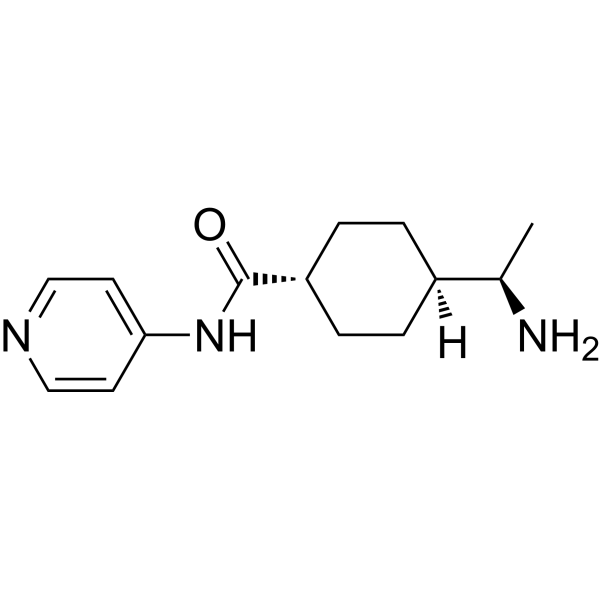
HY-10071
Y-27632ROCK Inhibitor -

HY-P70311
Activin A Protein, Human/Mouse/Rat (HEK293) -
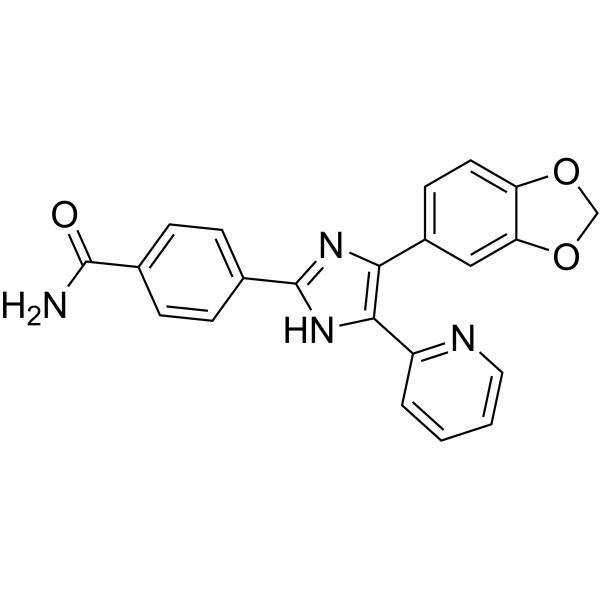
HY-10431
SB-431542TGF-β Receptor Kinase Inhibitor -
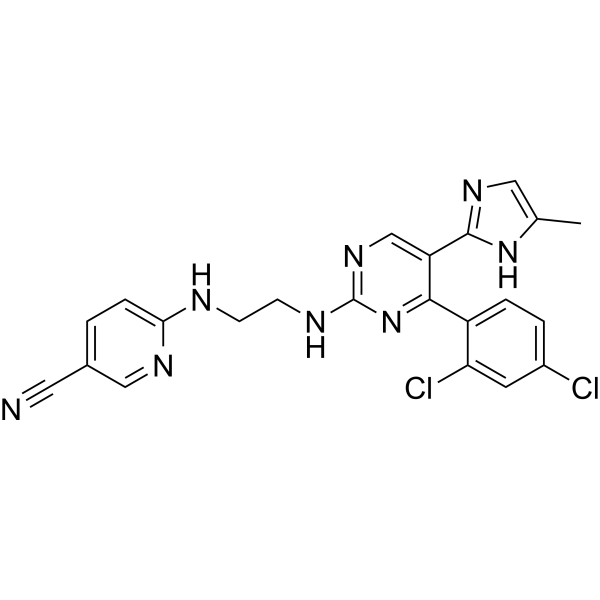
HY-10182
LaduviglusibGSK-3 Inhibitor -
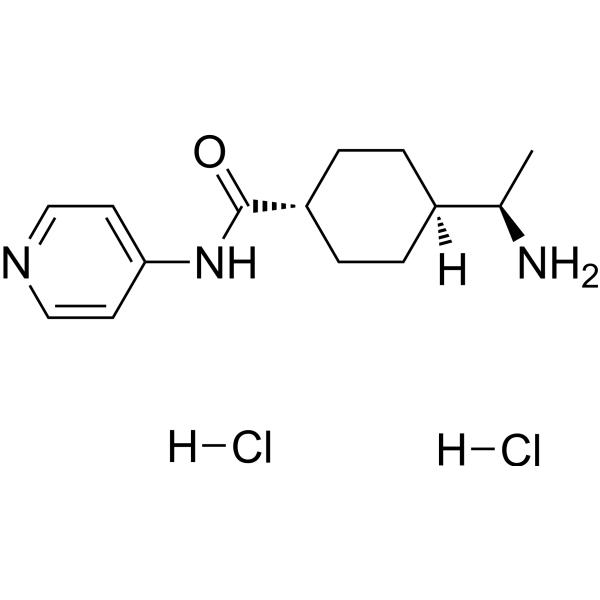
HY-10583
Y-27632 dihydrochlorideROCK Inhibitor -
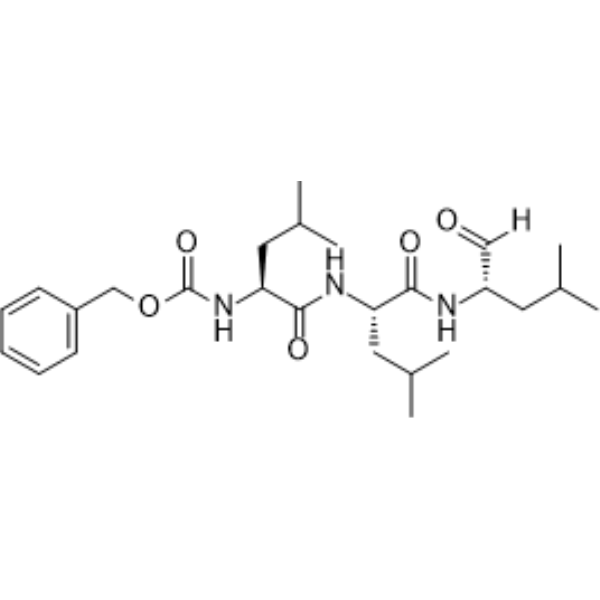
HY-13259
MG-132Proteasome Inhibitor -
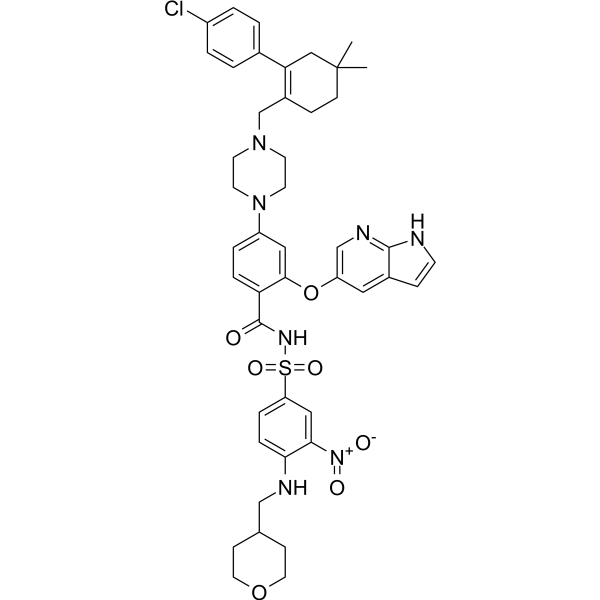
HY-15531
VenetoclaxBCL-2 Inhibitor -
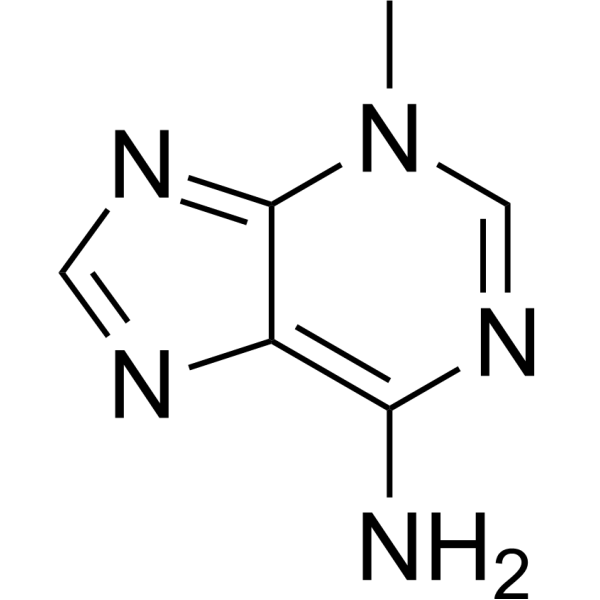
HY-19312
3-MethyladenineAutophagy/PI3K Inhibitor -
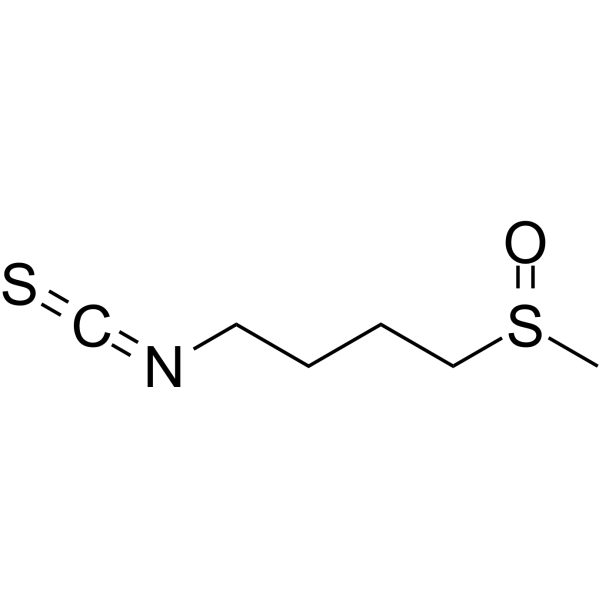
HY-13755
SulforaphaneKeap1/Nrf2/ARE Inducer -
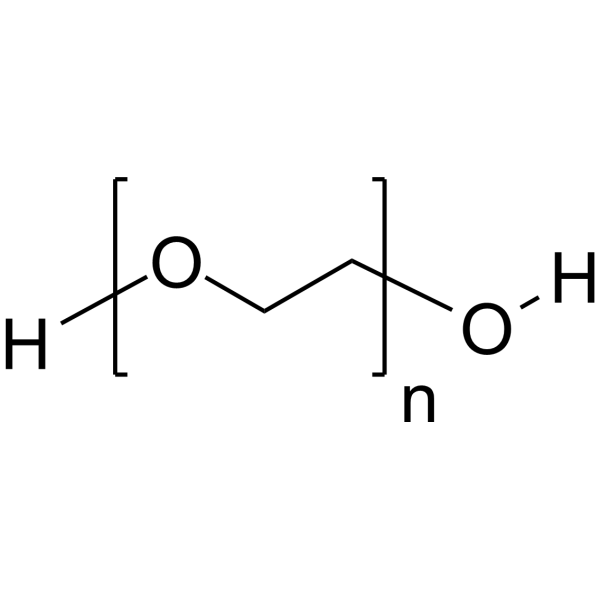
HY-Y0873A
PEG400 -
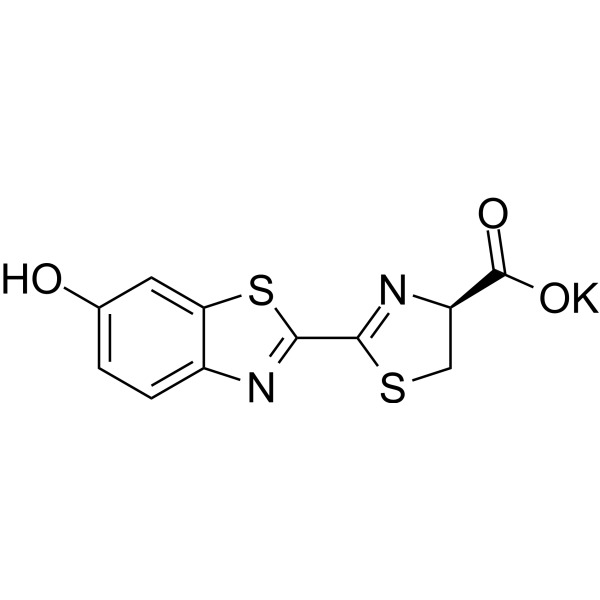
HY-12591B
D-Luciferin potassiumSubstrate for Luciferase -
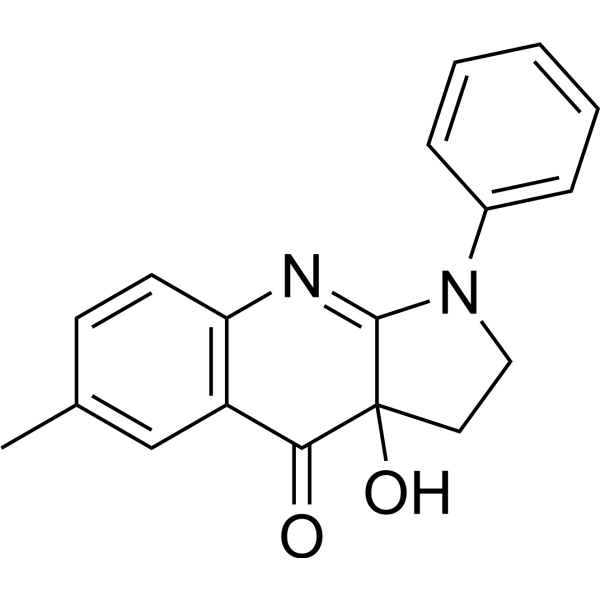
HY-13813
BlebbistatinMyosin II Inhibitor


Biological Activity
Description
Laminin 521 Protein is a subtype of the laminin family and an important component of the extracellular matrix (ECM). Laminin 521 Protein is often used as a substrate component for stem cell culture and can maintain the self-renewal capacity of embryonic stem cells and induced pluripotent stem cells. Laminin 521 Protein plays a key role in cell adhesion, migration, differentiation, and the development and homeostasis maintenance of tissues and organs. Laminin 521 Protein, Human (HEK293) is a recombinant Laminin 521 Protein expressed in HEK293 cells[1][2][3].
Background
Laminin 521 Protein is a heterotrimeric glycoprotein composed of α5, β2, and γ1 chains. Laminin 521 Protein mediates cell adhesion by binding to cell surface receptors and activates intracellular signaling pathways to regulate cell survival, proliferation, and differentiation. During embryonic development, Laminin 521 Protein is involved in basement membrane assembly, supporting the formation of tissues and organs such as skin and muscle, and maintains the structural homeostasis of skeletal muscle and cardiac muscle in adult tissues. Laminin 521 Protein also promotes stem cell adhesion and differentiation and participates in the injury repair process[1][2][3].
In Vitro
Laminin 521 Protein (10 μg/mL; 24-48 h) increases the self-renewal frequency of DLD-1 and CPP19 colorectal cancer cells and the phosphorylation level of STAT3[1].
Laminin 521 Protein (Human; 10 μg/mL; 8 days) maintains the proliferative capacity and differentiation potential of freshly isolated mouse satellite cells[2].


Technical Parameters
-
Species Human
-
Source HEK293
-
Accession
Sequence information is not available or disclosed for this product.
-
Gene ID/
-
Synonyms
Laminin 521
-
Molecular Weight
/
-
Glycosylation
Yes
-
Purity
≥ 95%, as determined by HPLC.


Product Properties
Solution
1.Supplied as a 0.2 μm filtered solution of PBS, pH 7.4.
2.Supplied as a 0.2 μm filtered solution of PBS, 10% glycerol, pH 7.4.
Please refer to the lot-specific COA for specific buffer information.
<1 EU/mL, determined by LAL method.
Stored at -80°C for 1 year from date of receipt. It is stable at -20°C for 3 months after opening. It is recommended to freeze aliquots at -80°C for extended storage. Avoid repeated freeze-thaw cycles.
Shipping with dry ice.


Documentation
-
Data Sheet (260 KB)
-
SDS (251 KB)
- English - EN (251 KB)
- Français - FR (251 KB)
- Deutsch - DE (251 KB)
- Norwegian - NO (251 KB)
- Español - ES (251 KB)
- Swedish - SV (251 KB)
- Italian - IT (251 KB)
- Korean - KR (251 KB)
- Portuguese - PT (251 KB)
-
Handling Instructions (2659 KB)


References
[1]. Qin Y, et al. Laminin 521 enhances self-renewal via STAT3 activation and promotes tumor progression in colorectal cancer. Cancer Lett. 2020 Apr 28;476:161-169. [Content Brief]
[2]. Penton CM, et al. Laminin 521 maintains differentiation potential of mouse and human satellite cell-derived myoblasts during long-term culture expansion. Skelet Muscle. 2016 Dec 13;6(1):44. [Content Brief]
[3]. Chen C, et al. Laminins in osteogenic differentiation and pluripotency maintenance. Differentiation. 2020 Jul-Aug;114:13-19. [Content Brief]

Calculators
Concentration (start) × Volume (start) = Concentration (final) × Volume (final)


 Powered by Bioz

