336 Results for "

CDK4

" in MedChemExpress (MCE) Product Catalog:
Products (336)

336 Results for "CDK4" in MCE Product Catalog:

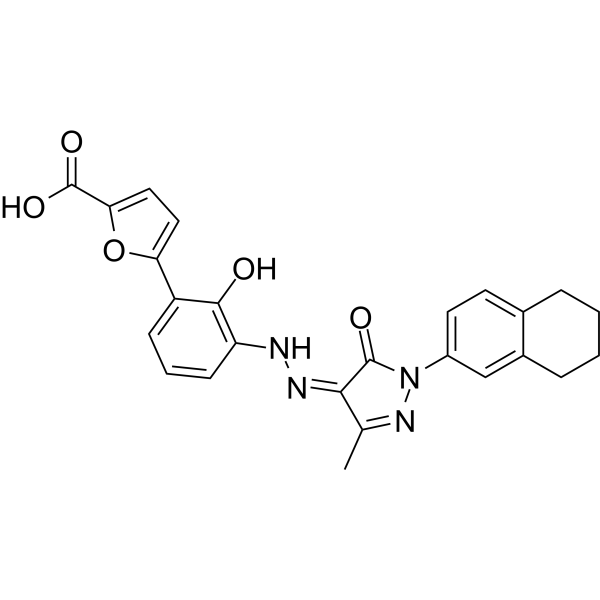
Cat. No.: HY-145589
CAS No.: 2600513-51-5
Synonyms: Hetrombopag; SHR-8735
Rafutrombopag (Hetrombopag) is an orally active nonpeptide thrombopoietin receptor (TPOR/MPL) agonist. Rafutrombopag can chelate iron and alleviate iron overload while promoting haematopoiesis. Rafutrombopag specifically stimulates proliferation and differentiation of human TPOR-expressing cells, including 32D-MPL and human hematopoietic stem cells through stimulation of STAT, PI3K and ERK signalling pathways. Rafutrombopag effectively up-regulates G1-phase-related proteins, including p-RB, Cyclin D1 and CDK4/6, normalizes progression of the cell cycle, and prevents apoptosis by modulating BCL-XL/BAK expression in 32D-MPL cells. Rafutrombopag protects cardiomyocyte survival from oxidative stress damage as an enhancer of stem cells. Rafutrombopag can be used for the study of immune thrombocytopenia and oxidative stress-related cardiovascular disease .
loading...
    loading...
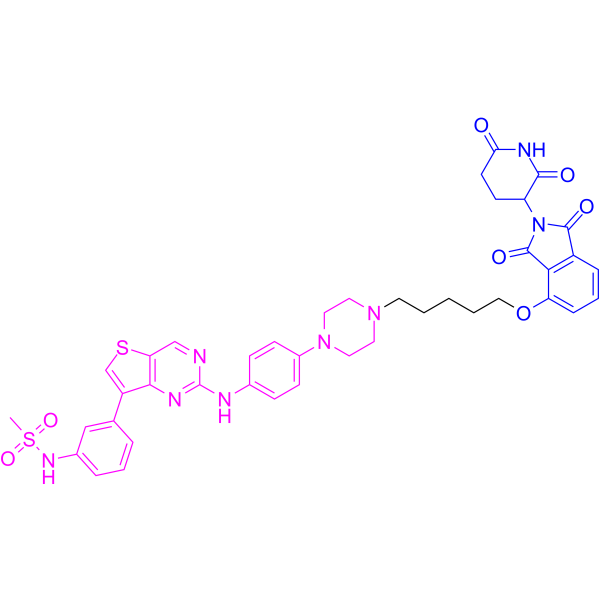
Cat. No.: HY-148063
CAS No.: 2769753-47-9
Purity:  98.80%
DB0614 is a PROTAC based on Cereblon ligand, which is a selective and potent targeted protein degrader of NEK9 inhibitor. DB0614 can degrade ABL1, ABL2, BLK, CDK11B, CDK4, CSK, EPHA3, FER, GAK, LIMK1, MAP3K20, MAP4K1, MAP4K2, MAP4K3, MAP4K5, MAPK14, MAPK7, MAPK8, MAPK9, MAPKAPK2, MAPKAPK3, NLK, PDIK1L, PTK2B, RIPK1, RPS6KA1, RPS6KA3, SIK2, SIK3, STK35, TNK2 and ULK1. DB0614 can be used for research of disease or disorder mediated by aberrant kinase activity .
loading...
    loading...
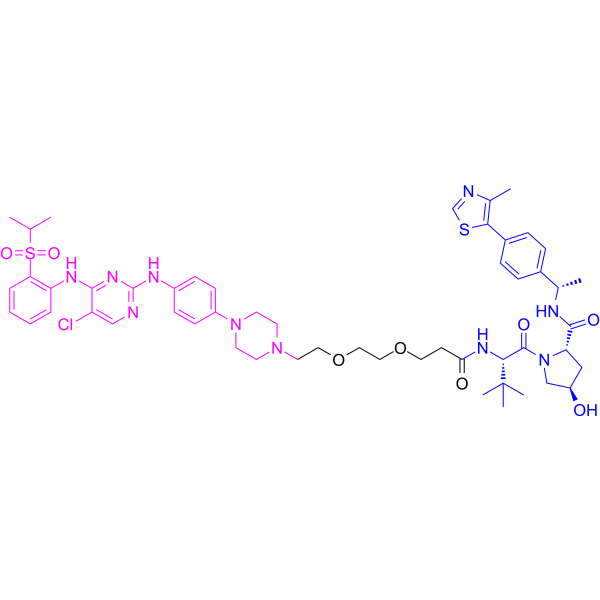
Cat. No.: HY-148065
CAS No.: 2769753-07-1
Purity:  98.77%
FMF-06-098-1 is a multi-target kinase PROTAC degrader. FMF-06-098-1 can be used to target degradation kinases which degrades AAK1, AΒL2, AURKA, AURKB, BUBIB, CDC7, CDK1, CDK12, CDK13, CDK2, CDK4, CDk6, CDK7, CDK9, CHEK1, CSNKID, EPHA1, PER, FGFR1, GAK, IRAK4, ITK, LIMK2, MAP4K2, MAP4K3, MAPK6, MAPK7, MARK4, MELK, PKN3, PLK4, PRKAA1, PTK2, PTK6, RPS6KA4, S1K2, STK35, TNK2, UHMK1, ULK1, and WEE1 .
loading...
    loading...
Cat. No.: HY-P80615A
Synonyms: CDK4 inhibitor p16 INK4 antibody; CDK4I antibody; CDKN2 antibody; CDKN2A antibody; Cell cycle negative regulator beta antibody; CMM2 antibody; Cyclin dependent kinase 4 inhibitor A antibody; Cyclin dependent kinase inhibitor 2A (melanoma p16 inhibits CDK4) antibody; Cyclin Dependent Kinase Inhibitor 2A antibody; Cyclin dependent kinase inhibitor 2A isoform 4 antibody; Cyclin dependent kinase inhibitor 2A isoforms 1/2/3 antibody; Cyclin dependent kinase inhibitor p16 antibody; INK4 antibody; INK4A antibody; MLM antibody; MTS1 antibody; Multiple tumor suppressor 1 antibody; p14 antibody; p16 antibody; P16INK4 antibody; p16INK4a antibody; p19 antibody; p19Arf antibody; TP16 antibody;

Host:  

Rabbit

Application:  

WB, IP

Reactivity:  

Human, Mouse

loading...
    loading...
Cat. No.: HY-119715
CAS No.: 486414-35-1
Target:  

CDK Apoptosis

Research Areas:  

Inflammation/Immunology Cancer

AG-012986 is a pan-CDK inhibitor with Ki values of 44 nM (CDK1), 9.2 nM (CDK4), 94 nM (CDK2), and IC50 values of 22 nM (CDK5), 4 nM (CDK9). AG-012986 causes apoptosis of T-cells by targeting upstream kinases in the p38 Mitogen-activated protein kinase (MAPK) pathway and impairing cellular survival. AG-012986 induces cell cycle arrest, retinoblastoma protein hypophosphorylation, and reduces Ki-67 expression. AG-012986 exerts antiproliferative activity in tumor cells, demonstrates antitumor efficacy in human xenograft models, and causes retinal and peripheral neurotoxicity, plus immune cell toxicity. AG-012986 can be used for the research of colon carcinoma, non-small cell lung carcinoma, lung carcinoma, breast carcinoma, ovarian tumor, pancreatic carcinoma, osteosarcoma, lymphoma, leukemia, retinotoxicity [4].
loading...
    loading...
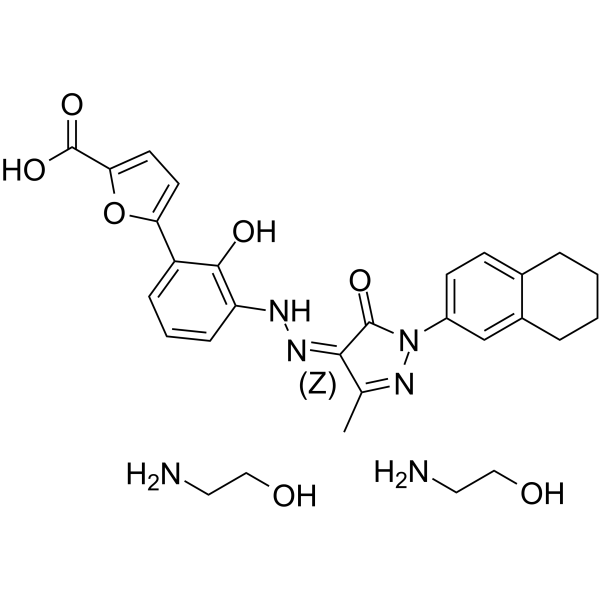
Cat. No.: HY-125101A
CAS No.: 1257792-42-9
Rafutrombopag (Hetrombopag) diolamine is an orally active nonpeptide thrombopoietin receptor (TPOR/MPL) agonist. Rafutrombopag diolamine can chelate iron and alleviate iron overload while promoting haematopoiesis. Rafutrombopag diolamine specifically stimulates proliferation and differentiation of human TPOR-expressing cells, including 32D-MPL and human hematopoietic stem cells through stimulation of STAT, PI3K and ERK signalling pathways. Rafutrombopag diolamine effectively up-regulates G1-phase-related proteins, including p-RB, Cyclin D1 and CDK4/6, normalizes progression of the cell cycle, and prevents apoptosis by modulating BCL-XL/BAK expression in 32D-MPL cells. Rafutrombopag diolamine protects cardiomyocyte survival from oxidative stress damage as an enhancer of stem cells. Rafutrombopag diolamine can be used for the study of immune thrombocytopenia and oxidative stress-related cardiovascular disease .
loading...
    loading...
Cat. No.: HY-181687
Target:  

HSP CDK

Research Areas:  

Cancer

Hsp90-IN-46 is a Hsp90 inhibitor. Hsp90-IN-46 exhibits broad-spectrum antiproliferative activity against tumor cell lines. Hsp90-IN-46 inhibits breast cancer cell proliferation by reducing colony formation and downregulating the proliferation marker Ki-67. Hsp90-IN-46 inhibits Hsp90 and its ATPase activity, downregulates the downstream substrate oncoproteins HER2 and CDK4, and moderately induces the heat shock response. Hsp90-IN-46 shows significant antitumor activity in a mouse model of triple-negative breast cancer tumor xenografts. Hsp90-IN-46 can be used for research on various cancers including triple-negative breast cancer, leukemia, non-small cell lung cancer, colon cancer, ovarian cancer, renal cancer, prostate cancer .
loading...
    loading...
Cat. No.: HY-182470
CAS No.: 486414-32-8
Target:  

CDK

AG-012986 (dihydrochloride) is a pan-CDK inhibitor with Ki values of 44 nM (CDK1), 9.2 nM (CDK4), 94 nM (CDK2), and IC50 values of 22 nM (CDK5), 4 nM (CDK9). AG-012986 (dihydrochloride) causes apoptosis of T-cells by targeting upstream kinases in the p38 Mitogen-activated protein kinase (MAPK) pathway and impairing cellular survival. AG-012986 (dihydrochloride) induces cell cycle arrest, retinoblastoma protein hypophosphorylation, and reduces Ki-67 expression. AG-012986 (dihydrochloride) exerts antiproliferative activity in tumor cells, demonstrates antitumor efficacy in human xenograft models, and causes retinal and peripheral neurotoxicity, plus immune cell toxicity. AG-012986 (dihydrochloride) can be used for the research of colon carcinoma, non-small cell lung carcinoma, lung carcinoma, breast carcinoma, ovarian tumor, pancreatic carcinoma, osteosarcoma, lymphoma, leukemia, retinotoxicity [4].
loading...
    loading...
Cat. No.: HY-N0805R
CAS No.: 26575-95-1
Synonyms: 23-Acetylalismol B (Standard); 23-O-Acetylalisol B (Standard); Alisol B monoacetate (Standard)
Alisol B 23-acetate (Standard) is the analytical standard of Alisol B 23-acetate (HY-N0805). This product is intended for research and analytical applications. Alisol B 23-acetate is an orally active prototerpane-type triterpenoid. Alisol B 23-acetate can be isolated from Alisma orientalis. Alisol B 23-acetate induces Apoptosis, promotes ROS generation, downregulates CDK4/6, MMP-2/9, upregulates cleaved PARP, activates FXR and inhibits Syk. Alisol B 23-acetate has anti-inflammatory and hepatoprotective activities. Alisol B 23-acetate protects the kidney from ischemia-reperfusion injury. Alisol B 23-acetate has anticancer activity against ovarian cancer, colon cancer, lung cancer, and gastric cancer. Alisol B 23-acetate can be used in the study of atherosclerosis and allergic asthma [4] .
loading...
    loading...
Cat. No.: HY-N17617
CAS No.: 70238-51-6
S-Petasin is a phosphodiesterase (PDE) inhibitor with IC50 values of 25.5 μM and 17.5 μM for PDE3 and PDE4, respectively. S-Petasin inhibits cholesterol side-chain cleavage enzyme, 11β-hydroxylase, PPAR-γ, and iNOS induction at RNA and protein levels. S-Petasin induces apoptosis, activates caspases, cleaves PARP, modulates mitochondrial membrane permeability, and regulates BCL2/BAX, p53, Bcl-XL, MMP-2, MMP-9, p21, CDK4, and cyclin D1 expression. S-Petasin reduces inflammatory cell accumulation, cytokine and IgE levels, and enhances serum IgG2a levels. S-Petasin relaxes isolated sensitized guinea pig trachealis and exhibits gastrointestinal anti-spasmodic activity. S-Petasin reduces tonsillitis severity and asthmatic attack frequency. S-Petasin can be used for the research of prostate cancer, obesity, melanoma, allergic asthma, asthma, and peritonitis [4] .
loading...
    loading...
Cat. No.: HY-148062
CAS No.: 2769753-48-0
Purity:  99.85%
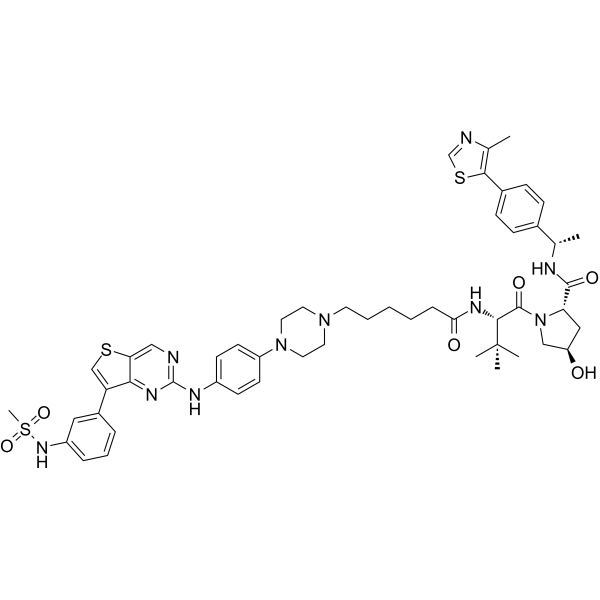
RSS0680 is a small noncoding RNA (sRNA) targeting the mRNA ribosome binding site (RBS) and a PROTAC. RSS0680 competitively binds to RBS through the conserved CCUCCUCCC anti-Shine-Dalgarno (aSD) sequence and inhibits the translation initiation of target genes. RSS0680 can interact with the DUF1127 protein CcaF1, regulate its own stability and participate in bacterial oxidative stress defense, enhancing the host's resistance to heat shock and oxidative damage by affecting pathways such as C1 metabolism and pyruvate dehydrogenase complex. RSS0680 degrades AAK1, CDK1, CDK16, CDK2, CDK4, CDK6, EIF2AK4, GAK, LATSl, LIMK2, MAPK6, MAPKAPK5, MARK2, MARK4, MKNK2, NEK9, RPS6KB1, SIK2, SNRK, STK17A, STK17B, STK35, and WEEl. RSS0680 can be used to study diseases or disorders mediated by aberrant kinase activity and regulatory mechanisms of noncoding RNAs in α-proteobacteria[1][2].
loading...
    loading...
Cat. No.: HY-181727
Research Areas:  

Cancer

AR/AR-V7 degrader-1 is an orally active AR and AR-V7 degrader. AR/AR-V7 degrader-1 disrupts the interaction between AR/AR-V7 and HSP90, leading to their ubiquitination and degradation in castration-resistant prostate cancer cells. AR/AR-V7 degrader-1 regulates the expression of cell cycle-related proteins in prostate cancer cells (downregulates CDK4, CDK6, Cyclin D1, Cyclin E1; upregulates P21) and induces G0/G1 phase arrest. AR/AR-V7 degrader-1 inhibits the proliferation and migration of prostate cancer cells. AR/AR-V7 degrader-1 suppresses the growth of castration-resistant prostate cancer tumors in nude mice and induces the degradation of AR and AR-V7 in tumor tissues. AR/AR-V7 degrader-1 is applicable to the research of castration-resistant prostate cancer .
loading...
    loading...
Cat. No.: HY-N11231
CAS No.: 7176-02-5
Fucoxanthinol, a carotenoid, is a deacetylated Fucoxanthin (HY-N2302) metabolite with oral activity, and inhibits rat pancreatic lipase with an IC50 of 764 nM. Fucoxanthinol reduces expression of Bcl-2, Bcl-xL, survivin, XIAP, cIAP2, cyclin D1, cyclin D2, cyclin E, CDK4, CDK6, β-catenin, JunD, PPARγ, and induces GADD45α expression. Fucoxanthinol activates caspase-3, caspase-8, caspase-9, Nrf2/Keap1/ARE pathway, and inhibits activation of Akt, NF-κB, AP-1, PDPK1, GSK3β phosphorylation. Fucoxanthinol induces apoptosis, G0/G1 cell cycle arrest, inhibits cancer cell viability, proliferation, migration, invasiveness, tumour growth, adipocyte differentiation, oxidative stress, neurotoxicity, triglyceride absorption, angiogenesis, and obesity-induced inflammation. Fucoxanthinol can be used for the research of osteosarcoma, leukemia, lymphoma, adult T-cell leukemia, prostate cancer, colon cancer, breast cancer, hypertriglyceridaemia, Alzheimer’s disease, Parkinson’s disease, obesity, insulin resistance, malignant melanoma, and type II diabetes .
loading...
    loading...
Cat. No.: HY-RS24535
Research Areas:  

Others

Defb1 Rat Pre-designed siRNA Set A contains three designed siRNAs for Defb1 gene (Rat), as well as a negative control, a positive control, and a FAM-labeled negative control.

loading...
    loading...
Cat. No.: HY-103118
CAS No.: 313984-77-9
Purity:  98.92%
Target:  

5-HT Receptor Apoptosis

Research Areas:  

Neurological Disease Cancer

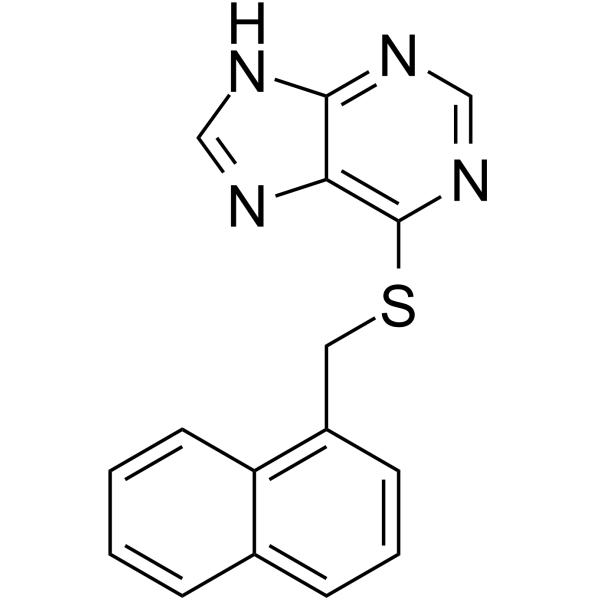
PU02, a derivative of 6-MP (HY-13677), is a negative allosteric modulator (NAM) of 5-HT3 receptor, with IC50 values of 0.36 and 0.73 μM in HEK293 cells transfected with human 5-HT3A and 5-HT3AB receptors respectively .
loading...
    loading...
Cat. No.: HY-124129
CAS No.: 312631-87-1
Purity:  98.22%
Target:  

c-Myc

Research Areas:  

Cancer

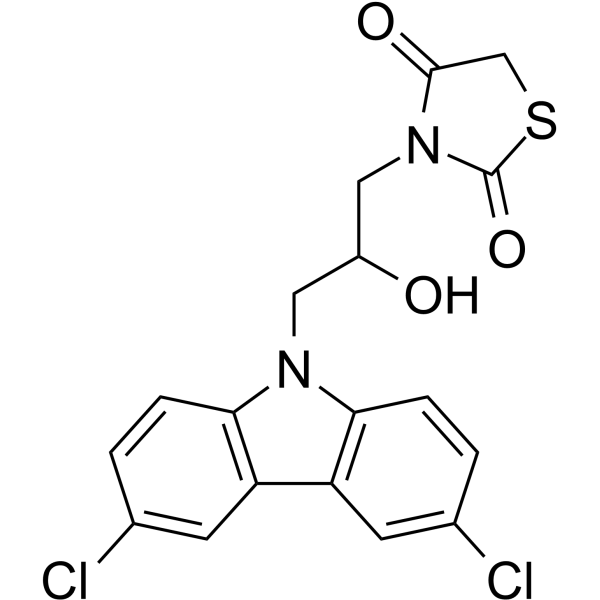
10074-A4 is a c-Myc inhibitor. 10074-A4 could bind to c-Myc370-409 at different sites along the peptide chain. 10074-A4 has anticancer effects .
loading...
    loading...
Cat. No.: HY-N2887
CAS No.: 1354638-93-9
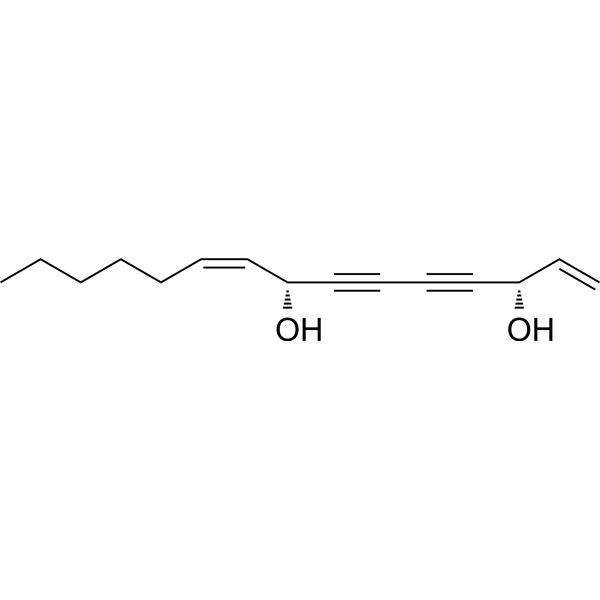
Araliadiol is a polyacetylenic compound isolated from the leaves of Aralia cordata Thunb. Araliadiol inhibits MCF-7 cells growth with an IC50 value of 6.41 μg/mL .
loading...
    loading...
Cat. No.: HY-160941
CAS No.: 247149-58-2
Target:  

CDK

Research Areas:  

Cancer

CDK2-IN-29 (Compound 13q) is an inhibitor for cyclin-dependent kinase (CDK), with IC50 of 96 nM and 360 nM, for CDK 2 and CDK 4, respectively .
loading...
    loading...
Cat. No.: HY-184694
Research Areas:  

Cancer

CDK9 ligand 6 is a PROTAC target protein ligand targeting CDK9, which can be used in research related to PROTAC synthesis, such as serving as the target protein ligand for PROTAC CDK9 degrader-13 (HY-184693) .
loading...
    loading...
Cat. No.: HY-22391
CAS No.: 99733-18-3
Synonyms: tert-Butyl 2,8-diaminooctanoate
Target:  

PROTAC Linkers

Research Areas:  

Cancer

tert-Butyl (7-aminoheptyl) carbamate (tert-Butyl 2,8-diaminooctanoate) is a PROTAC linker that can be used in research related to PROTAC synthesis. tert-Butyl (7-aminoheptyl) carbamate serves as the linker for CPD-10 (HY-168660) .
loading...
    loading...

