
94 Results for "

Colloidal silver

" in MedChemExpress (MCE) Product Catalog:
Products (94)

94 Results for "Colloidal silver" in MCE Product Catalog:

Cat. No.: HY-W034674
CAS No.: 1470-61-7
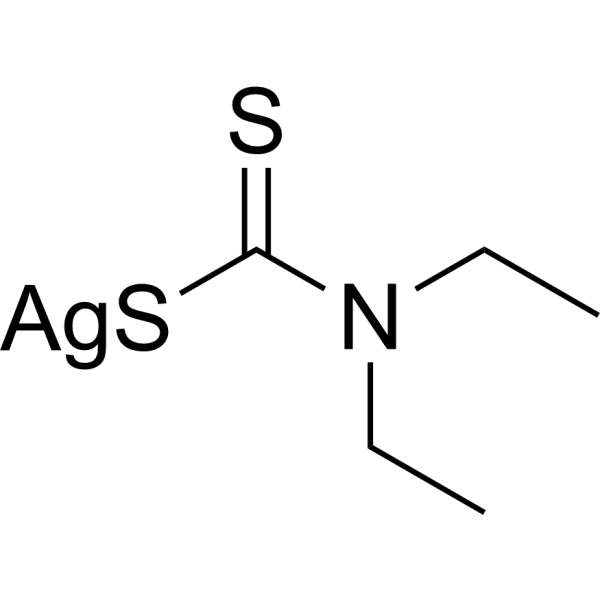
Synonyms: silver(1+) diethyldithiocarbamate
Silver diethyldithiocarbamate (SDDC) is an organic compound consisting of silver ions complexed with the ligand diethyldithiocarbamate. SDDC is mainly used as a reagent in analytical chemistry to detect the presence of copper, iron and other heavy metals in various materials. It acts as a chelating agent, binding to metal ions and forming stable complexes that can be easily analyzed using techniques such as UV-Vis spectroscopy.
loading...
    loading...
Cat. No.: HY-W587415
CAS No.: 109215-55-6
Target:  

Others

Research Areas:  

Others

Nepetalactol is an iridoid. It has been found in Actinidia polygama (the silver vine) as a major cat attractant, and a mosquito repellent.
loading...
    loading...
Cat. No.: HY-D1895A
CAS No.: 164581-25-3
3,5-DiBr-PAESA sodium is a water-soluble pyridylazo-based highly sensitive chromogenic reagent. With the assistance of EDTA for masking copper and bromide ions for dissociating silver chelates, 3,5-DiBr-PAESA sodium enables accurate determination of sub-milligram level silver ions in strongly acidic high-copper systems via flow injection spectrophotometry .
loading...
    loading...
Cat. No.: HY-W019929
CAS No.: 7783-90-6
Synonyms: silver(Ⅰ) Chloride
Target:  

Bacterial

Research Areas:  

Infection

Silver chloride (Silver (Ⅰ) Chloride) is an inorganic salt with antibacterial activity and the property of regulating alcohol oxidase. Silver chloride destabilizes alcohol oxidase and reduces its activity over time. Silver chloride exhibits antibacterial activity against human pathogenic Escherichia coli and Candida albicans. Silver chloride can be used in studies related to bacterial infections and fungal infections .
loading...
    loading...
Cat. No.: HY-158082B
Synonyms: Tetramethyl rhodamine isothiocyanate glucan, MW 40000
Target:  

Fluorescent Dye

Research Areas:  

Others

TRITC-dextran (Tetramethyl rhodamine isothiocyanate glucan), MW 40000 is a TRITC (HY-D0791)-labeled neutral 40 kDa fluorescent polysaccharide probe. TRITC-dextran, MW 40000 forms a membrane layer on the surface of protocells composed of protamine/folate condensates, and is used to assess membrane fluidity via fluorescence recovery after photobleaching. TRITC-dextran, MW 40000 can also be used to evaluate the anti-bacterial invasion ability and colloidal stability of coated condensates, as well as analyze the permeability of vascular and lymphatic endothelial cell layers .
loading...
    loading...
Cat. No.: HY-W002016
CAS No.: 253-52-1
Phthalazine is a chemical scaffold. Phthalazine derivatives act as VEGFR-2 inhibitors, PARP-1 inhibitors, and anticancer agents. The complex of phthalazine with silver exhibits broad-spectrum antibacterial and antifungal activities against Staphylococcus aureus, Enterococcus faecalis, Escherichia coli, Pseudomonas aeruginosa PAO1, and Candida albicans. Phthalazine derivatives possess potent vasodilatory activity. Phthalazine can be used in research related to colon adenocarcinoma, breast cancer, hypertension, diabetes, and microbial infections .
loading...
    loading...
Cat. No.: HY-144012H
CAS No.: 474922-84-4
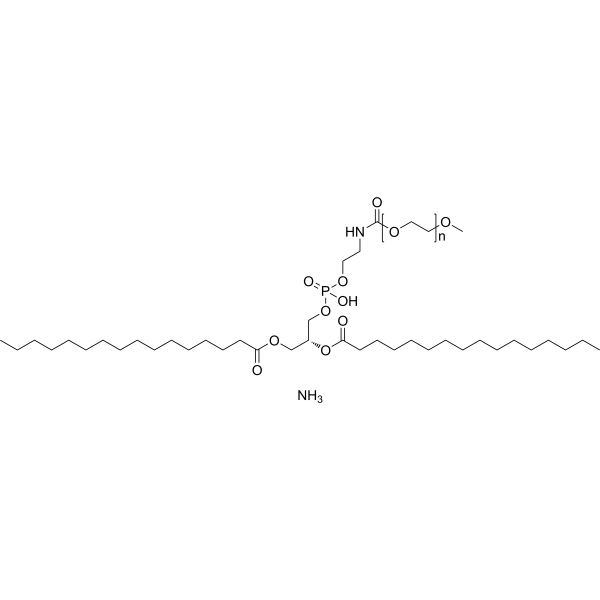
Synonyms: 16:0 PEG5000 PE; 1,2-Dipalmitoyl-sn-glycero-3-phosphoethanolamine-N-[methoxy(polyethylene glycol)-5000] ammonium
Target:  

Liposome

Research Areas:  

Others

DPPE-PEG5000 (16:0 PEG5000 PE) is a polymer-lipid conjugate and LipoParticle stabilizer with a PEG chain of 5,000 g/mol molecular weight attached to its polar head, and it can be internalized by biological membranes. DPPE-PEG5000 enables LipoParticle to maintain colloidal stability after 20-fold dilution in PBS or cell culture medium, and prevents aggregate formation during lyophilization and rehydration. DPPE-PEG5000 helps enhance the non-cytotoxic property of LipoParticle formulations against human osteoblasts. DPPE-PEG5000 serves as a PEG lipid functional end group for synthesizing liposomes (LPs), is used in the design of conjugated polymer nanoparticles, and applies to research related to bone and joint infections .
loading...
    loading...
Cat. No.: HY-B1346
CAS No.: 6899-04-3
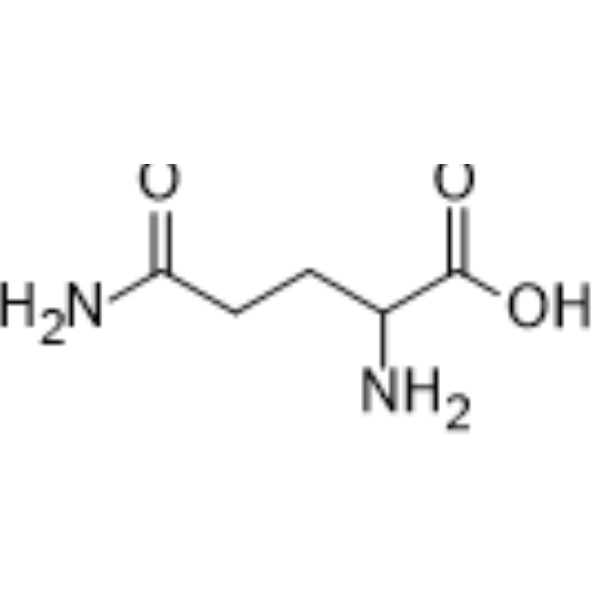
Synonyms: (±)-Glutamine; DL-Gl
DL-Glutamine ((±)-Glutamine; DL-Gl) is an amino acid metabolite. DL-Glutamine is a plasma metabolic biomarker associated with Treg/Th17 balance in an OVA-induced eosinophilic asthma mouse model. DL-glutamine positively correlates with muscle quality parameters such as muscle water-holding capacity and shear force, and negatively correlates with oxidative stress markers and apoptotic gene expression. DL-Glutamine is associated with periodontal pathogens and oral microbial communities in saliva/serum. DL-Glutamine can be used in research related to asthma, muscle quality, and periodontal disease .
loading...
    loading...
Cat. No.: HY-W019930
CAS No.: 7783-96-2
Silver iodide is a kind of biological materials or organic compounds that are widely used in life science research .
loading...
    loading...
Cat. No.: HY-D1895
CAS No.: 100743-65-5
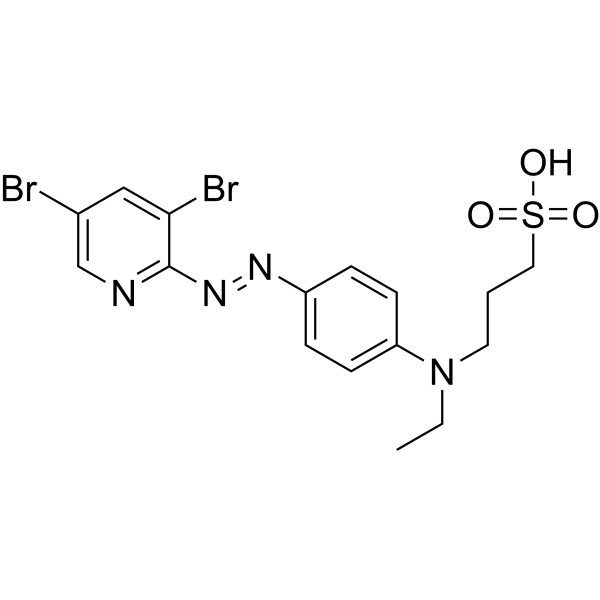
3,5-DiBr-PAESA is a water-soluble pyridylazo-based highly sensitive chromogenic reagent. With the assistance of EDTA for masking copper and bromide ions for dissociating silver chelates, 3,5-DiBr-PAESA enables accurate determination of sub-milligram level silver ions in strongly acidic high-copper systems via flow injection spectrophotometry .
loading...
    loading...
Cat. No.: HY-W009062
CAS No.: 251320-86-2
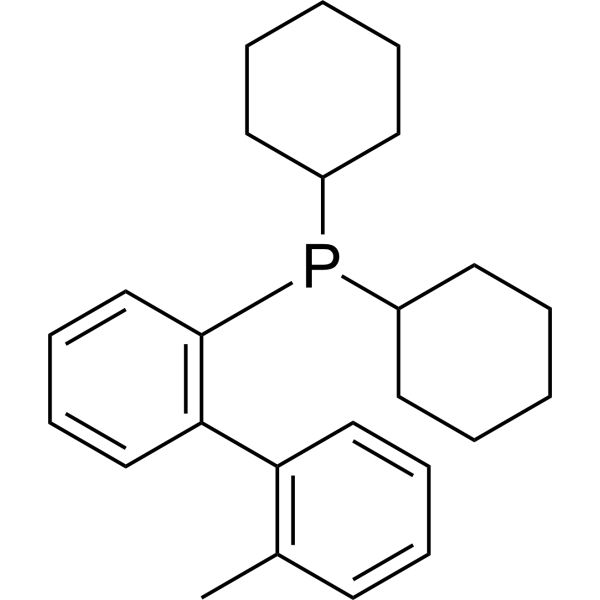
MePhos is an o-BPP ligand. The combination of MePhos and silver carbonate serves as a catalyst for H/D exchange reactions .
loading...
    loading...
Cat. No.: HY-N5070
CAS No.: 176182-06-2
Synonyms: Depressin
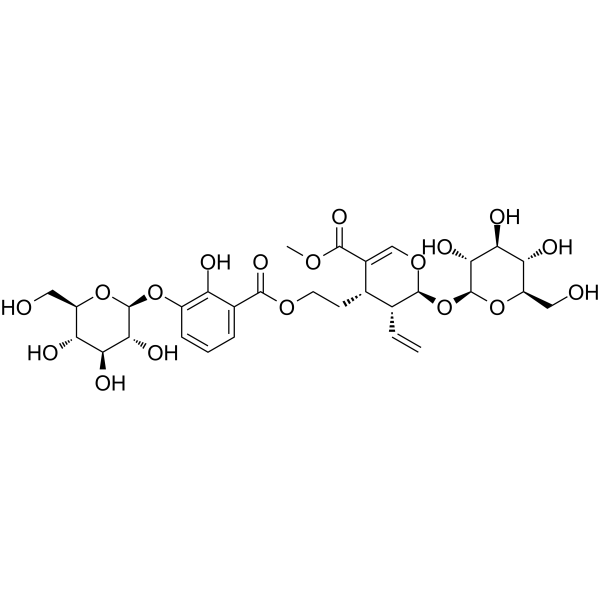
Depressine is an iridoid glycoside that can be isolated from the methanol extract of the aerial parts of Gentiana depressa. Depressine can be used to reduce oxidative DNA base damage and strand breaks that are prone to occur during the preparation of silver nanoparticles (AgNPs) .
loading...
    loading...
Cat. No.: HY-W008145
CAS No.: 13820-53-6
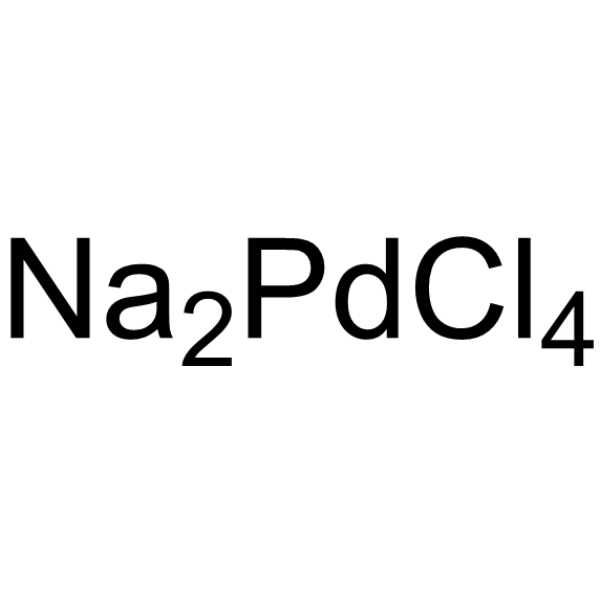
Sodium tetrachloropalladate(II) is an organic compound commonly used as a catalyst and as a raw material for dye production. It can be used to catalyze or promote reactions in certain chemical reactions, and is widely used in the fields of organic synthesis and dye preparation. In addition, the compound is also used for metallization, silver plating and electroplating of circuit boards.
loading...
    loading...
Cat. No.: HY-138822
CAS No.: 102783-53-9
Purity:  ≥95.0%
Synonyms: 2,3-DPG pentasodium salt
Target:  

Endogenous Metabolite

Research Areas:  

Cardiovascular Disease

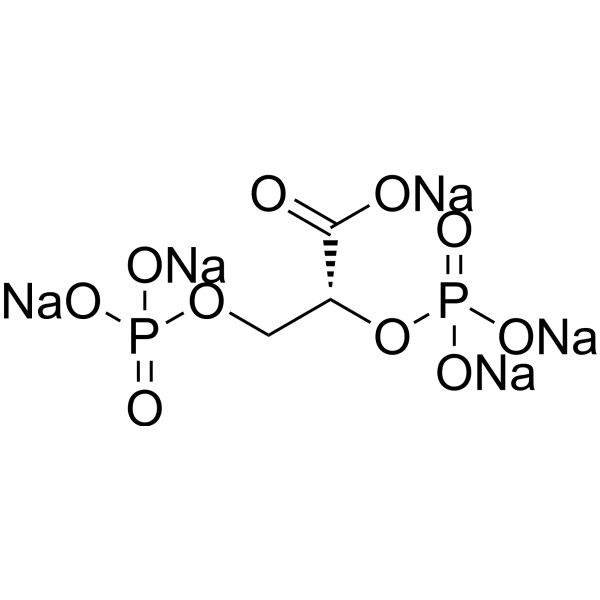
2,3-Diphospho-D-glyceric acid (2,3-DPG) pentasodium salt is a hemoglobin binder and vascular calcification inhibitor that reduces the oxygen affinity of hemoglobin. 2,3-Diphospho-D-glyceric acid pentasodium salt also specifically delays the transformation of colloidal calciprotein particles into crystalline forms, thereby effectively inhibiting vascular smooth muscle cell calcification without affecting the normal formation of osteoid nodules in osteoblast-like cells. 2,3-Diphospho-D-glyceric acid pentasodium salt shows no cytotoxicity to tested cell lines and only weakly interferes with β-hematin formation mediated by glyceryl monopalmitate. 2,3-Diphospho-D-glyceric acid pentasodium salt can be used to study the pathological mechanisms of vascular calcification and malaria-related conditions .
loading...
    loading...
Cat. No.: HY-W007317
CAS No.: 578-66-5
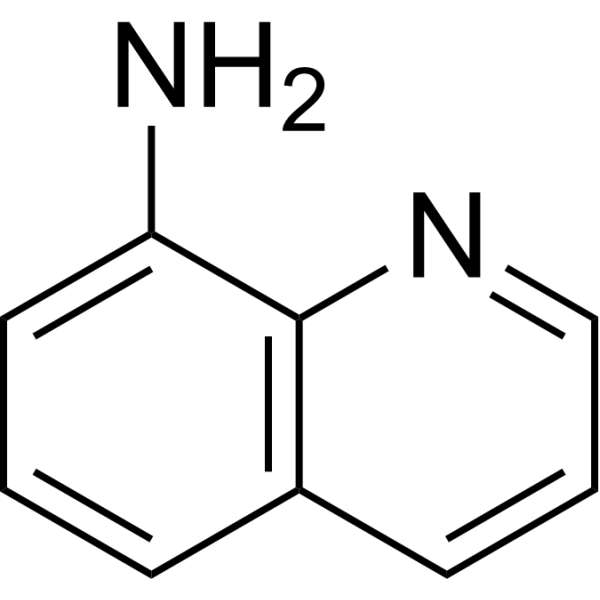
8-Aminoquinoline is a chelating ligand and intermediate. 8-Aminoquinoline assists metal-catalyzed direct C (sp 2)-H and unactivated C (sp 3)-H bond functionalization, copper-mediated C-H/C-H coupling, as well as copper/silver-catalyzed aryl C (sp 2)-H amination reactions. 8-Aminoquinoline forms cationic Pt (II) complexes with anti-tumor activity. 8-Aminoquinoline is used in research related to latent malaria, glioblastoma, pancreatic adenocarcinoma, adenocarcinoma and biphasic mesothelioma .
loading...
    loading...
Cat. No.: HY-W1048849B
Synonyms: 4-Arm PEG-thiol (MW 10000)
4-Arm PEG-SH (MW 10000) (4-Arm PEG-thiol (MW 10000)) is a multi-arm PEG derivative with thiol groups at each end of the four arms. The reactive free thiol, SH or sulfhydryl groups react selectively with maleimide and transition metal surfaces including gold and silver .
loading...
    loading...
Cat. No.: HY-W1048849A
Synonyms: 4-Arm PEG5000-thiol
4-Arm PEG5000-SH (4-Arm PEG5000-thiol) is a multi-arm PEG derivative with thiol groups at each end of the four arms. The reactive free thiol, SH or sulfhydryl groups react selectively with maleimide and transition metal surfaces including gold and silver .
loading...
    loading...
Cat. No.: HY-B0819
CAS No.: 14816-18-3
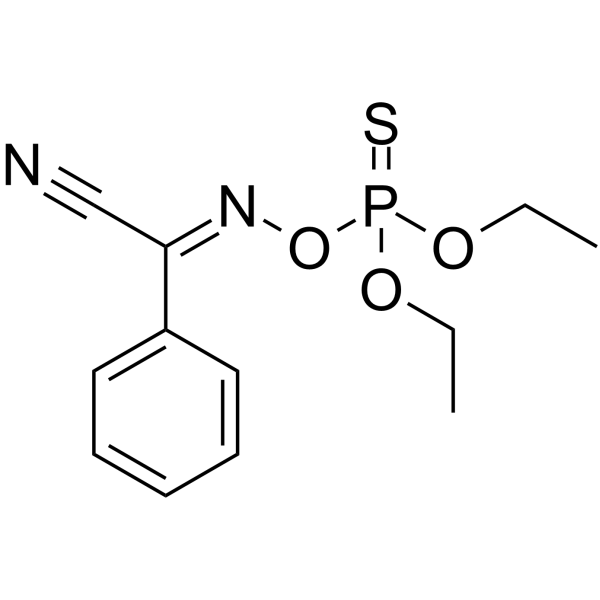
Phoxim is an organophosphorus pesticide and an orally active inhibitor of cholinesterase and CYP3A, which induces neurotoxicity in Caenorhabditis elegans and causes nephrotoxicity characterized by glomerular atrophy and interstitial fibrosis. Phoxim induces inhibition of the autophagy pathway. Phoxim induces dopaminergic neuron degeneration and exacerbates Aβ-induced paralysis. Phoxim damages enterocytes and disrupts intestinal barrier integrity. Phoxim induces ROS accumulation. Phoxim induces mitochondrial apoptosis, involving upregulation of Bad, Bax, caspase-3, and caspase-9 and downregulation of Bcl-2. Phoxim inhibits mitochondrial functional enzymes (COX, Ca 2+-Mg 2+-ATPase, SDH). Phoxim upregulates Nrf2 mRNA expression in the jejunal mucosa. Phoxim increases TNF-α and decreases IL-6 and IL-8 in the intestinal mucosa. Phoxim alters gut microbial composition by increasing total bacteria and Escherichia coli and reducing Lactobacillus. Phoxim enhances energy metabolism in silver carp by upregulating key glycolytic and gluconeogenic enzymes. Phoxim is used in research on neurodegenerative diseases, nephrotoxicity, intestinal oxidative stress and barrier dysfunction, and bacterial sepsis .
loading...
    loading...
Cat. No.: HY-Y0700
CAS No.: 3737-95-9
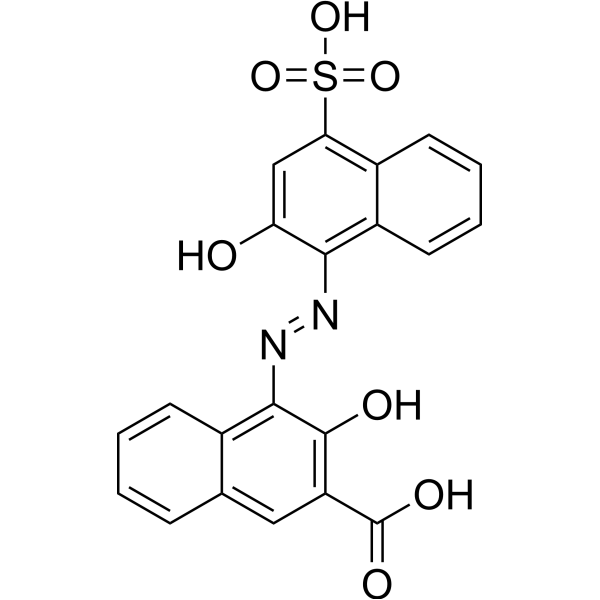
Calconcarboxylic acid, an azo dye, acts as a silver-ion sensitizer to stain protein in SDS-PAGE gels. Calconcarboxylic acid increases silver binding on protein bands or spots by the formation of a silver-dye complex and also increases the reducing power o
loading...
    loading...

