57 Results for "

Zebrafish larvae

" in MedChemExpress (MCE) Product Catalog:
Products (57)

57 Results for "Zebrafish larvae" in MCE Product Catalog:

Cat. No.: HY-N9164
CAS No.: 62874-52-6
Hecubine is a monoterpene indole alkaloid found in Ervatamia ocinalis. Hecubine activates TREM2 expression, reduces LPS (HY-D1056)-stimulated inammatory cytokines (TNF-αIL-6IL-1β) overexpression, as well as suppresses the levels of TLR4-, MyD88-, MAPK/PI3K/AKT- and NF-κB-related proteins. Hecubin also exhibits antioxidative effect, reduces ROS production and activates of the Nrf2/HO-1 pathway. Hecubine rescues LPS-induced behavioral deficits in zebrash larvae. Hecubine can be used for the research of neural inflammation-associated central nervous system diseases .
loading...
    loading...
Cat. No.: HY-169940
Target:  

HDAC

Research Areas:  

Inflammation/Immunology

Fibrostat (Compound 5n) is a selective HDAC6 inhibitor that exerts antifibrotic effects by inhibiting HDAC6 activity, with an IC50 value of 63 nM. It also exhibits good selectivity over HDAC1, HDAC3, HDAC5, HDAC8, HDAC10, and HDAC11. Fibrostat significantly downregulates fibrotic markers (fibronectin and collagen 1) in fibroblasts. Additionally, Fibrostat demonstrated no toxicity in rat-perfused heart and zebrafish larvae models. Fibrostat shows potential for research into fibrosis-related diseases .
loading...
    loading...
Cat. No.: HY-172605
Target:  

Steroid Sulfatase

Research Areas:  

Cancer

Steroid sulfatase-IN-9 (compound 54E) is a steroid sulfatase (STS) inhibitor with the inhibition rates of 87.03% at 10 μM. Steroid sulfatase-IN-9 shows no detectable toxic effects in zebrafish larvae model .
loading...
    loading...
Cat. No.: HY-33798S
CAS No.: 2764814-81-3
3-Bromocarbazole-d7 is the d7-labeled 3-Bromocarbazole (HY-33798). 3-Bromocarbazole is an inhibitor of the aryl hydrocarbon receptor (AHR). 3-Bromocarbazole induces the mRNA expression of CYP1A1 and CYP1B1, with EC50 values of 2500 nM and 1100 nM, respectively. 3-Bromocarbazole inhibits motor neuron axon length by downregulating the mRNA transcription levels of α1-tubulin, Gap43, Syn2a and shha in zebrafish larvae. 3-Bromocarbazole reduces central nervous system neurogenesis by downregulating the mRNA transcription levels of elavl3, nrd, mbp and gfap in zebrafish larvae. 3-Bromocarbazole induces developmental neurotoxicity and decreases body length in zebrafish larvae or embryos; at high concentrations, it also reduces hatching rate, and increases mortality and malformation rate. 3-Bromocarbazole can be used in studies related to developmental neurotoxicity and breast cancer .
loading...
    loading...
Cat. No.: HY-W663938R
CAS No.: 400882-07-7
Cyflumetofen (Standard) is the analytical standard of Cyflumetofen (HY-W663938). This product is intended for research and analytical applications. Cyflumetofen is a non-systemic acylacetonitrile Acaricide. Cyflumetofen interferes with the Wnt/β-catenin signaling pathway, induces Apoptosis, and reduces the level of tight junction proteins. Cyflumetofen upregulates the expression of Pink1, Parkin and Lrrk2 genes associated with the pathogenesis of Parkinson's disease in zebrafish larvae. Cyflumetofen induces developmental toxicity and oxidative stress in zebrafish larvae, damages neurons, reduces motor activity, alters brain tissue structure, and disrupts blood-brain barrier structure. Cyflumetofen exhibits acaricidal activity against spider mites. Cyflumetofen can be used in studies related to Parkinson's disease and infestations by spider mites (Tetranychus urticae, Tetranychus kanzawai, Panonychus citri) .
loading...
    loading...
Cat. No.: HY-B2041
CAS No.: 82560-54-1
Target:  

Insecticide

Research Areas:  

Infection

Benfuracarb is a broad-spectrum carbamate insecticide with crop protection activity. Benfuracarb is used to control springtails, aphids, and other pests, typically on sugar beet crops. Benfuracarb exhibits toxicity to humans and aquatic organisms. Benfuracarb exposure to zebrafish embryos resulted in a reduction in the body length of zebrafish larvae. Superoxide dismutase (SOD) activity was significantly increased after Benfuracarb treatment. Benfuracarb also interfered with the transcriptional levels of marker genes associated with early embryonic development .
loading...
    loading...
Cat. No.: HY-P5318
Research Areas:  

Inflammation/Immunology

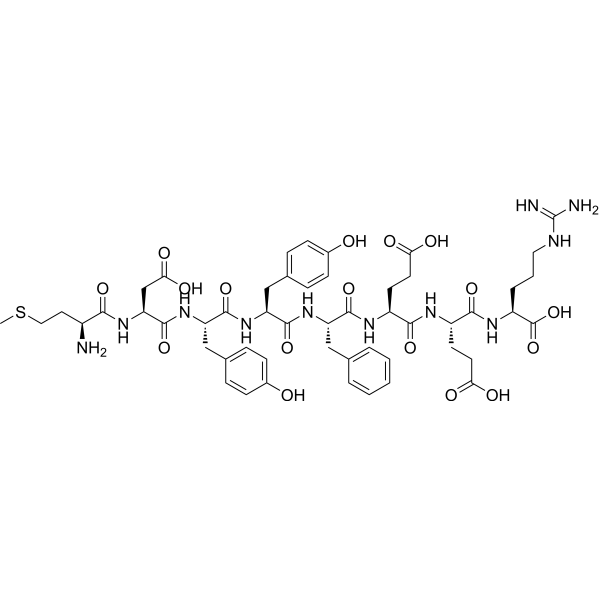
MDYYFEER is an antioxidant active peptide that can be isolated from pancreatin hydrolysate of C-phycocyanin. MDYYFEER has high DPPH and ABTS radical scavenging ability. MDYYFEER protects zebrafish larvae from H2O2-induced oxidative damage .
loading...
    loading...
Cat. No.: HY-P5317
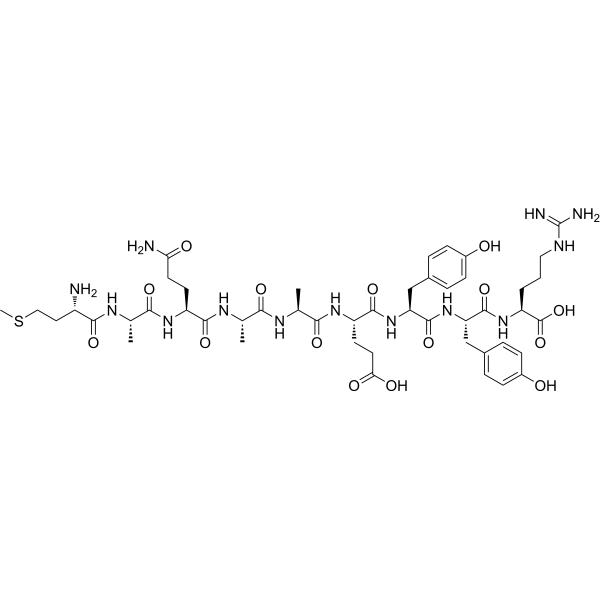
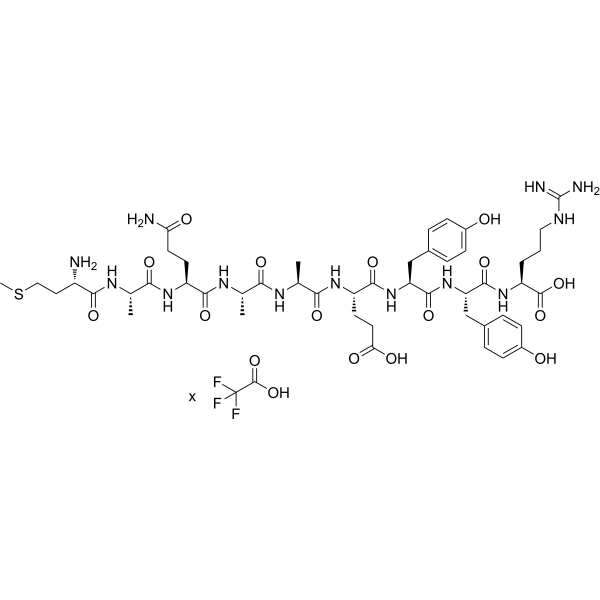
MAQAAEYYR is an antioxidant active peptide that can be isolated from pancreatin hydrolysate of C-phycocyanin. MAQAAEYYR has high DPPH, ABTS radical and ROS-scavenging ability. MAQAAEYYR protects zebrafish larvae from H2O2-induced oxidative damage .
loading...
    loading...
Cat. No.: HY-P5316A
Research Areas:  

Inflammation/Immunology

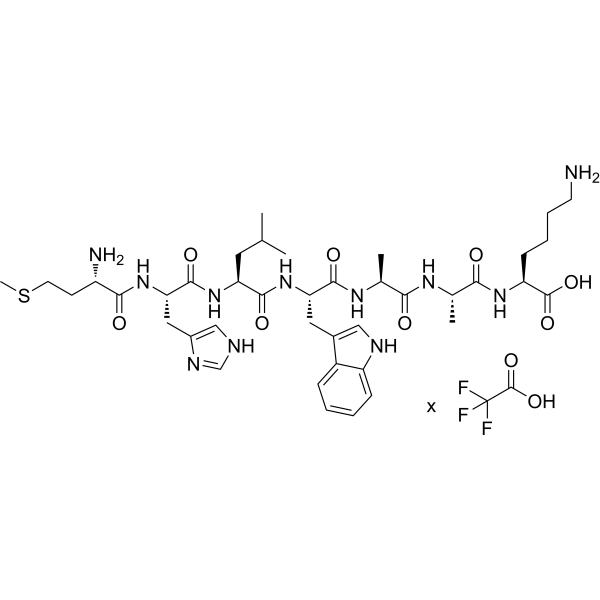
MHLWAAK TFA is an antioxidant active peptide that can be isolated from pancreatin hydrolysate of C-phycocyanin. MHLWAAK TFA has high DPPH and ABTS radical scavenging ability. MHLWAAK TFA protects zebrafish larvae from H2O2-induced oxidative damage .
loading...
    loading...
Cat. No.: HY-P5318A
Research Areas:  

Inflammation/Immunology

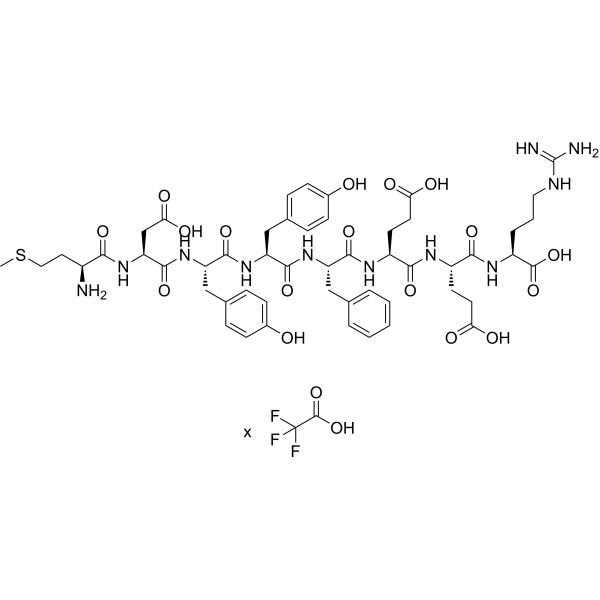
MDYYFEER TFA is an antioxidant active peptide that can be isolated from pancreatin hydrolysate of C-phycocyanin. MDYYFEER TFA has high DPPH and ABTS radical scavenging ability. MDYYFEER TFA protects zebrafish larvae from H2O2-induced oxidative damage .
loading...
    loading...
Cat. No.: HY-P5317A
MAQAAEYYR TFA is an antioxidant active peptide that can be isolated from pancreatin hydrolysate of C-phycocyanin. MAQAAEYYR TFA has high DPPH, ABTS radical and ROS-scavenging ability. MAQAAEYYR TFA protects zebrafish larvae from H2O2-induced oxidative damage .
loading...
    loading...
Cat. No.: HY-B2041R
CAS No.: 82560-54-1
Research Areas:  

Infection

Benfuracarb (Standard) is the analytical standard of Benfuracarb. This product is intended for research and analytical applications. Benfuracarb is a broad-spectrum carbamate insecticide with crop protection activity. Benfuracarb is used to control springtails, aphids, and other pests, typically on sugar beet crops. Benfuracarb exhibits toxicity to humans and aquatic organisms. Benfuracarb exposure to zebrafish embryos resulted in a reduction in the body length of zebrafish larvae. Superoxide dismutase (SOD) activity was significantly increased after Benfuracarb treatment. Benfuracarb also interfered with the transcriptional levels of marker genes associated with early embryonic development .
loading...
    loading...
Cat. No.: HY-119896R
CAS No.: 99129-21-2
Clethodim Standard is the analytical standard of Clethodim (HY-119896). This product is intended for research and analytical applications. Clethodim is a potent acetyl-CoA A carboxylase (ACCase) inhibitor and herbicide. Clethodim inhibits ACCase in plants, thereby blocking fatty acid biosynthesis required for cell membrane and secondary metabolite production . Clethodim exhibits developmental toxicity and neurotoxicity in zebrafish embryos and larvae. Clethodim is used in studies on agricultural herbicides and developmental toxicity .
loading...
    loading...
Cat. No.: HY-W654296
Octocrylene- 13C3 is the 13C-labeled Octocrylene (HY-A0087). Octocrylene is an organic ultraviolet (UV) filter that absorbs mainly UVB radiation and shorter UVA wavelengths. Octocrylene acts as a partial agonist of PPARγ, which alters the gene transcription profile of lipid metabolism enzymes. In addition, Octocrylene is cytotoxic and genotoxic to human skin fibroblasts and mediates the biosynthesis of estrogens such as estriol in zebrafish larvae, while affecting antioxidant pathways including glutathione transferase and peroxisomes .
loading...
    loading...
Cat. No.: HY-W744966R
CAS No.: 374726-62-2
Research Areas:  

Infection

Mandipropamid (Standard) is the analytical standard of Mandipropamid (HY-W744966). This product is intended for research and analytical applications. Mandipropamid is a cellulose synthase (CesA3) inhibitor and fungicide, with an IC50 of 19.8 nM against Phytophthora infestans. Mandipropamid inhibits the synthesis of crystalline cellulose on the cell surface, disrupts the cell wall structure of oomycetes, and induces germ tube tip swelling and growth arrest in Phytophthora infestans. S-Mandipropamid, an isomer of Mandipropamid, exhibits enantioselective acute toxicity to zebrafish embryos and larvae. Mandipropamid is applicable to studies related to plant infections .
loading...
    loading...
Cat. No.: HY-178016
CAS No.: 3097193-89-7
Target:  

Histamine Receptor

Research Areas:  

Neurological Disease

H3R antagonist 8 is a selective nonimidazole histamine H3 receptor antagonist (IC50 = 0.35 μM). H3R antagonist 8 exhibits hERG channel blockade activity (IC50 = 0.67 μM). H3R antagonist 8 inhibits seizures by antagonizing H3 receptor. H3R antagonist 8 reduces tonic hind limb extension (THLE) in mice in the maximal electroshock seizure (MES) model (ED50 = 20.21 mg/kg) and and shortens pentylenetetrazol (PTZ)-induced total movement distance in AB strain zebrafish larvae. H3R antagonist 8 can be used for the study of epilepsy .
loading...
    loading...
Cat. No.: HY-138185
CAS No.: 158792-24-6
Synonyms: SF 2738A
Target:  

Bacterial Apoptosis

Research Areas:  

Cancer

Collismycin A is a bacterial metabolite originally isolated from Streptomyces that has diverse biological activities, including antibacterial, antiproliferative, and neuroprotective properties. It is active against a variety of bacteria (MICs=6.25 and 100 μg/mL) and fungi (MICs=12.5-100 μg/mL). It inhibits proliferation of A549 lung, HCT116 colon, and HeLa cervical cancer cells (IC50s=0.3, 0.6, and 0.3 μM, respectively) and NIH373 fibroblasts (IC50=56.6 μM) but not MDA-MD-231 breast cancer cells (IC50=>100 μM). Collismycin A forms a complex with Fe(II) and Fe(III) at a 2:1 ratio, and the addition of iron ions inhibits the antiproliferative effect of collismycin A on HeLa cells, an effect that does not occur with the addition of zinc, manganese, copper, or magnesium ions.3 Collismycin A (1 μM) prevents apoptosis in the brain region of zebrafish larvae in a model of neuronal cell death induced by all-trans retinoic acid.
loading...
    loading...
Cat. No.: HY-30234S
CAS No.: 1251554-64-9
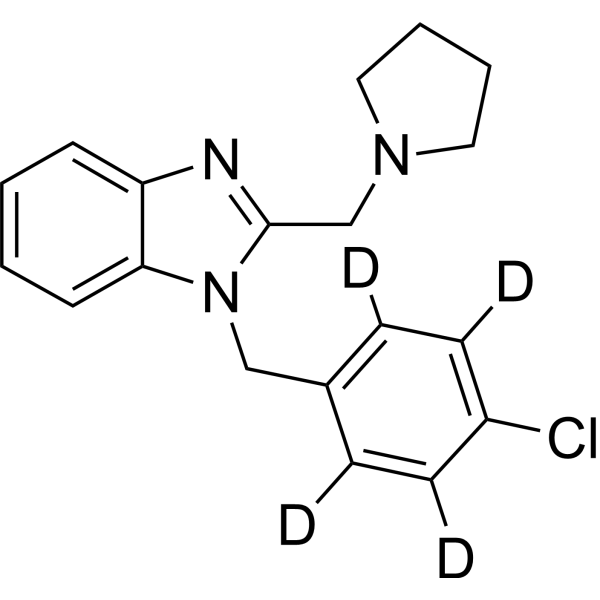
Clemizole-d4 is the deuterated-labeled Clemizole (HY-30234). Clemizole is an orally active, blood-brain barrier permeable TRPC5 inhibitor, with an IC50 value of 1.05-1.34 μM against mouse TRPC5. Clemizole blocks TRPC1:TRPC5, TRPC3, TRPC4, TRPC6, TRPC7, hERG, hKCNQ1/hKCNE1 and hKv1.5 channels, and activates TRPA1; it modulates 5HT-2B and HTR2A receptors; it inhibits HCV RNA replication, CrtN enzymatic activity, oxidative stress, neuroinflammation, cell apoptosis and bacterial virulence; it maintains blood-brain barrier (BBB) integrity; it enhances DNA repair capacity; it improves cell viability; and it alters cardiac electrophysiological properties. Clemizole can be used in the research of Dravet syndrome, hepatitis C virus infection, Staphylococcus aureus skin infection, Cisplatin (HY-17394)-induced nephrotoxicity, STXBP1-related diseases, traumatic brain injury and xeroderma pigmentosum type C .
loading...
    loading...
Cat. No.: HY-181649
CAS No.: 401501-66-4
Target:  

Sigma Receptor

Research Areas:  

Neurological Disease

S1R agonist 3 is a potent, selective and brain-penetrant sigma-1 receptor (S1R) agonist with a Ki of 1.5 nM. S1R agonist 3 reduces hyperlocomotion in wfs1abKO zebrafish larvae without affecting locomotion in wildtype wfs1abWT zebrafish larvae. S1R agonist 3 reverses Aβ25-35 (HY-P0128)-induced learning and memory impairments. S1R ligand 1 can be used for the research of Alzheimer’s disease .
loading...
    loading...
Cat. No.: HY-182334
Target:  

Sodium Channel

Research Areas:  

Cardiovascular Disease

azo-Q2a is a photoswitchable NaV1.5 inhibitor. azo-Q2a exists as the trans isomer with low activity in the dark or under 480 nm illumination, and exists as the cis isomer with higher inhibitory potency under 365 nm illumination. azo-Q2a reduces the heart rate of living zebrafish larvae in a light-dependent manner. azo-Q2a can be used for the study of arrhythmias .
loading...
    loading...

