72 Results for "

weak bind

" in MedChemExpress (MCE) Product Catalog:
Products (72)

72 Results for "weak bind" in MCE Product Catalog:

Cat. No.: HY-169259
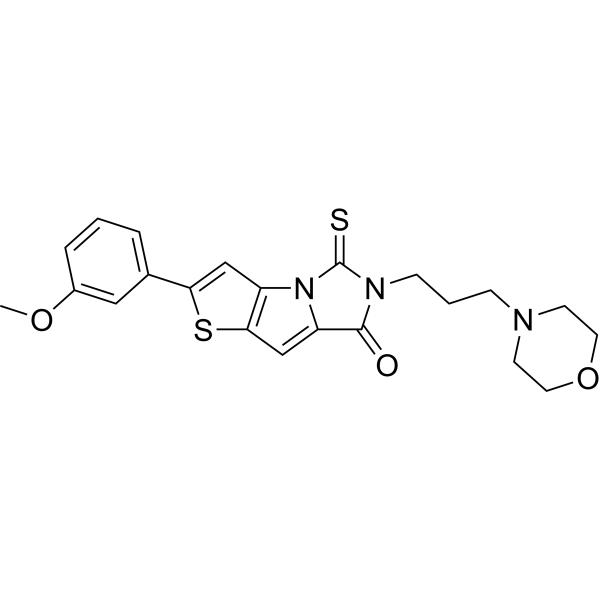
HDAC9-IN-1 is a selective class IIa HDAC inhibitor that binds to HDAC9 with an IC50 of 40 nM. HDAC9-IN-1 potently inhibits HDACs 4 and 7 while showing weak activity against HDAC6 (IC50 values: 180 nM (HDAC4), 190 nM (HDAC7), 970 nM (HDAC6)). HDAC9-IN-1 significantly inhibits several human cancer cells, induces apoptosis and DNA damage in human cancer cells, and modulates caspase-related proteins and p38 in human cancer cells. HDAC9-IN-1 can be used for the research of oral cancer, breast cancer, gastric cancer .
loading...
    loading...
Cat. No.: HY-148433
CAS No.: 251106-30-6
Purity:  ≥95.0%
Target:  

Parasite

Research Areas:  

Infection Inflammation/Immunology

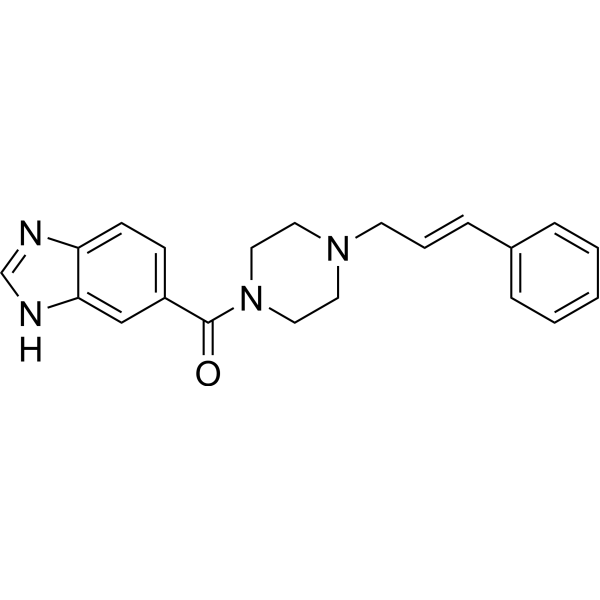
SpdSyn binder-1 is a weak binder, which binds in the active site of plasmodium falciparum spermidine synthase. SpdSyn binder-1 can be used for the research of malaria .
loading...
    loading...
Cat. No.: HY-118922
CAS No.: 389142-48-7
Purity:  99.04%
IW927 is a photochemically enhanced TNF-α-TNFR1 interaction inhibitor that blocks the binding of TNF-α to TNFRc1 with an IC50 value of 50 nM. IW927 binds reversibly to the TNFRc1 with weak affinity (Kd = 40-100 μM), covalently modifies the receptor via a photochemical reaction, and does not bind the related cytokine receptors TNFRc2 or CD40. IW927 disrupts TNFα-induced IκB phosphorylation with an IC50 value of 600 nM. IW927 can be used to develop light-independent inhibitors .
loading...
    loading...
Cat. No.: HY-113421
CAS No.: 68171-52-8
Purity:  ≥98.0%
Synonyms: Linoleic acid monoethanolamide
Target:  

Cannabinoid Receptor

Research Areas:  

Neurological Disease

Linoleoyl ethanolamide (Linoleic acid monoethanolamide) is classified as a fatty acid ethanolamide. Linoleoyl ethanolamide only weakly binds G-protein-coupled cannabinoid receptors of type-1(CB1)and CB2 receptors, and inhibits the binding of [3H]CP-55,940 with Kis of 10 and 25 μM, respectively. Linoleoyl ethanolamide is 4-fold less potent than anandamide at causing catalepsy in mice and it does not prolong sleep time .
loading...
    loading...
Cat. No.: HY-143883
CAS No.: 2376137-41-4
Target:  

PROTACs Akt

Research Areas:  

Cancer

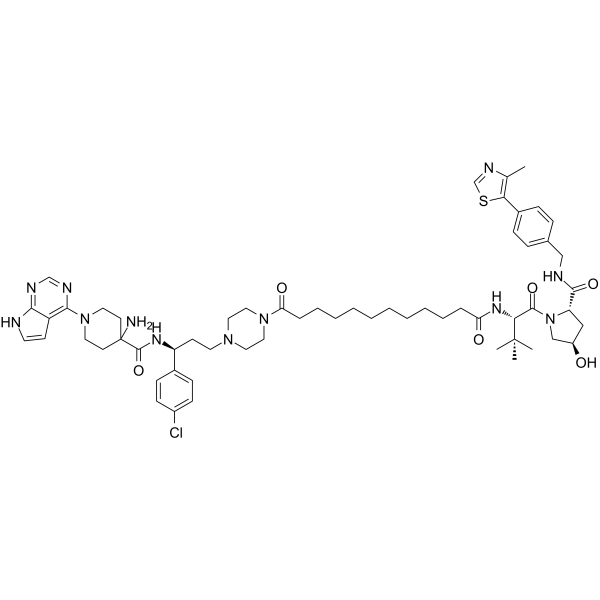
MS143 is a VHL-recruiting AKT protein PROTAC degrader with a DC50 of 46 nM in PC3 prostate cancer cells. MS143 preferentially binds to AKT1 and AKT3, with weaker binding activity towards AKT2. MS143 degrades AKT and blocks the phosphorylation of downstream signaling molecules in the PI3K/AKT/mTOR pathway. MS143 inhibits cancer cell growth and xenograft tumor growth. MS143 can be used for research on prostate cancer, triple-negative breast cancer, and breast cancer .
loading...
    loading...
Cat. No.: HY-D1190
CAS No.: 198696-03-6
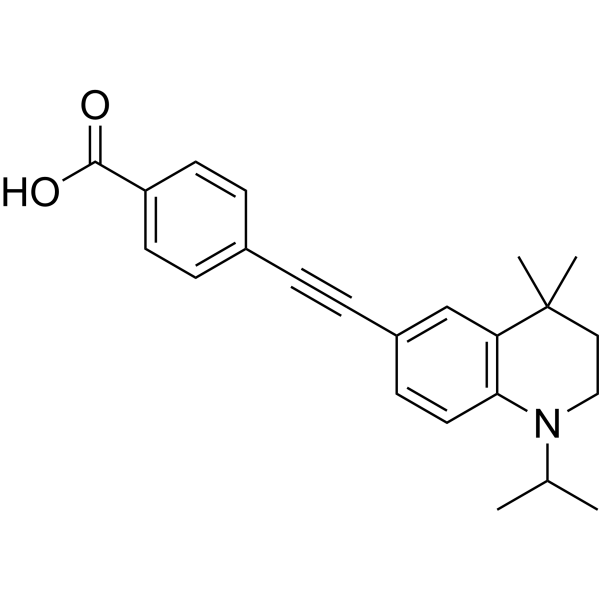
DC271 is a RAR agonist and synthetic retinoid that binds to the retinoid-binding site of cellular retinoic acid-binding protein II (CRBP-II). DC271 exhibits solvatochromic fluorescence properties: it produces intense blue-shifted emission in nonpolar environments and weak red-shifted emission in polar environments, and its severe fluorescence quenching in aqueous solutions can be reversed by embedding in the hydrophobic retinoid-binding protein pocket. DC271 enables direct detection of the binding between unlabeled compounds and related retinoid-binding proteins via fluorescence competition assays (Ex/Em = 355 nm/460 nm) .
loading...
    loading...
Cat. No.: HY-W654003
Synonyms: Disodium (R)-2-hydroxyglutarate-d5
D-α-Hydroxyglutaric acid-d5 disodium (Disodium (R)-2-hydroxyglutarate-d5) is the deuterium labeled D-α-Hydroxyglutaric acid disodium (HY-100542). D-α-Hydroxyglutaric acid disodium (Disodium (R)-2-hydroxyglutarate) is the principal metabolite accumulating in neurometabolic disease D-2-hydroxyglutaric aciduria. D-α-Hydroxyglutaric acid disodium is a weak competitive antagonist of α-ketoglutarate (α-KG) and inhibits multiple α-KG-dependent dioxygenases with a Ki of 10.87 mM. D-α-Hydroxyglutaric acid disodium increases reactive oxygen species (ROS) production. D-α-Hydroxyglutaric acid disodium binds and inhibits ATP synthase and inhibits mTOR signaling .
loading...
    loading...
Cat. No.: HY-130581
CAS No.: 86559-73-1
Target:  

Bacterial

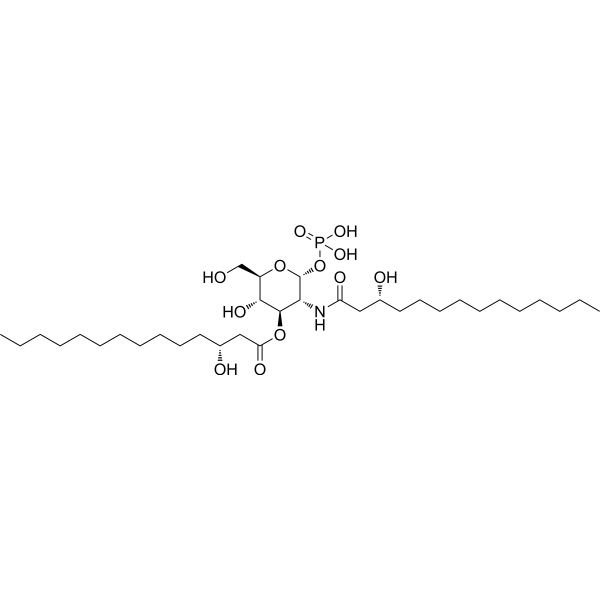
Lipid X is a 2,3-diacylglucosamine-1-phosphate that serves as the monosaccharide precursor of lipid A, possessing both LPS antagonist and weak agonist activities. Lipid X exerts protective effects by inhibiting tumor necrosis factor production, monocyte procoagulant activity, and neutrophil priming. Lipid X may induce transient pulmonary hypertension, neutropenia, and mild pyrogenic effects in laboratory animals. Lipid X has low toxicity and no in vitro antibacterial activity, but it significantly reduces mortality following Gram-negative bacterial infection and endotoxin exposure. Lipid X tends to accumulate in liver tissue, binds to circulating cellular components, and can be converted to lipid Y through transesterification. Lipid X can be used in research on Gram-negative bacterial sepsis, endotoxemia, and associated pulmonary hypertension .
loading...
    loading...
Cat. No.: HY-168546
CAS No.: 2154353-03-2
Research Areas:  

Others

CFT-1297 is a CRBN-recruiting BRD4 PROTAC degrader with a DC50 of 5 nM; it has KD values of 2.1 μM, 0.68 μM and 58 nM for CRBN, BRD4 (BD2) and BRD4 (BD1), respectively. CFT-1297 binds weakly to CRBN-DDB1, with a KD value of 2.1 μM .
loading...
    loading...
Cat. No.: HY-125864A
CAS No.: 9001-32-5
Canine Fibrinogen is a natural fibrinogen derived from canine plasma. Canine Fibrinogen specifically binds to the host SpsL, but shows weak binding affinity to fibrinogen from other mammals including humans. Canine Fibrinogen binds to the N2N3 subdomain of SpsL via the "anchor-lock-latch" model, and interacts with multiple sites in its α-chain C domain. The binding of Canine Fibrinogen to SpsL promotes bacterial aggregation, biofilm formation, and enhances bacterial resistance to neutrophil phagocytosis. Canine Fibrinogen can be used in studies related to canine skin infections .
loading...
    loading...
Cat. No.: HY-135096
CAS No.: 342611-00-1
Purity:  99.46%
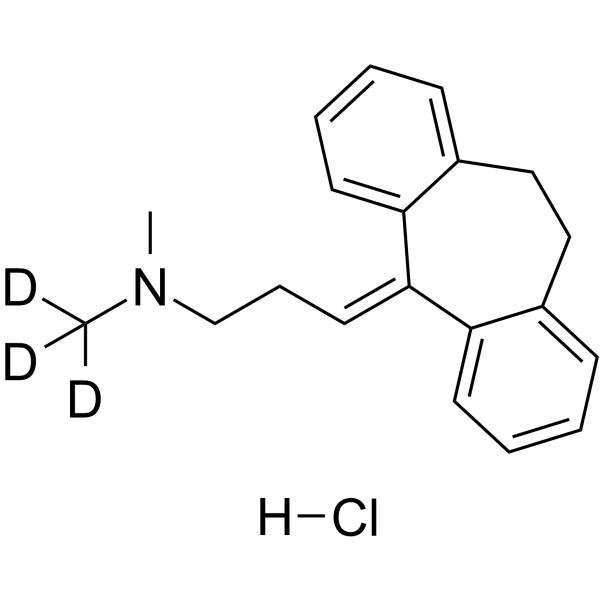
Amitriptyline-d3 hydrochloride is the deuterium labeled Amitriptyline (hydrochloride). Amitriptyline hydrochloride is an inhibitor of serotonin reuptake transporter (SERT) and noradrenaline reuptake transporter (NET), with Kis of 3.45 nM and 13.3 nM for human SERT and NET, respectively. Amitriptyline hydrochloride also weakly binds to dopamine reuptake transporter (DAT) with a Ki of 2.58 μM. Amitriptyline hydrochloride also inhibits adrenergic, muscarinic, histamine and 5-HT receptors. Amitriptyline hydrochloride is a TrkA and TrkB receptors agonist with potent neurotrophic activity. Amitriptyline hydrochloride has antidepressant activity .
loading...
    loading...
Cat. No.: HY-113421S
CAS No.: 1451194-69-6
Linoleoyl ethanolamide-d4 is a deuterated labeled Linoleoyl ethanolamide . Linoleoyl ethanolamide (Linoleic acid monoethanolamide) is classified as a fatty acid ethanolamide. Linoleoyl ethanolamide only weakly binds G-protein-coupled cannabinoid receptors of type-1(CB1)and CB2 receptors, and inhibits the binding of [3H]CP-55,940 with Kis of 10 and 25 μM, respectively. Linoleoyl ethanolamide is 4-fold less potent than anandamide at causing catalepsy in mice and it does not prolong sleep time .
loading...
    loading...
Cat. No.: HY-113329R
CAS No.: 543-18-0
Synonyms: Taurocyamine (Standard)
Guanidinoethyl sulfonate (Standard) is the analytical standard of Guanidinoethyl sulfonate. This product is intended for research and analytical applications. Guanidinoethyl sulfonate is an orally available, blood-brain permeable competitive inhibitor of taurine transporters and a competitive antagonist of glycine receptors (GlyR) (IC50=565 μM). Guanidinoethyl sulfonate has both weak agonist and antagonist effects on GABAA receptors. Guanidinoethyl sulfonate inhibits taurine transmembrane transport and competitively binds to the GlyR ligand binding domain, thereby blocking glycine-mediated chloride influx, and may regulate brain pH to exert neuroprotective effects. Guanidinoethyl sulfonate can be used for neuroprotection studies of ischemic brain injury .
loading...
    loading...
Cat. No.: HY-137709
CAS No.: 1465774-27-9
Research Areas:  

Metabolic Disease

2'2'-cGAMP, a synthetic CDN, binds STING in the immune response, inducing IFN-β. 2'2'-cGAMP binds weaker binding to STING than 2'3'-cGAMP (HY-100564) but stronger than other CDNs .
loading...
    loading...
Cat. No.: HY-W142258
CAS No.: 927-49-1
6-Undecanone is a ligand of Odorant-binding protein 22 (OBP22) with a weak bind capacity. -Undecanone can be used as a negative control for Aedes aegypti mosquito infection research .
loading...
    loading...
Cat. No.: HY-130845
CAS No.: 1818885-54-9
AR antagonist 1 (compound 29) is a potent androgen receptor (AR) antagonist and binds to E3 ligase ligands with weak binding affinities to VHL protein in the synthesis of PROTAC ARD-266 (HY-133020).
loading...
    loading...
Cat. No.: HY-P11354
THR-123 is an orally active ALK3 peptide agonist. THR-123 has a relatively weak binding to ALK2, but does not bind to ALK6. THR-123 suppresses inflammation, apoptosis and the epithelial-to-mesenchymal transition program and reverses established fibrosis in five mouse models of acute and chronic renal injury. THR-123 can be used for the study of kidney fibrosis .
loading...
    loading...
Cat. No.: HY-179109
Research Areas:  

Others

EIF2B-IN-1 (Compound A) is an eIF2B inhibitor. EIF2B-IN-1 binds eIF2B. EIF2B-IN-1 stabilises the eIF2B decamer and favours inhibitory eIF2B:eIF2(αP) complex formation. EIF2B-IN-1 exhibits weak displacement of ISRIB. EIF2B-IN-1 can be used in the research of integrated stress responses .
loading...
    loading...
Cat. No.: HY-P11354A
THR-123 TFA is an orally active ALK3 peptide agonist. THR-123 TFA has a relatively weak binding to ALK2, but does not bind to ALK6. THR-123 TFA suppresses inflammation, Apoptosis and the epithelial-to-mesenchymal transition program and reverses established fibrosis in five mouse models of acute and chronic renal injury. THR-123 TFA can be used for the study of kidney fibrosis .
loading...
    loading...
Cat. No.: HY-103336
CAS No.: 1186195-59-4
Synonyms: T1117
Research Areas:  

Cancer

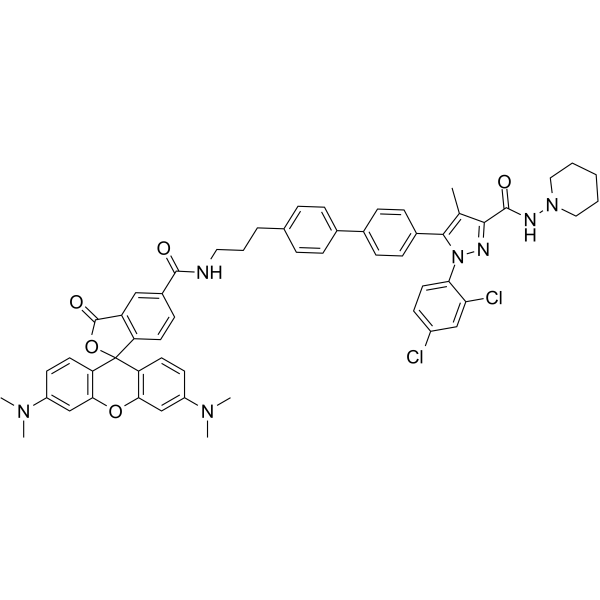
Tocrifluor 1117 is a selective GPR55 ligand and fluorescent probe. Tocrifluor 1117 shows extremely low affinity for mouse CB1 receptors (Ki >1000 nM) and only weakly displaces CB1 agonists. Tocrifluor 1117 specifically activates GPR55 to trigger intracellular calcium oscillations, and binds to vascular smooth muscle, endothelial and adventitial cells; all these binding effects are inhibited by pretreatment with unlabeled AM251 or O1602. Tocrifluor 1117 can clearly visualize the distribution of GPR55 in vascular tissues via confocal microscopy, while its uptake in cancer cells is completely dependent on GPR55 expression .
loading...
    loading...

