
156 Results for "

p53 expression

" in MedChemExpress (MCE) Product Catalog:
Products (156)

156 Results for "p53 expression" in MCE Product Catalog:

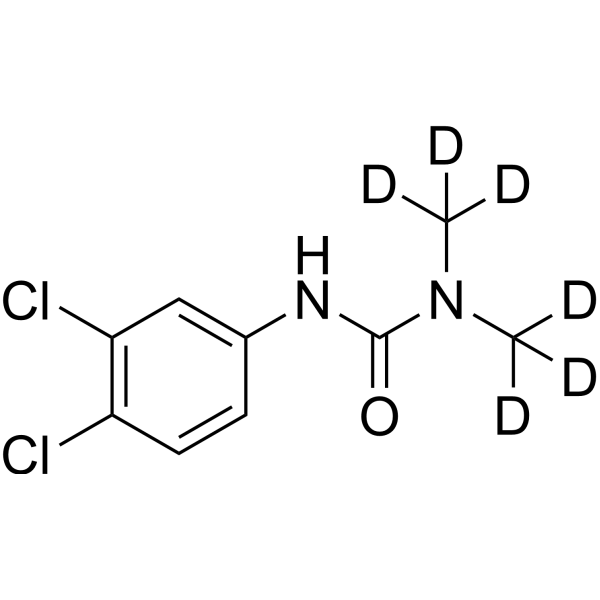
Cat. No.: HY-B0860S
CAS No.: 1007536-67-5
Diuron-d6 is the deuterium labeled Diuron (HY-B0860). Diuron is an orally active phenylurea herbicide. Diuron inhibits photosynthesis in plants by blocking the formation of ATP and NADH. Diuron increases the production of ROS. Diuron increases expression of p53 in certain cell lines. Diuron has herbicidal activity against annual and perennial broadleaf weeds and grass weeds. Diuron promotes DMBA/BBN-induced bladder cancer. Diuron can be used in breast cancer research .
loading...
    loading...
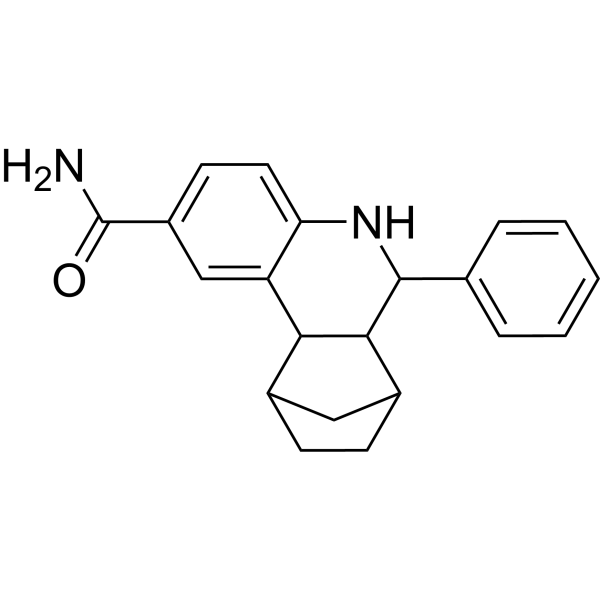
Cat. No.: HY-148408
CAS No.: 1005095-06-6
Purity:  99.94%
Target:  

Sirtuin

Research Areas:  

Cancer

SIRT2-IN-11 (AEM1) is a selective SIRT2 inhibitor with an IC50 value of 18.5 μM. SIRT2-IN-11 p53-dependently induces apoptosis, activates expression of CDKN1A, PUMA and NOXA, and increases acetylation of p53. SIRT2-IN-11 can be used for the research of p53-related cancers .
loading...
    loading...
Cat. No.: HY-N15314
CAS No.: 212115-96-3
Syringolin A is a plant elicitor that can be produced by the plant pathogen Pseudomonas syringae pv. syringae. Syringolin A exhibits anti-proliferative activity against a variety of cancer cells (IC50 for SK-N-SH, LAN-1, SKOV3 is 20-25 µM), induces apoptosis in SK-N-SH through upregulation of p53 expression and downregulation of Akt/PKB proteins .
loading...
    loading...
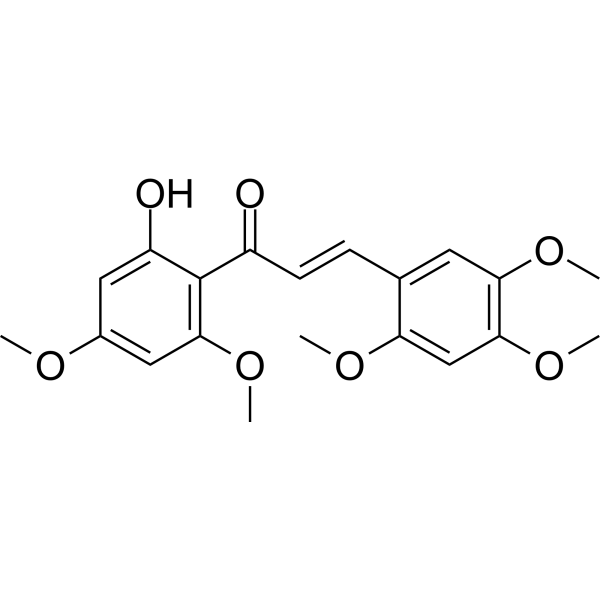
Cat. No.: HY-119833
CAS No.: 73694-15-2
Purity:  99.1%
Rubone, a chalcone analog, is a modulator of miR-34a. Rubone upregulates miR-34a expression in a p53 dependent manner, downregulates the downstream target Bcl-2 and Cyclin D1 expression, and suppresses hepatocellular carcinoma (HCC) growth in vivo. Rubone enhances the anticancer effect of Paclitaxel (PTX; HY-B0015) in PTX-resistant prostate cancer cell lines by reversing the expression of miR-34a downstream targets .
loading...
    loading...
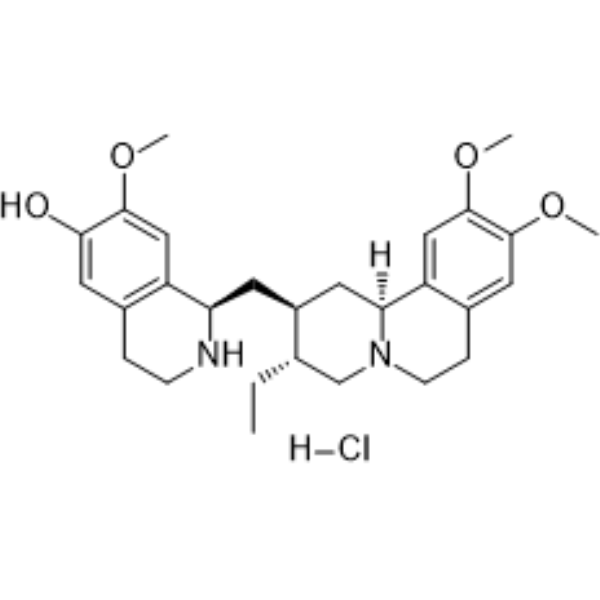
Cat. No.: HY-N2076
CAS No.: 3738-70-3
Synonyms: (-)-Cephaeline hydrochloride; NSC 32944 monohydrochloride
Cephaeline hydrochloride ((-)-Cephaeline (hydrochloride); NSC 32944 (monohydrochloride)) is a ferroptosis inducer, with broad-spectrum anticancer and antiviral activities. Cephaeline hydrochloride induces Ferroptosis by upregulating p53, inhibiting NRF2, activating ULK3, downregulating the expressions of SLC7A11 and GPX4 in a p53-dependent manner, reducing GSH and mitochondrial membrane potential, and increasing lipid peroxidation and iron accumulation. Cephaeline hydrochloride inhibits cancer cell proliferation, migration and tumor growth. Cephaeline hydrochloride inhibits Ebola virus (EBOV) VLP entry and infection, with IC50 values of 3.27 μM and 22.18 μM respectively; it also inhibits Zika virus (ZIKV) NS5 RdRp activity (IC50 = 976 nM), and binds to severe acute respiratory syndrome coronavirus 2 (SARS-CoV-2) RdRp and N protein, with Kd values of 8.9 μM and 53.8 μM respectively. Cephaeline hydrochloride can be used in studies related to breast cancer, lung cancer, COVID-19, EBOV and ZIKV infections .
loading...
    loading...
Cat. No.: HY-179520
CAS No.: 1685279-23-5
Research Areas:  

Cancer

XSJ151 is a topoisomerase I inhibitor, stabilizing the DNA-Topo I covalent complex and inducing DNA double-strand breaks. XSJ151-induces DNA damage activates the p53-p21 signaling pathway, specifically regulating the expression of cyclins, leading to G2/M phase cell cycle arrest and disrupting the dynamic homeostasis of Bcl-2 family proteins, thereby triggering apoptosis in gastric cancer cells. XSJ151 can be used for the study of gastric cancer .
loading...
    loading...
Cat. No.: HY-B0294R
CAS No.: 31430-15-6
Flubendazole (Standard) is the analytical standard of Flubendazole. This product is intended for research and analytical applications. Flubendazole is an anthelmintic drug based on altering microtubule structure, inhibition of tubulin polymerization and disruption of microtubule function. Flubendazole induces apoptosis in human colorectal cancer (CRC) by blocking the STAT3 signaling axis and activation of autophagy. Flubendazole induces P53 expression and reduced Cyclin B1 and p-cdc2 expression. Flubendazole is an antitumor agent. Flubendazole can be used for worm and intestinal parasites .
loading...
    loading...
Cat. No.: HY-129247
CAS No.: 6807-96-1
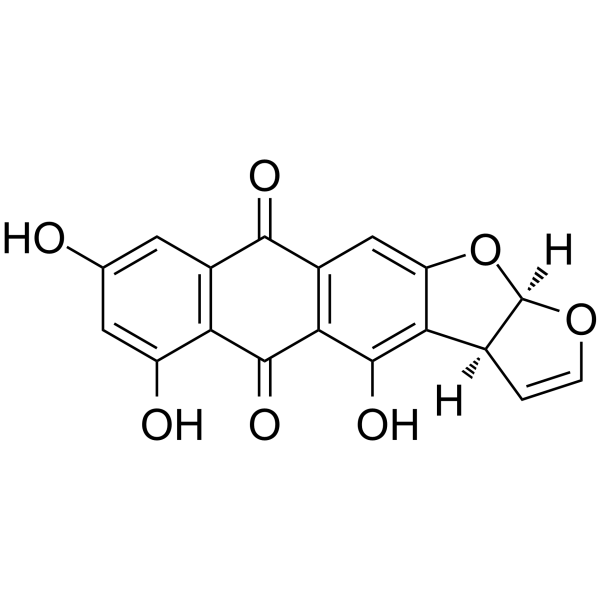
Versicolorin A is a biosynthetic precursor of Aflatoxin B1 (HY-N6615). Versicolorin A induces phosphorylation of p53. Versicolorin A activates the aryl hydrocarbon receptor AhR and significantly induces the expression of CYP1A1. Versicolorin A exerts genotoxic and cytotoxic effects. Versicolorin A enhances the genotoxicity of aflatoxin B1 in cells by promoting CYP450-mediated bioactivation of aflatoxin B1. Versicolorin A can be used in research related to colorectal cancer and hepatocellular carcinoma .
loading...
    loading...
Cat. No.: HY-W034419
CAS No.: 91634-12-7
Target:  

MDM-2/p53 Apoptosis

Research Areas:  

Cancer

STIMA-1 can stimulate mutant p53 DNA binding in vitro and induce expression of p53 target proteins and trigger apoptosis in mutant p53-expressing human tumor cells .
loading...
    loading...
Cat. No.: HY-113843
CAS No.: 1035875-01-4
Target:  

MDM-2/p53

Research Areas:  

Cancer

RETRA (hydrobromide) is a mutant p53-dependent activator of p73 that can inhibit cancer cells carrying mutant p53. RETRA (hydrobromide) increases the expression level of p73, induces transcriptional activation of several common to transcriptional targets p53 and p73, which leads to mutant p53- and p73-dependent inhibition of tumor growth, reduction of colony formation and induction of effector caspases .
loading...
    loading...
Cat. No.: HY-146095
CAS No.: 2338764-89-7
Research Areas:  

Cancer

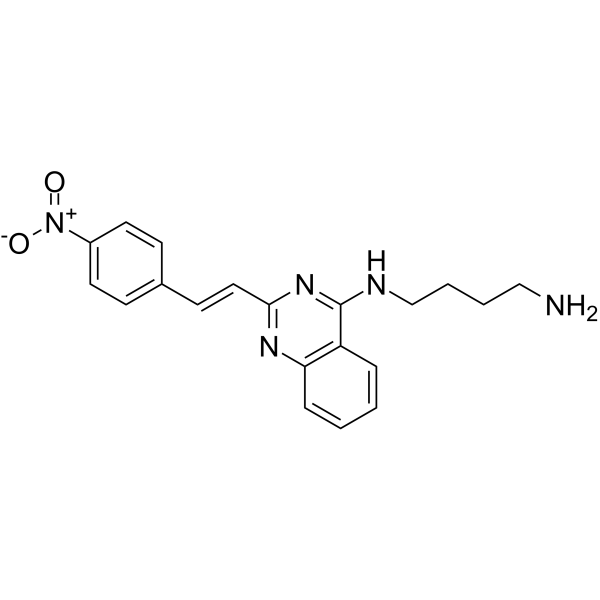
p53 Activator 2 (compound 10ah) intercalats into DNA and results in significant DNA double-strand break.p53 Activator 2 increases the expression of p53, p-p53, CDK4, p21 to cause cell cycle arrest at G2/M phase.p53 Activator 2 induce apoptosis and significantly down-regulates the anti-apoptosis proteins Bcl-2, Bcl-xL and the levels of cyclin B1.p53 Activator 2 has anti-proliferation activity against MGC-803 cells, with an IC50 of 1.73 µM. p53 Activator 2 displays potent anticancer efficiency against MGC-803 xenograft tumors models .
loading...
    loading...
Cat. No.: HY-N12233
CAS No.: 11051-90-4
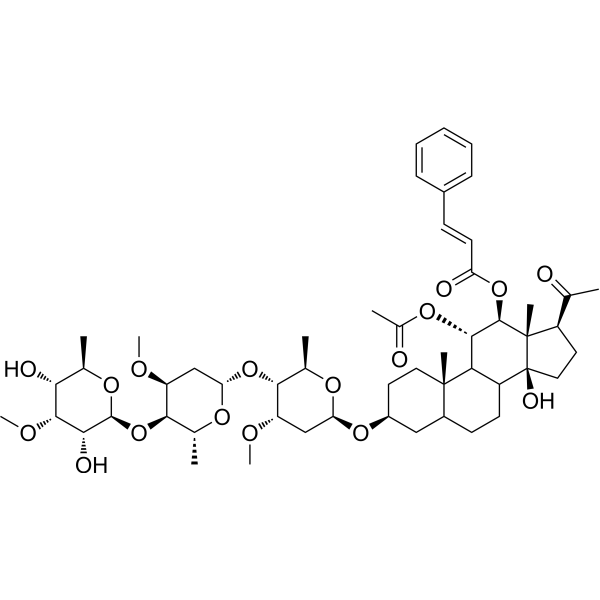
Condurango glycoside A is an activator of p53. Condurango glycoside A initiates ROS generation and up-regulates p53 expression. Condurango glycoside A induces apoptosis and pre-mature senescence associated with DNA damage in HeLa cells .
loading...
    loading...
Cat. No.: HY-169347
CAS No.: 3085297-83-9
Synonyms: LC-05-004
Research Areas:  

Cancer

dCK1α-2 is an orally active CK1α molecular glue degrader that targets p53 pathway-related targets. dCK1α-2 exhibits anti-tumor efficacy in mouse models and can increase the expression of p53-related genes. .
loading...
    loading...
Cat. No.: HY-178036
ZM484 is a potent dual p53-MDM2/TOP1 inhibitor that exhibits antiproliferative and antitumor activity both in vitro and in vivo. ZM484 effectively upregulates p53 and MDM2 proteins and maintains TOP1 inhibitory activity by the release of camptothecin (CPT) and a potent p53-MDM2 inhibitor. ZM484 induces cell cycle arrest and apoptosis by regulating the expression of key apoptosis- and cycle-related proteins, including caspase-3, Bcl-2, and Cyclin B1. ZM484 can be used for colorectal cancer research .
loading...
    loading...
Cat. No.: HY-108433
CAS No.: 1670277-66-3
Synonyms: Carnitine palmitoyltransferase 2
Target:  

Apoptosis MDM-2/p53

Research Areas:  

Metabolic Disease Cancer

CPT2 (Carnitine palmitoyltransferase 2), an enzyme that participates in fatty acid oxidation, also is a colorectal cancer (CRC) prognostic biomarker. CPT2 overexpression can activate p-p53 to increase p53 expression, thereby inhibiting tumor proliferation and promoting apoptosis. CPT2 deficiency results in the most common inherited disorder of long-chain fatty acid oxidation affecting skeletal muscle. Downregulation of CPT2 is also highly correlated with the progression of various cancers and has potential for cancer research .
loading...
    loading...
Cat. No.: HY-176230
CAS No.: 3126555-64-1
Target:  

DNA Methyltransferase

Research Areas:  

Cancer

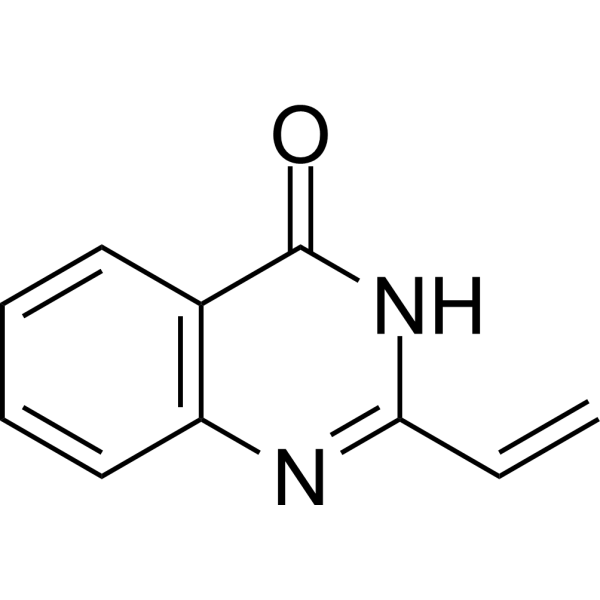
DNMT-IN-5 is a stable and efficient DNA methyltransferase (DNMT) inhibitor with high stability and high activity with an IC50 of 0.78 nM. DNMT-IN-5 exhibits sub-micromolar DNMT3A inhibitory activity, upregulates the expression of DNMT-targeted genes, impairs cell proliferation, and triggers a critical cell cycle arrest. DNMT-IN-5 can be used for the study of p53-depleted colorectal cancer .
loading...
    loading...
Cat. No.: HY-16182R
CAS No.: 92761-26-7
Research Areas:  

Others

Ecamsule (Standard) is the analytical standard of Ecamsule. This product is intended for research and analytical applications. Ecamsule is a broad-spectrum UVA filter that can be used in sunscreen product. Ecamsule reduces biological damage caused by solar radiation such as pyrimidine dimer formation, p53 protein accumula-tion, or collagenase 2 expression. Ecamsule has the potential for the research of polymorphous light eruption (PMLE) .
loading...
    loading...
Cat. No.: HY-175848
NSC 850745 is a selective and potent c-Met/STAT3 inhibitor with IC50 values of 210 and 670 nM. NSC 850745 can inhibit cell proliferation, induce G2/M phase arrest and induce apoptosis. NSC 850745 can downregulate AKT-1, VEGF and Bcl-2 expression and upregulate p53, Bax and caspase expression. NSC 850745 can be used for the research of cancer, such as leukemia and colon cancer .
loading...
    loading...
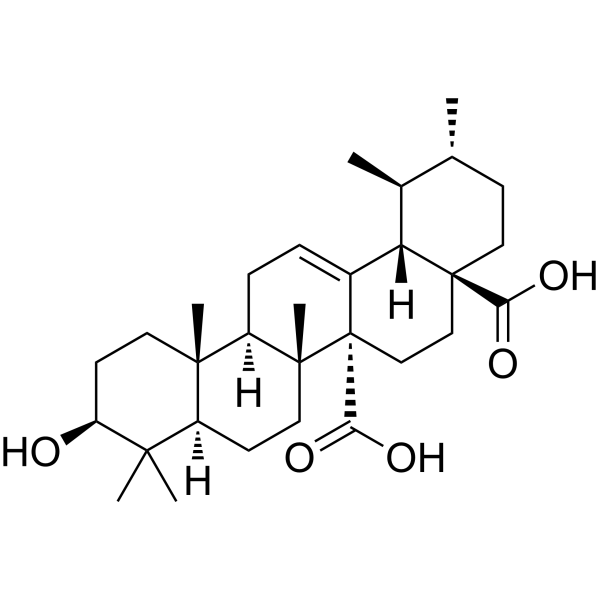
Cat. No.: HY-N1524
CAS No.: 465-74-7
Quinovic acid is triterpene. Quinovic acid can ameliorate the Amyloid-β burden, p53 expression and cholesterol accumulation by deterring the oxidative stress through upregulating the Nrf2/HO-1 pathway. Quinovic acid can induce cancer cells apoptosis by upregulating death receptor 5 (DR5). Quinovic acid can be used for the researches of cancer, inflammation, metabolic and neurological disease, such as lung cancer and Alzheimer’s disease (AD) .
loading...
    loading...
Cat. No.: HY-162927
CAS No.: 1054506-59-0
Target:  

MDM-2/p53 Apoptosis

Research Areas:  

Cancer

p53-MDM2-IN-6 (Compound 10a), a LSM-83177 hydrazone analog, is a potent p53-MDM2 inhibitor with an IC50 value of 11.08 µg/mL. p53-MDM2-IN-6 arrests the cell cycle in the S phase and induces early and late Apoptosis with antiproliferative activity against HT29 cell lines with an IC50 value of 10.44 µg/mL. p53-MDM2-IN-6 inhibits p53-MDM2 interaction with increment in p-53 level and decrease the expression of GST enzymes. p53-MDM2-IN-6 is promising for research of colorectal cancer .
loading...
    loading...

