



SIRT2-IN-11

Based on 1 Customer Validation
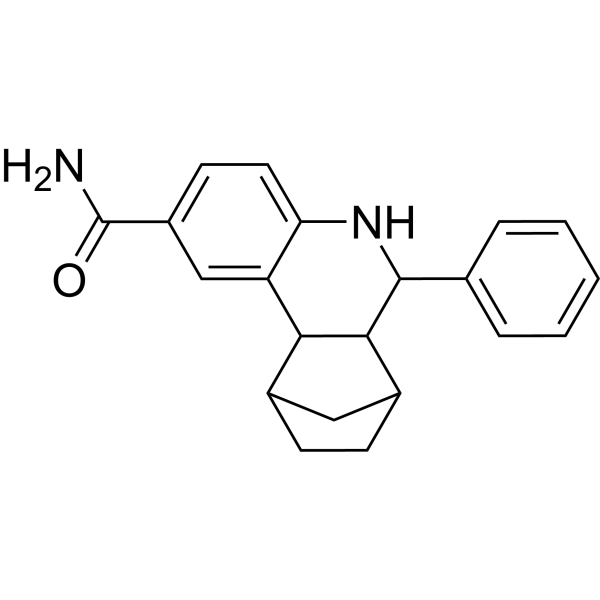
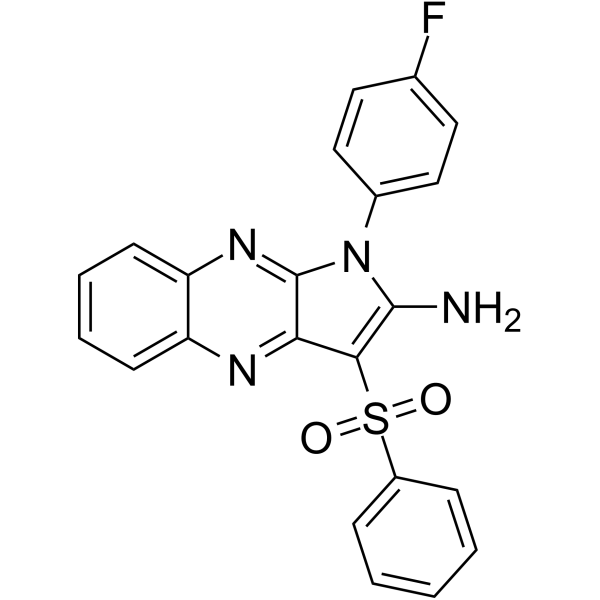
SIRT2-IN-11 (AEM1) is a selective SIRT2 inhibitor with an IC50 value of 18.5 μM. SIRT2-IN-11 p53-dependently induces apoptosis, activates expression of CDKN1A, PUMA and NOXA, and increases acetylation of p53. SIRT2-IN-11 can be used for the research of p53-related cancers.
Para uso exclusivo en investigación. No vendemos a pacientes.
- Pureza : 99.94%
- No. CAS: 1005095-06-6
- Fòrmula: C21H22N2O
- Peso molecular:318.41
-
Almacenamiento:
4°C, protect from light
* In solvent : -80°C, 6 months; -20°C, 1 month (protect from light)

To place orders, for customer services and technical support, please contact: MedChemExpress USA
Tel: 609-228-6898 E-mail: [email protected] [email protected]


-
 Actividad biológica
-
Chemical Information
-
Solvente y solubilidad
- Protocolo
- Pureza y Documentación
- Referencias
-
 Help & FAQs


-
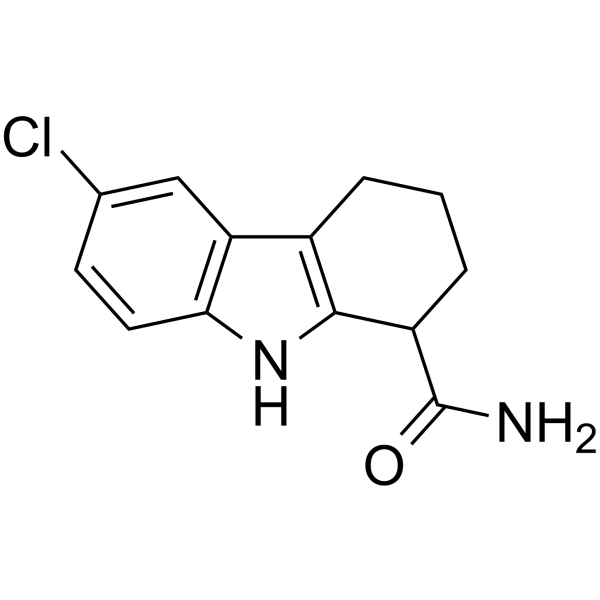
HY-15452
SelisistatSirT1/Sir2 Inhibitor -
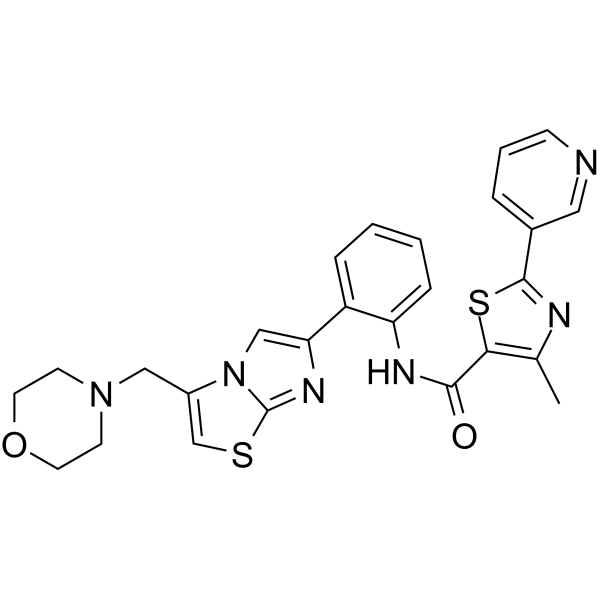
HY-15262
SRT 2104SIRT1 Activator -
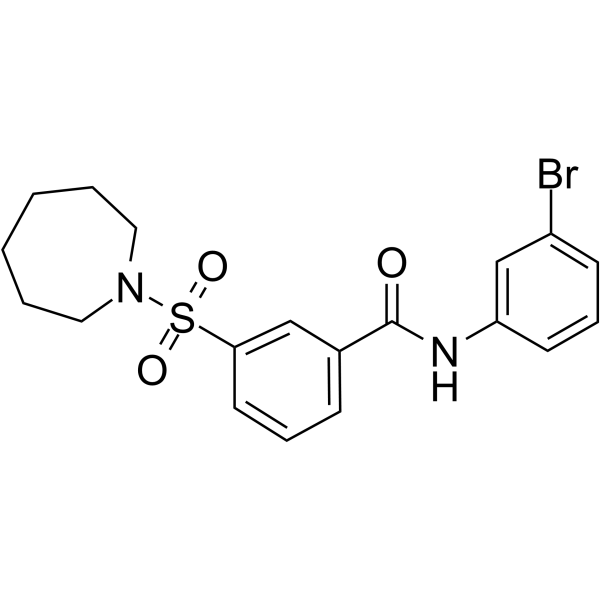
HY-16691
AK-7Sirtuin Inhibitor -
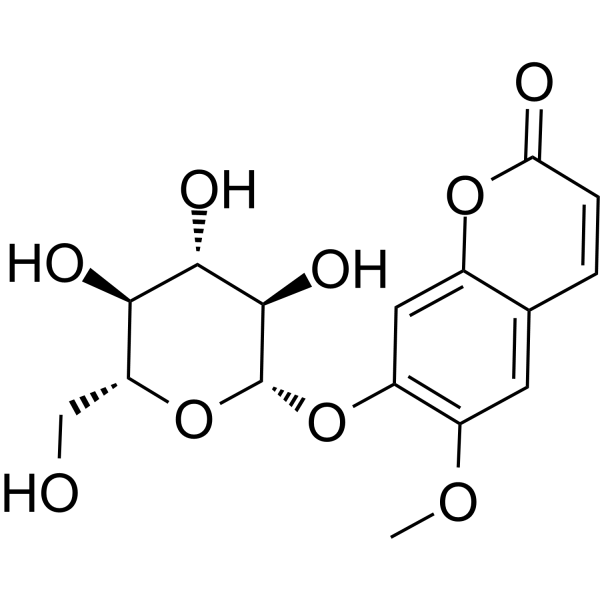
HY-N0341
ScopolinSIRT1 Activator -
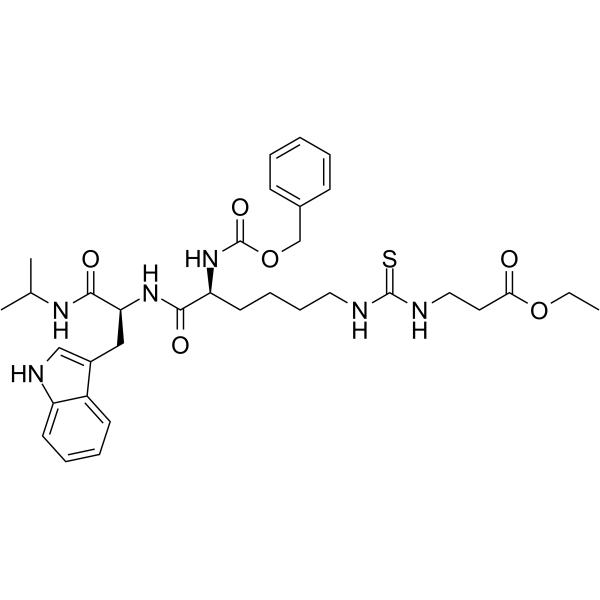
HY-145651
Et-29SIRT5 Inhibitor -
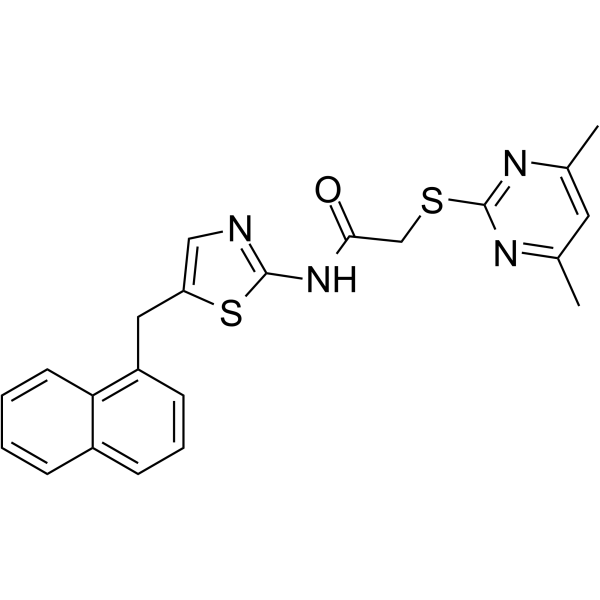
HY-100591
SirReal2Sirt2 Inhibitor -
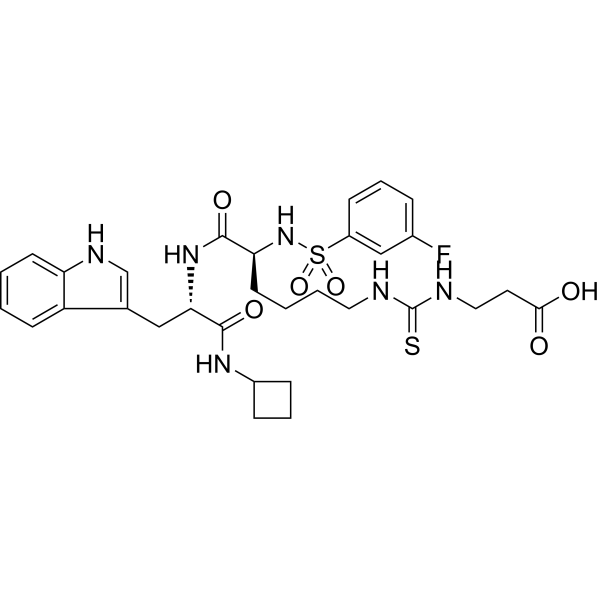
HY-112634
SIRT5 inhibitor 1Sirtuin Inhibitor -
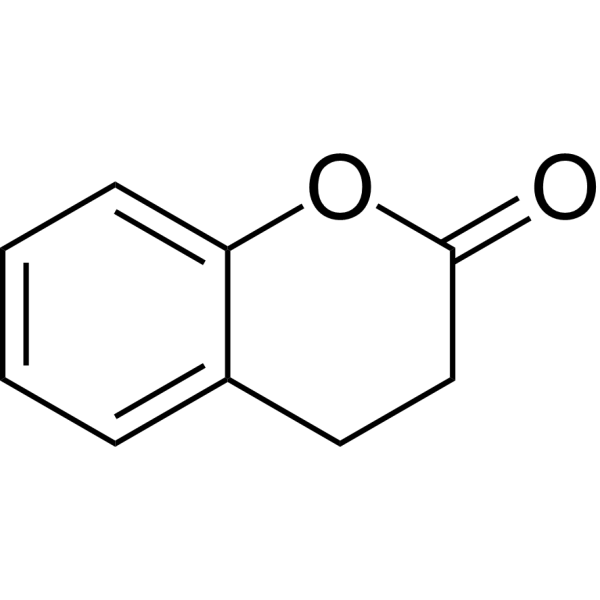
HY-N1926
DihydrocoumarinSir2p Inhibitor -
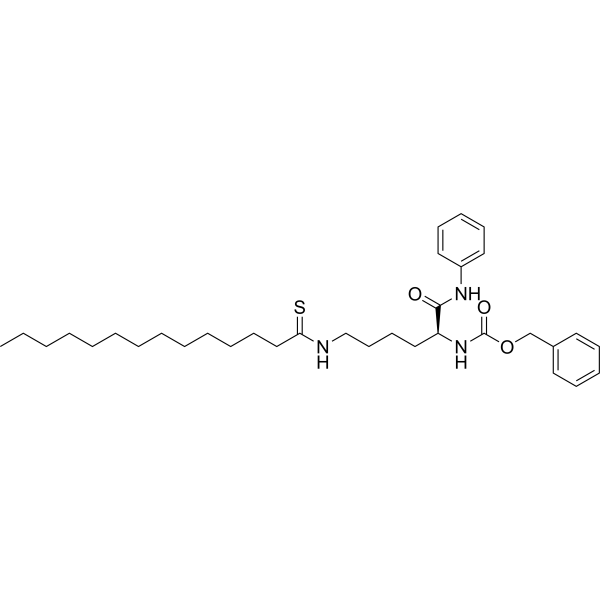
HY-101278
ThiomyristoylSIRT2 Inhibitor -
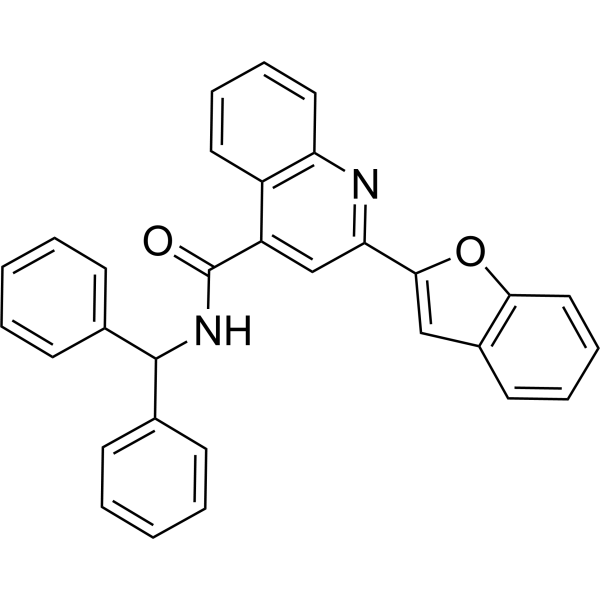
HY-148712
SIRT6 activator 12qSIRT6 Activator -
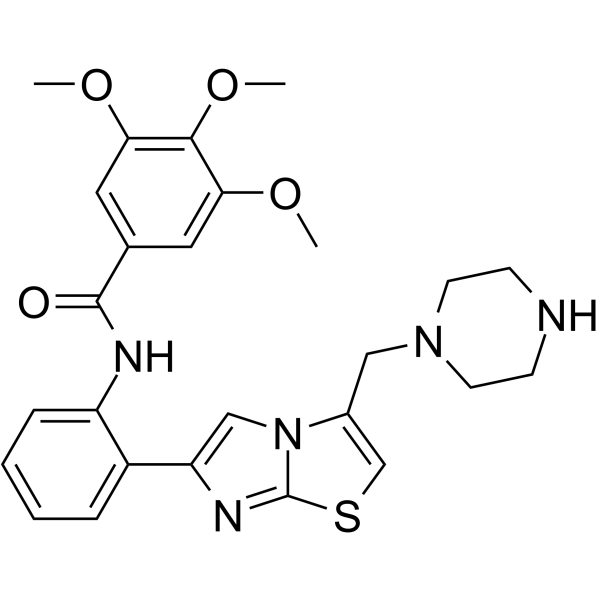
HY-124037
SRT 1460Sirtuin Activator -
HY-104073
CAY10602SIRT1 Activator


Actividad biológica
Descripciòn
IC50 & Target
|
SIRT2 18.5 μM (IC50) |
SIRT1 118.4 μM (IC50) |
In Vitro
SIRT2-IN-11 (0-1000 μM) shows inhibitory effect of SIRT2-dependent deacetylation of MAL with an IC50 value of 18.5 μM[1]. SIRT2-IN-11 (0-1000 μM) weakly inhibits SIRT1 with an IC50 value of 118.4 μM[1]. SIRT2-IN-11 (0-20 μM; 8 h) induces cell apoptosis of lung cancer cells[1]. SIRT2-IN-11 (20 μM; 6 h) increases p53 acetylation and expression levels of Cp53 target genes CDKN1A, PUMA and NOXA[1].
MedChemExpress (MCE) has not independently confirmed the accuracy of these methods. They are for reference only.
-
Cell Line:NSCLC cell lines
-
Concentration:20 μM
-
Incubation Time:6 hours
-
Result:Increased the expression of CDKN1A, PUMA and NOXA.
-
Cell Line:A549 cell line
-
Concentration:0, 0.5, 1, 5, 10 and 20 μM
-
Incubation Time:24 hours
-
Result:Mildly increased apoptosis of A549 cells, but when combined treatment with etoposide caused a marked increase in apoptosis.


Chemical Information
-
No. CAS 1005095-06-6
-
Appearance Solid
-
Peso molecular 318.41
-
Fòrmula C21H22N2O
-
Color White to off-white
-
SMILES
O=C(C1=CC=C2NC(C3C(C4CCC3C4)C2=C1)C5=CC=CC=C5)N
-
Envío
Room temperature in continental US; may vary elsewhere.
-
Almacenamiento
4°C, protect from light
* In solvent : -80°C, 6 months; -20°C, 1 month (protect from light)


Solvente y solubilidad
In Vitro:
DMSO : 250 mg/mL (785.15 mM; Need ultrasonic; Hygroscopic DMSO has a significant impact on the solubility of product, please use newly opened DMSO)
Please refer to the solubility information to select the appropriate solvent. Once prepared, please aliquot and store the solution to prevent product inactivation from repeated freeze-thaw cycles.
Storage method and period of stock solution: -80°C, 6 months; -20°C, 1 month (protect from light). When stored at -80°C, please use it within 6 months. When stored at -20°C, please use it within 1 month.
Please refer to the solubility information to select the appropriate solvent. Once prepared, please aliquot and store the solution to prevent product inactivation from repeated freeze-thaw cycles.
Storage method and period of stock solution: -80°C, 6 months; -20°C, 1 month (protect from light). When stored at -80°C, please use it within 6 months. When stored at -20°C, please use it within 1 month.
Concentration (start) × Volume (start) = Concentration (final) × Volume (final)


Pureza y Documentación
-
Ficha de datos (274 KB)
-
SDS (251 KB)
- English - EN (251 KB)
- Français - FR (251 KB)
- Deutsch - DE (251 KB)
- Norwegian - NO (251 KB)
- Español - ES (251 KB)
- Swedish - SV (251 KB)
- Italian - IT (251 KB)
- Korean - KR (251 KB)
- Portuguese - PT (251 KB)
-
Instrucciones de manejo (2659 KB)
Referencias


Complete Stock Solution Preparation Table
Please refer to the solubility information to select the appropriate solvent. Once prepared, please aliquot and store the solution to prevent product inactivation from repeated freeze-thaw cycles.
Storage method and period of stock solution: -80°C, 6 months; -20°C, 1 month (protect from light). When stored at -80°C, please use it within 6 months. When stored at -20°C, please use it within 1 month.
| Optional Solvent | Concentration Solvent Mass | 1 mg | 5 mg | 10 mg | 25 mg |
|---|---|---|---|---|---|
| DMSO | 1 mM | 3.1406 mL | 15.7030 mL | 31.4060 mL | 78.5151 mL |
| 5 mM | 0.6281 mL | 3.1406 mL | 6.2812 mL | 15.7030 mL | |
| 10 mM | 0.3141 mL | 1.5703 mL | 3.1406 mL | 7.8515 mL | |
| 15 mM | 0.2094 mL | 1.0469 mL | 2.0937 mL | 5.2343 mL | |
| 20 mM | 0.1570 mL | 0.7852 mL | 1.5703 mL | 3.9258 mL | |
| 25 mM | 0.1256 mL | 0.6281 mL | 1.2562 mL | 3.1406 mL | |
| 30 mM | 0.1047 mL | 0.5234 mL | 1.0469 mL | 2.6172 mL | |
| 40 mM | 0.0785 mL | 0.3926 mL | 0.7852 mL | 1.9629 mL | |
| 50 mM | 0.0628 mL | 0.3141 mL | 0.6281 mL | 1.5703 mL | |
| 60 mM | 0.0523 mL | 0.2617 mL | 0.5234 mL | 1.3086 mL | |
| 80 mM | 0.0393 mL | 0.1963 mL | 0.3926 mL | 0.9814 mL | |
| 100 mM | 0.0314 mL | 0.1570 mL | 0.3141 mL | 0.7852 mL |


SIRT2-IN-11 Related Classifications
HY-148408 Related Classifications
 Powered by Bioz