6830 Results for "

Pathways

" in MedChemExpress (MCE) Product Catalog:
Products (6830)

6830 Results for "Pathways" in MCE Product Catalog:

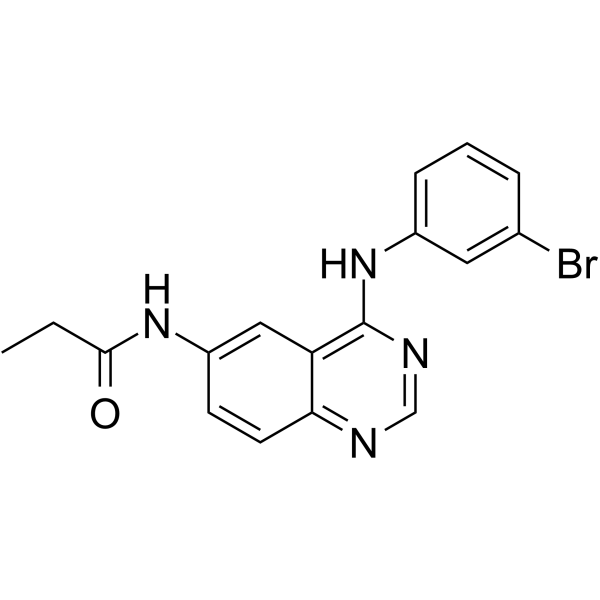
Cat. No.: HY-112411
CAS No.: 216163-53-0
Purity:  98.35%
PD 174265 is a highly selective, reversible EGFR/ErbB2 tyrosine kinase inhibitor (IC50=0.45 nM) and cell differentiation inducer. By blocking receptor autophosphorylation and the downstream ERK signaling pathway (with an IC50 of 0.45 μM for full-length ERK), PD 174265 effectively inhibits tumor growth and exhibits antitumor activity without obvious toxicity in in vivo models. PD 174265 drives oligodendrocyte precursor cells to switch from a proliferative state to a differentiated state, significantly upregulates the expression of myelin proteins such as CNP, PLP and MBP, and induces neurite branching. PD 174265 shows no inhibitory effect on other kinases including insulin, PDGF and basic FGF receptors, and serves as a crucial tool molecule for investigating the treatment of human epidermoid carcinoma and the mechanism of myelin repair in multiple sclerosis .
loading...
    loading...
Cat. No.: HY-112747
CAS No.: 97281-51-1
Synonyms: LPI; PE (soy)
Target:  

Phospholipase

Research Areas:  

Infection

Soy PE (LPI) is the most abundant phospholipid in prokaryotes and the second most abundant found in the membrane of mammalian, plant, and yeast cells, comprising approximately 25% of total mammalian phospholipids. In the brain, phosphatidylethanolamine comprises almost half of the total phospholipids. It is synthesized mainly through the cytidine diphosphate-ethanolamine and phosphatidylserine decarboxylation pathways, which occur in the endoplasmic reticulum (ER) and mitochondrial membranes, respectively. It is a precursor in the synthesis of phosphatidylcholine and arachidonoyl ethanolamide and is a source of ethanolamine used in various cellular functions. In E.coli, phosphatidylethanolamine deficiency prevents proper assembly of lactose permease, suggesting a role as a lipid chaperone. It is a cofactor in the propagation of prions in vitro and can convert recombinant mammalian proteins into infectious molecules even in the absence of RNA. This product contains phosphatidylethanolamine molecular species with variable fatty acyl chain lengths at the sn-1 and sn-2 positions .
loading...
    loading...
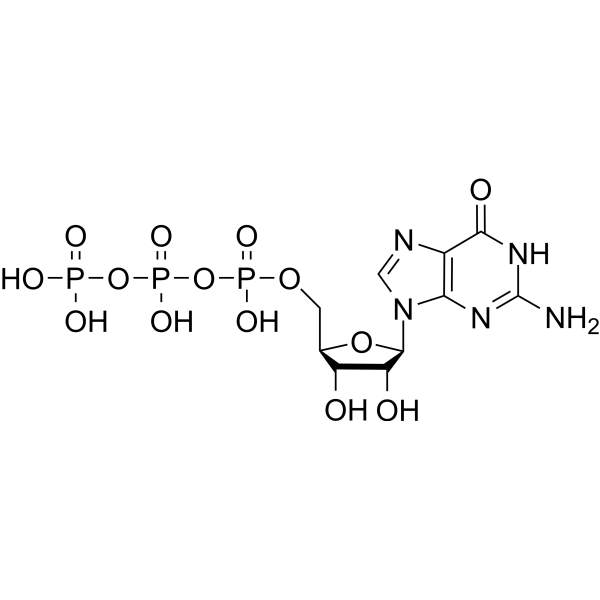
Cat. No.: HY-113225
CAS No.: 86-01-1
Synonyms: GTP
Guanosine triphosphate (GTP) is a critical nucleotide and regulator of cellular metabolism. Guanosine triphosphate promotes ribosomal DNA localization, pre-rRNA transcription and ribosome biogenesis by binding to RNA polymerase I and GPN proteins (GPN1/3). Guanosine triphosphate links MYC-dependent ribosome biogenesis to nucleotide sufficiency, acts as a metabolic gatekeeper supporting protein synthesis, DNA/RNA synthesis and cellular signal transduction, while also participating in the physiological activities of pancreatic β-cells and serving as an oxidative substrate for reactive oxygen species. In small cell lung cancer with high MYC expression, Guanosine triphosphate accumulates through the IMPDH-driven synthetic pathway, thereby affecting apoptosis and mitotic processes. Guanosine triphosphate is used in the research of small cell lung cancer, hepatoblastoma and cellular metabolism .
loading...
    loading...
Cat. No.: HY-113252R
CAS No.: 362-08-3
2-Methoxyestrone (Standard) is the analytical standard of 2-Methoxyestrone (HY-113252). This product is intended for research and analytical applications. 2-Methoxyestrone is an estrogen metabolite with antimitotic activity. 2-Methoxyestrone acts as a liver-specific prohormone that undergoes demethylation to form active 2-hydroxyestrogens, and it can also interconvert with 2-Methoxyestradiol (HY-12033) via the 17β-hydroxysteroid dehydrogenase pathway. In the presence of all-trans retinoic acid, 2-Methoxyestrone exerts a strong, concentration-dependent inhibitory effect on cell growth. 2-Methoxyestrone delays the progression of pulmonary hypertension in rats, alleviates right ventricular and pulmonary vascular remodeling, and relieves proliferative pulmonary hypertension in rats. 2-Methoxyestrone can be used in studies related to proliferative pulmonary hypertension .
loading...
    loading...
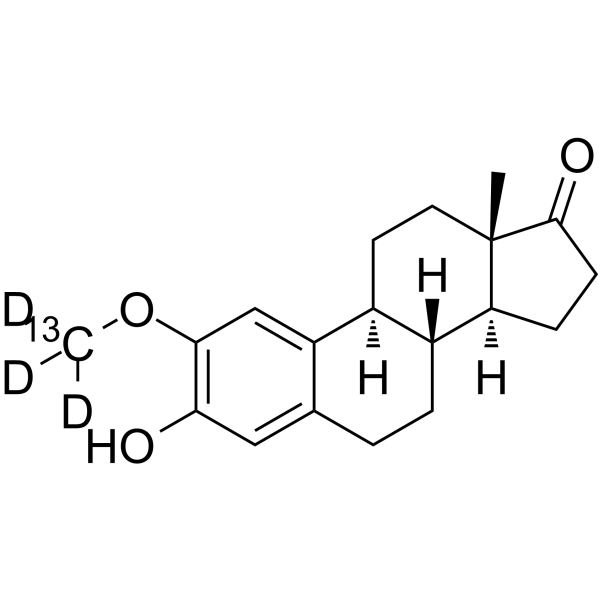
Cat. No.: HY-113252S
CAS No.: 1217460-84-8
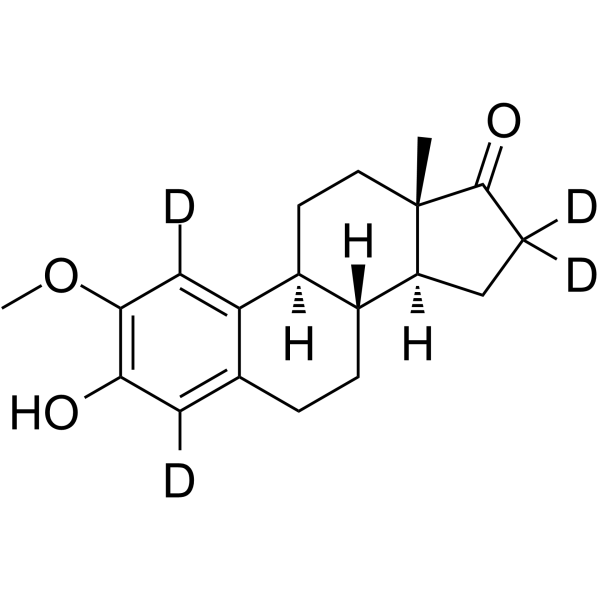
2-Methoxyestrone- 13C,d3 is the deuterated, 13C-labeled 2-Methoxyestrone (HY-113252). 2-Methoxyestrone is an estrogen metabolite with antimitotic activity. 2-Methoxyestrone acts as a liver-specific prohormone that undergoes demethylation to form active 2-hydroxyestrogens, and it can also interconvert with 2-Methoxyestradiol (HY-12033) via the 17β-hydroxysteroid dehydrogenase pathway. In the presence of all-trans retinoic acid, 2-Methoxyestrone exerts a strong, concentration-dependent inhibitory effect on cell growth. 2-Methoxyestrone delays the progression of pulmonary hypertension in rats, alleviates right ventricular and pulmonary vascular remodeling, and relieves proliferative pulmonary hypertension in rats. 2-Methoxyestrone can be used in studies related to proliferative pulmonary hypertension .
loading...
    loading...
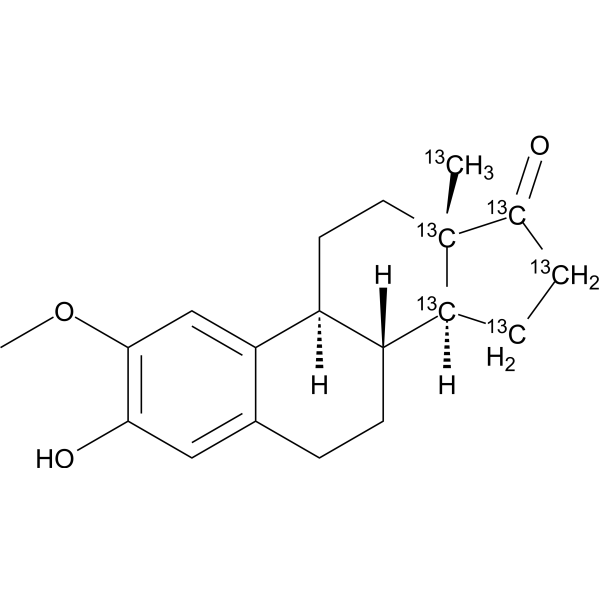
Cat. No.: HY-113252S1
2-Methoxyestrone- 13C6 is the 13C-labeled 2-Methoxyestrone (HY-113252). 2-Methoxyestrone is an estrogen metabolite with antimitotic activity. 2-Methoxyestrone acts as a liver-specific prohormone that undergoes demethylation to form active 2-hydroxyestrogens, and it can also interconvert with 2-Methoxyestradiol (HY-12033) via the 17β-hydroxysteroid dehydrogenase pathway. In the presence of all-trans retinoic acid, 2-Methoxyestrone exerts a strong, concentration-dependent inhibitory effect on cell growth. 2-Methoxyestrone delays the progression of pulmonary hypertension in rats, alleviates right ventricular and pulmonary vascular remodeling, and relieves proliferative pulmonary hypertension in rats. 2-Methoxyestrone can be used in studies related to proliferative pulmonary hypertension .
loading...
    loading...
Cat. No.: HY-113252S2
CAS No.: 949885-90-9
Purity:  ≥98.0%
2-Methoxyestrone-d4 is the deuterated-labeled 2-Methoxyestrone (HY-113252). 2-Methoxyestrone is an estrogen metabolite with antimitotic activity. 2-Methoxyestrone acts as a liver-specific prohormone that undergoes demethylation to form active 2-hydroxyestrogens, and it can also interconvert with 2-Methoxyestradiol (HY-12033) via the 17β-hydroxysteroid dehydrogenase pathway. In the presence of all-trans retinoic acid, 2-Methoxyestrone exerts a strong, concentration-dependent inhibitory effect on cell growth. 2-Methoxyestrone delays the progression of pulmonary hypertension in rats, alleviates right ventricular and pulmonary vascular remodeling, and relieves proliferative pulmonary hypertension in rats. 2-Methoxyestrone can be used in studies related to proliferative pulmonary hypertension .
loading...
    loading...
Cat. No.: HY-113420
CAS No.: 67910-12-7
Purity:  ≥98.0%
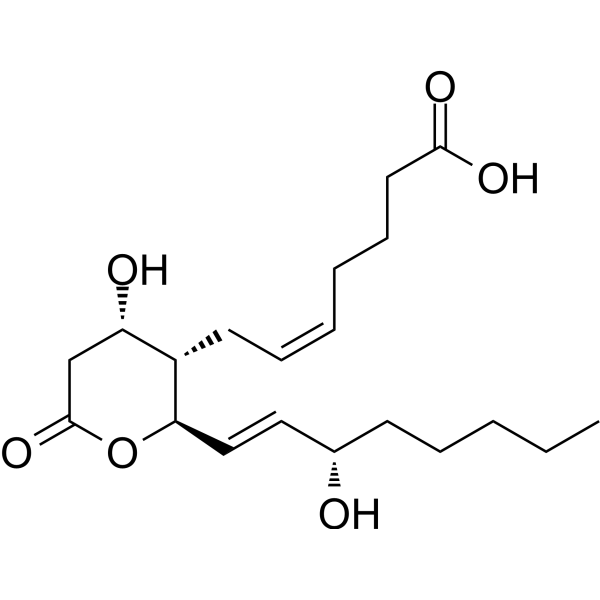
11-Dehydro-thromboxane B2 is a stable terminal metabolite of thromboxane A2 and an agonist of the CRTH2 receptor. 11-Dehydro-TXB2 activates human eosinophils, basophils, and CRTH2-transfected BaF/3 cells through a pertussis toxin-insensitive G protein-PLC pathway, inducing intracellular calcium mobilization, morphological changes, and chemotaxis, but does not affect platelet aggregation. 11-Dehydro-thromboxane B2 is involved in thrombosis and promotes eosinophil recruitment to the lungs in allergic inflammation, and its urinary levels are used to assess the inhibitory effect of Aspirin (HY-14654) on thromboxane production. 11-Dehydro-TXB2 serves as a biomarker for research related to asthma, atopic rhinitis, nephropathy, and coronary artery disease .
loading...
    loading...
Cat. No.: HY-118830S
Synonyms: DK-PGD2-d4; 15-Oxo-13,14-dihydro-PGD2-d4; 13,14-Dihydro-15-keto-PGD2-d4
Research Areas:  

Endocrinology

13,14-Dihydro-15-keto prostaglandin D2-d4 (DK-PGD2-d4) is deuterium labeled 13,14-Dihydro-15-keto prostaglandin D2. 13, 14-Dihydro-15-keto prostaglandin D2 (DK-PGD2) is a PGD2 metabolite formed by the 15-hydroxyl PGDH pathway. 13, 14-Dihydro-15-keto prostaglandin D2 is a selective agonist for the DP2 receptor. 13, 14-Dihydro-15-keto prostaglandin D2 can inhibit ion flux in canine colonic mucosa preparation .
loading...
    loading...
Cat. No.: HY-118830S1
CAS No.: 2738376-77-5
Synonyms: DK-PGD2-d9; 15-Oxo-13,14-dihydro-PGD2-d9; 13,14-Dihydro-15-keto-PGD2-d9
13,14-Dihydro-15-keto prostaglandin D2-d9 (DK-PGD2-d9) is deuterium labeled 13,14-Dihydro-15-keto prostaglandin D2. 13, 14-Dihydro-15-keto prostaglandin D2 (DK-PGD2) is a PGD2 metabolite formed by the 15-hydroxyl PGDH pathway. 13, 14-Dihydro-15-keto prostaglandin D2 is a selective agonist for the DP2 receptor. 13, 14-Dihydro-15-keto prostaglandin D2 can inhibit ion flux in canine colonic mucosa preparation .
loading...
    loading...
Cat. No.: HY-118998
CAS No.: 1603845-42-6
Target:  

HyT EGFR ERK Akt

Research Areas:  

Cancer

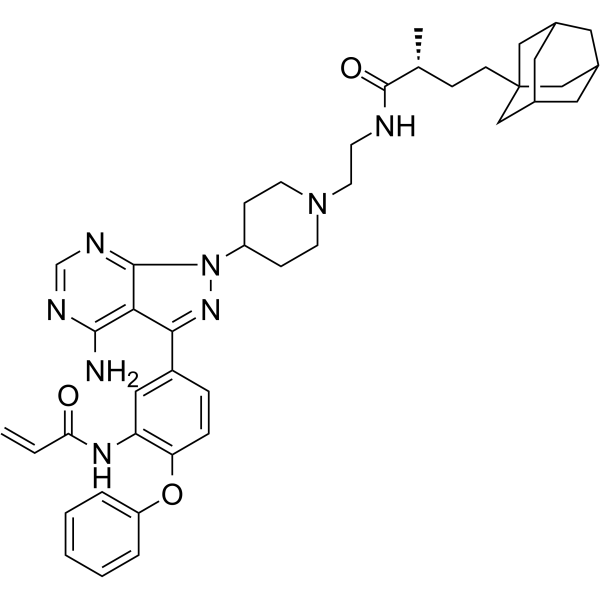
TX2-121-1 is a bifunctional hydrophobic tag Her3 degrader and also a Her3 inhibitor with an IC50 of 49 nM. TX2-121-1 covalently binds to Cys721 of Her3, induces Her3 degradation via the Hsp70/Hsp90-assisted proteasomal pathway, interferes with the heterodimerization of Her3 with Her2/c-Met, and attenuates downstream Erk/Akt signaling, thereby inhibiting Her3-dependent cancer cell growth. TX2-121-1 can be used for the research of non-small cell lung cancer, ovarian cancer and Her3-driven breast cancer .
loading...
    loading...
Cat. No.: HY-120153
CAS No.: 1415030-17-9
APX2014 is a Ref-1/APE1 inhibitor that inhibits Ref-1-induced transcription factor-DNA binding, thereby reducing the activation level of NF-κB and the expression of downstream pro-angiogenic targets. APX2014 blocks endothelial cell proliferation, lumen formation, migration and choroidal sprouting to exert anti-angiogenic activity. APX2014 activates the ISR pathway, promotes the death of pancreatic cancer cells and cancer-associated fibroblasts, and induces apoptosis in the absence of PRDX1. APX2014 inhibits the growth of pancreatic cancer spheroids, reduces the volume/weight of xenograft tumors, and decreases Ki-67 levels by targeting PRDX1. APX2014 can be used in research related to macular degeneration, retinopathy and pancreatic ductal adenocarcinoma .
loading...
    loading...
Cat. No.: HY-124404
CAS No.: 82337-46-0
Purity:  ≥99.0%
12(R)-HETE is a CYP-dependent arachidonic acid metabolite that acts as a proinflammatory lipid mediator. 12 (R)-HETE widely exists in various tissues including the eye, skin and liver. In the cornea, 12(R)-HETE is metabolized via pathways such as β-oxidation into the precursor of 12(R)-HETrE. Without direct receptor binding, 12(R)-HETE indirectly activates AHR-mediated target gene transcription, while inhibiting the enzymatic activity of Na+,K+-ATPase and the intracellular calcium elevation induced by TP agonists. 12(R)-HETE also possesses multiple physiological effects such as chemotaxis, proangiogenesis, vasodilation, natriuresis, diuresis and intraocular pressure reduction, and can be widely used in studies related to psoriasis, inflammatory skin diseases and ocular inflammation .
loading...
    loading...
Cat. No.: HY-12462
CAS No.: 1421227-52-2
Purity:  98.00%
WS3 is an allosteric inhibitor of 14-3-3 (14-3-3ζ: Kd = 2.29 μM). WS3 activates GSK3β by disrupting the binding of 14-3-3-pGSK3β, promotes the ubiquitination and degradation of NRF2, and inhibits the NRF2-ARE signaling pathway (IC50 = 135 nM). It exerts antioxidant inhibition and chemotherapeutic/ferroptosis sensitizing effects in tumors with hyperactivated NRF2. WS3 binds to EBP1/IKKε and promotes the proliferation of β cells and retinal pigment epithelial (RPE) cells, which can be applied to islet regeneration and RPE expansion transplantation . WS3 is applicable to research related to age-related macular degeneration, retinal degeneration and non-small cell lung cancer .
loading...
    loading...
Cat. No.: HY-124813
CAS No.: 2083618-79-3
Purity:  99.29%
Synonyms: 113B7
Target:  

FAK EGFR MMP NF-κB SDCBP

Research Areas:  

Cancer

PDZ1i (113B7) is a inhibitor of MDA-9/Syntenin, with selective binding to the PDZ1 domain. PDZ1i inhibits radiation-induced invasion of glioblastoma (GBM) cells, radiosensitizes GBM cells, and impairs GBM-related signaling pathways (including Src/EphA2, EGFRvIII/FAK, and NF-κB). PDZ1i reduces radiation-induced secretion of invasion-related proteases (MMP-2, MMP-9, ADAM9). PDZ1i shows anti-tumor effects in nude mice bearing intracranial U1242-luc xenografts or GBM xenografts. PDZ1i can be used for the study of glioblastoma (GBM), breast cancer and prostate cancer .
loading...
    loading...
Cat. No.: HY-124841
CAS No.: 524-26-5
Synonyms: NCI8642
Target:  

Wnt β-catenin

Gallocyanine (NCI8642) is a DKK/LRP interaction inhibitor and Wnt/β-catenin signaling pathway activator. Gallocyanine binds to the YWTD repeat domains of LRP5/6, competitively blocks the interaction between DKK and LRP5/6, with an IC50 of approximately 3 μM for inhibiting DKK1 binding to LRP5, an IC50 of 6.38 μM for inhibiting DKK1 binding to LRP6, and a Ki of 14 μM for inhibiting the DKK2C/LRP6-E3E4 interaction. Gallocyanine reverses the inhibitory effect of DKK1 on WNT3A signaling, with an EC50 of approximately 5 μM. Gallocyanine can be used in studies related to Alzheimer's disease, bone formation and glucose metabolism .
loading...
    loading...
Cat. No.: HY-125818S5
Synonyms: Cytidine triphosphate-15N3,d14 dilithium; 5'-CTP-15N3,d14 dilithium
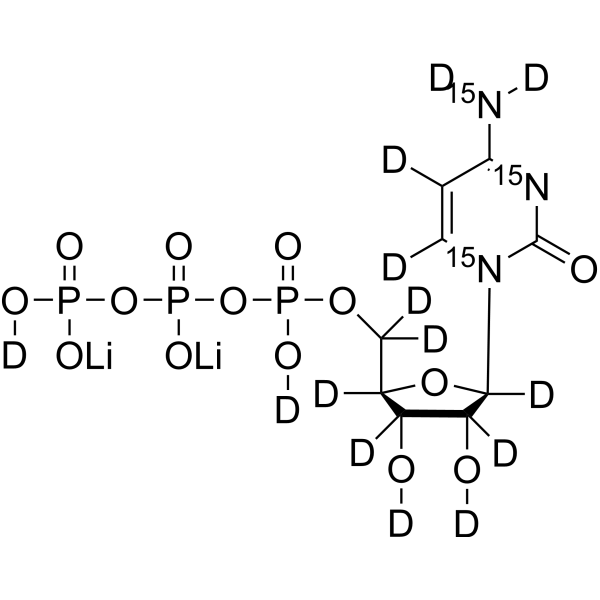
Cytidine-5'-triphosphate- 15N3,d14 (Cytidine triphosphate- 15N3,d14 dilithium; 5'-CTP- 15N3,d14) dilithium is deuterium and 15N labeled Cytidine-5'-triphosphate (HY-125818). Cytidine 5′-triphosphate (Cytidine triphosphate; 5'-CTP) is a nucleoside triphosphate and serves as a building block for nucleotides and nucleic acids, lipid biosynthesis. Cytidine triphosphate synthase can catalyze the formation of cytidine 5′-triphosphate from uridine 5′-triphosphate (UTP). Cytidine 5′-triphosphate is an essential biomolecule in the de novo pyrimidine biosynthetic pathway in T. gondii.
loading...
    loading...
Cat. No.: HY-129440
CAS No.: 68573-24-0
Purity:  99.03%
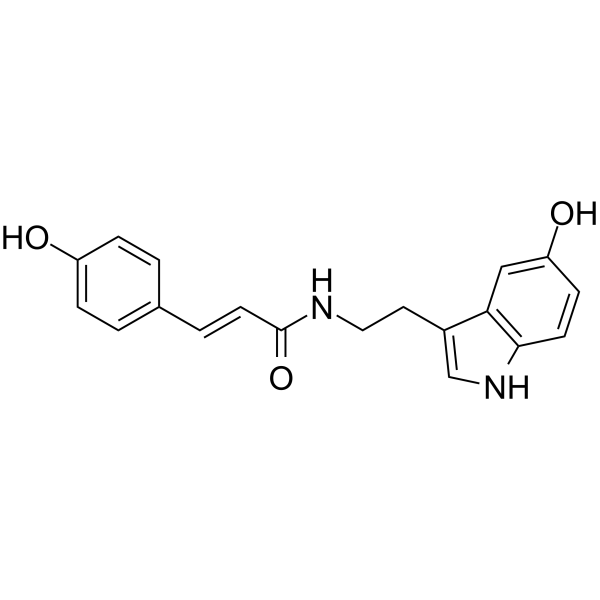
N-(p-Coumaroyl) Serotonin is an orally active polyphenol found in safflower seeds with potent anti-inflammatory, antioxidant, and antitumor activities. N-(p-Coumaroyl) Serotonin suppresses NF‑κB, TLR4/MyD88 and MAPK signaling, activates NQO1/HO‑1 pathways, and inhibits pro‑inflammatory cytokines, iNOS and COX‑2 and ROS production. N-(p-Coumaroyl) Serotonin induces S‑phase arrest and apoptosis in glioblastoma cells, reduces atherosclerotic lesions, and alleviates renal and vascular injuries. N-(p-Coumaroyl) Serotonin acts as a vasodilator, regulates calcium dynamics. N-(p-Coumaroyl) Serotonin can be used for the research of neurodegenerative diseases, atherosclerosis, glioblastoma, and acute renal failure .
loading...
    loading...
Cat. No.: HY-135564
CAS No.: 332131-32-5
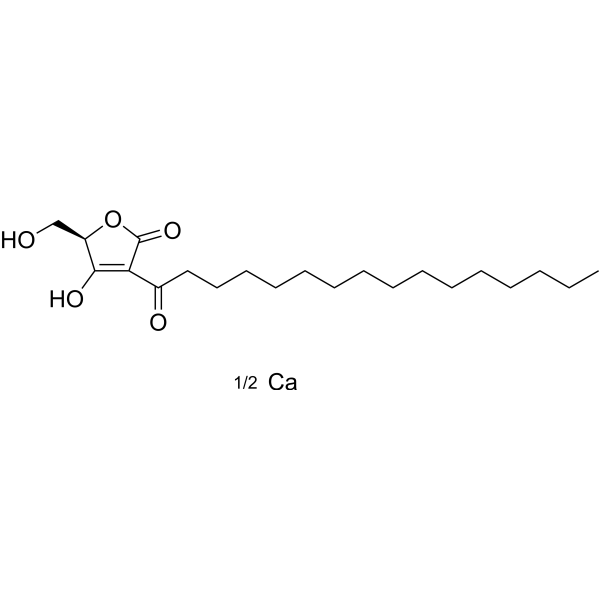
RK-682 hemicalcium is the hemicalcium salt form of RK-682 (HY-135564A). RK-682 hemicalcium is the inhibitor for protein tyrosine phosphatase (PTPase), heparanase, phospholipase A2 and HIV-1 protease. RK-682 hemicalcium inhibits the dephosphorylation of CD45 (IC50 is 54 μM) and VHR (IC50 is 2.0 μM), and thereby inhibits the ERK signaling pathway. RK-682 hemicalcium inhibits the cell viability of cancer cell MGH-U3, T24 and UROtsa with IC50s of 78.2, 43.2 and 145 nM, respectively, arrests the cell cycle at G1/S phase, inhibits the cell migration and autophagy in MGH-U3 and T24 [2] .
loading...
    loading...
Cat. No.: HY-136794
CAS No.: 219769-23-0
SB-284851-BT is an inhibitor of BRD4/p38α/BRDT. SB-284851-BT inhibits BRD4-BD1 (IC50=1.7 µM), p38α (Kd=0.47 nM), BRDT (1) (IC50=18 µM) and BRD4 (1)(IC50=3.7 µM). SB-284851-BT reduces IL-8 production by inhibiting p38α, as well as inhibiting BRD4 to down-regulates c-Myc and NF-κB gene pathways in cancer. SB-284851-BT can combined with the bromine domain and extra terminal (BET) .
loading...
    loading...

