1. Search Result
Search Result
Results for "

α1β2γ2

" in MedChemExpress (MCE) Product Catalog:

40

Inhibitors & Agonists

7

Natural
Products

6

Isotope-Labeled Compounds

Cat. No. Product Name Target Research Areas Chemical Structure
  • HY-B1494
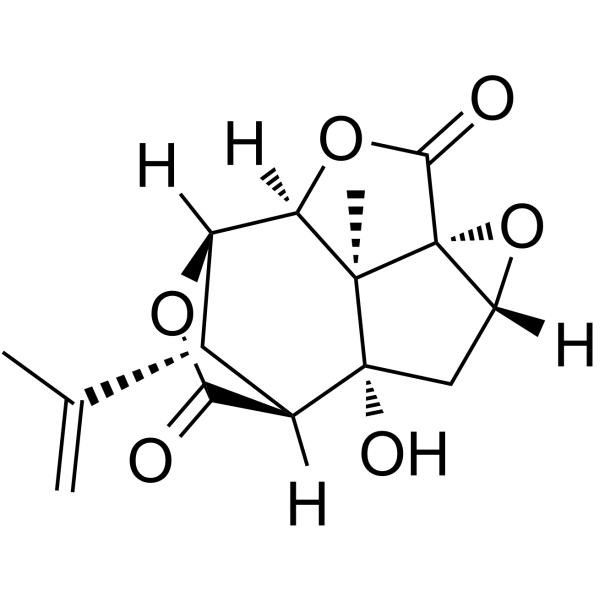
    Picrotoxinin
    4 Publications Verification

    Chloride Channel GABA Receptor Neurological Disease
    Picrotoxinin, a potent convulsant, is a chloride channel blocker. Picrotoxinin is a noncompetitive GABAA receptor antagonist, which negatively modulates the action of GABA on GABAA receptors. Picrotoxinin inhibits α1β2γ2L GABAA receptor with an IC50 of 1.15 μM .
    Picrotoxinin
  • HY-Y0313

    Endogenous Metabolite GABA Receptor Neurological Disease
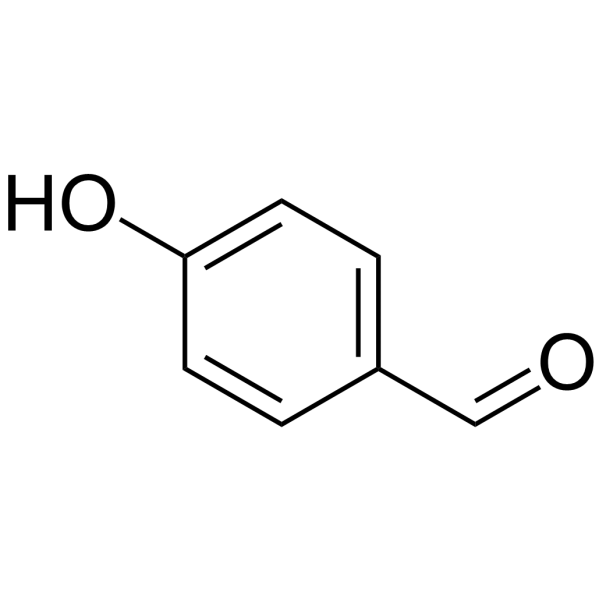
    p-Hydroxybenzaldehyde is a one of the major components in vanilla aroma, with antagonistic effect on GABAA receptor of the α1β2γ2S subtype at high concentrations.
    p-Hydroxybenzaldehyde
  • HY-10233
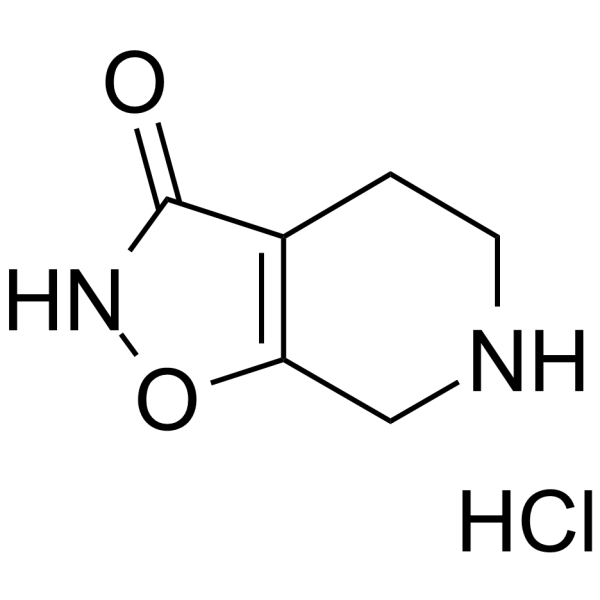
    Gaboxadol hydrochloride
    1 Publications Verification

    Lu 02-030 hydrochloride; THIP hydrochloride

    GABA Receptor Neurological Disease
    Gaboxadol hydrochloride (Lu 02-030 hydrochloride) is a potent agonist of the GABAA receptor and an antagonist of GABAC receptors (IC50=25 μM). Gaboxadol hydrochloride displays a partial agonist efficacy on subunit α1β2γ2 with an ED50 value of 143 μM, a full agonist efficacy at α5 subunit (ED50=28-129 μM) and a superagonist efficacy at α4β3δ (ED50=6 μM). Gaboxadol hydrochloride is a non-opioid agent .
    Gaboxadol hydrochloride
  • HY-W013150

    GABA Receptor Neurological Disease
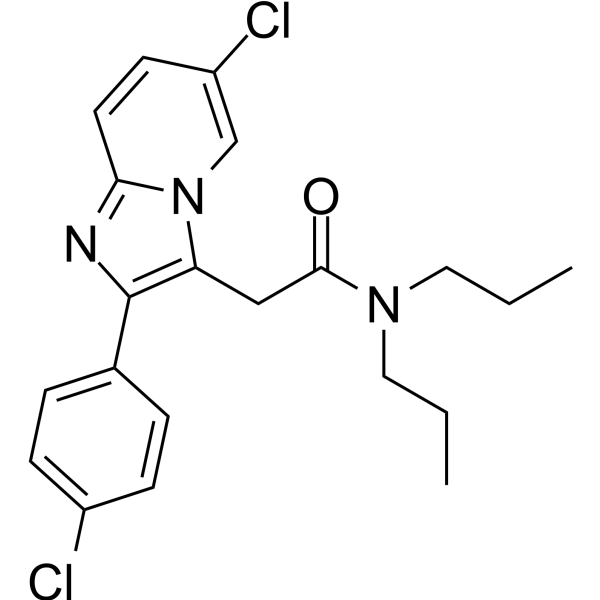
    Alpidem, an anxiolytic agent, is an orally active and brain-penetrant GABAA receptor ligand, binds to α1β2γ2 subunit-containing GABAA receptors (IC50 of 17 nM) over α5β2γ2 subunit-containing GABAA receptors (IC50 of >10 μM). Alpidem modulates calcium-induced mitochondrial permeability transition, induces glutathione depletion and hepatocyte necrosis, potentiates TNF-α toxicity, inhibits marble-burying and locomotor activity, enhances stressed rodent feeding behavior, and exerts anticonvulsant effects. Alpidem can be used for the research of anxiety, anxiety disorders, and convulsions .
    Alpidem
  • HY-16579
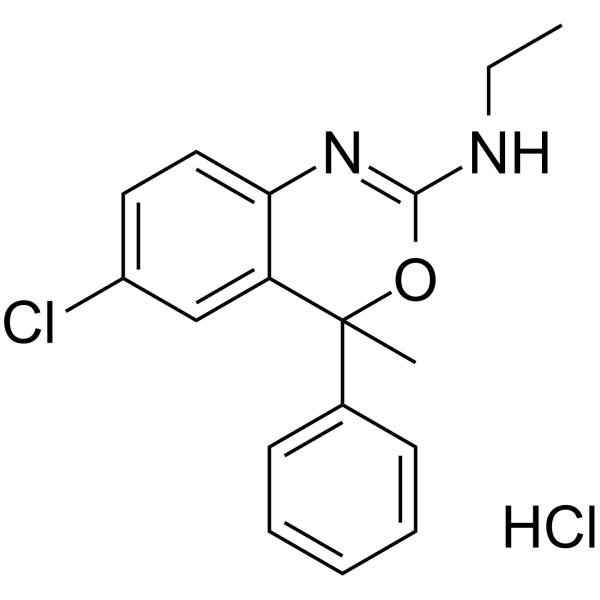
    Etifoxine hydrochloride
    3 Publications Verification

    HOE 36-801 hydrochloride

    GABA Receptor Neurological Disease
    Etifoxine hydrochloride, a non-benzodiazepine GABAergic compound, is a positive allosteric modulator of α1β2γ2 and α1β3γ2 subunit-containing GABAA receptors. Etifoxine hydrochloride reveals anxiolytic and anticonvulsant properties in rodents .
    Etifoxine hydrochloride
  • HY-16579A
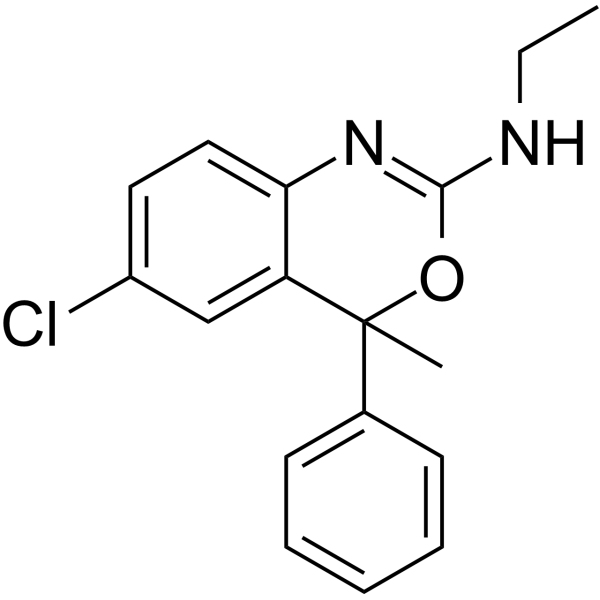
    Etifoxine
    3 Publications Verification

    HOE 36-801

    GABA Receptor Neurological Disease
    Etifoxine, a non-benzodiazepine GABAergic compound, is a positive allosteric modulator of α1β2γ2 and α1β3γ2 subunit-containing GABAA receptors. Etifoxine reveals anxiolytic and anticonvulsant properties in rodents .
    Etifoxine
  • HY-N6630
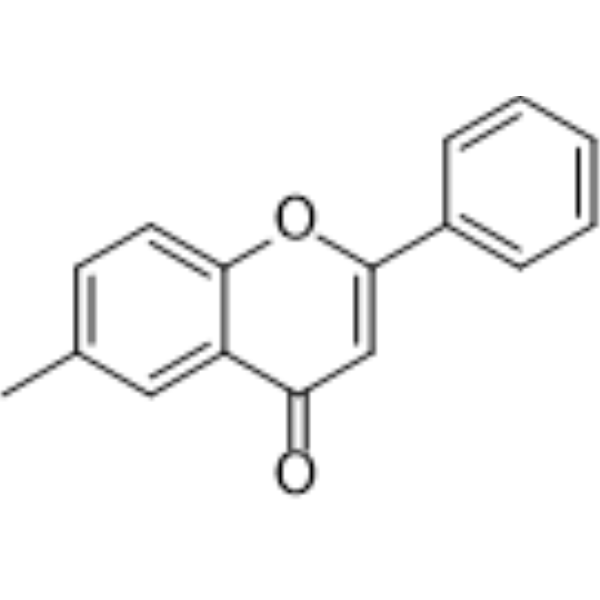
    6-Methylflavone
    2 Publications Verification

    GABA Receptor Neurological Disease
    6-Methylflavone is an activator of α1β2γ2L and α1β2 GABAA receptors.
    6-Methylflavone
  • HY-W001692

    DOV 273547

    GABA Receptor Neurological Disease
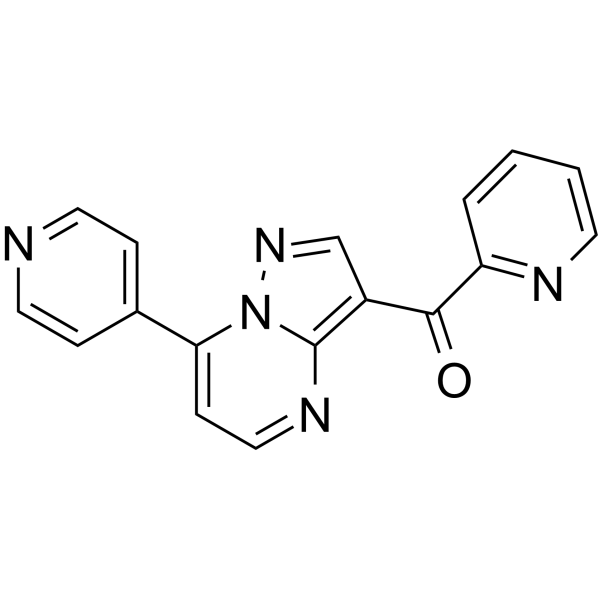
    Ocinaplon (DOV 273547) is an orally active positive allosteric modulator of GABAA receptor, with an EC50 ranging from 3.07 μM (α1β2γ2 subtype) to 10.03 μM (α1β2γ3 subtype). Ocinaplon enhances GABA-stimulated chloride currents across multiple GABAA receptor subtypes, with varying potency between different subtypes. Ocinaplon exerts anxiolytic and anticonvulsant effects, and causes motor impairment at high doses. Ocinaplon can be used for research on generalized anxiety disorder .
    Ocinaplon
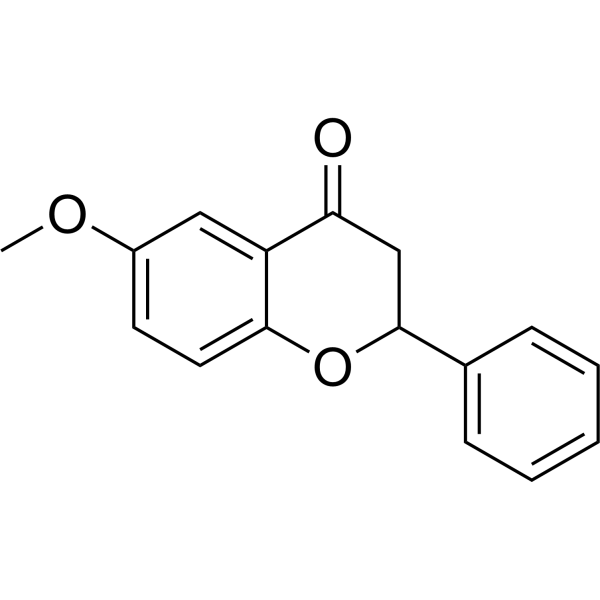
  • HY-N8852

    6-MeOF

    GABA Receptor Taste Receptor Neurological Disease Metabolic Disease
    6-Methoxyflavanone (6-MeOF) is a flavonoid compound that can cross the blood-brain barrier. 6-Methoxyflavanone is a positive allosteric modulator of GABAA receptors. 6-Methoxyflavanone exhibits positive allosteric regulatory effects on human recombinant α1β2γ2L and α2β2γ2L GABAA receptors, and is relatively inactive on the α1β2 GABAA receptor. 6-Methoxyflavanone showes inhibitory behavior towards the activation of bitter receptor hTAS2R39 and hTAS2R14, demonstrating a reversible and non-overcome antagonistic effect. 6-Methoxyflavanone has the effects of anti-anxiety, analgesia and relief of neuropathic pain .
    6-Methoxyflavanone
  • HY-Y0313R

    Reference Standards Endogenous Metabolite GABA Receptor Neurological Disease
    p-Hydroxybenzaldehyde (Standard) is the analytical standard of p-Hydroxybenzaldehyde. This product is intended for research and analytical applications. p-Hydroxybenzaldehyde is a one of the major components in vanilla aroma, with antagonistic effect on GABAA receptor of the α1β2γ2S subtype at high concentrations.
    p-Hydroxybenzaldehyde (Standard)
  • HY-103512

    GABA Receptor Neurological Disease
    TP003 is a non-selective benzodiazepine site agonist with EC50s of 20.3, 10.6, 3.24, 5.64 nM for α1β2γ2, α2β3γ2, α3β3γ2, α5β2γ2, respectively. TP003 induces anxiolysis via α2GABAA receptors .
    TP003
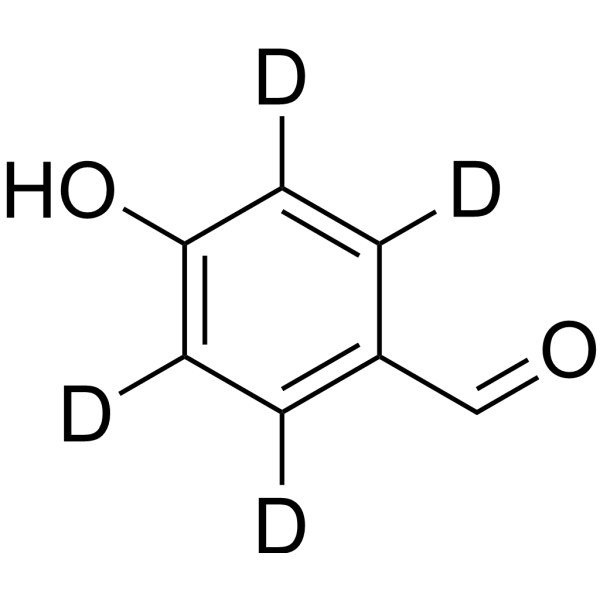
  • HY-Y0313S

    Isotope-Labeled Compounds Endogenous Metabolite GABA Receptor Neurological Disease
    p-Hydroxybenzaldehyde-d4 is the deuterium labeled p-Hydroxybenzaldehyde. p-Hydroxybenzaldehyde is a one of the major components in Dendrocalamus asper bamboo shoots, with antagonistic effect on GABAA receptor of the α1β2γ2S subtype at high concentrations.
    p-Hydroxybenzaldehyde-d4
  • HY-139226

    2-Guanidine-4-methylquinazoline

    GABA Receptor Inflammation/Immunology
    GMQ is an acid-sensing ion channel modulator, competitive GABAAR antagonist. GMQ preferentially, potently, competitively inhibits GABAARs. GMQ inhibits α1β2, α1β2γ2, α4β2γ2 and α5β2γ2 GABAARs. GMQ enhances neuronal excitation through inhibition of GABAergic transmission. GMQ has anti-histamine effects in the enteric system, inhibiting gastric acid secretion .
    GMQ
  • HY-175670

    GABA Receptor Neurological Disease
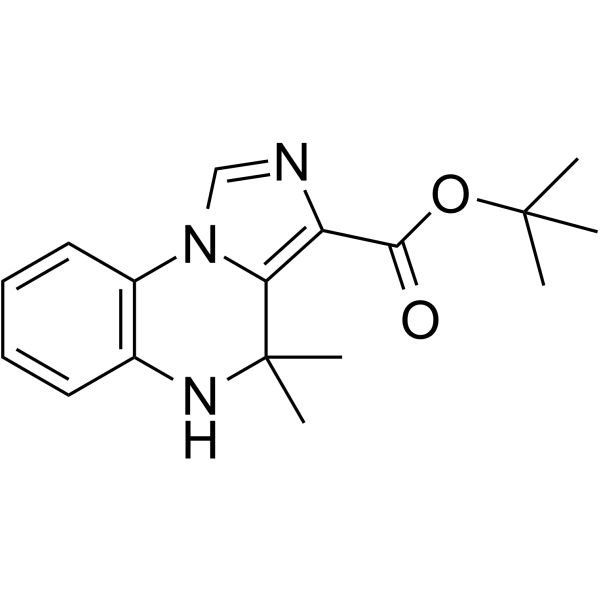
    GABAA receptor modulator-10 is an orally active, potent positive allosteric modulator (PAM) of the α1β2γ2 GABAA receptor with favorable blood-brain barrier (BBB) penetration. GABAA receptor modulator-10 enhances α1β2γ2 GABAA receptor function and potentiates GABA-evoked currents. GABAA receptor modulator-10 demonstrates potent antiepileptic efficacy in both the Pentetrazol (PTZ)- and Kainic Acid (KA) (HY-N2309)-induced mice epilepsy models. GABAA receptor modulator-10 can be used for the study of epilepsy .
    GABAA receptor modulator-10
  • HY-135482

    GABA Receptor Neurological Disease
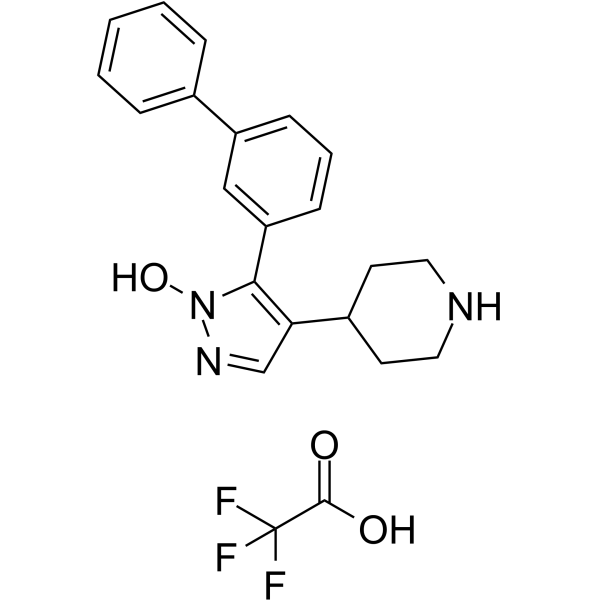
    GABAA receptor agent 2 TFA is a potent and high-affinity GABAA receptor antagonist with an IC50 of 24 nM (human α1β2γ2 GABAA-expressing tsA201 cells) and a Ki of 28 nM (rat GABAA receptors). GABAA receptor agent 2 TFA is inactive against four human GABA transporters (hGAT-1, hBGT-1, hGAT-2, and hGAT-3) .
    GABAA receptor agent 2 TFA
  • HY-170930

    GABA Receptor Sodium Channel Neurological Disease
    Anticonvulsant agent 9 (compound 4f) is an α1β2γ2 GABAA receptors activator. Anticonvulsant agent 9 activatesα1β2γ2 GABAA receptors with an EC50 of 1.24 μM. Anticonvulsant agent 9 inhibits the inactivation of Nav1.2 channels. Anticonvulsant agent 9 exhibits significant anticonvulsant activities .
    Anticonvulsant agent 9
  • HY-129431

    PNU-89843

    GABA Receptor Neurological Disease
    U-89843A (PNU-89843) is a GABAA receptors positive allosteric modulator (PAM). U-89843A enhances GABA-induced Cl - currents in the α1β2γ2, α3β2γ2 and α6β2γ2 subtypes. U-89843A shows antioxidant and sedative effects .
    U-89843A
  • HY-103497

    PNU-89843 hydrochloride

    GABA Receptor Neurological Disease
    U-89843A (PNU-89843) hydrochloride is a GABAA receptors positive allosteric modulator (PAM). U-89843A hydrochloride enhances GABA-induced Cl - currents in the α1β2γ2, α3β2γ2 and α6β2γ2 subtypes. U-89843A hydrochloride shows antioxidant and sedative effects .
    U-89843A hydrochloride
  • HY-117106

    GABA Receptor Others
    PNU-107484A is a GABAA receptor ligand that exhibits target activity mechanisms dependent on α isoforms. In the α1β2γ2 subtype, PNU-107484A acts as a positive allosteric modulator, enhancing GABA-induced Cl - currents, while it inhibits the currents in the α3β2γ2 and α6β2γ2 subtypes. The half-maximal concentrations for the α1β2γ2, α3β2γ2, and α6β2γ2 subtypes are 3.1, 4.2, and 3.5 μM, respectively. PNU-107484A can be used as a probe to investigate the physiological roles of different α isoform subtypes .
    PNU-107484A
  • HY-16579AS2

    GABA Receptor Neurological Disease
    Etifoxine-d5 is the deuterium labeled Etifoxine. Etifoxine, a non-benzodiazepine GABAergic compound, is a positive allosteric modulator of α1β2γ2 and α1β3γ2 subunit-containing GABAA receptors. Etifoxine reveals anxiolytic and anticonvulsant properties in rodents .
    Etifoxine-d5
  • HY-16579AR

    HOE 36-801 (Standard)

    Reference Standards GABA Receptor Neurological Disease
    Etifoxine (Standard) is the analytical standard of Etifoxine. This product is intended for research and analytical applications. Etifoxine, a non-benzodiazepine GABAergic compound, is a positive allosteric modulator of α1β2γ2 and α1β3γ2 subunit-containing GABAA receptors. Etifoxine reveals anxiolytic and anticonvulsant properties in rodents .
    Etifoxine (Standard)
  • HY-Y0313S1

    Isotope-Labeled Compounds Endogenous Metabolite GABA Receptor Neurological Disease
    p-Hydroxybenzaldehyde- 13C is the 13C-labeled p-Hydroxybenzaldehyde. p-Hydroxybenzaldehyde is a one of the major components in Dendrocalamus asper bamboo shoots, with antagonistic effect on GABAA receptor of the α1β2γ2S subtype at high concentrations.
    p-Hydroxybenzaldehyde-13C
  • HY-W747264

    Isotope-Labeled Compounds GABA Receptor Endogenous Metabolite Neurological Disease
    P-Hydroxybenzaldehyde- 13C6 is the 13C-labeled p-Hydroxybenzaldehyde (HY-Y0313). p-Hydroxybenzaldehyde is a one of the major components in vanilla aroma, with antagonistic effect on GABAA receptor of the α1β2γ2S subtype at high concentrations.
    P-Hydroxybenzaldehyde-13C6
  • HY-103521

    GABA Receptor Neurological Disease
    Anxiolytic/nonsedative agent-1 (compound 2b) is a potent and selective GABAA agonist. Anxiolytic/nonsedative agent-1 shows appreciable affinity for the BzR in bovine brain membranes with Kis of 14, 121, 239 nM for α1β2γ2, α2β2γ2, α5β3γ2, respectively. Anxiolytic/nonsedative agent-1 shows α2 selective efficacy in vitro and anxioselective effects in vivo .
    Anxiolytic/nonsedative agent-1
  • HY-161784

    GABA Receptor Neurological Disease
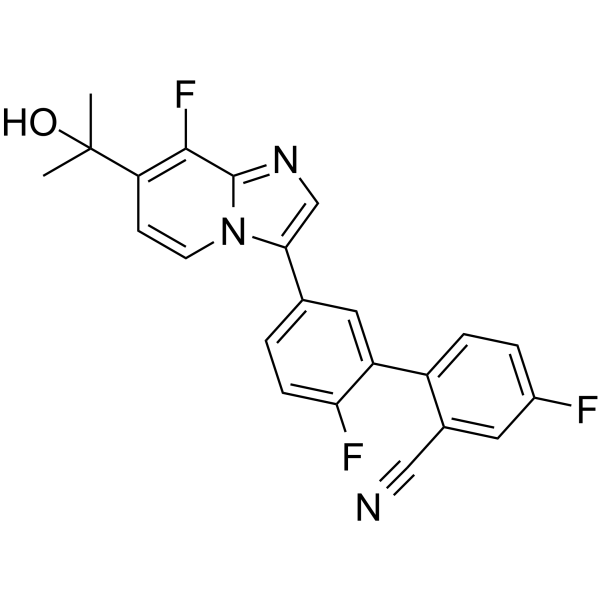
    GABAA receptor modulator-5 (Compound S28) is a modulator for (γ-aminobutyric acid)A receptor (GABAA receptor), with EC50 of 56 nM and 10 nM, for α1β2γ2 and α4β3δ subtype. GABAA receptor modulator-5 exhibits good pharmacokinetic characteristics in rats. GABAA receptor modulator-5 is slightly toxic toxicity in rats with a loss of rollover reflex (LORR) threshold dose of 23.3 μmol/kg, and exhibits potential ameliorating the postpartum depression .
    GABAA receptor modulator-5
  • HY-N8472

    GABA Receptor Infection
    Chrodrimanin B, a metabolite of a fungal, is a potent, non-open-channel-blocking antagonist on?B.?mori GABAR RDL with an IC50?of 1.13 nM. Chrodrimanin B attenuates the peak current amplitude of the GABA response of RDL with an IC50?of 1.66 nM.?Chrodrimanin B, a meroterpenoid, shows insecticidal activity .
    Chrodrimanin B
  • HY-10233R

    Lu 02-030 hydrochloride (Standard); THIP hydrochloride (Standard)

    Reference Standards GABA Receptor Neurological Disease
    Gaboxadol (hydrochloride) (Standard) is the analytical standard of Gaboxadol (hydrochloride). This product is intended for research and analytical applications. Gaboxadol hydrochloride (Lu 02-030 hydrochloride) is a potent agonist of the GABAA receptor and an antagonist of GABAC receptors (IC50=25 μM). Gaboxadol hydrochloride displays a partial agonist efficacy on subunit α1β2γ2 with an ED50 value of 143 μM, a full agonist efficacy at α5 subunit (ED50=28-129 μM) and a superagonist efficacy at α4β3δ (ED50=6 μM). Gaboxadol hydrochloride is a non-opioid agent .
    Gaboxadol hydrochloride (Standard)
  • HY-W013150R

    Reference Standards GABA Receptor Neurological Disease
    Alpidem (Standard) is the analytical standard of Alpidem (HY-W013150). This product is intended for research and analytical applications. Alpidem, an anxiolytic agent, is an orally active and brain-penetrant GABAA receptor ligand, binds to α1β2γ2 subunit-containing GABAA receptors (IC50 of 17 nM) over α5β2γ2 subunit-containing GABAA receptors (IC50 of >10 μM). Alpidem modulates calcium-induced mitochondrial permeability transition, induces glutathione depletion and hepatocyte necrosis, potentiates TNF-α toxicity, inhibits marble-burying and locomotor activity, enhances stressed rodent feeding behavior, and exerts anticonvulsant effects. Alpidem can be used for the research of anxiety, anxiety disorders, and convulsions.
    Alpidem (Standard)
  • HY-W013150S

    Isotope-Labeled Compounds GABA Receptor Neurological Disease
    Alpidem-d14 is the deuterium labeled Alpidem (HY-W013150) . Alpidem, an anxiolytic agent, is an orally active and brain-penetrant GABAA receptor ligand, binds to α1β2γ2 subunit-containing GABAA receptors (IC50 of 17 nM) over α5β2γ2 subunit-containing GABAA receptors (IC50 of >10 μM). Alpidem modulates calcium-induced mitochondrial permeability transition, induces glutathione depletion and hepatocyte necrosis, potentiates TNF-α toxicity, inhibits marble-burying and locomotor activity, enhances stressed rodent feeding behavior, and exerts anticonvulsant effects. Alpidem can be used for the research of anxiety, anxiety disorders, and convulsions.
    Alpidem-d14
  • HY-175251

    GABA Receptor Neurological Disease
    GABAA receptor modulator-9 is and positive allosteric modulator of a1β2y2 subtype GABAA that can cross the blood-brain barrier. GABAA receptor modulator-9 exhibits comparable activity on α1β2γ2 (EC50: 0.9 μM in oocytes, 0.2 μM in CHO cells) and on α1β2, α3β2γ2 and α1β3γ2 (EC50s of 1.3, 3.4 and 1.1 μM). GABAA receptor modulator-9 significantly suppresses seizure progression and reduces delayed mortality. GABAA receptor modulator-9 can be used for the study of status epilepticus (SE) .
    GABAA receptor modulator-9
  • HY-130349

    L-656,748

    GABA Receptor Infection
    Emamectin B1a (L-656,748) is a semisynthetic derivative of avermectin B1a that binds to GABA receptors (Ki=17.6 nM in rat brain membranes) and enhances GABA responses. Emamectin B1a acitivates GABAA receptors α1β1γ2, α1β2γ2, and α1β3γ2 with IC50s of 57, 210, and 49.8 nM, respectively. Emamectin B1a also binds to glycine receptors, inhibiting glycine receptors with an IC50=218 nM in rat spinal cord. Emamectin B1a (1.067 ng/mL) caused 90% mortality of S. exigua larvae in foliar spray bioassays and topical application, making it more toxic than avermectin B1.
    Emamectin B1a
  • HY-16579R

    HOE 36-801 hydrochloride (Standard)

    GABA Receptor Reference Standards Neurological Disease
    Etifoxine (hydrochloride) (Standard) is the analytical standard of Etifoxine (hydrochloride). This product is intended for research and analytical applications. Etifoxine hydrochloride, a non-benzodiazepine GABAergic compound, is a positive allosteric modulator of α1β2γ2 and α1β3γ2 subunit-containing GABAA receptors. Etifoxine hydrochloride reveals anxiolytic and anticonvulsant properties in rodents .
    Etifoxine hydrochloride (Standard)
  • HY-Y0313S2

    GABA Receptor Endogenous Metabolite Neurological Disease
    p-Hydroxybenzaldehyde-d5 is the deuterium labeled p-Hydroxybenzaldehyde . p-Hydroxybenzaldehyde is a one of the major components in vanilla aroma, with antagonistic effect on GABAA receptor of the α1β2γ2S subtype at high concentrations .
    p-Hydroxybenzaldehyde-d5
  • HY-B1494R

    Reference Standards Chloride Channel GABA Receptor Neurological Disease
    Picrotoxinin (Standard) is the analytical standard of Picrotoxinin. This product is intended for research and analytical applications. Picrotoxinin, a potent convulsant, is a chloride channel blocker. Picrotoxinin is a noncompetitive GABAA receptor antagonist, which negatively modulates the action of GABA on GABAA receptors. Picrotoxinin inhibits α1β2γ2L GABAA receptor with an IC50 of 1.15 μM .
    Picrotoxinin (Standard)
  • HY-181135

    GABA Receptor Neurological Disease
    Bicyclo-GABA is a selective betaine/GABA transporter 1 (BGT1) competitive, non-transported inhibitor with an IC50 of 590 nM. Bicyclo-GABA exhibits low micromolar agonistic activity at α1β2γ2 GABAA receptors with an EC50 of 5.1 μM. Bicyclo-GABA displays 129 times higher activity for BGT1 than GAT3. Bicyclo-GABA serves as a valuable tool compound for deciphering its elusive pharmacological role in the brain and periphery .
    Bicyclo-GABA
  • HY-145258

    GABA Receptor Neurological Disease
    GABAA receptor agent 6 (compound 2027) is a potent γ-GABAAR antagonist with an Ki of 0.56 µM. GABAA receptor agent 6 shows γ-GABAAR antagonist activity with low cellular membrane permeability .
    GABAA receptor agent 6
  • HY-N15436

    GABA Receptor Neurological Disease
    5-Deoxykievitone, an isoflavanone found in Phaseolus species, is a GABA receptor modulator. 5-Deoxykievitone potentiates GABA-induced chloride current through α1β2γ2s GABAA receptors. 5-Deoxykievitone can be used for the research of epilepsy and anxiety .
    5-Deoxykievitone
  • HY-46286

    N-(4-tert-butyl-1,3-thiazol-2-yl)-3-fluorobenzamide

    5-HT Receptor nAChR GABA Receptor Glycine Receptor (GlyR) Neurological Disease
    TTFB (N-(4-tert-butyl-1,3-thiazol-2-yl)-3-fluorobenzamide) is a selective, non-competitive zinc-activated channel (ZAC) antagonist. TTFB inhibits Zn 2+- and H +-induced ZAC currents with IC50 values of 3 μM and 8.5 μM, respectively, and has an IC50 of 4.7 μM against spontaneous activity. TTFB shows no significant agonistic, antagonistic or modulatory activity towards representative classical Cys-loop receptors including m5-HT3AR, hα3β4 nAChR, hα1β2γ2S GABAAR and hα1 GlyR. TTFB can be used to investigate the physiological and pathological functions of ZAC.
    TTFB
  • HY-W097625R

    Toll-like Receptor (TLR) MyD88 p38 MAPK NF-κB Heme Oxygenase (HO) Reference Standards PERK Neurological Disease Metabolic Disease Inflammation/Immunology Cancer
    6-Methoxyflavone (Standard) is the analytical standard of 6-Methoxyflavone (HY-W097625). This product is intended for research and analytical applications. 6-Methoxyflavone is an orally active methoxyflavone. 6-Methoxyflavone suppresses neuroinflammation in microglia through the inhibition of TLR4/MyD88/p38 MAPK/NF-κB dependent pathways and the activation of HO-1/NQO-1 signaling. 6-Methoxyflavone induces S-phase arrest through the CCNA2/CDK2/p21CIP1 signaling pathway and activates the PERK/EIF2a/ATF4/CHOP pathway in HeLa cells. 6-Methoxyflavone acts as a Flumazenil (HY-B0009)-insensitive positive allosteric modulator at human recombinant α1β2γ2L and α2β2γ2L GABAα receptors. 6-Methoxyflavone inhibits NFAT Translocation into the nucleus and suppresses T cell activation. 6-Methoxyflavone partially restores chronic ethanol-induced behavioral deficits in mice. 6-Methoxyflavone antagonizes chronic constriction injury and diabetes associated neuropathic nociception expression. 6-Methoxyflavone can be used for the study of cancer, inflammation and neurological diseases .
    6-Methoxyflavone (Standard)
  • HY-W644305

    3β-Androstenol

    GABA Receptor Endogenous Metabolite Neurological Disease
    Androst-16-en-3-ol is a pheromone derived from boars that triggers mating responses in estrous sows. It also exists in human urine, plasma, saliva and sweat. As an endogenous neurosteroid, Androst-16-en-3-ol acts as a positive allosteric modulator of GABAA receptors (GABAA receptor) and exerts anxiolytic, antidepressant and anticonvulsant activities in mice.
    Androst-16-en-3-ol

Inquiry Online

Your information is safe with us. * Required Fields.

Salutation


Country or Region *

Applicant Name *


Organization Name *

Department *


Email Address *


Product Name *

Cat. No.


Requested quantity *

Phone Number *


Remarks

Inquiry Online

Inquiry Information

Product Name:
Cat. No.:
Quantity:
MCE Japan Authorized Agent:

