1. Search Result
Search Result
Pathways Recommended: Stem Cell/Wnt Cell Cycle/DNA Damage
Results for "

H1975 cells

" in MedChemExpress (MCE) Product Catalog:

101

Inhibitors & Agonists

1

Fluorescent Dyes

1

Biochemical Assay Reagents

1

Peptides

2

Natural
Products

1

Isotope-Labeled Compounds

2

Click Chemistry

1

GMP Molecules

Cat. No. Product Name Target Research Areas Chemical Structure
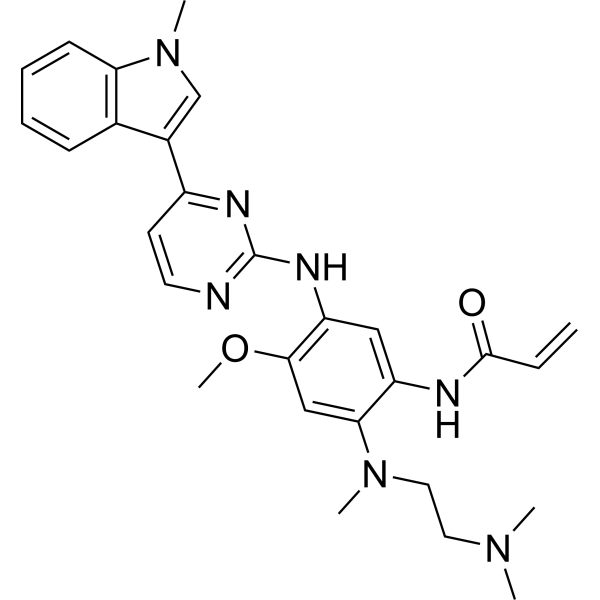
  • HY-15772
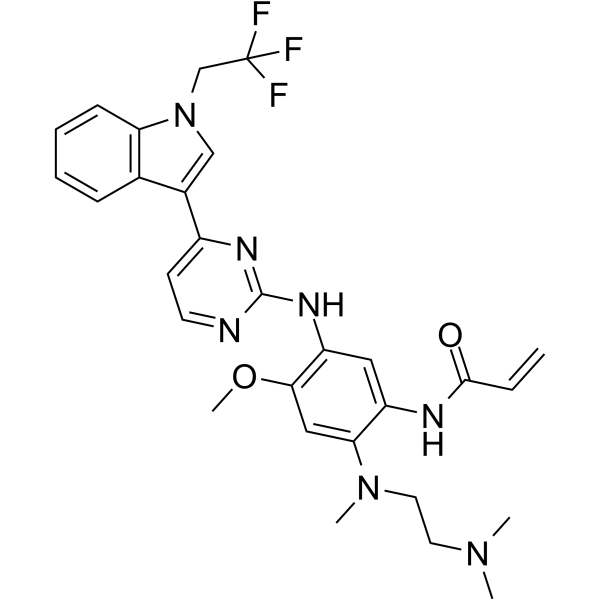
    Osimertinib
    Maximum Cited Publications
    185 Publications Verification

    AZD-9291; Mereletinib

    EGFR Cancer
    Osimertinib (AZD9291) is a covalent, orally active, irreversible, and mutant-selective EGFR inhibitor with an apparent IC50 of 12 nM against L858R and 1 nM against L858R/T790M, respectively. Osimertinib overcomes T790M-mediated resistance to EGFR inhibitors in lung cancer .
    Osimertinib
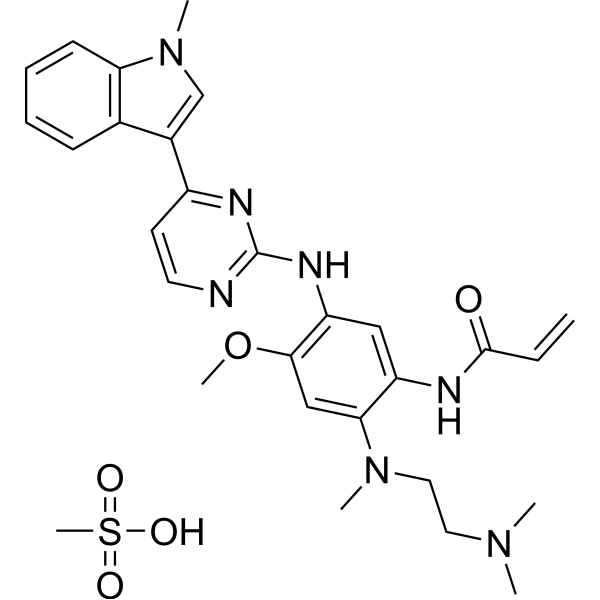
  • HY-15772A
    Osimertinib mesylate
    Maximum Cited Publications
    185 Publications Verification

    AZD-9291 mesylate; Mereletinib mesylate

    EGFR Cancer
    Osimertinib mesylate (AZD9291 mesylate) is a covalent, orally active, irreversible, and mutant-selective EGFR inhibitor with an apparent IC50 of 12 nM against L858R and 1 nM against L858R/T790M. Osimertinib overcomes T790M-mediated resistance to EGFR inhibitors in lung cancer .
    Osimertinib mesylate
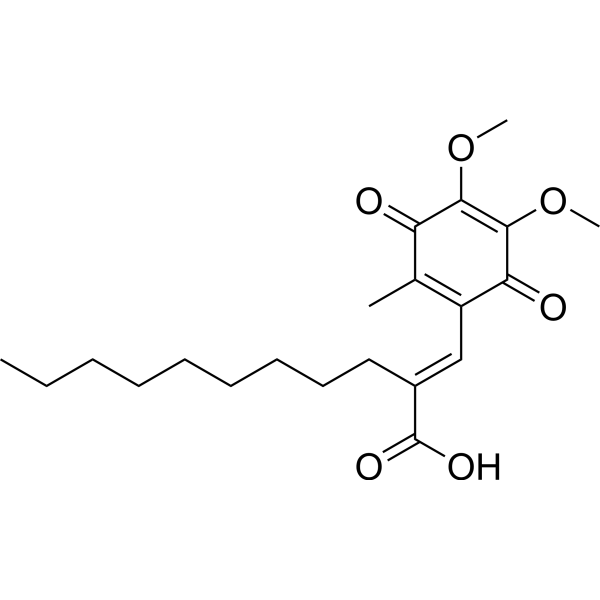
  • HY-19357
    Erenapurstat
    4 Publications Verification

    E3330; APX-3330

    DNA/RNA Synthesis NF-κB AP-1 HIF/HIF Prolyl-Hydroxylase VEGFR Reactive Oxygen Species (ROS) Cardiovascular Disease Neurological Disease Cancer
    Erenapursta (E3330) is a direct, orally active and selective inhibitor of Ape-1 (apurinic/apyrimidinic endonuclease 1)/Ref-1 (redox factor-1) redox. Erenapursta is able to impair tumor growth and blocks the activity of NF-κB, AP-1, and HIF-1α in pancreatic cancer. Erenapursta shows anticancer activities .
    Erenapurstat
  • HY-15772R

    AZD-9291 (Standard); Mereletinib (Standard)

    Reference Standards EGFR Cancer
    Osimertinib (Standard) is the analytical standard of Osimertinib. This product is intended for research and analytical applications. Osimertinib (AZD9291) is a covalent, orally active, irreversible, and mutant-selective EGFR inhibitor with an apparent IC50 of 12 nM against L858R and 1 nM against L858R/T790M, respectively. Osimertinib overcomes T790M-mediated resistance to EGFR inhibitors in lung cancer .
    Osimertinib (Standard)
  • HY-147858

    PROTACs EGFR Apoptosis Cancer
    PROTAC EGFR degrader 7 (compound 13b) is a potent and selective CRBN-recruiting PROTAC EGFR L858R/T790M degrader, with a DC50 of 13.2 nM. PROTAC EGFR degrader 7 inhibits NCIH1975 cells proliferation, with an IC50 of 46.82 nM. PROTAC EGFR degrader 7 significantly induces apoptosis and G2/M phase arrest in NCIH1975 cell. PROTAC EGFR degrader 7 shows antitumor activity, and can be used for non-small cell lung cancer (NSCLC) research . PROTAC EGFR degrader 7 is a click chemistry reagent, it contains an Alkyne group and can undergo copper-catalyzed azide-alkyne cycloaddition (CuAAc) with molecules containing Azide groups.
    PROTAC EGFR degrader 7
  • HY-153361

    PROTACs Epigenetic Reader Domain Inflammation/Immunology Cancer
    YD23 is a selective SMARCA2 PROTAC degrader with DC50 values of 64 nM and 297 nM in H1792 cells and H1975 cells. YD23 induces degradation of SMARCA2, which is synthetic lethal to SMARCA4. YD23 reduces chromatin accessibility only in SMARCA4 deficient cells, including cell cycle and cell growth regulatory genes. YD23 selectively inhibits growth of SMARCA4 mutant lung cancer cells. YD23 has potent tumor growth inhibitory activity in SMARCA4-mutant xenografts. YD23 can be used for the study of non-small cell lung cancer (NSCLC) .
    YD23
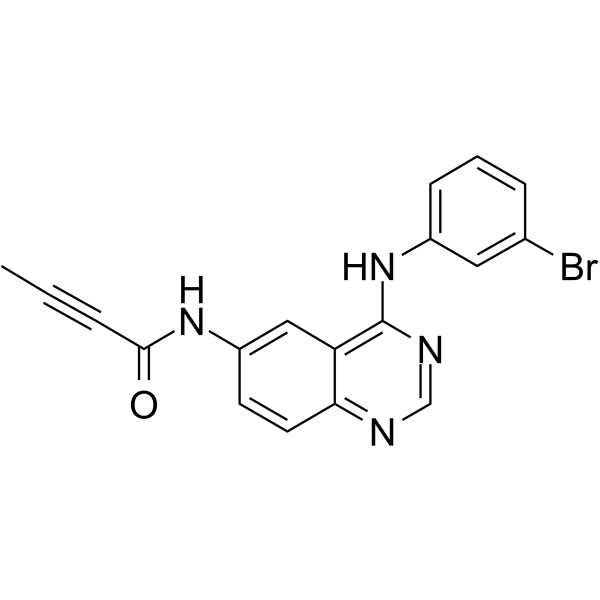
  • HY-10325
    CL-387785
    2 Publications Verification

    EKI-785; WAY-EKI 785

    EGFR Apoptosis Endocrinology Cancer
    CL-387785 (EKI-785; WAY-EKI 785) is an orally active EGFR inhibitor with an IC50 of 370 pM. CL-387785 inhibits EGF-stimulated EGFR autophosphorylation with an IC50 of approximately 5 nM. CL-387,785 exerts selective inhibition on cell lines overexpressing EGFR or c-erbB-2, whereas it shows weak inhibitory effects on cell lines with low expression of these two receptors. CL-387785 effectively induces cell cycle arrest and apoptosis. CL-387785 can be used for the research of non-small cell lung cancer and autosomal recessive polycystic kidney disease .
    CL-387785
  • HY-146349

    PROTACs EGFR Autophagy Cancer
    PROTAC EGFR degrader 4 is a potent PROTAC targeting mutant EGFR.PROTAC EGFR degrader 4 induces EGFR del19 and EGFR L858R/T790M degradation with DC50s of 0.51 and 126 nM, respectively. PROTAC EGFR degrader 4 significantly inhibits growth of HCC827 and H1975 cell lines with IC50s of 0.83 and 203.1 nM, respectively. Induced EGFR degradation is related to autophagy .
    PROTAC EGFR degrader 4
  • HY-137433
    Befotertinib
    2 Publications Verification

    D-0316

    EGFR P-glycoprotein Apoptosis Cancer
    Befotertinib (D-0316) is an orally active EGFR inhibitor and ABCB1 inhibitor. Befotertinib selectively targets EGFR mutations including EGFR T790M, EGFR L858R and delE746-A750, forms covalent bonds with EGFR C797, inhibits oncogenic signaling pathways, and exerts antiproliferative effects. Befotertinib inhibits ABCB1-mediated drug efflux, activates the ATPase activity of ABCB1, acts as a chemosensitizer and apoptosis enhancer, and restores the sensitivity of multidrug-resistant cancer cells. Befotertinib can be used in research related to multidrug-resistant cancers and non-small cell lung cancer .
    Befotertinib
  • HY-147032

    Deubiquitinase Cancer
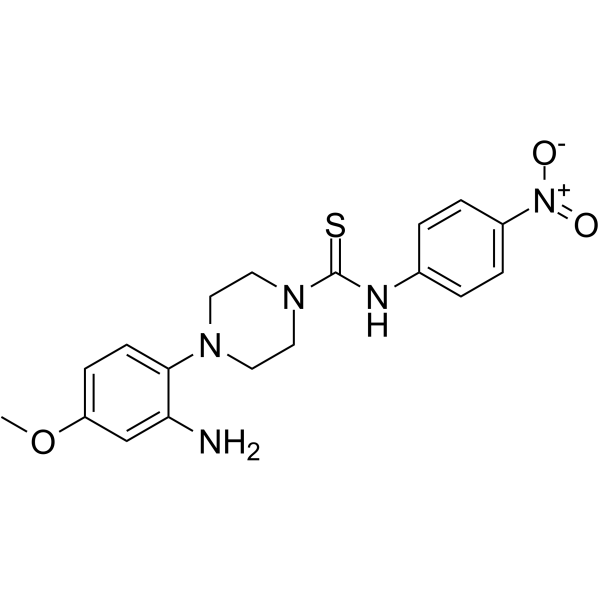
    USP8-IN-1 is a USP8 inhibitor with an IC50 of 1.9 μM. USP8-IN-1 inhibits H1975 cell growth with a GI50 of 82.04 μM (CN111138358A; U10) .
    USP8-IN-1
  • HY-108016

    Encordin

    Src PI3K JNK STAT EGFR Apoptosis Autophagy Cancer
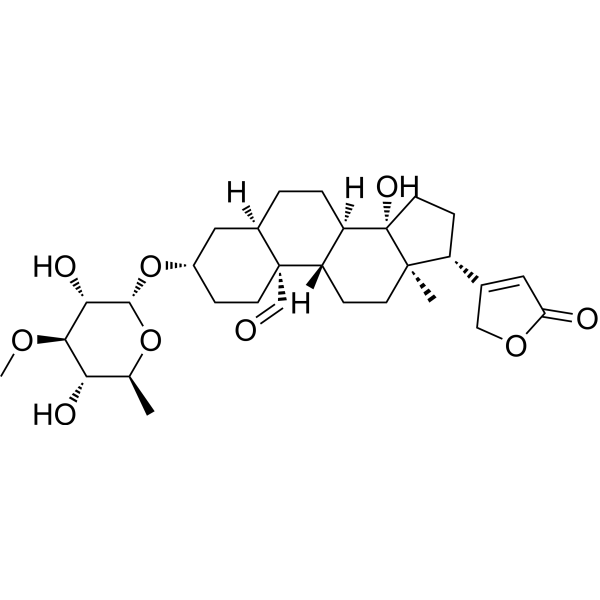
    Peruvoside is a potent inhibitor of Src, PI3K, JNK, STAT, and EGFR. Peruvoside induces apoptosis and autophagy and possesses a broad spectrum of anticancer activity in breast, lung, liver cancers and leukemia. Peruvoside is a broad-spectrum and potent antiviral activity against positive-sense RNA viruses. Peruvoside sensitizes Gefitinib (HY-50895)-resistant tumour cells (A549, PC9/gef and H1975) to Gefitinib .
    Peruvoside
  • HY-18325
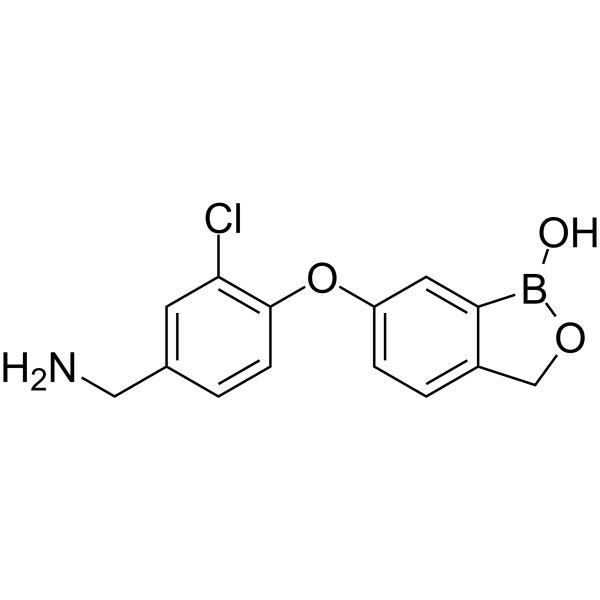
    AN-3485
    1 Publications Verification

    Toll-like Receptor (TLR) NF-κB Interleukin Related Inflammation/Immunology Cancer
    AN-3485 is a benzoxaborole analogue and an orally active antagonist of the Toll-like pathway. AN-3485 can inhibit TLR-mediated inflammatory cytokine secretion and has significant anti-inflammatory activity. In addition, AN-3485 also has certain anti-tumor activity .
    AN-3485
  • HY-15772S

    AZD-9291-d6; Mereletinib-d6

    EGFR Cancer
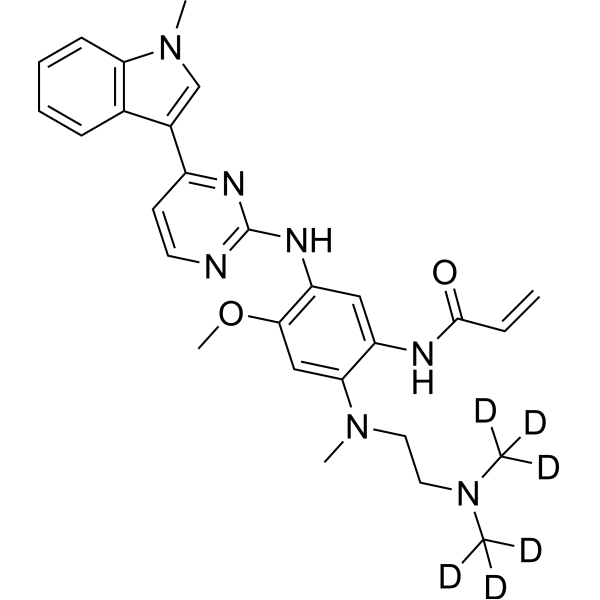
    Osimertinib-d6 is a deuterium labeled osimertinib. Osimertinib is a covalent, orally active, irreversible, and mutant-selective EGFR inhibitor with an apparent IC50 of 12 nM against L858R and 1 nM against L858R/T790M. Osimertinib overcomes T790M-mediated resistance to EGFR inhibitors in lung cancer .
    Osimertinib-d6
  • HY-153043

    Drug Metabolite Cancer
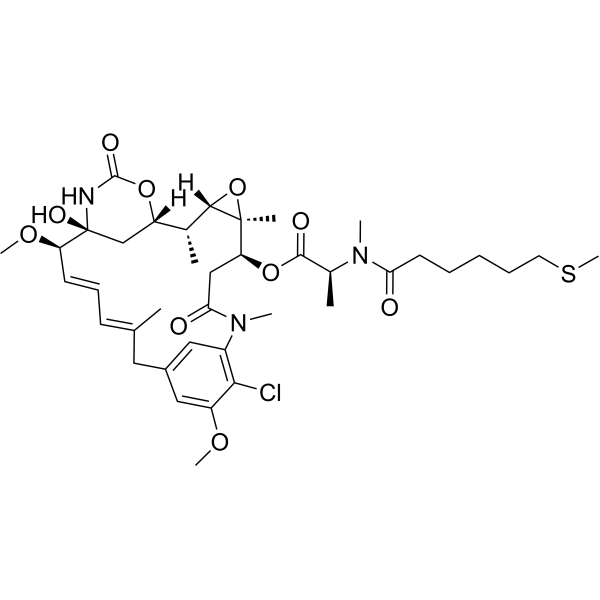
    DM-CO-(CH2)5-SMe is an anticancer agent derived from antibody-drug conjugates (ADC) metabolite with cytotoxicity to H1703, H1975, COLO704 and Colo720E cells .
    DM-CO-(CH2)5-SMe
  • HY-151606

    Akt Cancer
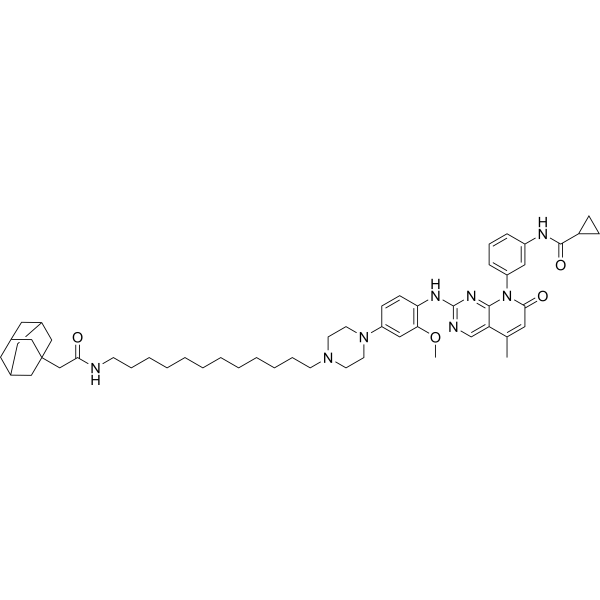
    Akt3 degrader 1 (compound 12l) is a selective Akt3 degrader that overcomesOsimertinib (HY-15772)-induced resistance in H1975OR NSCLC cells. Akt3 degrader 1 also has anti-proliferative activity and significantly inhibits tumour growth in mice. Akt3 degrader 1 can be used in the study of drug-resistant non-small cell lung cancer .
    Akt3 degrader 1
  • HY-153901

    EGFR PROTACs Cancer
    PROTAC EGFR degrader 8 (T-184) is a PROTAC EGFR degrader. PROTAC EGFR degrader 8 degrades EGFR in HCC827 cell with a DC50 of 15.56 nM. PROTAC EGFR degrader 8 inhibits H1975, PC-9, HCC827 cell growth with IC50s of 7.72 nM, 121.9 nM, 14.21 nM. PROTAC EGFR degrader 8 can be used for research of cancer, especially NSCLC .
    PROTAC EGFR degrader 8
  • HY-151563A
    OTUB1/USP8-IN-1 TFA
    2 Publications Verification

    Deubiquitinase Cancer
    OTUB1/USP8-IN-1 TFA is the TFA salt form of OTUB1/USP8-IN-1 (HY-151563). OTUB1/USP8-IN-1 TFA is a dual inhibitor for OTUB1/USP8, IC50 for OTUB1 and USP8 is 0.17 and 0.28 nM, respectively. OTUB1/USP8-IN-1 TFA inhibits proliferation of NSCLC cells. OTUB1/USP8-IN-1 TFA exhibits good pharmacokinetic characters in ICR mouse, and exhibits antitumor activity in H1975 xenograft mouse model .
    OTUB1/USP8-IN-1 TFA
  • HY-164384

    PI3K Akt mTOR Apoptosis Cancer
    DFX117 is a selective, orally active inhibitor for PI3Kα and c-Met tyrosine kinase. DFX117 inhibits PI3K/Akt/mTOR pathway, inhibits the proliferation of NCI-H1975, NCI-H1993, and HCC827 with IC50s 0.02-0.08 µM. DFX117 arrests cell cycle at G0/G1 phase, induces apoptosis in A549 and NCI-H1975. DFX117 exhibits antitumor efficacy in mice .
    DFX117
  • HY-116505

    JAK Cancer
    JAK1-IN-4 is a potent and selective JAK1 inhibitor, with IC50s of 85 nM, 12.8 μM and >30 μM for JAK1, JAK2, and JAK3, respectively. JAK1-IN-4 inhibits STAT3 phosphorylation in NCI-H 1975 cells (IC50, 227 nM) .
    JAK1-IN-4
  • HY-162640

    ROR Cancer
    LDR102 (Compound 19h) is an inhibitor for receptor tyrosine kinase-like orphan receptor 1 (ROR 1) with Ki of 0.10 μM. LDR102 inhibits proliferation of cancer cells H1975, A549 and MDA-MB-231, with IC50 of 0.36 μM, 1.37 μM and 0.47 μM. LDR102 exhibits antitumor efficacy in mice and good pharmacokinetic characteristics in rat models .
    LDR102
  • HY-101450

    EGFR Cancer
    PF-6274484 is a potent EGFR inhibitor with Kis of 0.14 nM and 0.18 nM for EGFR-L858R/T790M and WT EGFR, respectively. PF-6274484 inhibits EGFR-L858R/T790M autophosphorylation in H1975 tumor cells and EGFR WT in A549 tumor cells with IC50s of 6.6 and 5.8 nM, respectively .
    PF-6274484
  • HY-144605

    EGFR PROTACs Cancer
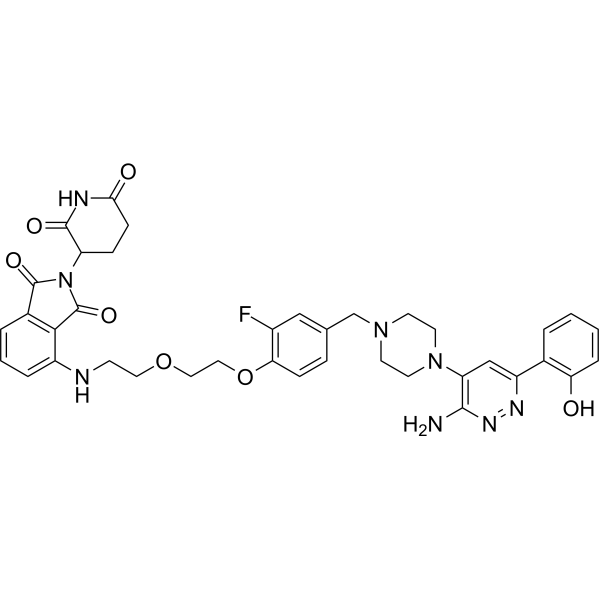
    PROTAC EGFR degrader 3 is a potent PROTAC EGFR degrader. PROTAC EGFR degrader 3 shows excellent cellular activity against the H1975 and HCC827 cells with high selectively. PROTAC EGFR degrader 3 shows that the lysosome is involved in the degradation process of EGFR mutant degradation .
    PROTAC EGFR degrader 3
  • HY-171958

    PROTACs EGFR Cancer
    PROTAC EGFR degrader 12 (example 1) is a PROTAC degrader targeting EGFR that can effectively degrade EGFR mutants, but has little effect on EGFR WT. PROTAC EGFR degrader 12 shows IC50s against EGFR L858R-T790M (NCI-H1975 cells), EGFR L858R (NCI-H3255 cells), and EGFR L858R-T790M-L797S (NCI-H1975+CS cells) of all <50 nM .
    PROTAC EGFR degrader 12
  • HY-147219A

    PROTACs Anaplastic lymphoma kinase (ALK) EGFR Apoptosis Cancer
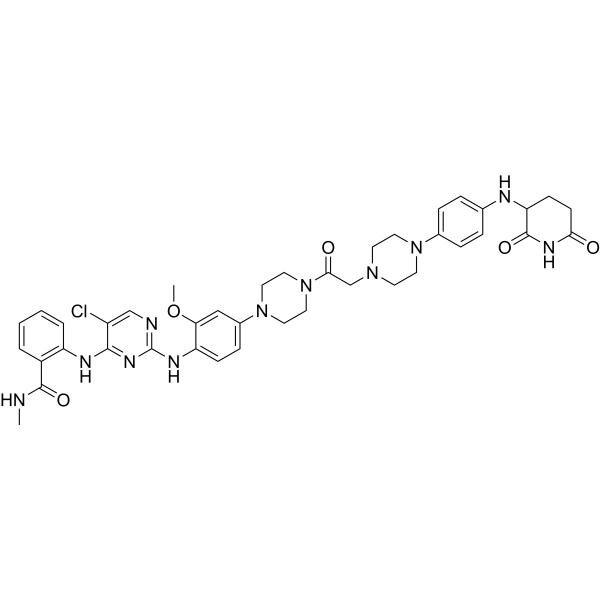
    SIAIS164018 hydrochloride is a PROTAC-based ALK and EGFR degrader, with IC50 value of 2.5 nM and 6.6 nM for ALK and ALK G1202R, respectively. SIAIS164018 hydrochloride strongly inhibits cancer cells migration and invasion, causes G1 cell cycle arrest and induces apoptosis. SIAIS164018 hydrochloride exhibits better property than Brigatinib (HY-12857) .
    SIAIS164018 hydrochloride
  • HY-15772AR

    AZD-9291 mesylate (Standard); Mereletinib mesylate (Standard)

    Reference Standards EGFR Cancer
    Osimertinib (mesylate) (Standard) is the analytical standard of Osimertinib (mesylate). This product is intended for research and analytical applications. Osimertinib mesylate (AZD9291 mesylate) is a covalent, orally active, irreversible, and mutant-selective EGFR inhibitor with an apparent IC50 of 12 nM against L858R and 1 nM against L858R/T790M. Osimertinib overcomes T790M-mediated resistance to EGFR inhibitors in lung cancer .
    Osimertinib mesylate (Standard)
  • HY-164548

    HSP Apoptosis PI3K Akt NF-κB Inflammation/Immunology Cancer
    WK88-1 is an apoptosis inducer and Hsp90 client protein inhibitor with antiproliferative and immunomodulatory activities. WK88-1 inhibits signaling pathways such as PI3K/Akt and NF-κB, and induces mitochondrial dysfunction and cell cycle arrest. WK88-1 effectively suppresses cancer cell migration and invasion, and reverses various EGFR mutations and resistance to Gefitinib (HY-50895). WK88-1 also regulates the differentiation of monocytes and dendritic cells, blocks the expression of multiple chemokines, inhibits immune cell migration and M1 marker transcription, and restores impaired endocytic activity. WK88-1 has been used in studies of breast cancer, non-small cell lung cancer with various EGFR mutations or Met amplification, and atherosclerosis and other related diseases .
    WK88-1
  • HY-178242

    PROTACs EGFR Cancer
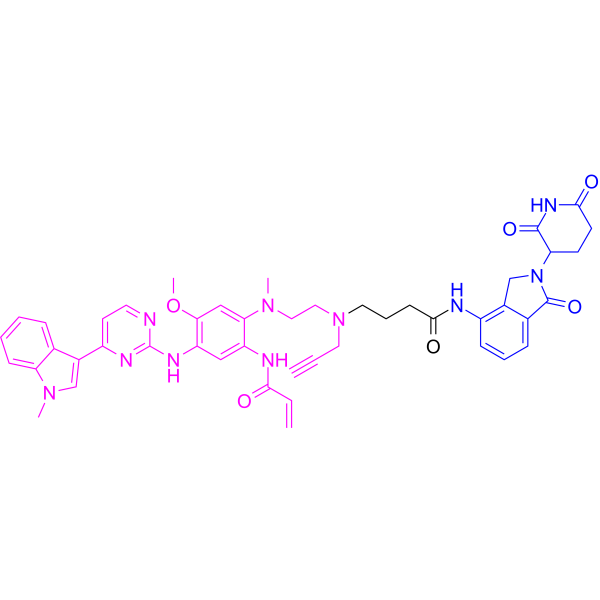
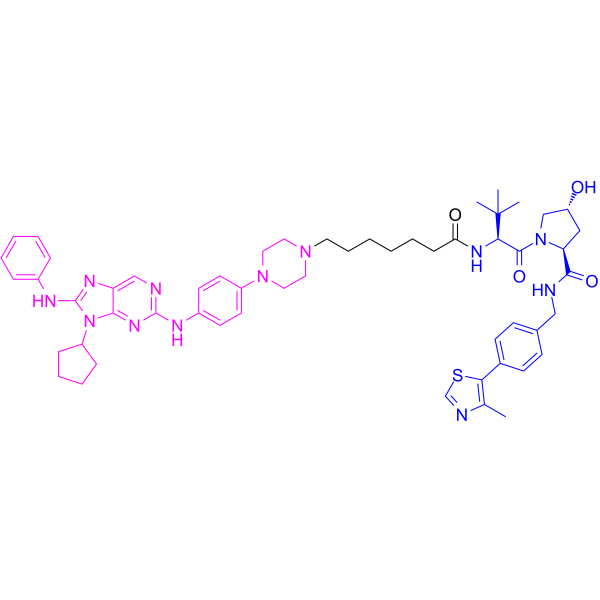
    PROTAC EGFR degrader 16 (Compound 98) a selective EGFR PROTAC degrader with DC50 values of < 50 nM in NCI-H1975 (EGFR L858R-T970M), NCI-H3225 (EGFR L858R) and NCI-H1976 + CS (EGFR L858R-T970M-L797S). PROTAC EGFR degrader 16 can be used for the study of EGFR-driven cancerssuch as non-small cell lung cancer (Pink: EGFR ligand (HY-178313); Blue: CRBN ligand (HY-W1128702); Black: Linker; EGFR ligand + Linker (HY-178311)) .
    PROTAC EGFR degrader 16
  • HY-146293

    HDAC HSP Cancer
    HDAC6/HSP90-IN-1 (compound 17) is a potent and selective dual inhibitor of HDAC6 and HSP90, with IC50 values of 4.3 and 46.8 nM, respectively. HDAC6/HSP90-IN-1 down-regulates PD-L1 expression in INF-γ treated H1975 lung cancer cells. HDAC6/HSP90-IN-1 inhibits tumor growth in human H1975 xenograft mice .
    HDAC6/HSP90-IN-1
  • HY-19617A

    EGFR Cancer
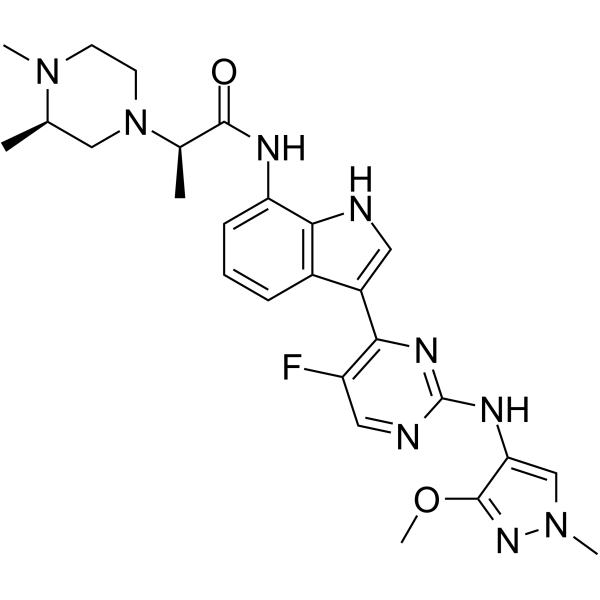
    EGFR-IN-1 hydrochloride is an orally active and irreversible L858R/T790M mutant selective EGFR inhibitor. EGFR-IN-1 hydrochloride potently inhibits Gefitinib-resistant EGFR L858R, T790M with 100-fold selectivity over wild-type EGFR. EGFR-IN-1 hydrochloride displays strong antiproliferative activity against the H1975 cells and the first line mutant HCC827 cells. Antitumor activity .
    EGFR-IN-1 hydrochloride
  • HY-176938A

    EGFR PhosTACs Cancer
    iAfaPhos1 is a FKBP12F36V epimer ligand. iAfaPhos1 leads to reduced dephosphorylation of EGFR at pY1068 and pY845 sites. iAfaPhos1 has anticancer activity against non-small cell lung cancer .
    iAfaPhos1
  • HY-176938

    PhosTACs EGFR Apoptosis Drug Derivative Cancer
    AfaPhos1 is a new, Afatinib (HY-10261)-based EGFR PhosTAC. AfaPhos1 induces EGFR dephosphorylation at both pY1068 and pY845. AfaPhos1 induces Apoptosis. AfaPhos1 has anticancer activity against non-small cell lung cancer .
    AfaPhos1
  • HY-170995

    PROTACs ROR Apoptosis Cancer
    PROTAC ROR1 degrader-1 is a ROR1 PROTAC degrader with DC50 values of 40.88 nM (NCI-H23), 69.0 nM (NCI-H460), 83.35 nM (NCI-H1299) and 42.07 nM (NCI-H1975), respectively. PROTAC ROR1 degrader-1 inhibits the proliferation of lung cancer cells and induces apoptosis. PROTAC ROR1 degrader-1 can be used in research related to non-small cell lung cancer .
    PROTAC ROR1 degrader-1
  • HY-174296

    PI5P4K Others
    TMX-4102 is a highly selective phosphatidylinositol 5-phosphate 4-kinase type II gamma (PIP4K2C) binder. TMX-4102 has binding activity to PIP4K2C (Kd = 0.45 nM) and has no significant effect on other lipid and non-lipid kinases.TMX-4102 specifically binds to PIP4K2C, regulating its scaffold function rather than its enzymatic activity. TMX-4102 can be used as a tool molecule to study the biological function and potential therapeutic value of PIP4K2C .
    TMX-4102
  • HY-147219

    PROTACs Anaplastic lymphoma kinase (ALK) EGFR Apoptosis Cancer
    SIAIS164018 is a PROTAC-based ALK and EGFR degrader, with IC50 value of 2.5 nM and 6.6 nM for ALK and ALK G1202R, respectively. SIAIS164018 strongly inhibits cancer cells migration and invasion, causes G1 cell cycle arrest and induces apoptosis. SIAIS164018 exhibits better property than Brigatinib (HY-12857) .
    SIAIS164018
  • HY-123891

    EGFR Cancer
    NS-062 is an orally active, irreversible targeted covalent inhibitor for EGFR, and exhibits antiproliferative efficacy in drug-resistant double mutated H1975 cell with an IC50 of 0.19 μM. NS-062 exhibits antitumor efficacy in mouse H1975 xenograft model .
    NS-062
  • HY-173038

    EGFR ERK STAT Apoptosis Cancer
    EGFR-IN-151 (Compound 10) inhibits EGFR and its downstream signaling pathways ERK/STAT3. EGFR-IN-151 inhibits the proliferation of a variety lung cancer cells (IC50s for NCI-H1781, HCC827, NCI-H3255 and NCI-H1975 is 11.7, 5.19, 7.32 and 1.53 μM, respectively), inhibits the colony formation and migration of H1975, arrests the cell cycle at G1 phase, and induces apoptosis in H1975 .
    EGFR-IN-151
  • HY-170968

    EGFR Apoptosis Cancer
    EGFR-IN-150 is an EGFR inhibitor that effectively suppresses the phosphorylation of mutant epidermal growth factor receptor (EGFR) and its downstream AKT signaling pathway, thereby exerting antitumor effects and inducing HMOX1 expression to trigger ferroptosis. EGFR-IN-150 exhibits an IC50 of 0.386 μM against the non-small cell lung cancer (NSCLC) cell line H1975, and significantly inhibits colony formation and migration of both H1975 and A549 cells while inducing apoptosis. In addition, EGFR-IN-150 markedly suppresses tumor growth in the H1975 cell-derived xenograft (CDX) mouse model. EGFR-IN-150 holds promise for research related to non-small cell lung cancer .
    EGFR-IN-150
  • HY-163396

    EGFR Apoptosis Cancer
    EGFR-IN-107 (compound 3r) is an orally active EGFR inhibitor with IC50 values of 0.4333 μM for EGFR WT and 0.0438 μM for EGFR L858R/T790M. EGFR-IN-107 has anti-proliferative activity and can inhibit the proliferation of H1975 cells and induce their apoptosis. EGFR-IN-107 can be used in cancer research .
    EGFR-IN-107
  • HY-154960

    Akt Apoptosis Microtubule/Tubulin Cancer
    Tubulin/AKT1-IN-1 (Compound D1-1) is an inhibitor of tubulin polymerization and AKT pathway activation. Tubulin/AKT1-IN-1 significantly inhibits the proliferation and metastasis of H1975 cells and slightly induced their apoptosis and can be used for non-small-cell lung cancer (NSCLC) research .
    Tubulin/AKT1-IN-1
  • HY-164392

    EGFR Apoptosis Cancer
    TAS-121 is an orally active, selective, covalent, third-generation mutant EGFR-tyrosine kinase inhibitor (EGFR-TKI). TAS-121 inhibits the L858R mutation (IC50=1.7 nM), Ex19del mutation (IC50=2.7 nM), L858R/T790M mutation (IC50=0.56 nM) and Ex19del/T790M mutation (IC50=1.1 nM) and wild-type EGFR (IC50=8.2 nM). TAS-121 inhibits HER2 and HER4 with IC50s of 110 and 2.6 nM, respectively. TAS-121 inhibits phosphorylation of EGFR and its downstream signaling targets to block cell proliferation. TAS-121 induces apoptosis and displays antitumor activity in SW48 (EGFR G719S) and NCI-H1975 (EGFR L858R/T790M) xenograft models .
    TAS-121
  • HY-156457

    EGFR Cancer
    EGFR-IN-90 (compound 34) is an orally active EGFR inhibitor. EGFR-IN-90 shows inhibitory activity against EGFRL858R/T790M/C797S with an IC50 of 5.1 nM and inhibits the proliferation of the H1975-TM cell line harboring EGFRL858R/T790M/C797S with an IC50 of 0.05 μM. EGFR-IN-90 and inhibits tumor growth in the H1975-TM xenograft tumor model .
    EGFR-IN-90
  • HY-157398

    EGFR Cancer
    EGFR T790M/L858R-IN-3 (compound B1) is a EGFR L858R/T790M inhibitor with IC50 value of 13?nM. EGFR T790M/L858R-IN-3 shows anti-tumour activity in H1975 cells with an IC50 value of 0.087 μΜ. EGFR T790M/L858R-IN-3 inhibits cell migration in A549 cells and induces apoptosis in H1975 cells .
    EGFR T790M/L858R-IN-3
  • HY-147858A

    PROTACs Cancer
    PROTAC EGFR degrader 7 (compound 13b) is a potent and selective CRBN-recruiting PROTAC EGFRL858R/T790M degrader, with a DC50 of 13 .2 nM.PROTAC EGFR degrader 7 inhibits NCI-H1975 cells proliferation, with an IC50 of 46 .82 nM.PROTAC EGFR degrader 7 significantly induces apoptosis and G2/M phase arrest in NCI-H1975 cell.PROTAC EGFR degrader 7 shows antitumor activity, and can be used for non-small cell lung cancer (NSCLC) research .
    PROTAC EGFR degrader 7 diTFA
  • HY-19617B

    EGFR Cancer
    EGFR-IN-1 TFA is an orally active and irreversible L858R/T790M mutant selective EGFR inhibitor. EGFR-IN-1 TFA potently inhibits Gefitinib-resistant EGFR L858R, T790M with 100-fold selectivity over wild-type EGFR. EGFR-IN-1 TFA displays strong antiproliferative activity against the H1975 cells and the first line mutant HCC827 cells. Antitumor activity .
    EGFR-IN-1 TFA
  • HY-19617

    EGFR Cancer
    EGFR-IN-1 (compound 24) is an orally active and irreversible L858R/T790M mutant selective EGFR inhibitor. EGFR-IN-1 potently inhibits Gefitinib-resistant EGFR L858R, T790M with 100-fold selectivity over wild-type EGFR. EGFR-IN-1 displays strong antiproliferative activity against the H1975 cells and the first line mutant HCC827 cells. Antitumor activity .
    EGFR-IN-1
  • HY-147862

    EGFR Apoptosis Cancer
    EGFR-IN-62 (compound 9h) is a potent and reversible EGFR kinase inhibitor, with IC50 values of 10 nM (L858R/T790 M), 29 nM (WT), and 242 nM (L858R/T790 M/C797S), respectively. EGFR-IN-62 shows antiproliferative activity against A549 and H1975 cell lines, with IC50 values of 2.53 and 1.56 μM, respectively. EGFR-IN-62 induces dose-dependent apoptosis process, G1/G0-phase arrestation, and the inhibition of motility on A549 and/or H1975 cell lines .
    EGFR-IN-62
  • HY-155227B

    Anaplastic lymphoma kinase (ALK) Cancer
    ALK/EGFR-IN-3 is a dual inhibitor of ALK and EGFR. ALK/EGFR-IN-3 inhibits the cell proliferation of H1975, PC9, and Baf3-EML4-ALK cancer cell lines with IC50s of 0.1360, 0.0332, and 0.0339 μM, respectively .
    ALK/EGFR-IN-3
  • HY-161030

    EGFR Cancer
    EGFR-IN-92 (compound 15) is an allosteric T790M/L858R double mutant EGFR inhibitor. EGFR-IN-92 shows antiproliferative activity against H1975 non-small lung cancer (NSCLC) cancer cells expressing double mutant EGFR .
    EGFR-IN-92
  • HY-146132

    EGFR Cancer
    EGFR-IN-55 (Compound 8a) is a potent EGFR inhibitor with IC50 values of 70 nM and 3.9 nM against EGFR WT and EGFR L858R/T790M, respectively. EGFR-IN-55 arrests NCI-H1975 cells in G0/G1 phase and shows anticancer activity .
    EGFR-IN-55
  • HY-179049

    EGFR Microtubule/Tubulin Akt ERK Autophagy Atg8/LC3 p62 Ferroptosis Reactive Oxygen Species (ROS) Cancer
    EGFR/tubulin-IN-1 (Compound 26) is a dual-target inhibitor of EGFR and tubulin. EGFR/tubulin-IN-1 significantly reduces the levels of p-EGFR, p-AKT, and p-ERK in cells, disrupting the microtubule structure of the cells. EGFR/tubulin-IN-1 significantly inhibits the proliferation of H1975 cells and significantly blocks the cells in the G2/M phase. EGFR/tubulin-IN-1 induces the expression of autophagy markers LC3B-II and Beclin-1, while down-regulating the expression of p62. EGFR/tubulin-IN-1 induces ferroptosis, with increased ROS content and depletion of glutathione (GSH). EGFR/tubulin-IN-1 inhibits epithelial-mesenchymal transition (EMT) and tumor metastasis. EGFR/tubulin-IN-1 has a significant tumor-suppressing effect in the H1975 transplanted tumor nude mouse model. EGFR/tubulin-IN-1 can be used for the study of non-small cell lung cancer .
    EGFR/tubulin-IN-1

Inquiry Online

Your information is safe with us. * Required Fields.

Salutation


Country or Region *

Applicant Name *


Organization Name *

Department *


Email Address *


Product Name *

Cat. No.


Requested quantity *

Phone Number *


Remarks

Inquiry Online

Inquiry Information

Product Name:
Cat. No.:
Quantity:
MCE Japan Authorized Agent:

