
116 Results for "

4T1 cell

" in MedChemExpress (MCE) Product Catalog:
Products (116)

116 Results for "4T1 cell" in MCE Product Catalog:

3
3 Cited Publications
Cat. No.: HY-116705
CAS No.: 70763-62-1
Purity:  99.99%
Target:  

Glycosyltransferase

Research Areas:  

Cancer

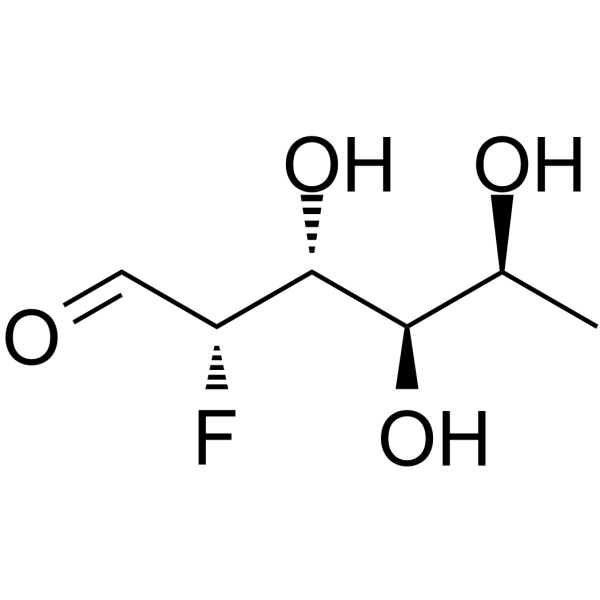
2-Deoxy-2-fluoro-L-fucose, an L-fucose analog, is a fucosylation inhibitor. 2-Deoxy-2-fluoro-L-fucose inhibits de novo synthesis of GDP-fucose in mammalian cells. Fucosylation is a relatively well-defined biomarker for progression in many human cancers; for example, pancreatic and hepatocellular carcinoma .
loading...
    loading...
3
3 Cited Publications
Cat. No.: HY-114169
CAS No.: 1913291-02-7
Purity:  99.76%
Research Areas:  

Inflammation/Immunology Cancer

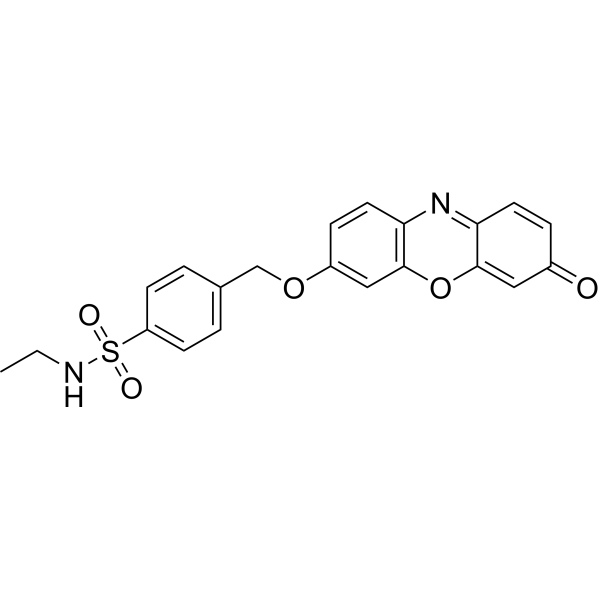
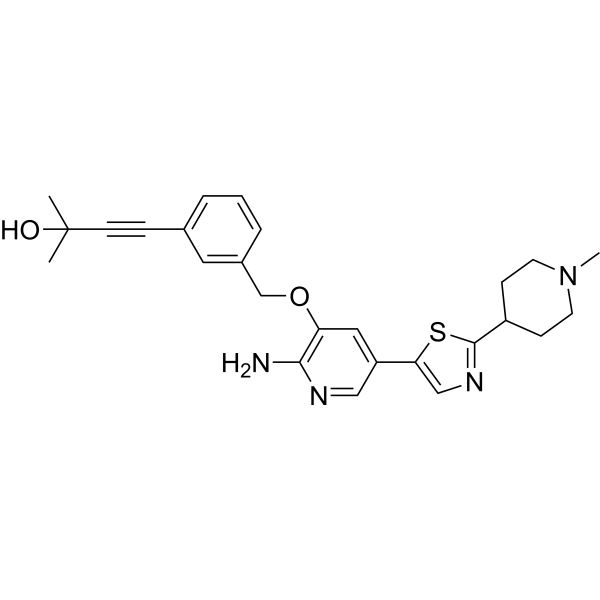
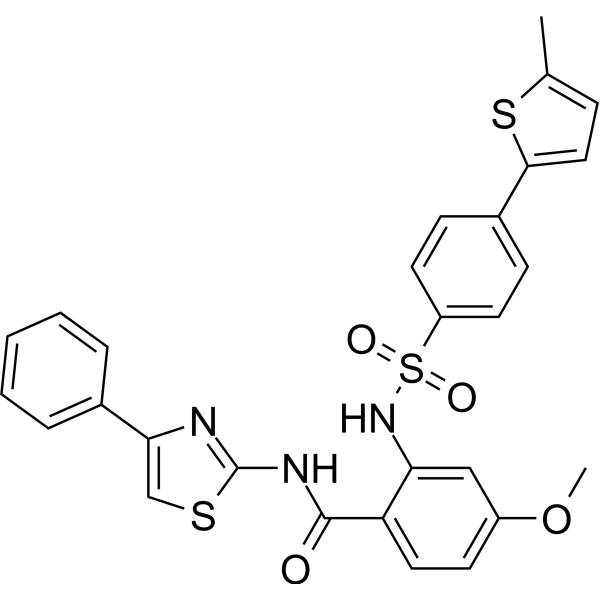
WRG-28 is a selective, extracellularly acting DDR2 allosteric inhibitor, with an IC50 of 230 nM. WRG-28 inhibits tumor invasion, migration and tumor-supporting effects of cancer-associated fibroblasts (CAFs). WRG-28 inhibits metastatic breast tumor cell colonization in the lungs. WRG-28 also shows good activity of relieving rheumatoid arthritis in CAIA model of mice .
loading...
    loading...
2
2 Cited Publications
Cat. No.: HY-18976
CAS No.: 537672-41-6
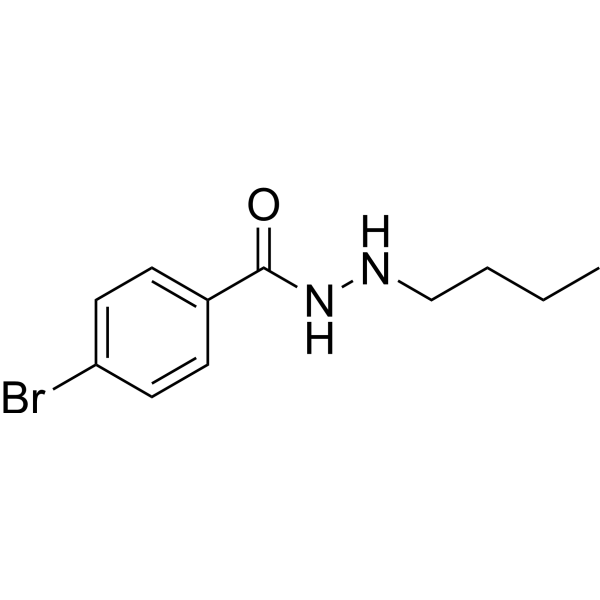
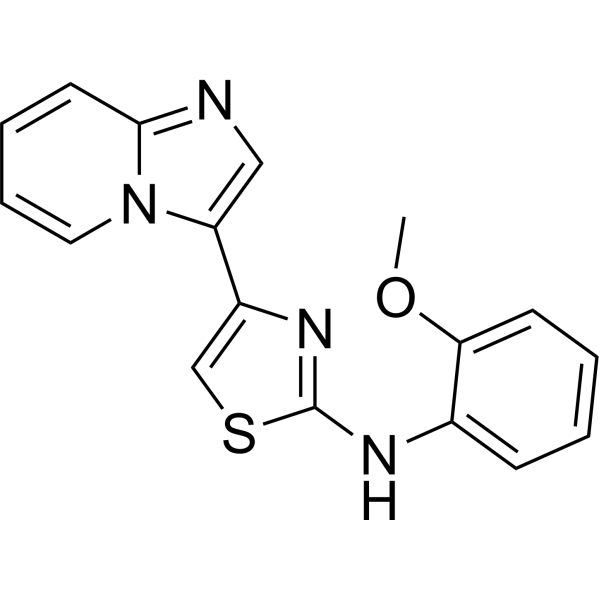
UF010 is a selective inhibitor of class I HDAC. UF010 has cytotoxicity to cancer cells and reduces neuroinflammation in the hippocampus. UF010 can be used for the research of neurological diseases .
loading...
    loading...
2
2 Cited Publications
Cat. No.: HY-N2374
CAS No.: 855-96-9
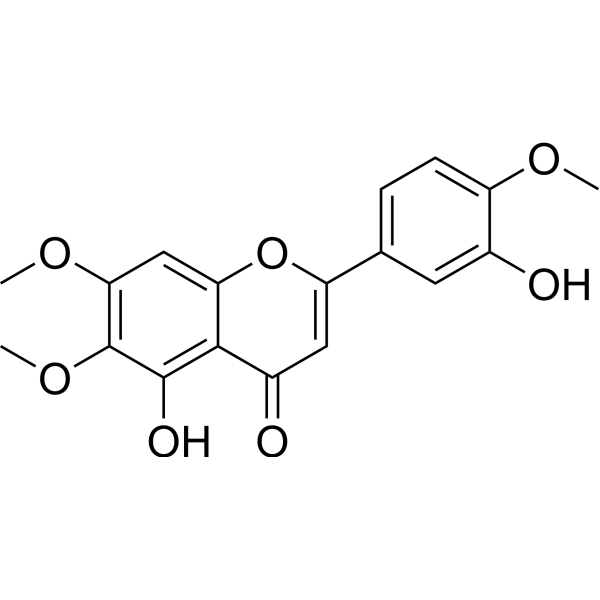
Eupatorin is an orally active flavonoid with antiproliferative and vasodilatory properties. Eupatorin downregulates the expression levels of NF-κB, MMP9, IL-1β and TNF-α. Eupatorin induces apoptosis, G2/M phase cell cycle arrest, and reactive oxygen species (ROS) production. Eupatorin modulates the activities of muscarinic receptors and β-adrenergic receptors; inhibits sarcoplasmic reticulum calcium release and calcium channels; and activates the NO/sGC/cGMP pathway, indomethacin-sensitive pathway, and potassium channel pathway. Eupatorin exerts cytotoxic effects on cancer cell lines, and is metabolized by CYP1A1 and CYP1 family enzymes to form metabolites with antiproliferative activity. Eupatorin can be used in research related to breast cancer, hypertension, and leukemia .
loading...
    loading...
2
2 Cited Publications
Cat. No.: HY-144088
CAS No.: 2380300-79-6
Purity:  98.86%
Synonyms: HPK1-IN-22
Target:  

MAP4K

Research Areas:  

Inflammation/Immunology Cancer

ZYF0033 is an orally active inhibitor of the hematopoietic progenitor cell kinase HPK1 with an IC50 of less than 10 nM based on the phosphorylation inhibition of MBP protein. ZYF0033 promotes anti-cancer immune responses and reduces phosphorylation of SLP76 (serine 376). ZYF0033 inhibits tumor growth in the 4T-1 syngeneic mouse model and leads to increased intratumoral infiltration of DCs, NK cells, and CD107a +CD8 + T cells, but not T cells, PD-1 +CD8 + T cells, TIM-3 +CD8 + Infiltration of T cells and LAG3 +CD8 + T cells was reduced .
loading...
    loading...
1
1 Cited Publications
Cat. No.: HY-P990682

Target:  

Inhibitory Antibodies

Research Areas:  

Cancer

Rat IgG2b kappa, Isotype Control is a rat IgG2b κ antibody isotype control. Rat IgG2b kappa, Isotype Control can be used as a negative control to exclude or reduce false positive results caused by nonspecific binding .
loading...
    loading...
1
1 Cited Publications
Cat. No.: HY-W591424
CAS No.: 92451-01-9
Synonyms: mPEG2000-SC; mPEG2000-Succinimidyl ester
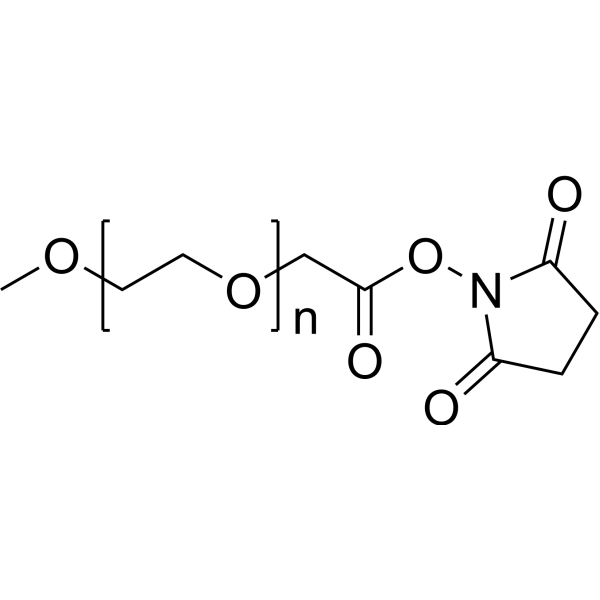
m-PEG2000-NHS ester (mPEG2000-SC) is a reagent with both cell adhesion inhibition and peptide conjugation functions. The NHS ester group of m-PEG2000-NHS ester forms stable amide bonds with primary amine-containing molecules (e.g., the N-terminus of MMP-2-cleavable octapeptide) to generate mPEG-peptide intermediates for liposome surface modification. When m-PEG2000-NHS ester is immobilized on a cystamine-modified gold surface, it can construct an in vitro model for cell adhesion kinetic studies, and higher PEG density and thicker layers correlate with lower cell adhesion rates. m-PEG2000-NHS ester can synthesize MMP-2-responsive PEGylated lipid conjugates to achieve MMP-triggered dePEGylation in the tumor microenvironment. m-PEG2000-NHS ester can be used in studies related to colon cancer and other conditions .
loading...
    loading...
1
1 Cited Publications
Cat. No.: HY-N0757
CAS No.: 6926-14-3
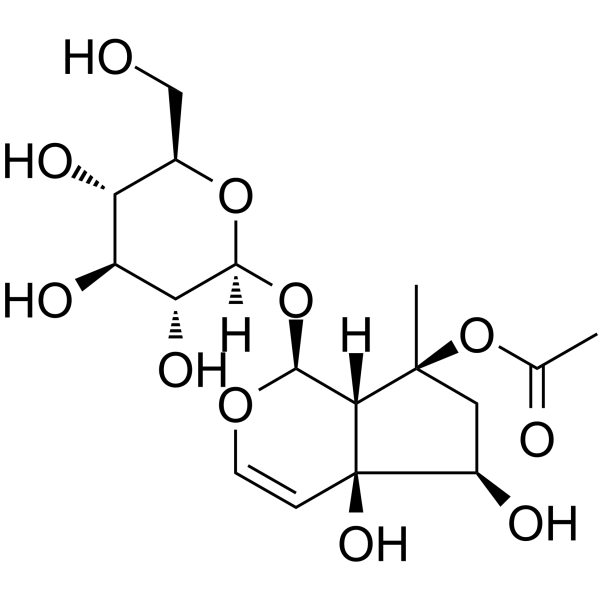
8-O-Acetylharpagide is an orally active iridoid glycoside compound. 8-O-Acetylharpagide exhibits anti-aging activity at low doses and anticancer activity at high doses. 8-O-Acetylharpagide induces late-stage apoptosis and necrosis-like death in cancer cells, and downregulates anti-apoptotic proteins such as Akt, p-Akt and Bcl-2. 8-O-Acetylharpagide is mainly metabolized in rats via demethylation, hydrolysis and glucuronidation, and its active metabolites downregulate the AKT/NF-κB/MMP9 signaling axis. 8-O-Acetylharpagide exerts vasoconstrictive effects by activating vascular α-adrenoceptor .
loading...
    loading...
1
1 Cited Publications
Cat. No.: HY-115997
CAS No.: 2669072-88-0
Purity:  99.54%
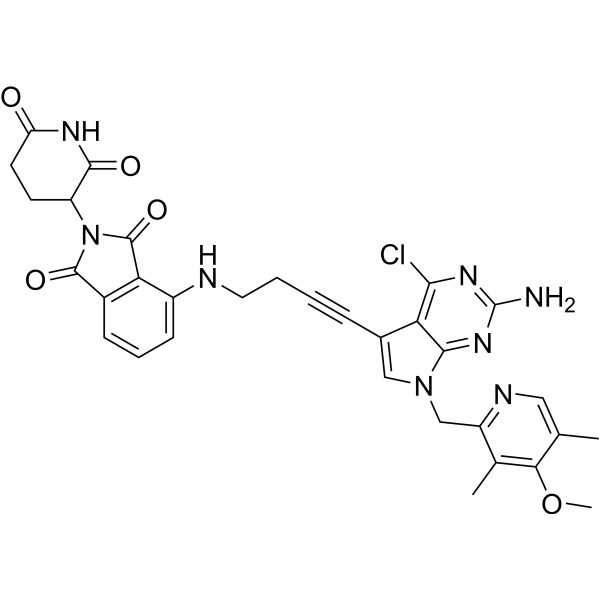
PROTAC HSP90 degrader BP3 is a potent and selective degradation of HSP90 in a CRBN-dependent fashion. PROTAC HSP90 degrader BP3 has a certain degradation effect on HSP90 protein in MCF-7 cells (DC50=0.99 μM). PROTAC HSP90 degrader BP3 inhibits the growth of breast cancer cell . PROTAC HSP90 degrader BP3 is a click chemistry reagent, it contains an Alkyne group and can undergo copper-catalyzed azide-alkyne cycloaddition (CuAAc) with molecules containing Azide groups.
loading...
    loading...
Cat. No.: HY-163757
CAS No.: 3052114-77-6
Target:  

PROTACs PD-1/PD-L1

Research Areas:  

Inflammation/Immunology Cancer

PROTAC PD-L1 degrader-1 is a CRBN-based PD-L1-PROTAC degrader with a notable PD-L1 protein degradation capability. PROTAC PD-L1 degrader-1 shows potent PD-L1 degradation in 4T1 cells with a DC50 of 0.609 μM. PROTAC PD-L1 degrader-1 can be used for the study of breast cancer .
loading...
    loading...
Cat. No.: HY-157913
CAS No.: 771467-00-6
Purity:  99.77%
Research Areas:  

Cancer

PKM2-IN-6 (compound 7d) is a potent and orally active PKM2 inhibitor with an IC50 value of 23 nM. PKM2-IN-6 induces apoptosis and cell cycle arrest at G2 phase. PKM2-IN-6 reduces the level of PKM1 and PKM2 at the mRNA level. PKM2-IN-6 shows anticancer activity and has the potential for the research of triple-negative breast cancer .
loading...
    loading...
Cat. No.: HY-162312
CAS No.: 2758090-62-7
Research Areas:  

Cancer

LLK203 is a potent USP2/USP8 dual-target inhibitor with IC50s of 0.89 μM and 0.52 μM, respectively. LLK203 leads a degradation of ERα and induces apoptosis of breast cancer MCF-7 cells. LLK203 demonstrates antitumor activities against the 4T1 tumor mice model .
loading...
    loading...
Cat. No.: HY-175035
CAS No.: 3114833-48-3
Target:  

Hexokinase

Research Areas:  

Inflammation/Immunology Cancer

HK-2-IN-1 is a Hexokinase 2 (HK-2) inhibitor. HK-2-IN-1 exhibits a non-activating effect on human recombinant HK-2 enzyme. HK-2-IN-1 has anti-tumor activity, affecting immune cells in the tumor microenvironment. HK-2-IN-1 has immunomodulatory effects and is potentially useful in the study of cancers such as colon cancer, liver cancer, and breast cancer .
loading...
    loading...
Cat. No.: HY-W134005
CAS No.: 29932-54-5
Synonyms: Ethylenediaminetetraacetic acid magnesium disodium tetrahydrate
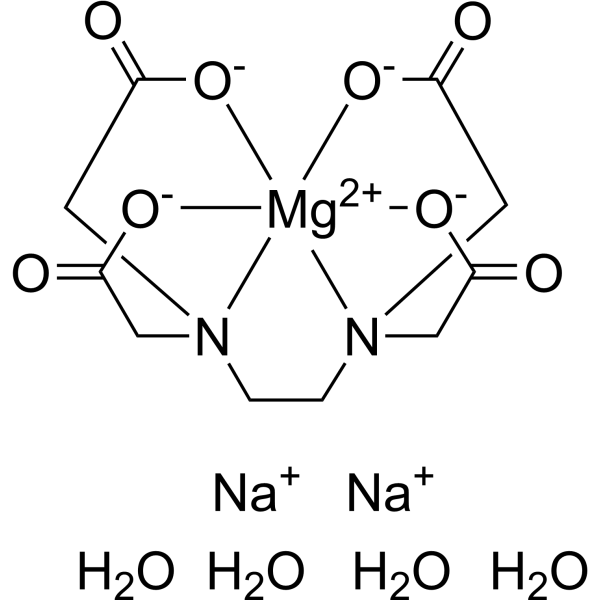
Mg(Ⅱ)-EDTA (Ethylenediaminetetraacetic acid magnesium) disodium tetrahydrate is a divalent metal chelator and ferroptosis inducer. Mg (Ⅱ)-EDTA disodium tetrahydrate reduces E-cadherin expression by chelating Ca 2+ on the surface of tumor cells, thereby triggering cell dissociation and inducing epithelial-mesenchymal transition (EMT). Mg (Ⅱ)-EDTA disodium tetrahydrate further chelates lysosomal iron to form EDTA-Fe, induces ferroptosis through the Fenton reaction, and synergistically enhances immune responses to inhibit tumor metastasis. Mg (Ⅱ)-EDTA (disodium tetrahydrate) can be used in tumor-related research .
loading...
    loading...
Cat. No.: HY-156096
CAS No.: 3033039-28-7
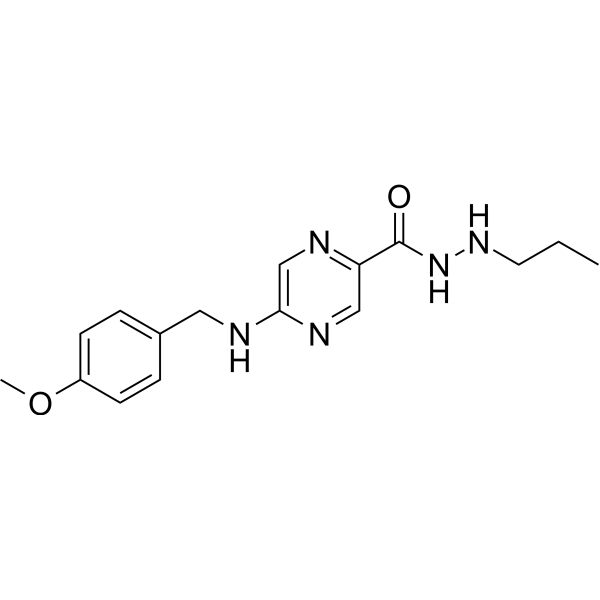
HDAC3-IN-2 (compound 4i) is a pyrazinyl hydrazide-based HDAC3 inhibitor (IC50: 14 nM) that efficiently targets triple-negative breast cancer cells. HDAC3-IN-2 is cytotoxic with an IC50 of 0.55 μM against 4T1 and an IC50 of 0.74 μM against MDA-MB-231. HDAC3-IN-2 has anti-tumor efficacy in vivo in tumor-bearing mouse models, selectively increasing the acetylation levels of H3K9, H3K27 and H4K12, increasing the contents of apoptosis-related caspase-3, caspase-7 and cytochrome c, and reducing Proliferation-related Bcl-2, CD44, EGFR, and Ki-67 levels .
loading...
    loading...
Cat. No.: HY-N7700
CAS No.: 15769-56-9
Synonyms: G2013
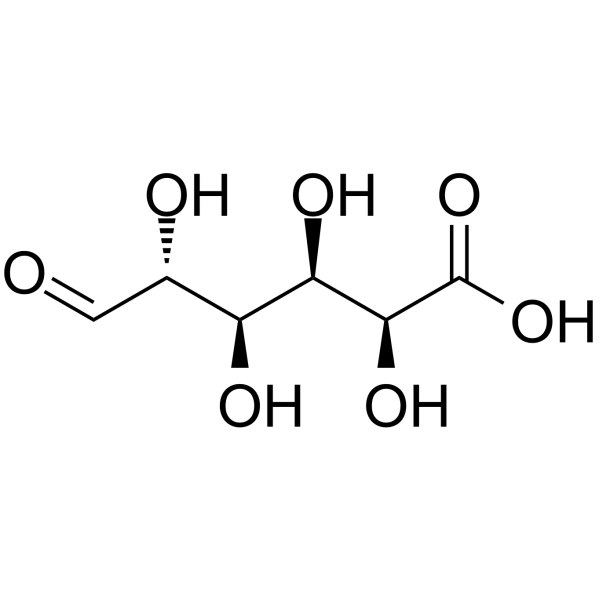
Guluronic acid (G2013) is an orally active oxidative stress regulator and anti-inflammatory agent that exerts pharmacological effects by down-regulating various pro-inflammatory and oxidative stress-related genes (such as TLR4, NF-κB, iNOS, etc.) and inhibiting the activities of COX-2, MMPs and VEGF. Low-dose Guluronic acid up-regulates the expression of immunoregulatory genes SHIP1 and SOCS1, thereby effectively inhibiting cancer-related inflammation, tumor angiogenesis, cell adhesion and metastasis, while reducing the accumulation of immunosuppressive cells. Guluronic acid significantly prolongs the survival time of tumor-bearing hosts within a concentration range without direct cytotoxicity, demonstrating favorable safety. Guluronic acid has involved in the research of multiple sclerosis, ankylosing spondylitis, breast cancer and other inflammatory diseases .
loading...
    loading...
Cat. No.: HY-N3463
CAS No.: 5835-26-7
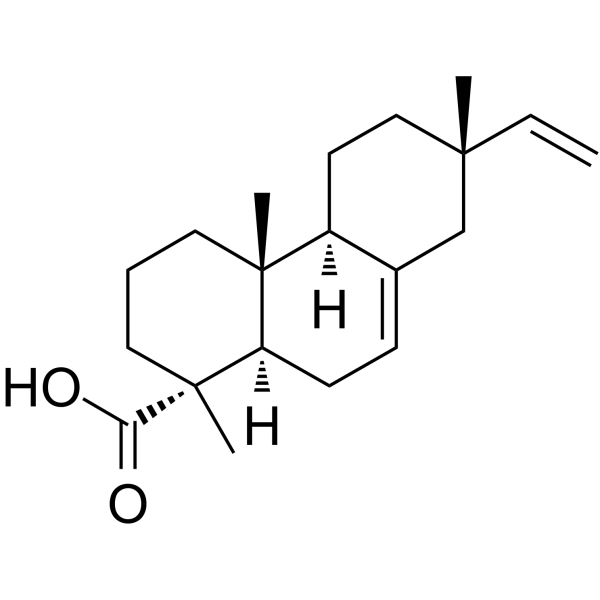
Isopimaric acid is a coniferous tree defense compound. Isopimaric acid binds to AKT and inhibits mTOR phosphorylation, thereby regulating the AKT/mTOR pathway. Isopimaric acid inhibits oxidative stress, inflammation, microglial migration, apoptosis, autophagic flux, ornithine decarboxylase activity, breast cancer proliferation and metastasis, and fungal spore germination. Isopimaric acid also induces M2 microglial polarization, mitochondrial damage, ROS accumulation, starvation-induced colon cancer cell apoptosis, and breast cancer cell cycle arrest. Isopimaric acid activates potassium channels, regulates sodium channels and calcium channels, reduces myocardial excitability, and improves arrhythmia. Isopimaric acid acts as an oxidative substrate for CYP6BW1/3, down-regulates PINK1/Parkin, and regulates calcium homeostasis, oxidative phosphorylation, EMT, and the Wnt pathway. Isopimaric acid exhibits activity against drug-resistant Staphylococcus aureus, repels feeding, and promotes the growth of rice seedlings. Isopimaric acid is suitable for research related to epilepsy, tumors, drug-resistant bacterial infections, atrial fibrillation, hypertension, hyperlipidemia, pulmonary tuberculosis, etc .
loading...
    loading...
Cat. No.: HY-P990299

Target:  

Phosphatase

Research Areas:  

Inflammation/Immunology Cancer

Anti-Mouse B220 Antibody (RA3.3A1/6.1) is a rat-derived IgM type antibody inhibitor, targeting to mouse B220. Anti-Mouse B220 Antibody (RA3.3A1/6.1) can deplete B cells. Anti-Mouse B220 Antibody (RA3.3A1/6.1) can be used for the researches of cancer and immunology, such as 4T1 and B16 tumor .
loading...
    loading...
Cat. No.: HY-146231
CAS No.: 2636072-62-1
Target:  

PROTACs MAP4K

Research Areas:  

Inflammation/Immunology Cancer

SS47 is a hematopoietic progenitor kinase HPK1 PROTAC-class degrader and immune activator. SS47 promotes the proliferation of CD4+ and CD8+ T cells as well as IFN-γ secretion, and enhances the anti-tumor cytotoxicity and in vivo efficacy of BCMA CAR-T cells. SS47 also inhibits tumor growth in mouse models, and when combined with anti-PD-1 therapy, it improves the immune response of 4T1 tumor-bearing mice. SS47 can be used in breast cancer-related research .
loading...
    loading...
Cat. No.: HY-158189
CAS No.: 3030629-73-0
TPP-Ce6 is a mitochondria-targeted photosensitizer formed by the ester bond conjugation of chlorophyll e6 (Ce6) with triphenylphosphine (TPP). Under light irradiation or ultrasound exposure, TPP-Ce6 generates reactive oxygen species, induces cell apoptosis, and triggers immunogenic cell death. TPP-Ce6 can serve as a component of carrier-free co-delivery systems, undergo enzyme-induced self-assembly within tumors, and modulate tumor hypoxia. TPP-Ce6 is applicable to research on breast cancer and glioblastoma .
loading...
    loading...

