
1. Search Result
Search Result
Results for "

AKT1 phosphorylation

" in MedChemExpress (MCE) Product Catalog:

21

阻害剤およびアゴニスト

2

ペプチド

2

天然物

製品番号 製品名 Target 研究分野 構造式
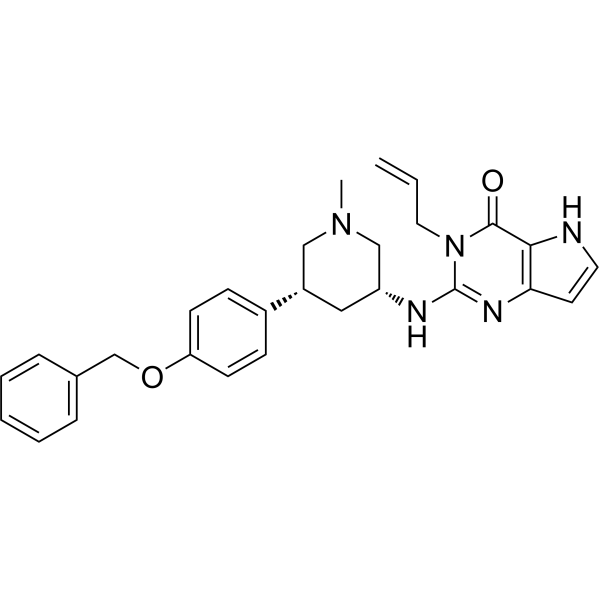
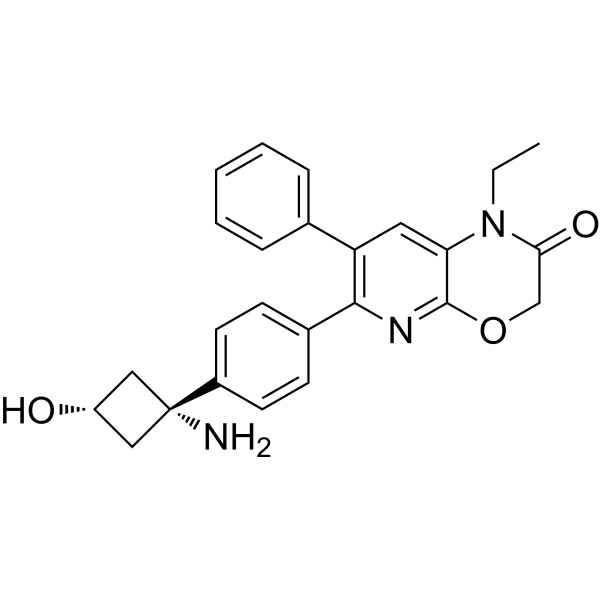
  • HY-151504
    Engasertib
    2 Publications Verification

    ALM301

    Akt Cancer
    Engasertib is an orally active highly specific AKT inhibitor with IC50 values of 0.13 µM, 0.09 µM and 2.75 µM for AKT1, AKT2 and AKT3, respectively. Engasertib inhibits AKT phosphorylation and modulates downstream signalling in vitro. Engasertib can inhibit cancer cell proliferation and tumor growth .
    Engasertib
  • HY-123037

    Environmental Pollutants AMPK Akt PERK Fungal Infection Neurological Disease Metabolic Disease Endocrinology
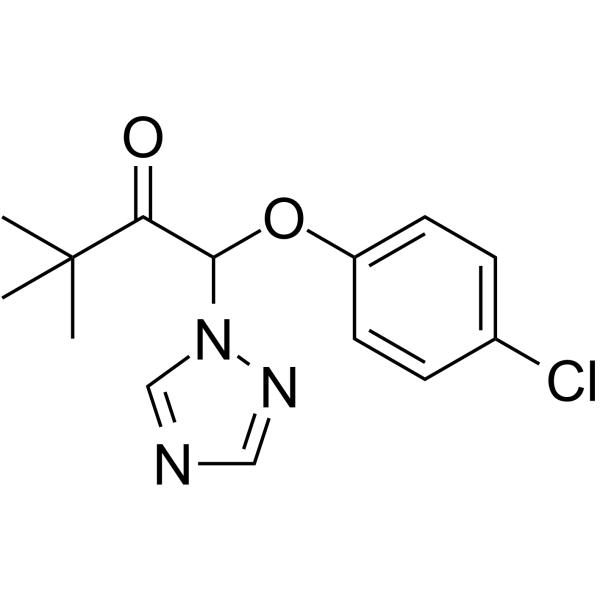
    Triadimefon is an orally active fungicide. Triadimefon significantly reduces the phosphorylation of AKT1 and ERK1/2. Triadimefon significantly increases pAMPK levels, but does not affect total AMPK levels. Triadimefon inhibits the growth of Saccharomyces cerevisiae, disrupts hormone homeostasis (affecting the synthesis of testosterone, etc.), inhibits fetal adrenal development in rats, induces metabolic shifts in hepatocytes, and impairs spatial learning and memory .
    Triadimefon
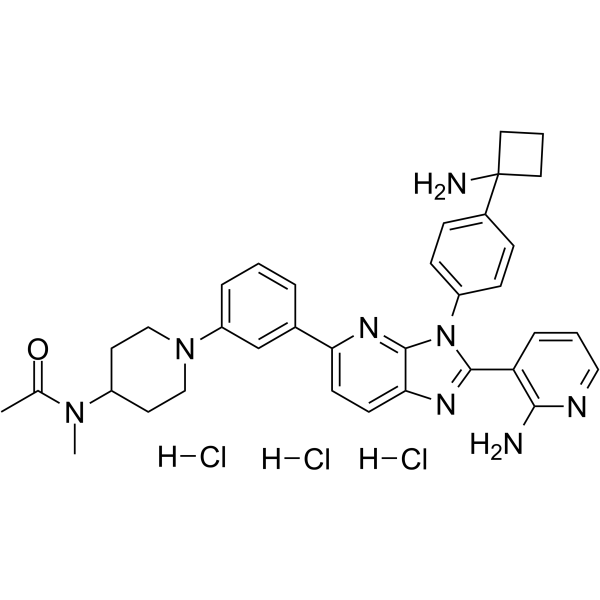
  • HY-137458A
    Vevorisertib trihydrochloride
    1 Publications Verification

    ARQ 751 trihydrochloride

    Akt Cancer
    Vevorisertib (ARQ 751) trihydrochloride is a selective, allosteric, pan-AKT and AKT1-E17K mutant inhibitors. Vevorisertib trihydrochloride potently inhibit phosphorylation of AKT. Vevorisertib trihydrochloride has Kd values of 1.2 nM and 8.6 nM for AKT1 and AKT1-E17K, respectively. Vevorisertib trihydrochloride has IC50 values of 0.55, 0.81, and 1.3 nM for AKT1, AKT2, and AKT3, respectively. Vevorisertib trihydrochloride can be used for the research of cancer .
    Vevorisertib trihydrochloride
  • HY-141539
    SETDB1-TTD-IN-1
    5 Publications Verification

    Histone Methyltransferase Akt Cancer
    SETDB1-TTD-IN-1 is a SETDB1 methyltransferase activator and SETDB1-TTD competitive inhibitor (Kd of 88 nM), and selectivity for SETDB1-TTD over other tudor and bromodomain proteins. SETDB1-TTD-IN-1 stimulates methyltransferase activity via increased catalytic activity, promotes Akt1 Lys64 methylation, Akt1 Thr308 phosphorylation and activation. SETDB1-TTD-IN-1 prevents SETDB1-TTD-histone H3 peptide association, induces global gene expression changes, exhibits cellular target engagement, and acts as a tool compound for SETDB1-TTD function exploration. SETDB1-TTD-IN-1 can be used for the research of breast cancer .
    SETDB1-TTD-IN-1
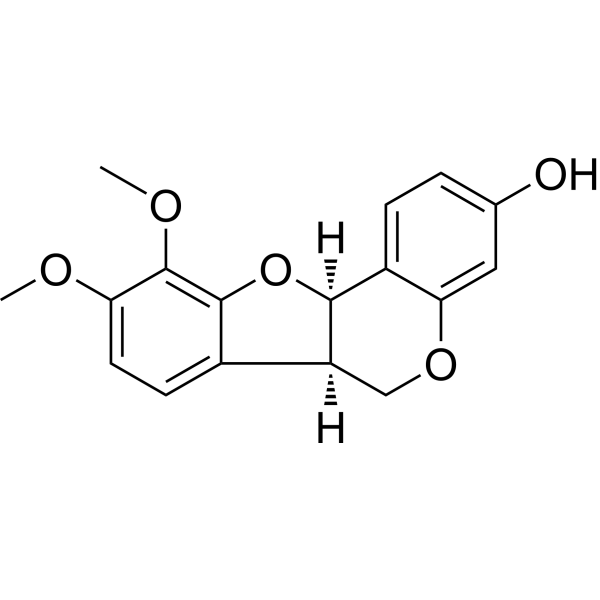
  • HY-N2484
    Methylnissolin
    2 Publications Verification

    Astrapterocarpan

    PDGFR ERK Cardiovascular Disease Neurological Disease Metabolic Disease Inflammation/Immunology
    Methylnissolin (Astrapterocarpan) is an osteoclast inhibitor with anti-inflammatory, neuroprotective and antioxidant activities. Methylnissolin downregulates the activation of the MAPK and PI3K/AKT pathways, inhibits the phosphorylation of MAPK1 and AKT1, and blocks PDGF-BB-induced phosphorylation of ERK1/2. Methylnissolin reduces the expression and secretion of proinflammatory mediators, decreases intracellular ROS levels, upregulates antioxidant enzymes, and downregulates osteoclastogenesis markers. Methylnissolin is applicable to research related to ischemic stroke, osteoporosis, cardiovascular diseases, skin aging, etc.
    Methylnissolin
  • HY-P5910

    MDM-2/p53 Apoptosis Cancer
    Azurin p28 peptide is a tumor-penetrated antitumor peptide. Azurin p28 peptide redues proteasomal degradation of p53 through formation of a p28: p53 complex. Azurin p28 peptide induces apoptosis or cell cycle arrest. Azurin p28 peptide inhibits p53-positive tumor growths. Azurin p28 peptide shows antiangiogenic effect by inhibiting phosphorylation of VEGFR-2, FAK and Akt .
    Azurin p28 peptide
  • HY-W013816

    AMPK Akt Metabolic Disease
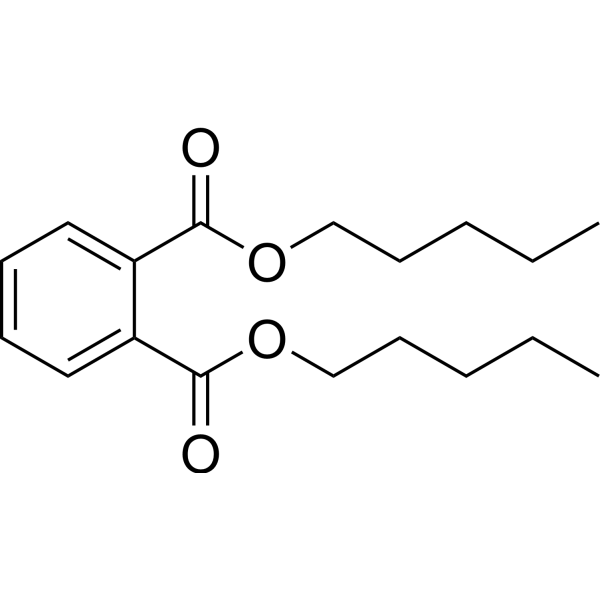
    Dipentyl phthalate is an endocrine-disrupting phthalate plasticizer. Dipentyl phthalate increases AMPK phosphorylation and decreases AKT1 phosphorylation and SIRT1 levels. Dipentyl phthalate reduces adrenocorticotropic hormone levels. Dipentyl phthalate is a testicular toxicant .
    Dipentyl phthalate
  • HY-134903

    mTOR Cancer
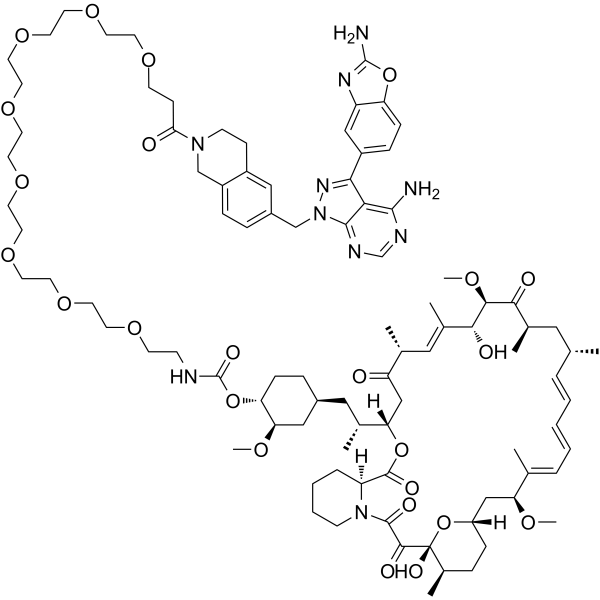
    (32-Carbonyl)-RMC-5552 is a potent mTOR inhibitor. (32-Carbonyl)-RMC-5552 inhibits mTORC1 and mTORC2 substrate (p-P70S6K-(T389), p-4E-BP1-(T37/36), AND p-AKT1/2/3-(S473)) phosphorylation with pIC50s of > 9, >9 and between 8 and 9, respectively (patent WO2019212990A1, example 2) .
    (32-Carbonyl)-RMC-5552
  • HY-169960

    mTOR Cancer
    2DII is a potent and selective mTORC2 inhibitor. 2DII selectively binds mSin1 PH domain and decreases the expression of AKT1 phosphorylation .
    2DII
  • HY-168049

    PPAR Akt Metabolic Disease
    ZLY06 is an orally active dual agonist of peroxisome proliferator-activated receptor (PPAR) δ and γ (PPAR δ: EC50=341 nM; PPAR γ: EC50=237 nM). ZLY06 induces hepatic lipid accumulation by inhibiting the phosphorylation of AKT1, mediating the upregulation of CD36. In addition, ZLY06 significantly improves glucose and lipid metabolism without increasing body weight, and alleviates fatty liver by promoting β-oxidation of fatty acids and inhibiting hepatic lipogenesis .
    ZLY06
  • HY-161321

    Phosphatase Insulin Receptor Akt Metabolic Disease
    PTP1B-IN-24 (Compound 9) is a reversible PTP1B inhibitor with an IC50 value of 1.4 μM, and PTP1B-IN-24 can enhance the thermal stability of PTP1B. PTP1B-IN-24 can restore PA- (HY-N0830) induced insulin resistance by increasing the phosphorylation levels of IRS1 and AKT .
    PTP1B-IN-24
  • HY-13787

    Akt Ribosomal S6 Kinase (RSK) GSK-3 Cancer
    XL-418 is an orally active dual Akt and p70S6K inhibitor with IC50s of 1 nM for Akt1 and 2 nM for p70S6K. XL-418 inhibits the phosphorylation of ribosomal protein S6 and GSK3β. XL-418 can be used for the study of prostate carcinoma and breast cancer .
    XL-418
  • HY-16461

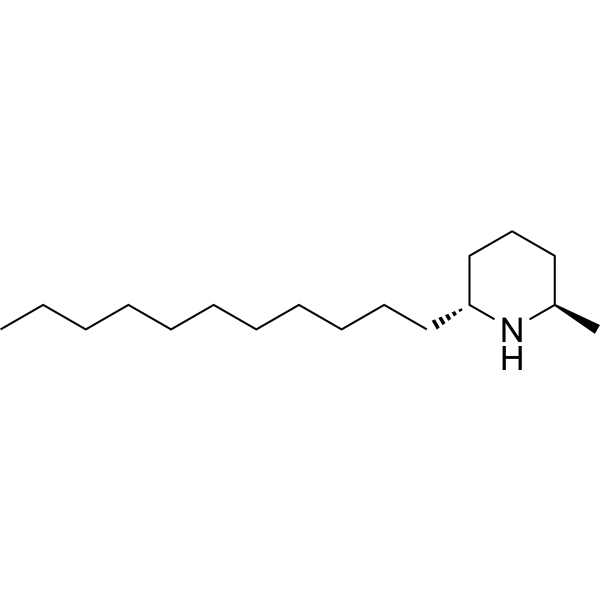
    (-)-Solenopsin A

    Akt Ribosomal S6 Kinase (RSK) PI3K PDK-1 FOXO Mitophagy Reactive Oxygen Species (ROS) Mitochondrial Metabolism Cardiovascular Disease
    Solenopsin ((-)-Solenopsin A) is an ATP-competitive and selective Akt-1 inhibitor with an IC50 of 5-10 μM, and also acts as an RSK1 inhibitor. Solenopsin inhibits the activities of PDK1 in lipid rafts, downregulates PI3K, blocks PI3K-dependent generation of 3-phosphoinositides, and suppresses the phosphorylation of FOXO1a. Solenopsin induces Mitophagy and ROS production, reduces mitochondrial oxygen consumption, and exhibits antiproliferative and antiangiogenic activities. Solenopsin can be used in research related to hyperproliferative skin diseases and malignant diseases .
    Solenopsin
  • HY-123037R

    Reference Standards Fungal Akt PERK AMPK Infection Neurological Disease Metabolic Disease Endocrinology
    Triadimefon (Standard) is the analytical standard of Triadimefon (HY-123037). This product is intended for research and analytical applications. Triadimefon is an orally active fungicide. Triadimefon significantly reduces the phosphorylation of AKT1 and ERK1/2. Triadimefon significantly increases pAMPK levels, but does not affect total AMPK levels. Triadimefon inhibits the growth of Saccharomyces cerevisiae, disrupts hormone homeostasis (affecting the synthesis of testosterone, etc.), inhibits fetal adrenal development in rats, induces metabolic shifts in hepatocytes, and impairs spatial learning and memory .
    Triadimefon (Standard)
  • HY-122949
    Momordicine I
    2 Publications Verification

    Apoptosis Autophagy DGK Mitochondrial Metabolism NO Synthase PI3K Akt Interleukin Related Src AMPK mTOR NF-κB c-Met/HGFR STAT Keap1-Nrf2 Reactive Oxygen Species (ROS) Oxidative Phosphorylation Endogenous Metabolite Cardiovascular Disease Metabolic Disease Inflammation/Immunology Cancer
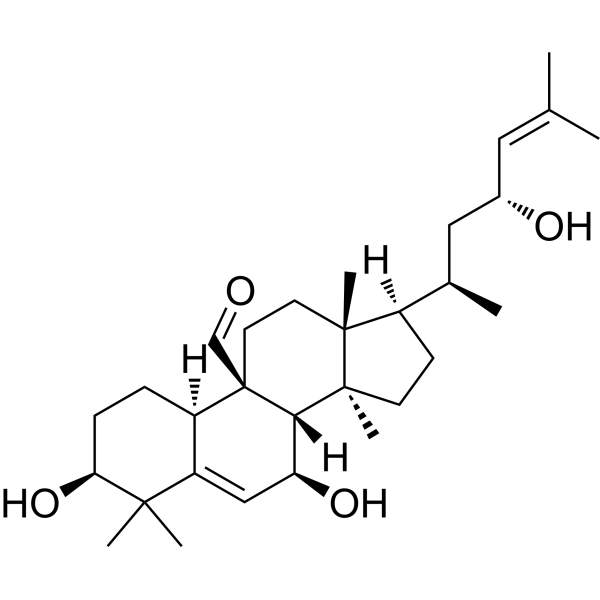
    Momordicine I is a cucurbitane-type triterpenoids. Momordicine I suppresses glioma growth by promoting apoptosis and impairing mitochondrial oxidative phosphorylation. Momordicine I inhibits glycolysis, lipid metabolism, induces autophagy in HNC cells to suppress head and neck cancer growth. Momordicine I alleviates isoproterenol-induced cardiomyocyte hypertrophy through suppression of PLA2G6 and DGK-ζ. Momordicine I exerts its cardiovascular benefits by upregulating nitric oxide, inhibiting the activity of angiotensin-converting enzyme (ACE), activating the PI3K/Akt pathway, reducing oxidative stress and inflammation. Momordicine I inhibits AKT1, IL-6, and SRC, suggesting its potential application in type 2 diabetes .
    Momordicine I
  • HY-W013816R

    AMPK Akt Reference Standards Metabolic Disease
    Dipentyl phthalate (Standard) is the analytical standard of Dipentyl phthalate. This product is intended for research and analytical applications. Dipentyl phthalate is an endocrine-disrupting phthalate plasticizer. Dipentyl phthalate increases AMPK phosphorylation and decreases AKT1 phosphorylation and SIRT1 levels. Dipentyl phthalate reduces adrenocorticotropic hormone levels. Dipentyl phthalate is a testicular toxicant .
    Dipentyl phthalate (Standard)
  • HY-P5910A

    MDM-2/p53 Apoptosis Cancer
    Azurin p28 peptide TFA is a tumor-penetrated antitumor peptide. Azurin p28 peptide TFA redues proteasomal degradation of p53 through formation of a p28: p53 complex. Azurin p28 peptide TFA induces apoptosis or cell cycle arrest. Azurin p28 peptide TFA inhibits p53-positive tumor growths. Azurin p28 peptide TFA shows antiangiogenic effect by inhibiting phosphorylation of VEGFR-2, FAK and Akt .
    Azurin p28 peptide TFA
  • HY-179516

    Akt Microtubule/Tubulin Apoptosis Cancer
    AKT1-IN-11, a Podophyllotoxin (HY-15552) derivative, is a AKT1/tubulin dual inhibitor. AKT1-IN-11 down-regulates the phosphorylation level of AKT kinase in tumor cells, disrupting cell proliferation, causeing G2/M phase arrest and inducing apoptosis. AKT1-IN-11 also promotes tubulin depolymerization. AKT1-IN-11 can be used for the research of colorectal cancer .
    AKT1-IN-11
  • HY-145244

    Akt Cancer
    APN/AKT-IN-1 is a potent and dual inhibitor of APN and AKT with IC50s of 0.21 and 0.27 μM, respectively. APN/AKT-IN-1 can effectively inhibit the phosphorylation of GSK3β, the intracellular substrate of AKT .
    APN/AKT-IN-1
  • HY-183273

    Epigenetic Reader Domain Akt CDK Autophagy Apoptosis Cancer
    BRD4/AKT-IN-1 is a BRD4/AKT inhibitor with BRD4 IC50 66.12 nM and AKT1 IC50 143.81 nM. BRD4/AKT-IN-1 blocks BRD4-mediated c-Myc transcriptional regulation, modulates AKT1 signaling, decouples AKT phosphorylation from pro-survival effectors. BRD4/AKT-IN-1 induces G0/G1 cell cycle arrest via downregulated phosphorylated RB, cyclin E1, CDK2. BRD4/AKT-IN-1 elevates LC3B levels to promote autophagy. BRD4/AKT-IN-1 promotes apoptosis in cancer cells. BRD4/AKT-IN-1 can be used for the research of metastatic castration-resistant prostate cancer .
    BRD4/AKT-IN-1
  • HY-181442

    Casein Kinase Survivin Epigenetic Reader Domain Akt Apoptosis Caspase MDM-2/p53 Neurological Disease Cancer
    CK2-TN03 is an ATP-competitive casein kinase 2 (CK2) inhibitor, with an IC50 of 165 nM and a Ki of 20 nM. CK2-TN03 inhibits CK2-mediated survivin activation and reduces CK2-dependent phosphorylation levels of BRD4/MYCN and AKT1. CK2-TN03 exerts anti-neuroblastoma effects by inhibiting survivin, leading to mitotic catastrophe and apoptosis of cancer cells. CK2-TN03 can be used in studies related to neuroblastoma .
    CK2-TN03

オンラインお問い合わせ

入力情報は安全に管理されます. 必須入力項目.

タイトル


国或いは地域 *

お名前 *


組纖名 *

デパートメント *


メールアドレス *


製品名 *

製品番号


カスタマ需要量 *

電話番号 *


必ず会社名を記載ください。個人への返信は行いません。

備考

バルクお問い合わせ

Inquiry Information

製品名:
製品番号:
数量:
MCE 日本正規代理店:

