
1. Search Result
Search Result
Results for "

Cardiovascular disorders

" in MedChemExpress (MCE) Product Catalog:

92

Inhibitors & Agonists

5

Screening Libraries

2

Fluorescent Dye

4

Peptides

1

Inhibitory Antibodies

18

Natural
Products

2

Isotope-Labeled Compounds

2

Oligonucleotides

Cat. No. Product Name Target Research Areas Chemical Structure
  • HY-108841
    Raleukin
    50+ Cited Publications

    Kineret; Anakinra

    Interleukin Related Inflammation/Immunology Cancer
    Raleukin (AMG-719) is a recombinant, nonglycosylated human interleukin-1 receptor (IL-1R) antagonist. Raleukin significantly reduces neutrophil accumulation in blood vessels and brain infarct volume as well as improves motor coordination performance in ischemic stroke mice model. Anakinra can be used to study chronic inflammatory disorders like rheumatoid arthritis and cardiovascular recurrence post-myocardial infarction .
    Raleukin
  • HY-N1362
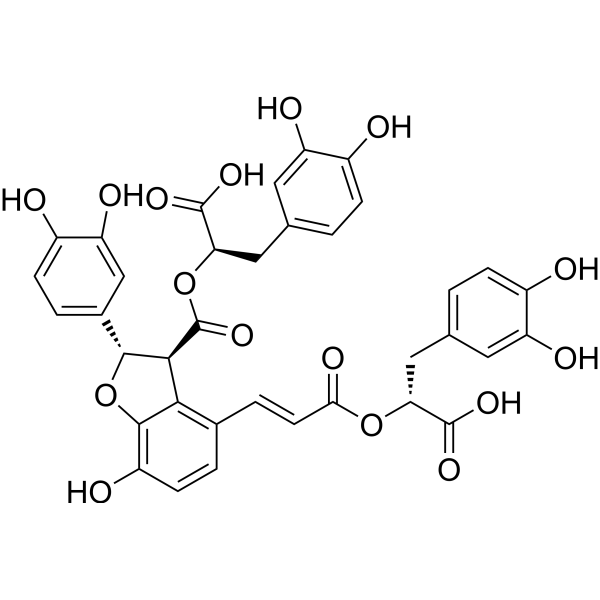
    Salvianolic acid B
    Maximum Cited Publications
    20 Publications Verification

    Lithospermic acid B

    Autophagy Cardiovascular Disease
    Salvianolic acid B is an active ingredient of Salvia miltiorrhiza, which has been widely applied in China for the management of various microcirculation-related disorders, such as cardiovascular disease, cerebrovascular disease, and diabetic vascular complication.
    Salvianolic acid B
  • HY-129122
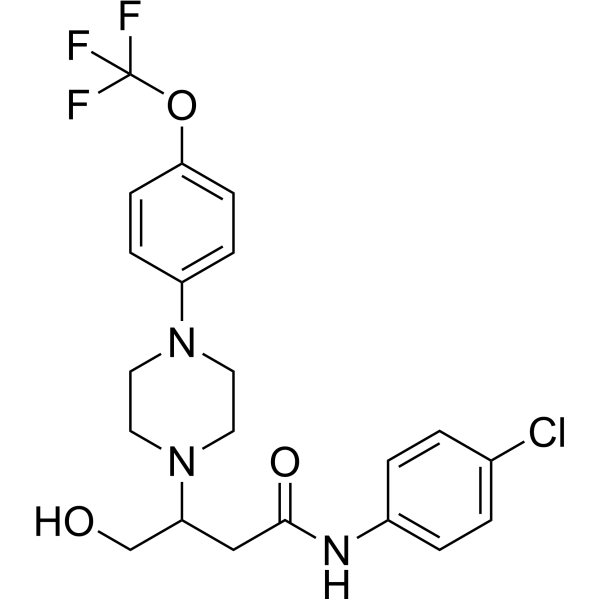
    VBIT-4
    15+ Cited Publications

    VDAC Cardiovascular Disease Neurological Disease
    VBIT-4 is an inhibitor of voltage-dependent anion channel 1 (VDAC1) oligomerization with a binding affinity (Kd) of 17 μM. VBIT-4, as an apoptosis inhibitor, can be used for therapeutic purposes in apoptosis-associated disorders, such as neurodegenerative and cardiovascular diseases .
    VBIT-4
  • HY-141511
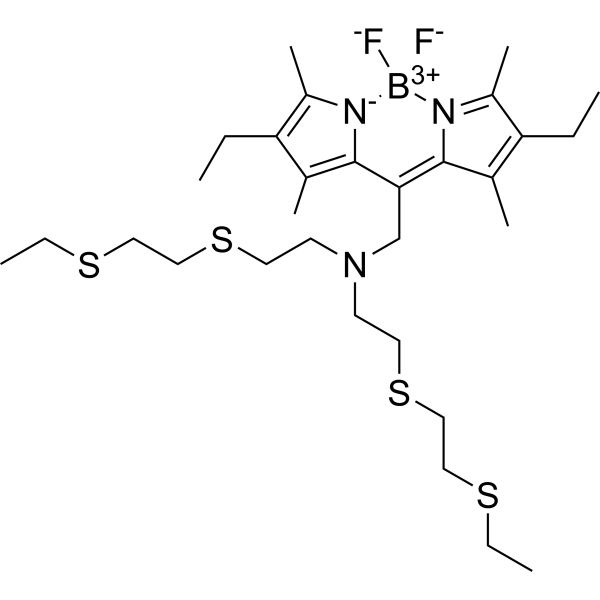
    Coppersensor 1
    25+ Cited Publications

    Fluorescent Dye Neurological Disease Cancer
    Coppersensor-1 (CS1) is a membrane-permeable fluorescent dye. Coppersensor-1 has a picomolar affinity for Cu + with high selectivity over competing cellular metalions. Coppersensor-1 as a probe, can selective and sensitive detection of copper(I) ions (Cu +) in biological samples, including live cells. Coppersensor-1 can be used for the research of imaging of severe diseases such as cancer, cardiovascular disorders and neurogenerative diseases .
    Coppersensor 1
  • HY-P4153

    MK-0616 chloride

    PCSK9 Cardiovascular Disease
    Enlicitide chloride is an orally active inhibitor for PCSK9 that blocks the interaction between LPL receptor and PSCK9, with an IC50 of 2.5 nM. Enlicitide chloride can be used in the study of cardiovascular diseases such as atherosclerosis, hypercholesterolemia, coronary heart disease, metabolic syndrome, acute coronary syndrome or related cardiovascular and cardiometabolic disorders .
    Enlicitide chloride
  • HY-128850

    N-Acetylmannosamine; ManNAc

    Endogenous Metabolite Cardiovascular Disease Neurological Disease
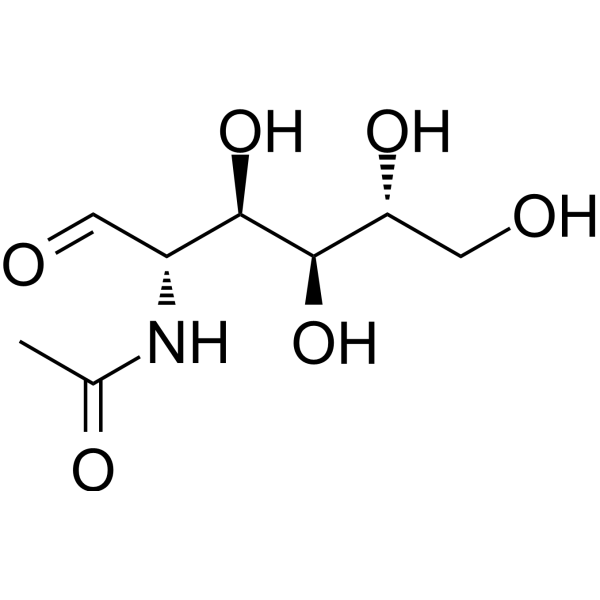
    N-Acetyl-D-mannosamine (ManNAc) is an oral active sialic acid precursor that can prevent hypertension by increasing sialylation of IgG, making it a promising candidate for cardiovascular disease research. Additionally, N-Acetyl-D-mannosamine can activate hypocretin (HCRT) gene expression in orexin neurons and improve neurodegeneration caused by aging, offering potential avenues for research in neurological disorders .
    N-Acetyl-D-mannosamine
  • HY-113416
    Dehydroepiandrosterone sulfate
    5 Publications Verification

    DHEA sulfate; Prasterone sulfate

    GABA Receptor Sigma Receptor iGluR PPAR NF-κB Neurological Disease Metabolic Disease Inflammation/Immunology
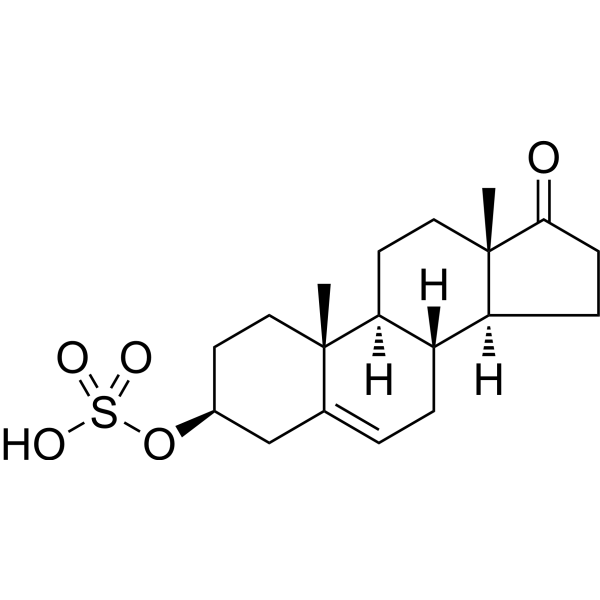
    Dehydroepiandrosterone sulfate (DHEA sulfate; Prasterone sulfate) is a neurosteroid and the main secretion product of the adrenal gland. Dehydroepiandrosterone sulfate has both non-competitive antagonist activity of GABAA receptor and agonist activity of σ1 receptor. Dehydroepiandrosterone sulfate can partially penetrate the blood-brain barrier, inhibit GABAA receptor-mediated chloride influx, enhance NMDA receptor activity through σ1 receptors, exert anti-inflammatory, anti-glucocorticoid and antidepressant effects, and increase convulsive sensitivity. Dehydroepiandrosterone sulfate participates in neuroprotection, neurite growth regulation and catecholamine secretion regulation, and can be used in the study of depression, post-traumatic stress disorder (PTSD), Alzheimer's disease, etc. Dehydroepiandrosterone sulfate may also be a biomarker for cardiovascular disease mortality, and its concentration is independently and negatively correlated with mortality .
    Dehydroepiandrosterone sulfate
  • HY-130413

    Neuroprotectin D1; NPD1

    Endogenous Metabolite PI3K Akt HIF/HIF Prolyl-Hydroxylase Reactive Oxygen Species (ROS) Caspase Interleukin Related MicroRNA Cardiovascular Disease Neurological Disease Inflammation/Immunology
    Protectin D1, a neuroprotectin D1 produced by neuronal cells, is a member of a newly discovered family of bioactive products derived from docosahexaenoic acid. Protectin D1 also serves as a specialized pro-resolving mediator, exhibiting effective in vivo pro-resolving activity in various human disease models. Additionally, Protectin D1 is an inhibitor of NALP3 inflammasomes and regulates the PI3K/AKT and HIF-1α signaling pathways. Protectin D1 exerts anti-inflammatory effects by reducing ROS levels, inhibiting the expression of NALP3, ASC, and Caspase-1, and consequently decreasing the release of pro-inflammatory cytokines IL-1β and IL-18. Furthermore, Protectin D1 enhances miRNA-210 expression, activates the PI3K/AKT signaling pathway, and exerts cardioprotective effects. Protectin D1 holds promise for research in cardiovascular diseases and inflammatory disorders .
    Protectin D1
  • HY-N1370
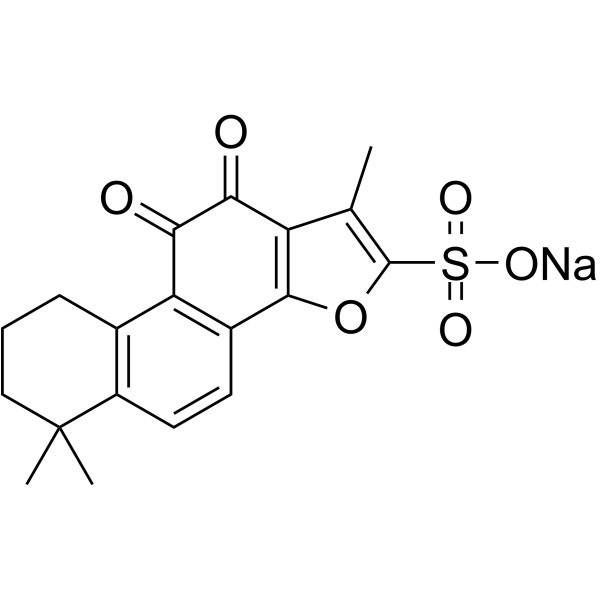
    Tanshinone IIA sulfonate sodium
    5+ Cited Publications

    Sodium Tanshinone IIA sulfonate; Tanshinone IIA sodium sulfonate

    CRAC Channel Cardiovascular Disease Cancer
    Tanshinone IIA sulfonate (sodium) is a derivative of tanshinone IIA, which acts as an inhibitor of store-operated Ca 2+ entry (SOCE), and is used to treat cardiovascular disorders.
    Tanshinone IIA sulfonate sodium
  • HY-B0765
    Dehydroepiandrosterone sulfate sodium
    5 Publications Verification

    DHEA sulfate sodium; Prasterone sulfate sodium

    GABA Receptor Sigma Receptor iGluR PPAR NF-κB Neurological Disease Metabolic Disease Inflammation/Immunology
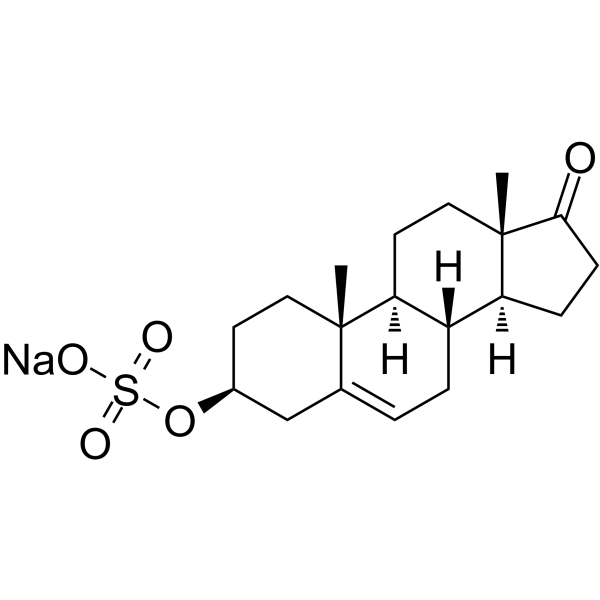
    Dehydroepiandrosterone sulfate (DHEA sulfate; Prasterone sulfate) sodium salt is a neurosteroid and the main secretion product of the adrenal gland. Dehydroepiandrosterone sulfate sodium salt has both non-competitive antagonist activity of GABAA receptor and agonist activity of σ1 receptor. Dehydroepiandrosterone sulfate sodium salt can partially penetrate the blood-brain barrier, inhibit GABAA receptor-mediated chloride influx, enhance NMDA receptor activity through σ1 receptors, exert anti-inflammatory, anti-glucocorticoid and antidepressant effects, and increase convulsive sensitivity. Dehydroepiandrosterone sulfate sodium salt participates in neuroprotection, neurite growth regulation and catecholamine secretion regulation, and can be used in the study of depression, post-traumatic stress disorder (PTSD), Alzheimer's disease, etc. Dehydroepiandrosterone sulfate sodium salt may also be a biomarker for cardiovascular disease mortality, and its concentration is independently and negatively correlated with mortality .
    Dehydroepiandrosterone sulfate sodium
  • HY-14299
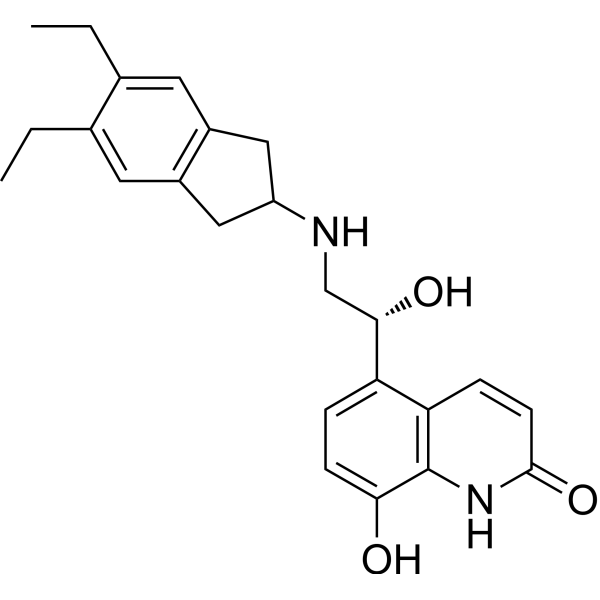
    Indacaterol
    5 Publications Verification

    Adrenergic Receptor Cardiovascular Disease Endocrinology Cancer
    Indacaterol is an orally active ultra-long-acting β2 adrenergic receptor (ADRB2) agonist. Indacaterol inhibits NF-κB activity in a β-arrestin2-dependent manner, preventing further lung damage and improving lung function in COPD (chronic obstructive pulmonary disorder). Indacaterol can also be used in cardiovascular disease research .
    Indacaterol
  • HY-40294

    Monoamine Oxidase GSK-3 LRRK2 Cardiovascular Disease Neurological Disease Cancer
    Indazole, also called isoindazole, a heterocyclic aromatic organic compound. Its derivatives display a broad variety of biological activities including anti-inflammatory, antibacterial, anti-HIV, antiarrhythmic, antifungal and antitumour properties. Indazole and its derivatives can be used for research of cancer, neurological disorders, cardiovascular diseases, gastrointestinal diseases .
    Indazole
  • HY-N0766
    Isorhynchophylline
    2 Publications Verification

    SOD NF-κB Cardiovascular Disease Neurological Disease Inflammation/Immunology Cancer
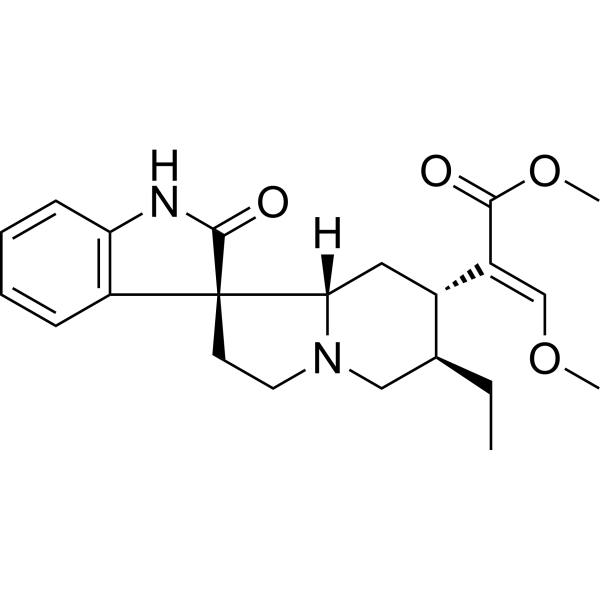
    Isorhynchophylline is an alkaloid isolated from Crocus sativus with anticancer, antihypertensive, anti-inflammatory, and neuroprotective properties. Isorhynchophylline can be applied to cardiovascular and neurological disorders, and cancer studies .
    Isorhynchophylline
  • HY-115688
    TXNIP-IN-1
    4 Publications Verification

    Arrestin Cardiovascular Disease Metabolic Disease Inflammation/Immunology
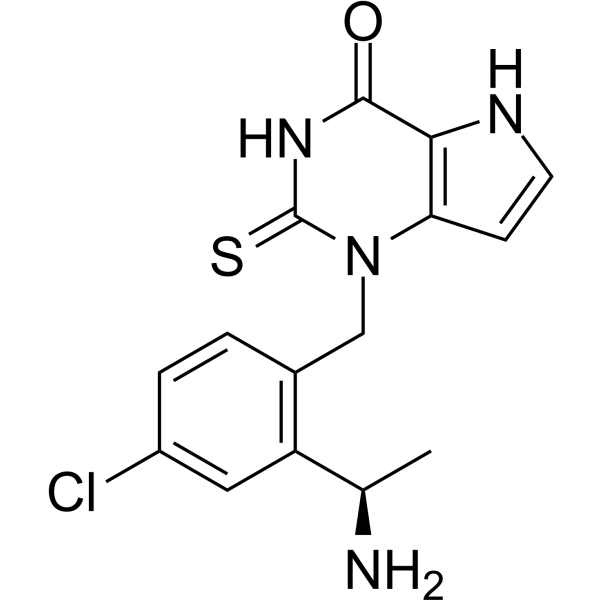
    TXNIP-IN-1 is TXNIP-TRX (thioredoxin-interacting protein- thioredoxin) complex inhibitor extracted from patent US20200085800A1, Compound 1. TXNIP-IN-1 can be used in the research of TXNIP-TRX complex associated metabolic disorder (diabetes), cardiovascular disease, or inflammatory disease .
    TXNIP-IN-1
  • HY-176860

    Molecular Glues NEKs NOD-like Receptor (NLR) Caspase Interleukin Related Cardiovascular Disease Neurological Disease Inflammation/Immunology
    NEK7 degrader-1 is a NEK7 molecular glue degrader with a DC50 of 9  nM. NEK7 degrader-1 dose-dependently inhibits caspase-1 activity and IL-Ιβ release in macrophages in response to NLRP3 inflammasome activation. NEK7 degrader-1 can be used for autoinflammatory and autoimmune disorders like multiple sclerosis, neurodegeneraive diseases like Alzheimer's disease and cardiovascular and melabolic disorders like pericarditis and Type 2 diabetes research .
    NEK7 degrader-1
  • HY-14299A
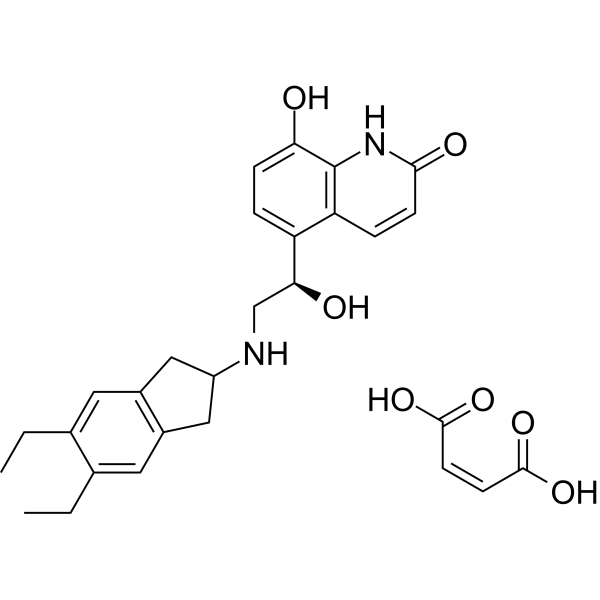
    Indacaterol maleate
    5 Publications Verification

    QAB149

    Adrenergic Receptor Cardiovascular Disease Endocrinology Cancer
    Indacaterol maleate (QAB149) is an orally active ultra-long-acting β2 adrenergic receptor (ADRB2) agonist. Indacaterol maleate inhibits NF-κB activity in a β-arrestin2-dependent manner, preventing further lung damage and improving lung function in COPD (chronic obstructive pulmonary disorder). Indacaterol maleate can also be used in cardiovascular disease research .
    Indacaterol maleate
  • HY-145581
    Mitiperstat
    1 Publications Verification

    AZD4831

    Glutathione Peroxidase Cytochrome P450 Cardiovascular Disease Inflammation/Immunology
    Mitiperstat (AZD4831) is an effective oral inhibitor of myeloperoxidase (MPO). Mitiperstat inhibits MPO and thyroid peroxidase (TPO) with IC50s of 1.5 nM and 0.69 μM. Mitiperstat exhibits a weak inhibitory activity against CYP3A4 with an IC50 of 6 μM. Mitiperstat can reduce inflammation and improve microvascular function, and it can be used in studies related to heart failure, preserved or mildly reduced ejection fraction, non-alcoholic fatty liver disease, and chronic obstructive pulmonary disease .
    Mitiperstat
  • HY-122697

    Potassium Channel Cardiovascular Disease Neurological Disease Endocrinology
    ML418 is a potent, selective and CNS penetrating Kir7.1 potassium channel blocker. ML418 inhibits Kir7.1 with an IC50 value of 0.31 μM. ML418 can be used for the research of neurological, cardiovascular, endocrine and muscle disorders.
    ML418
  • HY-151123A

    AKCEA-APO(a)-LRx sodium; ISIS 681257 sodium; TQJ230 sodium

    Apolipoprotein DNA/RNA Synthesis Metabolic Disease
    Pelacarsen sodium (ISIS 681257 sodium) is a GalNAc3-conjugated 2′-MOE-modified antisense oligonucleotide. Pelacarsen sodium reduces apo (a) .
    Pelacarsen sodium
  • HY-109136
    Runcaciguat
    1 Publications Verification

    BAY 1101042

    Guanylate Cyclase Cardiovascular Disease Metabolic Disease
    Runcaciguat (BAY 1101042) is a selective, orally active, allosteric activator of soluble guanylate cyclase (sGC) that specifically targets its oxidized and heme-free form. Runcaciguat binds to sGC in a histidine-dependent manner and restores cyclic guanosine monophosphate (cGMP) production under oxidative stress, independent of nitric oxide (NO) or heme. Runcaciguat exhibits renoprotective and cardioprotective activities, such as reduced proteinuria and improved renal function. Runcaciguat is primarily being studied in chronic kidney disease (CKD) associated with hypertension, diabetes, and metabolic disorders, as well as potential cardiovascular indications such as heart failure with preserved ejection fraction (HFpEF) .
    Runcaciguat
  • HY-N1775

    3,4-DHAP

    Tyrosinase Reactive Oxygen Species (ROS) Keap1-Nrf2 PARP Autophagy Apoptosis Cardiovascular Disease Neurological Disease Metabolic Disease Inflammation/Immunology Cancer
    3',4'-Dihydroxyacetophenone (3,4-DHAP) is a phenolic compound with oral bioavailability, possessing potent antioxidant, anti-inflammatory, anticancer and cardiovascular protective activities. 3',4'-Dihydroxyacetophenone inhibits mushroom Tyrosinase activity with an IC50 of 10 μM, thereby suppressing melanogenesis . 3',4'-Dihydroxyacetophenone inhibits platelet aggregation in platelet-rich plasma. 3',4'-Dihydroxyacetophenone reduces ROS levels in human umbilical vein endothelial cells treated with high glucose, upregulates the expression of Nrf2, HO-1 and PARP-1 in cells, and promotes the nuclear translocation of Nrf2 . 3',4'-Dihydroxyacetophenone induces autophagy and apoptosis. 3',4'-Dihydroxyacetophenone inhibits seed germination/growth in most plants. 3',4'-Dihydroxyacetophenone can be used in the research of cancer, neurodegenerative diseases, non-alcoholic steatohepatitis, diabetes, obesity, skin pigmentation disorders, and cardiovascular and cerebrovascular diseases .
    3',4'-Dihydroxyacetophenone
  • HY-P1723
    Spexin
    2 Publications Verification

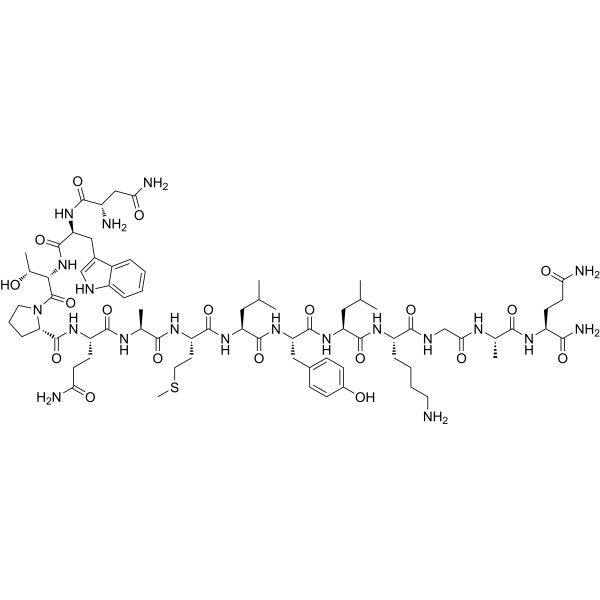
    Neuropeptide Q

    Neuropeptide Y Receptor Apoptosis Ferroptosis Autophagy Cardiovascular Disease Neurological Disease
    Spexin (Neuropeptide Q) is a selective agonist of galanin receptors GAL2 and GAL3, and is a conserved peptide that functions as a neurotransmitter/neuromodulator and endocrine factor. Spexin can function through both central and peripheral actions. Spexin upregulates Beclin 1 to inhibit ferroptosis induced by excessive autophagy, reduces the uptake of long-chain fatty acids by adipocytes, and regulates energy metabolism by increasing lipid oxidation (e.g., reducing the respiratory exchange ratio in rodents). Spexin improves cardiac function in the Doxorubicin hydrochloride (HY-15142)-induced cardiotoxicity model, protects mitochondrial membrane potential, and reduces iron accumulation and lipid peroxidation. Spexin can be used to study obesity and its related metabolic disorders, cardiovascular diseases (e.g., cardioprotection), and side effects of tumor chemotherapy .
    Spexin
  • HY-N0430

    Coptisin

    Indoleamine 2,3-Dioxygenase (IDO) NF-κB p38 MAPK PI3K Akt Apoptosis Reactive Oxygen Species (ROS) Mitochondrial Metabolism DNA/RNA Synthesis ROCK LDLR Cardiovascular Disease Neurological Disease Metabolic Disease Inflammation/Immunology Cancer
    Coptisine is an orally active and brain-penetrant alkaloid found in Coptis chinensis. Coptisine is a reversible, uncompetitive IDO inhibitor with a Ki of 5.8 μM and an IC50 of 6.3 μM. Coptisine suppresses neuroinflammation, reduces Aβ plaque burden and shows neuroprotective activity. Coptisine shows anti-inflammation activity by blocking NF-κB, MAPK, and PI3K/Akt activation. Coptisine inhibits cancer cells proliferation, induces DNA damage, G2/M phase cell cycle arrest, apoptosis, ROS production and mitochondrial dysfunction. Coptisine inhibits Rho/ROCK pathway activation, reduces arrhythmia, limits cardiac injury marker release, reduces infarct size, and preserves cardiac function in rat myocardial ischemia/reperfusion models. Coptisine downregulates HMGCR and upregulates LDLR and CYP7A1 to modulate cholesterol metabolism, reduces abnormal serum lipid levels, and promotes fecal bile acid excretion. Coptisine can be used for the research of cancer, hypercholesterolemia, Alzheimer’s disease, inflammatory disorders and cardiovascular disease .
    Coptisine
  • HY-N0430A
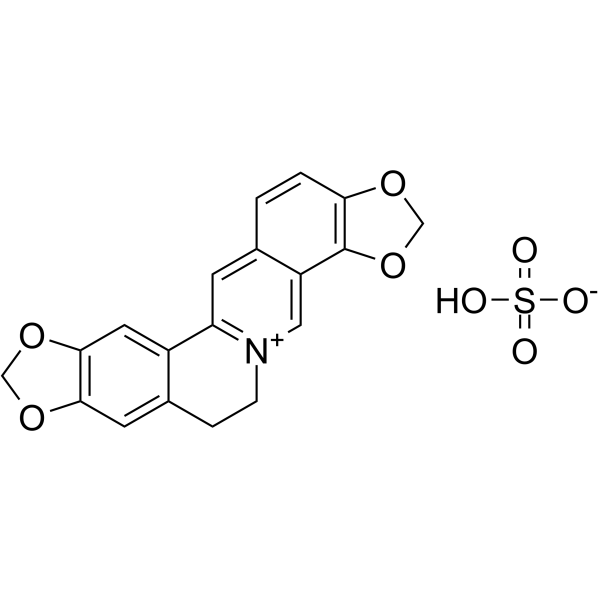
    Coptisine Sulfate
    5 Publications Verification

    Indoleamine 2,3-Dioxygenase (IDO) NF-κB p38 MAPK PI3K Akt Apoptosis Reactive Oxygen Species (ROS) Mitochondrial Metabolism DNA/RNA Synthesis ROCK LDLR Cardiovascular Disease Neurological Disease Metabolic Disease Inflammation/Immunology Cancer
    Coptisine Sulfate is an orally active and brain-penetrant alkaloid found in Coptis chinensis. Coptisine Sulfate is a reversible, uncompetitive IDO inhibitor with a Ki of 5.8 μM and an IC50 of 6.3 μM. Coptisine Sulfate suppresses neuroinflammation, reduces Aβ plaque burden and shows neuroprotective activity. Coptisine Sulfate shows anti-inflammation activity by blocking NF-κB, MAPK, and PI3K/Akt activation. Coptisine Sulfate inhibits cancer cells proliferation, induces DNA damage, G2/M phase cell cycle arrest, apoptosis, ROS production and mitochondrial dysfunction. Coptisine Sulfate inhibits Rho/ROCK pathway activation, reduces arrhythmia, limits cardiac injury marker release, reduces infarct size, and preserves cardiac function in rat myocardial ischemia/reperfusion models. Coptisine Sulfate downregulates HMGCR and upregulates LDLR and CYP7A1 to modulate cholesterol metabolism, reduces abnormal serum lipid levels, and promotes fecal bile acid excretion. Coptisine Sulfate be used for the research of cancer, hypercholesterolemia, Alzheimer’s disease, inflammatory disorders and cardiovascular disease .
    Coptisine Sulfate
  • HY-P11292

    Calcium Channel Cardiovascular Disease
    Caloxin 1b3, a peptide, is a selective plasma membrane Ca 2+ pump 1 (PMCA1) inhibitor. Caloxin 1b3 significantly inhibits PMCA1 Ca 2+–Mg 2+-ATPase in the rabbit duodenal mucosa than the PMCA4 in the human erythrocyte ghosts. Caloxin 1b3 also increases cytosolic Ca 2+ concentration in endothelial cells. Caloxin 1b3 can be used for cardiovascular disorders research .
    Caloxin 1b3
  • HY-103620

    ROCK Inflammation/Immunology Cancer
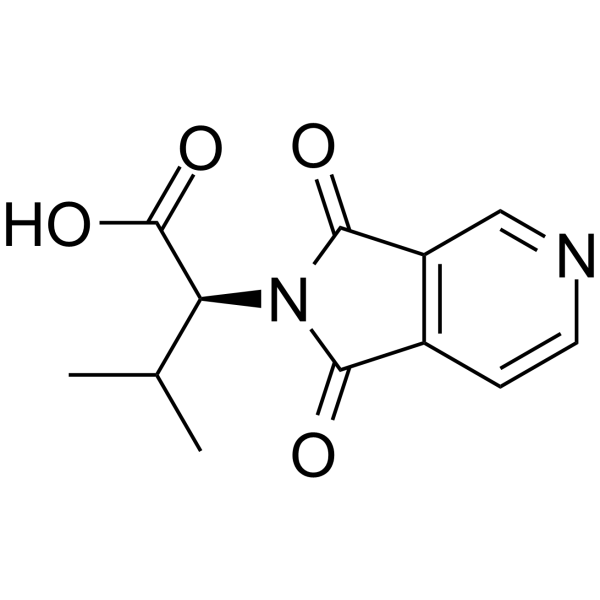
    ROCK2-IN-2 (Example 2) is a ROCK2 inhibitor that can be used for the study of multiple medical disorders, such as fibrosis, inflammatory disorders, autoimmune disorders, and cardiovascular disorders .
    ROCK2-IN-2
  • HY-16952A
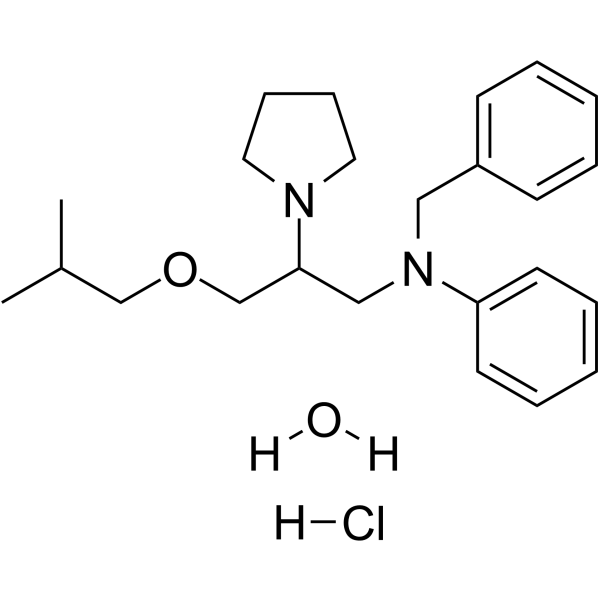
    Bepridil hydrochloride hydrate
    5+ Cited Publications

    (±)-Bepridil hydrochloride hydrate; Org 5730 hydrochloride hydrate

    Calcium Channel Cardiovascular Disease
    Bepridil hydrochloride hydrate ((±)-Bepridil hydrochloride hydrate) is a non-selective, long-acting Ca + channel antagonist and Na +, K + channel inhibitor, with antianginal and type I antiarrhythmic effects. Bepridil hydrochloride hydrate also acts as a cardiac Na +/Ca2 + exchange (NCX1) inhibitor. Bepridil hydrochloride hydrate can be used for the research of cardiovascular disorders .
    Bepridil hydrochloride hydrate
  • HY-W181102

    Calcineurin Cardiovascular Disease Neurological Disease Inflammation/Immunology
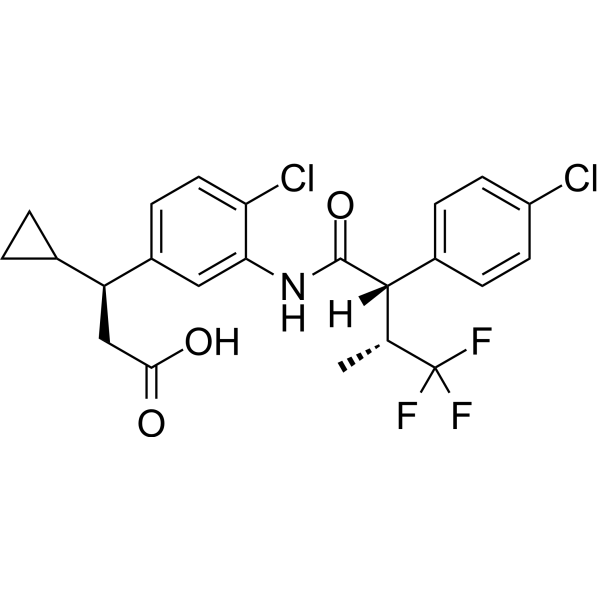
    NFAT Inhibitor-2 is a potent inhibitor of calcineurin NFAT signalling. Calcineurin is a serine/threonine protein phosphatase regulated by Ca2+ and calmodulin. NFAT Inhibitor-2 has the potential for the research of inflammatory disease, an autoimmune disorder, a cardiovascular disease, a neurodegenerative disease, a disease occurring with uncontrolled cell proliferation and/or differentiation, an angiogenesis-related disease, an allergy, anaphylaxis and alopecia (extracted from patent WO2016207212A1, compound 17) .
    NFAT Inhibitor-2
  • HY-136362

    c-Fms Inflammation/Immunology Cancer
    ARRY-382 is a potent, oral and highly selective inhibitor of CSF1R/c-Fms with an IC50 of 9 nM. ARRY-382 can be used for the research of advanced or metastatic cancers .
    ARRY-382
  • HY-141921S

    DHEA sulfate sodium-d6; Prasterone sulfate sodium-d6

    Isotope-Labeled Compounds GABA Receptor Sigma Receptor iGluR PPAR NF-κB Neurological Disease Metabolic Disease Inflammation/Immunology
    Dehydroepiandrosterone sulfate sodium salt-d6 (DHEA sulfate sodium salt-d6; Prasterone sulfate sodium salt-d6) is the deuterium labeled Dehydroepiandrosterone sulfate sodium salt (HY-B0765). Dehydroepiandrosterone sulfate (DHEA sulfate; Prasterone sulfate) sodium salt is a neurosteroid and the main secretion product of the adrenal gland. Dehydroepiandrosterone sulfate sodium salt has both non-competitive antagonist activity of GABAA receptor and agonist activity of σ1 receptor. Dehydroepiandrosterone sulfate sodium salt can partially penetrate the blood-brain barrier, inhibit GABAA receptor-mediated chloride influx, enhance NMDA receptor activity through σ1 receptors, exert anti-inflammatory, anti-glucocorticoid and antidepressant effects, and increase convulsive sensitivity. Dehydroepiandrosterone sulfate sodium salt participates in neuroprotection, neurite growth regulation and catecholamine secretion regulation, and can be used in the study of depression, post-traumatic stress disorder (PTSD), Alzheimer's disease, etc. Dehydroepiandrosterone sulfate sodium salt may also be a biomarker for cardiovascular disease mortality, and its concentration is independently and negatively correlated with mortality .
    Dehydroepiandrosterone sulfate sodium-d6
  • HY-103462

    FAAH Cardiovascular Disease Metabolic Disease Inflammation/Immunology Cancer
    TC-F2 is a reversible non-covalent binding inhibitor of fatty acid amide hydrolase (FAAH) with an IC50 of 28 nM. FAAH is involved in many human diseases, particularly cancer, pain and inflammation as well as neurological, metabolic and cardiovascular disorders .
    TC-F2
  • HY-121392

    5-HT Receptor Cardiovascular Disease Neurological Disease
    GR 125743 is a selective 5-HT1B/1D receptor antagonist, with pKis of 8.85 and 8.31 for wild-type h5-HT1B and wild-type h5-HT1D, respectively. GR 125743 is used for the research of Parkinson's disease and cardiovascular diseases .
    GR 125743
  • HY-151123

    AKCEA-APO(a)-LRx; ISIS 681257; TQJ230

    Apolipoprotein DNA/RNA Synthesis Metabolic Disease
    Pelacarsen (ISIS 681257) is a GalNAc3-conjugated 2′-MOE-modified antisense oligonucleotide. Pelacarsen reduces apo (a) .
    Pelacarsen
  • HY-14299AR

    QAB149 (Standard)

    Reference Standards Adrenergic Receptor Cardiovascular Disease Endocrinology Cancer
    Indacaterol (maleate) (Standard) is the analytical standard of Indacaterol (maleate). This product is intended for research and analytical applications. Indacaterol maleate (QAB149) is an orally active ultra-long-acting β2 adrenergic receptor (ADRB2) agonist. Indacaterol maleate inhibits NF-κB activity in a β-arrestin2-dependent manner, preventing further lung damage and improving lung function in COPD (chronic obstructive pulmonary disorder). Indacaterol maleate can also be used in cardiovascular disease research .
    Indacaterol maleate (Standard)
  • HY-136584

    Drug Derivative Cardiovascular Disease Metabolic Disease
    2,2,14,14-Tetramethyl-8-oxopentadecanedioic acid is a ketone compound extracted from patent WO2002030860A2, compound example II-9. 2,2,14,14-Tetramethyl-8-oxopentadecanedioic acid can be used for the research of cardiovascular diseases, dyslipidemias, dysproteinemias, and glucose metabolism disorders .
    2,2,14,14-Tetramethyl-8-oxopentadecanedioic acid
  • HY-123825

    Sodium Channel Cardiovascular Disease Neurological Disease
    GX-674 is a potent, state-dependent, isoform-selective voltage-gated sodium channel 1.7 (Nav1.7) antagonist with an IC50 of 0.1 nM at -40 mV .
    GX-674
  • HY-177433

    Molecular Glues NEKs Cardiovascular Disease Neurological Disease Metabolic Disease Inflammation/Immunology
    NEK7 degrader-4 is a NEK7 molecular glue degrader with a DC50 of 9  nM. NEK7 degrader-4 can be used for autoinflammatory and autoimmune disorders like multiple sclerosis, neurodegeneraive diseases like Alzheimer's disease and cardiovascular and melabolic disorders like pericarditis and Type 2 diabetes research .
    NEK7 degrader-4
  • HY-151350

    SphK Cardiovascular Disease Inflammation/Immunology Cancer
    SphK2-IN-1 is a SphK2 inhibitor (IC50: 0.359 μM). SphK2-IN-1 can be used in the research of cancer, inflammation, neurological and cardiovascular disorders .
    SphK2-IN-1
  • HY-N1362R

    Lithospermic acid B (Standard)

    Reference Standards Autophagy Cardiovascular Disease
    Salvianolic acid B (Standard) is the analytical standard of Salvianolic acid B. This product is intended for research and analytical applications. Salvianolic acid B is an active ingredient of Salvia miltiorrhiza, which has been widely applied in China for the management of various microcirculation-related disorders, such as cardiovascular disease, cerebrovascular disease, and diabetic vascular complication.
    Salvianolic acid B (Standard)
  • HY-14299R

    Reference Standards Adrenergic Receptor Cardiovascular Disease Endocrinology Cancer
    Indacaterol (Standard) is the analytical standard of Indacaterol. This product is intended for research and analytical applications. Indacaterol is an orally active ultra-long-acting β2 adrenergic receptor (ADRB2) agonist. Indacaterol inhibits NF-κB activity in a β-arrestin2-dependent manner, preventing further lung damage and improving lung function in COPD (chronic obstructive pulmonary disorder). Indacaterol can also be used in cardiovascular disease research .
    Indacaterol (Standard)
  • HY-113416R

    DHEA sulfate (Standard); Prasterone sulfate (Standard)

    Reference Standards GABA Receptor Sigma Receptor iGluR PPAR NF-κB Neurological Disease Metabolic Disease Inflammation/Immunology
    Dehydroepiandrosterone sulfate (DHEA sulfate; Prasterone sulfate) (Standard) is the analytical standard of Dehydroepiandrosterone sulfate (HY-113416). This product is intended for research and analytical applications. Dehydroepiandrosterone sulfate (DHEA sulfate; Prasterone sulfate) is a neurosteroid and the main secretion product of the adrenal gland. Dehydroepiandrosterone sulfate has both non-competitive antagonist activity of GABAA receptor and agonist activity of σ1 receptor. Dehydroepiandrosterone sulfate can partially penetrate the blood-brain barrier, inhibit GABAA receptor-mediated chloride influx, enhance NMDA receptor activity through σ1 receptors, exert anti-inflammatory, anti-glucocorticoid and antidepressant effects, and increase convulsive sensitivity. Dehydroepiandrosterone sulfate participates in neuroprotection, neurite growth regulation and catecholamine secretion regulation, and can be used in the study of depression, post-traumatic stress disorder (PTSD), Alzheimer's disease, etc. Dehydroepiandrosterone sulfate may also be a biomarker for cardiovascular disease mortality, and its concentration is independently and negatively correlated with mortality .
    Dehydroepiandrosterone sulfate (Standard)
  • HY-113416AS

    DHEA sulfate-d6 sodium dihydrate; Prasterone sulfate-d6 sodium dihydrate

    Isotope-Labeled Compounds GABA Receptor Sigma Receptor iGluR PPAR NF-κB Neurological Disease Metabolic Disease Inflammation/Immunology
    Dehydroepiandrosterone sulfate sodium dihydrate-d6 sodium dihydrate is the deuterium labeled Dehydroepiandrosterone sulfate sodium dihydrate. Dehydroepiandrosterone sulfate (DHEA sulfate; Prasterone sulfate) sodium dihydrate is a neurosteroid and the main secretion product of the adrenal gland. Dehydroepiandrosterone sulfate sodium dihydrate has both non-competitive antagonist activity of GABAA receptor and agonist activity of σ1 receptor. Dehydroepiandrosterone sulfate sodium dihydrate can partially penetrate the blood-brain barrier, inhibit GABAA receptor-mediated chloride influx, enhance NMDA receptor activity through σ1 receptors, exert anti-inflammatory, anti-glucocorticoid and antidepressant effects, and increase convulsive sensitivity. Dehydroepiandrosterone sulfate sodium dihydrate participates in neuroprotection, neurite growth regulation and catecholamine secretion regulation, and can be used in the study of depression, post-traumatic stress disorder (PTSD), Alzheimer's disease, etc. Dehydroepiandrosterone sulfate sodium dihydrate may also be a biomarker for cardiovascular disease mortality, and its concentration is independently and negatively correlated with mortality .
    Dehydroepiandrosterone sulfate-d6 sodium dihydrate
  • HY-17498A

    Adrenergic Receptor Cardiovascular Disease
    (S)-Atenolol is a potent beta-adrenoreceptor blocker. (S)-Atenolol has the potential for the research of cardiovascular disorder .
    (S)-Atenolol
  • HY-14753

    Cannabinoid Receptor Cardiovascular Disease Metabolic Disease
    Rosonabant is a selective antagonist for cannabinoid receptor (CB1 receptor), which reduces body weight and improves improves the risk of obesity-related cardiovascular metabolic diseases. Rosonabant exhibits adverse side effect, such as nausea and mental disorder .
    Rosonabant
  • HY-177062

    Natriuretic Peptide Receptor (NPR) Cardiovascular Disease
    NPRA agonist-11 (Example 161) is an NPRA (NPR1) agonist, with AC50 values of 1.681 μM and 0.989 μM for humans and monkeys, respectively. NPRA agonist-11 can be used in the research of cardiovascular diseases and other disorders .
    NPRA agonist-11
  • HY-115688A
    (S)-TXNIP-IN-1
    1 Publications Verification

    Arrestin Cardiovascular Disease Others
    (S)-TXNIP-IN-1 is the less active S-enantiomer of TXNIP-IN-1 (HY-115688). TXNIP-IN-1 is a TXNIP-TRX complex inhibitor which can be used in the research of TXNIP-TRX complex associated metabolic disorder (diabetes), cardiovascular disease, or inflammatory disease
    (S)-TXNIP-IN-1
  • HY-136511

    SQ 14534

    Angiotensin-converting Enzyme (ACE) Cardiovascular Disease
    Epicaptopril (SQ 14534) is the derivative of Captopril (HY-B0368). Epicaptopril is an inhibitor for angiotensin-converting enzyme (ACE). Epicaptopril enhances vasodilation in an endothelium-derived relaxing factor (EDRF)-dependent manner. Epicaptopril is a free radical scavenger, and can be used in research about oxidative stress and free radical damage caused cardiovascular disorders .
    Epicaptopril
  • HY-N10047

    NF-κB PPAR Cardiovascular Disease
    7,8-Didehydrocimigenol is an active triterpenoid that can be isolated from Cimicifugae rhizoma. 7,8-Didehydrocimigenol inhibits TNF-α-induced VCAM-1 expression, inhibits NF-kB activity and phosphorylation of ERK1/2 and Akt, increases PPAR-γ expression. 7,8-Didehydrocimigenol can be used for the research of cardiovascular disorders such as atherosclerosis .
    7,8-Didehydrocimigenol
  • HY-13711

    Endothelin Receptor Cardiovascular Disease
    S-1255 is an orally active and highly selective endothelin ETA receptor antagonist (Kd=0.39 nM). S-1255 blocks vasoconstriction and sustains hypotensive effects in hypertensive rats. S-1255 is promising for research of hypertension and cardiovascular disorders .
    S-1255
  • HY-P2781

    Phosphodiesterase (PDE) Cardiovascular Disease Neurological Disease Inflammation/Immunology
    3′,5′-Cyclic nucleotide phosphodiesterase is a hydrolytic enzyme that degrades cyclic 3', 5' -adenosine monophosphate (cyclic AMP). 3′,5′-Cyclic nucleotide phosphodiesterase is promising for research of cardiovascular diseases, inflammation, central nervous system disorders, and metabolic syndrome .
    3′,5′-Cyclic nucleotide phosphodiesterase

Inquiry Online

Your information is safe with us. * Required Fields.

Salutation


Country or Region *

Applicant Name *


Organization Name *

Department *


Email Address *


Product Name *

Cat. No.


Requested quantity *

Phone Number *


Remarks

Inquiry Online

Inquiry Information

Product Name:
Cat. No.:
Quantity:
MCE Japan Authorized Agent:

