From 11:00 pm to 12:00 pm EST ( 8:00 pm to 9:00 pm PST ) on January 6th, the website will be under maintenance. We are sorry for the inconvenience. Please arrange your schedule properly.
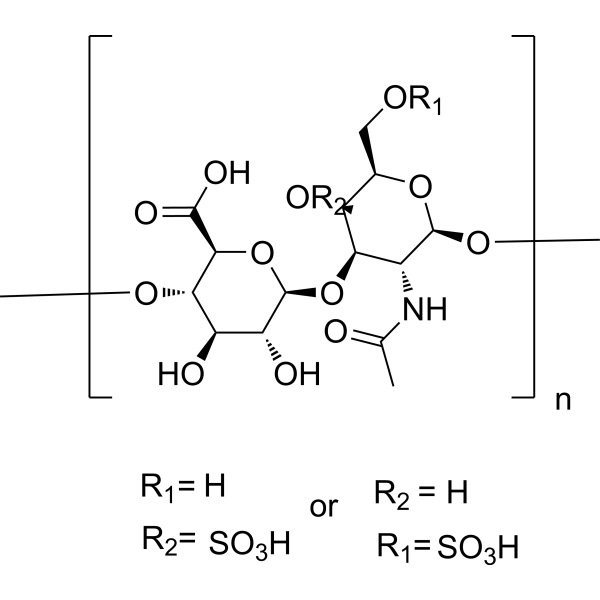
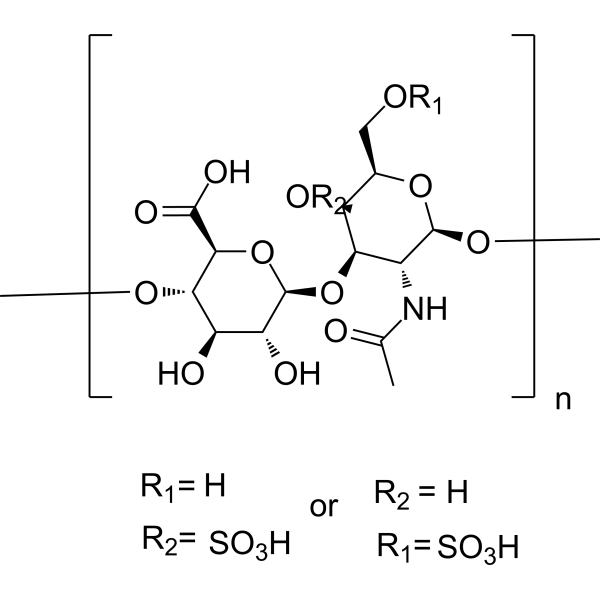
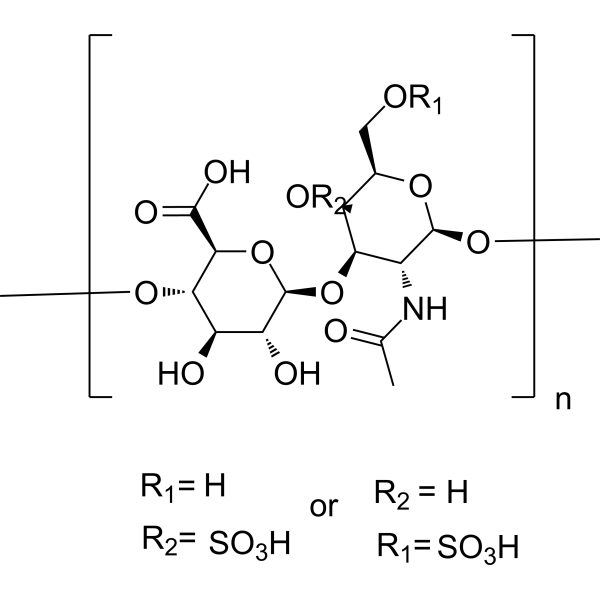
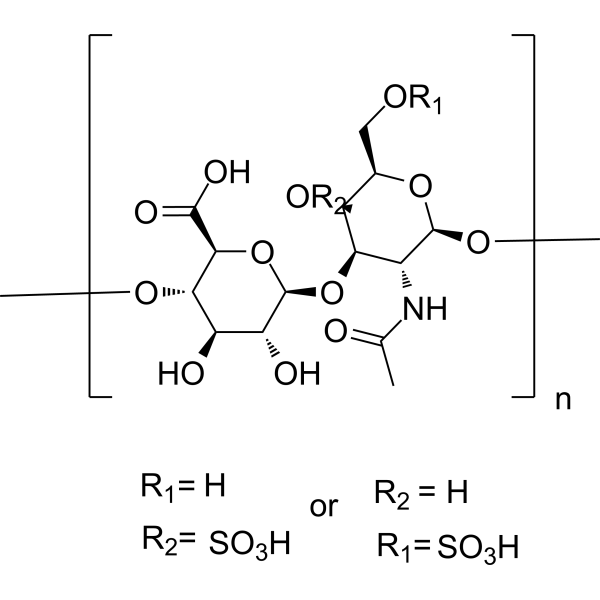
Chondroitin sulfate, one of five classes of glycosaminoglycans, has been widely used in the treatment of osteoarthritis. Chondroitin sulfate reduces inflammation mediators and the apoptotic process and is able to reduce protein production of inflammatory cytokines, iNOS and MMPs.
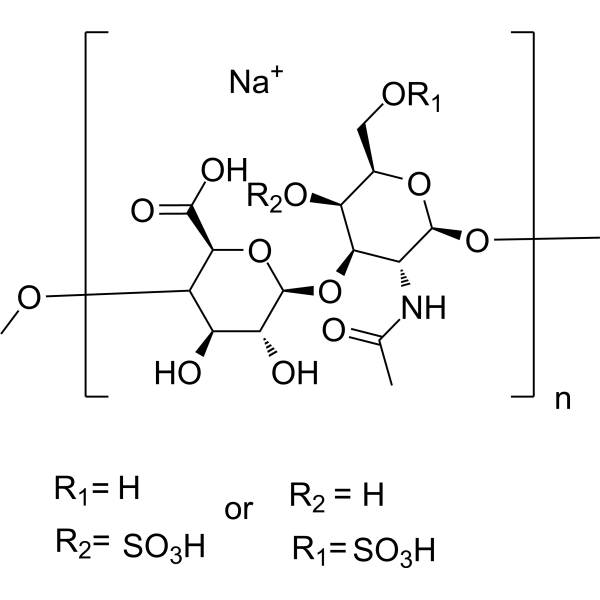
Chondroitin sulfate sodium (from shark cartilage), one of five classes of glycosaminoglycans, has been widely used in the treatment of osteoarthritis. Chondroitin sulfate reduces inflammation mediators and the apoptotic process and is able to reduce protein production of inflammatory cytokines, iNOS and MMPs .
Hyaluronidase, Ovine testes is an endoglycosidase. Hyaluronidase, Ovine testes specifically degrades Hyaluronic acid (HY-B0633A) and Chondroitin sulfate (HY-B2162) by hydrolyzing β-glycosidic bonds in acidic mucopolysaccharides. Hyaluronidase, Ovine testes disperses follicular cells during fertilization by breaking down the hyaluronic acid-rich cumulus. Hyaluronidase, Ovine testes can be used in the study of fertility-related diseases .
Chondroitinase ABC (ChABC) is an enzyme that degrades glycosaminoglycan side-chains of chondroitin sulfate (CS-GAG) from the chondroitin sulfate proteoglycan (CSPG) core protein. Chondroitinase ABC facilitates reinnervation by degrading CS-GAGs around motoneurons. Chondroitinase ABC has the potential for the research of spinal injury .
Chondroitin sulfate (from pig) (Chondroitin polysulfate (from pig)) is a sulfated linear polysaccharide extracted from pigs, which belongs to glycosaminoglycans. Chondroitin sulfate (from pig) exerts inconsistent inhibitory effects on the resorptive activity of human osteoclasts. Chondroitin sulfate (from pig) can be used in studies related to osteoarthritis .
Chondroitin sulfate (Chondroitin polysulfate) sodium (from bovine)) is a sulfated linear polysaccharide extracted from bovine sources, belonging to glycosaminoglycans. Chondroitin sulfate sodium (from bovine) inhibits osteoclast-mediated bone resorption and exhibits antioxidant activity, which is negatively correlated with molecular weight. Chondroitin sulfate sodium (from bovine) can be used in studies related to osteoarthritis .
Chondroitin sulfate (from chicken) (Chondroitin polysulfate (from chicken)) is an orally active, sulfated linear polysaccharide extracted from chickens, which belongs to glycosaminoglycans. Chondroitin sulfate (from chicken) reduces the phosphorylation levels of ERK1/2 and p38MAPK, inhibits the expression of inflammatory cytokines and MMP, and downregulates the levels of IL-1β, IL-6, TNF-α and PGE2. Chondroitin sulfate (from chicken) improves motor function, protects cartilage tissue, reverses chondrocyte aggregation, and regulates the structure of intestinal flora. Chondroitin sulfate (from chicken) can be used in research related to osteoarthritis .
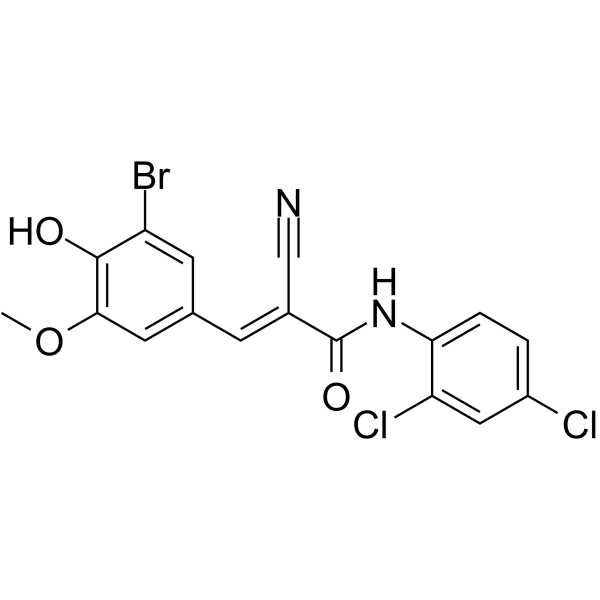
Chst15-IN-1 is a potent reversible covalent Chst15 inhibitor. Chst15-IN-1 effectively inhibits chondroitin sulfate-E (CS-E) sulfation levels and other closely related glycosaminoglycans (GAG) sulfotransferases. Chst15-IN-1, as a selective sulfotransferase inhibitor, can diminish the inhibitory effects of chondroitin sulfate proteoglycans (CSPGs), and can be used for the stimulation of neuronal repair .
PTPσ Inhibitor, ISP can bind to recombinant human PTPs and inhibits PTPσ signaling. PTPσ Inhibitor, ISP can penetrate the membrane and relieves the chondroitin sulfate proteoglycan (CSPG)-mediated axonal sprouting inhibition in spinal cord injury model. PTPσ Inhibitor, ISP enhances remyelination in LPC-induced demyelinated spinal cord. PTPσ Inhibitor, ISP also promotes oligodendrocyte progenitor cells (OPCs) migration, maturation, remyelination, and functional recovery in animal models of Multiple Sclerosis (MS) .
Chondroitin sulfate (from fish), one of five classes of glycosaminoglycans, has been widely used in the treatment of osteoarthritis. Chondroitin sulfate (from fish) reduces inflammation mediators and the apoptotic process and is able to reduce protein production of inflammatory cytokines, iNOS and MMPs.
Chondroitin sulfate (from shark cartilage) is a biochemical reagent that can be used as a biological material or organic compound for life science related research.
Cajaninstilbene acid is a potent HCV inhibitor with an IC50 of 3.17 μM. Cajaninstilbene acid inhibits HCV replications via down-regulates a cellular protein chondroitin sulfate N-acetylgalactosaminyltransferase 1 .
Octaarginine acetate is a cell-penetrating peptide and proteasome inhibitor. Octaarginine acetate exhibits mixed-type inhibition against 20S proteasome chymotrypsin-like, caspase-like, and trypsin-like activities, and inhibits 26S proteasome activity with decreased efficiency. Octaarginine acetate induces ubiquitin-conjugated protein accumulation, mediates HSPG-dependent cellular internalization via macropinocytosis, enhances liposomal cargo uptake and gene delivery. Octaarginine acetate can be used for the research of cervix carcinoma, collagen antibody-induced arthritis, and bacterial infections .
Octaarginine is a cell-penetrating peptide and proteasome inhibitor. Octaarginine exhibits mixed-type inhibition against 20S proteasome chymotrypsin-like, caspase-like, and trypsin-like activities, and inhibits 26S proteasome activity with decreased efficiency. Octaarginine induces ubiquitin-conjugated protein accumulation, mediates HSPG-dependent cellular internalization via macropinocytosis, enhances liposomal cargo uptake and gene delivery. Octaarginine can be used for the research of cervix carcinoma, collagen antibody-induced arthritis, and bacterial infections .
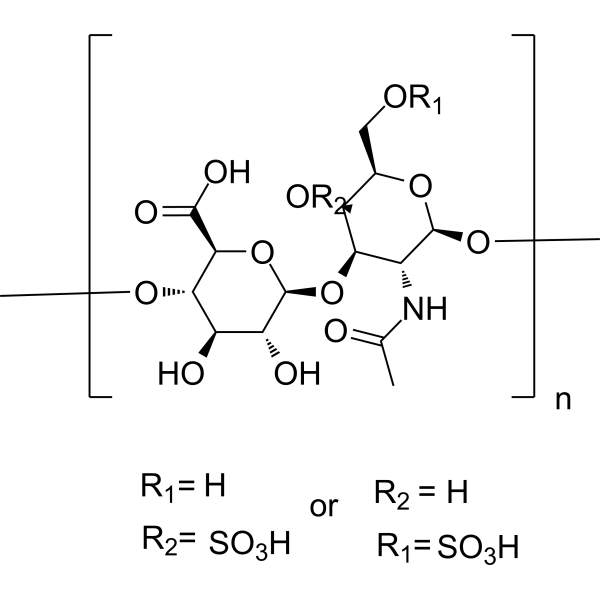
Chondroitin Sulfate Methacryloyl (CSMA) is methacrylated chondroitin sulfate and is biocompatible. Chondroitin Sulfate Methacryloyl has a higher degree of methacrylation than HAMA (HY-158220), and the degree of methacrylation is closely related to customizable mechanical properties, swelling properties and enzymatic degradability. Chondroitin Sulfate Methacryloyl is a versatile biomaterial suitable for biomimetic hydrogel scaffolds and an ideal 3D printing hydrogel ink . Chondroitin Sulfate Methacryloyl needs to self-assemble into fibrous hydrogel under the action of photoinitiator LAP (HY-44076), and target bioactive adhesion sites, play an inherent supporting role for tissue cells and biodegradable activity. Application: cell culture, biological 3D printing, tissue engineering, etc.
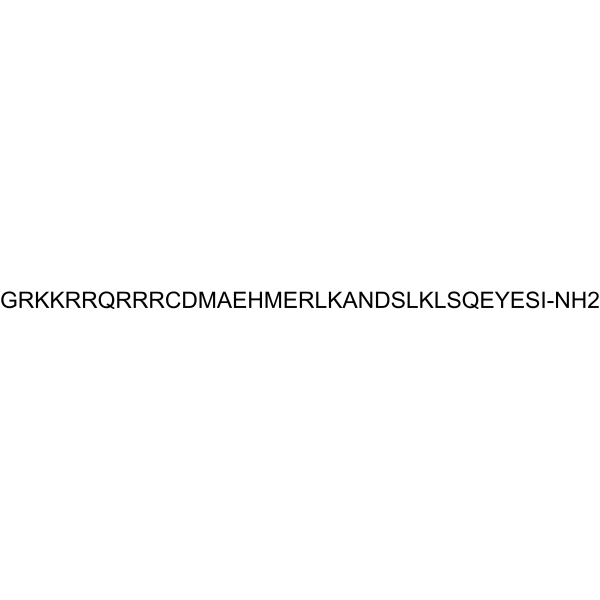
plCSA-BP is a Placental CSA-binding peptide. plCSA-BP binds specifically to trophoblasts and not to other cell types in the placenta or to CSA-expressing cells in other tissues. plCSA-BP can guide nanoparticles for the targeted delivery of payloads (such as Indocyanine green (ICG) (HY-D0711) and Methotrexate (MTX) (HY-14519)) to the placenta, promising for placenta-specific drug delivery .
Chondroitinase C degrades chondroitin sulfate glycosaminoglycans that inhibit axonal growth within the endoneurium of peripheral nerve. Chondroitinase C selectively enhances the axon growth-promoting properties of the endoneurial basal lamina .
Chondroitin disaccharide Δdi-0S sodium is an unsaturated disaccharide produced by the degradation of Chondroitin sulfate (HY-B2162). Chondroitin disaccharide Δdi-0S sodium produces fluorescent pyridylamino derivative with 2-aminopyridine, which can be used in studies about the metabolic pathway of Chondroitin sulfate and related disease mechanisms .
Chondroitin sulfate A disodium is a mucopolysaccharide extracted from animal cartilages such as porcine nasal cartilage, and serves as a major structural component of cartilage. Chondroitin sulfate A disodium is one of the specific receptors for the adhesion of Plasmodium falciparum-infected red blood cells in the microcirculation. Chondroitin sulfate A disodium can be used together with selenium to prepare nanoparticles for protecting cartilage against T‑2 toxin-induced damage. Chondroitin sulfate A disodium is abnormally highly expressed in ameloblastoma, and is particularly enriched in stellate reticulum-like tumor cells. Chondroitin sulfate A disodium can be applied to studies on Plasmodium infection mechanisms, cartilage protection and oral tumors .
Chondroitinase AC is a hydrolytic enzyme. Chondroitinase AC degrades chondroitin sulfate A and chondroitin sulfate C. Chondroitinase AC inhibits the invasion and proliferation of melanoma cells and endothelial cells, and increases apoptosis. Chondroitinase AC can be used in research on melanoma and other cancers .
DSPE-PEG1000-LTLRWVGLMS is a PEG compound which composed of DSPE and a decapeptide (LTLRWVGLMS). The chondroitin sulfate proteoglygan NG2 is a receptor for LTLRWVGLMS. LLRWVGLMS shows the homing of pericytes associated with tumor blood vessels. DSPE-PEG1000-LTLRWVGLMS can be used for drug delivery .
DSPE-PEG2000-LTLRWVGLMS is a PEG compound which composed of DSPE and a decapeptide (LTLRWVGLMS). The chondroitin sulfate proteoglygan NG2 is a receptor for LTLRWVGLMS. LLRWVGLMS shows the homing of pericytes associated with tumor blood vessels. DSPE-PEG2000-LTLRWVGLMS can be used for drug delivery .
Trimethylcolchicinic acid (Desacetylcolchiceine; N-Deacetylcolchiceine) is a colchicine analogue. Trimethylcolchicinic acid promotes the production of chondroitin sulfate in L cells and inhibits the production of dermatan sulfate. Trimethylcolchicinic acid reduces liver fibrosis and cholestasis induced by long-term biliary obstruction in rats. Trimethylcolchicinic acid has potential for use in research on diseases such as liver fibrosis, gout, and cancer .
Hyaluronidase, Streptomyces hyalurolyticus (EC 3.2.1.35) degrades hyaluronan and has been found to be inappropriately regulated during cancer progression. Hyaluronidase randomly cleaves β-N-acetylhexosamine-[1→4] glycosidic bonds in hyaluronic acid, chondroitin, and chondroitin sulfates.
DSPE-PEG3400-LTLRWVGLMS is a PEG compound which composed of DSPE and a decapeptide (LTLRWVGLMS). The chondroitin sulfate proteoglygan NG2 is a receptor for LTLRWVGLMS. LLRWVGLMS shows the homing of pericytes associated with tumor blood vessels. DSPE-PEG3400-LTLRWVGLMS can be used for drug delivery .
DSPE-PEG5000-LTLRWVGLMS is a PEG compound which composed of DSPE and a decapeptide (LTLRWVGLMS). The chondroitin sulfate proteoglygan NG2 is a receptor for LTLRWVGLMS. LLRWVGLMS shows the homing of pericytes associated with tumor blood vessels. DSPE-PEG5000-LTLRWVGLMS can be used for drug delivery .
Anti-CD85a/LILRB3 Antibody (7C5) is a human monoclonal antibody targeting LILRB3/ILT5/CD85a. Anti-CD85a/LILRB3 Antibody (7C5) can be used for research on inflammatory and immune diseases. The recommended isotype control is human IgG1 kappa, isotype control (HY-P99001).
IKVAVC is a derivative peptide of IKVAV with an artificially added cysteine (Cys) at its C-terminus. IKVAVC retains all the biological activities of the original IKVAV, mainly acting as a neural adhesion/differentiation signaling peptide, and is equipped with an engineered linker arm that enables covalent conjugation to molecular materials. IKVAV inhibits the migration and activation of fibroblasts, downregulates the TGF-β1 signaling pathway and endoplasmic reticulum stress, and promotes nerve repair. IKVAV regulates the phenotype of macrophages, shifting them from the pro-inflammatory M1 type to the pro-reparative M2 type .
Chondroitin sulfate (from pig) (Chondroitin polysulfate (from pig)) is a sulfated linear polysaccharide extracted from pigs, which belongs to glycosaminoglycans. Chondroitin sulfate (from pig) exerts inconsistent inhibitory effects on the resorptive activity of human osteoclasts. Chondroitin sulfate (from pig) can be used in studies related to osteoarthritis .
Chondroitin sulfate (Chondroitin polysulfate) sodium (from bovine)) is a sulfated linear polysaccharide extracted from bovine sources, belonging to glycosaminoglycans. Chondroitin sulfate sodium (from bovine) inhibits osteoclast-mediated bone resorption and exhibits antioxidant activity, which is negatively correlated with molecular weight. Chondroitin sulfate sodium (from bovine) can be used in studies related to osteoarthritis .
Chondroitin sulfate (from chicken) (Chondroitin polysulfate (from chicken)) is an orally active, sulfated linear polysaccharide extracted from chickens, which belongs to glycosaminoglycans. Chondroitin sulfate (from chicken) reduces the phosphorylation levels of ERK1/2 and p38MAPK, inhibits the expression of inflammatory cytokines and MMP, and downregulates the levels of IL-1β, IL-6, TNF-α and PGE2. Chondroitin sulfate (from chicken) improves motor function, protects cartilage tissue, reverses chondrocyte aggregation, and regulates the structure of intestinal flora. Chondroitin sulfate (from chicken) can be used in research related to osteoarthritis .
Chondroitin sulfate (from fish), one of five classes of glycosaminoglycans, has been widely used in the treatment of osteoarthritis. Chondroitin sulfate (from fish) reduces inflammation mediators and the apoptotic process and is able to reduce protein production of inflammatory cytokines, iNOS and MMPs.
Chondroitin sulfate (from shark cartilage) is a biochemical reagent that can be used as a biological material or organic compound for life science related research.
Chondroitin Sulfate Methacryloyl (CSMA) is methacrylated chondroitin sulfate and is biocompatible. Chondroitin Sulfate Methacryloyl has a higher degree of methacrylation than HAMA (HY-158220), and the degree of methacrylation is closely related to customizable mechanical properties, swelling properties and enzymatic degradability. Chondroitin Sulfate Methacryloyl is a versatile biomaterial suitable for biomimetic hydrogel scaffolds and an ideal 3D printing hydrogel ink . Chondroitin Sulfate Methacryloyl needs to self-assemble into fibrous hydrogel under the action of photoinitiator LAP (HY-44076), and target bioactive adhesion sites, play an inherent supporting role for tissue cells and biodegradable activity. Application: cell culture, biological 3D printing, tissue engineering, etc.
Carbohydrate Sulfotransferase 7 (EC:2.8.2.17) can catalyze sulphate transfer to position 6 of non- GlcNAc residues and to position 6 of the GalNAc residue of chondroitin .
DSPE-PEG1000-LTLRWVGLMS is a PEG compound which composed of DSPE and a decapeptide (LTLRWVGLMS). The chondroitin sulfate proteoglygan NG2 is a receptor for LTLRWVGLMS. LLRWVGLMS shows the homing of pericytes associated with tumor blood vessels. DSPE-PEG1000-LTLRWVGLMS can be used for drug delivery .
DSPE-PEG2000-LTLRWVGLMS is a PEG compound which composed of DSPE and a decapeptide (LTLRWVGLMS). The chondroitin sulfate proteoglygan NG2 is a receptor for LTLRWVGLMS. LLRWVGLMS shows the homing of pericytes associated with tumor blood vessels. DSPE-PEG2000-LTLRWVGLMS can be used for drug delivery .
DSPE-PEG3400-LTLRWVGLMS is a PEG compound which composed of DSPE and a decapeptide (LTLRWVGLMS). The chondroitin sulfate proteoglygan NG2 is a receptor for LTLRWVGLMS. LLRWVGLMS shows the homing of pericytes associated with tumor blood vessels. DSPE-PEG3400-LTLRWVGLMS can be used for drug delivery .
DSPE-PEG5000-LTLRWVGLMS is a PEG compound which composed of DSPE and a decapeptide (LTLRWVGLMS). The chondroitin sulfate proteoglygan NG2 is a receptor for LTLRWVGLMS. LLRWVGLMS shows the homing of pericytes associated with tumor blood vessels. DSPE-PEG5000-LTLRWVGLMS can be used for drug delivery .
PTPσ Inhibitor, ISP can bind to recombinant human PTPs and inhibits PTPσ signaling. PTPσ Inhibitor, ISP can penetrate the membrane and relieves the chondroitin sulfate proteoglycan (CSPG)-mediated axonal sprouting inhibition in spinal cord injury model. PTPσ Inhibitor, ISP enhances remyelination in LPC-induced demyelinated spinal cord. PTPσ Inhibitor, ISP also promotes oligodendrocyte progenitor cells (OPCs) migration, maturation, remyelination, and functional recovery in animal models of Multiple Sclerosis (MS) .
Octaarginine acetate is a cell-penetrating peptide and proteasome inhibitor. Octaarginine acetate exhibits mixed-type inhibition against 20S proteasome chymotrypsin-like, caspase-like, and trypsin-like activities, and inhibits 26S proteasome activity with decreased efficiency. Octaarginine acetate induces ubiquitin-conjugated protein accumulation, mediates HSPG-dependent cellular internalization via macropinocytosis, enhances liposomal cargo uptake and gene delivery. Octaarginine acetate can be used for the research of cervix carcinoma, collagen antibody-induced arthritis, and bacterial infections .
Octaarginine is a cell-penetrating peptide and proteasome inhibitor. Octaarginine exhibits mixed-type inhibition against 20S proteasome chymotrypsin-like, caspase-like, and trypsin-like activities, and inhibits 26S proteasome activity with decreased efficiency. Octaarginine induces ubiquitin-conjugated protein accumulation, mediates HSPG-dependent cellular internalization via macropinocytosis, enhances liposomal cargo uptake and gene delivery. Octaarginine can be used for the research of cervix carcinoma, collagen antibody-induced arthritis, and bacterial infections .
plCSA-BP is a Placental CSA-binding peptide. plCSA-BP binds specifically to trophoblasts and not to other cell types in the placenta or to CSA-expressing cells in other tissues. plCSA-BP can guide nanoparticles for the targeted delivery of payloads (such as Indocyanine green (ICG) (HY-D0711) and Methotrexate (MTX) (HY-14519)) to the placenta, promising for placenta-specific drug delivery .
IKVAVC is a derivative peptide of IKVAV with an artificially added cysteine (Cys) at its C-terminus. IKVAVC retains all the biological activities of the original IKVAV, mainly acting as a neural adhesion/differentiation signaling peptide, and is equipped with an engineered linker arm that enables covalent conjugation to molecular materials. IKVAV inhibits the migration and activation of fibroblasts, downregulates the TGF-β1 signaling pathway and endoplasmic reticulum stress, and promotes nerve repair. IKVAV regulates the phenotype of macrophages, shifting them from the pro-inflammatory M1 type to the pro-reparative M2 type .
Anti-CD85a/LILRB3 Antibody (7C5) is a human monoclonal antibody targeting LILRB3/ILT5/CD85a. Anti-CD85a/LILRB3 Antibody (7C5) can be used for research on inflammatory and immune diseases. The recommended isotype control is human IgG1 kappa, isotype control (HY-P99001).
Chondroitin sulfate, one of five classes of glycosaminoglycans, has been widely used in the treatment of osteoarthritis. Chondroitin sulfate reduces inflammation mediators and the apoptotic process and is able to reduce protein production of inflammatory cytokines, iNOS and MMPs.
Chondroitin sulfate sodium (from shark cartilage), one of five classes of glycosaminoglycans, has been widely used in the treatment of osteoarthritis. Chondroitin sulfate reduces inflammation mediators and the apoptotic process and is able to reduce protein production of inflammatory cytokines, iNOS and MMPs .
Cajaninstilbene acid is a potent HCV inhibitor with an IC50 of 3.17 μM. Cajaninstilbene acid inhibits HCV replications via down-regulates a cellular protein chondroitin sulfate N-acetylgalactosaminyltransferase 1 .
Chondroitinase ABC protein is an endolytic glycosaminoglycan lyase with broad specificity that effectively degrades polysaccharides such as chondroitin, chondroitin 4-sulfate, chondroitin 6-sulfate, dermatan sulfate, and smaller degree of hyaluronic acid. This enzyme activity is facilitated by β-elimination of the 1,4-hexosamine bond, resulting in unsaturated tetra- and disaccharides. Chondroitinase ABC Protein, P. vulgaris (His) is the recombinant Chondroitinase ABC protein, expressed by E. coli , with N-6*His labeled tag.
Versican Isoform V0 is an isotype of versican with its central domain of containing both the GAG-α and GAG-β domains. Versican Isoform V0 protein can be used in research on inflammatory diseases and cancer. Versican Isoform V0 Protein, Human (His, B2M, Myc) is the recombinant human-derived Versican Isoform V0, expressed by E. coli, with N-B2M, C-Myc, N-10*His labeled tag.
The CSPG5 protein is a potential growth and differentiation factor that is actively involved in and critical for neural development. It may induce ERBB3 activation, a key pathway for cell growth and differentiation. CSPG5 Protein, Human (HEK293, His) is the recombinant human-derived CSPG5 protein, expressed by HEK293 , with C-His labeled tag.
The PTPRZ1 protein is an important tyrosine phosphatase that negatively regulates oligodendrocyte precursor proliferation in the embryonic spinal cord. It plays a crucial role in guiding the normal differentiation of precursor cells into mature oligodendrocytes and may act as an anti-apoptotic factor. PTPRZ1 Protein, Human (P.pastoris, His) is the recombinant human-derived PTPRZ1 protein, expressed by P. pastoris , with N-His labeled tag.
CSPG5 protein plays a key role as a growth and differentiation factor in neuritogenesis and may induce ERBB3 activation and participate in signaling pathways related to cell growth and differentiation. Its ability to bind to TNR and possibly TNC suggests interactions with key molecules in cellular processes. CSPG5 Protein, Mouse (HEK293, His) is the recombinant mouse-derived CSPG5 protein, expressed by HEK293 , with C-His labeled tag.
CHST11 Protein catalyzes sulfate transfer to position 4 of the GalNAc residue in chondroitin, the main proteoglycan in cartilage and cell surfaces. It can sulfate Gal residues in desulfated dermatan sulfate, with a preference for GlcA->GalNAc units over IdoA->GalNAc units, and does not form 4,6-di-O-sulfated GalNAc when chondroitin sulfate C is the acceptor. CHST11 Protein, Human (sf9, His) is the recombinant human-derived CHST11 protein, expressed by Sf9 insect cells , with C-His labeled tag.
The CHST3 protein utilizes PAPS to keyly catalyze the transfer of sulfate to position 6 of GalNAc in chondroitin, the major proteoglycan in cartilage. CHST3 also sulfonates Gal residues in keratan sulfate and sialic acid LacNAc oligosaccharides with less efficiency. CHST3 Protein, Mouse (HEK293, His) is the recombinant mouse-derived CHST3 protein, expressed by HEK293 , with N-His labeled tag.
DSPE-PEG1000-LTLRWVGLMS is a PEG compound which composed of DSPE and a decapeptide (LTLRWVGLMS). The chondroitin sulfate proteoglygan NG2 is a receptor for LTLRWVGLMS. LLRWVGLMS shows the homing of pericytes associated with tumor blood vessels. DSPE-PEG1000-LTLRWVGLMS can be used for drug delivery .
DSPE-PEG2000-LTLRWVGLMS is a PEG compound which composed of DSPE and a decapeptide (LTLRWVGLMS). The chondroitin sulfate proteoglygan NG2 is a receptor for LTLRWVGLMS. LLRWVGLMS shows the homing of pericytes associated with tumor blood vessels. DSPE-PEG2000-LTLRWVGLMS can be used for drug delivery .
DSPE-PEG3400-LTLRWVGLMS is a PEG compound which composed of DSPE and a decapeptide (LTLRWVGLMS). The chondroitin sulfate proteoglygan NG2 is a receptor for LTLRWVGLMS. LLRWVGLMS shows the homing of pericytes associated with tumor blood vessels. DSPE-PEG3400-LTLRWVGLMS can be used for drug delivery .
DSPE-PEG5000-LTLRWVGLMS is a PEG compound which composed of DSPE and a decapeptide (LTLRWVGLMS). The chondroitin sulfate proteoglygan NG2 is a receptor for LTLRWVGLMS. LLRWVGLMS shows the homing of pericytes associated with tumor blood vessels. DSPE-PEG5000-LTLRWVGLMS can be used for drug delivery .
Inquiry Online
Your information is safe with us. * Required Fields.
Western blot analysis of extracts from THP-1(lane 2(20μg), Jurkat (lane 3(20μg) and NIH3T3(lane 4(20μg) using FOXO1A (HY-P80132) Rabbit mAb. Proteins were transferred
to a PVDF membrane and blocked with 5% non-fat milk in TBST for 2 hour at room temperature. The primary antibody (1/1000) and Loading control antibody (Beta Actin, HY-P80438, 1/10000) was
used in 5% non-fat milk in TBST at 4°C overnight. Goat Anti-Mouse/Rabbit IgG-HRP Secondary Antibody (1/10000) was used for 1 hour at room temperature.
Western blot analysis of extracts from THP-1(lane 2(20μg), Jurkat (lane 3(20μg) and NIH3T3(lane 4(20μg) using FOXO1A (HY-P80132) Rabbit mAb. Proteins were transferred
to a PVDF membrane and blocked with 5% non-fat milk in TBST for 2 hour at room temperature. The primary antibody (1/1000) and Loading control antibody (Beta Actin, HY-P80438, 1/10000) was
used in 5% non-fat milk in TBST at 4°C overnight. Goat Anti-Mouse/Rabbit IgG-HRP Secondary Antibody (1/10000) was used for 1 hour at room temperature.
Western blot analysis of extracts from THP-1(lane 2(20μg), Jurkat (lane 3(20μg) and NIH3T3(lane 4(20μg) using FOXO1A (HY-P80132) Rabbit mAb. Proteins were transferred
to a PVDF membrane and blocked with 5% non-fat milk in TBST for 2 hour at room temperature. The primary antibody (1/1000) and Loading control antibody (Beta Actin, HY-P80438, 1/10000) was
used in 5% non-fat milk in TBST at 4°C overnight. Goat Anti-Mouse/Rabbit IgG-HRP Secondary Antibody (1/10000) was used for 1 hour at room temperature.
Western blot analysis of extracts from THP-1(lane 2(20μg), Jurkat (lane 3(20μg) and NIH3T3(lane 4(20μg) using FOXO1A (HY-P80132) Rabbit mAb. Proteins were transferred
to a PVDF membrane and blocked with 5% non-fat milk in TBST for 2 hour at room temperature. The primary antibody (1/1000) and Loading control antibody (Beta Actin, HY-P80438, 1/10000) was
MedchemExpress Validation 03
Western blot analysis of extracts from THP-1(lane 2(20μg), Jurkat (lane 3(20μg) and NIH3T3(lane 4(20μg) using FOXO1A (HY-P80132) Rabbit mAb. Proteins were transferred
MedchemExpress Validation 04
Western blot analysis of extracts from THP-1(lane 2(20μg), Jurkat (lane 3(20μg) and NIH3T3(lane 4(20μg) using FOXO1A (HY-P80132) Rabbit mAb. Proteins were transferred
to a PVDF membrane and blocked with 5% non-fat milk in TBST for 2 hour at room temperature. The primary antibody (1/1000) and Loading control antibody (Beta Actin, HY-P80438, 1/10000) was
used in 5% non-fat milk in TBST at 4°C overnight. Goat Anti-Mouse/Rabbit IgG-HRP Secondary Antibody (1/10000) was used for 1 hour at room temperature.
MedchemExpress Validation
Western blot analysis of extracts from THP-1(lane 2(20μg), Jurkat (lane 3(20μg) and NIH3T3(lane 4(20μg) using FOXO1A (HY-P80132) Rabbit mAb. Proteins were transferred
to a PVDF membrane and blocked with 5% non-fat milk in TBST for 2 hour at room temperature. The primary antibody (1/1000) and Loading control antibody (Beta Actin, HY-P80438, 1/10000) was
used in 5% non-fat milk in TBST at 4°C overnight. Goat Anti-Mouse/Rabbit IgG-HRP Secondary Antibody (1/10000) was used for 1 hour at room temperature.
Western blot analysis of extracts from THP-1(lane 2(20μg), Jurkat (lane 3(20μg) and NIH3T3(lane 4(20μg) using FOXO1A (HY-P80132) Rabbit mAb. Proteins were transferred
to a PVDF membrane and blocked with 5% non-fat milk in TBST for 2 hour at room temperature. The primary antibody (1/1000) and Loading control antibody (Beta Actin, HY-P80438, 1/10000) was
used in 5% non-fat milk in TBST at 4°C overnight. Goat Anti-Mouse/Rabbit IgG-HRP Secondary Antibody (1/10000) was used for 1 hour at room temperature.
MedchemExpress Validation
Western blot analysis of extracts from THP-1(lane 2(20μg), Jurkat (lane 3(20μg) and NIH3T3(lane 4(20μg) using FOXO1A (HY-P80132) Rabbit mAb. Proteins were transferred
to a PVDF membrane and blocked with 5% non-fat milk in TBST for 2 hour at room temperature. The primary antibody (1/1000) and Loading control antibody (Beta Actin, HY-P80438, 1/10000) was
used in 5% non-fat milk in TBST at 4°C overnight. Goat Anti-Mouse/Rabbit IgG-HRP Secondary Antibody (1/10000) was used for 1 hour at room temperature.
MedchemExpress Validation
Western blot analysis of extracts from THP-1(lane 2(20μg), Jurkat (lane 3(20μg) and NIH3T3(lane 4(20μg) using FOXO1A (HY-P80132) Rabbit mAb. Proteins were transferred
to a PVDF membrane and blocked with 5% non-fat milk in TBST for 2 hour at room temperature. The primary antibody (1/1000) and Loading control antibody (Beta Actin, HY-P80438, 1/10000) was
used in 5% non-fat milk in TBST at 4°C overnight. Goat Anti-Mouse/Rabbit IgG-HRP Secondary Antibody (1/10000) was used for 1 hour at room temperature.
MedchemExpress Validation
Western blot analysis of extracts from THP-1(lane 2(20μg), Jurkat (lane 3(20μg) and NIH3T3(lane 4(20μg) using FOXO1A (HY-P80132) Rabbit mAb. Proteins were transferred
to a PVDF membrane and blocked with 5% non-fat milk in TBST for 2 hour at room temperature. The primary antibody (1/1000) and Loading control antibody (Beta Actin, HY-P80438, 1/10000) was
used in 5% non-fat milk in TBST at 4°C overnight. Goat Anti-Mouse/Rabbit IgG-HRP Secondary Antibody (1/10000) was used for 1 hour at room temperature.
MedchemExpress Validation
Western blot analysis of extracts from THP-1(lane 2(20μg), Jurkat (lane 3(20μg) and NIH3T3(lane 4(20μg) using FOXO1A (HY-P80132) Rabbit mAb. Proteins were transferred
to a PVDF membrane and blocked with 5% non-fat milk in TBST for 2 hour at room temperature. The primary antibody (1/1000) and Loading control antibody (Beta Actin, HY-P80438, 1/10000) was
used in 5% non-fat milk in TBST at 4°C overnight. Goat Anti-Mouse/Rabbit IgG-HRP Secondary Antibody (1/10000) was used for 1 hour at room temperature.
MedchemExpress Validation
Western blot analysis of extracts from THP-1(lane 2(20μg), Jurkat (lane 3(20μg) and NIH3T3(lane 4(20μg) using FOXO1A (HY-P80132) Rabbit mAb. Proteins were transferred
to a PVDF membrane and blocked with 5% non-fat milk in TBST for 2 hour at room temperature. The primary antibody (1/1000) and Loading control antibody (Beta Actin, HY-P80438, 1/10000) was
used in 5% non-fat milk in TBST at 4°C overnight. Goat Anti-Mouse/Rabbit IgG-HRP Secondary Antibody (1/10000) was used for 1 hour at room temperature.
MedchemExpress Validation
Western blot analysis of extracts from THP-1(lane 2(20μg), Jurkat (lane 3(20μg) and NIH3T3(lane 4(20μg) using FOXO1A (HY-P80132) Rabbit mAb. Proteins were transferred
to a PVDF membrane and blocked with 5% non-fat milk in TBST for 2 hour at room temperature. The primary antibody (1/1000) and Loading control antibody (Beta Actin, HY-P80438, 1/10000) was
used in 5% non-fat milk in TBST at 4°C overnight. Goat Anti-Mouse/Rabbit IgG-HRP Secondary Antibody (1/10000) was used for 1 hour at room temperature.
MedChemExpress values your privacy and your trust is important to us. We use cookies to enhance your website experience. Some cookies are necessary to run the website.
Privacy and Cookie Policy

