1. Search Result
Search Result
Results for "

Chromatin remodeling

" in MedChemExpress (MCE) Product Catalog:

24

Inhibitors & Agonists

1

Biochemical Assay Reagents

1

Natural
Products

2

Antibodies

Targets Recommended:
Cat. No. Product Name Target Research Areas Chemical Structure
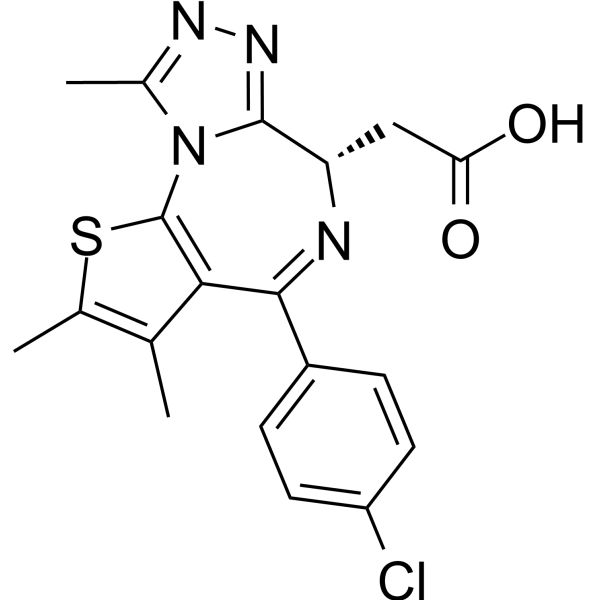
  • HY-78695
    JQ-1 carboxylic acid
    5+ Cited Publications

    Epigenetic Reader Domain PD-1/PD-L1 Ligands for Target Protein for PROTAC Cancer
    JQ-1 carboxylic acid, a (+)-JQ-1 (HY-13030) derivative, is a potent BET bromodomain inhibitor. JQ-1 carboxylic acid can be used to synthesize PROTAC, which can target the degradation of BRD4.
    JQ-1 carboxylic acid
  • HY-159607

    PROTACs SWI/SNF Complex Cancer
    PRT3789 is a selective SMARCA2 PROTAC degrader (DC50 in HeLa cell: 0.72 nM for SMARCA2, 14 nM for SMARCA4). PRT3789 forms a stable ternary complex with Von Hippel-Lindau (VHL) E3 ligase, induces polyubiquitination at SMARCA2-specific lysine residues, and drives proteasome-dependent SMARCA2 degradation. PRT3789 disrupts SWI/SNF chromatin remodeling complex integrity, induces dissociation of specific subunits, suppresses oncogenic gene expression, reduces chromatin accessibility, and upregulates antigen processing/presentation-related gene expression. PRT3789 induces synthetic lethality, inhibits proliferation and colony formation, and drives tumor growth inhibition and regression in SMARCA4-deficient contexts. PRT3789 can be used for the research of SMARCA4-mutated solid tumors, non-small cell lung cancer, endometrial cancer, colorectal cancer, bladder cancer, esophageal cancer, ovarian cancer, and gastric cancer .
    PRT3789
  • HY-N6588

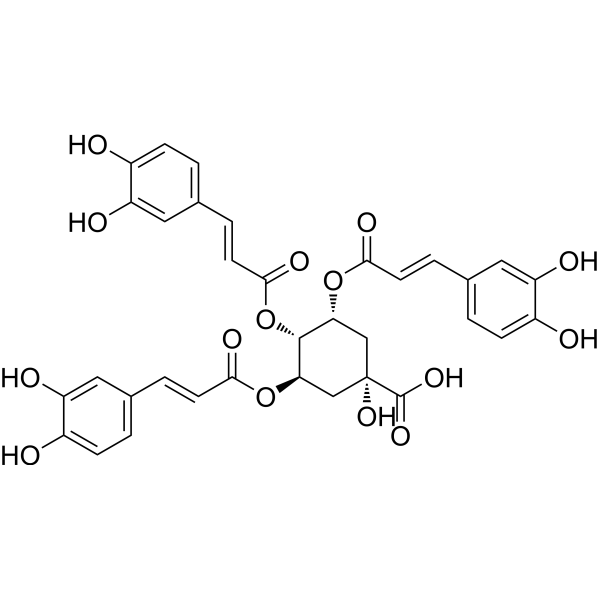
    3,4,5-triCQA

    Akt NF-κB Inflammation/Immunology Cancer
    3,4,5-Tricaffeoylquinic acid (3,4,5-triCQA) inhibits tumor necrosis factor-α-stimulated production of inflammatory mediators in keratinocytes via suppression of Akt- and NF-κB-pathways. 3,4,5-Tricaffeoylquinic acid induces cell cycle arrest at G0/G1, actin cytoskeleton organization, chromatin remodeling, neuronal differentiation, and bone morphogenetic protein signaling in human neural stem cells. 3,4,5-Tricaffeoylquinic acid has the potential for the research of aging-associated diseases .
    3,4,5-Tricaffeoylquinic acid
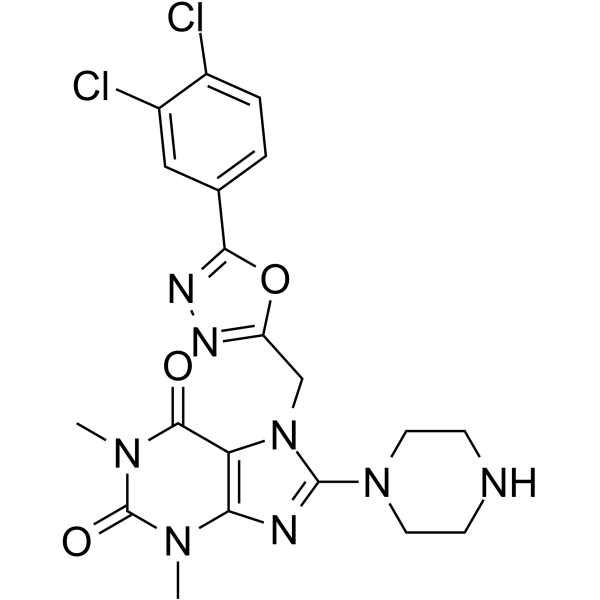
  • HY-125209

    DNA/RNA Synthesis Cancer
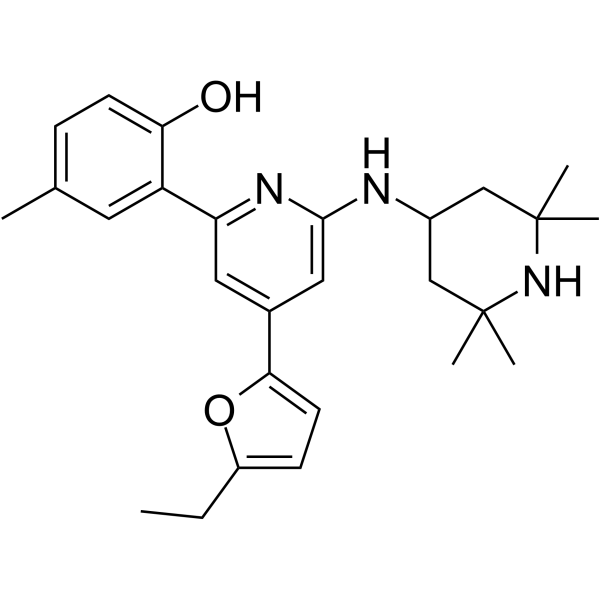
    TH5427 is a promising, targeted inhibitor that can be used to further study NUDT5 activity and ADP-ribose metabolism. TH5427, blocks progestin-dependent, PAR-derived nuclear ATP synthesis and subsequent chromatin remodeling, gene regulation and proliferation in breast cancer cells. NUDT5 is recently identified as a rheostat of hormone-dependent gene regulation and proliferation in breast cancer cells .
    TH5427
  • HY-168534

    SF3B1 Apoptosis Cancer
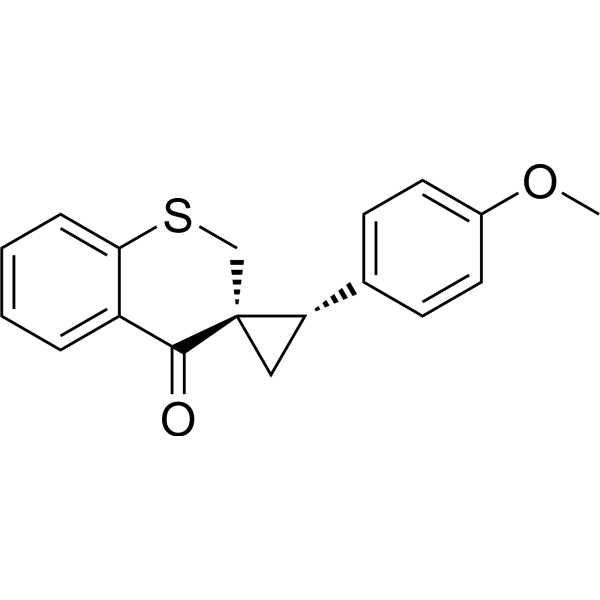
    WX-02-23 is a small-molecule probe that stereoselectively and site-specifically binds to C258 of FOXA1 and C1111 of SF3B1. WX-02-23 remodels FOXA1's chromatin binding and pioneer activity in a DNA-dependent manner, disrupts spliceosome assembly, and enhances the thermal stability of SF3B1. WX-02-23 inhibits tumor cell proliferation and induces apoptosis. WX-02-23 can be used for research on cancers such as prostate cancer .
    WX-02-23
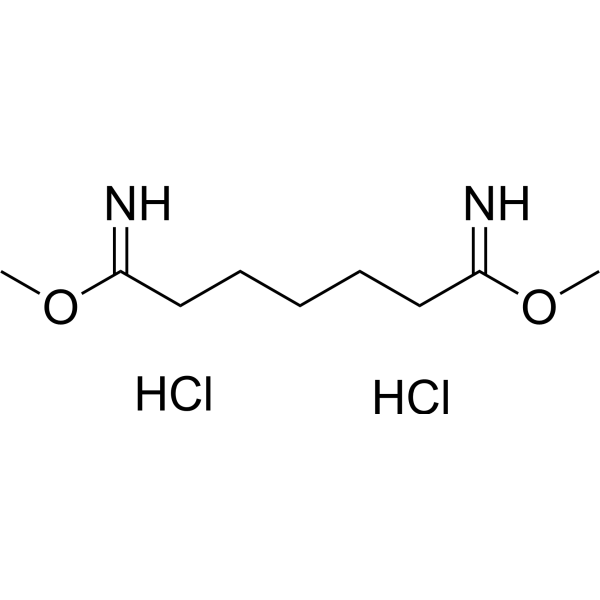
  • HY-W123005
    Dimethyl pimelimidate dihydrochloride
    1 Publications Verification

    Biochemical Assay Reagents Others
    Dimethyl pimelimidate dihydrochloride is a bifunctional imidoester protein-protein crosslinker used in chromatin immunoprecipitation (ChIP) assays .
    Dimethyl pimelimidate dihydrochloride
  • HY-112589

    Bacterial Infection Cancer
    BRITE-338733 is an inhibitor of E. coli RecA ATPase activity (IC50: 4.7 μM). BRITE-338733 also inhibits the ATP hydrolysis activity of RSC chromatin remodeling enzyme by binding to its ATP-binding pocket and DNA (IC50: 0.316 μM). BRITE-338733 exhibits cytotoxicity against MCF-7 and MDA-MB-231 breast cancer cells. BRITE-338733 can be used in studies on antibacterial adjuvants and anticancer research .
    BRITE-338733
  • HY-141591

    Biochemical Assay Reagents Others
    CYT296 is a target chromatin de-condensation compound. CYT296 can improve the induction of induced pluripotent stem cell (iPSCs) mediated by defined factors (OSKM) and induce an open chromatin state in Mouse Embryonic Fibroblast (MEFs) to facilitate somatic cell reprogramming. CYT296 can be used for cell replacement therapies and drug screening research .
    CYT296
  • HY-132242

    SFN-NAC

    HDAC Apoptosis Drug Metabolite Cancer
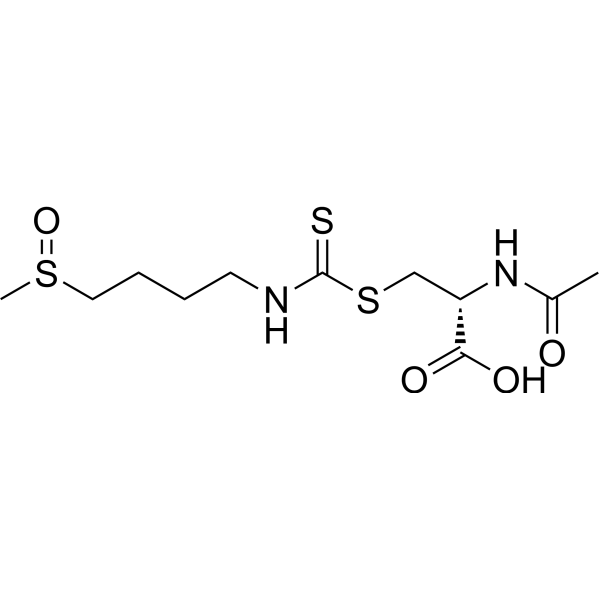
    DL-Sulforaphane N-acetyl-L-cysteine (SFN-NAC) is an orally active HDAC inhibitor and metabolite of sulforaphane (HY-13755) with longer half-life and better blood-brain barrier permeability. DL-Sulforaphane N-acetyl-L-cysteine activates autophagy-mediated downregulation of α-tubulin expression through the ERK pathway and can be used in cancer research .
    DL-Sulforaphane N-acetyl-L-cysteine
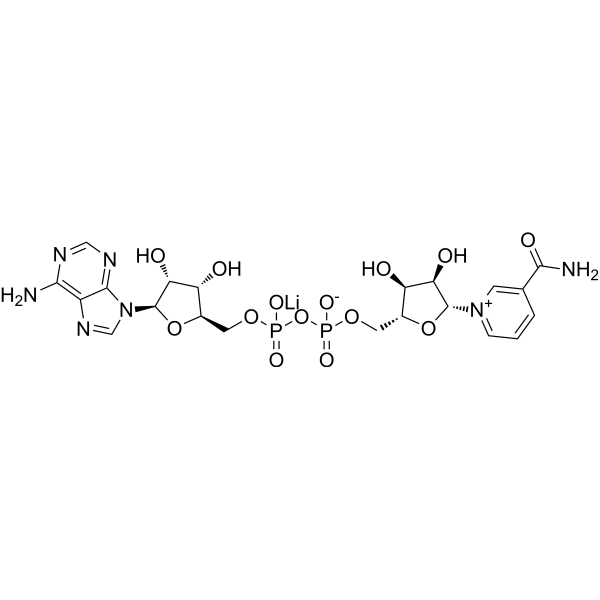
  • HY-W250163
    NAD+ lithium
    40+ Cited Publications

    β-DPN lithium; β-NAD lithium; β-Nicotinamide Adenine Dinucleotide lithium

    Biochemical Assay Reagents Metabolic Disease
    NAD+ lithium (β-DPN lithium) is a lithium salt of nicotinamide adenine dinucleotide. NAD+ is a coenzyme in the REDOX reaction. NAD+ can directly or indirectly affect several key cellular functions, including metabolic pathways, DNA repair, chromatin remodeling, cell aging, and immune cell function .
    NAD+ lithium
  • HY-173364

    BAK-04-212

    BCL6 Cancer
    EB-TCIP (BAK-04-212) is a proof-of-concept tool specifically designed for Ewing sarcoma research, serving as an EWSR1::FLI1 binder tagged with BCL6 and FKBP12 F36V. EB-TCIP forms a ternary complex with the tagged fusion protein, specifically recruits EWSR1::FLI1 to BCL6-bound DNA loci, and induces rapid chromatin remodeling and relocalization. By mediating relocalization, EB-TCIP remodels the transcriptional machinery and activates the expression of BCL6 target genes that are originally repressed. EB-TCIP is used in studies related to novel epigenetic therapies for Ewing sarcoma .
    EB-TCIP
  • HY-144874

    PARP Neurological Disease Cancer
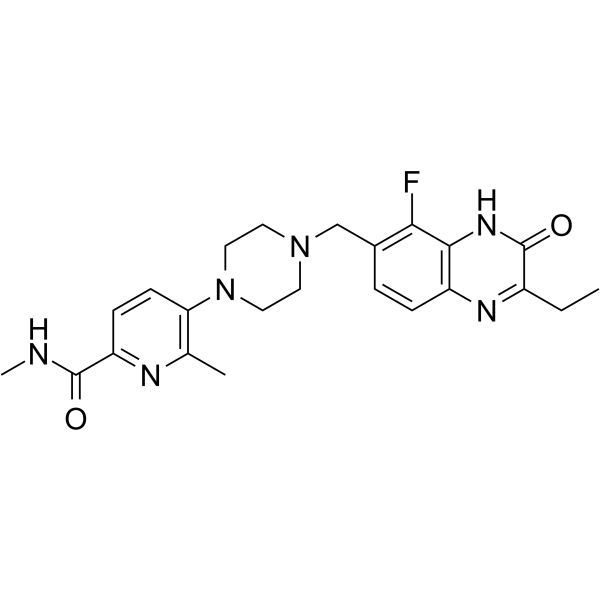
    AZ3391 is a potent inhibitor of PARP. AZ3391 is a quinoxaline derivative. PARP family of enzymes play an important role in a number of cellular processes, such as replication, recombination, chromatin remodeling, and DNA damage repair. AZ3391 has the potential for the research of diseases and conditions occurring in tissues in the central nervous system, such as the brain and spinal cord (extracted from patent WO2021260092A1, compound 23) .
    AZ3391
  • HY-125209A

    Apoptosis PARP DNA/RNA Synthesis Cancer
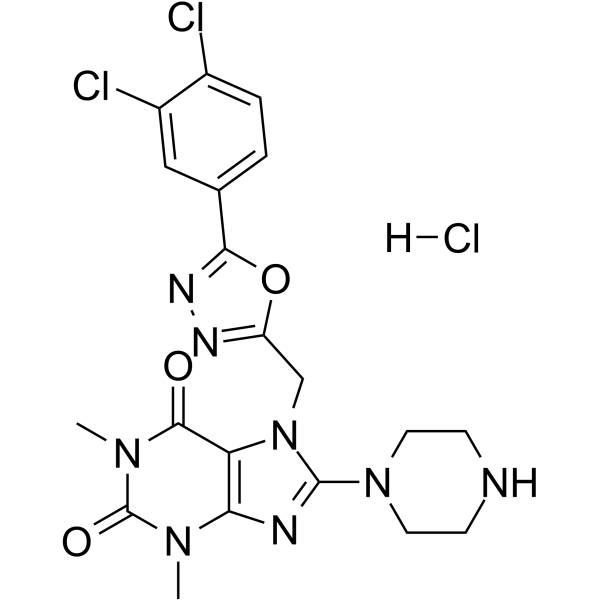
    TH5427 hydrochloride is a NUDT5 inhibitor with a human target IC50 of 29 nM, ~690-fold selectivity over MTH1 in vitro, and selective functional inhibition over other NUDIX hydrolases including NUDT9 .TH5427 hydrochloride binds to the active site of NUDT5, blocking enzymatic activity related to ADP-ribose metabolism and PAR-derived ATP synthesis .TH5427 hydrochloride blocks progestin-dependent nuclear ATP synthesis, impairs progestin-induced chromatin remodeling, inhibits histone H1 displacement, disrupts progestin-dependent gene regulation, and abrogates progestin-dependent proliferation in breast cancer cells .TH5427 hydrochloride functions as a versatile probe to study nuclear ATP dynamics and ADP-ribose-related metabolism in cells .TH5427 hydrochloride engages NUDT5 at physiological temperatures, as demonstrated by Drug Affinity Responsive Target Stability (DARTS) assay .TH5427 hydrochloride stabilizes NUDT5 against thermal denaturation in cell lysates and intact cells, as shown by cellular thermal shift assay (CETSA) .TH5427 hydrochloride functionally inhibits NUDT5 activity, leading to downstream effects on oxidative DNA damage and DNA replication in triple-negative breast cancer (TNBC) cells .TH5427 hydrochloride suppresses proliferation of TNBC cells without inducing cell death or apoptosis, slows DNA replication in TNBC cells, promotes accumulation of oxidative DNA lesions, and triggers DNA damage response in TNBC cells .TH5427 hydrochloride suppresses growth of TNBC cells in vitro, inhibits growth of TNBC xenograft tumors in nude mice in vivo, and shows greater potency against TNBC cell lines compared to ER-positive and normal-like breast cell lines .TH5427 hydrochloride can be used for the research of breast cancer and triple-negative breast cancer .
    TH5427 hydrochloride
  • HY-W014004

    CBHA

    HDAC Apoptosis Others Cancer
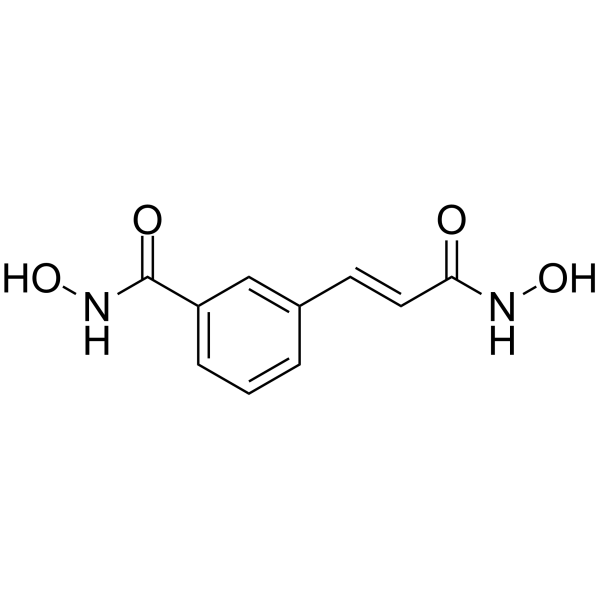
    m-Carboxycinnamic acid bishydroxamide (CBHA) is a histone deacetylase inhibitor. m-Carboxycinnamic acid bishydroxamide modulates histone acetylation sites, alters DNA methylation and epigenetic status, increases global histone acetylation, alleviates transcription repression, and facilitates chromatin remodelling. m-Carboxycinnamic acid bishydroxamide can be used for the research of cloned embryo development and epigenetic regulation .
    m-Carboxycinnamic acid bishydroxamide
  • HY-161888

    Epigenetic Reader Domain Cancer
    DCSM06 is an inhibitor for the bromodomain of SWI/SNF chromatin remodeling complexe SMARCA2 with an IC50 of 9.7 μM
    DCSM06
  • HY-122645

    Epigenetic Reader Domain Cancer
    SMARCA2-IN-4 (Compound 26) is an inhibitor for SWI/SNF chromatin remodeling complexe SMARCA by targeting the bromodomains. SMARCA2-IN-4 exhibits high affinity for PB1(5), SMARCA2B and SMARCA4 with Kd of 124, 262 and 417 nM .
    SMARCA2-IN-4
  • HY-161887

    Epigenetic Reader Domain Cancer
    SMARCA2-IN-8 (Compound 13) is an orally active inhibitor for SWI/SNF chromatin remodeling complexe SMARCA2 (also known as Brahma homologue, BRM) and SMARCA4 (also known as Brahma-related gene 1, BRG1) with IC50 of 5 and 6 nM. SMARCA2-IN-8 inhibits the proliferation of SMARCA2 mutated cancer cell SKMEL5 with AAC50 of 5 nM. SMARCA2-IN-8 downregulates the SMARCA2-dependent KRT80 gene expression with AAC50 of 10 nM. SMARCA2-IN-8 exhibits antitumor efficacy and good pharmacokinetic characteristics in mice .
    SMARCA2-IN-8
  • HY-162739

    Epigenetic Reader Domain Cancer
    SMARCA2-IN-1 (Compound I-19) is an inhibitor for SWI/SNF chromatin remodeling complexe SMARCA2 with IC50 >1000 nM in H1299 .
    SMARCA2-IN-1
  • HY-178481

    Epigenetic Reader Domain Cancer
    BRM/BRG1 ATP-IN-5 (Compound 6) is a BRG1/BRM inhibitor. BRM/BRG1 ATP-IN-5 acts on the BAF complex, which is involved in chromatin regulation and gene expression via ATP-dependent chromatin remodeling. BRM/BRG1 ATP-IN-5 demonstrates anti-tumor potential, particularly in cancers associated with BAF complex disorders .
    BRM/BRG1 ATP-IN-5
  • HY-178484

    Epigenetic Reader Domain Cancer
    BRM/BRG1 ATP-IN-6 (Compound 105) is a BRG1/BRM inhibitor. BRM/BRG1 ATP-IN-6 acts on the BAF complex, which is involved in chromatin regulation and gene expression via ATP-dependent chromatin remodeling. BRM/BRG1 ATP-IN-6 demonstrates anti-tumor potential, particularly in cancers associated with BAF complex disorders .
    BRM/BRG1 ATP-IN-6
  • HY-178490

    Epigenetic Reader Domain Cancer
    BRM/BRG1 ATP-IN-8 (Compound Cpd14) is an orally active BRG1/BRM ATPase domain inhibitor. BRM/BRG1 ATP-IN-8 exerts antitumor effects by disrupting aberrant chromatin remodeling in cancer cells, inducing apoptosis and growth arrest. BRM/BRG1 ATP-IN-8 is promising for research of BRG1/BRM-dependent malignancies, including hematological cancers, prostate cancer, breast cancer, and Ewing's sarcoma .
    BRM/BRG1 ATP-IN-8
  • HY-132242R

    SFN-NAC (Standard)

    Reference Standards HDAC Apoptosis Drug Metabolite Cancer
    Pipemidic acid (trihydrate) (Standard) is the analytical standard of Pipemidic acid (trihydrate). This product is intended for research and analytical applications. Pipemidic acid trihydrate, a derivative of Piromidic acid, is an antibacterial agent. Pipemidic acid trihydrate inhibits DNA gyrase. Pipemidic acid trihydrate is active against gram-negative bacteria including Pseudomonas aeruginosa as well as some gram-positive bacteria. Pipemidic acid trihydrate can be used for the research of intestinal, urinary, and biliary tract infections .
    DL-Sulforaphane N-acetyl-L-cysteine (Standard)
  • HY-183008

    Parasite TNF Receptor Interleukin Related NF-κB Toll-like Receptor (TLR) Infection Inflammation/Immunology
    BSF2 is a anti-Leishmania agent. BSF2 modulates gene expression linked to ubiquitination, chromatin remodeling, and peroxisomal membrane transport pathways in Leishmania braziliensis. BSF2 downregulates TNF, IL-17, NF-κB, and Toll-like receptor pathways in Leishmania-infected macrophages. BSF2 exerts leishmanicidal activity against intracellular Leishmania braziliensis amastigotes. BSF2 can be used for the research of american tegumentary leishmaniasis .
    BSF2
  • HY-181421

    SF3B1 Cancer
    WX-02-43 is a weak covalent inhibitor of SF3B1, and is the (1S,3R) enantiomer of WX-02-23 (HY-168534). WX-02-43 cannot effectively covalently modify the C258 site in the DNA-binding domain of FOXA1, and its inhibitory activity against SF3B1 is also weaker than that of WX-02-23. WX-02-43 serves as a negative control probe that fails to remodel the chromatin binding pattern and transcriptional activity of FOXA1. WX-02-43 can be used in studies on cancers such as prostate cancer to verify the specific effects of WX-02-23 on FOXA1 and SF3B1 targets .
    WX-02-43

Inquiry Online

Your information is safe with us. * Required Fields.

Salutation


Country or Region *

Applicant Name *


Organization Name *

Department *


Email Address *


Product Name *

Cat. No.


Requested quantity *

Phone Number *


Remarks

Inquiry Online

Inquiry Information

Product Name:
Cat. No.:
Quantity:
MCE Japan Authorized Agent:

