231 Results for "

Coronaric acid

" in MedChemExpress (MCE) Product Catalog:
Products (231)

231 Results for "Coronaric acid" in MCE Product Catalog:

1
1 Cited Publications
Cat. No.: HY-W749980
CAS No.: 16833-56-0
Synonyms: cis-9,10-Epoxy-cis-12-octadecenoic acid
Target:  

Drug Derivative

Research Areas:  

Metabolic Disease

Coronaric acid (cis-9,10-Epoxy-cis-12-octadecenoic acid) is an ester product.
loading...
    loading...
38
38 Cited Publications
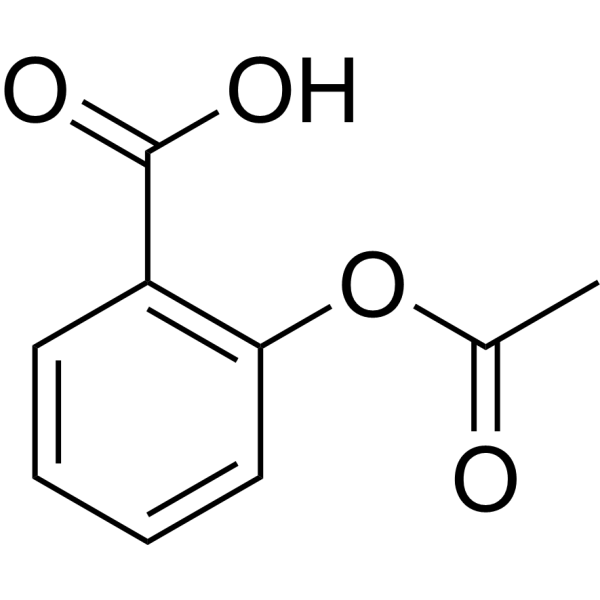
Cat. No.: HY-14654
CAS No.: 50-78-2
Purity:  99.67%
Synonyms: Acetylsalicylic acid; ASA
Aspirin (Acetylsalicylic acid) is an orally active, potent and irreversible inhibitor of cyclooxygenase COX-1 and COX-2, with IC50 values of 5 and 210 μg/mL, respectively. Aspirin induces apoptosis. Aspirin inhibits the activation of NF-κB. Aspirin also inhibits platelet prostaglandin synthetase, and can prevent coronary artery and cerebrovascular thrombosis .
loading...
    loading...
32
32 Cited Publications
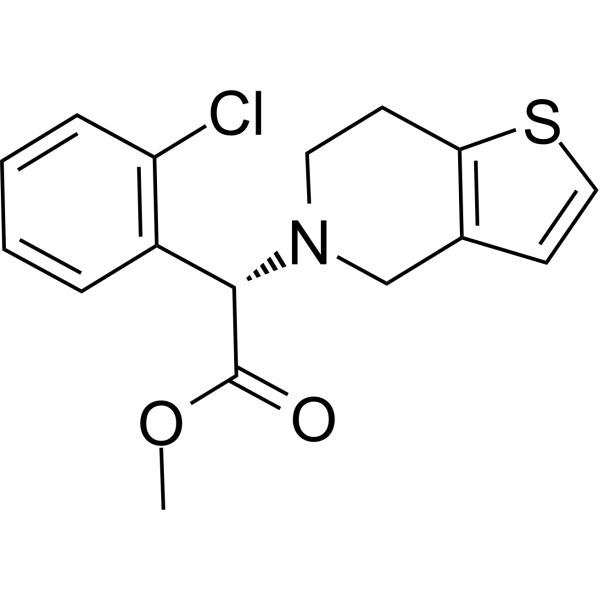
Cat. No.: HY-15283
CAS No.: 113665-84-2
Purity:  99.13%
Synonyms: Clopidogrelum
Target:  

P2Y Receptor

Research Areas:  

Cardiovascular Disease Cancer

Clopidogrel is an orally active platelet inhibitor that targets P2Y12 receptor. Clopidogrel is used to inhibit blood clots in coronary artery disease, peripheral vascular disease, and cerebrovascular disease.
loading...
    loading...
32
32 Cited Publications
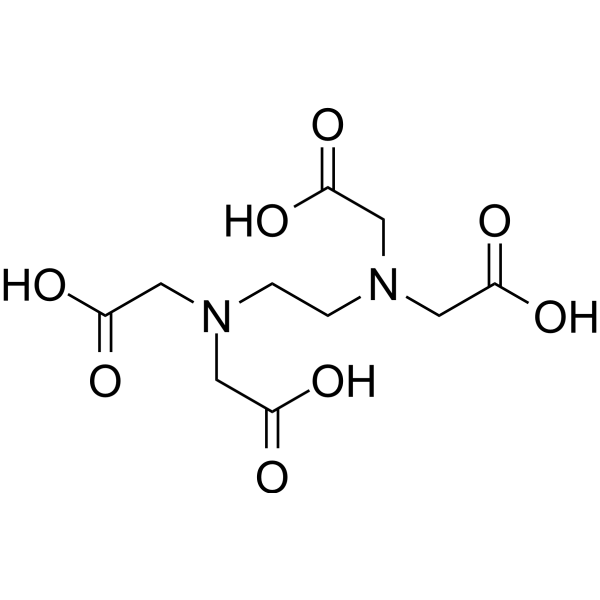
Cat. No.: HY-Y0682
CAS No.: 60-00-4
Synonyms: EDTA
Ethylenediaminetetraacetic acid (EDTA) is a kind of metal chelating agent (binds to bivalent and trivalent metal cations, including calcium). Ethylenediaminetetraacetic acid has antibacterial, anti-inflammatory, antioxidant, anti-hypercalcemia and anticoagulant activities. Ethylenediaminetetraacetic acid decreases the metal ion-catalyzed oxidative damage to proteins, and allows maintenance of reducing environment during protein purification. Ethylenediaminetetraacetic acid can alleviate the liver fibrosis. Ethylenediaminetetraacetic acid can be used for coronary artery disease and neural system disease research .
loading...
    loading...
31
31 Cited Publications
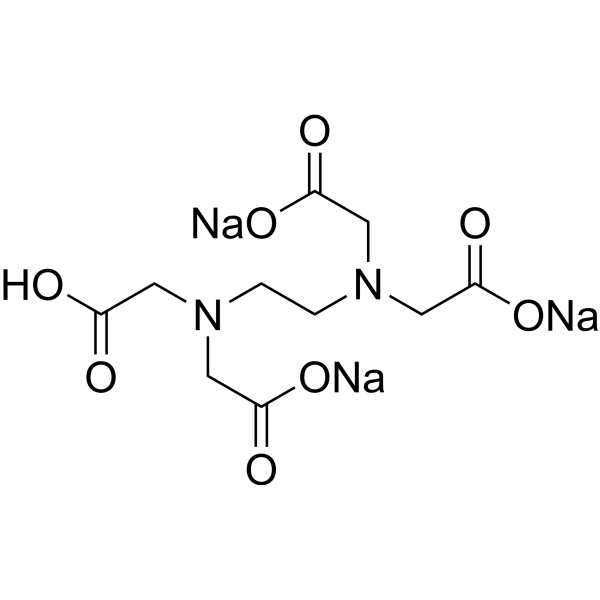
Cat. No.: HY-B1009
CAS No.: 150-38-9
Synonyms: EDTA trisodium salt; Trisodium EDTA
Ethylenediaminetetraacetic acid trisodium salt (EDTA trisodium salt; Trisodium EDTA) is a kind of metal chelating agent (binds to bivalent and trivalent metal cations, including calcium). Ethylenediaminetetraacetic acid trisodium salt has antibacterial, anti-inflammatory, antioxidant, anti-hypercalcemia and anticoagulant activities. Ethylenediaminetetraacetic acid trisodium salt decreases the metal ion-catalyzed oxidative damage to proteins, and allows maintenance of reducing environment during protein purification. Ethylenediaminetetraacetic acid trisodium salt can alleviate the liver fibrosis. Ethylenediaminetetraacetic acid can be used for coronary artery disease and neural system disease research .
loading...
    loading...
27
27 Cited Publications
Cat. No.: HY-W105700
CAS No.: 10378-23-1
Synonyms: EDTA sodium hydrate
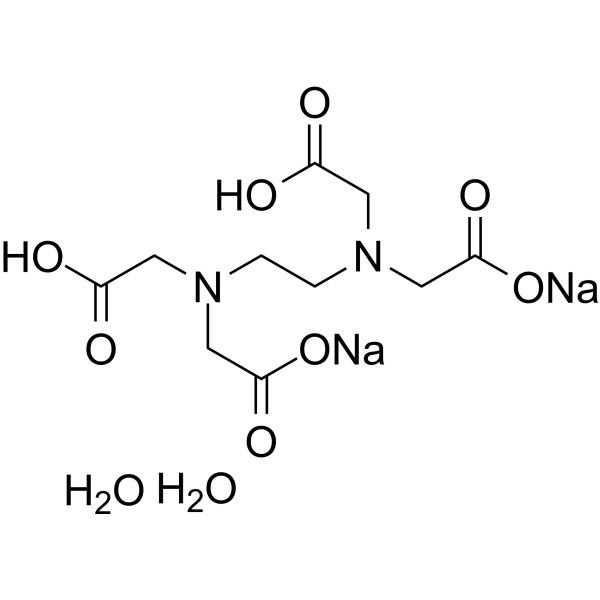
Ethylenediaminetetraacetic acid (EDTA) sodium hydrate is a kind of metal chelating agent (binds to bivalent and trivalent metal cations, including calcium). Ethylenediaminetetraacetic acid sodium hydrate has antibacterial, anti-inflammatory, antioxidant, anti-hypercalcemia and anticoagulant activities. Ethylenediaminetetraacetic acid sodium hydrate decreases the metal ion-catalyzed oxidative damage to proteins, and allows maintenance of reducing environment during protein purification. Ethylenediaminetetraacetic acid sodium hydrate can alleviate the liver fibrosis. Ethylenediaminetetraacetic acid sodium hydrate can be used for coronary artery disease and neural system disease research .
loading...
    loading...
27
27 Cited Publications
Cat. No.: HY-W127774
CAS No.: 85715-60-2
Synonyms: Ethylenediaminetetraacetic acid hydrate sodium
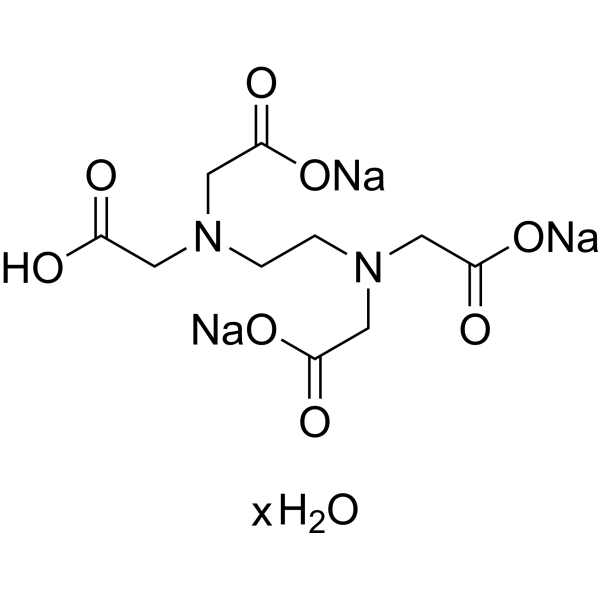
EDTA (Ethylenediaminetetraacetic acid) hydrate sodium is a kind of metal chelating agent (binds to bivalent and trivalent metal cations, including calcium). EDTA hydrate sodium has antibacterial, anti-inflammatory, antioxidant, anti-hypercalcemia and anticoagulant activities. EDTA hydrate sodium decreases the metal ion-catalyzed oxidative damage to proteins, and allows maintenance of reducing environment during protein purification. EDTA hydrate sodium can alleviate the liver fibrosis. Ethylenediaminetetraacetic acid can be used for coronary artery disease and neural system disease research .
loading...
    loading...
27
27 Cited Publications
Cat. No.: HY-Y0682B
CAS No.: 64-02-8
Synonyms: EDTA tetrasodium
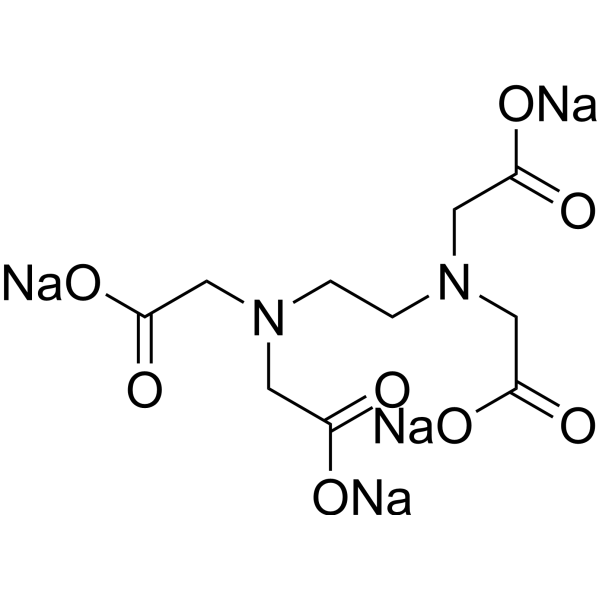
Ethylenediaminetetraacetic acid (EDTA) tetrasodium is a kind of metal chelating agent (binds to bivalent and trivalent metal cations, including calcium). Ethylenediaminetetraacetic acid tetrasodium has antibacterial, anti-inflammatory, antioxidant, anti-hypercalcemia and anticoagulant activities. Ethylenediaminetetraacetic acid tetrasodium decreases the metal ion-catalyzed oxidative damage to proteins, and allows maintenance of reducing environment during protein purification. Ethylenediaminetetraacetic acid tetrasodium can alleviate the liver fibrosis. Ethylenediaminetetraacetic acid tetrasodium can be used for coronary artery disease and neural system disease research .
loading...
    loading...
27
27 Cited Publications
Cat. No.: HY-Y0682A
CAS No.: 6381-92-6
Synonyms: EDTA disodium dihydrate
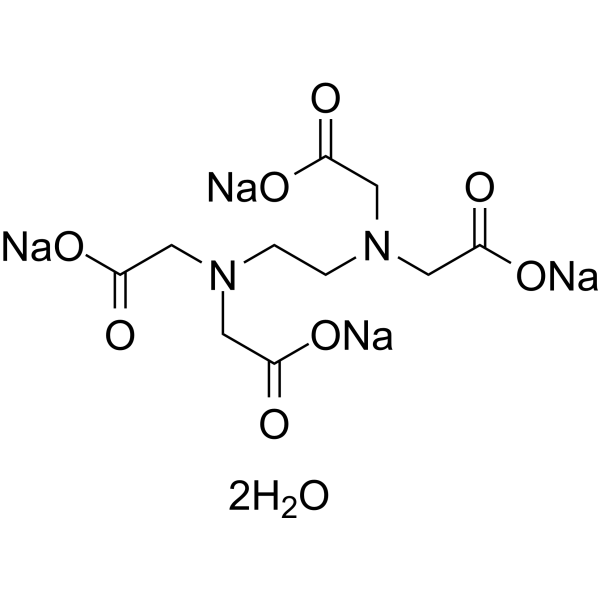
Ethylenediaminetetraacetic acid (EDTA) disodium dehydrate is a kind of metal chelating agent (binds to bivalent and trivalent metal cations, including calcium). Ethylenediaminetetraacetic acid disodium dehydrate has antibacterial, anti-inflammatory, antioxidant, anti-hypercalcemia and anticoagulant activities. Ethylenediaminetetraacetic acid disodium dehydrate decreases the metal ion-catalyzed oxidative damage to proteins, and allows maintenance of reducing environment during protein purification. Ethylenediaminetetraacetic acid disodium dehydrate can alleviate the liver fibrosis. Ethylenediaminetetraacetic acid disodium dehydrate can be used for coronary artery disease and neural system disease research .
loading...
    loading...
27
27 Cited Publications
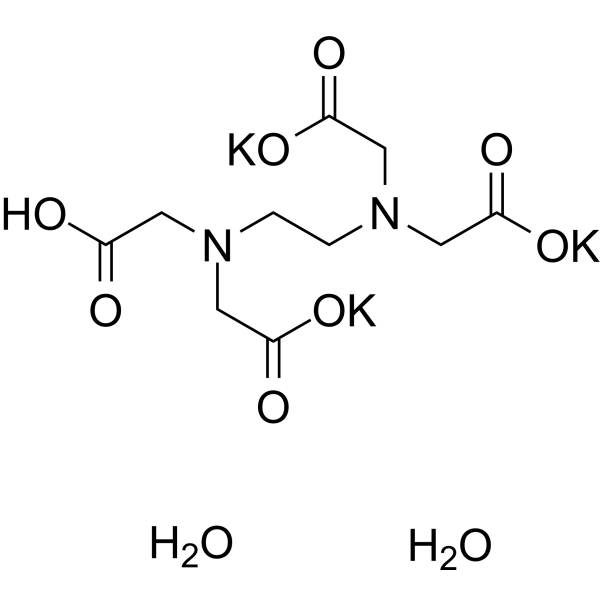
Cat. No.: HY-W087947
CAS No.: 65501-24-8
Synonyms: Ethylenediaminetetraacetic acid dihydrate tripotassium
EDTA dihydrate tripotassium (Ethylenediaminetetraacetic acid dihydrate tripotassium) is a kind of metal chelating agent (binds to bivalent and trivalent metal cations, including calcium). EDTA dihydrate tripotassium has antibacterial, anti-inflammatory, antioxidant, anti-hypercalcemia and anticoagulant activities. EDTA dihydrate tripotassium decreases the metal ion-catalyzed oxidative damage to proteins, and allows maintenance of reducing environment during protein purification. EDTA dihydrate tripotassium can alleviate the liver fibrosis. EDTA dihydrate tripotassium can be used for coronary artery disease and neural system disease research .
loading...
    loading...
13
13 Cited Publications
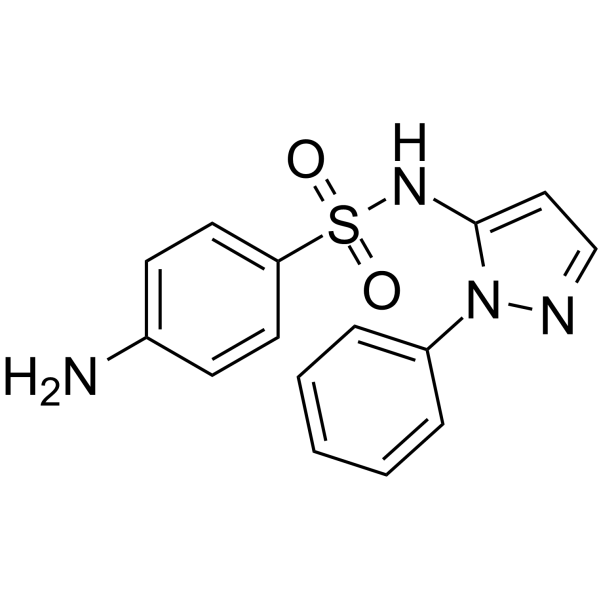
Cat. No.: HY-B1218
CAS No.: 526-08-9
Sulfaphenazole is a selective inhibitor of human cytochrome P450 (CYP) 2C9 enzyme. Sulfaphenazole is a cytoprotective agent against light-induced death of photoreceptors. Sulfaphenazole inhibits light-induced necrosis and mitochondrial stress-initiated apoptosis. Sulfaphenazole is an off patent sulfonamide antibiotic and demonstrates bactericidal activity through enhanced M1 macrophage activity. Sulfaphenazole can significantly reduce infarct size and restore post-ischemic coronary flow following ischemia and reperfusion .
loading...
    loading...
9
9 Cited Publications
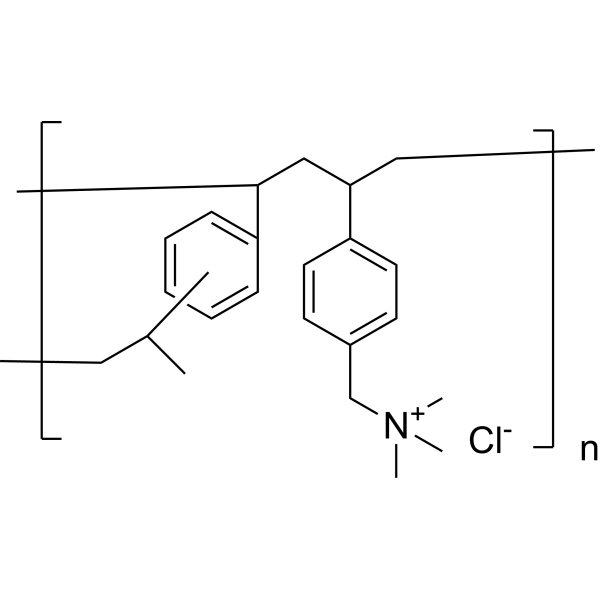
Cat. No.: HY-104081
CAS No.: 11041-12-6
Synonyms: Cholestyramine resin; Colestyramine
Cholestyramine (Cholestyramine resin) is an orally active bile acid sequestrant. Cholestyramine upregulates the expression of intestinal Apical sodium-dependent bile acid transporter and hepatic Cholesterol 7α-hydroxylase. Cholestyramine induces the expression of intestinal and hepatic cholesterol synthesis genes as well as hepatic lipogenesis genes, and promotes bile acid- and neutral sterol-mediated reverse cholesterol transport. Cholestyramine reduces intestinal cholesterol absorption and induces cholesterol efflux. Cholestyramine is applicable to research related to coronary artery disease, atherosclerotic cardiovascular disease and atherosclerosis .
loading...
    loading...
8
8 Cited Publications
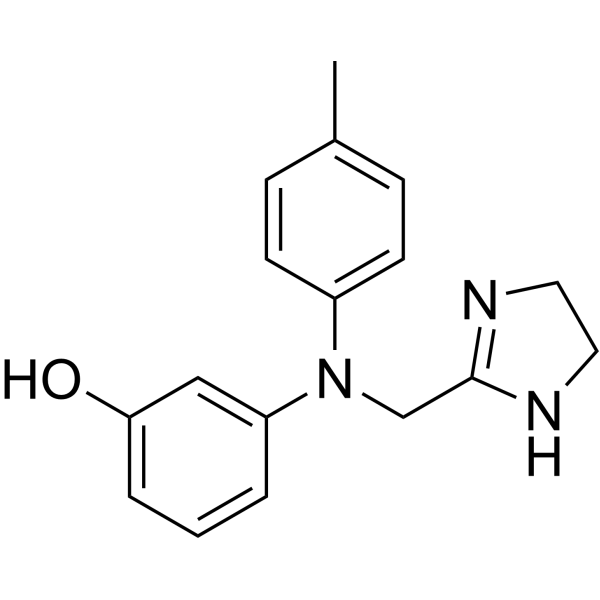
Cat. No.: HY-12717
CAS No.: 50-60-2
Purity:  99.94%
Target:  

Adrenergic Receptor

Phentolamine is an orally active, selective α1 and α2 Adrenergic receptor antagonist. Phentolamine antagonizes the vasodilatory effect of Cromakalim (HY-110011) on isolated circumflex coronary artery segments in dogs. Phentolamine reduces systemic vascular resistance and increases cardiac output. Phentolamine improves erectile dysfunction. Phentolamine can be used for the research of erectile dysfunction .
loading...
    loading...
8
8 Cited Publications
Cat. No.: HY-12717A
CAS No.: 73-05-2
Purity:  99.87%
Target:  

Adrenergic Receptor

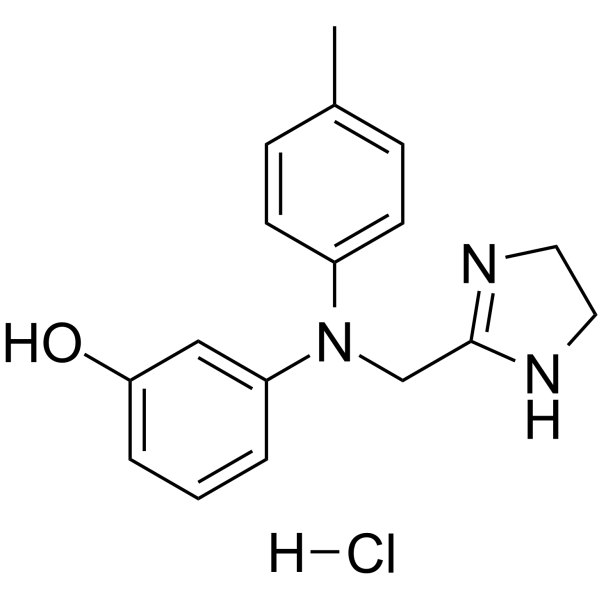
Phentolamine hydrochloride is an orally active, selective α1 and α2 Adrenergic receptor antagonist. Phentolamine hydrochloride antagonizes the vasodilatory effect of Cromakalim (HY-110011) on isolated circumflex coronary artery segments in dogs. Phentolamine hydrochloride reduces systemic vascular resistance and increases cardiac output. Phentolamine hydrochloride improves erectile dysfunction. Phentolamine hydrochloride can be used for the research of erectile dysfunction .
loading...
    loading...
6
6 Cited Publications
Cat. No.: HY-129029
CAS No.: 66722-44-9
Purity:  99.78%
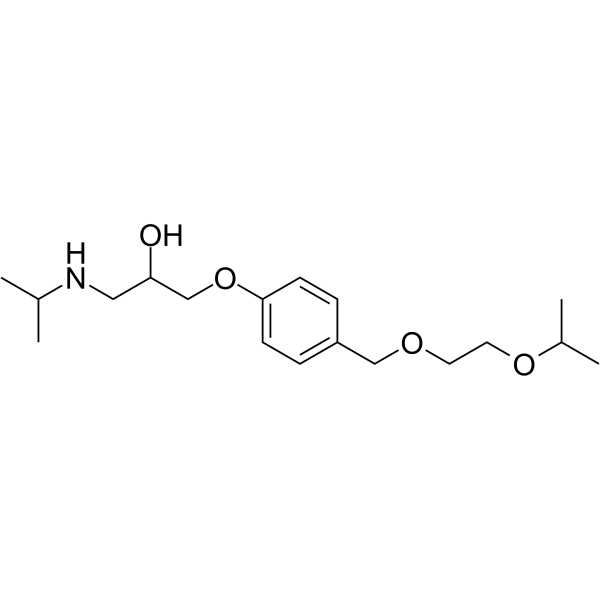
Bisoprolol is a potent, selective and orally active β1-adrenergic receptor blocker with little activity on β2-receptor. Bisoprolol has the potential for hypertension, coronary artery disease and stable ventricular dysfunction research .
loading...
    loading...
6
6 Cited Publications
Cat. No.: HY-B0076
CAS No.: 104344-23-2
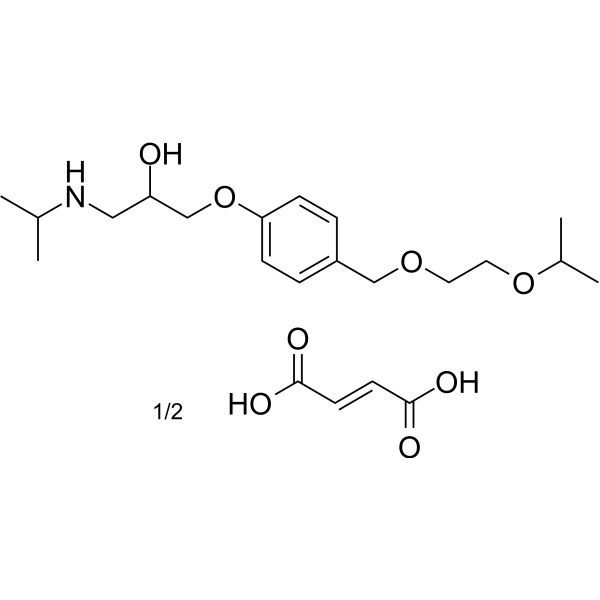
Bisoprolol hemifumarate is a potent, selective and orally active β1-adrenergic receptor blocker with little activity on β2-receptor. Bisoprolol hemifumarate has the potential for hypertension, coronary artery disease and stable ventricular dysfunction research .
loading...
    loading...
6
6 Cited Publications
Cat. No.: HY-B0203
CAS No.: 118457-14-0
Synonyms: R 065824
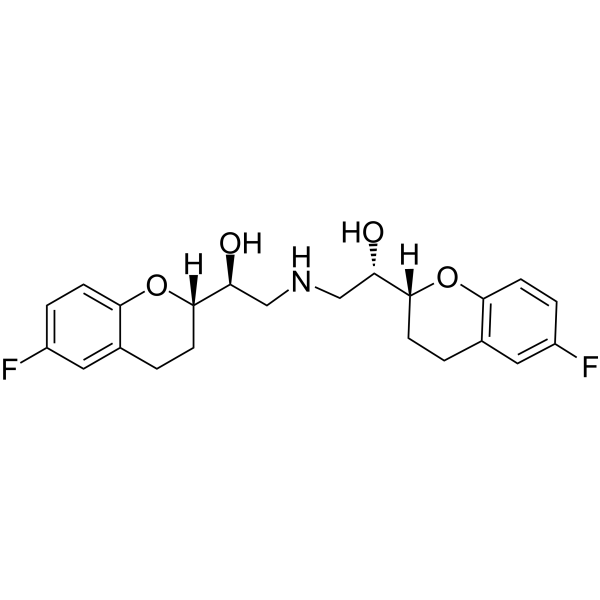
Nebivolol (R 065824) is an orally active beta receptor blocker and has the high beta(1)-receptor affinity. Nebivolol has direct vasodilator properties and adrenergic blocking characteristics. Nebivolol can be used for the research of kinds of diseases such as hypertension, coronary artery disease, congestive heart failure and ischemic heart disease .
loading...
    loading...
6
6 Cited Publications
Cat. No.: HY-B0203A
CAS No.: 152520-56-4
Synonyms: R 065824 hydrochloride
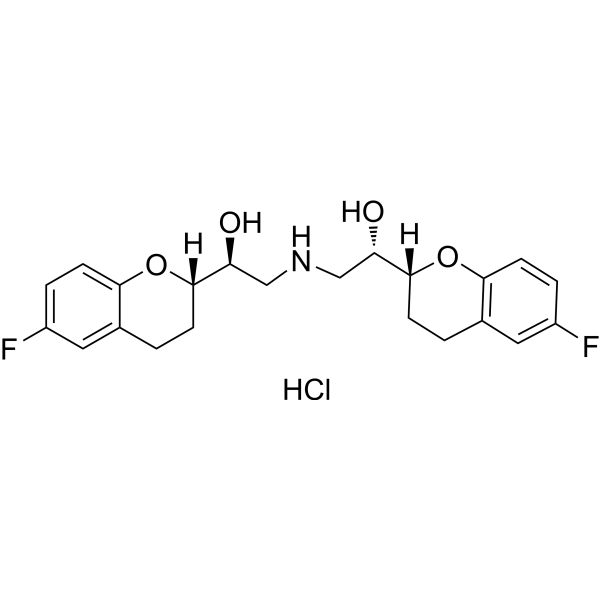
Nebivolol (R 065824) hydrochloride is an orally active beta receptor blocker and has the high beta(1)-receptor affinity.Nebivolol hydrochloride has direct vasodilator properties and adrenergic blocking characteristics. Nebivolol hydrochloride can be used for the research of kinds of diseases such as hypertension, coronary artery disease, congestive heart failure and ischemic heart disease .
loading...
    loading...
6
6 Cited Publications
Cat. No.: HY-I0400
CAS No.: 131-48-6
Synonyms: NANA; Lactaminic acid
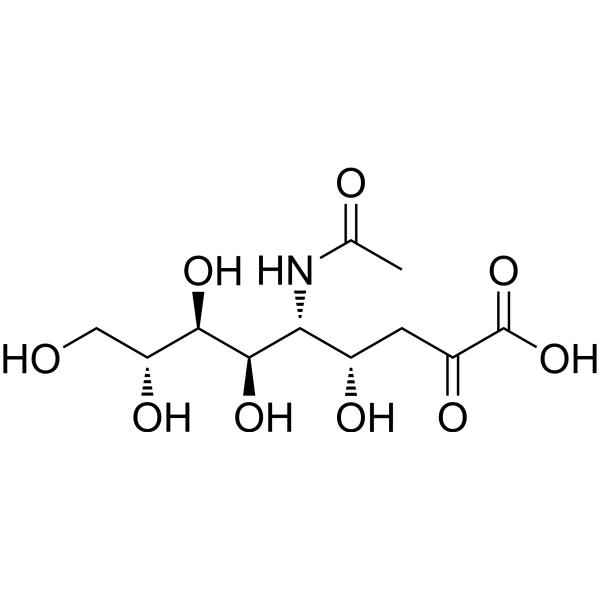
N-Acetylneuraminic acid (NANA; Lactaminic acid), a nonphenolic structure, is the predominant form of sialic from Collocalia esculenta. N-Acetylneuraminic acid plays a biological role in myocardial injury, melanoma and viral or bacterial infection. N-Acetylneuraminic acid inhibits melanogenesis by reducing tyrosinase activity and triggers myocardial injury in vitro and in vivo by activation of the Rho/Rho-associated signaling pathway through binding to RhoA and Cdc42. N-Acetylneuraminic acid may prevent high fat diet (HFD)-induced inflammation and oxidative stress, thereby prevents hyperlipidemia-associated inflammation and oxidative stress. N-Acetylneuraminic acid is promising for research in the field of melanoma, coronary artery, obesity-related diseases and hyperlipidemia .
loading...
    loading...
5
5 Cited Publications
Cat. No.: HY-B0642
CAS No.: 16051-77-7
Synonyms: Isosorbide-5-mononitrate
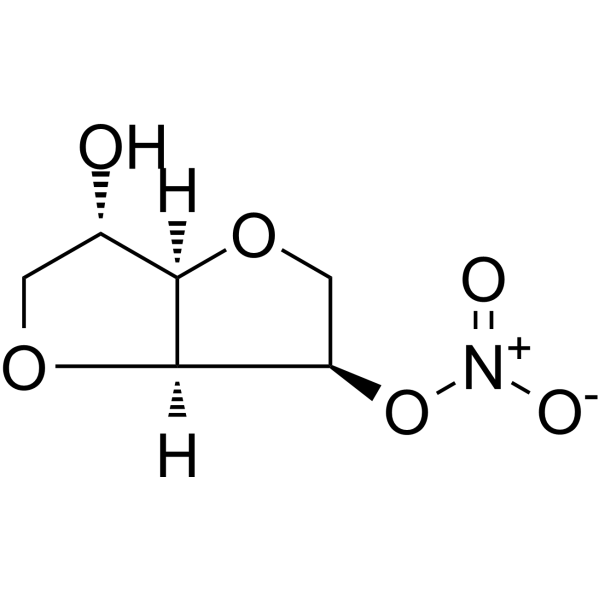
Isosorbide mononitrate (Isosorbide-5-mononitrate) is an orally active nitric acid compound used for angina pectoris by dilating blood vessels and lowering blood pressure. Isosorbide mononitrate increases the viability and proliferation of HUVECs by decreasing Apoptosis and elevated the expressions of vedf, kdrl, pdgfr in zebrafish embryos. Isosorbide mononitrate is promising for research of heart failure and coronary heart disease .
loading...
    loading...

