
From 11:00 pm to 12:00 pm EST ( 8:00 pm to 9:00 pm PST ) on January 6th, the website will be under maintenance. We are sorry for the inconvenience. Please arrange your schedule properly.
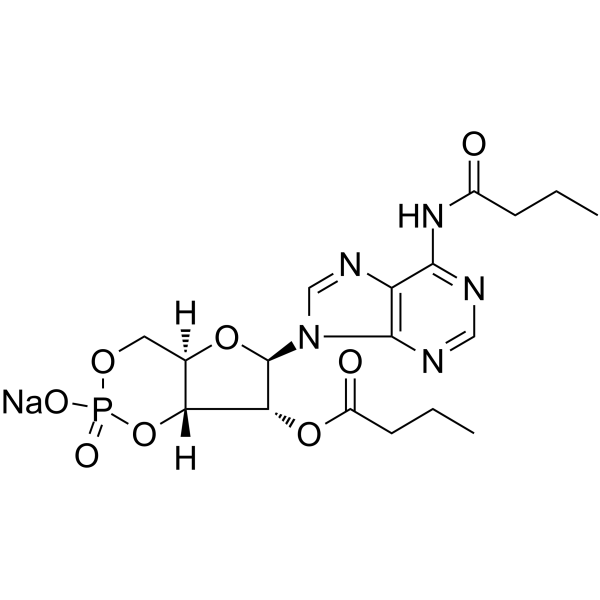
Bucladesine (Dibutyryl cAMP; DBcAMP) sodium is a membrane-permeable 3′, 5′-cyclic adenosine monophosphate (cAMP) analog. Bucladesine selectively activates cAMP dependent protein kinase (PKA) by increasing the intracellular level of cAMP. Bucladesine significantly attenuates MDMA-induced increases in hippocampal mitochondrial ROS formation, mitochondrial outer membrane damage, cytochrome c release, and hippocampal ADP/ATP ratio, thereby improving spatial learning and memory impairments. Bucladesine exhibit anti-nociceptive and anti-inflammation effect. Bucladesine can inhibit cancer cells proliferation, induce apoptosis. Bucladesine can be used for the researches of neurological disease, cancer, inflammation .
Capsaicin ((E)-Capsaicin), an active component of chili peppers, is a TRPV1 agonist. Capsaicin induces a nociceptive response by binding to its receptors. Capsaicin has analgesic effects on neurological disorders. Capsaicin has antioxidant, anti-inflammatory, anti-cancer effects .
Cytochrome C is a multi-functional enzyme involving in life and death decisions of the cell. Cytochrome C is essential in mitochondrial electron transport and intrinsic type II apoptosis .
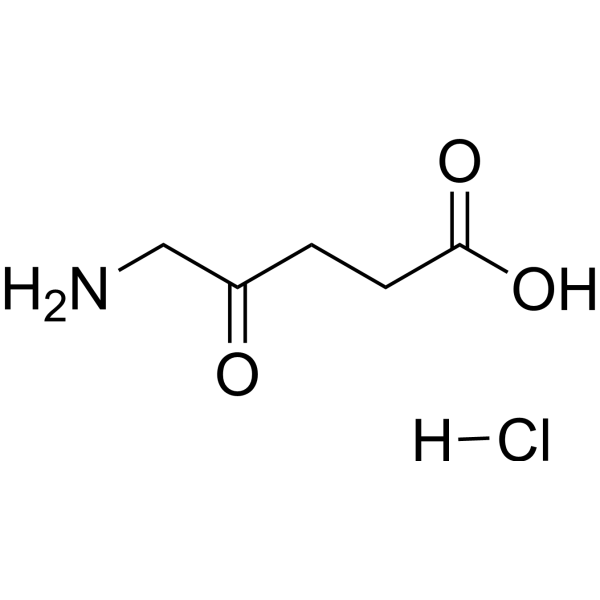
5-Aminolevulinic acid (5-ALA; δ-Aminolevulinic acid; 5-Amino-4-oxopentanoic acid) hydrochloride is an orally active heme precursor. 5-Aminolevulinic acid hydrochloride promotes aerobic energy metabolism and increases ATP levels by enhancing the activity of cytochrome c oxidase. 5-Aminolevulinic acid hydrochloride enhances LPS-induced proinflammatory cytokine production and gene activation, and restores the phagocytic activity and ROS generation capacity of neutrophils. 5-Aminolevulinic acid hydrochloride selectively accumulates protoporphyrin IX in tumor cells; as a photosensitizer and radiosensitizer, it induces ROS burst upon light or X-ray irradiation to inhibit tumor growth. 5-Aminolevulinic acid hydrochloride can be applied to the research of septic shock, melanoma, and cancer radiotherapy .
Cytochrome C (bovine heart) is composed of 104 amino acids and is a nuclear-encoded mitochondrial protein. Cytochrome C (bovine heart) acts as an effective ROS scavenger, but when combined with the cofactor p66Shc, it promotes the generation of ROS to initiate apoptosis. Cytochrome C (bovine heart) can act as a single electron carrier .
Carboxymethyl chitosan is a derivative of chitosan. Carboxymethyl chitosan inhibits Apoptosis and ROS. Carboxymethyl chitosan increases the expression of Bcl-2 and reduces the expression of Bax, cytochrome c and caspase-3. Carboxymethyl chitosan inhibits the migration of various cells. Carboxymethyl chitosan exerts antitumor effects on Lewis tumors and hepatocarcinoma .
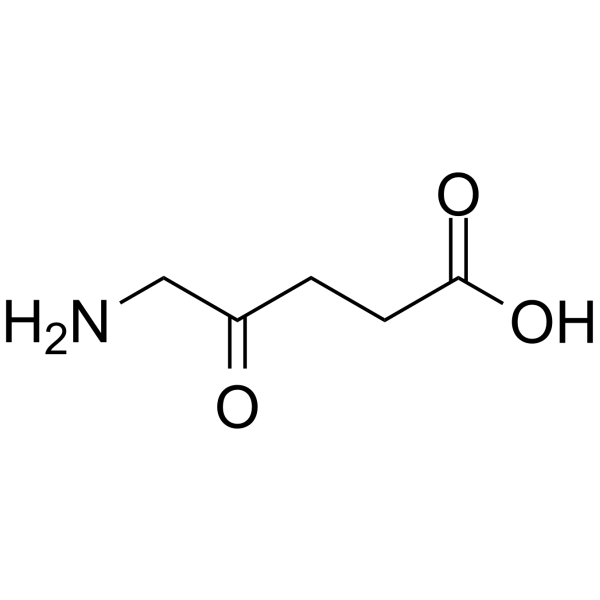
5-Aminolevulinic acid (5-ALA; δ-Aminolevulinic acid; 5-Amino-4-oxopentanoic acid) is an orally active heme precursor. 5-Aminolevulinic acid promotes aerobic energy metabolism and increases ATP levels by enhancing the activity of cytochrome c oxidase. 5-Aminolevulinic acid enhances LPS-induced proinflammatory cytokine production and gene activation, and restores the phagocytic activity and ROS generation capacity of neutrophils. 5-Aminolevulinic acid selectively accumulates protoporphyrin IX in tumor cells; as a photosensitizer and radiosensitizer, it induces ROS burst upon light or X-ray irradiation to inhibit tumor growth. 5-Aminolevulinic acid can be applied to the research of septic shock, melanoma, and cancer radiotherapy .
Cytochrome C (equine heart) is composed of 104 amino acids and is a nuclear-encoded mitochondrial protein. Cytochrome C (equine heart) is involved in mitochondrial electron transport and intrinsic type II apoptosis. Cytochrome C (equine heart) can act as a single electron carrier .
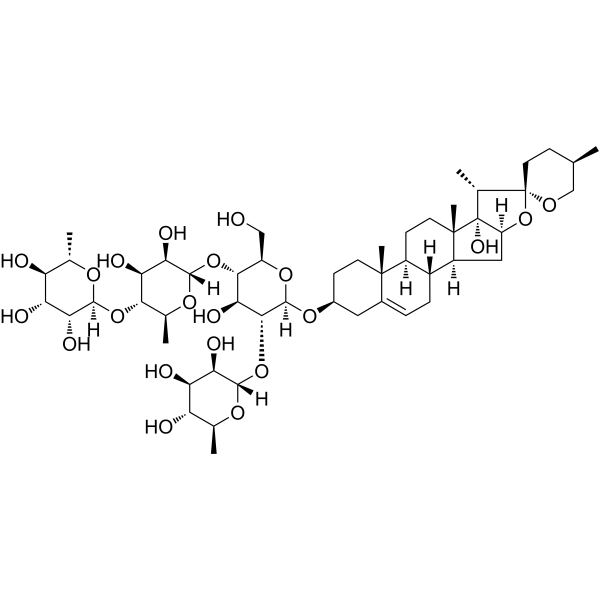
Paris saponin VII (Chonglou Saponin VII) is a steroidal saponin isolated from the roots and rhizomes of Trillium tschonoskii. Paris saponin VII-induced apoptosis in K562/ADR cells is associated with Akt/MAPK and the inhibition of P-gp. Paris saponin VII attenuates mitochondrial membrane potential, increases the expression of apoptosis-related proteins, such as Bax and cytochrome c, and decreases the protein expression levels of Bcl-2, caspase-9, caspase-3, PARP-1, and p-Akt. Paris saponin VII induces a robust autophagy in K562/ADR cells and provides a biochemical basis in the treatment of leukemia .
TMPD dihydrochloride, a readily oxidizable compound, is an enzymatically convert redox active substrate molecule. TMPD dihydrochloride is also an electron donor and serves as a reducing cosubstrate for heme peroxidases . TMPD dihydrochloride is also a complex IV substrate .
Emamectin Benzoate (MK-244) is an orally active nervoussystem toxicant by binding g-aminobutyric (GABA) receptor in insects. Emamectin Benzoate is one of semi-synthetic derivative of Avermectin (HY-15311) with a broadspectrum of insecticidal and acaricidal activity. Emamectin Benzoate induces ROS-mediated DNA damage and cell apoptosis. Emamectin Benzoate, a mixture of the natural Emamectin B1a benzoate and Emamectin B1b benzoate, has the main component of Emamectin B1a benzoate .
Formic acid ammonium is the ammonium salt form of formic acid, which is an endogenous metabolite. Formic acid ammonium activates the nitric oxide/cyclic guanosine monophosphate (NO/cGMP) signaling pathway in endothelial cells and inhibits calcium ion influx in vascular smooth muscle cells, resulting in vasomotor relaxation. Formic acid ammonium inhibits cytochrome C oxidase (CcO) and disrupts the electron transport chain, leading to ATP depletion. Formic acid ammonium can be used as a feed additive, which can lower the feed pH value, inhibit the growth of microorganisms (such as Escherichia coli, Salmonella), and extend the shelf life of the feed .
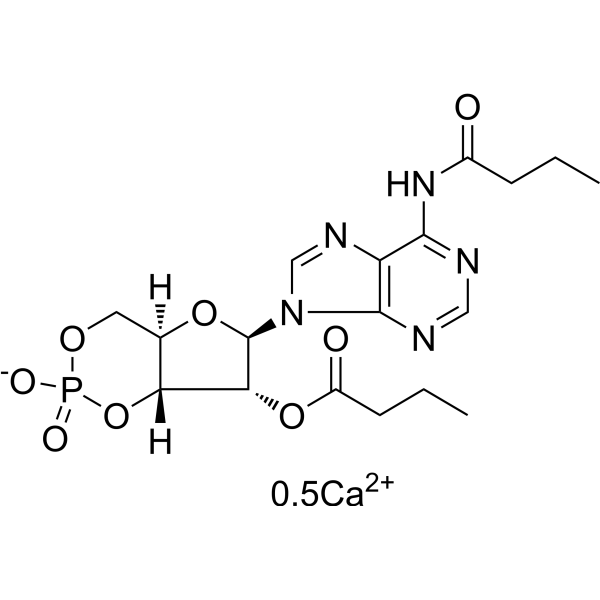
Bucladesine (Dibutyryl cAMP; DBcAMP) hemicalcium is a membrane-permeable 3′, 5′-cyclic adenosine monophosphate (cAMP) analog. Bucladesine selectively activates cAMP dependent protein kinase (PKA) by increasing the intracellular level of cAMP. Bucladesine significantly attenuates MDMA-induced increases in hippocampal mitochondrial ROS formation, mitochondrial outer membrane damage, cytochrome c release, and hippocampal ADP/ATP ratio, thereby improving spatial learning and memory impairments. Bucladesine exhibit anti-nociceptive and anti-inflammation effect. Bucladesine can inhibit cancer cells proliferation, induce apoptosis. Bucladesine can be used for the researches of neurological disease, cancer, inflammation .
Edelfosine (ET-18-OCH3) is an orally active lipid raft modulator and apoptosis inducer that alters membrane fluidity and preferentially inserts into tumor cell membranes. Edelfosine recruits death receptor ligands (FasL/CD95L, TRAIL) and Bid to lipid rafts to form death-inducing signaling complexes, thereby initiating mitochondria-dependent apoptosis and inducing cytochrome c release. Edelfosine also exerts anti-inflammatory effects, promotes L-Selectin shedding, and causes no gastrointestinal or organ toxicity. In addition, Edelfosine inhibits nucleic acid and protein synthesis in Leishmania donovani and exhibits antiproliferative activity. Edelfosine can be used in research on multiple myeloma, inflammatory bowel diseases (such as ulcerative colitis and Crohn's disease), and visceral leishmaniasis .
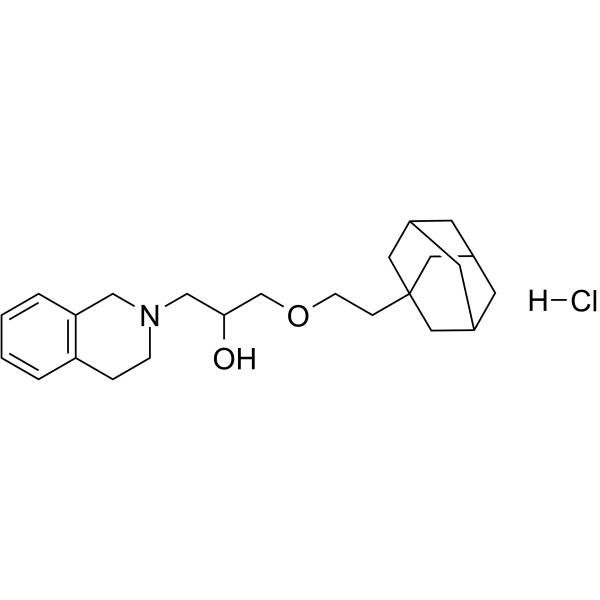
ADDA 5 hydrochloride is a partial non-competitive inhibitor of cytochrome c oxidase (CcO), with IC50s of 18.93 μM and 31.82 μM for purified CcO from human glioma and bovine heart, respectively.
BM-1244 (APG-1252-M1) is a Bcl-xL/Bcl-2 inhibitor with Kis of 134 nM and 450 nM. BM-1244 has anti-tumor effects by inducing apoptosis and suppressing tumor growth. BM-1244 can induce cytochrome C and Smac release from mitochondria with caspase-3 and PARP cleavage. BM-1244 exhibits synergy with chemotherapy in vivo. BM-1244 can be studied in research for colorectal cancer, acute myeloid leukemia and gastric cancer .
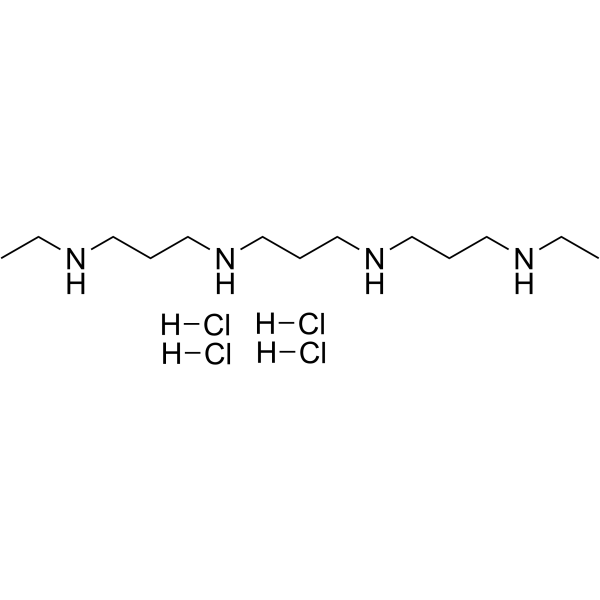
N1, N11-Diethylnorspermine tetrahydrochloride (DENSPM tetrahydrochloride) is a potent anticancer agent. N1,N11-Diethylnorspermine tetrahydrochloride activates polyamine catabolism and downregulates mTOR protein. N1,N11-Diethylnorspermine tetrahydrochloride induces the release of cytochrome c from mitochondria, resulting in activation of caspase 3. N1,N11-Diethylnorspermine tetrahydrochloride kills glioblastoma multiforme (GBM) through induction of SSAT (spermidine/spermine N1-acetyltransferase) coupled with H2O2 production .
WEHI-3773 is a VDAC2 ligand and apoptosis modulator. WEHI-3773 directly binds to the β7-β10 region of VDAC2 and disrupts its interaction with BAX and BAK. WEHI-3773 regulates BAX-mediated apoptosis in BAK-deficient cells by modulating conformational activation of BAX, mitochondrial redistribution, and cytochrome c release. WEHI-3773 overcomes Venetoclax (HY-15531) resistance, resensitizes leukemia cells carrying BAX mutations to BH3 mimetics, and enables long-term clonogenic survival of BAK-deficient cells treated with BH3 mimetics. WEHI-3773 is applicable to research related to acute myeloid leukemia .
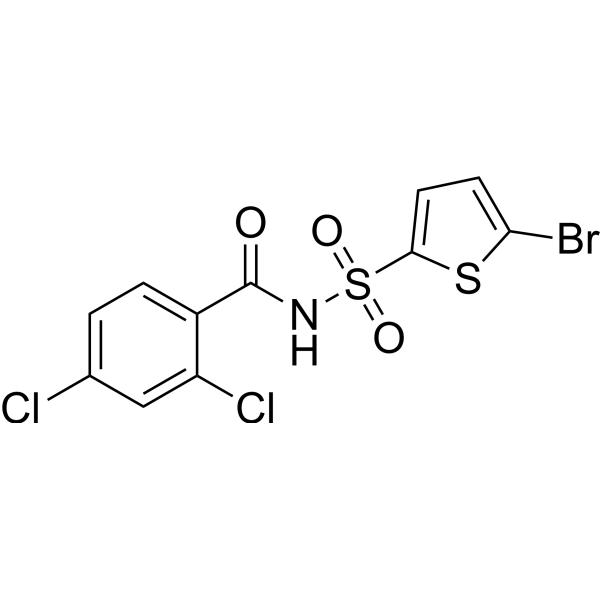
Tasisulam is a anticancer agent and induces apoptosis via the intrinsic pathway, resulting in cytochrome c release and caspase-dependent cell death. Tasisulam inhibits mitotic progression and induces vascular normalization .
N-Acetyl-L-tryptophan is an antagonist of the neurokinin-1 receptor (NK-1R), disrupting the binding of substance P (SP) to NK-1R. This action provides neuroprotective effects, improving memory deficits and motor impairments. N-Acetyl-L-tryptophan is also an inhibitor of cytochrome c(Cytochrome c), and it exerts antioxidant and anti-inflammatory effects by inhibiting the expression of IL-1β and the activation of caspase-1. N-Acetyl-L-tryptophan holds promise for research in neurodegenerative and inflammatory diseases .
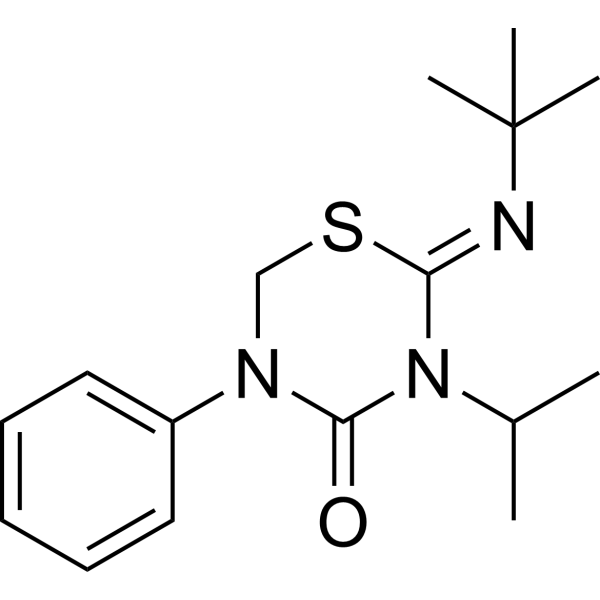
Buprofezin is a broad-spectrum insecticide and chitin synthesis inhibitor that targets developmental stage coleopteran pests.Buprofezin promotes the conversion of energy metabolism from the aerobic tricarboxylic acid (TCA) cycle and oxidative phosphorylation to anaerobic glycolysis. Buprofezin also promotes the production of reactive oxygen species (ROS) by inhibiting cytochrome c oxidase .
Anthraflavic acid specifically inhibits the activity of cytochrome P-448 without affecting phenobarbital-induced cytochrome P-450 or NADPH-dependent cytochrome c reduction. Anthraflavic acid inhibits cytosolic metabolic pathways, blocks the microsomal and cytosolic activation of IQ, and reduces the metabolic activation level of Glu-P-I. Anthraflavic acid may exert anticancer activity by inhibiting the metabolic activation of chemical carcinogens. Anthraflavic acid is applicable to cancer-related research .
MitoBloCK-6 is a potent Erv1/ALR inhibitor, with an IC50 of 900 nM and 700 nM, respectively. MitoBloCK-6 also inhibits Erv2 (IC50=1.4 μM). MitoBloCK-6 can induce Apoptosis via cytochrome c release. MitoBloCK-6 inhibits growth of developing zebrafish motor neurons. MitoBloCK-6 has anticancer activity against liver cancer and leukemia .
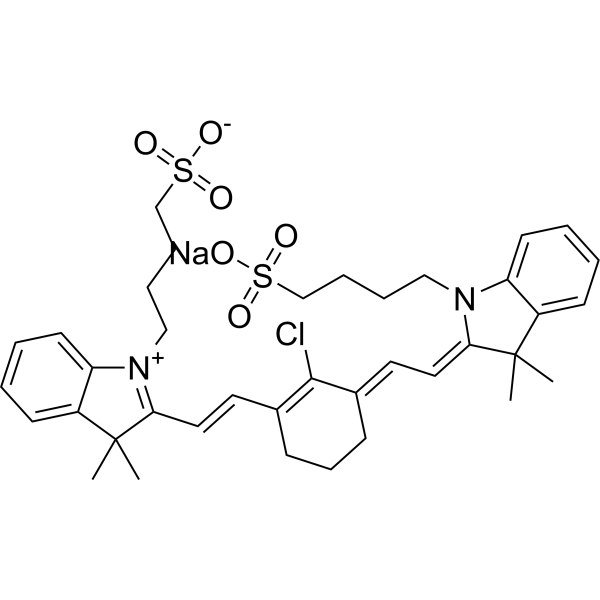
IR-783 (ADS 780WS) is a heptamethine cyanine dye. IR-783 induces Mitochondrial membrane potential loss, ATP depletion, mitochondrial permeability transition pore opening, Cytochrome crelease and Apoptosis in breast cancer cells. IR-783 promotes the translocation of Drp1 from the cytosol to mitochondria. IR-783 increases the expression of mitochondrial fission proteins such as MFF and Fission-1. IR-783 possesses imaging, cancer-targeting and anticancer properties. IR-783 exerts anticancer effects against breast cancer. IR-783 can be used in breast cancer-related research .
Doxylamine succinate is a first-generation antihistamine and acts as a histamine H1 receptor antagonist. Doxylamine succinate is orally active, possessing analgesic and hypnotic activities. Doxylamine succinate enhances the activities of CYP2B, CYP2A, CYP3A and thyroxine-glucuronosyltransferase via promoting substrate hydroxylation and thyroxine metabolic pathways. Doxylamine succinate decreases serum thyroxine (T4) level and elevates serum thyroid-stimulating hormone (TSH) level. Doxylamine succinate induces liver enlargement and increases the activities of hepatic microsomal cytochrome P450, cytochrome b5 and NADPH-cytochrome c reductase. Doxylamine succinate can be used for the research of nausea, allergy, insomnia .
Cardanol monoene (Cardanol C15:1) is a phenolic compound which can be found in cashew nut shell liquid. Cardanol monoene can inhibit cancer cells proliferation, migration, cause S phase arrest, induce apoptosis, ROS production and mitochondrial depolarization. Cardanol monoene downregulates MMP-2, MMP-9, cyclinA1 expression, regulates CDK2, p53, Bax, cytochrome c, cleaved caspase-3, cleaved PARP, Apaf-1 expression and Bax/Bcl-2 ratio. Cardanol monoene shows weak DPPH radical scavenging activity and AChE inhibition activity. Cardanol monoene is lethal to Artemia salina nauplii. Cardanol monoene. Cardanol monoene can be used for the research of cancer, infection and inflamation .
13-Methyltetradecanoic acid (13-MTD), a saturated branched-chain fatty acid with potent anticancer effects. 13-Methyltetradecanoic acid induces apoptosis in many types of human cancer cells .
Mancozeb is a widely used fungicide that is effective against fungal diseases in most cereals, vegetables, fruits and ornamental plants. In addition, Mancozeb can cause liver damage in mice by activating the Keap1/Nrf2 signaling pathway. Mancozeb upregulates lactate dehydrogenase and cytochrome cto alter cell metabolism and induce cell death. Mancozeb has reproductive toxicity and can induce apoptosis in ovarian cells .
Cannflavin A can be isolated from Cannabis sativa L.. Cannflavin A has anti-cancer, neuroprotective and anti-inflammatory activity. Cannflavin A inhibits Aβ1-42 aggregation. Cannflavin A also inhibits kynurenine-3-monooxygenase (KMO) (IC50 = 29.4 μM). Cannflavin A activates apoptosis via caspase-3 cleavage. Cannflavin A exerts anti-inflammatory effects by inhibiting pro-inflammatory enzymes, including prostaglandin E2 and cytochrome c oxidases I and II in PC12 cell line .
PETCM is an activator of caspase-3 and acts as an cytochrome c (cyto c)-dependent manner. PETCM promotes Apaf-1 oligomerization and induces cell apoptosis in HeLa cells .
QM31 (SVT016426), a cytoprotective agent, is a selective inhibitor of Apaf-1. QM31 inhibits the formation of the apoptosome (IC50=7.9μM), the caspase activation complex composed by Apaf-1, cytochrome c, dATP and caspase-9. QM31 exerts mitochondrioprotective functions and interferes with the intra-S-phase DNA damage checkpoint .
Cytochrome C (Saccharomyces cerevisiae) is a type C cytochrome located in the intermembrane space of the mitochondria. As an electron carrier, Cytochrome C (Saccharomyces cerevisiae) transfers electrons between complex III (cytochrome c reductase) and complex IV (cytochrome c oxidase, CIV) of the respiratory chain. Cytochrome C (Saccharomyces cerevisiae) can play a crucial role in triggering apoptosis by being released from the mitochondria into the cytosol .
JGB1741 (ILS-JGB-1741) is a potent and specific SIRT1 activity inhibitor with an IC50 of ∼15 μM. JGB1741 is a weak SIRT2 and SIRT3 inhibitor with an all IC50>100 μM. JGB1741 increases the acetylated p53 levels leading to p53-mediated apoptosis with modulation of Bax/Bcl2 ratio, cytochrome c release and PARP cleavage. JGB1741 has the potential for breast cancer research .
Bucladesine (Dibutyryl cAMP; DBcAMP) is a membrane-permeable 3′, 5′-cyclic adenosine monophosphate (cAMP) analog. Bucladesine selectively activates cAMP dependent protein kinase (PKA) by increasing the intracellular level of cAMP. Bucladesine significantly attenuates MDMA-induced increases in hippocampal mitochondrial ROS formation, mitochondrial outer membrane damage, cytochrome c release, and hippocampal ADP/ATP ratio, thereby improving spatial learning and memory impairments. Bucladesine exhibit anti-nociceptive and anti-inflammation effect. Bucladesine can inhibit cancer cells proliferation, induce apoptosis. Bucladesine can be used for the researches of neurological disease, cancer, inflammation .
HKPao (Hunter-killer peptide ao) is a biologically active peptide. HKPao (Hunter-killer peptide ao) has anti-obesity and anti-tumor pro-apoptotic activity to cause release of cytochrome c from vesicles .
Cytochrome C oxidase (complex IV) (EC 7.1.1.9) is the unique terminal oxidase of the mitochondrial respiratory chain (RC) in mammals. Cytochrome C oxidase is made up of thirteen subunits that catalyze the transfer of electrons from ferro-cytochrome c to molecular oxygen .
Bucladesine (Dibutyryl cAMP; DBcAMP) sodium (GMP) is a Bucladesine sodium (HY-B0764) produced by using GMP guidelines. Bucladesine (Dibutyryl cAMP; DBcAMP) is a membrane-permeable 3′, 5′-cyclic adenosine monophosphate (cAMP) analog. Bucladesine selectively activates cAMP dependent protein kinase (PKA) by increasing the intracellular level of cAMP. Bucladesine significantly attenuates MDMA-induced increases in hippocampal mitochondrial ROS formation, mitochondrial outer membrane damage, cytochrome c release, and hippocampal ADP/ATP ratio, thereby improving spatial learning and memory impairments. Bucladesine exhibit anti-nociceptive and anti-inflammation effect. Bucladesine can inhibit cancer cells proliferation, induce apoptosis. Bucladesine can be used for the researches of neurological disease, cancer, inflammation .
cis-3,4',5-Trimethoxy-3'-hydroxystilbene is a stilbene. cis-3,4',5-Trimethoxy-3'-hydroxystilbene induces cytochrome c release to the cytoplasm. cis-3,4',5-Trimethoxy-3'-hydroxystilbene-induced apoptosis is associated with mitochondrial release of cytochrome c. cis-3,4',5-Trimethoxy-3'-hydroxystilbene also suppresses tubulin polymerization. cis-3,4',5-Trimethoxy-3'-hydroxystilbene can be used for leukemic research .
Custirsen (OGX-011) is an antisense oligonucleotide that targets clusterin mRNA. Custirsen induces apoptosis by activating Bax, triggering mitochondrial translocation and cytochrome c release. Custirsen acts as a chemosensitizer, radiosensitizer and hormone sensitizer. Custirsen can be used in research related to prostate cancer, non-small cell lung cancer and metastatic breast cancer .
IP3RCYT is an IP3R inhibitory peptide, which can inhibit the binding of cytochrome C to IP3R with an IC50 about 100 nM. IP3RCYT regulates calcium signaling within cells. P3RCYT inhibits apoptosis in HeLa and Jurkat cells treated with Staurosporine (HY-15141) or Membrane-bound Fas ligand (FasL) .
CYD-4-61 is a novel Bax activator used for breast cancer research. CYD-4-61 inhibits triple-negative breast cancer MDA-MB-231 and ER-positive breast cancer MCF-7 cell lines proliferation. CYD-4-61 activates Bax protein to induce cytochrome c release and regulate apoptotic biomarkers, leading to cancer cell apoptosis .
(E)-2-Hexadecenal (trans-2-Hexadecenal) is an MLK3 activator that induces cytoskeletal remodeling, leading to cell rounding, detachment, and ultimately apoptosis in human and mouse cells. (E)-2-Hexadecenal activates the MLK3 signaling pathway, phosphorylating MKK4/7 and JNK, subsequently activating downstream targets of JNK, such as c-Jun phosphorylation, cytochrome c release, Bax activation, Bid cleavage, and Bim translocation to mitochondria. (E)-2-Hexadecenal has potential applications in research related to sphingolipid signaling pathways .
RAPTA-C (Ru(η6-p-cymene)Cl2(pta)) acts as an anti-cancer and anti-angiogenic agent. RAPTA-C exhibits anti-metastatic, anti-angiogenic, and anti-tumoral activities through protein and histone-deoxyribonucleic acid alterations. RAPTA-C exhibits cell growth inhibition by triggering G(2)/M phase arrest in cancer cells. RAPTA-C also enhances the levels of p53 and triggers the mitochondrial Apoptotic pathway, resulting in cytochrome C release and caspase-9 activation. RAPTA-C reduces the growth of tumors with the inhibition of angiogenesis in a ovarian carcinoma model .
Bucladesine (Dibutyryl cAMP; DBcAMP) sodium (Standard) is the analytical standard of Bucladesine sodiumn (HY-B0764). This product is intended for research and analytical applications. Bucladesine is a membrane-permeable 3′, 5′-cyclic adenosine monophosphate (cAMP) analog. Bucladesine selectively activates cAMP dependent protein kinase (PKA) by increasing the intracellular level of cAMP. Bucladesine significantly attenuates MDMA-induced increases in hippocampal mitochondrial ROS formation, mitochondrial outer membrane damage, cytochrome c release, and hippocampal ADP/ATP ratio, thereby improving spatial learning and memory impairments. Bucladesine exhibit anti-nociceptive and anti-inflammation effect. Bucladesine can inhibit cancer cells proliferation, induce apoptosis. Bucladesine can be used for the researches of neurological disease, cancer, inflammation .
1-Methoxynaphthalene is used as the substrate to investigate the activity of cytochrome c peroxidase (CcP). 1-Methoxynaphthalene also can be used to synthesize prenyl naphthalen-ols .
iMAC2 hydrochloride is a potent MAC (mitochondrial apoptosis-induced channel) inhibitor, with an IC50 of 28 nM and a LD50 of 15000 nM. iMAC2 hydrochloride shows anti-apoptotic effect. iMAC2 hydrochloride blocks cytochrome c release .
Buprofezin-d6 is the deuterium labeled Buprofezin. Buprofezin is a broad-spectrum insecticide and chitin synthesis inhibitor that targets developmental stage coleopteran pests.Buprofezin promotes the conversion of energy metabolism from the aerobic tricarboxylic acid (TCA) cycle and oxidative phosphorylation to anaerobic glycolysis. Buprofezin also promotes the production of reactive oxygen species (ROS) by inhibiting cytochrome c oxidase .
Opitor-0 is a potent and selective inhibitor of mitochondrial dynamin-related protein Optic Atrophy 1 (OPA1) guanosine triphosphatase (GTPase) with an IC50 of 3 μM. Opitor-0 can induce fragmentation of mitochondria and remodeling of cristae, disrupt the stability of OPA1 oligomers, and significantly enhance the release of cytochrome c and induce apoptosis. Opitor-0 has a synergistic antitumor effect with Bcl-2 inhibitors, such as ABT-737 (HY-50907) and Venetoclax (HY-15531). Opitor-0 can be used for the research of malignant tumors that are resistant to Bcl-2 inhibitors, such as triple-negative breast cancer (TNBC) .
Capsaicin-d7 is deuterated labeled Capsaicin (HY-10448). Capsaicin ((E)-Capsaicin), an active component of chili peppers, is a TRPV1 agonist. Capsaicin induces a nociceptive response by binding to its receptors. Capsaicin has analgesic effects on neurological disorders. Capsaicin has antioxidant, anti-inflammatory, anti-cancer effects .
N-Acetyl-L-tryptophan-d3 is the deuterium labeled N-Acetyl-L-tryptophan (HY-W011978). N-Acetyl-L-tryptophan is an antagonist of the neurokinin-1 receptor (NK-1R), disrupting the binding of substance P (SP) to NK-1R. This action provides neuroprotective effects, improving memory deficits and motor impairments. N-Acetyl-L-tryptophan is also an inhibitor of cytochrome c (Cytochrome c), and it exerts antioxidant and anti-inflammatory effects by inhibiting the expression of IL-1β and the activation of caspase-1. N-Acetyl-L-tryptophan holds promise for research in neurodegenerative and inflammatory diseases .
TC9-305 is a potent and selective apoptosis inhibitor. TC9-305 has strong inhibitory activity against both Bim and tBid-induced apoptosis with EC50 values of 0.42 and 0.23 μM. TC9-305 can maintain the mitochondrial membrane potential, reduce ROS production, prevent the release of cytochrome c and block the upstream pathways of mitochondrial-mediated apoptosis. TC9-305 can be used for the research of neurological disease, such as storke .
GW7845 is an orally active non-thiazolidinedione, tyrosine-derived PPARγ agonist. GW7845 is effective at inhibiting voltage-dependent calcium channels (VDCC) and relaxing pressurized arteries with IC50 of 3 μM by using Ba 2+ as the charge carrier through VDCC. GW7845-induced apoptosis is mitochondria- and apoptosome-dependent. GW7845 induces rapid mitochondrial membrane depolarization and release of cytochrome c in primary pro-B cells and BU-11 cells .
KR-33028 is a selective NHE1 inhibitor. KR-33028 reduces hypoxia-induced necrosis and apoptosis in H9c2 cells. KR-33028 inhibits hypoxia-induced increases in cytoplasmic and mitochondrial Ca 2+ levels and cytochrome c release. KR-33028 improves cardiac contractility, reduces lactate dehydrogenase release, and increases tissue ATP, creatine phosphate, and glycogen levels. KR-33028 can be used in research on cancers such as cardioblastoma and cardiovascular diseases such as ischemic stroke .
Acetoxycycloheximide is an antibiotic with antitumor activity. Acetoxycycloheximide a protein synthesis inhibitor. Acetoxycycloheximide significantly induces activation of procaspase-3 and subsequent apoptosis mediated by the Cytochrome c from mitochondria via activation of JNK pathway. Acetoxycycloheximide triggers the downregulation of cell surface TNF-R1 via the activation of ERK and p38 MAPK, thereby preventing activation of the NF-κB signaling pathway by TNF-α. Acetoxycycloheximide is much more toxic to female rats than to males. Acetoxycycloheximide can be used for inflammatory and immune diseases and cancers research .
SIRT2-IN-18 (Compound 8) is a SIRT2 inhibitor with IC50s of 5.3 and 12.3 μM for SmSIRT2 and hSIRT2, respectively. SIRT2-IN-18 shows potent antischistosomal activities against both Liberian and Puerto Rican strains of Schistosoma mansoni and reduces schistosomula and adult worm pair viability, pairing, and egg production, with low cytotoxicity in mammalian cells. SIRT2-IN-18 increases histone H3 hyperacetylation and induces cytochrome c-mediated apoptosis .
Triptolidenol, a traditional Chinese medicine, is an epoxy diterpene lactone that can be isolated from Tripterygium wilfordii. Triptolidenol has anti-inflammatory and anticancer activities. Triptolidenol significantly inhibits tumor cell proliferation and migration, arrests cell cycle arrest at S phase and induces apoptosis by activating the cytochrome c/caspase cascade signaling pathway. Triptolidenol disrupts NF-κB/COX-2 pathway by inhibiting IKKβ at ATP-binding sites. Triptolidenol can be used for chronic nephritis and kidney cancer like clear cell renal cell carcinoma (ccRCC) research .
PeS-9 is an Androgen Receptor (AR) degrader that induces androgen receptor degradation PeS-9 induces mitochondrial and ER stress by promoting cytotoxic ROS production, leading to the release of mitochondrial cytochrome C and AIF. PeS-9 subsequently activates caspases-9 and -3, causing DNA fragmentation and apoptotic cell death. PeS-9 has anticancer activity against prostate cancer and exerts in vivo antitumor and antimetastatic activity with minor side effects. PeS-9 can be used for the study of targeting monotherapy against GLUT-1-overexpressing tumors .
Doxylamine is a first-generation antihistamine and acts as a histamine H1 receptor antagonist. Doxylamine is orally active, possessing analgesic and hypnotic activities. Doxylamine enhances the activities of CYP2B, CYP2A, CYP3A and thyroxine-glucuronosyltransferase via promoting substrate hydroxylation and thyroxine metabolic pathways. Doxylamine decreases serum thyroxine (T4) level and elevates serum thyroid-stimulating hormone (TSH) level. Doxylamine induces liver enlargement and increases the activities of hepatic microsomal cytochrome P450, cytochrome b5 and NADPH-cytochrome c reductase. Doxylamine can be used for the research of nausea, allergy, insomnia .
N1,N11-Diethylnorspermine hydrobromide is a potent anticancer agent. N1,N11-Diethylnorspermine hydrobromide is a spermine analog that activates polyamine catabolism. N1,N11-Diethylnorspermine hydrobromide induces the release of cytochrome c from mitochondria, resulting in activation of caspase 3. N1,N11-Diethylnorspermine hydrobromide kills glioblastoma multiforme (GBM) cells through induction of SSAT (spermidine/spermine N1-acetyltransferase) coupled with H2O2 production .
N1,N11-Diethylnorspermine is a synthetic analog of the naturally occurring polyamine spermine, can induce polyamine depletion and inhibit tumor cell growth. N1,N11-Diethylnorspermine activates polyamine catabolism and downregulates mTOR protein. N1,N11-Diethylnorspermine induces the release of cytochrome c from mitochondria, resulting in activation of caspase 3. N1,N11-Diethylnorspermine tetrahydrochloride kills glioblastoma multiforme (GBM) through induction of SSAT (spermidine/spermine N1-acetyltransferase) coupled with H2O2 production .
HDAC8-IN-14, a curcuminoid derivative, is a selective HDAC8 inhibitor with a Ki of 9 nM. HDAC8-IN-14 induces the production of reactive oxygen species (ROS), disrupts mitochondrial membrane potential, and promotes apoptosis. HDAC8-IN-14 can significantly promote the accumulation of cells in the sub-G0/G1 phase, consistent with apoptotic or necrotic cell death. HDAC8-IN-14 induces upregulation of cytochrome c, cleaved caspase-3, and the pro-apoptotic protein Bak while leaving the anti-apoptotic Bcl-2 levels unaltered. HDAC8-IN-14 can be used for the study of leukemia .
Cytochrome c-pigeon (88-104) (PCC 88-104) has full stimulatory activity for pigeon cytochrome c-primed T cells from B10.A mice. The I-E k-restricted T cell response to Cytochrome c pigeon (pcyt c) is specific for the COOH-terminal sequence 88-104 .
Hydroaurantiogliocladin is a quinol. Hydroaurantiogliocladin can be used as substrate for the quinol-cytochrome c oxidoreductase activity (beef heart enzyme) .
TPP-IOA is a cytochrome cperoxidase inhibitor. TPP-IOA inhibits apoptosis by preventing cardiolipin oxidation and cytochrome c release to the cytosol. TPP-IOA disrupts oxidative phosphorylation in isolated mitochondria. TPP-IOA inhibits cell death in SH-SY5Y cells grown in glucose, but not galactose. TPP-IOA causes mitochondrial depolarization and network fragmentation. TPP-lOA mitigates radiation induced death in mice .
MPI-0441138 is an inducer of apoptosis and an inhibitor of mitosis. MPI-0441138 can induce DNA breaks and induce cytochrome c translocation, leading to tumor cell death .
Tasisulam is a anticancer agent and induces apoptosis via the intrinsic pathway, resulting in cytochrome c release and caspase-dependent cell death. Tasisulam inhibits mitotic progression and induces vascular normalization .
5-n-Heptyl-6-hydroxy-4,7-dioxobenzothiazole is a competitive Qo site inhibitor of the cytochrome bc 1 complex (cytochrome c oxidoreductase) from Saccharomyces cerevisiae .
Antioxidant agent-18 (compound 5) is a flavonol glycoside with antioxidant activity isolated from Ginkgo biloba. Antioxidant agent-18 scavenges DPPH radicals (IC50: 15.8 μM) and reduces cytochrome c (IC50: 14.7 μM).
Thaspine acetate, an alkaloid, is a topoisomerase I and II inhibitor. Thaspine acetate induces cancer cell apoptosis. Thaspine acetate induces Bak and Bax activation, mitochondrial cytochrome c release and mitochondrial membrane permeabilization. Thaspine acetate can be isoalted from the cortex of the South American tree Croton lechleri .
Eupatorin (Standard) is the analytical standard of Eupatorin. This product is intended for research and analytical applications. Eupatorin, a naturally occurring flavone, arrests cells at the G2-M phase of the cell cycle and induces apoptotic cell death involving activation of multiple caspases, mitochondrial release of cytochrome c and poly(ADP-ribose) polymerase cleavage .
MT-21 is an Apoptosis inducer and adenine nucleotide translocase inhibitor. MT-21 induces Apoptosis by activating JNK via the Krs/MST protein. MT-21 activates caspase-3 via caspase-9. MT-21 induces the release of cytochrome c. MT-21 can be used in the research of tumors .
Buprofezin (Standard) is the analytical standard of Buprofezin. This product is intended for research and analytical applications. Buprofezin is a broad-spectrum insecticide and chitin synthesis inhibitor that targets developmental stage coleopteran pests.Buprofezin promotes the conversion of energy metabolism from the aerobic tricarboxylic acid (TCA) cycle and oxidative phosphorylation to anaerobic glycolysis. Buprofezin also promotes the production of reactive oxygen species (ROS) by inhibiting cytochrome c oxidase .
Bax agonist 1 (compound SMBA2) is a Bax agonist (Ki=57.2 nM). Bax agonist 1 induces Bax conformational changes by blocking S184 phosphorylation, promoting Bax insertion into the mitochondrial membrane and forming Bax oligomers, which induce cytochrome c release and apoptosis in malignant cancer cells expressing Bax. Bax agonist 1 can be used in lung cancer research .
Mol4 (AK-918/41759663) is a highly selective BCL-2 protein inhibitor (IC50=153.3 μM). Mol4 induces mitochondrial outer membrane permeabilization (MOMP) and cytochrome c release, showing significant antiproliferative activity against glioblastoma (U87-MG) cell lines. Mol4 is promising for research of BCL-2-dependent tumors (e.g., chronic lymphocytic leukemia) .
Myrothecine A is a trichothecene mycotoxin found in M. roridum. Myrothecine A induces apoptosis, promotes the cytochrome c release, PARP-cleavage and phosphorylation of JNK, increases Bax and cleaved caspase-3, -5, and -8 levels. Myrothecine A has anticancer activities and promotes the maturation of DC cells in the microenvironment. Myrothecine A inhibits proliferation of A549, MCF-7, HepG2, and SMMC-7721 cancer cells with IC50s of 95, 70, 60, and 25 µM, respectively .
IDN-1965 is an irreversible, broad-spectrum caspase inhibitor. IDN-1965 prevents downstream apoptotic events (such as DNase activation) and significantly delays cytochrome c release by inhibiting caspase activity. IDN-1965 significantly delayed death in mice with cardiomyocyte apoptosis. IDN-1965 completely prevents left ventricular dilation, systolic dysfunction, and fibrosis in mice with dilated cardiomyopathy. IDN-1965 can be used to study apoptosis-related diseases such as heart failure and the mechanisms of apoptosis initiation .
Trijuganone C is a tanshinone-type diterpenoid compound. Trijuganone C can be isolated from the roots of Salvia miltiorrhiza Bunge. Trijuganone C induces chromatin condensation, DNA fragmentation, activation of Caspase-3, -8 and -9, as well as cleavage of PARP. Trijuganone C activates Bid and Bax, leading to loss of mitochondrial membrane potential and inducing the release of cytochrome c from mitochondria into the cytosol. Trijuganone C exerts antiproliferative effects through Apoptosis induction mediated by Mitochondrial dysfunction and Caspase activation. Trijuganone C exhibits significant antiproliferative activity against leukemia cells and colon cancer cells .
Apoptosis inducer 34 (Compound 4) is a small molecule compound that induces apoptosis by directly activating the intrinsic apoptotic pathway. Apoptosis inducer 34 promotes Apaf-1 oligomerization to form mature apoptosomes, thereby activating caspase-9 and caspase-3. It significantly activates the apoptotic pathway in Jurkat cells by enhancing the cytochrome c-dependent apoptotic signaling pathway, inducing PARP cleavage and chromosomal DNA fragmentation. Furthermore, Apoptosis inducer 34 exhibits low toxicity to normal cells, demonstrating potential for selective targeting of cancer cells. Apoptosis inducer 34 is a promising candidate for studying cancer related to apoptotic pathways .
EMT inhibitor-3 (compound 11i) is a epithelial-mesenchymal transition (EMT) inhibitor. EMT inhibitor-3 inhibits neuroblastoma SK-N-SH cells with an IC50 of 2.5 μM. EMT inhibitor-3 inhibits SK-N-SH cell proliferation, migration, and invasion. EMT inhibitor-3 increases the Bax/Bcl-2 protein expression ratio, promotes Cytochrome C ( HY-125857) release from mitochondria, and activates caspases 9 and caspases 3, inducing mitochondria-mediated endogenous tumor cell Apoptosis. EMT inhibitor-3 is potential for cancer research .
Cannflavin A (Standard) is the analytical standard of Cannflavin A. This product is intended for research and analytical applications. Cannflavin A can be isolated from Cannabis sativa L.. Cannflavin A has anti-cancer, neuroprotective and anti-inflammatory activity. Cannflavin A inhibits Aβ1-42 aggregation. Cannflavin A also inhibits kynurenine-3-monooxygenase (KMO) (IC50 = 29.4 μM). Cannflavin A activates apoptosis via caspase-3 cleavage. Cannflavin A exerts anti-inflammatory effects by inhibiting pro-inflammatory enzymes, including prostaglandin E2 and cytochrome c oxidases I and II in PC12 cell line .
Formic acid ammonium (Standard) is the analytical standard of Formic acid ammonium. This product is intended for research and analytical applications. Formic acid ammonium is the ammonium salt form of formic acid, which is an endogenous metabolite. Formic acid ammonium activates the nitric oxide/cyclic guanosine monophosphate (NO/cGMP) signaling pathway in endothelial cells and inhibits calcium ion influx in vascular smooth muscle cells, resulting in vasomotor relaxation. Formic acid ammonium inhibits cytochrome C oxidase (CcO) and disrupts the electron transport chain, leading to ATP depletion. Formic acid ammonium can be used as a feed additive, which can lower the feed pH value, inhibit the growth of microorganisms (such as Escherichia coli, Salmonella), and extend the shelf life of the feed.
Doxylamine-d5 is deuterium labeled Doxylamine (HY-A0069A). Doxylamine is a first-generation antihistamine and acts as a histamine H1 receptor antagonist. Doxylamine is orally active, possessing analgesic and hypnotic activities. Doxylamine enhances the activities of CYP2B, CYP2A, CYP3A and thyroxine-glucuronosyltransferase via promoting substrate hydroxylation and thyroxine metabolic pathways. Doxylamine decreases serum thyroxine (T4) level and elevates serum thyroid-stimulating hormone (TSH) level. Doxylamine induces liver enlargement and increases the activities of hepatic microsomal cytochrome P450, cytochrome b5 and NADPH-cytochrome c reductase. Doxylamine can be used for the research of nausea, allergy, insomnia .
Paris saponin VII (Standard) is the analytical standard of Paris saponin VII. This product is intended for research and analytical applications. Paris saponin VII (Chonglou Saponin VII) is a steroidal saponin isolated from the roots and rhizomes of Trillium tschonoskii. Paris saponin VII-induced apoptosis in K562/ADR cells is associated with Akt/MAPK and the inhibition of P-gp. Paris saponin VII attenuates mitochondrial membrane potential, increases the expression of apoptosis-related proteins, such as Bax and cytochrome c, and decreases the protein expression levels of Bcl-2, caspase-9, caspase-3, PARP-1, and p-Akt. Paris saponin VII induces a robust autophagy in K562/ADR cells and provides a biochemical basis in the treatment of leukemia .
Sulfite Oxidase, Chicken (EC 1.8.3.1) oxidizes sulfite to sulfate and transfers the generated electrons to the electron transport chain via cytochrome c, thereby generating ATP during oxidative phosphorylation.
PUMA2A is a PUMA BH3-only peptide. PUMA2A can be used as a negative control in Cytochrome C release assays and BH3 profiling. PUMA2A can be used in the research of chronic myeloid leukemia .
Longan cerebroside II is a cerebroside found in Typhonium giganteum. Longan cerebroside II shows anti-apoptosis and neuroprotective activity. Longan cerebroside II reduces protein expression of caspase-9, caspase-3, and Bax, increases Bcl-2, cytochrome c levles .
PETCM (Standard) is the analytical standard of PETCM (HY-103349). This product is intended for research and analytical applications. PETCM is an activator of caspase-3 and acts as an cytochrome c (cyto c)-dependent manner. PETCM promotes Apaf-1 oligomerization and induces cell apoptosis in HeLa cells .
2-Methoxyjuglone, a naphthoquinone, is an apoptosis inducer. 2-Methoxyjuglone activates caspase-9 and caspase-3 via the mitochondrial cytochrome c-dependent intrinsic apoptosis cascade. 2-Methoxyjuglone increases pro-apoptotic Bax levels, decreases anti-apoptotic Bcl-2 levels, and promotes mitochondrial cytochrome c release. 2-Methoxyjuglone induces apoptosis morphological features, early apoptosis, S-phase and G2/M-phase cell cycle arrest, and DNA double-strand breaks. 2-Methoxyjuglone exerts activity against Gram-positive bacteria, pathogenic fungi, and phytopathogenic fungi. 2-Methoxyjuglone can be used for the research of hepatocellular carcinoma, osteosarcoma, colon adenocarcinoma, breast cancer, fungal infection, bacterial infection .
FS1 peptide is a synthetic BH3 mimetic peptide that shows potential in enhancing NK cell-mediated cancer immunity. FS1 peptide targets anti-apoptotic BCL-2 family proteins, triggers the release of cytochrome c, and thereby promotes apoptosis (Apoptosis). FS1 peptide can be used for NK cell-based immunological research .
MHY219 is a histone deacetylase (HDAC) inhibitor with an IC50 of 0.276 μM. MHY219 inhibits total HDAC enzyme activity, increases histone H3 and H4 hyperacetylation. MHY219 induces cance cells phase arrest, apoptosis and inhibits proliferationin. MHY219 increases cleavage of PARP, Bax, cytochrome c levels, androgen receptor expression and decreases Bcl-2 expression. MHY219 can be used for the research of prostate cancer .
D-Fructose Dehydrogenase, Gluconobacter industrius (EC 1.1.99.11) is a heterotrimeric membrane-bound enzyme commonly seen in various Gluconobacter sp. especially in Gluconobacter japonicus (Gluconobacter industrius) .D-Fructose Dehydrogenase consists of subunits I (67kDa), II (51 kDa), and III (20 kDa) and catalyzes the oxidation of D-fructose to produce 5-keto-D-fructose. D-Fructose Dehydrogenase is a flavoprotein-cytochrome c complex with subunits I and II covalently bound to flavin adenine dinucleotide (FAD) and heme C as prosthetic groups, respectively.
RN-0001 is a cyclophilin (Cyp) inhibitor with Ki values of 4.1 nM and 12.0 nM against CypA and CypD, respectively, and an EC50 of 916 nM for CypD. RN-0001 binds directly to CypD, inhibits the peptidyl-prolyl cis-trans isomerase activities of CypD and CypA, and prevents CypD-dependent mitochondrial permeability transition pore opening. RN-0001 improves mitochondrial function, reduces ROS production, inhibits the expression of lipogenic markers, blocks the nuclear translocation of NF-κB p65, and decreases the release of activated caspase-3 and cytochrome c. RN-0001 can be used in the research of alcohol-associated liver disease .
IDO1-IN-34 is a selective IDO1 inhibitor with an IC50 of 0.093 μM. IDO1-IN-34 exhibits cytotoxicity against various cancer cell lines. IDO1-IN-34 inhibits the kynurenine (kynurenine) pathway and activates IL-2. IDO1-IN-34 induces cell apoptosis via the endogenous mitochondrial pathway, while increasing the levels of cytochrome c, caspase-3, caspase-9 and PARP-1. IDO1-IN-34 can be used for research on liver cancer, lung cancer, breast cancer, prostate cancer, colon cancer and leukemia .
Bax activator-2 (compound 27c) is a pro-apoptotic agent targeting BAX, with an IC50 of 0.30 μmol/L against human BAX. Bax activator-2 binds to the trigger site of BAX and induces its conformational change. Bax activator-2 induces mitochondrial depolarization, cytochrome c release, caspase-3/9 cleavage and PARP cleavage, thereby initiating apoptosis. Bax activator-2 exhibits cytotoxicity against various cancer cell lines, shows reduced cytotoxicity in BAX-knockout A549 cells, and has low cytotoxicity against non-cancerous cell lines. Bax activator-2 can be used in studies related to acute myeloid leukemia and solid tumors .
Scoulerine ((-)-Scoulerine; Discretamine) hydrochloride is a multi-target inhibitor with anti-tumor and antioxidant activities. Scoulerine hydrochloride mainly targets the PI3K/Akt/mTOR signaling axis and α1D-adrenergic receptor, disrupts microtubule structure, and induces cell cycle arrest and apoptosis. Scoulerine hydrochloride effectively inhibits mitochondrial dehydrogenase activity, targets GABA receptors and BACE1, and suppresses the proliferation, migration, invasion, epithelial-mesenchymal transition and stem cell properties of cancer cells. Scoulerine hydrochloride also exhibits multiple pharmacological activities including anti-Plasmodium falciparum, antibacterial, antiemetic and antitussive effects, and regulates endoplasmic reticulum stress and mitochondrial function (modulates Bax, Bcl-2 and cytochrome c). Scoulerine hydrochloride is applicable to research related to leukemia, ovarian cancer, and colorectal cancer .
Scoulerine ((-)-Scoulerine; Discretamine) hydrochloride is a multi-target inhibitor with anti-tumor and antioxidant activities. Scoulerine mainly targets the PI3K/Akt/mTOR signaling axis and α1D-adrenergic receptor, disrupts microtubule structure, and induces cell cycle arrest and apoptosis. Scoulerine effectively inhibits mitochondrial dehydrogenase activity, targets GABA receptors and BACE1, and suppresses the proliferation, migration, invasion, epithelial-mesenchymal transition and stem cell properties of cancer cells. Scoulerine also exhibits multiple pharmacological activities including anti-Plasmodium falciparum, antibacterial, antiemetic and antitussive effects, and regulates endoplasmic reticulum stress and mitochondrial function (modulates Bax, Bcl-2 and cytochrome c). Scoulerine is applicable to research related to leukemia, ovarian cancer, and colorectal cancer .
Doxylamine-d5 succinate is deuterium labeled Doxylamine succinate (HY-A0069A). Doxylamine succinate is a first-generation antihistamine and acts as a histamine H1 receptor antagonist. Doxylamine succinate is orally active, possessing analgesic and hypnotic activities. Doxylamine succinate enhances the activities of CYP2B, CYP2A, CYP3A and thyroxine-glucuronosyltransferase via promoting substrate hydroxylation and thyroxine metabolic pathways. Doxylamine succinate decreases serum thyroxine (T4) level and elevates serum thyroid-stimulating hormone (TSH) level. Doxylamine succinate induces liver enlargement and increases the activities of hepatic microsomal cytochrome P450, cytochrome b5 and NADPH-cytochrome c reductase. Doxylamine succinate can be used for the research of nausea, allergy, insomnia .
HDAC3-IN-2 (compound 4i) is a pyrazinyl hydrazide-based HDAC3 inhibitor (IC50: 14 nM) that efficiently targets triple-negative breast cancer cells. HDAC3-IN-2 is cytotoxic with an IC50 of 0.55 μM against 4T1 and an IC50 of 0.74 μM against MDA-MB-231. HDAC3-IN-2 has anti-tumor efficacy in vivo in tumor-bearing mouse models, selectively increasing the acetylation levels of H3K9, H3K27 and H4K12, increasing the contents of apoptosis-related caspase-3, caspase-7 and cytochrome c, and reducing Proliferation-related Bcl-2, CD44, EGFR, and Ki-67 levels .
NPS 2390 is an allosteric antagonist of calcium-sensing receptor (CaSR) and mGluR1/5. NPS 2390 inhibits the PI3K/Akt/mTOR signaling pathway, reduces hypoxia-induced intracellular calcium elevation, decreases the expression of autophagy (autophagy) proteins, regulates the expression of phenotypic marker proteins, and inhibits the proliferation of pulmonary artery smooth muscle cells. NPS 2390 attenuates the endogenous apoptosis (apoptosis) pathway, increases the expression level of Bcl-2, downregulates the expression levels of Bax, cytochrome c and caspase-3, alleviates cerebral edema and improves neurological function in rat models. NPS 2390 can be used in studies related to hypoxic pulmonary hypertension, traumatic brain injury, stroke and pain .
Doxylamine succinate (Standard) is the analytical standard of Doxylamine succinate (HY-A0069). This product is intended for research and analytical applications. Doxylamine succinate is a first-generation antihistamine and acts as a histamine H1 receptor antagonist. Doxylamine succinate is orally active, possessing analgesic and hypnotic activities. Doxylamine succinate enhances the activities of CYP2B, CYP2A, CYP3A and thyroxine-glucuronosyltransferase via promoting substrate hydroxylation and thyroxine metabolic pathways. Doxylamine succinate decreases serum thyroxine (T4) level and elevates serum thyroid-stimulating hormone (TSH) level. Doxylamine succinate induces liver enlargement and increases the activities of hepatic microsomal cytochrome P450, cytochrome b5 and NADPH-cytochrome c reductase. Doxylamine succinate can be used for the research of nausea, allergy, insomnia .
Paris saponin VII (Standard) is the analytical standard of Paris saponin VII. This product is intended for research and analytical applications. Paris saponin VII (Chonglou Saponin VII) is a steroidal saponin isolated from the roots and rhizomes of Trillium tschonoskii. Paris saponin VII-induced apoptosis in K562/ADR cells is associated with Akt/MAPK and the inhibition of P-gp. Paris saponin VII attenuates mitochondrial membrane potential, increases the expression of apoptosis-related proteins, such as Bax and cytochrome c, and decreases the protein expression levels of Bcl-2, caspase-9, caspase-3, PARP-1, and p-Akt. Paris saponin VII induces a robust autophagy in K562/ADR cells and provides a biochemical basis in the treatment of leukemia .
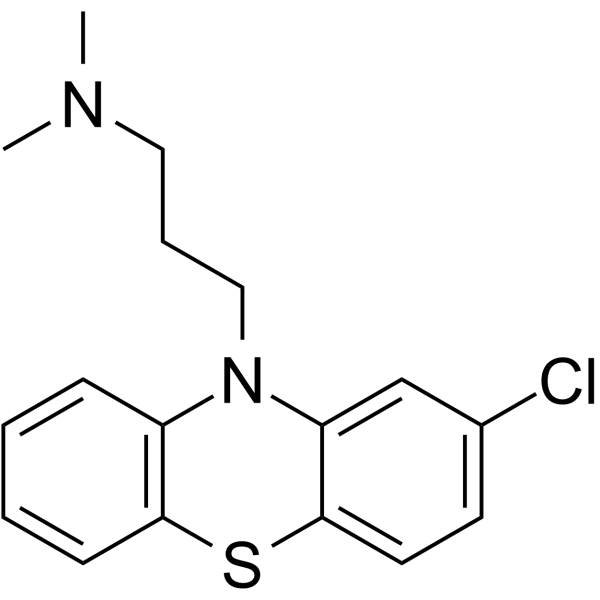
Chlorpromazine is an orally active, blood-brain barrier-transparent antipsychotic agent that effectively antagonises D2 dopamine receptors and 5-HT2A, which is widely used in schizophrenia and other psychiatric disorders. Chlorpromazine exerts anti-cancer activity through a variety of pathways, including anti-proliferation, induction of autophagy and cycle arrest (G2-M phase), inhibition of cytochrome c oxidase (CcO), inhibition of tumour growth and metastasis, and inhibition of tumour immune escape. Chlorpromazine also blocks hNav1.7 channels (IC50=25.9 μM; concentration-dependent) and HERG potassium channels (IC50=21.6 μM), which has potential for analgesic and cardiac arrhythmic studies. Chlorpromazine also can inhibit clathrin-mediated endocytosis .
4′-O-Methylglabridin is an apoptosis inducer with antioxidant, cell cycle-disrupting and anticancer cytotoxic activities. 4′-O-Methylglabridin inhibits various cancer cell lines including liver cancer, breast cancer and colorectal cancer cell lines. By reducing the expression levels of phosphorylated Rb (Ser807/811) and p21 proteins, 4′-O-Methylglabridin promotes cell accumulation at the subG1 and G2/M phases, and triggers caspase-dependent apoptosis via cytochrome Crelease and caspase-9 activation. 4′-O-Methylglabridin also exerts antioxidant effects by inhibiting lipid peroxide levels and reducing β-carotene consumption, thereby blocking LDL oxidation. 4′-O-Methylglabridin can be used in the research of various cancers and atherosclerotic diseases .
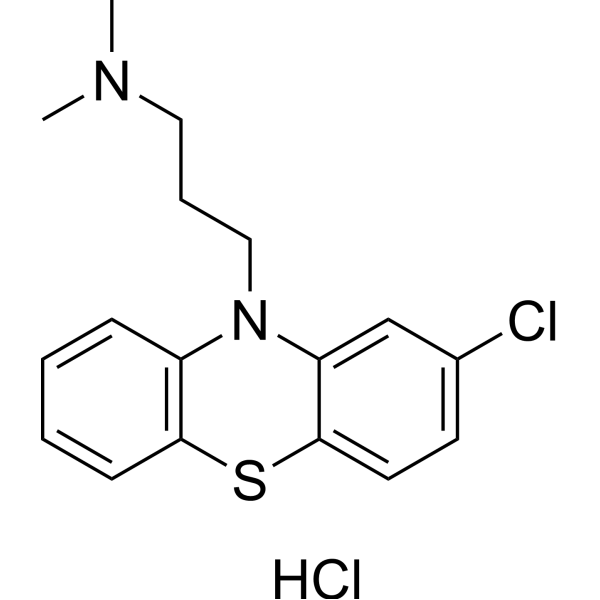
Chlorpromazine hydrochloride is an orally active, blood-brain barrier-transparent antipsychotic agent that effectively antagonises D2 dopamine receptors and 5-HT2A, which is widely used in schizophrenia and other psychiatric disorders. Chlorpromazine hydrochloride exerts anti-cancer activity through a variety of pathways, including anti-proliferation, induction of autophagy and cycle arrest (G2-M phase), inhibition of cytochrome c oxidase (CcO), inhibition of tumour growth and metastasis, and inhibition of tumour immune escape. Chlorpromazine hydrochloride also blocks hNav1.7 channels (IC50=25.9 μM; concentration-dependent) and HERG potassium channels (IC50=21.6 μM), which has potential for analgesic and cardiac arrhythmic studies. Chlorpromazine hydrochloride also can inhibit clathrin-mediated endocytosis .
Tabersonine is a selective, orally active NLRP3 inhibitor. Tabersonine directly binds to the NACHT domain of NLRP3, inhibiting its ATPase activity and oligomerization, thereby blocking ASC spot formation and caspase-1 activation, and reducing the release of pro-inflammatory cytokines such as IL-1β. Tabersonine also inhibits K63-linked ubiquitination of TRAF6, blocking NF-κB, PI3K/Akt, and p38 MAPK signaling pathways. Tabersonine can inhibit inflammatory responses, induce apoptosis of liver cancer cells through mitochondrial pathways and death receptor pathways, reduce mitochondrial membrane potential, promote cytochrome c release, and activate caspase proteins. Tabersonine is mainly used in the study of NLRP3-driven inflammatory diseases (such as acute lung injury, sepsis, peritonitis) and tumors such as liver cancer .
Chlorpromazine (hydrochloride) (Standard) is the analytical standard of Chlorpromazine (hydrochloride). This product is intended for research and analytical applications. Chlorpromazine hydrochloride is an orally active, blood-brain barrier-transparent antipsychotic agent that effectively antagonises D2 dopamine receptors and 5-HT2A, which is widely used in schizophrenia and other psychiatric disorders. Chlorpromazine hydrochloride exerts anti-cancer activity through a variety of pathways, including anti-proliferation, induction of autophagy and cycle arrest (G2-M phase), inhibition of cytochrome c oxidase (CcO), inhibition of tumour growth and metastasis, and inhibition of tumour immune escape. Chlorpromazine hydrochloride also blocks hNav1.7 channels (IC50=25.9 μM; concentration-dependent) and HERG potassium channels (IC50=21.6 μM), which has potential for analgesic and cardiac arrhythmic studies. Chlorpromazine hydrochloride also can inhibit clathrin-mediated endocytosis .
Tabersonine hydrochloride is a selective, orally active NLRP3 inhibitor. Tabersonine hydrochloride directly binds to the NACHT domain of NLRP3, inhibiting its ATPase activity and oligomerization, thereby blocking ASC spot formation and caspase-1 activation, and reducing the release of pro-inflammatory cytokines such as IL-1β. Tabersonine hydrochloride also inhibits K63-linked ubiquitination of TRAF6, blocking NF-κB, PI3K/Akt, and p38 MAPK signaling pathways. Tabersonine hydrochloride can inhibit inflammatory responses, induce apoptosis of liver cancer cells through mitochondrial pathways and death receptor pathways, reduce mitochondrial membrane potential, promote cytochrome c release, and activate caspase proteins. Tabersonine hydrochloride is mainly used in the study of NLRP3-driven inflammatory diseases (such as acute lung injury, sepsis, peritonitis) and tumors such as liver cancer .
N1,N11-Diethylnorspermine (tetrahydrochloride) (Standard) is the analytical standard of N1,N11-Diethylnorspermine (tetrahydrochloride). This product is intended for research and analytical applications. N1, N11-Diethylnorspermine tetrahydrochloride (DENSPM tetrahydrochloride) is a potent anticancer agent. N1,N11-Diethylnorspermine tetrahydrochloride activates polyamine catabolism and downregulates mTOR protein. N1,N11-Diethylnorspermine tetrahydrochloride induces the release of cytochrome c from mitochondria, resulting in activation of caspase 3. N1,N11-Diethylnorspermine tetrahydrochloride kills glioblastoma multiforme (GBM) through induction of SSAT (spermidine/spermine N1-acetyltransferase) coupled with H2O2 production .
Cajanol is an isoflavanone that can be isolated from the roots of Cajanus cajan (L.) Millsp. . Cajanol inhibits cancer cell proliferation and induces cancer cell apoptosis. Cajanol promotes the expression of Bax, inhibits the expression of Bcl-2, activates caspase-9 and caspase-3, induces PARP cleavage, arrests the cell cycle at the G2/M phase, generates ROS, disrupts mitochondrial membrane potential and triggers cytochrome c release. Cajanol induces bacterial DNA damage, disrupts bacterial cell membranes, and exerts antibacterial activity in vitro. Cajanol reduces the expression of PI3K, inhibits the phosphorylation of Akt and NF-κB, downregulates the expression and transport function of P-gp, restores the sensitivity of drug-resistant cancer cells to Paclitaxel, and inhibits the growth of Paclitaxel-resistant metastatic ovarian tumors. Cajanol is applicable to research related to breast cancer, ovarian cancer and bacterial infections .
Chlorpromazine (hydrochloride) (Standard) is the analytical standard of Chlorpromazine (hydrochloride). This product is intended for research and analytical applications. Chlorpromazine hydrochloride is an orally active, blood-brain barrier-transparent antipsychotic agent that effectively antagonises D2 dopamine receptors and 5-HT2A, which is widely used in schizophrenia and other psychiatric disorders. Chlorpromazine hydrochloride exerts anti-cancer activity through a variety of pathways, including anti-proliferation, induction of autophagy and cycle arrest (G2-M phase), inhibition of cytochrome c oxidase (CcO), inhibition of tumour growth and metastasis, and inhibition of tumour immune escape. Chlorpromazine hydrochloride also blocks hNav1.7 channels (IC50=25.9 μM; concentration-dependent) and HERG potassium channels (IC50=21.6 μM), which has potential for analgesic and cardiac arrhythmic studies. Chlorpromazine hydrochloride also can inhibit clathrin-mediated endocytosis .
17β-HSD10-IN-4 is a selective brain-penetrant 17β-HSD10 inhibitor with an IC50 of 6.33 μM. 17β-HSD10-IN-4 forms key interactions with the 17β-HSD10 catalytic triad to functionally inhibit the enzyme, without altering its protein levels. 17β-HSD10-IN-4 restores mitochondrial function, reduces ROS levels, increases ATP production, and suppresses cytochrome c release. 17β-HSD10-IN-4 attenuates CDK5/p25 activation, reduces Tau hyperphosphorylation, Aβ plaque load and restores brain-derived neurotrophic factor levels. 17β-HSD10-IN-4 improves cognitive function.17β-HSD10-IN-4 can be used for the research of Alzheimer's disease .
23-Hydroxybetulinic acid (Anemosapogenin) is an orally active triterpenoid with broad-spectrum anticancer activity. 23-Hydroxybetulinic acid reduces the levels of Bcl-2 and survivin, elevates the level of Bax, promotes the cleavage/activation of caspase-3 and caspase-9, and induces apoptosis via the endogenous mitochondrial pathway involving cytochrome C release and mitochondrial membrane potential disruption. 23-Hydroxybetulinic acid arrests the cell cycle at S and G1 phases, inhibits cancer cell proliferation, blocks the MAPK signaling pathway, regulates MMP2, and induces autophagic apoptosis by upregulating beclin-1. 23-Hydroxybetulinic acid inhibits the activity and efflux function of P-gp, increases the intracellular accumulation of chemotherapeutic drugs, and synergistically enhances cytotoxicity with Doxorubicin (HY-15142). 23-Hydroxybetulinic acid inhibits the phosphorylation and nuclear translocation of STAT6, blocks M2 macrophage polarization, and reduces M2 macrophage-mediated apoptosis resistance of colon cancer cells. 23-Hydroxybetulinic acid can be used in related studies on chronic myeloid leukemia, hepatocellular carcinoma, sarcoma 180, multidrug-resistant breast cancer, leukemia, Doxorubicin-induced cardiotoxicity, and colorectal cancer .
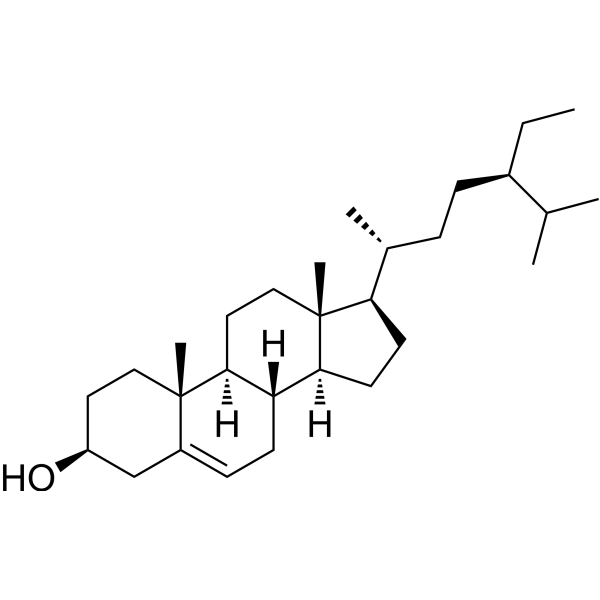
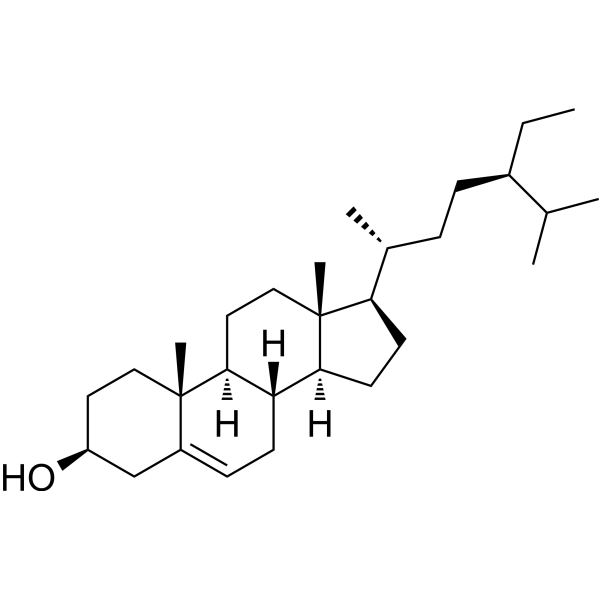
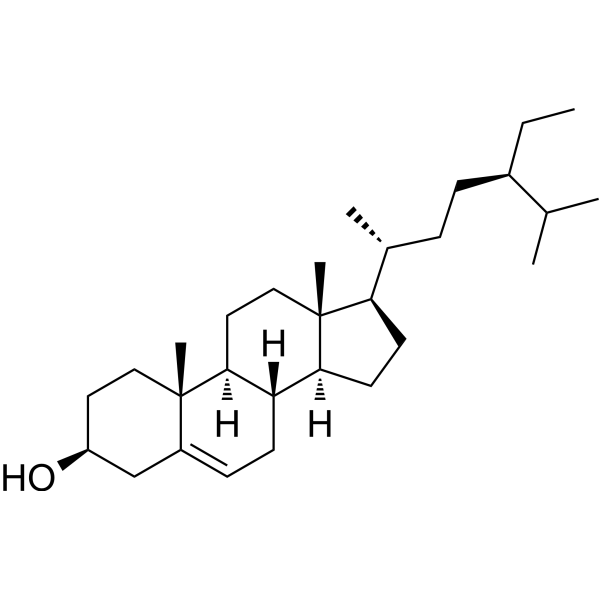
Beta-Sitosterol (purity>98%) is orally active. Beta-Sitosterol exhibits multiple activities, including anti-inflammatory, anticancer, antioxidant, antimicrobial, antidiabetic, antioxidant enzyme, and analgesic. Beta-Sitosterol inhibits inflammation and impaired adipogenesis in bovine mammary epithelial cells by reducing levels of ROS, TNF-α, IL-1β, and NF-κB p65 and restoring the activity of the HIF-1α/mTOR signaling pathway. Beta-Sitosterol induces apoptosis in cancer cells through ROS-mediated mitochondrial dysregulation and p53 activation. Beta-Sitosterol exerts its anticancer effects in cancer cells by activating caspase-3, caspase-8, and caspase-9, mediating PARP inactivation, MMP loss, altered Bcl-2-Bax ratio, and cytochrome c release. Beta-Sitosterol modulates macrophage polarization and reduces rheumatoid inflammation in mice. Beta-Sitosterol inhibits tumor growth in multiple mouse cancer models. Beta-Sitosterol can be used in the research of arthritis, lung cancer, breast cancer and other cancers, diabetes, etc .
23-Hydroxybetulinic acid (Standard) is the analytical standard of 23-Hydroxybetulinic acid (HY-N0566). This product is intended for research and analytical applications. 23-Hydroxybetulinic acid (Anemosapogenin) is an orally active triterpenoid with broad-spectrum anticancer activity. 23-Hydroxybetulinic acid reduces the levels of Bcl-2 and survivin, elevates the level of Bax, promotes the cleavage/activation of caspase-3 and caspase-9, and induces apoptosis via the endogenous mitochondrial pathway involving cytochrome C release and mitochondrial membrane potential disruption. 23-Hydroxybetulinic acid arrests the cell cycle at S and G1 phases, inhibits cancer cell proliferation, blocks the MAPK signaling pathway, regulates MMP2, and induces autophagic apoptosis by upregulating beclin-1. 23-Hydroxybetulinic acid inhibits the activity and efflux function of P-gp, increases the intracellular accumulation of chemotherapeutic drugs, and synergistically enhances cytotoxicity with Doxorubicin (HY-15142). 23-Hydroxybetulinic acid inhibits the phosphorylation and nuclear translocation of STAT6, blocks M2 macrophage polarization, and reduces M2 macrophage-mediated apoptosis resistance of colon cancer cells. 23-Hydroxybetulinic acid can be used in related studies on chronic myeloid leukemia, hepatocellular carcinoma, sarcoma 180, multidrug-resistant breast cancer, leukemia, Doxorubicin-induced cardiotoxicity, and colorectal cancer.
Beta-Sitosterol (Standard) is the analytical standard of Beta-Sitosterol. This product is intended for research and analytical applications. Beta-Sitosterol (purity≥80%) is orally active. Beta-Sitosterol exhibits multiple activities, including anti-inflammatory, anticancer, antioxidant, antimicrobial, antidiabetic, antioxidant enzyme, and analgesic. Beta-Sitosterol inhibits inflammation and impaired adipogenesis in bovine mammary epithelial cells by reducing levels of ROS, TNF-α, IL-1β, and NF-κB p65 and restoring the activity of the HIF-1α/mTOR signaling pathway. Beta-Sitosterol induces apoptosis in cancer cells through ROS-mediated mitochondrial dysregulation and p53 activation. Beta-Sitosterol exerts its anticancer effects in cancer cells by activating caspase-3, caspase-8, and caspase-9, mediating PARP inactivation, MMP loss, altered Bcl-2-Bax ratio, and cytochrome c release. Beta-Sitosterol modulates macrophage polarization and reduces rheumatoid inflammation in mice. Beta-Sitosterol inhibits tumor growth in multiple mouse cancer models. Beta-Sitosterol can be used in the research of arthritis, lung cancer, breast cancer and other cancers, diabetes, etc.
Beta-Sitosterol (purity≥80%) is orally active. Beta-Sitosterol exhibits multiple activities, including anti-inflammatory, anticancer, antioxidant, antimicrobial, antidiabetic, antioxidant enzyme, and analgesic. Beta-Sitosterol inhibits inflammation and impaired adipogenesis in bovine mammary epithelial cells by reducing levels of ROS, TNF-α, IL-1β, and NF-κB p65 and restoring the activity of the HIF-1α/mTOR signaling pathway. Beta-Sitosterol induces apoptosis in cancer cells through ROS-mediated mitochondrial dysregulation and p53 activation. Beta-Sitosterol exerts its anticancer effects in cancer cells by activating caspase-3, caspase-8, and caspase-9, mediating PARP inactivation, MMP loss, altered Bcl-2-Bax ratio, and cytochrome c release. Beta-Sitosterol modulates macrophage polarization and reduces rheumatoid inflammation in mice. Beta-Sitosterol inhibits tumor growth in multiple mouse cancer models. Beta-Sitosterol can be used in the research of arthritis, lung cancer, breast cancer and other cancers, diabetes, etc .
Normal mitochondrial function is critical for maintaining cellular homeostasis because mitochondria produce ATP and are the major intracellular source of free radicals. Cellular dysfunctions induced by intracellular or extracellular insults converge on mitochondria and induce a sudden increase in permeability on the inner mitochondrial membrane, the so-called mitochondrial membrane permeability transition (MMPT). MMPT is caused by the opening of pores in the inner mitochondrial membrane, matrix swelling, and outer membrane rupture. The MMPT is an endpoint to initiate cell death because the pore opening together with the release of mitochondrial cytochrome c activates the apoptotic pathway of caspases.
The normal operation of mitochondrial function is important for maintaining normal cell death and treatment of mitochondrial diseases. MCE offers a unique collection of 1,014 compounds with identified and potential mitochondrial protective activity. MCE Mitochondrial Protection Compound Library is critical for drug discovery and development.
Cytochrome C is a multi-functional enzyme involving in life and death decisions of the cell. Cytochrome C is essential in mitochondrial electron transport and intrinsic type II apoptosis .
Cytochrome C (bovine heart) is composed of 104 amino acids and is a nuclear-encoded mitochondrial protein. Cytochrome C (bovine heart) acts as an effective ROS scavenger, but when combined with the cofactor p66Shc, it promotes the generation of ROS to initiate apoptosis. Cytochrome C (bovine heart) can act as a single electron carrier .
Carboxymethyl chitosan is a derivative of chitosan. Carboxymethyl chitosan inhibits Apoptosis and ROS. Carboxymethyl chitosan increases the expression of Bcl-2 and reduces the expression of Bax, cytochrome c and caspase-3. Carboxymethyl chitosan inhibits the migration of various cells. Carboxymethyl chitosan exerts antitumor effects on Lewis tumors and hepatocarcinoma .
Cytochrome C (equine heart) is composed of 104 amino acids and is a nuclear-encoded mitochondrial protein. Cytochrome C (equine heart) is involved in mitochondrial electron transport and intrinsic type II apoptosis. Cytochrome C (equine heart) can act as a single electron carrier .
IR-783 (ADS 780WS) is a heptamethine cyanine dye. IR-783 induces Mitochondrial membrane potential loss, ATP depletion, mitochondrial permeability transition pore opening, Cytochrome crelease and Apoptosis in breast cancer cells. IR-783 promotes the translocation of Drp1 from the cytosol to mitochondria. IR-783 increases the expression of mitochondrial fission proteins such as MFF and Fission-1. IR-783 possesses imaging, cancer-targeting and anticancer properties. IR-783 exerts anticancer effects against breast cancer. IR-783 can be used in breast cancer-related research .
Cytochrome C (Saccharomyces cerevisiae) is a type C cytochrome located in the intermembrane space of the mitochondria. As an electron carrier, Cytochrome C (Saccharomyces cerevisiae) transfers electrons between complex III (cytochrome c reductase) and complex IV (cytochrome c oxidase, CIV) of the respiratory chain. Cytochrome C (Saccharomyces cerevisiae) can play a crucial role in triggering apoptosis by being released from the mitochondria into the cytosol .
HKPao (Hunter-killer peptide ao) is a biologically active peptide. HKPao (Hunter-killer peptide ao) has anti-obesity and anti-tumor pro-apoptotic activity to cause release of cytochrome c from vesicles .
IP3RCYT is an IP3R inhibitory peptide, which can inhibit the binding of cytochrome C to IP3R with an IC50 about 100 nM. IP3RCYT regulates calcium signaling within cells. P3RCYT inhibits apoptosis in HeLa and Jurkat cells treated with Staurosporine (HY-15141) or Membrane-bound Fas ligand (FasL) .
Cytochrome c-pigeon (88-104) (PCC 88-104) has full stimulatory activity for pigeon cytochrome c-primed T cells from B10.A mice. The I-E k-restricted T cell response to Cytochrome c pigeon (pcyt c) is specific for the COOH-terminal sequence 88-104 .
PUMA2A is a PUMA BH3-only peptide. PUMA2A can be used as a negative control in Cytochrome C release assays and BH3 profiling. PUMA2A can be used in the research of chronic myeloid leukemia .
FS1 peptide is a synthetic BH3 mimetic peptide that shows potential in enhancing NK cell-mediated cancer immunity. FS1 peptide targets anti-apoptotic BCL-2 family proteins, triggers the release of cytochrome c, and thereby promotes apoptosis (Apoptosis). FS1 peptide can be used for NK cell-based immunological research .
RN-0001 is a cyclophilin (Cyp) inhibitor with Ki values of 4.1 nM and 12.0 nM against CypA and CypD, respectively, and an EC50 of 916 nM for CypD. RN-0001 binds directly to CypD, inhibits the peptidyl-prolyl cis-trans isomerase activities of CypD and CypA, and prevents CypD-dependent mitochondrial permeability transition pore opening. RN-0001 improves mitochondrial function, reduces ROS production, inhibits the expression of lipogenic markers, blocks the nuclear translocation of NF-κB p65, and decreases the release of activated caspase-3 and cytochrome c. RN-0001 can be used in the research of alcohol-associated liver disease .
Capsaicin ((E)-Capsaicin), an active component of chili peppers, is a TRPV1 agonist. Capsaicin induces a nociceptive response by binding to its receptors. Capsaicin has analgesic effects on neurological disorders. Capsaicin has antioxidant, anti-inflammatory, anti-cancer effects .
Beta-Sitosterol (purity>98%) is orally active. Beta-Sitosterol exhibits multiple activities, including anti-inflammatory, anticancer, antioxidant, antimicrobial, antidiabetic, antioxidant enzyme, and analgesic. Beta-Sitosterol inhibits inflammation and impaired adipogenesis in bovine mammary epithelial cells by reducing levels of ROS, TNF-α, IL-1β, and NF-κB p65 and restoring the activity of the HIF-1α/mTOR signaling pathway. Beta-Sitosterol induces apoptosis in cancer cells through ROS-mediated mitochondrial dysregulation and p53 activation. Beta-Sitosterol exerts its anticancer effects in cancer cells by activating caspase-3, caspase-8, and caspase-9, mediating PARP inactivation, MMP loss, altered Bcl-2-Bax ratio, and cytochrome c release. Beta-Sitosterol modulates macrophage polarization and reduces rheumatoid inflammation in mice. Beta-Sitosterol inhibits tumor growth in multiple mouse cancer models. Beta-Sitosterol can be used in the research of arthritis, lung cancer, breast cancer and other cancers, diabetes, etc .
5-Aminolevulinic acid (5-ALA; δ-Aminolevulinic acid; 5-Amino-4-oxopentanoic acid) hydrochloride is an orally active heme precursor. 5-Aminolevulinic acid hydrochloride promotes aerobic energy metabolism and increases ATP levels by enhancing the activity of cytochrome c oxidase. 5-Aminolevulinic acid hydrochloride enhances LPS-induced proinflammatory cytokine production and gene activation, and restores the phagocytic activity and ROS generation capacity of neutrophils. 5-Aminolevulinic acid hydrochloride selectively accumulates protoporphyrin IX in tumor cells; as a photosensitizer and radiosensitizer, it induces ROS burst upon light or X-ray irradiation to inhibit tumor growth. 5-Aminolevulinic acid hydrochloride can be applied to the research of septic shock, melanoma, and cancer radiotherapy .
Beta-Sitosterol (purity≥80%) is orally active. Beta-Sitosterol exhibits multiple activities, including anti-inflammatory, anticancer, antioxidant, antimicrobial, antidiabetic, antioxidant enzyme, and analgesic. Beta-Sitosterol inhibits inflammation and impaired adipogenesis in bovine mammary epithelial cells by reducing levels of ROS, TNF-α, IL-1β, and NF-κB p65 and restoring the activity of the HIF-1α/mTOR signaling pathway. Beta-Sitosterol induces apoptosis in cancer cells through ROS-mediated mitochondrial dysregulation and p53 activation. Beta-Sitosterol exerts its anticancer effects in cancer cells by activating caspase-3, caspase-8, and caspase-9, mediating PARP inactivation, MMP loss, altered Bcl-2-Bax ratio, and cytochrome c release. Beta-Sitosterol modulates macrophage polarization and reduces rheumatoid inflammation in mice. Beta-Sitosterol inhibits tumor growth in multiple mouse cancer models. Beta-Sitosterol can be used in the research of arthritis, lung cancer, breast cancer and other cancers, diabetes, etc .
5-Aminolevulinic acid (5-ALA; δ-Aminolevulinic acid; 5-Amino-4-oxopentanoic acid) is an orally active heme precursor. 5-Aminolevulinic acid promotes aerobic energy metabolism and increases ATP levels by enhancing the activity of cytochrome c oxidase. 5-Aminolevulinic acid enhances LPS-induced proinflammatory cytokine production and gene activation, and restores the phagocytic activity and ROS generation capacity of neutrophils. 5-Aminolevulinic acid selectively accumulates protoporphyrin IX in tumor cells; as a photosensitizer and radiosensitizer, it induces ROS burst upon light or X-ray irradiation to inhibit tumor growth. 5-Aminolevulinic acid can be applied to the research of septic shock, melanoma, and cancer radiotherapy .
Paris saponin VII (Chonglou Saponin VII) is a steroidal saponin isolated from the roots and rhizomes of Trillium tschonoskii. Paris saponin VII-induced apoptosis in K562/ADR cells is associated with Akt/MAPK and the inhibition of P-gp. Paris saponin VII attenuates mitochondrial membrane potential, increases the expression of apoptosis-related proteins, such as Bax and cytochrome c, and decreases the protein expression levels of Bcl-2, caspase-9, caspase-3, PARP-1, and p-Akt. Paris saponin VII induces a robust autophagy in K562/ADR cells and provides a biochemical basis in the treatment of leukemia .
Formic acid ammonium is the ammonium salt form of formic acid, which is an endogenous metabolite. Formic acid ammonium activates the nitric oxide/cyclic guanosine monophosphate (NO/cGMP) signaling pathway in endothelial cells and inhibits calcium ion influx in vascular smooth muscle cells, resulting in vasomotor relaxation. Formic acid ammonium inhibits cytochrome C oxidase (CcO) and disrupts the electron transport chain, leading to ATP depletion. Formic acid ammonium can be used as a feed additive, which can lower the feed pH value, inhibit the growth of microorganisms (such as Escherichia coli, Salmonella), and extend the shelf life of the feed .
N-Acetyl-L-tryptophan is an antagonist of the neurokinin-1 receptor (NK-1R), disrupting the binding of substance P (SP) to NK-1R. This action provides neuroprotective effects, improving memory deficits and motor impairments. N-Acetyl-L-tryptophan is also an inhibitor of cytochrome c(Cytochrome c), and it exerts antioxidant and anti-inflammatory effects by inhibiting the expression of IL-1β and the activation of caspase-1. N-Acetyl-L-tryptophan holds promise for research in neurodegenerative and inflammatory diseases .
Scoulerine ((-)-Scoulerine; Discretamine) hydrochloride is a multi-target inhibitor with anti-tumor and antioxidant activities. Scoulerine mainly targets the PI3K/Akt/mTOR signaling axis and α1D-adrenergic receptor, disrupts microtubule structure, and induces cell cycle arrest and apoptosis. Scoulerine effectively inhibits mitochondrial dehydrogenase activity, targets GABA receptors and BACE1, and suppresses the proliferation, migration, invasion, epithelial-mesenchymal transition and stem cell properties of cancer cells. Scoulerine also exhibits multiple pharmacological activities including anti-Plasmodium falciparum, antibacterial, antiemetic and antitussive effects, and regulates endoplasmic reticulum stress and mitochondrial function (modulates Bax, Bcl-2 and cytochrome c). Scoulerine is applicable to research related to leukemia, ovarian cancer, and colorectal cancer .
Tabersonine is a selective, orally active NLRP3 inhibitor. Tabersonine directly binds to the NACHT domain of NLRP3, inhibiting its ATPase activity and oligomerization, thereby blocking ASC spot formation and caspase-1 activation, and reducing the release of pro-inflammatory cytokines such as IL-1β. Tabersonine also inhibits K63-linked ubiquitination of TRAF6, blocking NF-κB, PI3K/Akt, and p38 MAPK signaling pathways. Tabersonine can inhibit inflammatory responses, induce apoptosis of liver cancer cells through mitochondrial pathways and death receptor pathways, reduce mitochondrial membrane potential, promote cytochrome c release, and activate caspase proteins. Tabersonine is mainly used in the study of NLRP3-driven inflammatory diseases (such as acute lung injury, sepsis, peritonitis) and tumors such as liver cancer .
Beta-Sitosterol (Standard) is the analytical standard of Beta-Sitosterol. This product is intended for research and analytical applications. Beta-Sitosterol (purity≥80%) is orally active. Beta-Sitosterol exhibits multiple activities, including anti-inflammatory, anticancer, antioxidant, antimicrobial, antidiabetic, antioxidant enzyme, and analgesic. Beta-Sitosterol inhibits inflammation and impaired adipogenesis in bovine mammary epithelial cells by reducing levels of ROS, TNF-α, IL-1β, and NF-κB p65 and restoring the activity of the HIF-1α/mTOR signaling pathway. Beta-Sitosterol induces apoptosis in cancer cells through ROS-mediated mitochondrial dysregulation and p53 activation. Beta-Sitosterol exerts its anticancer effects in cancer cells by activating caspase-3, caspase-8, and caspase-9, mediating PARP inactivation, MMP loss, altered Bcl-2-Bax ratio, and cytochrome c release. Beta-Sitosterol modulates macrophage polarization and reduces rheumatoid inflammation in mice. Beta-Sitosterol inhibits tumor growth in multiple mouse cancer models. Beta-Sitosterol can be used in the research of arthritis, lung cancer, breast cancer and other cancers, diabetes, etc.
Cardanol monoene (Cardanol C15:1) is a phenolic compound which can be found in cashew nut shell liquid. Cardanol monoene can inhibit cancer cells proliferation, migration, cause S phase arrest, induce apoptosis, ROS production and mitochondrial depolarization. Cardanol monoene downregulates MMP-2, MMP-9, cyclinA1 expression, regulates CDK2, p53, Bax, cytochrome c, cleaved caspase-3, cleaved PARP, Apaf-1 expression and Bax/Bcl-2 ratio. Cardanol monoene shows weak DPPH radical scavenging activity and AChE inhibition activity. Cardanol monoene is lethal to Artemia salina nauplii. Cardanol monoene. Cardanol monoene can be used for the research of cancer, infection and inflamation .
13-Methyltetradecanoic acid (13-MTD), a saturated branched-chain fatty acid with potent anticancer effects. 13-Methyltetradecanoic acid induces apoptosis in many types of human cancer cells .
Cannflavin A can be isolated from Cannabis sativa L.. Cannflavin A has anti-cancer, neuroprotective and anti-inflammatory activity. Cannflavin A inhibits Aβ1-42 aggregation. Cannflavin A also inhibits kynurenine-3-monooxygenase (KMO) (IC50 = 29.4 μM). Cannflavin A activates apoptosis via caspase-3 cleavage. Cannflavin A exerts anti-inflammatory effects by inhibiting pro-inflammatory enzymes, including prostaglandin E2 and cytochrome c oxidases I and II in PC12 cell line .
23-Hydroxybetulinic acid (Anemosapogenin) is an orally active triterpenoid with broad-spectrum anticancer activity. 23-Hydroxybetulinic acid reduces the levels of Bcl-2 and survivin, elevates the level of Bax, promotes the cleavage/activation of caspase-3 and caspase-9, and induces apoptosis via the endogenous mitochondrial pathway involving cytochrome C release and mitochondrial membrane potential disruption. 23-Hydroxybetulinic acid arrests the cell cycle at S and G1 phases, inhibits cancer cell proliferation, blocks the MAPK signaling pathway, regulates MMP2, and induces autophagic apoptosis by upregulating beclin-1. 23-Hydroxybetulinic acid inhibits the activity and efflux function of P-gp, increases the intracellular accumulation of chemotherapeutic drugs, and synergistically enhances cytotoxicity with Doxorubicin (HY-15142). 23-Hydroxybetulinic acid inhibits the phosphorylation and nuclear translocation of STAT6, blocks M2 macrophage polarization, and reduces M2 macrophage-mediated apoptosis resistance of colon cancer cells. 23-Hydroxybetulinic acid can be used in related studies on chronic myeloid leukemia, hepatocellular carcinoma, sarcoma 180, multidrug-resistant breast cancer, leukemia, Doxorubicin-induced cardiotoxicity, and colorectal cancer .
Tabersonine hydrochloride is a selective, orally active NLRP3 inhibitor. Tabersonine hydrochloride directly binds to the NACHT domain of NLRP3, inhibiting its ATPase activity and oligomerization, thereby blocking ASC spot formation and caspase-1 activation, and reducing the release of pro-inflammatory cytokines such as IL-1β. Tabersonine hydrochloride also inhibits K63-linked ubiquitination of TRAF6, blocking NF-κB, PI3K/Akt, and p38 MAPK signaling pathways. Tabersonine hydrochloride can inhibit inflammatory responses, induce apoptosis of liver cancer cells through mitochondrial pathways and death receptor pathways, reduce mitochondrial membrane potential, promote cytochrome c release, and activate caspase proteins. Tabersonine hydrochloride is mainly used in the study of NLRP3-driven inflammatory diseases (such as acute lung injury, sepsis, peritonitis) and tumors such as liver cancer .
Triptolidenol, a traditional Chinese medicine, is an epoxy diterpene lactone that can be isolated from Tripterygium wilfordii. Triptolidenol has anti-inflammatory and anticancer activities. Triptolidenol significantly inhibits tumor cell proliferation and migration, arrests cell cycle arrest at S phase and induces apoptosis by activating the cytochrome c/caspase cascade signaling pathway. Triptolidenol disrupts NF-κB/COX-2 pathway by inhibiting IKKβ at ATP-binding sites. Triptolidenol can be used for chronic nephritis and kidney cancer like clear cell renal cell carcinoma (ccRCC) research .
Hydroaurantiogliocladin is a quinol. Hydroaurantiogliocladin can be used as substrate for the quinol-cytochrome c oxidoreductase activity (beef heart enzyme) .
Antioxidant agent-18 (compound 5) is a flavonol glycoside with antioxidant activity isolated from Ginkgo biloba. Antioxidant agent-18 scavenges DPPH radicals (IC50: 15.8 μM) and reduces cytochrome c (IC50: 14.7 μM).
Eupatorin (Standard) is the analytical standard of Eupatorin. This product is intended for research and analytical applications. Eupatorin, a naturally occurring flavone, arrests cells at the G2-M phase of the cell cycle and induces apoptotic cell death involving activation of multiple caspases, mitochondrial release of cytochrome c and poly(ADP-ribose) polymerase cleavage .
Myrothecine A is a trichothecene mycotoxin found in M. roridum. Myrothecine A induces apoptosis, promotes the cytochrome c release, PARP-cleavage and phosphorylation of JNK, increases Bax and cleaved caspase-3, -5, and -8 levels. Myrothecine A has anticancer activities and promotes the maturation of DC cells in the microenvironment. Myrothecine A inhibits proliferation of A549, MCF-7, HepG2, and SMMC-7721 cancer cells with IC50s of 95, 70, 60, and 25 µM, respectively .
Trijuganone C is a tanshinone-type diterpenoid compound. Trijuganone C can be isolated from the roots of Salvia miltiorrhiza Bunge. Trijuganone C induces chromatin condensation, DNA fragmentation, activation of Caspase-3, -8 and -9, as well as cleavage of PARP. Trijuganone C activates Bid and Bax, leading to loss of mitochondrial membrane potential and inducing the release of cytochrome c from mitochondria into the cytosol. Trijuganone C exerts antiproliferative effects through Apoptosis induction mediated by Mitochondrial dysfunction and Caspase activation. Trijuganone C exhibits significant antiproliferative activity against leukemia cells and colon cancer cells .
Cannflavin A (Standard) is the analytical standard of Cannflavin A. This product is intended for research and analytical applications. Cannflavin A can be isolated from Cannabis sativa L.. Cannflavin A has anti-cancer, neuroprotective and anti-inflammatory activity. Cannflavin A inhibits Aβ1-42 aggregation. Cannflavin A also inhibits kynurenine-3-monooxygenase (KMO) (IC50 = 29.4 μM). Cannflavin A activates apoptosis via caspase-3 cleavage. Cannflavin A exerts anti-inflammatory effects by inhibiting pro-inflammatory enzymes, including prostaglandin E2 and cytochrome c oxidases I and II in PC12 cell line .
Formic acid ammonium (Standard) is the analytical standard of Formic acid ammonium. This product is intended for research and analytical applications. Formic acid ammonium is the ammonium salt form of formic acid, which is an endogenous metabolite. Formic acid ammonium activates the nitric oxide/cyclic guanosine monophosphate (NO/cGMP) signaling pathway in endothelial cells and inhibits calcium ion influx in vascular smooth muscle cells, resulting in vasomotor relaxation. Formic acid ammonium inhibits cytochrome C oxidase (CcO) and disrupts the electron transport chain, leading to ATP depletion. Formic acid ammonium can be used as a feed additive, which can lower the feed pH value, inhibit the growth of microorganisms (such as Escherichia coli, Salmonella), and extend the shelf life of the feed.
Paris saponin VII (Standard) is the analytical standard of Paris saponin VII. This product is intended for research and analytical applications. Paris saponin VII (Chonglou Saponin VII) is a steroidal saponin isolated from the roots and rhizomes of Trillium tschonoskii. Paris saponin VII-induced apoptosis in K562/ADR cells is associated with Akt/MAPK and the inhibition of P-gp. Paris saponin VII attenuates mitochondrial membrane potential, increases the expression of apoptosis-related proteins, such as Bax and cytochrome c, and decreases the protein expression levels of Bcl-2, caspase-9, caspase-3, PARP-1, and p-Akt. Paris saponin VII induces a robust autophagy in K562/ADR cells and provides a biochemical basis in the treatment of leukemia .
Chlorpromazine (hydrochloride) (Standard) is the analytical standard of Chlorpromazine (hydrochloride). This product is intended for research and analytical applications. Chlorpromazine hydrochloride is an orally active, blood-brain barrier-transparent antipsychotic agent that effectively antagonises D2 dopamine receptors and 5-HT2A, which is widely used in schizophrenia and other psychiatric disorders. Chlorpromazine hydrochloride exerts anti-cancer activity through a variety of pathways, including anti-proliferation, induction of autophagy and cycle arrest (G2-M phase), inhibition of cytochrome c oxidase (CcO), inhibition of tumour growth and metastasis, and inhibition of tumour immune escape. Chlorpromazine hydrochloride also blocks hNav1.7 channels (IC50=25.9 μM; concentration-dependent) and HERG potassium channels (IC50=21.6 μM), which has potential for analgesic and cardiac arrhythmic studies. Chlorpromazine hydrochloride also can inhibit clathrin-mediated endocytosis .
23-Hydroxybetulinic acid (Standard) is the analytical standard of 23-Hydroxybetulinic acid (HY-N0566). This product is intended for research and analytical applications. 23-Hydroxybetulinic acid (Anemosapogenin) is an orally active triterpenoid with broad-spectrum anticancer activity. 23-Hydroxybetulinic acid reduces the levels of Bcl-2 and survivin, elevates the level of Bax, promotes the cleavage/activation of caspase-3 and caspase-9, and induces apoptosis via the endogenous mitochondrial pathway involving cytochrome C release and mitochondrial membrane potential disruption. 23-Hydroxybetulinic acid arrests the cell cycle at S and G1 phases, inhibits cancer cell proliferation, blocks the MAPK signaling pathway, regulates MMP2, and induces autophagic apoptosis by upregulating beclin-1. 23-Hydroxybetulinic acid inhibits the activity and efflux function of P-gp, increases the intracellular accumulation of chemotherapeutic drugs, and synergistically enhances cytotoxicity with Doxorubicin (HY-15142). 23-Hydroxybetulinic acid inhibits the phosphorylation and nuclear translocation of STAT6, blocks M2 macrophage polarization, and reduces M2 macrophage-mediated apoptosis resistance of colon cancer cells. 23-Hydroxybetulinic acid can be used in related studies on chronic myeloid leukemia, hepatocellular carcinoma, sarcoma 180, multidrug-resistant breast cancer, leukemia, Doxorubicin-induced cardiotoxicity, and colorectal cancer.
Longan cerebroside II is a cerebroside found in Typhonium giganteum. Longan cerebroside II shows anti-apoptosis and neuroprotective activity. Longan cerebroside II reduces protein expression of caspase-9, caspase-3, and Bax, increases Bcl-2, cytochrome c levles .
2-Methoxyjuglone, a naphthoquinone, is an apoptosis inducer. 2-Methoxyjuglone activates caspase-9 and caspase-3 via the mitochondrial cytochrome c-dependent intrinsic apoptosis cascade. 2-Methoxyjuglone increases pro-apoptotic Bax levels, decreases anti-apoptotic Bcl-2 levels, and promotes mitochondrial cytochrome c release. 2-Methoxyjuglone induces apoptosis morphological features, early apoptosis, S-phase and G2/M-phase cell cycle arrest, and DNA double-strand breaks. 2-Methoxyjuglone exerts activity against Gram-positive bacteria, pathogenic fungi, and phytopathogenic fungi. 2-Methoxyjuglone can be used for the research of hepatocellular carcinoma, osteosarcoma, colon adenocarcinoma, breast cancer, fungal infection, bacterial infection .
Scoulerine ((-)-Scoulerine; Discretamine) hydrochloride is a multi-target inhibitor with anti-tumor and antioxidant activities. Scoulerine hydrochloride mainly targets the PI3K/Akt/mTOR signaling axis and α1D-adrenergic receptor, disrupts microtubule structure, and induces cell cycle arrest and apoptosis. Scoulerine hydrochloride effectively inhibits mitochondrial dehydrogenase activity, targets GABA receptors and BACE1, and suppresses the proliferation, migration, invasion, epithelial-mesenchymal transition and stem cell properties of cancer cells. Scoulerine hydrochloride also exhibits multiple pharmacological activities including anti-Plasmodium falciparum, antibacterial, antiemetic and antitussive effects, and regulates endoplasmic reticulum stress and mitochondrial function (modulates Bax, Bcl-2 and cytochrome c). Scoulerine hydrochloride is applicable to research related to leukemia, ovarian cancer, and colorectal cancer .
4′-O-Methylglabridin is an apoptosis inducer with antioxidant, cell cycle-disrupting and anticancer cytotoxic activities. 4′-O-Methylglabridin inhibits various cancer cell lines including liver cancer, breast cancer and colorectal cancer cell lines. By reducing the expression levels of phosphorylated Rb (Ser807/811) and p21 proteins, 4′-O-Methylglabridin promotes cell accumulation at the subG1 and G2/M phases, and triggers caspase-dependent apoptosis via cytochrome Crelease and caspase-9 activation. 4′-O-Methylglabridin also exerts antioxidant effects by inhibiting lipid peroxide levels and reducing β-carotene consumption, thereby blocking LDL oxidation. 4′-O-Methylglabridin can be used in the research of various cancers and atherosclerotic diseases .
Cajanol is an isoflavanone that can be isolated from the roots of Cajanus cajan (L.) Millsp. . Cajanol inhibits cancer cell proliferation and induces cancer cell apoptosis. Cajanol promotes the expression of Bax, inhibits the expression of Bcl-2, activates caspase-9 and caspase-3, induces PARP cleavage, arrests the cell cycle at the G2/M phase, generates ROS, disrupts mitochondrial membrane potential and triggers cytochrome c release. Cajanol induces bacterial DNA damage, disrupts bacterial cell membranes, and exerts antibacterial activity in vitro. Cajanol reduces the expression of PI3K, inhibits the phosphorylation of Akt and NF-κB, downregulates the expression and transport function of P-gp, restores the sensitivity of drug-resistant cancer cells to Paclitaxel, and inhibits the growth of Paclitaxel-resistant metastatic ovarian tumors. Cajanol is applicable to research related to breast cancer, ovarian cancer and bacterial infections .
Cytochrome c/CYCS protein is a conserved heme-containing protein, and its core function is electron transport. Cytochrome c is widely involved in physiological processes such as aerobic/anaerobic respiration, apoptosis, and antioxidation. Cytochrome c/CYCS Protein, Human (His) is the recombinant Cytochrome c/CYCS protein expressed by E. coli and carries a C-terminal 6*His tag.
The COX4I1 protein is a component of cytochrome c oxidase, the final enzyme in the mitochondrial electron transport chain responsible for oxidative phosphorylation. COX4I1 Protein, Human (His-SUMO) is the recombinant human-derived COX4I1 protein, expressed by E. coli , with N-6*His, N-SUMO labeled tag.
The COX5B protein is a component of cytochrome c oxidase, the final enzyme in the mitochondrial electron transport chain. COX5B Protein, Human (His) is the recombinant human-derived COX5B protein, expressed by E. coli , with N-His labeled tag.
UQCRH is an important component of the mitochondrial electron transport chain and contributes to oxidative phosphorylation within the ubiquinol-cytochrome c oxidoreductase complex. It operates in the respiratory chain, transferring electrons from NADH and succinate to molecular oxygen, establishing an electrochemical gradient for ATP synthesis. UQCRH Protein, Human (GST) is the recombinant human-derived UQCRH protein, expressed by E. coli , with N-GST labeled tag.
The GGCT protein is a key player in sulfate assimilation, catalyzing the initial step in the conversion of inorganic sulfate and ATP to adenosine-5'-phosphate sulfate (APS). This activity is essential for the biosynthesis of sulfur-containing amino acids and is essential for cellular sulfur metabolism. GGCT Protein, Human (His) is the recombinant human-derived GGCT protein, expressed by E. coli , with N-6*His labeled tag.
Buprofezin-d6 is the deuterium labeled Buprofezin. Buprofezin is a broad-spectrum insecticide and chitin synthesis inhibitor that targets developmental stage coleopteran pests.Buprofezin promotes the conversion of energy metabolism from the aerobic tricarboxylic acid (TCA) cycle and oxidative phosphorylation to anaerobic glycolysis. Buprofezin also promotes the production of reactive oxygen species (ROS) by inhibiting cytochrome c oxidase .
Capsaicin-d7 is deuterated labeled Capsaicin (HY-10448). Capsaicin ((E)-Capsaicin), an active component of chili peppers, is a TRPV1 agonist. Capsaicin induces a nociceptive response by binding to its receptors. Capsaicin has analgesic effects on neurological disorders. Capsaicin has antioxidant, anti-inflammatory, anti-cancer effects .
N-Acetyl-L-tryptophan-d3 is the deuterium labeled N-Acetyl-L-tryptophan (HY-W011978). N-Acetyl-L-tryptophan is an antagonist of the neurokinin-1 receptor (NK-1R), disrupting the binding of substance P (SP) to NK-1R. This action provides neuroprotective effects, improving memory deficits and motor impairments. N-Acetyl-L-tryptophan is also an inhibitor of cytochrome c (Cytochrome c), and it exerts antioxidant and anti-inflammatory effects by inhibiting the expression of IL-1β and the activation of caspase-1. N-Acetyl-L-tryptophan holds promise for research in neurodegenerative and inflammatory diseases .
Doxylamine-d5 is deuterium labeled Doxylamine (HY-A0069A). Doxylamine is a first-generation antihistamine and acts as a histamine H1 receptor antagonist. Doxylamine is orally active, possessing analgesic and hypnotic activities. Doxylamine enhances the activities of CYP2B, CYP2A, CYP3A and thyroxine-glucuronosyltransferase via promoting substrate hydroxylation and thyroxine metabolic pathways. Doxylamine decreases serum thyroxine (T4) level and elevates serum thyroid-stimulating hormone (TSH) level. Doxylamine induces liver enlargement and increases the activities of hepatic microsomal cytochrome P450, cytochrome b5 and NADPH-cytochrome c reductase. Doxylamine can be used for the research of nausea, allergy, insomnia .
Doxylamine-d5 succinate is deuterium labeled Doxylamine succinate (HY-A0069A). Doxylamine succinate is a first-generation antihistamine and acts as a histamine H1 receptor antagonist. Doxylamine succinate is orally active, possessing analgesic and hypnotic activities. Doxylamine succinate enhances the activities of CYP2B, CYP2A, CYP3A and thyroxine-glucuronosyltransferase via promoting substrate hydroxylation and thyroxine metabolic pathways. Doxylamine succinate decreases serum thyroxine (T4) level and elevates serum thyroid-stimulating hormone (TSH) level. Doxylamine succinate induces liver enlargement and increases the activities of hepatic microsomal cytochrome P450, cytochrome b5 and NADPH-cytochrome c reductase. Doxylamine succinate can be used for the research of nausea, allergy, insomnia .
Cytochrome C Oxidase subunit Vic Antibody (YA2611) is a Rabbit-derived and non-conjugated IgG monoclonal antibody, targeting to Cytochrome C Oxidase subunit Vic.
COX antibody; COX VA antibody; COX5A antibody; COX5A_HUMAN antibody; Cytochrome c oxidase polypeptide Va antibody; Cytochrome c oxidase polypeptide, mitochondrial antibody; Cytochrome c oxidase subunit 5A antibody; Cytochrome c oxidase subunit 5A, mitochondrial antibody; Cytochrome c oxidase subunit Va antibody; mitochondrial antibody; COX antibody; COX VA antibody; COX5A antibody; COX5A_HUMAN antibody; Cytochrome c oxidase polypeptide Va antibody; Cytochrome c oxidase polypeptide, mitochondrial antibody; Cytochrome c oxidase subunit 5A antibody; Cytochrome c oxidase subunit 5A, mitochondrial antibody; Cytochrome c oxidase subunit Va antibody; mitochondrial antibody; Mitochondrial Cytochrome c oxidase subunit Va antibody; VA antibody;
WB, IHC-P
Human, Mouse, Rat
COX5A Antibody (YA6513) is a Rabbit-derived and non-conjugated IgG monoclonal antibody, targeting to COX5A.
COI antibody; COX I antibody; COX1 antibody; COX1_HUMAN antibody; COXI antibody; Cytochrome c oxidase polypeptide I antibody; Cytochrome c oxidase subunit 1 antibody; Cytochrome C Oxidase subunit I antibody; Mitochondrially encoded Cytochrome c oxidase I antibody; MT CO1 antibody; COI antibody; COX I antibody; COX1 antibody; COX1_HUMAN antibody; COXI antibody; Cytochrome c oxidase polypeptide I antibody; Cytochrome c oxidase subunit 1 antibody; Cytochrome C Oxidase subunit I antibody; Mitochondrially encoded Cytochrome c oxidase I antibody; MT CO1 antibody; MT-CO1 antibody; MTCO 1 antibody; MTCO1 antibody;
WB, ICC/IF, IHC-P, FC, IF-Tissue
Human, Mouse, Rat
MTCO1 Antibody (YA6658) is a Rabbit-derived and non-conjugated IgG monoclonal antibody, targeting to MTCO1.
Beta-Sitosterol (purity>98%) is orally active. Beta-Sitosterol exhibits multiple activities, including anti-inflammatory, anticancer, antioxidant, antimicrobial, antidiabetic, antioxidant enzyme, and analgesic. Beta-Sitosterol inhibits inflammation and impaired adipogenesis in bovine mammary epithelial cells by reducing levels of ROS, TNF-α, IL-1β, and NF-κB p65 and restoring the activity of the HIF-1α/mTOR signaling pathway. Beta-Sitosterol induces apoptosis in cancer cells through ROS-mediated mitochondrial dysregulation and p53 activation. Beta-Sitosterol exerts its anticancer effects in cancer cells by activating caspase-3, caspase-8, and caspase-9, mediating PARP inactivation, MMP loss, altered Bcl-2-Bax ratio, and cytochrome c release. Beta-Sitosterol modulates macrophage polarization and reduces rheumatoid inflammation in mice. Beta-Sitosterol inhibits tumor growth in multiple mouse cancer models. Beta-Sitosterol can be used in the research of arthritis, lung cancer, breast cancer and other cancers, diabetes, etc .
Beta-Sitosterol (purity≥80%) is orally active. Beta-Sitosterol exhibits multiple activities, including anti-inflammatory, anticancer, antioxidant, antimicrobial, antidiabetic, antioxidant enzyme, and analgesic. Beta-Sitosterol inhibits inflammation and impaired adipogenesis in bovine mammary epithelial cells by reducing levels of ROS, TNF-α, IL-1β, and NF-κB p65 and restoring the activity of the HIF-1α/mTOR signaling pathway. Beta-Sitosterol induces apoptosis in cancer cells through ROS-mediated mitochondrial dysregulation and p53 activation. Beta-Sitosterol exerts its anticancer effects in cancer cells by activating caspase-3, caspase-8, and caspase-9, mediating PARP inactivation, MMP loss, altered Bcl-2-Bax ratio, and cytochrome c release. Beta-Sitosterol modulates macrophage polarization and reduces rheumatoid inflammation in mice. Beta-Sitosterol inhibits tumor growth in multiple mouse cancer models. Beta-Sitosterol can be used in the research of arthritis, lung cancer, breast cancer and other cancers, diabetes, etc .
Edelfosine (ET-18-OCH3) is an orally active lipid raft modulator and apoptosis inducer that alters membrane fluidity and preferentially inserts into tumor cell membranes. Edelfosine recruits death receptor ligands (FasL/CD95L, TRAIL) and Bid to lipid rafts to form death-inducing signaling complexes, thereby initiating mitochondria-dependent apoptosis and inducing cytochrome c release. Edelfosine also exerts anti-inflammatory effects, promotes L-Selectin shedding, and causes no gastrointestinal or organ toxicity. In addition, Edelfosine inhibits nucleic acid and protein synthesis in Leishmania donovani and exhibits antiproliferative activity. Edelfosine can be used in research on multiple myeloma, inflammatory bowel diseases (such as ulcerative colitis and Crohn's disease), and visceral leishmaniasis .
Custirsen (OGX-011) is an antisense oligonucleotide that targets clusterin mRNA. Custirsen induces apoptosis by activating Bax, triggering mitochondrial translocation and cytochrome c release. Custirsen acts as a chemosensitizer, radiosensitizer and hormone sensitizer. Custirsen can be used in research related to prostate cancer, non-small cell lung cancer and metastatic breast cancer .
Bucladesine (Dibutyryl cAMP; DBcAMP) sodium (GMP) is a Bucladesine sodium (HY-B0764) produced by using GMP guidelines. Bucladesine (Dibutyryl cAMP; DBcAMP) is a membrane-permeable 3′, 5′-cyclic adenosine monophosphate (cAMP) analog. Bucladesine selectively activates cAMP dependent protein kinase (PKA) by increasing the intracellular level of cAMP. Bucladesine significantly attenuates MDMA-induced increases in hippocampal mitochondrial ROS formation, mitochondrial outer membrane damage, cytochrome c release, and hippocampal ADP/ATP ratio, thereby improving spatial learning and memory impairments. Bucladesine exhibit anti-nociceptive and anti-inflammation effect. Bucladesine can inhibit cancer cells proliferation, induce apoptosis. Bucladesine can be used for the researches of neurological disease, cancer, inflammation .
Inquiry Online
Your information is safe with us. * Required Fields.
Western blot analysis of extracts from THP-1(lane 2(20μg), Jurkat (lane 3(20μg) and NIH3T3(lane 4(20μg) using FOXO1A (HY-P80132) Rabbit mAb. Proteins were transferred
to a PVDF membrane and blocked with 5% non-fat milk in TBST for 2 hour at room temperature. The primary antibody (1/1000) and Loading control antibody (Beta Actin, HY-P80438, 1/10000) was
used in 5% non-fat milk in TBST at 4°C overnight. Goat Anti-Mouse/Rabbit IgG-HRP Secondary Antibody (1/10000) was used for 1 hour at room temperature.
Western blot analysis of extracts from THP-1(lane 2(20μg), Jurkat (lane 3(20μg) and NIH3T3(lane 4(20μg) using FOXO1A (HY-P80132) Rabbit mAb. Proteins were transferred
to a PVDF membrane and blocked with 5% non-fat milk in TBST for 2 hour at room temperature. The primary antibody (1/1000) and Loading control antibody (Beta Actin, HY-P80438, 1/10000) was
used in 5% non-fat milk in TBST at 4°C overnight. Goat Anti-Mouse/Rabbit IgG-HRP Secondary Antibody (1/10000) was used for 1 hour at room temperature.
Western blot analysis of extracts from THP-1(lane 2(20μg), Jurkat (lane 3(20μg) and NIH3T3(lane 4(20μg) using FOXO1A (HY-P80132) Rabbit mAb. Proteins were transferred
to a PVDF membrane and blocked with 5% non-fat milk in TBST for 2 hour at room temperature. The primary antibody (1/1000) and Loading control antibody (Beta Actin, HY-P80438, 1/10000) was
used in 5% non-fat milk in TBST at 4°C overnight. Goat Anti-Mouse/Rabbit IgG-HRP Secondary Antibody (1/10000) was used for 1 hour at room temperature.
Western blot analysis of extracts from THP-1(lane 2(20μg), Jurkat (lane 3(20μg) and NIH3T3(lane 4(20μg) using FOXO1A (HY-P80132) Rabbit mAb. Proteins were transferred
to a PVDF membrane and blocked with 5% non-fat milk in TBST for 2 hour at room temperature. The primary antibody (1/1000) and Loading control antibody (Beta Actin, HY-P80438, 1/10000) was
MedchemExpress Validation 03
Western blot analysis of extracts from THP-1(lane 2(20μg), Jurkat (lane 3(20μg) and NIH3T3(lane 4(20μg) using FOXO1A (HY-P80132) Rabbit mAb. Proteins were transferred
MedchemExpress Validation 04
Western blot analysis of extracts from THP-1(lane 2(20μg), Jurkat (lane 3(20μg) and NIH3T3(lane 4(20μg) using FOXO1A (HY-P80132) Rabbit mAb. Proteins were transferred
to a PVDF membrane and blocked with 5% non-fat milk in TBST for 2 hour at room temperature. The primary antibody (1/1000) and Loading control antibody (Beta Actin, HY-P80438, 1/10000) was
used in 5% non-fat milk in TBST at 4°C overnight. Goat Anti-Mouse/Rabbit IgG-HRP Secondary Antibody (1/10000) was used for 1 hour at room temperature.
MedchemExpress Validation
Western blot analysis of extracts from THP-1(lane 2(20μg), Jurkat (lane 3(20μg) and NIH3T3(lane 4(20μg) using FOXO1A (HY-P80132) Rabbit mAb. Proteins were transferred
to a PVDF membrane and blocked with 5% non-fat milk in TBST for 2 hour at room temperature. The primary antibody (1/1000) and Loading control antibody (Beta Actin, HY-P80438, 1/10000) was
used in 5% non-fat milk in TBST at 4°C overnight. Goat Anti-Mouse/Rabbit IgG-HRP Secondary Antibody (1/10000) was used for 1 hour at room temperature.
Western blot analysis of extracts from THP-1(lane 2(20μg), Jurkat (lane 3(20μg) and NIH3T3(lane 4(20μg) using FOXO1A (HY-P80132) Rabbit mAb. Proteins were transferred
to a PVDF membrane and blocked with 5% non-fat milk in TBST for 2 hour at room temperature. The primary antibody (1/1000) and Loading control antibody (Beta Actin, HY-P80438, 1/10000) was
used in 5% non-fat milk in TBST at 4°C overnight. Goat Anti-Mouse/Rabbit IgG-HRP Secondary Antibody (1/10000) was used for 1 hour at room temperature.
MedchemExpress Validation
Western blot analysis of extracts from THP-1(lane 2(20μg), Jurkat (lane 3(20μg) and NIH3T3(lane 4(20μg) using FOXO1A (HY-P80132) Rabbit mAb. Proteins were transferred
to a PVDF membrane and blocked with 5% non-fat milk in TBST for 2 hour at room temperature. The primary antibody (1/1000) and Loading control antibody (Beta Actin, HY-P80438, 1/10000) was
used in 5% non-fat milk in TBST at 4°C overnight. Goat Anti-Mouse/Rabbit IgG-HRP Secondary Antibody (1/10000) was used for 1 hour at room temperature.
MedchemExpress Validation
Western blot analysis of extracts from THP-1(lane 2(20μg), Jurkat (lane 3(20μg) and NIH3T3(lane 4(20μg) using FOXO1A (HY-P80132) Rabbit mAb. Proteins were transferred
to a PVDF membrane and blocked with 5% non-fat milk in TBST for 2 hour at room temperature. The primary antibody (1/1000) and Loading control antibody (Beta Actin, HY-P80438, 1/10000) was
used in 5% non-fat milk in TBST at 4°C overnight. Goat Anti-Mouse/Rabbit IgG-HRP Secondary Antibody (1/10000) was used for 1 hour at room temperature.
MedchemExpress Validation
Western blot analysis of extracts from THP-1(lane 2(20μg), Jurkat (lane 3(20μg) and NIH3T3(lane 4(20μg) using FOXO1A (HY-P80132) Rabbit mAb. Proteins were transferred
to a PVDF membrane and blocked with 5% non-fat milk in TBST for 2 hour at room temperature. The primary antibody (1/1000) and Loading control antibody (Beta Actin, HY-P80438, 1/10000) was
used in 5% non-fat milk in TBST at 4°C overnight. Goat Anti-Mouse/Rabbit IgG-HRP Secondary Antibody (1/10000) was used for 1 hour at room temperature.
MedchemExpress Validation
Western blot analysis of extracts from THP-1(lane 2(20μg), Jurkat (lane 3(20μg) and NIH3T3(lane 4(20μg) using FOXO1A (HY-P80132) Rabbit mAb. Proteins were transferred
to a PVDF membrane and blocked with 5% non-fat milk in TBST for 2 hour at room temperature. The primary antibody (1/1000) and Loading control antibody (Beta Actin, HY-P80438, 1/10000) was
used in 5% non-fat milk in TBST at 4°C overnight. Goat Anti-Mouse/Rabbit IgG-HRP Secondary Antibody (1/10000) was used for 1 hour at room temperature.
MedchemExpress Validation
Western blot analysis of extracts from THP-1(lane 2(20μg), Jurkat (lane 3(20μg) and NIH3T3(lane 4(20μg) using FOXO1A (HY-P80132) Rabbit mAb. Proteins were transferred
to a PVDF membrane and blocked with 5% non-fat milk in TBST for 2 hour at room temperature. The primary antibody (1/1000) and Loading control antibody (Beta Actin, HY-P80438, 1/10000) was
used in 5% non-fat milk in TBST at 4°C overnight. Goat Anti-Mouse/Rabbit IgG-HRP Secondary Antibody (1/10000) was used for 1 hour at room temperature.
MedchemExpress Validation
Western blot analysis of extracts from THP-1(lane 2(20μg), Jurkat (lane 3(20μg) and NIH3T3(lane 4(20μg) using FOXO1A (HY-P80132) Rabbit mAb. Proteins were transferred
to a PVDF membrane and blocked with 5% non-fat milk in TBST for 2 hour at room temperature. The primary antibody (1/1000) and Loading control antibody (Beta Actin, HY-P80438, 1/10000) was
used in 5% non-fat milk in TBST at 4°C overnight. Goat Anti-Mouse/Rabbit IgG-HRP Secondary Antibody (1/10000) was used for 1 hour at room temperature.
MedChemExpress values your privacy and your trust is important to us. We use cookies to enhance your website experience. Some cookies are necessary to run the website.
Privacy and Cookie Policy

