Search Result
Results for "
Dual inhibition
" in MedChemExpress (MCE) Product Catalog:
1
Biochemical Assay Reagents
1
Isotope-Labeled Compounds
| Cat. No. |
Product Name |
Target |
Research Areas |
Chemical Structure |
-
- HY-104042
-
|
AG-881
|
Isocitrate Dehydrogenase (IDH)
|
Cancer
|
|
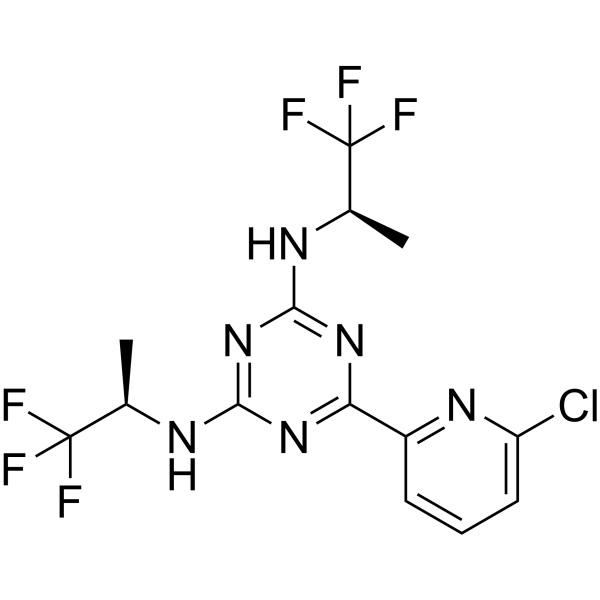
Vorasidenib (AG-881) is an orally available, brain penetrant second-generation dual mutant isocitrate dehydrogenases 1 and 2 (mIDH1/2) inhibitor. Vorasidenib (AG-881) exhibits nanomolar inhibition of (D)-2-hydroxyglutarate (D-2-HG), and the IC50 ranges of 0.04~22 nM against IDH1 R132C, IDH1 R132G, IDH1 R132H and IDH1 R132S and 7~14 nM against IDH2 R140Q and 130 nM against IDH2 R172K. Vorasidenib can be used for the study of grade 2 astrocytoma or oligodendroglioma with a susceptible IDH1/2 mutation .
|
-
-
- HY-12299
-
|
Dual LCK/SRC inhibitor
|
Src
|
Cancer
|
|
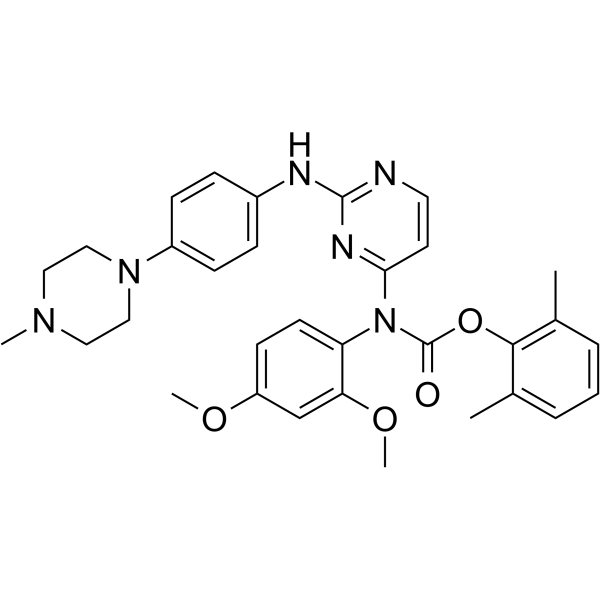
WH-4-023 is a potent and selective dual Lck/Src inhibitor with IC50 of 2 nM/6 nM for Lck and Src kinase respectively; little inhibition on p38α and KDR.
|
-
-
- HY-103160A
-
|
|
Adenosine Deaminase
Phosphodiesterase (PDE)
Influenza Virus
|
Infection
Cardiovascular Disease
Neurological Disease
Cancer
|
|
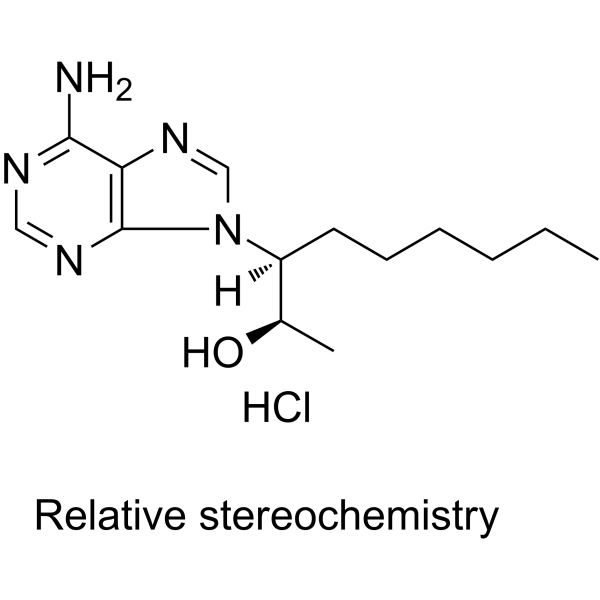
EHNA hydrochloride is a potent and selective dual inhibitor of cyclic nucleotide phosphodiesterase 2 (PDE2)(IC50=4 μM) and adenosine deaminase (ADA). EHNA hydrochloride exerts a concentration inhibition of the cGMP-stimulated PDE II (cGs-PDE)(IC50:0.8 μM (human), 2 μM (porcine myocardium)), but has smaller inhibitory effect on the unstimulated PDE2 activity. EHNA hydrochloride play roles in mediating diverse pharmacological responses, including antiviral, antitumour and antiarrhythmic effects .
|
-
-
- HY-50878A
-
|
PF-02341066 hydrochloride
|
Anaplastic lymphoma kinase (ALK)
c-Met/HGFR
ROS Kinase
Autophagy
|
Cancer
|
|
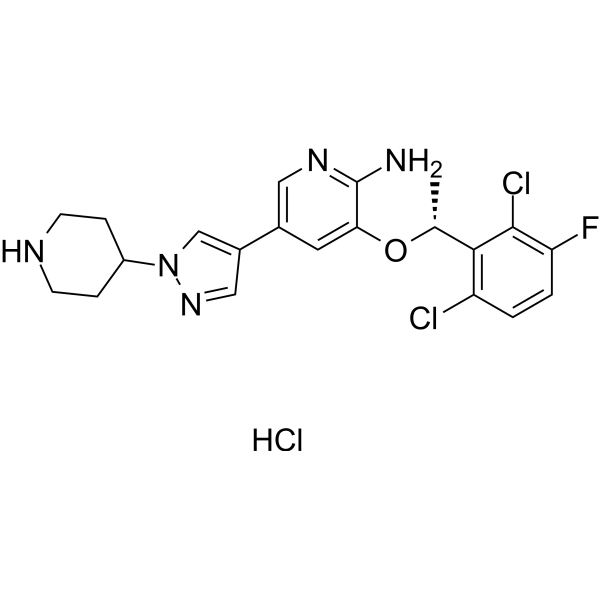
Crizotinib hydrochloride (PF-02341066 hydrochloride) is an orally bioavailable, selective, and ATP-competitive dual ALK and c-Met inhibitor with IC50s of 20 and 8 nM, respectively. Crizotinib hydrochloride (PF-02341066 hydrochloride) inhibits tyrosine phosphorylation of NPM-ALK and tyrosine phosphorylation of c-Met with IC50s of 24 and 11 nM in cell-based assays, respectively. It is also a ROS proto-oncogene 1 (ROS1) inhibitor. Crizotinib hydrochloride (PF-02341066 hydrochloride) has effective tumor growth inhibition .
|
-
-
- HY-144315
-
|
Snail/HDAC-IN-1
|
HDAC
|
Cancer
|
|
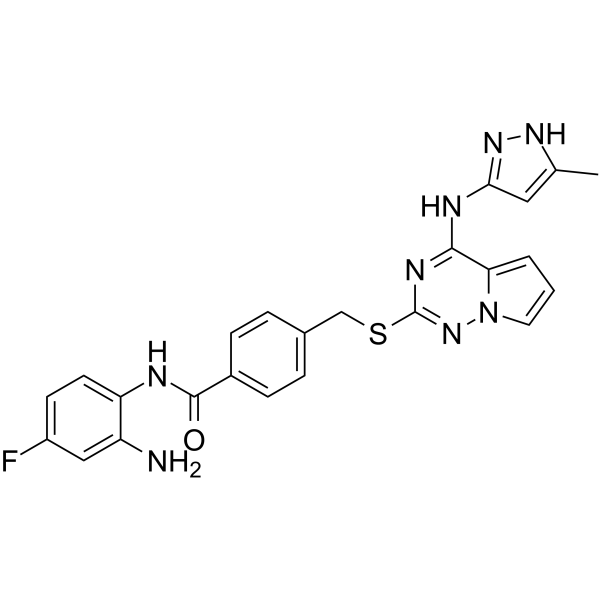
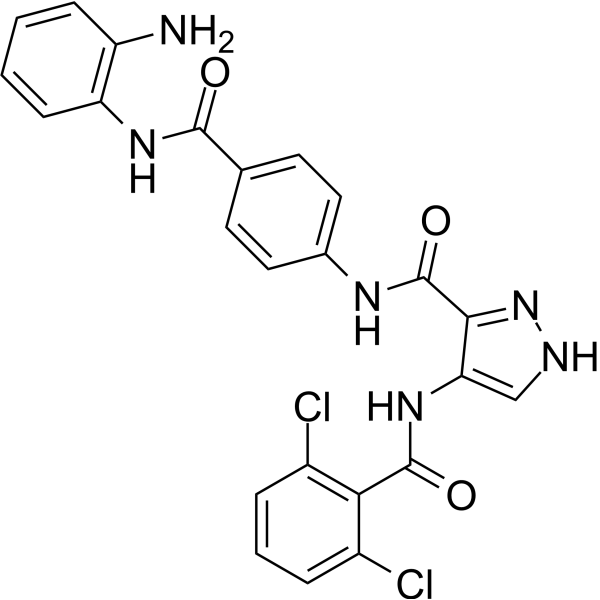
CYD19 is a potent Snail/HDAC dual target inhibitor. CYD19 displays potent inhibitory activity against HDAC1 with an IC50 of 0.405 μM and potent inhibition against Snail with a Kd of 0.18 μM. CYD19 increases histone H4 acetylation in HCT-116 cells and decreases the expression of Snail protein to induce cell apoptosis .
|
-
-
- HY-108347
-
|
|
P-glycoprotein
BCRP
|
Metabolic Disease
|
|
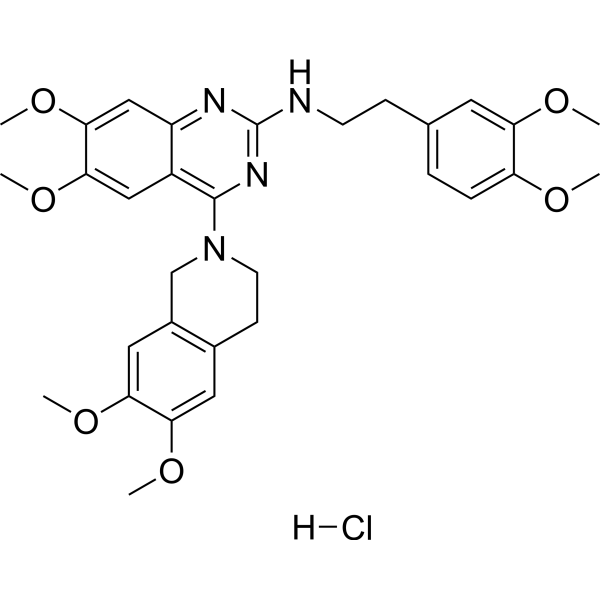
CP-100356 hydrochloride is an orally active dual MDR1 (P-gp)/BCRP inhibitor, with an IC50s of 0.5 and 1.5 µM for inhibiting MDR1-mediated Calcein-AM transport and BCRP-mediated Prazosin transport, respectively. CP-100356 hydrochloride is also a weak inhibitor of OATP1B1 (IC50=∼66 µM). CP-100356 hydrochloride is devoid of inhibition against MRP2 and major human P450 enzymes (IC50>15 µM) .
|
-
-
- HY-N6712
-
|
Acetopyrrothin
|
Antibiotic
Bacterial
Deubiquitinase
NOD-like Receptor (NLR)
DNA/RNA Synthesis
Pyroptosis
HMG-CoA Reductase (HMGCR)
|
Infection
Cardiovascular Disease
Cancer
|
|
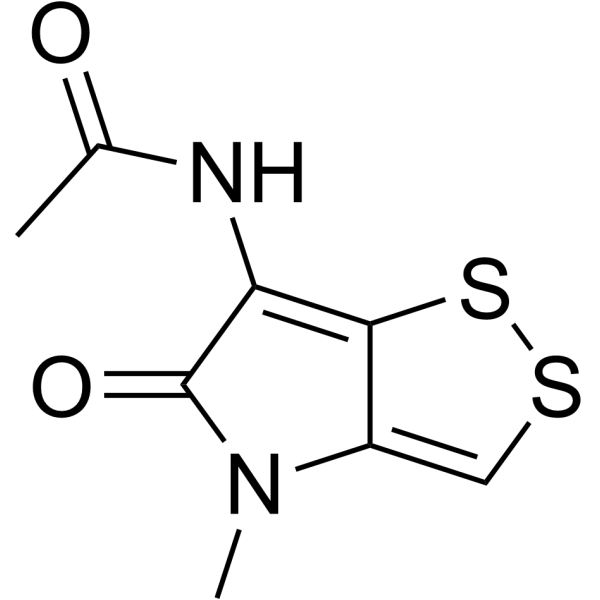
Thiolutin (Acetopyrrothin) is a sulfur-containing antibiotic, which is a potent inhibitor of bacterial and yeast RNA polymerases. Thiolutin can be produced by Streptomyces. Thiolutin inhibits AMSH (IC50 = 4 μM) and Rpn11 (IC50 = 0.53 μM). Thiolutin is a dual inhibitor of BRCC36 and the NLRP3 inflammasome, exhibiting anti-inflammatory effects. Thiolutin effectively suppresses the interaction between BRCC36 and HMGCR, leading to the inhibition of HCC growth. Thiolutin attenuates pyroptosis and NLRP3 inflammasome activation. Thiolutin markedly alleviates renal injury and inflammatory process in IgAN. Thiolutin is an anti-angiogenic compound which can ease Doxorubicin-induced cardiotoxicity (DOXIC) [1][2][3][4][5].
|
-
-
- HY-B2004
-
|
|
Environmental Pollutants
Fungal
Mitochondrial Metabolism
|
Infection
|
|
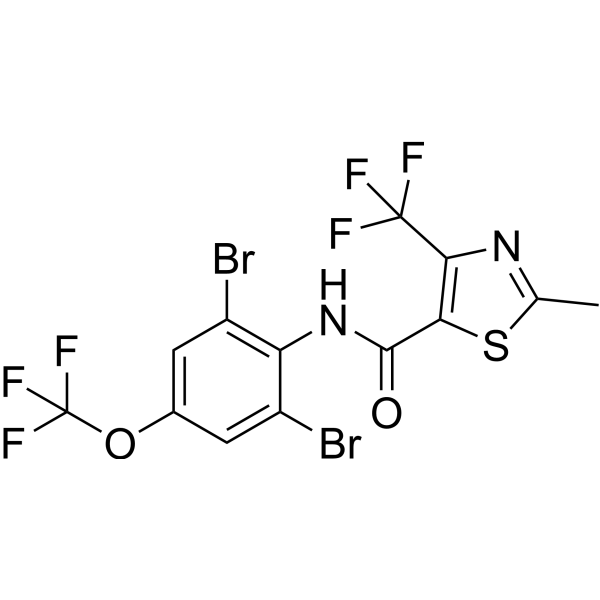
Thifluzamide is a fungicide that inhibits fungal respiration by blocking the ubiquinone-binding site in mitochondrial complex II. Thifluzamide exhibits significant activity against Basidiomycota pathogens (such as Rhizoctonia cerealis, Ustilago and Puccinia genera) and is commonly used in studies on wheat sharp eyespot. Thifluzamide displays a dual mechanism in regulating lipid metabolism: it reduces fatty acid synthase activity to inhibit endogenous fatty acid synthesis, and increases carnitine palmitoyltransferase-I activity to accelerate fatty acid β-oxidation, thereby reducing total cholesterol and triglyceride levels in the liver. Thifluzamide also induces hepatotoxicity in zebrafish models and carries a risk of developmental toxicity. Thifluzamide inhibition of Rhizoctonia cerealis may result in low to moderate levels of drug resistance, leading to the generation of stable drug-resistant mutants .
|
-
-
- HY-172429
-
|
ORIC-114
|
EGFR
|
Neurological Disease
Cancer
|
|
Enozertinib (ORIC-114) is an orally active, CNS-penetrant, highly selective and irreversible dual EGFR/HER2 inhibitor that exhibits potent and targeted inhibition of exon 20 insertion mutations. Enozertinib exhibits high kinome selectivity for the EGFR family of receptors to reduce off-target kinase liabilities. Enozertinib induces tumor regression and demonstrates antitumor activity in central nervous system and non-small cell lung cancer (NSCLC) tumor models. Enozertinib can be used for the research of solid tumors and NSCLC .
|
-
-
- HY-U00177
-
GDP366
2 Publications Verification
|
Survivin
|
Cancer
|
|
GDP366, a dual inhibitor of survivin and Op18, induces cell growth inhibition, cellular senescence and mitotic catastrophe in human cancer cells.
|
-
-
- HY-15838
-
ID-8
5 Publications Verification
|
DYRK
|
Cancer
|
|
ID-8 is an inhibitor of dual-specificity tyrosine phosphorylation-regulated kinase (DYRK). ID-8 sustains embryonic stem cell (ESC) self-renewal and pluripotency. ID-8 enhances Wnt-mediated hESC survival and proliferation via inhibition of DYRKs .
|
-
-
- HY-123538
-
|
|
Dopamine Receptor
G Protein-coupled Receptor Kinase (GRK)
|
Cardiovascular Disease
|
|
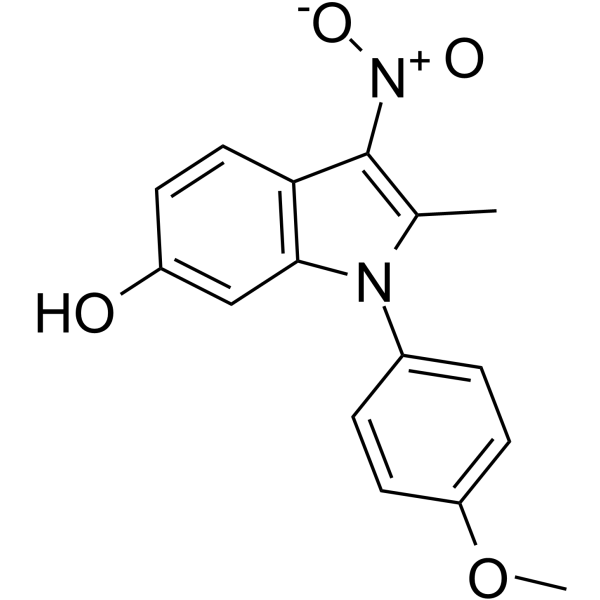
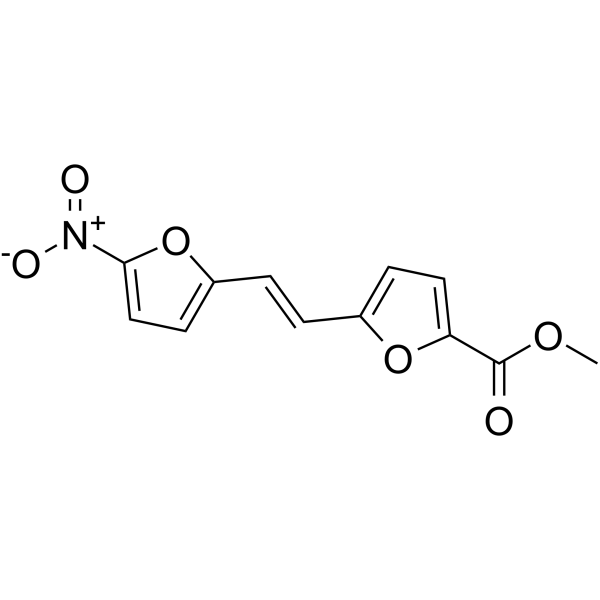
GRK2 Inhibitor 1 (methyl 5-[2-(5-nitro-2-furyl)vinyl]-2-furoate) is a dual GRK2/β-ARK1 inhibitor that induces dopamine (DA) inhibition reversal (DIR). GRK2 Inhibitor 1 can also block serotonin-induced or neurotensin-induced DIR reversal. Note: DIR refers to the phenomenon in which neurons in addiction-related brain pathways become less sensitive to DA inhibition when exposed to moderate concentrations of DA for a long time .
|
-
-
- HY-175479
-
|
|
Salt-inducible Kinase (SIK)
TNF Receptor
Interleukin Related
|
Inflammation/Immunology
|
|
GLPG4970 is a potent, selective and orally active salt-inducible kinase 2/3 (SIK2/SIK3) dual inhibitor with IC50 values of 0.3 nM and 0.7 nM. GLPG4970 has weak inhibition of hERG channel with an IC50 of 29 μM. GLPG4970 can decrease TNFα release and increase IL-10 release GLPG4970 can be used for the researches of inflammation and immunology, such as colitis .
|
-
-
- HY-172429A
-
|
ORIC-114 hemihydrate
|
EGFR
|
Neurological Disease
Cancer
|
|
Enozertinib (ORIC-114) hemihydrate is an orally active, CNS-penetrant, highly selective and irreversible dual EGFR/HER2 inhibitor that exhibits potent and targeted inhibition of exon 20 insertion mutations. Enozertinib hemihydrate exhibits high kinome selectivity for the EGFR family of receptors to reduce off-target kinase liabilities. Enozertinib hemihydrate induces tumor regression and demonstrates antitumor activity in central nervous system and non-small cell lung cancer (NSCLC) tumor models. Enozertinib hemihydrate can be used for the research of solid tumors and NSCLC .
|
-
-
- HY-112293
-
|
|
EGFR
|
Cancer
|
|
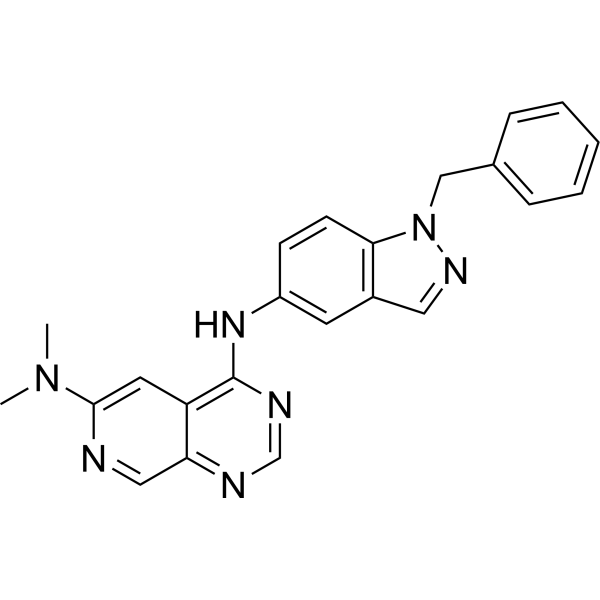
GW2974 is a potent dual inhibitor of EGFR and HER2 with IC50 value of 0.007 μM and 0.016 μM, respectively. GW2974 demonstrates in vitro inhibition of the EGFR and HER2 and inhibits the growth of tumor cell. GW2974 can be used for glioblastoma multiforme (GBM) disease research .
|
-
-
- HY-178360
-
|
|
PROTACs
Histone Acetyltransferase
HIF/HIF Prolyl-Hydroxylase
PD-1/PD-L1
PTEN
|
Metabolic Disease
Inflammation/Immunology
Cancer
|
|
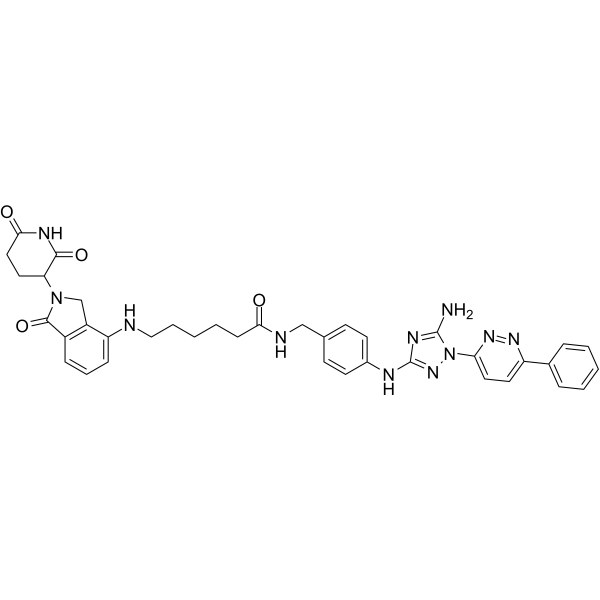
NP1192 is a potent, selective PROTAC NAT10 degrader that depletes NAT10 protein and inhibits ac4C modification in cancer cells. NP1192 demonstrates dual inhibition of hypoxia-driven glycolysis and immunosuppression via NAT10/HIF-1α/PD-L1 axis disruption, achieving superior antitumor efficacy and synergizing with anti-PD-L1 both in vitro and in vivo. NP1192 can be used for ovarian, cervical, and glioblastoma cancer research. (Blue: CRBN ligand (HY-148834); Black: linker; Pink: NAT10 ligand (HY-16706)) .
|
-
-
- HY-174366
-
|
|
c-Fms
PI3K
|
Cancer
|
|
JMC14 is a selective and orally active PI3Kδ and CSF1R inhibitor with IC50 values of 12 nM and 143 nM, respectively. JMC14 preferentially inhibits PI3Kδ-mediated signaling at the cellular level. JMC14 demonstrates potent antitumor activity against B-cell lymphomas and triple-negative breast cancer (TNBC) in both in vitro and vivo studies. JMC14 can be used for the study of antitumor immunity .
|
-
-
- HY-19876
-
|
Debio-0827
|
Opioid Receptor
Aminopeptidase
Neprilysin
|
Neurological Disease
Metabolic Disease
|
|
PL37 (Debio-0827) is an orally active Enkephalinase dual inhibitor (dual inhibition refers to the simultaneous inhibition of Neutral Endopeptidase and Aminopeptidase N activities). PL37 exerts its anti-hyperalgesic effects by activating μ-opioid receptors (µ-opioid receptors), with an ED50 value of 13.4 mg/kg for analgesic effects in mice. PL37 can be used to study diabetic neuropathic pain .
|
-
-
- HY-149819
-
|
|
HDAC
CDK
|
Cancer
|
CDK/HDAC-IN-3 is an orally active HDACs/CDKs dual inhibitor. CDK/HDAC-IN-3 has potent and selective inhibition of CDK9, CDK12, CDK13, HDAC1, HDAC2 and HDAC3 with IC50 values of 98.32 nM, 98.85 nM, 100 nM, 62.12 nM, 93.28nM and 82.87 nM. CDK/HDAC-IN-3 can be used for the acute myeloid leukemia (AML) .
|
-
-
- HY-156523
-
|
|
MAP4K
|
Cancer
|
|
TNIK&MAP4K4-IN-1 (compound A-39) is a dual inhibitor of TNIK and MAP4K4/HGK with IC50s of 1.29 nM and <10 nM,respectively,in human hepaticstellate cell LX-2. TNIK&MAP4K4-IN-1 can be used for cancer and fibrosis inhibition .
|
-
-
- HY-155066
-
|
|
PI3K
mTOR
Apoptosis
|
Cancer
|
|
FD274 is a highly potent PI3K/mTOR dual inhibitor with IC50s of 0.65 nM, 1.57 nM, 0.65 nM, 0.42 nM, and 2.03 nM against PI3Kα/β/γ/δ and mTOR, respectively. FD274 exhibits significant anti-proliferation of AML cell lines (HL-60 and MOLM-16). FD274 arrests HL-60 cell cycle at G1 phase and increases apoptosis. FD274 demonstrates dose-dependent inhibition of tumor growth in the HL-60 xenograft model. FD274 has the potential for acute myeloid leukemia research .
|
-
-
- HY-129496
-
|
|
Thrombin
|
Cardiovascular Disease
|
|
NP-313 is a potent antithrombotic agent that inhibits platelet aggregation and activation. NP-313 has dual inhibition of thromboxane A 2 synthesis and selective inhibition of SOCC-mediated Ca 2+ inward flow .
|
-
-
- HY-179496
-
|
|
GSK-3
Cholinesterase (ChE)
Amyloid-β
|
Neurological Disease
|
|
ChE/GSK-3β-IN-1 (compound 18o) is a potent dual ChE/GSK-3β inhibitor. ChE/GSK-3β-IN-1 exhibits dual inhibition of AChE (IC50 = 1.7 μM), butyrylcholinesterase (BChE) (IC50 = 5.3 μM), and GSK-3β (IC50 = 5.7 μM). ChE/GSK-3β-IN-1 inhibits Aβ1-42 self-aggregation. ChE/GSK-3β-IN-1 can be used for Alzheimer’s disease (AD) research .
|
-
-
- HY-176561
-
|
|
Casein Kinase
HDAC
|
Cancer
|
|
IOR-160 is a dual inhibitor of casein kinase 2 (CK2) and HDACs. IOR-160 exhibits high selectivity for CK2 (IC50 = 1.7 nM) and broad inhibitory activity against HDAC (HDAC 1, 2, 3, and 6 with IC50s of 3.3 nM, 24.0 nM, 3.9 nM, and 13.0 nM, respectively, with low activity for HDAC8). IOR-160 modulates key cellular signaling pathways by inhibiting AKT phosphorylation and increasing acetylated α-tubulin. IOR-160 inhibits tumor growth and reduces tumor burden through dual CK2/HDAC inhibition. IOR-160 is indicated for use in triple-negative breast cancer research .
|
-
-
- HY-135447
-
|
|
Prostaglandin Receptor
|
Others
|
|
BM-531 is a dual-acting agent for thromboxane receptor (TXA2) antagonism and thromboxane synthase inhibition. BM-531 exerts anti-aggregatory effects on human citrated platelet-rich plasma (PRP), inhibiting Arachidonic acid (HY-109590A)-induced aggregation with an ED100 of 0.125 μM and U-46619 (HY-108566)-induced aggregation with an ED50 of 0.482 μM. BM-531 inhibits high-K +-induced contraction of porcine uterine smooth muscle .
|
-
-
- HY-120826
-
|
|
Monoamine Oxidase
Adenosine Receptor
|
Neurological Disease
|
|
A2AAR/hMAO-B-IN-1 (compoudn 17) is a non-xanthine dual-target inhibitor targeting the A2A adenosine receptor (A2AAR) (IC50: 34.9 nM) andMAO-B (Ki: 39.5 nM, human). A2AAR/hMAO-B-IN-1 inhibits A2AAR-induced cAMP accumulation and exhibits competitive, reversible inhibition of MAO-B. A2AAR/hMAO-B-IN-1 can be used in the study of neurodegenerative diseases such as Parkinson's disease (PD) .
|
-
-
- HY-157290
-
|
|
Epigenetic Reader Domain
Src
|
Cancer
|
|
HL403 is a potent and dual BRD4/Src inhibitor. HL403 has IC50 values of 133 nM for BRD4 inhibition and 4.5 nM for Src inhibition. HL403 shows anti-cancer activity .
|
-
-
- HY-117761
-
|
|
PPAR
|
Metabolic Disease
Cancer
|
|
MHY908 is a potent dual agonist of PPARα and PPARγ . MHY908 also inhibits melanogenesis through inhibition of mushroom tyrosinase activity .
|
-
-
- HY-161515
-
|
|
NAMPT
Epigenetic Reader Domain
|
Cancer
|
|
BRD4/NAMPT-IN-1 (Compound A2) shows strong inhibitory effects on NAMPT and BRD4 (IC50=35 nM (NAMPT) and 58 nM (BRD4)). BRD4/NAMPT-IN-1 inhibits the growth and migration of hepatocellular carcinoma cells and promotes apoptosis. BRD4/NAMPT-IN-1 also shows potent anticancer effects in HCCLM3 xenograft mouse model, with no obvious toxic effects .
|
-
-
- HY-141864
-
|
|
Itk
|
Inflammation/Immunology
|
|
ITK/TRKA-IN-1 is a dual inhibitor of IL-2-inducible T-cell kinase (ITK) and tropomyosin receptor kinase A (TRKA) with an IC50 value of 1.0 nM and 96 % inhibition, respectively.
|
-
-
- HY-177081
-
|
|
MEK
|
Cancer
|
|
Envometinib (Compound B) is a dual-MEK inhibitor that works through Deep Cyclic Inhibition (DCI). Envometinib has antitumor activity in various in vivo models. Envometinib can be studied in RAS and RAF mutated cancer such as colorectal cancer and melanoma .
|
-
-
- HY-120126
-
|
CID71710938; JJH-254
|
Phospholipase
|
Metabolic Disease
|
|
ML378 (CID71710938) is a dual LYPLA1 and LYPLA2 inhibitor, with IC50s of 122 nM and 245 nM respectively. ML378 also shows potent inhibition of ABHD6 (IC50 = 3.15 nM). ML378 can be used for elucidating the patho/physiological roles of the LYPLA1 and LYPLA2 .
|
-
-
- HY-158763
-
|
TG0205221
|
SARS-CoV
Cathepsin
Virus Protease
|
Infection
|
|
MPI8 (TG0205221) is an inhibitor of the major protease of SARS-CoV-2 (MPro) with high antiviral activity. MPI8 exerts its antiviral effect by dual and selective inhibition of SARS-CoV-2 MPro and host cell cysteine protease L (cathepsin L). MPI8 can be used in clinical studies of COVID-19 .
|
-
-
- HY-158763A
-
|
TG0205221 TFA
|
SARS-CoV
Cathepsin
Virus Protease
|
Infection
|
|
MPI8 (TG0205221) TFA is an inhibitor of the major protease of SARS-CoV-2 (MPro) with high antiviral activity. MPI8 TFA exerts its antiviral effect by dual and selective inhibition of SARS-CoV-2 MPro and host cell cysteine protease L (cathepsin L). MPI8 TFA can be used in clinical studies of COVID-19 .
|
-
-
- HY-103160B
-
|
|
Adenosine Deaminase
Phosphodiesterase (PDE)
Influenza Virus
|
Infection
Cardiovascular Disease
Neurological Disease
Cancer
|
|
EHNA is a potent and selective dual inhibitor of cyclic nucleotide phosphodiesterase 2 (PDE2)(IC50=4 μM) and adenosine deaminase (ADA). EHNA exerts a concentration inhibition of the cGMP-stimulated PDE II (cGs-PDE)(IC50:0.8 μM (human), 2 μM (porcine myocardium)), but has smaller inhibitory effect on the unstimulated PDE2 activity. EHNA play roles in mediating diverse pharmacological responses, including antiviral, antitumour and antiarrhythmic effects .
|
-
-
- HY-108347A
-
|
|
P-glycoprotein
BCRP
|
Metabolic Disease
|
|
CP-100356 is an orally active dual MDR1 (P-gp)/BCRP inhibitor, with an IC50s of 0.5 and 1.5 µM for inhibiting MDR1-mediated Calcein-AM transport and BCRP-mediated Prazosin transport, respectively. CP-100356 is also a weak inhibitor of OATP1B1 (IC50 = ∼66 µM). CP-100356 is devoid of inhibition against MRP2 and major human P450 enzymes (IC50 > 15 µM) .
|
-
-
- HY-P11004
-
|
|
Bacterial
Antibiotic
|
Infection
|
|
A3-APO is an antimicrobial peptide. A3-APO has a significant antimicrobial activity by a dual mode of action with both membrane disintegration and intracellular target inhibition. A3-APO can deactivate bacterial toxins and increase the expression of anti-inflammatory cytokines (such as IL-4 and IL-10), without antimicrobial resistance. A3-APO accelerates burn wounds healing in mice infection model of Acinetobacter baumannii and Staphylococcus aureus .
|
-
-
- HY-165478
-
|
|
5 alpha Reductase
|
Endocrinology
|
FCE 28260 is an orally active 4-azacyclic 5α-reductase (5αR) inhibitor. FCE 28260 exhibits IC₅₀ values for human 5αR type 1 and 5αR type 2 of 36 and 3.3 nM, respectively, and for human and rat prostates with IC₅₀ values of 16 and 15 nM, respectively. FCE 28260 simultaneously blocks the production of dihydrotestosterone (DHT) in the prostate and peripheral tissues. FCE 28260 can significantly inhibit the induction of prostatic and seminal vesicle hyperplasia by testosterone (T) in rat models, without inhibiting the growth of the prostate in DHT implantation models. FCE 28260 can be used for the studies DHT-dependent diseases such as benign prostatic hyperplasia (BPH) .
|
-
-
- HY-50878AS
-
|
PF-02341066-d9 hydrochloride
|
c-Met/HGFR
Autophagy
Anaplastic lymphoma kinase (ALK)
ROS Kinase
Isotope-Labeled Compounds
|
Cancer
|
|
Crizotinib-d9 hydrochloride is deuterated labeled Crizotinib hydrochloride (HY-50878A). Crizotinib hydrochloride (PF-02341066 hydrochloride) is an orally bioavailable, selective, and ATP-competitive dual ALK and c-Met inhibitor with IC50s of 20 and 8 nM, respectively. Crizotinib hydrochloride (PF-02341066 hydrochloride) inhibits tyrosine phosphorylation of NPM-ALK and tyrosine phosphorylation of c-Met with IC50s of 24 and 11 nM in cell-based assays, respectively. It is also a ROS proto-oncogene 1 (ROS1) inhibitor. Crizotinib hydrochloride (PF-02341066 hydrochloride) has effective tumor growth inhibition .
|
-
-
- HY-178441
-
|
|
Pyruvate Kinase
Reactive Oxygen Species (ROS)
Apoptosis
Microtubule/Tubulin
|
Metabolic Disease
Cancer
|
|
PKM2-IN-11 is a PKM2 inhibitor (IC50 = 0.363 μM). PKM2-IN-11 has dual mechanisms involving pyruvate kinase M2 (PKM2) inhibition and microtubule stabilization. PKM2-IN-11 can decrease PKM2 protein levels in MCF-7 cells. PKM2-IN-11 can slightly reduce reactive oxygen species (ROS) levels and significantly increase early apoptotic cells. PKM2-IN-11 induces G2/M phase arrest. PKM2-IN-11 can be used for the study of breast cancer .
|
-
-
- HY-169001
-
|
|
5-HT Receptor
|
Neurological Disease
|
|
5-HT2A/5-HT2C inverse agonist 1 is a potent and dual 5-HT2A and 5-HT2C receptor inverse agonist with a hERG inhibitions, thus avoiding cardiovascular risks. 5-HT2A/5-HT2C inverse agonist 1 shows significant antipsychotic efficacy in the MK-801 (HY-15084B)-induced mouse model. 5-HT2A/5-HT2C inverse agonist 1 is promising for research of psychosis .
|
-
-
- HY-179560
-
|
|
Polo-like Kinase (PLK)
MDM-2/p53
|
Cancer
|
|
PMV6-PEG4-BI2536 is a p53-Y220C-PLK1 dual-functional compound, composed of a high-affinity p53-Y220C mutant binder (Kd ≈ 2.5 nM) and a potent PLK1 kinase inhibitor (IC50 = 0.83 nM). PMV6-PEG4-BI2536 triggers TP53 Y220C cell G2/M arrest and apoptosis through PLK1 mislocalization and kinase inhibition, independent of p53 transcriptional reactivation. PMV6-PEG4-BI2536 can be used for the study of TP53 mutant cancers .
|
-
-
- HY-165587
-
|
|
Prostaglandin Receptor
|
Cardiovascular Disease
|
|
BM-573 is an orally active dual thromboxane A₂ (TXA₂) modulator with an IC50 of 1.3 nM. BM-573 possesses both thromboxane synthase (TxAS) inhibition and thromboxane receptor (TP) antagonistic effects. BM-573 can completely inhibit platelet aggregation induced by Arachidonic acid (HY-109590) or U-46619 (TXA₂ analogues). BM-573 completely blocks the generation of TXB₂ (the stable metabolite of TXA₂) in human platelets and does not inhibit cyclooxygenase (COX-1/COX-2), thus avoiding interference with other prostaglandin synthesis. BM-573 has an inhibitory effect on U-46619-induced contractions in rat gastric fundus smooth muscle (ED₅₀ = 4.2 μM), but has no effect on contractions caused by PGE₂, PGF₂α, or PGI₂. BM-573 can be used in the study of atherosclerosis, myocardial infarction, pulmonary hypertension and shock .
|
-
-
- HY-163755
-
-
-
- HY-141543
-
|
|
β-catenin
|
Cancer
|
|
YW2065 is an Axin-1 stabilizer. Axin-1 is a scaffolding protein that regulates proteasome degradation of β-catenin. YW2065 exhibits anti-colorectal cancer effects via dual activities of wnt/β-catenin signaling inhibition and AMPK activation .
|
-
-
- HY-162228
-
|
|
COX
Phospholipase
|
Inflammation/Immunology
|
|
VI-60 is a dual, orally active inhibitor of cPLA2 and COX-2, which reveals an anti-inflammtory efficacy through the inhibition of p38 MAPK/cPLA2/COX-2/PGE2 pathway .
|
-
-
- HY-160682
-
|
|
EGFR
|
Others
|
|
EGFR/HER2-IN-12 (compound 14b) is a dual inhibitor of EGFR and HER2 with 81% and 51% inhibition at 10 μM. The toxicity of EGFR/HER2-IN-12 to cancer cells A431 and MDA-MB-361 was not significant .
|
-
-
- HY-106720
-
|
YM 09538
|
Adrenergic Receptor
|
Cardiovascular Disease
|
|
Amosulalol (YM 09538) is an orally active and dual inhibitor of α1/β1-Adrenergic Receptor. Amosulalol exhibits antihypertensive activity via α1-Adrenergic Receptor inhibition. Amosulalol decreases reflexogenic increases in heart rate and plasma renin activity (PRA) via β1-Adrenergic Receptor inhibition in spontaneously hypertensive rats (SHR) .
|
-
-
- HY-106720A
-
|
YM 09538 hydrochloride
|
Adrenergic Receptor
|
Cardiovascular Disease
|
|
Amosulalol (YM 09538) hydrochloride is an orally active and dual inhibitor of α1/β1-Adrenergic Receptor. Amosulalol hydrochloride exhibits antihypertensive activity via α1-Adrenergic Receptor inhibition. Amosulalol hydrochloride decreases reflexogenic increases in heart rate and plasma renin activity (PRA) via β1-Adrenergic Receptor inhibition in spontaneously hypertensive rats (SHR) .
|
-
-
- HY-121736
-
|
AGI-026
|
Isocitrate Dehydrogenase (IDH)
|
Neurological Disease
|
|
AGI-12026 is brain-penetrant dual inhibitor of mutant IDH1 and 2. AGI-12026 shows partial inhibition of the IDH1-R132H homodimer as allosteric modulators. AGI-12026 has the potential for research of glioma .
|
-
- HY-146806
-
|
|
MDM-2/p53
|
Cancer
|
|
YL93 is a dual inhibitors of MDM2/4 with Ki values of 0.64 μM and 1.1 nM for MDM4 and MDM2, respectively. YL93 induces cell-cycle arrest and apoptosis. YL93 shows p53-dependent cell growth inhibition .
|
-
- HY-157087
-
|
|
Cholinesterase (ChE)
Monoamine Oxidase
|
Neurological Disease
|
|
AChE/MAO-B-IN-4 (compound 4a) is a selective dual AChE and MAO-B inhibitor. AChE/MAO-B-IN-4 shows no significant inhibition activity against BChE and h-MAO-A. AChE/MAO-B-IN-4 can be used for the Alzheimer’s disease (AD) research .
|
-
- HY-163352
-
|
|
Insecticide
|
Infection
|
|
Chitinase-IN-6 (Compound 4h) is a potent dual-Chitinase inhibitor, with Ki values of 1.82 and 2.00 μM against OfChtI and OfChi-h, respectively. Chitinase-IN-6 exhibits certain growth inhibition effects against Ostrinia furnacalis. Chitinase-IN-6 is a potential novel insecticide candidate friendly to nontarget organisms .
|
-
- HY-163272
-
|
|
Glutathione Peroxidase
CDK
|
Cancer
|
|
GPX4/CDK-IN-1 (Compound B9) is a dual inhibitor of GPX4 and CDK, with IC50 values of 542.5 nM, 191.2 nM and 68.1 nM for GPX4, CDK4 and CDK6, reapectively. GPX4/CDK-IN-1 shows strong cancer cell growth inhibition in vivo .
|
-
- HY-170812
-
|
|
Aurora Kinase
|
Cancer
|
|
BET/Aurora kinase-IN-1 (Compound 38) is a dual BET/Aurora kinase inhibitor. BET/Aurora kinase-IN-1 shows antiproliferative activities on diverse cancer cell lines and favorable antitumor efficacy in renal cell cancer and colon cancer xenograft models with tumor growth inhibition (TGI) of 45.99% and 53.06%, respectively .
|
-
- HY-160481
-
|
|
Tau Protein
MicroRNA
|
Neurological Disease
|
|
MG-1102 is first-in-class dual binder of monomeric tau and pre-miRNA-146a. MG-1102 shows specific inhibition of miRNA146a with IC50s of 0.21 mM and 0.36 mM specific inhibition of doublelabeled pre-miRNA146a and mono-labeled pre-miRNA146a, respectively. MG-1102 interacts with tau monomers with a Kd of 3.21 mM by surface plasmon resonance (SPR). MG-1102 is a potential multi-target-directed ligands (MTDLs) for Alzheimer’s disease (AD) .
|
-
- HY-145406
-
|
|
Adenosine Receptor
HDAC
|
Inflammation/Immunology
Cancer
|
|
IHCH-3064 is a dual-acting compounds targeting Adenosine A2A Receptor and HDAC. IHCH-3064 exhibits potent binding to A2AR (Ki=2.2 nM) and selective inhibition of HDAC1 (IC50=80.2 nM), with good antiproliferative activity against tumor cell lines in vitro. IHCH-3064 is a tumor immunotherapeutic agent.
|
-
- HY-162940
-
|
|
TAM Receptor
|
Inflammation/Immunology
Cancer
|
|
MerTK/Axl-IN-1 (Compound A-910) is a potent and selective dual MerTK/Axl inhibitor, with IC50s of 4.2 and 8.8 nM in Ba/F3, and 0.2 and 0.9 nM in HTRF. MerTK/Axl-IN-1 results in pMerTK inhibition in vivo. MerTK/Axl-IN-1 has long half-life, high oral exposure and bioavailability .
|
-
- HY-138215
-
|
|
ERK
|
Cancer
|
|
ADTL-EI1712 is a potent, orally active, and selective dual-target inhibitor of ERK1 and ERK5, inhibition rates of ERK1/5 at 1 μM are 93.54% and 89.35%, respectively. ADTL-EI1712 can induce regulated cell death, a form of cell death that relies on the activation of genetically encoded machinery, to overcome compensatory mechanism in specific cancer cells in vitro and in vivo .
|
-
- HY-144825
-
|
|
Apoptosis
Reactive Oxygen Species (ROS)
|
Cancer
|
|
Chol-CTPP is a ligand with dual targeting effect on blood-brain barrier (BBB) and glioma cells. Lip-CTPP can be gained by Chol-CTPP and another mitochondria targeting ligand (Chol-TPP). Lip-CTPP is a promising potential carrier to exert the anti-glioma effect of doxorubicin (DOX) and lonidamine (LND) collaboratively. Lip-CTPP elevates the inhibition rate of tumor cell proliferation, migration and invasion, promote apoptosis and necrosis, and interfere with mitochondrial function .
|
-
- HY-143402
-
|
|
Topoisomerase
|
Cancer
|
|
Topoisomerase I/II inhibitor 2 (compound 1a) is a potent Topoisomerase inhibitor (IC50= 9.82 μM on Huh7 cells and 6.83 μM on LM9 cells). Topoisomerase I/II inhibitor 2 has dual inhibition on DNA topoisomerase I/II, also can obviously reduce the growth of xenograft tumor in mice model. Topoisomerase I/II inhibitor 2 has the potential value in researching liver cancer .
|
-
- HY-162578
-
|
|
PPAR
|
Metabolic Disease
|
|
PPARα/γ agonist 4 (Compound (S)-7) is an orally active dual potent agonist of PPARα and PPARγ, with EC50 values of 0.061 μM and 1.42 μM respectively. PPARα/γ agonist 4 acts through an insulin-independent mechanism and exhibits mitochondrial pyruvate carrier inhibition and anti-diabetic properties. PPARα/γ agonist 4 is expected to be used in research for dyslipidemic type 2 diabetes .
|
-
- HY-170940
-
|
|
DYRK
Enterovirus
|
Infection
|
|
Dyrk1A-IN-12 (compound S43) is a Dyrk (Dual specificity tyrosine phosphorylation regulated kinase 1A inhibitor. Dyrk1A-IN-12 inhibits Dyrk1A with a IC50 of 95 nM. Dyrk1A-IN-12 shows anti-EV-A71 activity with an EC50 of 4.4 μM, CC50 of 12.8 μM and SI of 2.9. Dyrk1A-IN-12 shows potent inhibition against herpes simplex virus (HSV) .
|
-
- HY-158138
-
|
|
PARP
Topoisomerase
Apoptosis
|
Cancer
|
|
TOPOI/PARP-1-IN-1 (Compound B6) is an orally active, low cytotoxic TOPOI/PARP dual inhibitor with an IC50 value of 0.09 μM for PARP1. TOPOI/PARP-1-IN-1 can effectively inhibit the proliferation and migration of cancer cells. TOPOI/PARP-1-IN-1 also causes cell cycle arrest in the G0/G1 phase and induces apoptosis. The tumor growth inhibition rate (TGI) of TOPOI/PARP-1-IN-1 in mice is 75.4% .
|
-
- HY-159966
-
|
|
Topoisomerase
HDAC
Reactive Oxygen Species (ROS)
Apoptosis
|
Cancer
|
|
Top/HDAC-IN-3 (Compound 31) is an orally active dual inhibitor of Topoisomerase and HDAC. Top/HDAC-IN-3 increases reactive oxygen species (ROS) levels, leading to DNA damage, thereby inhibiting cancer cell colony formation and migration, inducing cancer cell Apoptosis, and causing cell cycle arrest. In the NSCLC model, Top/HDAC-IN-3 exhibited significant antitumor effects, with a tumor growth inhibition (TGI) of 77.5% at 100 mg/kg, surpassing the efficacy of the HDAC inhibitor SAHA (HY-10221) and the combination of SAHA (HY-10221) with the topoisomerase inhibitor Irinotecan (HY-16562) .
|
-
- HY-162910
-
|
|
Xanthine Oxidase
HDAC
Autophagy
Apoptosis
|
Metabolic Disease
Inflammation/Immunology
Cancer
|
|
HDAC-IN-79 (compound 4) is an orally active dual xanthine oxidase-HDAC inhibitor (Xanthine oxidase: IC50=6.6 nM; HDAC1: IC50=134 nM; HDAC2: IC50=284 nM; HDAC3: IC50=173 nM; HDAC6: IC50=1.32 nM;), with significant in vivo anti-hyperuricemia and anti-tumor activities. HDAC-IN-79 is the most potent cell growth inhibitor (IC50=0.706 μM) of leukemia HL60 cells, induces apoptosis and autophagy, and can regulate the expression levels of signature biomarkers associated with intracellular HDAC inhibition .
|
-
- HY-114796
-
|
|
Lipoxygenase
|
Inflammation/Immunology
|
|
tHGA is a compound with anti-inflammatory activity and has the activity to inhibit soybean 15-LOX. tHGA showed significant inhibitory effects in experiments on human leukocytes, with an IC50 value of 0.42 μM, which is close to the effect of commonly used standard NDGA. tHGA concentration-dependently inhibits the synthesis of 5-LOX products, especially the cysteine leukotriene LTC(4), with an IC50 value of 1.80 μM. and showed no cytotoxicity. The anti-inflammatory effects of tHGA do not appear to be through redox or metal chelation mechanisms, as the compound was negative in these bioactivity tests. tHGA works through a dual LOX/COX inhibition mechanism and has higher selectivity for 5-LOX and COX-2, with an IC50 value of 0.40 μM .
|
-
- HY-B2004R
-
|
|
Reference Standards
Fungal
Mitochondrial Metabolism
|
Infection
|
|
Thifluzamide (Standard) is the analytical standard of Thifluzamide. This product is intended for research and analytical applications. Thifluzamide is a fungicide that inhibits fungal respiration by blocking the ubiquinone-binding site in mitochondrial complex II. Thifluzamide exhibits significant activity against Basidiomycota pathogens (such as Rhizoctonia cerealis, Ustilago and Puccinia genera) and is commonly used in studies on wheat sharp eyespot. Thifluzamide displays a dual mechanism in regulating lipid metabolism: it reduces fatty acid synthase activity to inhibit endogenous fatty acid synthesis, and increases carnitine palmitoyltransferase-I activity to accelerate fatty acid β-oxidation, thereby reducing total cholesterol and triglyceride levels in the liver. Thifluzamide also induces hepatotoxicity in zebrafish models and carries a risk of developmental toxicity. Thifluzamide inhibition of Rhizoctonia cerealis may result in low to moderate levels of drug resistance, leading to the generation of stable drug-resistant mutants .
|
-
- HY-N6712R
-
|
Acetopyrrothin (Standard)
|
Reference Standards
Antibiotic
Bacterial
Deubiquitinase
NOD-like Receptor (NLR)
DNA/RNA Synthesis
Pyroptosis
HMG-CoA Reductase (HMGCR)
|
Cardiovascular Disease
Inflammation/Immunology
Cancer
|
|
Thromycin (Standard) is the analytical standard of thromycin (Acetopyrrothin) (HY-N6712). Thiolutin is a sulfur-containing antibiotic, which is a potent inhibitor of bacterial and yeast RNA polymerases. Thiolutin can be produced by Streptomyces. Thiolutin inhibits AMSH (IC50 = 4 μM) and Rpn11 (IC50 = 0.53 μM). Thiolutin is a dual inhibitor of BRCC36 and the NLRP3 inflammasome, exhibiting anti-inflammatory effects. Thiolutin effectively suppresses the interaction between BRCC36 and HMGCR, leading to the inhibition of HCC growth. Thiolutin attenuates pyroptosis and NLRP3 inflammasome activation. Thiolutin markedly alleviates renal injury and inflammatory process in IgAN. Thiolutin is an anti-angiogenic compound which can ease Doxorubicin (HY-15142A)-induced cardiotoxicity (DOXIC) [1][2][3][4][5].
|
-
- HY-172877
-
|
|
Raf
EGFR
Apoptosis
Bcl-2 Family
|
Cancer
|
|
EGFR/BRAFV600E-IN-5 (Compound 7I) is a dual BRAFV600E/EGFR inhibitor with IC50 of 0.048 μM and 0.037 μM, respectively. EGFR/BRAFV600E-IN-5 has significant anti-melanoma activity with IC50 of 3.16 μM and 2.50 μM against MALME-3M and LOX-IMVI cell lines, respectively. EGFR/BRAFV600E-IN-5 exerts anti-tumor effects by inducing G1 arrest, inhibiting DNA synthesis, and activating the mitochondrial apoptosis pathway. EGFR/BRAFV600E-IN-5 can be used for melanoma research, especially for combined inhibition of BRAFV600E mutation and EGFR signaling pathway .
|
-
- HY-117947
-
|
|
Histone Methyltransferase
|
Cancer
|
|
(R)-OR-S1 is an isomer of OR-S1. The dual ZH1/2 inhibitors OR-S1 and OR-S2 exhibit strong inhibitory activity against both EZH1 and EZH2. OR-S1 and OR-S2 are highly selective methyltransferase inhibitors against EZH1 and EZH2, and they have very similar molecular features. Therefore, we investigated the effect of OR-S1 on acute myeloid leukemia (AML). We found that OR-S1 was able to induce cell differentiation and apoptosis in AML cells. These findings encouraged us to investigate whether functional LT-HSCs could survive PRC2-targeted therapy with OR-S1 or OR-S1 combined with cytarabine. The results showed that OR-S1 did not cause significant myelosuppression, and BM cells treated with the combination therapy were able to undergo normal hematopoiesis even 4 months after treatment. Therefore, temporary inhibition of EZH1 and EZH2 is clinically tolerable, making this combination therapy suitable for AML patients. AML is generally believed to originate from myeloid progenitor cells that inherit a large number of biological properties.
|
-
- HY-180811
-
|
|
Anaplastic lymphoma kinase (ALK)
HDAC
Apoptosis
|
Neurological Disease
|
|
ALK/HDAC-IN-2 (Compound 19b) is an ALK/HDAC inhibitor with IC₅₀ values for ALK WT and total HDACs of 8 nM and 1.18 μM, respectively. ALK/HDAC-IN-2 exhibits inhibitory activity against ALK mutants G1202R, F1174L, and L1196M, with IC₅₀ values of 2.74, 9.23, and 34.28 nM, respectively. ALK/HDAC-IN-2 shows potent and selective inhibition against HDAC1 (IC₅₀ = 0.24 μM), while its inhibitory activity against HDAC7, HDAC6, and HDAC11 is weak (IC₅₀ > 10 μM). ALK/HDAC-IN-2 has broad-spectrum anti-proliferative activity against various cancer cells, inducing cell cycle arrest and apoptosis. ALK/HDAC-IN-2 can be used for the study of neuroblastoma .
|
-
- HY-183250
-
|
|
mTOR
Ribosomal S6 Kinase (RSK)
Akt
DNA-PK
|
Neurological Disease
Cancer
|
|
eALM1137 is a mTOR inhibitor with an IC50 of 4.8 nM. eALM1137 mediates dual inhibition of the mTORC1 and mTORC2 signaling pathways, and inhibits DNA-PK (IC50=77 nM). eALM1137 exhibits antiproliferative and cytostatic activities, and induces G1 cell cycle arrest. eALM1137 is applicable to the research of glioblastoma multiforme .
|
-
- HY-D3311
-
|
|
Fluorescent Dye
|
Cancer
|
|
M1219 is a GSH/ATP dual near-infrared activated fluorescent probe that enables independent real-time monitoring of dynamic changes in intracellular GSH and ATP without spectral crosstalk (GSH: Ex=640 nm, Em=740~800 nm; ATP: Ex=594 nm/610 nm, Em=650~700 nm). M1219 not only visualizes the metabolic regulatory mechanism of TNBC under single/dual-target inhibition of SLC7A11/GLUT1 and accurately evaluates its in vivo efficacy, but also achieves precise localization of the TNBC tumor invasion boundary. M1219 can be used for the research of triple-negative breast cancer .
|
-
- HY-150108
-
|
|
mTOR
Apoptosis
Caspase
|
Cancer
|
|
RMC-4745 is a selective dual-site inhibitor of mTORC1, with a selectivity of 35 times for mTORC1 and mTORC2. RMC-4745 inhibits the proliferation of MCF-7 cells and upregulates Caspase-3/7 activity to induce cell apoptosis. RMC-4745 does not cause the upregulation of HER3 due to the inhibition of mTORC2. RMC-4745 can be used for the study of breast cancer .
|
-
- HY-181694
-
|
|
Topoisomerase
HDAC
Apoptosis
Kinesin
RAD51
|
Cancer
|
|
SeSA-HCPT is an orally active dual-target inhibitor integrating Topo I and HDAC inhibition. SeSA-HCPT induces potent DNA damage, apoptosis, S-phase arrest in prostate cancer cells. SeSA-HCPT inhibits cancer cells proliferation and migration. SeSA-HCPT impairs homologous recombination by suppressing KIF4A-RAD51 signaling. SeSA-HCPT markedly inhibits CRPC tumor growth with minimal systemic toxicity .
|
-
- HY-181525
-
|
|
Reactive Oxygen Species (ROS)
Apoptosis
Mitochondrial Metabolism
|
Cancer
|
|
Mito-DHH chloride is a mitochondria-targeted catechol-type diphenylhexatriene. Mito-DHH chloride rapidly accumulates in mitochondria and undergoes auto-oxidation in the alkaline mitochondrial matrix to generate ROS. Mito-DHH chloride triggers ROS-dependent reduction of ATP levels via dual inhibition of mitochondrial oxidative phosphorylation and glycolytic metabolism, and induces selective apoptosis in cancer cells. Mito-DHH chloride can be used in research related to lung cancer, liver cancer, malignant melanoma, and colon cancer .
|
-
- HY-179437
-
|
|
HIV
|
Infection
|
|
anti-HIV agent 1 (compound 10i) is a potent antiviral agent with anti-HIV activity (IC50 = 10.6 nM). anti-HIV agent 1 exhibits moderate to no inhibitory activity against RT mutant strains, but maintains their activity against wild-type viruses. anti-HIV agent 1 strongly shows dual inhibition of the viral attachment and reverse transcriptase phases of the viral life cycle. anti-HIV agent 1 can be used for HIV infection research .
|
-
- HY-180541
-
|
|
COX
EGFR
Apoptosis
|
Cancer
|
|
EGFR-IN-190 (Compound 3o) is an inhibitor that targets both EGFR (IC₅₀ = 0.028 μM) and COX-2 (IC₅₀ = 0.208 μM). EGFR-IN-190 exhibits potent inhibitory activity against MCF-7 cells and induces apoptosis (apoptosis). EGFR-IN-190 can be used for research on breast cancer .
|
-
- HY-103160AR
-
|
|
Reference Standards
Adenosine Deaminase
Phosphodiesterase (PDE)
Influenza Virus
|
Infection
Cardiovascular Disease
Neurological Disease
Cancer
|
|
EHNA hydrochloride (Standard) is the analytical standard of EHNA hydrochloride (HY-103160A). This product is intended for research and analytical applications. EHNA hydrochloride is a potent and selective dual inhibitor of cyclic nucleotide phosphodiesterase 2 (PDE2)(IC50=4 μM) and adenosine deaminase (ADA). EHNA hydrochloride exerts a concentration inhibition of the cGMP-stimulated PDE II (cGs-PDE)(IC50:0.8 μM (human), 2 μM (porcine myocardium)), but has smaller inhibitory effect on the unstimulated PDE2 activity. EHNA hydrochloride play roles in mediating diverse pharmacological responses, including antiviral, antitumour and antiarrhythmic effects .
|
-
- HY-180898
-
|
|
DGK
ERK
IFNAR
Interleukin Related
Molecular Glues
|
Inflammation/Immunology
|
|
AHL-7160 is a covalent DGKα inhibitor that possesses dual functions of enzyme activity inhibition (IC₅₀ ≈ 12 nM) and molecular gel-mediated degradation. AHL-7160 can rapidly recruit endogenous DGKα to the cell membrane (EC₅₀ = 39 nM), and this effect has isozyme selectivity. AHL-7160 can stereospecifically block phosphatidylcholine acid (PA) production mediated by DGKα (IC₅₀ = 340 nM). AHL-7160 enhances T cell activation and promotes anti-tumor immune responses. AHL-7160 can be used for research on immunotherapy .
|
-
- HY-179633
-
|
|
CDK
Apoptosis
DNA/RNA Synthesis
Bcl-2 Family
IAP
|
Cancer
|
|
ZLMT-72 is an orally active dual CDK2 and CDK9 inhibitor with IC50s of 0.741 nM and 1.03 nM, respectively. ZLMT-72 shows good selectivity in kinase profiling andcholinesterase inhibition activity. ZLMT-72 has strong antiproliferative effects in the colorectal cancer (CRC) cell line HCT116 (GI50 < 0.1 nM). ZLMT-72 induces apoptosis by inhibiting thephosphorylation of retinoblastoma and RNA polymerase II, resulting in downregulation of antiapoptotic proteins (Mcl-1 and XIAP). ZLMT-72 can be used for the study of colorectal cancer (CRC) .
|
-
- HY-181235
-
|
|
COX
Cytochrome P450
|
Inflammation/Immunology
Cancer
|
|
COX-2/Aromatase-IN-1 is a potent dual inhibitor of COX-2 and aromatase. COX-2/Aromatase-IN-1 can simultaneously inhibit COX-2 and aromatase, significantly suppress inflammation and induce proliferation inhibition of breast cancer cells. COX-2/Aromatase-IN-1 exerts anti-breast cancer and anti-inflammatory effects in the MCF-7 breast cancer cell and carrageenan-induced rat paw edema model. COX-2/Aromatase-IN-1 can be used for the study of inflammation and breast cancer .
|
-
- HY-181236
-
|
|
COX
Cytochrome P450
|
Inflammation/Immunology
Cancer
|
|
COX-2/Aromatase-IN-2 is a potent dual inhibitor of COX-2 and aromatase. COX-2/Aromatase-IN-2 can simultaneously inhibit COX-2 and aromatase, suppress inflammation and induce proliferation inhibition of breast cancer cells. COX-2/Aromatase-IN-2 exerts anti-breast cancer and anti-inflammatory effects in the MCF-7 breast cancer cell and carrageenan-induced rat paw edema model. COX-2/Aromatase-IN-2 can be used for the study of inflammation and breast cancer .
|
-
- HY-180549
-
|
|
11β-HSD
AMPK
|
Metabolic Disease
|
|
11β-HSD1-IN-25 is a selective and orally active 11β-HSD1 inhibitor. 11β-HSD1-IN-25 effectively reduces glucocorticoid levels in vitro and serum, and diminishes lipid accumulation in both vitro and vivo. 11β-HSD1-IN-25 modulates lipid metabolism through dual mechanisms: inhibition of 11β-HSD1 and activation of the AMP-activated protein kinase (AMPK) signaling pathway. 11β-HSD1-IN-25 can be used for obesity and related metabolic disorders research .
|
-
- HY-108347R
-
|
|
Reference Standards
P-glycoprotein
BCRP
|
Metabolic Disease
|
|
CP-100356 hydrochloride (Standard) is the analytical standard of CP-100356 (hydrochloride) (HY-108347). This product is intended for research and analytical applications. CP-100356 hydrochloride is an orally active dual MDR1 (P-gp)/BCRP inhibitor, with an IC50s of 0.5 and 1.5 µM for inhibiting MDR1-mediated Calcein-AM transport and BCRP-mediated Prazosin transport, respectively. CP-100356 hydrochloride is also a weak inhibitor of OATP1B1 (IC50=∼66 µM). CP-100356 hydrochloride is devoid of inhibition against MRP2 and major human P450 enzymes (IC50>15 µM) .
|
-
- HY-179581
-
|
|
Amino acid Transporter
|
Metabolic Disease
|
|
SLC6A19-IN-4 is an allosteric-competitive and orally active B 0AT1 inhibitor. SLC6A19-IN-4 inhibits both human and mouse B 0AT1 with IC50 values of 513 nM and 295 nM, respectively. SLC6A19-IN-4 exhibits excellent metabolic stability. SLC6A19-IN-4 significantly increases urinary phenylalanine (Phe) excretion and reduces plasma Phe levels through dual inhibition of B 0AT1 in both the intestine (reducing absorption) and kidney (promoting excretion) in vivo. SLC6A19-IN-4 can be used for phenylketonuria (PKU) and other disorders involving SLC6-family transporters research .
|
-
- HY-104042R
-
|
AG-881 (Standard)
|
Reference Standards
Isocitrate Dehydrogenase (IDH)
|
Cancer
|
|
Vorasidenib (Standard) is the analytical standard of Vorasidenib (HY-104042). This product is intended for research and analytical applications. Vorasidenib (AG-881) is an orally available, brain penetrant second-generation dual mutant isocitrate dehydrogenases 1 and 2 (mIDH1/2) inhibitor. Vorasidenib (AG-881) exhibits nanomolar inhibition of (D)-2-hydroxyglutarate (D-2-HG), and the IC50 ranges of 0.04~22 nM against IDH1 R132C, IDH1 R132G, IDH1 R132H and IDH1 R132S and 7~14 nM against IDH2 R140Q and 130 nM against IDH2 R172K. Vorasidenib can be used for the study of grade 2 astrocytoma or oligodendroglioma with a susceptible IDH1/2 mutation .
|
-
- HY-181758
-
|
|
PROTACs
Epigenetic Reader Domain
Histone Acetyltransferase
c-Myc
Apoptosis
|
Cancer
|
|
PROTAC CBP/p300/BRD4 Degrader-1 is a dual-target PROTAC degrader with DC50 values of 8.8 pM (BRD4), 6.55 nM (CBP), and 1.05 nM (p300). PROTAC CBP/p300/BRD4 Degrader-1 induces CRBN- and proteasome-dependent degradation of BRD4 and CBP/p300, downregulates c-Myc and acetyl-H3K27, induces apoptosis. PROTAC CBP/p300/BRD4 Degrader-1 acts as an antiproliferative and antitumor agent, induces tumor growth inhibition in xenograft models. PROTAC CBP/p300/BRD4 Degrader-1 can be used for the research of prostate cancer and colorectal cancer .
|
-
| Cat. No. |
Product Name |
Type |
-
- HY-D3311
-
|
|
Fluorescent Dyes
|
|
M1219 is a GSH/ATP dual near-infrared activated fluorescent probe that enables independent real-time monitoring of dynamic changes in intracellular GSH and ATP without spectral crosstalk (GSH: Ex=640 nm, Em=740~800 nm; ATP: Ex=594 nm/610 nm, Em=650~700 nm). M1219 not only visualizes the metabolic regulatory mechanism of TNBC under single/dual-target inhibition of SLC7A11/GLUT1 and accurately evaluates its in vivo efficacy, but also achieves precise localization of the TNBC tumor invasion boundary. M1219 can be used for the research of triple-negative breast cancer .
|
| Cat. No. |
Product Name |
Type |
-
- HY-135447
-
|
|
Biochemical Assay Reagents
|
|
BM-531 is a dual-acting agent for thromboxane receptor (TXA2) antagonism and thromboxane synthase inhibition. BM-531 exerts anti-aggregatory effects on human citrated platelet-rich plasma (PRP), inhibiting Arachidonic acid (HY-109590A)-induced aggregation with an ED100 of 0.125 μM and U-46619 (HY-108566)-induced aggregation with an ED50 of 0.482 μM. BM-531 inhibits high-K +-induced contraction of porcine uterine smooth muscle .
|
| Cat. No. |
Product Name |
Target |
Research Area |
-
- HY-P11004
-
|
|
Bacterial
Antibiotic
|
Infection
|
|
A3-APO is an antimicrobial peptide. A3-APO has a significant antimicrobial activity by a dual mode of action with both membrane disintegration and intracellular target inhibition. A3-APO can deactivate bacterial toxins and increase the expression of anti-inflammatory cytokines (such as IL-4 and IL-10), without antimicrobial resistance. A3-APO accelerates burn wounds healing in mice infection model of Acinetobacter baumannii and Staphylococcus aureus .
|
| Cat. No. |
Product Name |
Category |
Target |
Chemical Structure |
| Cat. No. |
Product Name |
Chemical Structure |
-
- HY-50878AS
-
|
|
|
Crizotinib-d9 hydrochloride is deuterated labeled Crizotinib hydrochloride (HY-50878A). Crizotinib hydrochloride (PF-02341066 hydrochloride) is an orally bioavailable, selective, and ATP-competitive dual ALK and c-Met inhibitor with IC50s of 20 and 8 nM, respectively. Crizotinib hydrochloride (PF-02341066 hydrochloride) inhibits tyrosine phosphorylation of NPM-ALK and tyrosine phosphorylation of c-Met with IC50s of 24 and 11 nM in cell-based assays, respectively. It is also a ROS proto-oncogene 1 (ROS1) inhibitor. Crizotinib hydrochloride (PF-02341066 hydrochloride) has effective tumor growth inhibition .
|
-
Your information is safe with us. * Required Fields.
Inquiry Information
- Product Name:
- Cat. No.:
- Quantity:
- MCE Japan Authorized Agent:

