1. Search Result
Search Result
Results for "

E. coli strain

" in MedChemExpress (MCE) Product Catalog:

51

Inhibitors & Agonists

1

Fluorescent Dyes

2

Biochemical Assay Reagents

6

Peptides

1

MCE Kits

11

Natural
Products

2

Recombinant Proteins

1

Isotope-Labeled Compounds

1

Click Chemistry

Cat. No. Product Name Target Research Areas Chemical Structure
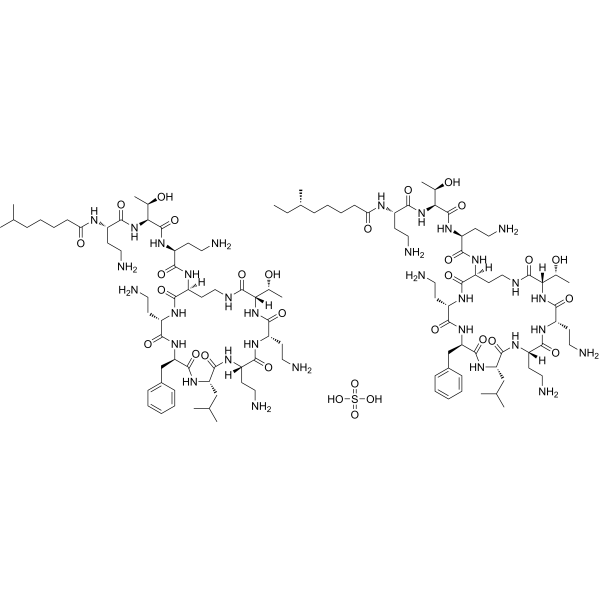
  • HY-A0248
    Polymyxin B Sulfate
    20+ Cited Publications

    Antibiotic Bacterial Infection
    Polymyxin B Sulfate is an antibiotic. Polymyxin B Sulfate inhibits Gram-negative infections by binding to the LPS of the bacterial wall with high affinity. Polymyxin B Sulfate neutralizes the effect of endotoxin. Polymyxin B Sulfate induces bacterial death by increasing its permeability. Polymyxin B Sulfate is used in endotoxemia research .
    Polymyxin B Sulfate
  • HY-B0117
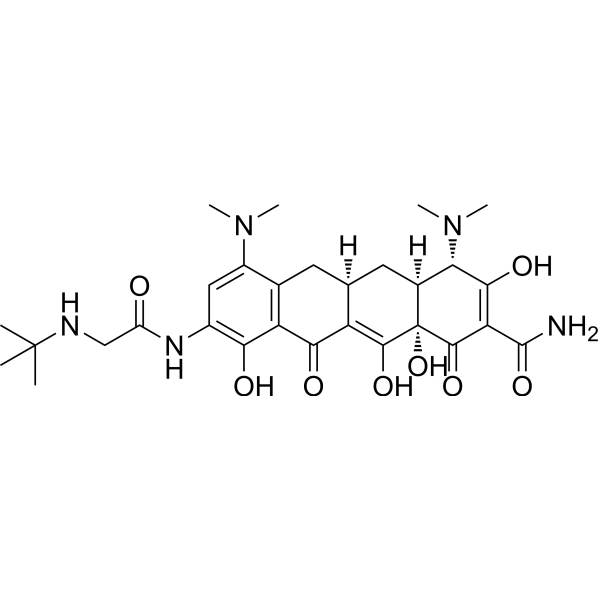
    Tigecycline
    Maximum Cited Publications
    43 Publications Verification

    GAR-936

    Bacterial Autophagy Antibiotic Infection Cancer
    Tigecycline (GAR-936) is a broad-spectrum glycylcycline antibiotic. The mean inhibitory concentration (MIC) of Tigecycline for E. coli (MG1655 strain) is approximately 125 ng/mL . MIC50 and MIC90 are 1 and 2 mg/L for Acinetobacter baumannii (A. baumannii), respectively .
    Tigecycline
  • HY-B1419

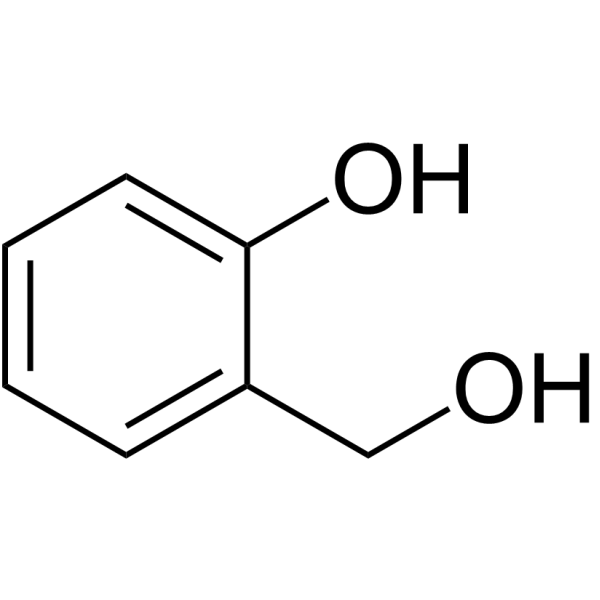
    2-Hydroxybenzyl alcohol; Saligenin

    Drug Intermediate Bacterial Others
    Salicyl alcohol (2-Hydroxybenzyl alcohol; Saligenin) is a phenolic alcohol-type topical anesthetic and strong sensitizer with antiseptic, antibacterial and antipyretic activities. Salicyl alcohol serves as a precursor for salicin synthesis. Salicyl alcohol induces contact dermatitis and eczematous skin reactions, and is a well-known allergen identified in phenolic resins. Salicyl alcohol is isolated from the barks of European aspen (Populus tremula), rowan (Sorbus aucuparia) and willow (Salix spp.). Salicyl alcohol is used in studies related to allergic contact dermatitis .
    Salicyl alcohol
  • HY-B0117D
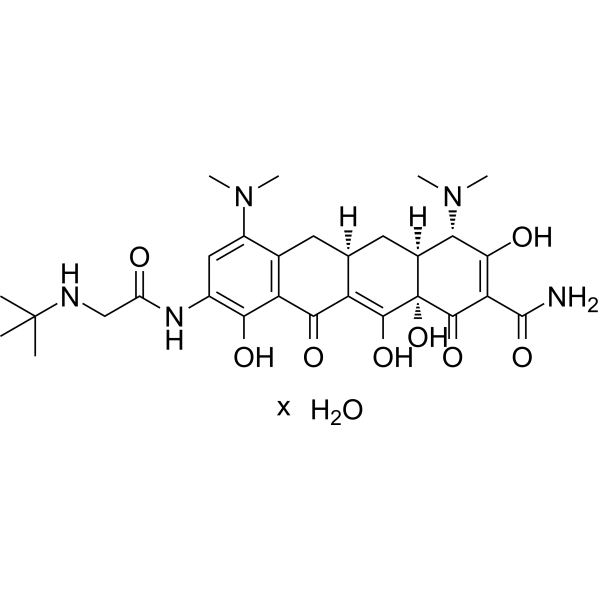
    Tigecycline hydrate
    Maximum Cited Publications
    43 Publications Verification

    GAR-936 hydrate

    Bacterial Autophagy Antibiotic Infection Cancer
    Tigecycline (GAR-936) hydrate is a broad-spectrum glycylcycline antibiotic. The mean inhibitory concentration (MIC) of Tigecycline hydrate for E. coli (MG1655 strain) is approximately 125 ng/mL . MIC50 and MIC90 are 1 and 2 mg/L for Acinetobacter baumannii (A. baumannii), respectively .
    Tigecycline hydrate
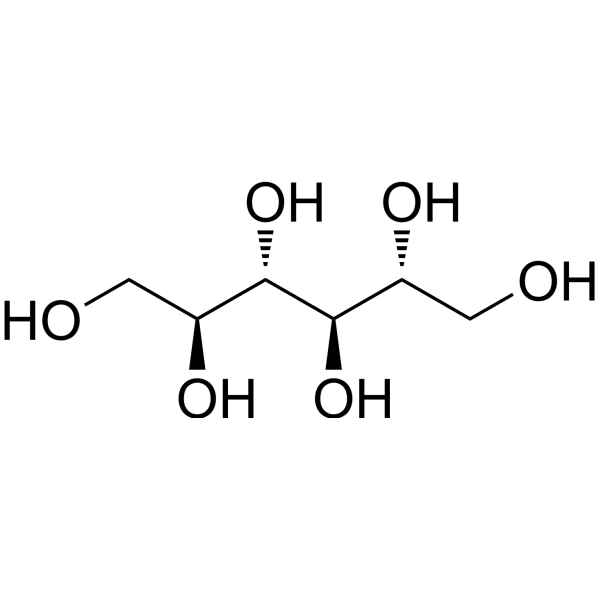
  • HY-N2840
    Allitol
    1 Publications Verification

    Allodulcitol

    Others Metabolic Disease
    Allitol (Allodulcitol) is an orally active rare sugar alcohol found in Itea virginica L, Tylopilus plumbeoviolaceus. Allitol has anti-obesity and hypoglycaemic activities. Allitol reduces carcass and total body fat mass, increases cecal weight, surface area, and short-chain fatty acid production, and upregulates cecal microbial enzymes linked to butyrate metabolism. Allitol can be used for the researches of obesity and diabetes .
    Allitol
  • HY-B0117A
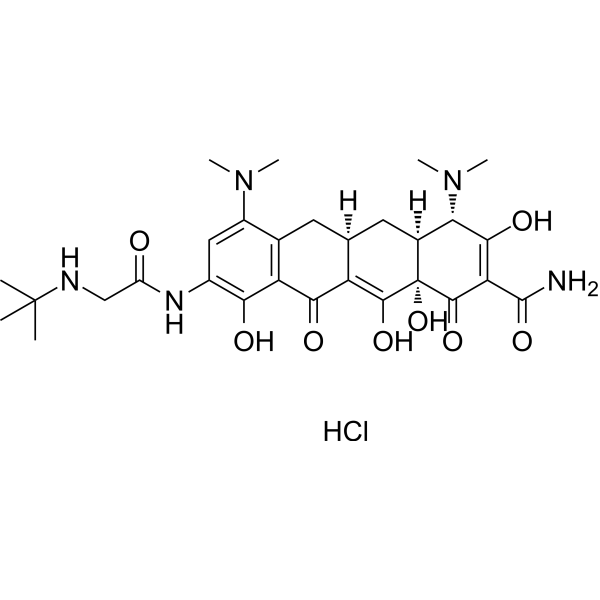
    Tigecycline hydrochloride
    Maximum Cited Publications
    43 Publications Verification

    GAR-936 hydrochloride

    Bacterial Autophagy Antibiotic Infection Cancer
    Tigecycline hydrochloride (GAR-936 hydrochloride) is a broad-spectrum glycylcycline antibiotic. The mean inhibitory concentration (MIC) of Tigecycline for E. coli (MG1655 strain) is approximately 125 ng/mL . MIC50 and MIC90 are 1 and 2 mg/L for Acinetobacter baumannii (A. baumannii), respectively .
    Tigecycline hydrochloride
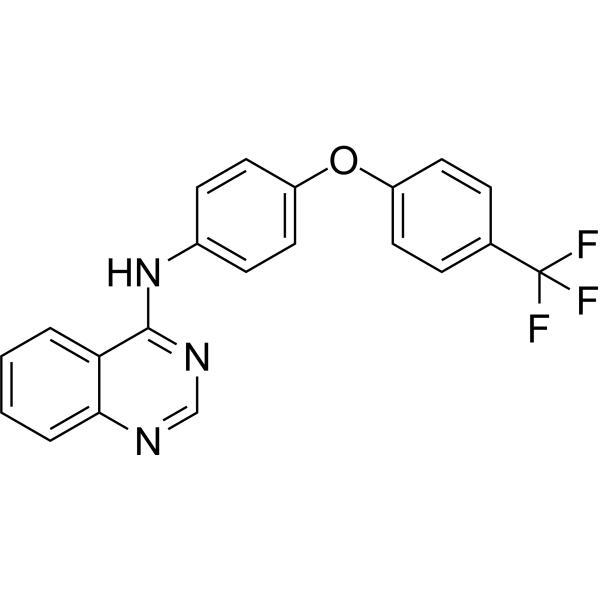
  • HY-155107

    Mitochondrial Metabolism Bacterial Infection
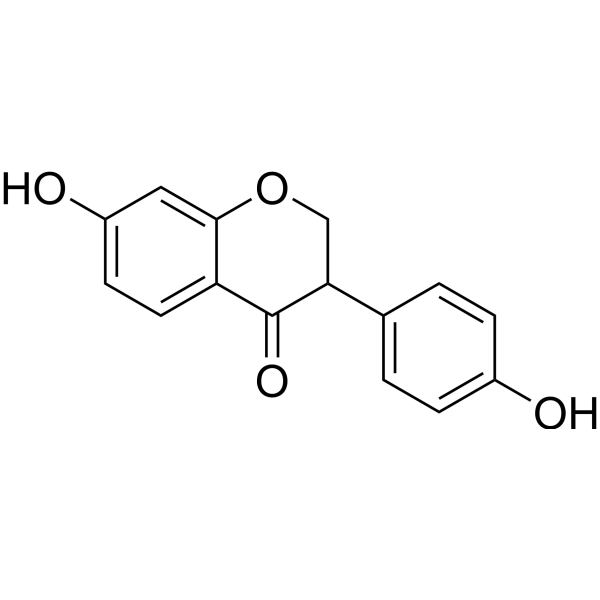
    ND-011992 is a reversible, selective quinazoline-type inhibitor targeting quinone reductases and quinol oxidases. ND-011992 inhibits respiratory complex I and bo3 oxidase in addition to bd-I and bd-II oxidases in E. coli strain BL21*Δcyo with the IC50 of 0.12, 2.47, 0.63 and 1.3 μM, respectively. ND-011992 can be used for tuberculosis study .
    ND-011992
  • HY-121262
    Bisabolene (mixture of isomers)
    1 Publications Verification

    Bisabolene; γ-Bisabolene

    Drug Intermediate Infection
    Bisabolene (mixture of isomers) (Bisabolene) is a sesquiterpenoid plant natural product and also a hydrocarbon precursor for various industry-relevant chemicals. Bisabolene (mixture of isomers) serves as an important precursor for the production of industry-relevant chemicals such as biofuels, bioplastics, pharmaceuticals and cosmetics .
    Bisabolene (mixture of isomers)
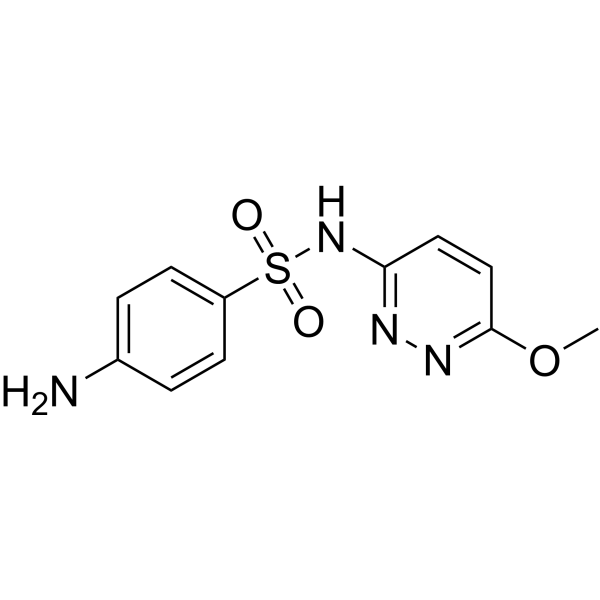
  • HY-B1387

    Antibiotic Bacterial Inflammation/Immunology
    Sulfamethoxypyridazine is an orally active and brain-penetrant sulfonamide antibiotic. Sulfamethoxypyridazine exhibits antibacterial activity and inhibits growth of susceptible bacterial strains. Sulfamethoxypyridazine can be used for the research of pyelonephritis, urinary tract infections, and dermatitis herpetiformis .
    Sulfamethoxypyridazine
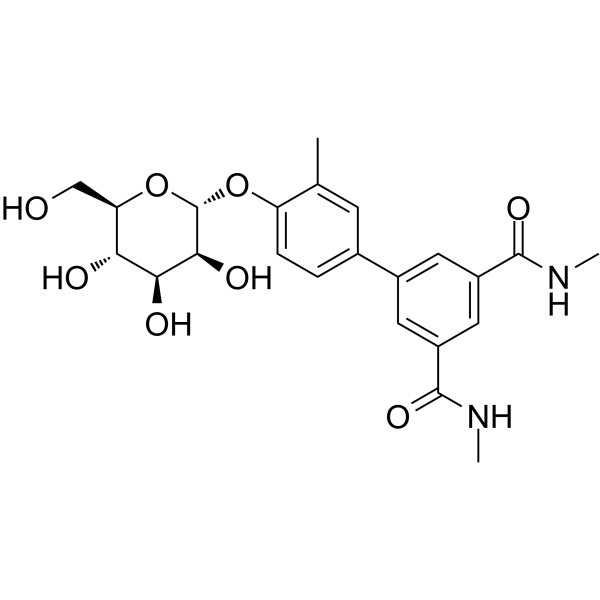
  • HY-120568

    Bacterial Infection Inflammation/Immunology
    M4284 is a selective and orally active biphenyl mannoside FimH antagonist. M4284 has activities against different UPEC (Urinary tract infections (UTI) caused by uropathogenic E. coli) strains in different host genetic backgrounds and gut microbial community contexts .
    M4284
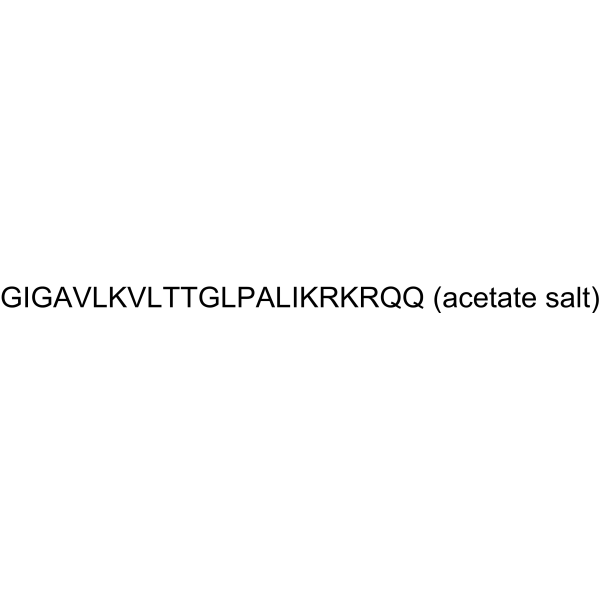
  • HY-P3328A

    Bacterial Infection
    MDP1 acetate, a Melittin-derived peptide, alters the integrity of both Gram-positive and Gram-negative bacterial membranes and kills the bacteria via membrane damages. MDP1 acetate has a high-antibacterial activity against multidrug resistant (MDR) and reference strains of S. aureus, E. coli, and P. aeruginosa .
    MDP1 acetate
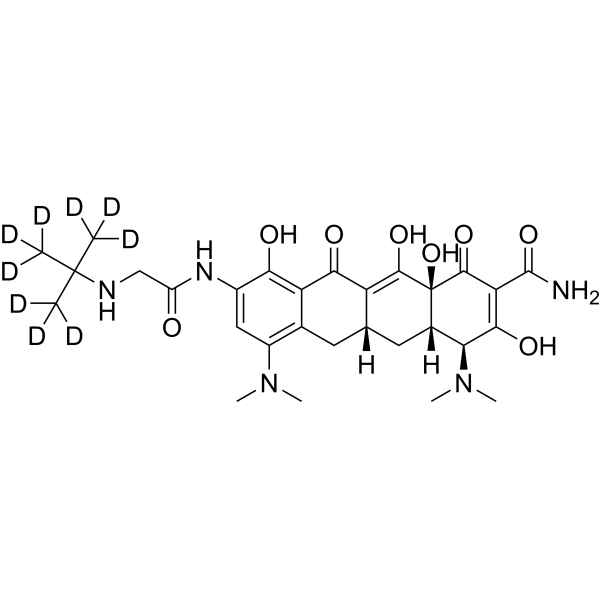
  • HY-B0117S

    GAR-936-d9

    Bacterial Autophagy Antibiotic Infection Cancer
    Tigecycline-d9 is deuterium labeled Tigecycline. Tigecycline (GAR-936) is a broad-spectrum glycylcycline antibiotic. The mean inhibitory concentration (MIC) of Tigecycline for E. coli (MG1655 strain) is approximately 125 ng/mL . MIC50 and MIC90 are 1 and 2 mg/L for Acinetobacter baumannii (A. baumannii), respectively .
    Tigecycline-d9
  • HY-B0117C
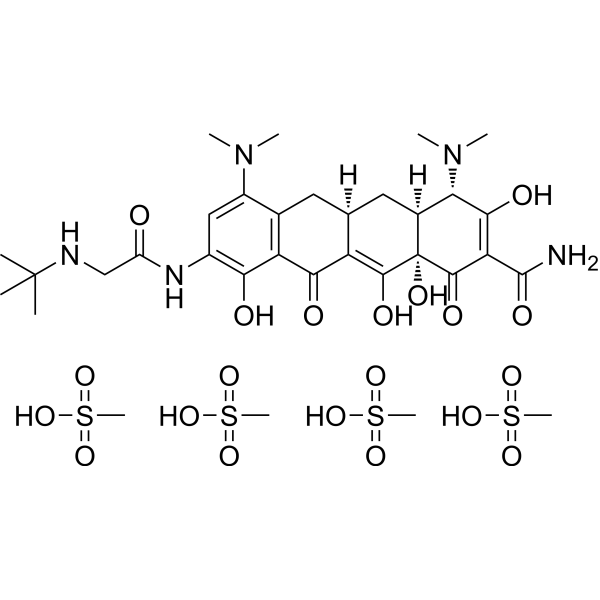
    Tigecycline tetramesylate
    Maximum Cited Publications
    43 Publications Verification

    GAR-936 tetramesylate

    Bacterial Autophagy Antibiotic Infection Cancer
    Tigecycline tetramesylate (GAR-936 tetramesylate) is a broad-spectrum glycylcycline antibiotic. The mean inhibitory concentration (MIC) of Tigecycline for E. coli (MG1655 strain) is approximately 125 ng/mL . MIC50 and MIC90 are 1 and 2 mg/L for Acinetobacter baumannii (A. baumannii), respectively .
    Tigecycline tetramesylate
  • HY-W076794

    Bacterial Infection
    3-Bromo-1H-pyrrole-2,5-dione (compound 2c) is a 3-substituted pyrrole-2,5-dione compound with antibacterial activity. 3-Bromo-1H-pyrrole-2,5-dione inhibits pathogenic strains of S. aureus ATCC 25923, E. coli ATCC 25922, P. aeruginosa ATCC 27853, with MIC values of 32 μg/mL, 32 μg/mL, and 64 μg/mL, respectively .
    3-Bromo-1H-pyrrole-2,5-dione
  • HY-139982

    Bacterial Infection
    OX11 is a selective inhibitor of S. pneumoniae, P. aeruginosa, and E. coli bacterial strains .
    OX11
  • HY-B0117B

    GAR-936 mesylate

    Bacterial Autophagy Antibiotic Infection Cancer
    Tigecycline mesylate (GAR-936 mesylate) is a broad-spectrum glycylcycline antibiotic. The mean inhibitory concentration (MIC) of Tigecycline for E. coli (MG1655 strain) is approximately 125 ng/mL . MIC50 and MIC90 are 1 and 2 mg/L for Acinetobacter baumannii (A. baumannii), respectively .
    Tigecycline mesylate
  • HY-E70602

    Bacterial Others
    T4 lysozyme is derived from a recombinant E.coli strain and can lyse bacterial cell walls. T4 lysozyme acts on the peptidoglycan of bacterial cell walls and hydrolyzes the β-1,4 bond between N-acetylmuramic acid and N-acetylglucosamine .
    T4 lysozyme
  • HY-W264454

    Bacterial Infection
    Antibacterial agent 303 (compound 3) is an antibacterial agent exhibiting potent antibacterial activity against MDR strains, with MICs of 10 and 100 µg/mL against Pseudomonas aeruginosa MDR1 and Staphylococcus aureus MDR strains, respectively. Antibacterial agent 303 displays strong binding affinities to E. coli DNA gyrase and Candida albicans lanosterol 14α-demethylase. Antibacterial agent 303 can be used for drug-resistant infections research .
    Antibacterial agent 303
  • HY-B0117R

    GAR-936 (Standard)

    Reference Standards Bacterial Autophagy Antibiotic Infection Cancer
    Tigecycline (Standard) is the analytical standard of Tigecycline. This product is intended for research and analytical applications. Tigecycline (GAR-936) is a broad-spectrum glycylcycline antibiotic. The mean inhibitory concentration (MIC) of Tigecycline for E. coli (MG1655 strain) is approximately 125 ng/mL . MIC50 and MIC90 are 1 and 2 mg/L for Acinetobacter baumannii (A. baumannii), respectively .
    Tigecycline (Standard)
  • HY-P11027

    Bacterial Antibiotic Infection
    Thiazoplanomicin (Compound 1) is a thiazolyl peptide antibiotic. Thiazoplanomicin can be isolated from the leaf-litter actinomycete Actinoplanes sp. MM794L-181F6. Thiazoplanomicin has potent antimicrobial activities against gonococcal strains (especially drug-resistant strains) and Gram-positive bacterium with MICs of 31.2-125 and 0.5-15.6 ng/mL, respectively. Thiazoplanomicin has no antibacterial activity against E.coli. Thiazoplanomicin can be used for bacterial infections research .
    Thiazoplanomicin
  • HY-157346

    Bacterial Others
    LB Nutrient Agar is a nutritionally rich medium originally developed for growth and maintenance of E. coli strains. LB Nutrient Agar is the most widely used medium for the growth of bacteria. The composition of 1 liter of LB Nutrient Agar contains:10.0 g tryptone, 5.0 g yeast, 10.0 g sodium chloride, and 15.0 g agar .
    LB Nutrient Agar
  • HY-Y0367R

    Reference Standards Endogenous Metabolite Bacterial Infection
    Maleic Acid (Standard) is the analytical standard of Maleic Acid. This product is intended for research and analytical applications. Maleic Acid is a Glutamate Decarboxylase (GAD) inhibitor of E. coli and L. monocytogenes. IC50 & Target: GAD . In Vitro: The MICs of WT 10403S for the acids (e.g., Maleic Acid) are 34 mM, 25 mM, 31 mM and 30 mM which correspond to pH values prior to growth of 4.84, 5.14, 5.32 and 5.02 respectively. Of all compounds tested, Maleic Acid is the least inhibitory despite acting at a lower pH (4.84). The most acid resistant (10403S) and the weakest (EGD-e) strain are challenged with 8.6 mM and 4.3 mM of each organic acid at pH 3 and 3.3 respectively. On both strains, Maleic Acid is the most bactericidal .
    Maleic acid (Standard)
  • HY-125789

    Bacterial Infection
    PF-04753299 is a potent and selective UDP-3-O-(R-3-hydroxymyristol)-N-acetylglucosamine deacetylase (LpxC) inhibitor. PF-04753299 is bactericidal for the gonococcal isolates. PF-04753299 inhibits E. coli, P. aeruginosa and K. pneumoniae strains with MIC90 values of 2 μg/ml, 4 μg/ml and 16 μg/ml, respectively. PF-04753299 is used for the study of gram-negative bacteria infection .
    PF-04753299
  • HY-P11102

    Bacterial Fungal HIV Parasite Infection Cancer
    Temporin-Sha is an antibacterial peptide with extensive biological activity. Temporin-Sha exhibits broad-spectrum antibacterial activity (e.g., against L. ivanovii, MIC = 6.25 μM), and is effective against Gram-negative bacteria (such as Escherichia coli, MIC = 10 μM), including drug-resistant strains (such as Methicillin (HY-121544)-resistant Staphylococcus aureus). Temporin-Sha also has inhibitory effects on Candida albicans (MIC = 25 μM), Saccharomyces cerevisiae (MIC = 12 μM), the pre-flagellated and non-flagellated forms of Leishmania infantum (IC50 = 5-20 μM), and Trypanosoma cruzi (IC50 = 17 μM). Temporin-Sha exhibits antiviral activity against HSV-1 and has anti-cancer effects (cytotoxicity against breast cancer cells MCF-7 and lung cancer cells H460, etc.) .
    Temporin-SHa
  • HY-N12320

    Antibiotic Infection
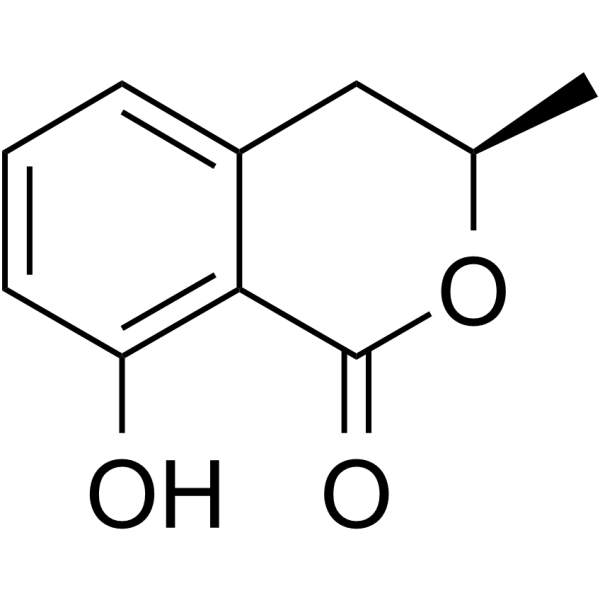
    Majoranaquinone exhibits a high antibacterial effect against 4 Staphylococcus, 1 Moraxella, and 1 Enterococcus strains. Majoranaquinone shows substantial efflux pump inhibitory activity in Escherichia coliATCC 25922 strain. Majoranaquinone is found to be an effective biofilm formation inhibitor on E.coli, ATCC 25922 and E. coli K-12 AG100 bacteria .
    Majoranaquinone
  • HY-144387

    Antibiotic Bacterial Infection Inflammation/Immunology
    ient S. Tm and hyperpermeable Escherichia coli. The potencies against WT strains of E. coli, Acinetobacter baumannii, and Burkholderia cenocepacia are also improved considerably (up to >128-fold) with the outer-membrane permeabi
    Antibacterial agent 71
  • HY-E70248

    Endogenous Metabolite Others
    S-(3-Hydroxydodecanoate)-CoACoenzyme A, a Coenzyme A, is a metabolite that can be found or produced in E. coli (strain K12, MG1655) .
    S-(3-Hydroxydodecanoate)-CoA
  • HY-126732

    Antibiotic Bacterial Infection
    L-640876 is a broad-spectrum and orally active lactam antimicrobial agent. L-640876 showa MIC90 of 0.125 pg/mL for the E. coli strains, 2 /mg/mL for the S.choleraerai strains and 4 pg/mL for the S. typhinwrium strains .
    L-640876
  • HY-130281

    Bacterial Inflammation/Immunology
    Ianthelliformisamine B diTFA is a bromotyrosine-derived antibacterial agent. Ianthelliformisamine B diTFA is against E. coli and S. aureus strains with MICs of 14.5 μM and 144.7 μM .
    Ianthelliformisamine B diTFA
  • HY-N16427

    2,3-Dihydroxy-N-benzoylserine

    Endogenous Metabolite Others
    2,3,-Dihydroxybenzoylserine (2,3-Dihydroxy-N-benzoylserine) is a conjugate of 2,3-dihydroxybenzoic acid and serine. 2,3,-Dihydroxybenzoylserine can be isolated from the culture of E.coli. 2,3,-Dihydroxybenzoylserine is a growth factor with growth-promoting activity in multiple aromatic auxotrophs such as E.coli KI2, strain AB2830. 2,3,-Dihydroxybenzoylserine is a degradation product of biological active compounds .
    2,3,-Dihydroxybenzoylserine
  • HY-139767

    Bacterial Infection
    Antibacterial agent 50 (example 47) is an antibacterial agent with MIC values of 32 mcg/mL, 64 mcg/mL, and 128 mcg/mL against E. coli strains NCTC 13351, M 50 and 7 MP, respectively (WO2013030733A1) .
    Antibacterial agent 50
  • HY-139747

    Bacterial Infection
    Antibacterial agent 32 (example 43) is an antibacterial agent with MIC values of 1 mcg/mL, 2 mcg/mL, and 8 mcg/mL against E. coli strains NCTC 13351, M 50 and 7 MP, respectively (WO2013030733A1) .
    Antibacterial agent 32
  • HY-139768

    Bacterial Infection
    Antibacterial agent 51 (example 45) is an antibacterial agent with MIC values of 4 mcg/mL, 8 mcg/mL, and 8 mcg/mL against E. coli strains NCTC 13351, M 50 and 7 MP, respectively (WO2013030733A1) .
    Antibacterial agent 51
  • HY-162087

    Bacterial Infection
    FabH-IN-2 (25), an antimicrobial agent, exhibits remarkable potential as an agent with an MIC range of 1.25-3.13 μg/mL against the tested bacterial strains and an IC50 of 2.0 μM against E. coli-derived FabH .
    FabH-IN-2
  • HY-P3328

    Bacterial Infection
    MDP1, a Melittin-derived peptide, alters the integrity of both Gram-positive and Gram-negative bacterial membranes and kills the bacteria via membrane damages. MDP1 has a high-antibacterial activity against multidrug resistant (MDR) and reference strains of S. aureus, E. coli, and P. aeruginosa .
    MDP1
  • HY-114737

    Bacterial Infection
    L-573655 is a reversible inhibitor of UDP-3-O-[R-3-hydroxymyristoyl]-GlcNAc deacetylase with an IC50 value of 8.5 μM. L-573655 possesses antibacterial activity against a wild-type strain of E. coli. with MIC values of 200-400 μg/mL .
    L-573655
  • HY-W587414

    Bacterial Antibiotic Infection
    Neospiramycin I is a macrolide antibiotic and a derivative of Spiramycin I (HY-N7141). Neospiramycin I is effective against the macrolide-sensitive KB210 strain of S. aureus, but ineffective against the macrolide-resistant KB224 strain, with minimum inhibitory concentrations (MIC) of 3.12 and greater than 100 µg/mL, respectively; it is also effective against B. cereus, B. subtilis, M. luteus, E. coli, and K. pneumoniae, with respective MIC values of 1.56, 3.12, 3.12, 0.2, 50, and 12.5 µg/mL. Neospiramycin I binds to the ribosomes of E. coli, with an inhibitory concentration 50 (IC50) of 1.2 µM. It protects mice from death in a type III S. pneumoniae infection model, with an effective dose 50 (ED50) of 399.8 mg/kg .
    Neospiramycin I
  • HY-134429

    Biochemical Assay Reagents Others
    p-Nitrophenyl α-L-arabinopyranoside is a biochemical reagent. p-Nitrophenyl α-L-arabinopyranoside can be hydrolyzed by recombinant BgaA (rBgaA, isolated from E. coli BL21 (DE3) strain harboring pEBGA29). p-Nitrophenyl α-L-arabinopyranoside has potential application in enzyme activity detection .
    p-Nitrophenyl α-L-arabinopyranoside
  • HY-129454

    Antibiotic TPU-0037-A

    Antibiotic Infection
    TPU-0037A is an antibiotic and a congener of lydicamycin. It inhibits the growth of Gram-positive bacteria, including methicillin-resistant S. aureus (MRSA), B. subtilis, and M. luteus (MICs=1.56-12.5 μg/mL), but not Gram-negative E. coli, P. mirabilis, P. vulgaris, or P. aeruginosa strains (MICs=>50 μg/mL).
    TPU-0037A
  • HY-155438

    Fluorescent Dye Others
    Mal-Cz is a maltose-derived fluorescence-on imaging probe for the detection of E. coli and Staphylococcus aureus . It contains an Azide group and can undergo copper-catalyzed azide-alkyne cycloaddition reaction (CuAAc) with molecules containing Alkyne groups. It can also undergo strain-promoted alkyne-azide cycloaddition (SPAAC) reactions with molecules containing DBCO or BCN groups.
    Mal-Cz
  • HY-173163

    Bacterial Infection
    (E)-2,6-Di-tert-butyl-4-(4-(diethylamino)styryl)pyrylium (trifluoromethanesulfonate) (Compound 4a) is a Gram-negative outer membrane permeabilizer with synergistic antibacterial activity through the blockage on LptA/LptC interaction via targeting Met47 in LptA. (E)-2,6-Di-tert-butyl-4-(4-(diethylamino)styryl)pyrylium (trifluoromethanesulfonate) potentiates pol B against both wild-typed and MDR A. baumannii and E. coli strains. (E)-2,6-Di-tert-butyl-4-(4-(diethylamino)styryl)pyrylium (trifluoromethanesulfonate) can be used as antibiotic adjuvants against MDR Gram-negative bacteria .
    (E)-2,6-Di-tert-butyl-4-(4-(diethylamino)styryl)pyrylium trifluoromethanesulfonate
  • HY-155007

    Bacterial Infection
    DNA gyrase B-IN-2 (Compound E) is a 2-aminobenzothiazole-based DNA gyrase B inhibitor with promising activity against ESKAPE bacterial pathogens. DNA gyrase B-IN-2 showed low nanomolar inhibition of DNA gyrase (IC50 < 10 nM) and broad-spectrum antibacterial activity against pathogens belonging to the ESKAPE group, with the minimum inhibitory concentration < 0.03 μg/mL for most Gram-positive strains and 4–16 μg/mL against Gram-negative E. coli, Acinetobacter baumannii, Pseudomonas aeruginosa, and Klebsiella pneumoniae.DNA gyrase B-IN-2 can be used for the research of infection .
    DNA gyrase B-IN-2
  • HY-115693

    Bacterial Infection
    CAP 3 is a cholic acid-peptide conjugate (CAP) antimicrobial agent. CAP 3 effectively inhibits Gram-negative bacteria, with MIC99 (minimum inhibitory concentration for 99% bacterial killing) values of 8 μM, 16 μM, and 16 μM against E. coli, Klebsiella pneumoniae and Acinetobacter baumannii, respectively. CAP 3 exerts its antibacterial effects by disrupting the structural integrity of the bacterial lipopolysaccharide (LPS) outer membrane. CAP 3 rapidly kills bacteria, inhibits biofilm formation, and effectively combats drug-resistant strains and persistent bacterial infections .
    CAP 3
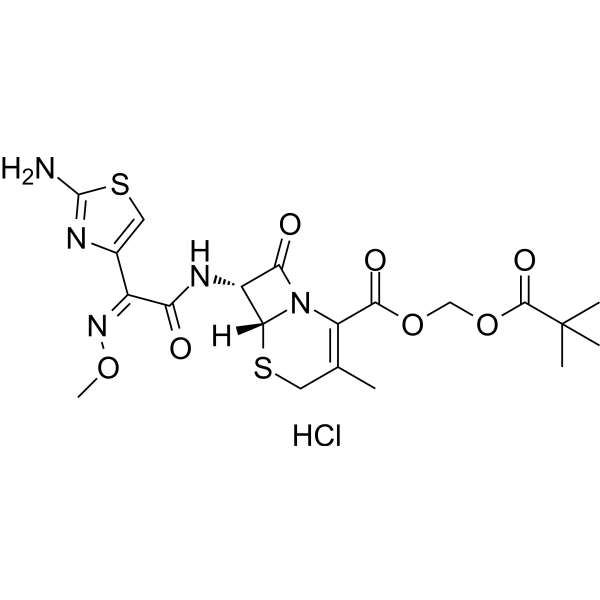
  • HY-B1894

    Ro 15-8075 free base

    Antibiotic Bacterial Infection
    Cefetamet pivoxyl (Ro 15-8075 free base) is an orally active cephalosporin Antibiotic and a prodrug of Cefetamet (HY-A0111). After ingestion, Cefetamet pivoxyl is hydrolyzed by gastrointestinal esterases to form Cefetamet. Cefetamet pivoxyl is primarily active against aerobic Gram-negative bacteria (such as Enterobacteriaceae, *Neisseria*, *Haemophilus*) and some Gram-positive bacteria (such as non-enterococcal streptococci). Cefetamet pivoxyl exhibits potent in vivo antibacterial activity against strains of Gram-positive bacteria (S. pyogenes) and Gram-negative bacteria (E. coli, K. pneumoniae, S. marcescens, P. vulgaris, P. mirabilis, H. influenzae) .
    Cefetamet pivoxyl
  • HY-Y1805

    1,2,3,4-Tetrahydronaphthalene

    Environmental Pollutants Biochemical Assay Reagents Bacterial Infection
    Tetralin (1,2,3,4-Tetrahydronaphthalene) is an Antibacterial agent. Tetralin inhibits the growth of E. coli and Arthrobacter strain T2. Tetralin serves as a probe molecule for cracking and hydrotreating the light cycle oil .
    Tetralin
  • HY-P11592

    Bacterial Infection
    KIKIKPWWWPKIKIK-NH2 is a β-turn antimicrobial peptide. KIKIKPWWWPKIKIK-NH2 can inhibit bacterial biofilm formation and bind to lipopolysaccharid. KIKIKPWWWPKIKIK-NH2 shows wound-healing ability in mice bacteria-infected full-thickness wound models. KIKIKPWWWPKIKIK-NH2 can be used for the research of bacterial infection .
    KIKIKPWWWPKIKIK-NH2
  • HY-W103773

    Biochemical Assay Reagents Fungal Bacterial Infection
    2-Phenylphenol sodium is a phenolic disinfectant and toxic agent with bactericidal, fungicidal and growth-inhibiting activities. 2-Phenylphenol sodium serves as a post-harvest agricultural fungicide and food preservative. At specific concentrations, 2-Phenylphenol sodium inhibits the growth of E. coli strains, while at high concentrations, 2-Phenylphenol sodium completely blocks their proliferation. 2-Phenylphenol sodium acts as a substrate for biocatalytic conversion, and is converted to 3-phenylcatechol by 2-hydroxybiphenyl 3-monooxygenase in recombinant E. coli. 2-Phenylphenol sodium also undergoes electrochemical oxidation in phosphate buffer solution .
    2-Phenylphenol sodium
  • HY-181770

    Phosphodiesterase (PDE) Bacterial Infection Inflammation/Immunology
    PDE4B-IN-7 is a PDE-4B inhibitor with an IC50 of 160 nM. PDE4B-IN-7 can form a firm and stable binding with the active site of PDE-4B. PDE4B-IN-7 inhibits acetylcholine-induced bronchospasm in guinea pigs. PDE4B-IN-7 exerts activity against susceptible Gram-positive and Gram-negative bacterial strains. PDE4B-IN-7 can be used for the researches of asthma and bacterial agent .
    PDE4B-IN-7
  • HY-123448

    Bacterial Antibiotic Infection
    CCG-120304 is a TonB system inhibitor and bacteriostatic agent. CCG-120304 inhibits TonB-dependent functions. CCG-120304 is applicable to research related to urinary tract infections .
    CCG-120304
  • HY-183782

    Antibiotic Bacterial Infection
    SA1103064 is a potent antibiotic with antibacterial activity against multiple resistant bacterial strains. SA1103064 binds to the bacterial ribosome's nascent peptide exit tunnel. SA1103064 can be used for the research of bacterial infections .
    SA1103064

Inquiry Online

Your information is safe with us. * Required Fields.

Salutation


Country or Region *

Applicant Name *


Organization Name *

Department *


Email Address *


Product Name *

Cat. No.


Requested quantity *

Phone Number *


Remarks

Inquiry Online

Inquiry Information

Product Name:
Cat. No.:
Quantity:
MCE Japan Authorized Agent:

