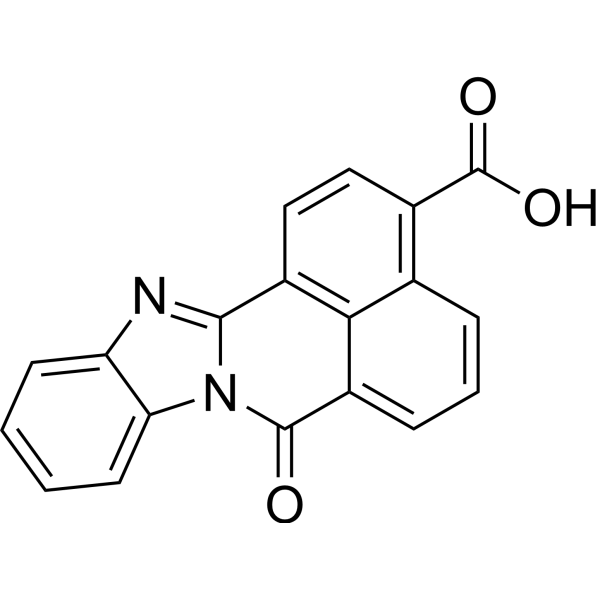
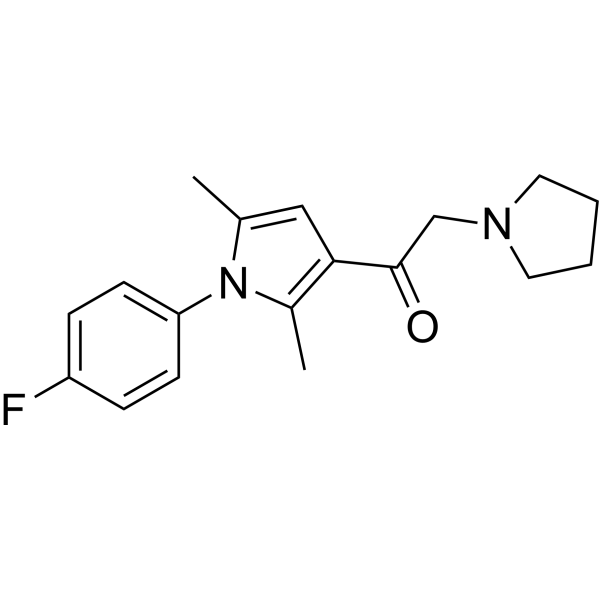
Search Result
Results for "
G protein activity
" in MedChemExpress (MCE) Product Catalog:
2
Biochemical Assay Reagents
14
Isotope-Labeled Compounds
| Cat. No. |
Product Name |
Target |
Research Areas |
Chemical Structure |
-
- HY-114158
-
|
Pronase (activity ≥ 7000 U/g)
|
Others
|
Others
|
|
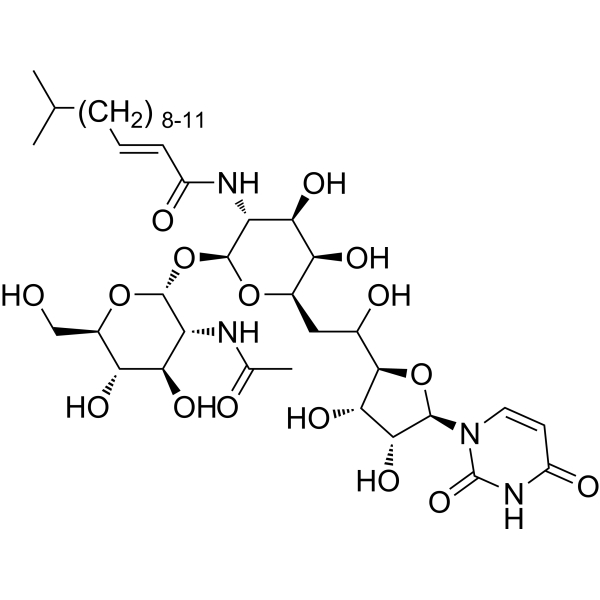
Pronase E (Activity ≥ 7000 U/g) is a mixture of proteolytic enzymes that is obtained from Streptomyces griseus and could digest protein into individual amino acids .
|
-
-
- HY-130149
-
|
MRTX849
|
Ras
|
Cancer
|
|
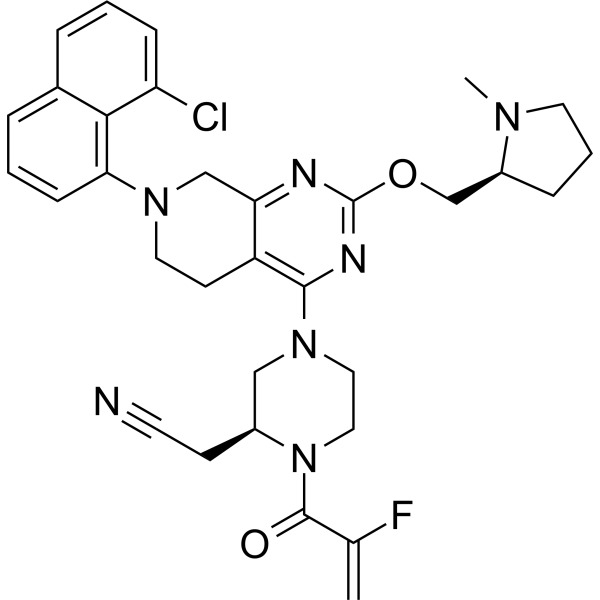
Adagrasib (MRTX849) is a potent, orally-available, and mutation-selective covalent inhibitor of KRAS G12C with potential antineoplastic activity. Adagrasib covalently binds to KRAS G12C at the cysteine at residue 12, locks the protein in its inactive GDP-bound conformation, and inhibits KRAS-dependent signal transduction .
|
-
-
- HY-134813
-
|
|
Ras
|
Cancer
|
|
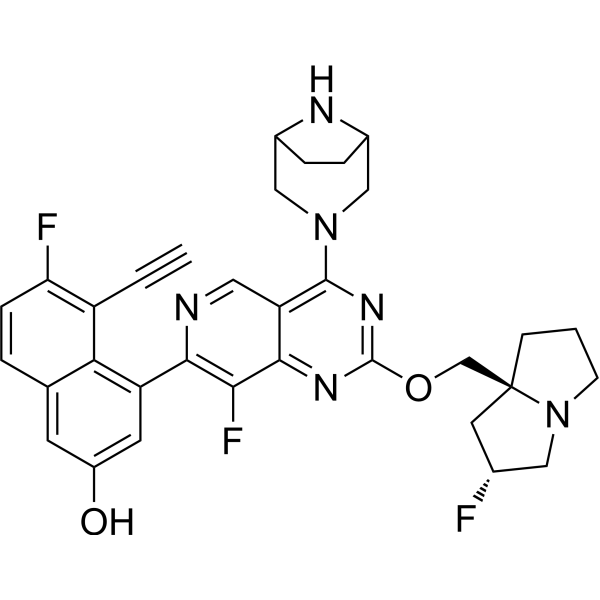
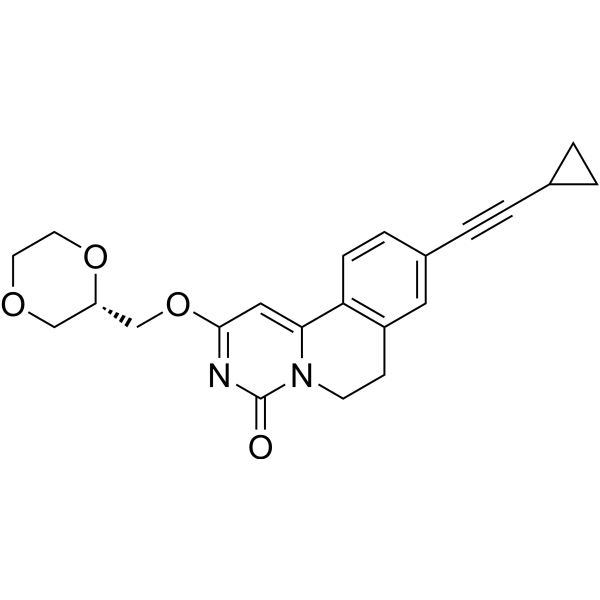
MRTX1133 is a noncovalent, potent, and selective alkyne-based KRAS G12D inhibitor. MRTX1133 optimally fills the switch II pocket and extends three substituents to favorably interact with the protein, resulting in an estimated KD against KRAS G12D of 0.2 pM. MRTX1133 prevents SOS1-catalyzed nucleotide exchange and/or formation of the KRAS G12D/GTP/RAF1 complex, thereby inhibiting mutant KRAS-dependent signal transduction. MRTX1133 selectively inhibits KRAS G12D mutant, but not KRAS wild-type, tumor cells. MRTX1133 has single digit nanomolar activity in cellular assays and marked in vivo efficacy in tumor models harboring KRAS G12D mutations .
|
-
-
- HY-19805
-
|
|
CaMK
AMPK
Autophagy
|
Metabolic Disease
|
|
STO-609 is a selective and cell-permeable inhibitor of the Ca 2+/calmodulin-dependent protein kinase kinase (CaM-KK), with Ki values of 80 and 15 ng/mL for recombinant CaM-KKα and CaM-KKβ, respectively. STO-609 inhibits AMP-activated protein kinase kinase (AMPKK) activity in HeLa cell lysates with an IC50 ~0.02 g/ml.
|
-
-
- HY-148273
-
|
ASP-3082; KRAS G12D inhibitor 17
|
PROTACs
Ras
ERK
Akt
|
Cancer
|
|
Setidegrasib (KRAS G12D inhibitor 17, ASP3082) is a PROTAC KRAS degrader (DC50: 37 nM). Setidegrasib induces the degradation of G12D-mutation KRAS protein. Setidegrasib suppresses p-ERK, p-AKT, p-S6 levels in AsPC-1 cells. Setidegrasib exhibits anti-tumor activity in various cancer xenograft models in mice. Setidegrasib can be used for the study of KRAS(G12D)-mutated solid tumors. (Blue: VHL ligase ligand (HY-168699); Black: linker (HY-168698); Pink: G12D ligand (HY-168700)) .
|
-
-
- HY-137677B
-
|
Guanosine 5'-[γ-thio]triphosphate tetralithium
|
GLUT
|
Metabolic Disease
|
|
GTPγS (Guanosine 5'-[γ-thio]triphosphate) tetralithium is a G-protein activator that protects proteins from proteolytic degradation, stimulates GLUT4 translocation in a tyrosine kinase-dependent manner, stimulate phospholipases and induce actin polymerization. GTPγS tetralithium to couple with G- protein α, to study its effect on kinase activity. GTPγS tetralithium acts as a component of lysis buffer .
|
-
-
- HY-17408
-
-
-
- HY-19959
-
|
|
ATM/ATR
Apoptosis
|
Cancer
|
|
Mirin is a potent Mre11-Rad50-Nbs1 (MRN) complex inhibitor. Mirin prevents MRN-dependent activation of ATM (IC50=12 μM) without affecting ATM protein kinase activity, and it inhibits Mre11-associated exonuclease activity. Mirin abolishes the G2/M checkpoint and homology-dependent repair in mammalian cells. Mirin prevents ATM activation in response to DNA double-strand breaks (DSBs) and blocks homology-directed repair (HDR) in mammalian cells .
|
-
-
- HY-W013706
-
|
ITP trisodium salt; Inosine triphosphate trisodium salt
|
Endogenous Metabolite
|
Metabolic Disease
|
|
Inosine-5'-triphosphate trisodium salt is a nucleotide analogue that acts on multiple G proteins and is widely used in G protein-related research. It can bind to the α -subunit of G proteins and participate in G protein-mediated signal transduction as a substitute for GTP. Its mechanism of action is to interact with the nucleotide-binding site of the G protein α -subunit, affecting the activity and function of G proteins. In the research field, it is mainly used to explore the role of the G protein signaling pathway in cellular physiological and pathological processes. For example, in HL-60 leukemia cells, its impact on G protein-mediated signal transduction can be studied .
|
-
-
- HY-N0593S
-
-
-
- HY-18705
-
|
|
Apoptosis
Reactive Oxygen Species (ROS)
Caspase
Bcl-2 Family
Mitochondrial Metabolism
|
Endocrinology
|
|
Azoramide is a potent, orally active small-molecule modulator of the unfolded protein response (UPR). Azoramide improves ER protein folding and elevates ER chaperone capacity, which together protects cells against ER stress. Azoramide alleviates PLA2G6 mutant-induced ER stress through modulating unfolded protein response, and enhances the CERB signaling to rescue mitochondrial function, thereby preventing apoptosis of DA neurons. Azoramide has antidiabetic activity .
|
-
-
- HY-N0837
-
|
NSC17821; NSC23880
|
PI3K
Akt
mTOR
Autophagy
Apoptosis
|
Neurological Disease
Metabolic Disease
Inflammation/Immunology
Cancer
|
|
Veratramine (NSC17821; NSC23880) is an orally active inhibitor of the PI3K/Akt/mTOR signaling pathway and a SIGMAR1 modulator. Veratramine induces autophagic apoptosis of tumor cells, arrests the cell cycle at the G0/G1 phase, and inhibits epithelial-mesenchymal transition (EMT)-related proteins to reduce tumor migration. Veratramine reduces spinal cord and sciatic nerve pathological damage in a neuropathy model by inhibiting SIGMAR1 binding to NMDAR and phosphorylation of NMDAR Ser896. Veratramine has anti-tumor proliferation, apoptosis induction, anti-inflammatory and neuroprotective activities, and can be used in the study of cancers such as liver cancer and osteosarcoma, as well as diabetic peripheral neuropathy .
|
-
-
- HY-18981
-
|
(+)-Decursin
|
PKC
Apoptosis
CXCR
|
Neurological Disease
Inflammation/Immunology
Cancer
|
|
Decursin ((+)-Decursin) is a potent anti-tumor agent. Decursin also is a cytotoxic agent and a potent protein kinase C activator. Decursin induces apoptosis and cell cycle arrest at G1 phase. Decursin decreases the expression of CDK2, CDK4, CDK6, cyclin D1 protein at 48 h. Decursin inhibits cell proliferation and migration. Decursin shows anti-tumor, anti-inflammatory and analgesic activities .
|
-
-
- HY-145983
-
|
|
FAP
Prolyl Endopeptidase (PREP)
|
Cancer
|
|
Suc-Gly-Pro-AMC is a fluorescent substrate. Suc-Gly-Pro-AMC is a fibroblast activation protein (FAP) specific substrate. Suc-Gly-Pro-AMC reacts with recombinant porcine prolyl oligopeptidase. Suc-Gly-Pro-AMC can be used to study the activity of FAP, prolyl endopeptidase (PREP). Suc-Gly-Pro-AMC is used in glioma research .
|
-
-
- HY-15221
-
|
|
Apoptosis
Histone Demethylase
MDM-2/p53
|
Cardiovascular Disease
Cancer
|
|
Methylstat is a potent histone demethylases inhibitor. Methylstat shows anti-proliferative activity with low cytotoxicity. Methylstat induces apoptosis and cell cycle arrest at G0/G1 phase. Methylstat increases the expression of p53 and p21 protein levels. Methylstat inhibits angiogenesis induced by various cytokines. Methylstat can be used as a chemical probe for addressing its role in angiogenesis .
|
-
-
- HY-137167
-
|
Gpp(NH)p lithium
|
Adenylate Cyclase
|
Metabolic Disease
|
|
Guanylyl imidodiphosphate lithium (Gpp (NH) p lithium) is a non-hydrolyzable GTP analog. Guanylyl imidodiphosphate lithium increases adenylate cyclase activity. Guanylyl imidodiphosphate lithium binds to and irreversibly activates G proteins .
|
-
-
- HY-154954
-
|
OGM; GPR68-IN-1; OGM-8345
|
GPR68
Ferroptosis
|
Inflammation/Immunology
Cancer
|
|
Ogremorphin (OGM) is a G protein coupled sensor GPR68 inhibitor with anti-inflammatory and anti-tumor activities. Ogremorphin can inhibit the migration of human melanoma cells and induce ferroptosis in glioblastoma cells .
|
-
-
- HY-14776
-
|
CX-3543
|
DNA/RNA Synthesis
|
Cancer
|
|
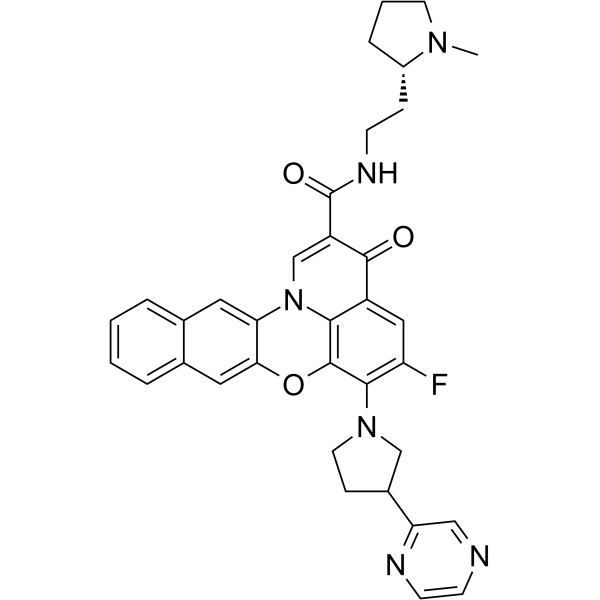
Quarfloxin (CX-3543), a fluoroquinolone derivative with antineoplastic activity, targets and inhibits RNA pol I activity, with IC50 values in the nanomolar range in neuroblastoma cells. Quarfloxin disrupts the interaction between the nucleolin protein and a G-quadruplex DNA structure in the ribosomal DNA (rDNA) template .
|
-
-
- HY-167856
-
|
|
GPR88
|
Neurological Disease
|
|
RTI-122 is a selective, blood-brain barrier-permeable GPR88 agonist (cAMP EC50=11 nM), with EC50 values of 11.5 nM and 155 nM for human and mouse GPR88, respectively ([ 35S]GTPγS assay). By activating the GPR88 receptor to regulate the cAMP signaling pathway and G protein activity, RTI-122 significantly attenuates Binge-like drinking, reduces alcohol intake, and decreases alcohol-seeking motivation. RTI-122 blocks the reinstatement of alcohol-seeking behavior without affecting water or sucrose intake. RTI-122 exhibits metabolic stability in mice (T1/2=5.8 h) and can be used to investigate alcohol use disorder .
|
-
-
- HY-10499
-
PH-064
2 Publications Verification
BIM-46187
|
Serotonin Transporter
Akt
|
Neurological Disease
Inflammation/Immunology
Cancer
|
|
PH-064 (BIM-46187) is an orally active inhibitor of the heterotrimeric G-protein complex. PH-064 inhibits SERT activity and attenuates shear stress-induced Akt phosphorylation. PH-064 has potent anti-hyperalgesia activity. PH-064 inhibits G protein-coupled receptor-dependent tumorigenesis. PH-064 can be used in the study of pain (e.g., inflammatory pain, neuropathic pain), GPCR-dependent tumors, and inflammatory lung injury .
|
-
-
- HY-18707
-
|
|
Ras
Apoptosis
|
Cancer
|
|
K-Ras(G12C) inhibitor 12 is an irreversible inhibitor of K-Ras(G12C). K-Ras(G12C) inhibitor 12 can alter the nucleotide-binding preference of K-Ras and block its interaction with effector proteins. K-Ras(G12C) inhibitor 12 can reduce cell viability and induce apoptosis in lung cancer cell lines with G12C mutations. K-Ras(G12C) inhibitor 12 has anti-tumor activity .
|
-
-
- HY-N2416
-
|
|
Microtubule/Tubulin
Apoptosis
|
Cancer
|
|
Taccalonolide A is a microtubule stabilizer, which is a steroid isolated from Tacca chantrieri, with cytotoxic and antimalarial activities . Taccalonolide A causes G2-M accumulation, Bcl-2 phosphorylation and initiation of apoptosis . Taccalonolide A is effective in vitro against cell lines that overexpress P-glycoprotein (Pgp) and multidrug resistance protein 7 (MRP7), with an IC50 of 622 nM for SK-OV-3 cells .
|
-
-
- HY-N2983
-
|
|
Tyrosinase
|
Others
|
|
Cajanin is a potent and orally active anti-melanogenic agent. Cajanin shows antiproliferative activity in MNT1 Cells. Cajanin efficiently decreases the melanin content. Cajanin down-regulates the mRNA and protein expression levels of MITF, tyrosinase, TRP-1 and Dct (TRP-2). Cajanin induces cell cycle arrest at G2/M and S phase. Cajanin stimulates osteoblast proliferation. Cajanin has the potential for the research of human hyperpigmented disorders and menopausal osteoporosis .
|
-
-
- HY-P3732
-
|
|
Integrin
|
Cancer
|
|
RGD-4C is a arginine-glycine-aspartic acid peptide (ACDCRGDCFC) with integrin binding activity. The Arg-Gly-Asp (RGD) sequence serves as the primary integrin recognition site in extracellular matrix proteins, and peptides containing this sequence can mimic the recognition specificity of the matrix proteins. RGD-4C is a αv-integrin ligand, can conjugate with bioactive molecule to exert antitumor effects in animal models .
|
-
-
- HY-162734
-
|
|
GPR65
|
Inflammation/Immunology
|
|
BRD5075 is a selective GPR65 activator. BRD5075 enhances GPR65 activity under acidic conditions, promotes Gαs-dependent signaling pathways, including cAMP production and G protein recruitment. BRD5075 regulates the cytokine and chemokine expression network in dendritic cells, and inhibits the expression of pro-inflammatory cytokines and chemokines in a GPR65-dependent manner. BRD5075 is applicable to research related to inflammatory bowel disease .
|
-
-
- HY-117163
-
FzM1.8
1 Publications Verification
|
Wnt
β-catenin
|
Cancer
|
|
FzM1.8, derives from FzM1, is an allosteric agonist of FZD4 with pEC50 of 6.4. FzM1.8 binds to FZD4 and activates the WNT/β-catenin pathway, by promoting TCF/LEF transcriptional activity in the absence of any WNT ligand. FzM1.8 stabilizes FZD4 with an increased affinity for heterotrimeric G protein and stimulates the release of the Gβγ subunit that in turn activates PI3K .
|
-
-
- HY-P11273
-
-
-
- HY-101290A
-
|
|
Cyclin G-associated Kinase (GAK)
AAK1
|
Neurological Disease
|
|
BMT-090605 hydrochloride is a potent, selective the adapter protein-2 associated kinase 1 (AAK1) inhibitor with an IC50 value of 0.6 nM. BMT-090605 hydrochloride shows antinociceptive activity. BMT-090605 hydrochloride inhibits BMP-2-inducible protein kinase (BIKE) and Cyclin G-associated kinase (GAK) with IC50 values of 45 nM and 60 nM, respectively. BMT-090605 hydrochloride can be used for the research of neuropathic pain .
|
-
-
- HY-120179
-
|
|
AAK1
|
Neurological Disease
|
|
LP-922761 is a potent, selective and orally active adapter protein-2 associated kinase 1 (AAK1) inhibitor with IC50s of 4.8 nM and 7.6 nM in enzyme and cell assays, respectively. LP-922761 also inhibits BMP-2-inducible protein kinase (BIKE) with an IC50 of 24 nM. LP-922761 exhibits no significant activity at cyclin G-associated kinase (GAK), opioid, adrenergic α2 or GABAa receptors .
|
-
-
- HY-173178
-
|
|
Estrogen Receptor/ERR
|
Cancer
|
|
LNS8801 is an orally active agonist of the G protein-coupled estrogen receptor (GPER). By activating GPER, LNS8801 mediates downstream signaling pathways, such as promoting the production of cyclic adenosine monophosphate (cAMP) and activating the cAMP response element-binding protein (CREB) signaling, thereby exerting anti-tumor activities including inhibiting tumor cell proliferation, inducing cell differentiation, and enhancing tumor immunogenicity. LNS8801 can be used in the research of various cancers (e.g., melanoma, pancreatic cancer, colorectal cancer, lung cancer, etc.) and relevant studies exploring the roles of GPER in normal physiological and pathological processes .
|
-
-
- HY-P4846
-
|
|
CXCR
Apoptosis
IFNAR
TNF Receptor
Interleukin Related
|
Infection
Inflammation/Immunology
|
|
Ac-Pro-Gly-Pro-OH is an endogenous degradation product of extracellular collagen and acts as a CXCR2 agonist . Ac-Pro-Gly-Pro-OH exerts bactericidal activity by generating hydrogen peroxide, inhibits pulmonary inflammation, and reduces immune cell apoptosis (apoptosis). Ac-Pro-Gly-Pro-OH promotes the production of IFN-γ and inhibits the production of TNF-α and IL-6 in leukocytes. Ac-Pro-Gly-Pro-OH increases the survival rate of mice in sepsis models, enhances the bactericidal activity of neutrophils, acts as a neutrophil chemoattractant, induces neutrophil polarization, and regulates inflammatory and repair processes. Ac-Pro-Gly-Pro-OH induces chronic inflammation and tissue remodeling through sustained action. Ac-Pro-Gly-Pro-OH is released via alkaline hydrolysis of corneal proteins in alkali-injured eyes, thereby driving the early infiltration of neutrophils into the cornea. Ac-Pro-Gly-Pro-OH is applicable to research related to sepsis, chronic obstructive pulmonary disease, cystic fibrosis, bronchiolitis obliterans syndrome, severe asthma, idiopathic pulmonary fibrosis, and corneal ulcer .
|
-
-
- HY-135871
-
|
|
AAK1
|
Neurological Disease
|
|
BMT-124110 is a potent, selective AAK1 inhibitor with an IC50 of 0.9 nM. BMT-124110 shows antinociceptive activity. BMT-090605 inhibits BMP-2-inducible protein kinase (BIKE) and Cyclin G-associated kinase (GAK) with IC50s of 17 and 99 nM, respectively .
|
-
-
- HY-148278
-
|
|
SOS1
Ras
|
Cancer
|
|
BI-0474 is a potent KRAS G12C inhibitor with an IC50 value of 7.0 nM for the GDP-KRAS::SOS1 protein-protein interaction. BI-0474 exhibits good anti-proliferative activity against NCI-H358 cells carrying the G12C mutation. BI-0474 also shows good anti-tumour activity in non-small cell lung cancer xenograft models .
|
-
-
- HY-W010989
-
|
|
Biochemical Assay Reagents
Bacterial
|
Infection
Neurological Disease
Inflammation/Immunology
Cancer
|
|
Gly-His-Lys acetate is a natural, circulating regulatory and antimicrobial tripeptide derived from extracellular matrix proteins. Gly-His-Lys acetate binds Cu 2+ to support copper enzyme activation, antioxidant processes, cellular bioenergetics, and the synthesis of elastin, collagen and catecholamines. Gly-His-Lys acetate regulates cell growth, differentiation and tissue repair, and exerts regenerative, anxiolytic, anti-inflammatory, analgesic and immunosuppressive activities. Gly-His-Lys acetate induces liver degenerative changes. Gly-His-Lys acetate can be used for the research of infections, anxiety, pain-related behaviors and immune-associated liver diseases .
|
-
-
- HY-P990021
-
|
TRL1068
|
Bacterial
|
Others
|
|
Calpurbatug is an immunoglobulin G1 antibody. Calpurbatug has activity with anti-bacterial DNA-binding protein DNABII family and anti-human monoclonal TRL1068 γ1-chain .
|
-
-
- HY-178155
-
|
|
DNA/RNA Synthesis
Autophagy
|
Cancer
|
|
AP232 is a selective U2AF1-UHM Inhibitor with an IC50 of 7.96 μM. AP232 exhibits 2.8-24-fold selectivity against other UHM-containing proteins. AP232 exerts anti-leukemia activity and shows higher activities in cell lines carrying splicing factor mutations. AP232 can induce leukemia cells G2/M and G1 arrest, impair lysosome acidification, and inhibit autophagy. AP232 can be used for the research of cancer, such as Leukemia .
|
-
-
- HY-133862
-
-
-
- HY-P10323
-
|
Tumstatin (74-98), human
|
Integrin
FAK
mTOR
Apoptosis
|
Cancer
|
|
T7 Peptide is a protein synthesis inhibitor and anti-angiogenic agent, with a Kd of 10 nM for human transferrin receptor. T7 Peptide inhibits the phosphorylation of focal adhesion kinase, the activation of phosphatidylinositol 3-kinase and Akt, the kinase activity of mTOR, as well as the phosphorylation of 4E-BP1 in endothelial cells. T7 Peptide induces G0/G1 cell cycle arrest, apoptosis and protective autophagy in hepatocellular carcinoma cells, and suppresses tumor growth in mouse models. T7 Peptide is applicable to research related to cancer, glioblastoma, hepatocellular carcinoma and glioma .
|
-
-
- HY-P10323A
-
|
Tumstatin (74-98), human TFA
|
Integrin
FAK
mTOR
Apoptosis
|
Cancer
|
|
T7 Peptide TFA is a protein synthesis inhibitor and anti-angiogenic agent, with a Kd of 10 nM for human transferrin receptor. T7 Peptide TFA inhibits the phosphorylation of focal adhesion kinase, the activation of phosphatidylinositol 3-kinase and Akt, the kinase activity of mTOR, as well as the phosphorylation of 4E-BP1 in endothelial cells. T7 Peptide TFA induces G0/G1 cell cycle arrest, apoptosis and protective autophagy in hepatocellular carcinoma cells, and suppresses tumor growth in mouse models. T7 Peptide TFA is applicable to research related to cancer, glioblastoma, hepatocellular carcinoma and glioma .
|
-
-
- HY-160902
-
|
|
Autophagy
AUTACs
|
Others
|
|
2G-HaloAUTAC (Compound tt44) is a Autophagy-targeting chimera (2G-HaloAUTAC) that improves the activity of AUTACs by replacing the L-Cysteine (L-Cys) linker with other structures. 2G-HaloAUTAC exhibits degradation activity against EGFP-HaloTag protein through an Autophagic mechanism .
|
-
-
- HY-146302
-
|
|
Apoptosis
|
Cancer
|
|
14-3-3η Protein inhibitor 1 (Compound C11) is a 14-3-3η protein inhibitor with a KD of 35 µM. 14-3-3η Protein inhibitor 1 shows inhibitory activities against several typical human liver cancer cell lines. 14-3-3η Protein inhibitor 1 induces cell apoptosis and G1-S cell cycle arrest with good metabolic stability .
|
-
-
- HY-134801
-
|
|
GPR35
|
Metabolic Disease
Inflammation/Immunology
|
|
CID1231538, a benzothiazole analog, is a potent GPR35 antagonist with no significant activity against rodent orthologs of GPR35, which is also a G protein-coupled receptor (GPCR) .
|
-
-
- HY-N0593S1
-
-
-
- HY-N0593S3
-
-
-
- HY-175763
-
|
|
RGS Protein
|
Neurological Disease
Metabolic Disease
|
|
Z55660043 is a Regulator of G protein signaling-14 (RGS14) inhibitor with an IC50 of 2.3 μM. Z55660043 selectively and non-covalently inhibits RGS14 GTPase-accelerating protein (GAP) activity without measurable cytotoxicity. Z55660043 can be used for central nervous system and metabolic disorders research .
|
-
-
- HY-110012
-
|
|
Adenosine Receptor
|
Infection
|
|
SCH-202676 hydrobromide is an allosteric modulator of G protein-coupled receptors (GPCRs) and adenosine receptor (AR). SCH-202676 hydrobromide has antiviral activity and inhibits 3CL pro in a time-dependent manner with an IC50 value of 0.655 μM .
|
-
-
- HY-172438
-
-
-
- HY-150699
-
|
|
Bacterial
|
Infection
|
|
TXA6101 is a bacterial protein FtsZ (filamentous temperature-sensitive protein Z) inhibitor that inhibits bacterial division. TXA6101 has antimicrobial activity against MRSA isolates expressing either the G193D or G196S mutant FtsZ with the MIC value of 1 μg/mL, retains significant activity against the TXA707-resistant FtsZ mutant. TXA6101 can be used as a potential method against Gram-negative bacterial infections .
|
-
-
- HY-N0593S2
-
-
-
- HY-178155A
-
|
|
DNA/RNA Synthesis
Autophagy
|
Cancer
|
|
AP232 dihydrochloride is a selective U2AF1-UHM Inhibitor with an IC50 of 7.96 μM. AP232 dihydrochloride exhibits 2.8-24-fold selectivity against other UHM-containing proteins. AP232 dihydrochloride exerts anti-leukemia activity and shows higher activities in cell lines carrying splicing factor mutations. AP232 dihydrochloride can induce leukemia cells G2/M and G1 arrest, impair lysosome acidification, and inhibit autophagy. AP232 dihydrochloride can be used for the research of cancer, such as Leukemia .
|
-
- HY-168131
-
|
|
PROTACs
Histone Methyltransferase
Apoptosis
|
Cancer
|
|
PROTAC EZH2 Degrader-3 (compound ZJ-20) is a EZH2 PROTAC degrader. PROTAC EZH2 Degrader-3 (5 μM, 24 h) not only potently inhibits the expression of EZH2 protein, but also had a strong inhibits effect on the expression levels of other subunits of PRC2 as well as H3k27me3 protein. PROTAC EZH2 Degrader-3 shows anti-proliferative activity and blocks the cell cycle in the G0-G1 phase and induces cell apoptosis((Blue: cereblon ligand Pomalidomide (HY-10984), Black: linker HY-W361751;Pink: EZH2 inhibitor Tazemetostat (HY-13803)) .
|
-
- HY-19805A
-
|
|
CaMK
AMPK
Autophagy
|
Metabolic Disease
|
|
STO-609 acetate is a selective and cell-permeable inhibitor of the Ca 2+/calmodulin-dependent protein kinase kinase (CaM-KK), with Ki values of 80 and 15 ng/mL for recombinant CaM-KKα and CaM-KKβ, respectively. STO-609 acetate inhibits AMP-activated protein kinase kinase (AMPKK) activity in HeLa cell lysates with an IC50 ~0.02 g/ml.
|
-
- HY-101290
-
|
|
AAK1
Cyclin G-associated Kinase (GAK)
|
Neurological Disease
|
|
BMT-090605 is a potent, selective the adapter protein-2 associated kinase 1 (AAK1) inhibitor with an IC50 value of 0.6 nM. BMT-090605 shows antinociceptive activity. BMT-090605 inhibits BMP-2-inducible protein kinase (BIKE) and Cyclin G-associated kinase (GAK) with IC50 values of 45 nM and 60 nM, respectively. BMT-090605 can be used for the research of neuropathic pain .
|
-
- HY-146817
-
|
|
Microtubule/Tubulin
Apoptosis
|
Cancer
|
|
Tubulin polymerization-IN-11 is a potent tubulin polymerization inhibitor with an IC50 value of 3.4 μM. Tubulin polymerization-IN-11 shows antiproliferative activity. Tubulin polymerization-IN-11 induces Apoptosis and cell cycle arrest at G2/M phase. Tubulin polymerization-IN-11 decreases the expression of cyclin B1, p-cdc2, and Bcl-2 protein levels and increases the expression of cleaved PARP .
|
-
- HY-157213
-
|
|
Apoptosis
PROTACs
FLT3
|
Cancer
|
|
LWY713 is a PROTAC-class FLT3 degrader (DC50=0.64 nM), which selectively induces FLT3 degradation via cereblon and proteasome-dependent pathways. LWY713 inhibits cell proliferation and induces G0/G1 phase arrest and apoptosis in MV4-11 cells. LWY713 shows effective in vivo antitumor activity in MV4-11 xenograft models . LWY713 consists of a target protein ligand (red part) Gilteritinib (HY-12432), an E3 ubiquitin ligase ligand (blue part) Lenalidomide-F (HY-W039233), and a PROTAC linker (black part) Glycolic acid (HY-W015967). E3 ubiquitin ligase and linker can form Lenalidomide-Glycolic acid (HY-169373); the active control for the target protein ligand is Naproxen Gilteritinib (HY-169374).
|
-
- HY-151984
-
|
|
CDK
|
Cancer
|
|
CDK9-IN-22 is a potent CDK9 inhibitor with IC50s of 10.4, 876.2 nM for CDK9, CDK, respectively. CDK9-IN-22 induces apoptosis and cell cycle arrests at G2/M phase. CDK9-IN-22 decreases the expression of p-RNAPII (S2) and CDK9 protein. CDK9-IN-22 shows antiproliferative and aiti-tumor activity .
|
-
- HY-17408R
-
-
- HY-176288
-
|
|
Eukaryotic Initiation Factor (eIF)
Bcl-2 Family
Apoptosis
Ras
PERK
|
Cancer
|
|
eIF4E/eIF4G PPI-IN-1 is an eIF4E/eIF4G interaction inhibitor with a KD of 20.2 μM for eIF4E protein. eIF4E/eIF4G PPI-IN-1 plays an antitumor role in multiple modes of action including regulating the activity of eIF4E by inhibiting the Ras/MAPK/eIF4E signaling pathway, apoptosis and cell migration. eIF4E/eIF4G PPI-IN-1 suppresses the growth of HepG2 xenografts in nude mice and was relatively nontoxic to mice .
|
-
- HY-163277
-
|
|
Opioid Receptor
|
Inflammation/Immunology
|
|
PIPE-3297 (compound 25) is a selective kappa opioid receptor (KOR) agonist, which activates the G-protein signaling with EC50 of 1.1 nM and exhibits low β-arrestin-2 recruitment activity (10%). PIPE-3297 induces myelination and reveals an anti-inflammatory activity .
|
-
- HY-173252
-
|
|
Ligands for Target Protein for PROTAC
Ras
|
Cancer
|
|
KRASG12C ligand-1 is a PROTAC target protein ligand that can be used to synthesize the PROTAC YN14-H (HY-173250). YN14-H is a PROTAC degrader targeting KRAS G12C and has antitumor activity .
|
-
- HY-162728
-
|
|
Opioid Receptor
|
Neurological Disease
|
|
RO-76 is a mu opioid receptor (μOR) selective partial agonist. RO-76 binds to μOR-G-protein complex with an EC50 value of 454 nM. RO-76 reduces β-Arrestin-1/2 recruitment. RO-76 shows antinociception activity .
|
-
- HY-P1318
-
|
|
Opioid Receptor
|
Neurological Disease
|
|
Ac-RYYRIK-NH2 is a potent and partial agonist on ORL1 transfected in CHO cells (Kd=1.5 nM) and behaves as a endogenous ligand of ORL1. Ac-RYYRIK-NH2 is a specific antagonist for the activation of G protein and competitively antagonizes the stimulation of [ 35S]-GTPgS binding to G proteins by nociceptin/orphanin FQ (noc/OFQ) in membranes and sections of rat brain .
|
-
- HY-P1318A
-
|
|
Opioid Receptor
|
Neurological Disease
|
|
Ac-RYYRIK-NH2 TFA is a potent and partial agonist on ORL1 transfected in CHO cells (Kd=1.5 nM) and behaves as a endogenous ligand of ORL1. Ac-RYYRIK-NH2 is a specific antagonist for the activation of G protein and competitively antagonizes the stimulation of [ 35S]-GTPgS binding to G proteins by nociceptin/orphanin FQ (noc/OFQ) in membranes and sections of rat brain .
|
-
- HY-161317
-
-
- HY-P10036
-
|
|
PKG
|
Others
|
|
G-Subtide is a G-substrate peptide localized in Purkinje cells of the cerebellum. G-Subtide has little activity distinct from background and is a preferentially phosphorylated peptide substrate of recombinant PfPKG2 protein .
|
-
- HY-P4448
-
|
|
Fluorescent Dye
|
Others
|
|
Ac-Gly-Pro-AFC is a fluorogenic substrate for the determination of fibroblast activation protein (FAP) endopeptidase activity .
|
-
- HY-168559
-
|
|
EGFR
Apoptosis
|
Cancer
|
|
EGFR-IN-131 (compound 3a) is a potent and cross the blood-brain barrier EGFR inhibitor with an IC50 value of 272.9 nM. EGFR-IN-131 shows antiproliferative activity. EGFR-IN-131 induces apoptosis and cell cycle arrest at G0/G1 phase. EGFR-IN-131 decreases the protein expression of p-EGFR .
|
-
- HY-147816
-
|
|
Mitochondrial Metabolism
|
Cancer
|
|
Anticancer agent 70 (Compound 21), an anticancer agent, exhibits remarkable cytotoxic activity against numerous human cancer cell lines. Anticancer agent 70 results in the G0/G1-cell cycle arrest with a concomitant increase in p53 and p21 protein levels. Anticancer agent 70 leads to ATP depletion and disruption of the mitochondrial membrane potential .
|
-
- HY-10499A
-
|
BIM-46187 tetrahydrochloride
|
Serotonin Transporter
Akt
|
Neurological Disease
Inflammation/Immunology
Cancer
|
|
PH-064 tetrahydrochloride (BIM-46187 tetrahydrochloride) is an orally active inhibitor of the heterotrimeric G-protein complex. PH-064 tetrahydrochloride inhibits SERT activity and attenuates shear stress-induced Akt phosphorylation. PH-064 tetrahydrochloride has potent anti-hyperalgesia activity. PH-064 tetrahydrochloride inhibits G protein-coupled receptor-dependent tumorigenesis. PH-064 tetrahydrochloride can be used in the study of pain (e.g., inflammatory pain, neuropathic pain), GPCR-dependent tumors, and inflammatory lung injury .
|
-
- HY-122251
-
|
|
RGS Protein
|
Others
Neurological Disease
|
|
CCG-4986 is an RGS protein inhibitor. CCG-4986 inhibits protein activity by covalently modifying the Cys-132 site of RGS4. CCG-4986 can be used to study diseases related to dysregulated G protein-coupled receptor (GPCR) signaling, such as Parkinson's disease and opioid addiction .
|
-
- HY-168623
-
|
|
EGFR
Apoptosis
Necroptosis
Bcl-2 Family
Caspase
MDM-2/p53
|
Cancer
|
|
EGFR-IN-134 (compound 3f), a triazolo[3,4-a]isoquinoline derivative, is a potent EGFR inhibitor with an IC50 of 0.023 µM. EGFR-IN-134 induces apoptosis and necrosis. EGFR-IN-134 initiates cell cycle arrest at the G2/M and pre-G1 phases, downregulates anti-apoptotic protein Bcl2 and upregulates pro-apoptotic proteins: p53, Bax, and caspases 3, 8, and 9. EGFR-IN-134 shows antiproliferative and anticancer activity .
|
-
- HY-174727
-
|
|
mRNA
|
Inflammation/Immunology
|
|
Human CXCR2 mRNA encodes the human C-X-C motif chemokine receptor 2 (CXCR2) protein, a member of the G-protein-coupled receptor family. CXCR2 is a receptor for interleukin 8 (IL8). It binds to IL8 with high affinity, and transduces the signal through a G-protein activated second messenger system. This receptor also binds to chemokine (C-X-C motif) ligand 1 (CXCL1/MGSA), a protein with melanoma growth stimulating activity, and has been shown to be a major component required for serum-dependent melanoma cell growth.
|
-
- HY-159891
-
|
|
Microtubule/Tubulin
Apoptosis
Caspase
|
Cancer
|
|
Microtubule destabilizing agent-2 (Compound 21) is an orally active and selective antitumor compound targeting microtubule protein. Microtubule destabilizing agent-2 destabilizes microtubule proteins and inhibits microtubule polymers. Microtubule destabilizing agent-2 arrests the G0/G1 phase in human tumor cells. Microtubule destabilizing agent-2 induces Apoptosis by activating the cascade pathway of caspases. Microtubule destabilizing agent-2 has anti-inflammatory activity, as inhibiting TNF-α and IL-6 in vitro. Microtubule destabilizing agent-2 reduces tumors growth in xenograft mice .
|
-
- HY-P1915
-
|
|
Neuropeptide Y Receptor
|
Metabolic Disease
|
|
26Rfa, Hypothalamic Peptide, human is a hypothalamic neuropeptide of the RFamide peptide family with orexigenic activity . 26RFa is an orexigenic neuropeptide identified as the endogenous ligand of the orphan G protein-coupled receptor GPR103 .
|
-
- HY-174347
-
|
|
HSP
Casein Kinase
Apoptosis
|
Cancer
|
|
Hsp90-Cdc37-IN-4, a Celastrol (HY-13067) derivative, inhibits the Hsp90-Cdc37 protein-protein interaction (PPI). Hsp90-Cdc37-IN-4 selectively inhibits casein kinase 2 (CK2), reducing phosphorylation of its substrate Cdc37 at Serine 13. Hsp90-Cdc37-IN-4 induces G0/G1 cell cycle arrest and triggers apoptosis via the mitochondrial pathway. Hsp90-Cdc37-IN-4 demonstrates potent anti-breast cancer activity .
|
-
- HY-138121
-
|
|
Cannabinoid Receptor
|
Inflammation/Immunology
|
|
PSB-KD107 is an agonist of the cannabinoid activated orphan G-protein-coupled receptor GPR18, and PSB-KD107 has anti-inflammatory activity. PSB-KD107 can be used in the study of Duchenne muscular dystrophy .
|
-
- HY-170965
-
|
|
CDK
DNA/RNA Synthesis
|
Cancer
|
|
Anticancer agent 264 (Compound 5w) is an anticancer agent that exhibits significant antiproliferative activity across tumor cell lines, with an IC50 range of 7.5-33.67 μM.
Anticancer agent 264 significantly induces G2/M phase arrest in MDA-MB-231, MIA PaCa-2, and DU-145 cell lines.
Anticancer agent 264 reduces the expression of key cell cycle proteins, including CDK1, CDK2, and Cyclin B1, in a dose-dependent manner, and shows strong binding affinity with inhibitor of differentiation (ID) proteins and DNA-binding proteins.
Anticancer agent 264 can be used for research in the field of cancer-related diseases .
|
-
- HY-120179A
-
|
|
AAK1
|
Neurological Disease
|
|
LP-922761 hydrate is a potent, selective and orally active adapter protein-2 associated kinase 1 (AAK1) inhibitor with IC50s of 4.8 nM and 7.6 nM in enzyme and cell assays, respectively. LP-922761 hydrate also inhibits BMP-2-inducible protein kinase (BIKE) with an IC50 of 24 nM. LP-922761 hydrate shows less activity at cyclin G-associated kinase (GAK), opioid, adrenergic α2 or GABAa receptors .
|
-
- HY-169170
-
|
|
Apoptosis
DNA/RNA Synthesis
Epigenetic Reader Domain
PARP
|
Cancer
|
|
PARP1/BRD4-IN-3 (compound HF4) is a potent BRD4 and PARP1 inhibitor with IC50 values of 1210, 2019 nM for BRD4, PARP1, respectively. PARP1/BRD4-IN-3 shows antiproliferative activities. PARP1/BRD4-IN-3 induces apoptosis and cell cycle arrest at G0/G1 phase. PARP1/BRD4-IN-3 causes DNA damage and reduces the protein expression of Rad51. PARP1/BRD4-IN-3 shows antitumor efficacy .
|
-
- HY-146807
-
|
|
Trk Receptor
|
Cancer
|
|
Type II TRK inhibitor 1 is a potent TRK inhibitor, which inhibits various TRK fusion protein variants and wild type. Type II TRK inhibitor 1 exhibits antiproliferative activity against Ba/F3 cells harboring CD74-TRKA G667C and ETV6-TRKC G696C fusion proteins with IC50s of 6 nM and 1.7 nM, respectively . Type II TRK inhibitor 1 is a click chemistry reagent, it contains an Alkyne group and can undergo copper-catalyzed azide-alkyne cycloaddition (CuAAc) with molecules containing Azide groups.
|
-
- HY-177268
-
|
|
Apoptosis
Reactive Oxygen Species (ROS)
PARP
Caspase
Akt
|
Cancer
|
|
CHNQD-01426 (Compound 4a) is an anticancer agent. CHNQD-01426 has cytotoxic activities against cancer cells. CHNQD-01426 significantly inhibits hepatocellular carcinoma cells proliferation via arresting S and G2/M phase cell cycle and induces apoptosis by inducing ROS production and elevating apoptosis-related proteins expression. CHNQD-01426 potently inhibits tumor growth in HepG2 xenograft mice model .
|
-
- HY-176171
-
|
|
Microtubule/Tubulin
Hippo (MST)
YAP
Apoptosis
|
Cancer
|
|
Tubulin polymerization-IN-79 (Compound C20) is a tubulin polymerization inhibitor. Tubulin polymerization-IN-79 shows potent antiproliferative activity against esophageal cancer cells (e.g., KYSE450, IC50=0.36 μM; EC-109, IC50=0.63 μM). Tubulin polymerization-IN-79 occupies the colchicine binding site to disrupt microtubule network integrity, activating the Hippo signaling pathway, downregulating the oncogenic protein YAP expression, and inducing G2/M phase arrest and apoptosis in esophageal cancer cells. Tubulin polymerization-IN-79 is promising for research of esophageal cancers .
|
-
- HY-179165
-
|
|
P2Y Receptor
Apoptosis
YAP
|
Cancer
|
|
Gαq/11 protein-IN-2 (Compound 9g) is a Gαq/11 protein inhibitor, with an IC50 of 11.3 μM. Gαq/11 protein-IN-2 induces Apoptosis, increases p-YAP. Gαq/11 protein-IN-2 has anticancer activity against uveal melanoma .
|
-
- HY-150172A
-
|
ITP lithium salt; Inosine triphosphate lithium salt
|
Endogenous Metabolite
|
Metabolic Disease
|
|
Inosine-5'-triphosphate (ITP) lithium salt is a nucleotide analogue that acts on multiple G proteins. Inosine-5'-triphosphate lithium salt can bind to the α -subunit of G proteins and participate in G protein-mediated signal transduction as a substitute for GTP. Inosine-5'-triphosphate lithium salt interacts with the nucleotide-binding site of the G protein α -subunit, affecting the activity and function of G proteins. Inosine-5'-triphosphate lithium salt is used to explore the role of the G protein signaling pathway in cellular physiological and pathological processes .
|
-
- HY-W013706R
-
|
ITP trisodium salt (Standard); Inosine triphosphate trisodium salt (Standard)
|
Endogenous Metabolite
Reference Standards
|
Metabolic Disease
|
|
Inosine-5'-triphosphate (trisodium salt) (Standard) is the analytical standard of Inosine-5'-triphosphate (trisodium salt) (HY-W013706). This product is intended for research and analytical applications. Inosine-5'-triphosphate trisodium salt is a nucleotide analogue that acts on multiple G proteins and is widely used in G protein-related research. It can bind to the α -subunit of G proteins and participate in G protein-mediated signal transduction as a substitute for GTP. Its mechanism of action is to interact with the nucleotide-binding site of the G protein α -subunit, affecting the activity and function of G proteins. In the research field, it is mainly used to explore the role of the G protein signaling pathway in cellular physiological and pathological processes. For example, in HL-60 leukemia cells, its impact on G protein-mediated signal transduction can be studied .
|
-
- HY-163531
-
-
- HY-137677
-
|
Guanosine 5'-[γ-thio]triphosphate
|
GLUT
|
Metabolic Disease
|
|
GTPγS (Guanosine 5'-[γ-thio]triphosphate) is a G-protein activator that protects proteins from proteolytic degradation, stimulates GLUT4 translocation in a tyrosine kinase-dependent manner, stimulate phospholipases and induce actin polymerization. GTPγS to couple with G- protein α, to study its effect on kinase activity. GTPγS acts as a component of lysis buffer .
|
-
- HY-182538
-
|
|
MEK
|
Cancer
|
|
G-963 is an allosteric inhibitor of mitogen-activated protein kinase kinase (MEK) with a MEK1 IC50 of 0.012 μM. G-963 interacts with Ser212 of MEK and exhibits potent antiproliferative activity against HCT116 colon cancer cells (EC50 = 0.120 μM) and A375 melanoma cells (EC50 = 0.025 μM). G-963 can be used for the research of colon cancer, melanoma .
|
-
- HY-183355
-
|
|
Ras
ERK
Akt
Reactive Oxygen Species (ROS)
Apoptosis
Bcl-2 Family
Caspase
|
Cancer
|
|
KRAS G12D-IN-37 is a KRAS G12D inhibitor. KRAS G12D-IN-37 shows antiproliferative activity against KRAS G12D mutant tumor cells and minimal cytotoxicity toward normal cells. KRAS G12D-IN-37 binds stably to KRAS G12D via hydrogen bond interactions with residues His 95, Arg 68, and Asp 12, and inhibits downstream ERK/AKT signaling pathways. KRAS G12D-IN-37 elevates ROS levels, induces apoptosis, disrupts mitochondrial membrane potential. KRAS G12D-IN-37 downregulates the level of anti-apoptotic protein Bcl-2, and upregulates the levels of pro-apoptotic proteins Bax and caspase 3. KRAS G12D-IN-37 can be used for the research of cancer, such as gastric adenocarcinoma and colorectal cancer .
|
-
- HY-10499R
-
|
BIM-46187 (Standard)
|
Reference Standards
Serotonin Transporter
Akt
|
Neurological Disease
Inflammation/Immunology
Cancer
|
|
PH-064 (Standard) is the analytical standard of PH-064 (HY-10499). This product is intended for research and analytical applications. PH-064 (BIM-46187) is an orally active inhibitor of the heterotrimeric G-protein complex. PH-064 inhibits SERT activity and attenuates shear stress-induced Akt phosphorylation. PH-064 has potent anti-hyperalgesia activity. PH-064 inhibits G protein-coupled receptor-dependent tumorigenesis. PH-064 can be used in the study of pain (e.g., inflammatory pain, neuropathic pain), GPCR-dependent tumors, and inflammatory lung injury .
|
-
- HY-182447
-
|
DL111-IT
|
CDK
Apoptosis
|
Endocrinology
Cancer
|
|
Contragestazol (DL111-IT) is a non-hormonal antifertility agent. Contragestazol reduces the expression of Cyclin D1 and CDK4, increases the expression of total retinoblastoma protein (pRb), and decreases the level of hyperphosphorylated pRb. Contragestazol induces G0/G1 phase cell cycle arrest. Contragestazol inhibits embryonic development by inducing luteal cell apoptosis and reducing intrauterine polyamine levels. Contragestazol exhibits antitumor activity against prostate cancer, S180 tumor and H22 tumor. Contragestazol shows extremely potent activity in terminating early pregnancy in animals .
|
-
- HY-N17632
-
|
|
Estrogen Receptor/ERR
Akt
MELK
COX
Apoptosis
|
Inflammation/Immunology
Cancer
|
|
Moracin G is a plant-derived kinase modulator and receptor ligand that forms stable bindings with multiple key proteins (AKT1, COX2 and Estrogen receptor 1) and competitively inhibits the activity of specific kinases. By binding to MELK to disrupt cell cycle regulation, Moracin G impairs the survival and proliferation of cancer cells, induces cancer cell apoptosis, and thereby exerts anti-tumor potential. Moracin G can be used in research related to periodontitis and breast cancer .
|
-
- HY-180820
-
|
|
Drug Derivative
MDM-2/p53
CDK
Reactive Oxygen Species (ROS)
Apoptosis
Bcl-2 Family
Caspase
|
Cancer
|
|
Dimethyl bisphenolate (Compound DMB) is a natural neolignan derivative with orally active anti-tumor activity. Dimethyl bisphenolate can inhibit cancer cells proliferation, invasion and migration. Dimethyl bisphenolate can activate the p53 signaling pathway, upregulate the expression of p21 protein, inhibit the activity of the CDK1-cyclin B1 complex, and cause cells to stall at the G2/M phase. Dimethyl bisphenolate can induce ROS production, upregulate pro-apoptotic proteins Noxa and Bim, downregulate anti-apoptotic protein Bcl-2, activate caspase-9 and caspase-3, and ultimately induce cell apoptosis. Dimethyl bisphenolate can be used for research of glioblastoma .
|
-
- HY-181807
-
|
|
SOS1
Ras
Apoptosis
|
Cancer
|
|
SOS1/KRAS-IN-2 (Compound 20) is a SOS1::KRAS G12C protein-protein interaction inhibitor with a IC50 of 4.11 nM. SOS1/KRAS-IN-2 blocks the interaction between SOS1 and KRAS G12C. SOS1/KRAS-IN-2 induces cell Apoptosis. SOS1/KRAS-IN-2 exhibits anticancer activity against colorectal cancer and tongue squamous cell carcinoma .
|
-
- HY-W686762
-
|
|
Dopamine Receptor
Adenylate Cyclase
|
Neurological Disease
|
|
m,p-Dimethyl PPE is a D4 dopamine receptor ligand. m,p-Dimethyl PPE promotes GDP/GTP exchange of the G protein α-subunit, dissociates the receptor-G protein complex, stabilizes the low-affinity receptor state, and inhibits adenylate cyclase activity. m,p-Dimethyl PPE inhibits Forskolin (HY-15371)-induced melatonin synthesis in retinal photoreceptor cells and reduces the efficacy of full agonists when used in combination. m,p-Dimethyl PPE can be used in studies related to attention-deficit hyperactivity disorder .
|
-
- HY-120718
-
|
|
G Protein-coupled Receptor Kinase (GRK)
|
Cardiovascular Disease
|
|
CCG 224061 is a G protein-coupled receptor kinase 2 (GRK2) inhibitor with a IC50 of 0.066 μM. CCG 224061 inhibits GRK activity in cardiomyocytes . CCG 224061 is applicable to research related to heart disease, heart failure, myocardial hypertrophy and hypertension .
|
-
- HY-175099
-
|
|
Drug Intermediate
|
Neurological Disease
|
|
AB-ICA is a precursor of AB-FUBICA (HY-117403). AB-FUBICA (Compound 13) is a CB1 and CB2 receptor agonist that activates G-protein coupled inwardly rectifying potassium channels (GIRK) by binding to CB1 and CB2 receptors, displaying notable cannabinoid-like activity .
|
-
- HY-180281
-
|
|
Zinc Finger Protein
Apoptosis
PI3K
Akt
|
Cancer
|
|
PLAGL2-IN-1 is a inhibitor of pleiomorphic adenoma-like protein 2 (PLAGL2) with a Kd of 2.23 µM. PLAGL2-IN-1 suppresses PLAGL2 transcriptional activity, induces G0/G1 cell cycle arrest, and apoptosis, thereby inhibiting hepatocellular carcinoma (HCC) cell proliferation. PLAGL2-IN-1 disrupts extracellular matrix organization and suppresses the PI3K-AKT pathway by reducing AKT phosphorylation. PLAGL2-IN-1 inhibits tumor growth in an HCCLM3 xenograft mouse model. PLAGL2-IN-1 can be used for the research of HCC .
|
-
- HY-181978
-
|
|
Ras
Apoptosis
MEK
ERK
CDK
|
Cancer
|
|
GIT1-IN-1 is an inhibitor of ARF GTPase-activating protein 1 (GIT1) with a KD of 6.2 μM. GIT1-IN-1 induces apoptosis (apoptosis) in liver and colon cancer cells, arrests the cell cycle at the G2/M phase, and inhibits cell proliferation, colony formation and migration. GIT1-IN-1 inhibits the activities of MEK and ERK, reduces the expression level of cyclin D1, and stabilizes cyclin B1 protein in liver and colon cancer cells. GIT1-IN-1 can be used in the research of liver cancer and colon cancer .
|
-
- HY-118447
-
|
|
CDK
Survivin
|
Cancer
|
|
RO0505124 is a selective CDK4 inhibitor with an IC50 of 20 nM. RO0505124 reversibly binds the ATP pocket of the kinase. RO0505124 induces G1 phase arrest in cancer cells via reduced retinoblastoma protein (Rb) phosphorylation, blocking S phase progression. RO0505124 exhibits anti-proliferative activity against various cancer cells. RO0505124 delays mitotic entry, induces aberrant mitosis with lagging chromosomes, driving mitotic slippage and formation of multinucleated or micronucleated cells. RO0505124 inhibits G2/M phase accumulation of survivin and borealin. RO0505124 can be used for the research of cancer .
|
-
- HY-135871A
-
|
|
AAK1
|
Neurological Disease
|
|
BMT-124110 formic is a potent, selective AAK1 inhibitor, with an IC50 of 0.9 nM. BMT-124110 shows antinociceptive activity. BMT-124110 formic inhibits BMP-2-inducible protein kinase (BIKE) and Cyclin G-associated kinase (GAK) with IC50s of 17 and 99 nM, respectively .
|
-
- HY-111216
-
|
|
Melatonin Receptor
|
Cancer
|
|
CGP52608 is a selective agonist for the RZR/ROR receptor, known for its anti-tumor activity, and has almost no affinity for the cell surface G-protein coupled melatonin receptor. CGP52608 can inhibit the growth of mouse 16/C breast cancer cells. CGP52608 can induce the formation of vesicles in diatoms .
|
-
- HY-182405
-
|
|
Apoptosis
YAP
ERK
|
Cancer
|
|
GQ127 is an orally active Gαq/11 inhibitor with an IC50 of 22.6 μM. GQ127 binds directly to Gαq/11 protein and inhibits its activity. GQ127 induces Apoptosis, suppresses viability, migration and invasion of uveal melanoma cells. GQ127 increases the phosphorylation level of YAP and decreases the phosphorylation level of ERK. GQ127 inhibits the growth of uveal melanoma xenografts in mouse models. GQ127 can be used for research related to uveal melanoma .
|
-
- HY-N14734
-
|
|
Apoptosis
Fungal
Microtubule/Tubulin
Mitosis
|
Cancer
|
|
Disorazol A1 is an tubulin inhibitor with antifungal activity. Disorazol A1 functions by inhibiting tubulin polymerization, interfering with microtubule formation, blocking mitosis, thus arresting the cell cycle at the G2/M phase and inducing apoptosis. Disorazol A1 also exhibits an inhibitory effect against L929 mouse fibroblasts with an IC50 value of 3 pM. Disorazol A1 causes the accumulation of p53 protein in the cell nucleus. Disorazol A1 is promising for research of cancers .
|
-
- HY-P11698
-
|
|
DNA Alkylator/Crosslinker
Transthyretin (TTR)
|
Cancer
|
Guanidino-G-Clamp-PNA is a highly efficient sequence-specific RNA binder and gene silencer. Guanidino-G-Clamp-PNA precisely targets such targets as miR-155 or transthyretin (TTR) mRNA through base pairing: the former regulates tumor-related signaling pathways by reducing microRNA activity, while the latter inhibits the translation of harmful proteins via steric hindrance. Guanidino-G-Clamp-PNA effectively stabilizes DNA/RNA duplexes, induces cancer cell apoptosis, and suppresses tumor growth. In addition, Guanidino-G-Clamp-PNA can be conjugated with targeting ligands to improve tissue-specific delivery and reduce in vivo adverse reactions, and it can also enhance the splicing regulation efficacy of other oligonucleotide platforms (such as PMO) when integrated into them. Guanidino-G-Clamp-PNA is applicable to the research of various diseases including diffuse large B-cell lymphoma and hereditary transthyretin-related amyloidosis .
|
-
- HY-182044
-
|
|
Ras
Apoptosis
PARP
Caspase
CDK
|
Cancer
|
|
MRTX849-amide-C4-(o)-carborane is a KRAS G12C inhibitor with mutation selectivity for cells expressing KRAS G12C. MRTX849-amide-C4-(o)-carborane shows low intrinsic cytotoxicity in cancer cells. MRTX849-amide-C4-(o)-carborane covalently binds to Cys12 of KRAS G12C, recruits Hsp70, promotes ubiquitination, and induces proteasome-dependent degradation of the target protein. MRTX849-amide-C4-(o)-carborane inhibits the activity of the downstream ERK signaling pathway and induces apoptosis signaling in cancer cells. MRTX849-amide-C4-(o)-carborane is applicable for the research of KRAS G12C-positive cancers .
|
-
- HY-168012
-
|
|
Ras
Phosphatase
|
Cancer
|
|
Pan-RAS-IN-6 (compound 24) is an inhibitor targeting DUSP6, which reduces MAPK activation in the brain of the NCI-H1373-Luc model (DUSP6), at the same time, it shows significant tumor growth inhibition and tumor regression effects in the NSCLC brain metastasis mouse model. Pan-RAS-IN-6 shows high selectivity and strong inhibitory effects, especially in KRAS mutation-related signaling pathways, demonstrating varying inhibitory activity against different KRAS mutants and interacting proteins. The IC50 values for KRAS G12C, G12D, and G12V are 1.3 nM, 4.7 nM, and 0.3 nM, respectively .
|
-
- HY-145997
-
|
|
Mas-related G-protein-coupled Receptor (MRGPR)
|
Inflammation/Immunology
|
|
MRGPRX4 modulator-1 (compound 31-2) is a potent mas-related g-protein receptor X4 (MRGPR X4) modulator, with antagonist activity of IC50 < 100 nM for MRGPR4. MRGPRX4 modulator-1 can be used for researching MRGPR X4 dependent diseases such as itch, pain, and autoimmune disorders .
|
-
- HY-162735
-
|
|
GPR65
|
Inflammation/Immunology
|
|
BRD5080 is a potent GPR65 positive allosteric modulator. BRD5080 induces GPR65-dependent cAMP production. BRD5080 exhibits a robust induction of cAMP activity and recruits G protein for the WT and variant hGPR65 as well as for the mouse ortholog. BRD5080 has the potential for autoimmune and inflammatory diseases research .
|
-
- HY-P1306
-
|
|
GHSR
|
Cardiovascular Disease
Inflammation/Immunology
|
|
Obestatin(rat), encoded by the Ghrelin gene, is a cpeptide, comprised of 23 amino acids. Obestatin(rat) suppresses food intake, inhibits jejunal contraction, and decreases body-weight gain. Obestatin is an endogenous ligand of G-protein coupled receptor 39 (GPR39). Obestatin(rat) has anti-inflammatory, anti-myocardial infarction and antioxidant activities .
|
-
- HY-173530
-
|
8-Bromo TNP-Guanosine 5'-triphosphate tetrasodium
|
Fluorescent Dye
|
Others
|
|
8-Bromo TNP-GTP (8-Bromo TNP-Guanosine 5'-triphosphate) tetrasodium is a fluorescent TNP-GTP analogue with a TNP fluorophore and a bromo group at the 8-position. 8-Bromo TNP-GTP tetrasodium can be used to analyze the binding activity of GTP-binding proteins (such as Ras and Gα subunits) .
|
-
- HY-15652
-
|
ONO-6818; ONO-PO-736
|
Elastase
|
Inflammation/Immunology
|
|
Freselestat (ONO-6818) is a potent and orally active neutrophil elastase inhibitor with a Ki of 12.2 nM. Freselestat is >100-fold less-active against other proteases such as trypsin, protein-ase 3, pancreatic elastase, plasmin, thrombin, collagenase, cathepsin G, and murine macrophage elastase. Freselestat has a potent anti-inflammatory activity .
|
-
- HY-B0228
-
-
- HY-P1732
-
|
|
Biochemical Assay Reagents
|
Cancer
|
|
Transportan is an amphipathic cell-penetrating peptide containing 12 functional amino acids from the amino terminus of the neuropeptide galanin and mastoparan in the carboxyl terminus, connected via a lysine. Transportan interacts with galanin receptors and G-proteins, modulates GTPase activity, enters cells via direct translocation and endocytic pathways, accumulates in cytoplasmic, nuclear, and membranous structures, and delivers cargo including peptides, PNAs, proteins, siRNA, and liposomes [12].
|
-
- HY-101290AR
-
|
|
Cyclin G-associated Kinase (GAK)
Reference Standards
AAK1
|
Neurological Disease
|
|
BMT-090605 (hydrochloride) (Standard) is the analytical standard of BMT-090605 (hydrochloride) (HY-101290A). This product is intended for research and analytical applications. BMT-090605 hydrochloride is a potent, selective the adapter protein-2 associated kinase 1 (AAK1) inhibitor with an IC50 value of 0.6 nM. BMT-090605 hydrochloride shows antinociceptive activity. BMT-090605 hydrochloride inhibits BMP-2-inducible protein kinase (BIKE) and Cyclin G-associated kinase (GAK) with IC50 values of 45 nM and 60 nM, respectively. BMT-090605 hydrochloride can be used for the research of neuropathic pain .
|
-
- HY-168895
-
|
|
AP-1
ERK
Apoptosis
|
Cancer
|
|
c-Fos-IN-1 (Compound P16) is a c-Jun inhibitor, and decreases mRNA levels and protein levels of c-Fos. c-Fos-IN-1 also inhibits the phosphorylation activity of ERK and the transcriptional activity of AP-1. c-Fos-IN-1 shows anticancer activity by inhibiting ERK/c-Fos/Jun pathway. c-Fos-IN-1 inhibits the proliferation and migration of gastric cancer cells (IC50: 2.31 μM for MGC-803 cell). c-Fos-IN-1 arrests cell cycle at G2/M phase and induces cancer cell apoptosis. c-Fos-IN-1 inhibits gastric cancer tumor growth .
|
-
- HY-144637
-
|
|
Apoptosis
Autophagy
|
Cancer
|
|
Autophagy inducer 2 (Compound 11i) is a potent autophagy inducer. Autophagy inducer 2 exhibits apparent antiproliferative activity against the MCF-7 cell line with an IC50 value of 1.31 μM and remarkably inhibits the colony formation of the MCF-7 cells. Autophagy inducer 2 arrests the MCF-7 cells in the G2/M phase by regulating the cell-cycle-related proteins Cdk-1 and Cyclin B1. Autophagy inducer 2 has the potential for the research of breast cancer .
|
-
- HY-B0228S
-
-
- HY-W011370
-
|
|
Quinone Reductase
Reactive Oxygen Species (ROS)
|
Neurological Disease
Cancer
|
|
Pelargonidin chloride is an anthocyanidin and also is a scavenger of nitric oxide radical and has antioxidant activities. Pelargonidin inhibits cell viability and induces cell cycle arrest at sub-G1 phase. Pelargonidin chloride increases the mRNA and protein expression of HO-1, NQO1, Nrf2. Pelargonidin chloride improves Aβ-induced memory and learning impairment .
|
-
- HY-N7224
-
|
SF-1854
|
Bacterial
Antibiotic
|
Infection
|
|
N-Formylfortimicin A (SF-1854) is an aminoglycoside antibiotic with broad-spectrum antibacterial activity. It primarily acts on bacterial ribosomes to inhibit protein synthesis and exhibits notable inhibitory effects against various Gram-positive and Gram-negative bacteria (e.g., E. coli with a MIC of 12.5-50 μg/mL), making it a potential candidate for research on bacterial infection-related diseases .
|
-
- HY-P1306A
-
|
|
GHSR
|
Cardiovascular Disease
Inflammation/Immunology
|
|
Obestatin(rat) TFA, encoded by the Ghrelin gene, is a cpeptide, comprised of 23 amino acids. Obestatin(rat) TFA suppresses food intake, inhibits jejunal contraction, and decreases body-weight gain. Obestatin is an endogenous ligand of G-protein coupled receptor 39 (GPR39). Obestatin(rat) TFA has anti-inflammatory, anti-myocardial infarction and antioxidant activities .
|
-
- HY-175302
-
|
|
Trk Receptor
Apoptosis
|
Cancer
|
|
TRK-IN-32 is a potent TRK inhibitor. TRK-IN-32 potently inhibits TRK WT, TRK G595R and TRK G667C with IC50 values of 0.08 nM, 2.14 nM and 0.68 nM, respectively. TRK-IN-32 also demonstrates antiproliferative activity against a panel of Ba/F3 cell lines transformed with wild type, xDFG, solvent-front as well as gatekeeper mutant TRK fusion proteins. TRK-IN-32 induces apoptosis of Ba/F3-TRKA WT and Ba/F3-TRKA G667C cells.TRK-IN-32 can be used for the study of various cancers (such as thyroid cancer, secretory breast carcinoma) .
|
-
- HY-147245
-
|
STP1002
|
PARP
|
Cancer
|
|
Basroparib (STP1002) is a selective, orally active inhibitor of tankyrase (TNKS1/TNKS2) with IC50 of 29.94 nM and 3.68 nM for TNKS1 and TNKS2, respectively. Basroparib has an IC50 of >10 μM for PARP1. Basroparib binds to TNKS, stabilizes AXIN1/2 proteins, blocks Wnt/β-catenin signaling pathway, inhibits tumor cell proliferation and induces apoptosis, while reducing cancer stem cell properties. Basroparib can be used in colorectal cancer (CRC) studies with KRAS mutations (such as G12V/G12D) to overcome acquired resistance to MEK inhibitors. STP1002 has synergistic antitumor activity with MEK inhibitors .
|
-
- HY-173368
-
|
|
PI3K
|
Cancer
|
|
Antiproliferative agent-67 (Compound 5g) is a PI3K inhibitor with a selectivity index SI of 7.72 for breast cancer cells (MCF-7). Antiproliferative agent-67 inhibits the activity of PI3K protein by forming hydrogen bonds and intermolecular hydrophobic forces with it, exerting anti - proliferative activity against breast cancer cells (MCF-7), and can be used in the research of breast cancer .
|
-
- HY-18981R
-
|
(+)-Decursin (Standard)
|
Reference Standards
PKC
Apoptosis
CXCR
|
Neurological Disease
Inflammation/Immunology
Cancer
|
|
Decursin (Standard) is the analytical standard of Decursin. This product is intended for research and analytical applications. Decursin ((+)-Decursin) is a potent anti-tumor agent. Decursin also is a cytotoxic agent and a potent protein kinase C activator. Decursin induces apoptosis and cell cycle arrest at G1 phase. Decursin decreases the expression of CDK2, CDK4, CDK6, cyclin D1 protein at 48 h. Decursin inhibits cell proliferation and migration. Decursin shows anti-tumor, anti-inflammatory and analgesic activities [4].
|
-
- HY-164159
-
|
|
Reactive Oxygen Species (ROS)
MMP
|
Inflammation/Immunology
|
|
α-Glucosylrutin, a flavonoid, is a potent antioxidant with free radical scavenging activity. α-Glucosylrutin reduces MMP-1 gene expression, protein expression, and enzyme activity, and reduces MMP-2 protein expression and enzyme activity in UVA-irradiated human dermal fibroblasts. α-Glucosylrutin prevents oxidative stress-induced intracellular tyrosine residue phosphorylation and counteracts intracellular thiol level depletion in human skin cells. α-Glucosylrutin is effective in the prevention of dermatologic diseases in which oxidative stress is of pathogenetic relevance, e.g. in polymorphous light eruption (PLE). α-Glucosylrutin can be used for the research of UV-induced skin photodamage/photoaging .
|
-
- HY-156498
-
|
|
Ras
ERK
Raf
Ribosomal S6 Kinase (RSK)
AMPK
Apoptosis
PARP
|
Cancer
|
|
RMC-7977 is an orally active triple-complex RAS inhibitor that can simultaneously bind to cyclophilin A (CYPA) (Kd = 195 nM) and KRAS (G12V) (Kd = 292 μM). It exhibits broad-spectrum inhibitory activity against KRAS, NRAS, and HRAS proteins and their various wild-type and mutant variants. RMC-7977 induces apoptosis by inhibiting the phosphorylation of ERK, CRAF, and RSK, as well as increasing PARP cleavage. This leads to tumor regression, reduces resistance in KRAS G12C cancer models, and demonstrates good tolerability across various RAS cancer models .
|
-
- HY-170992
-
|
|
Autophagy
CDK
Atg8/LC3
PINK1/Parkin
|
Cancer
|
|
Autophagy agonist-1 (compound 22) is an Autophagy agonist. Autophagy agonist-1 exhibits significant anticancer activity against HepG2 cells and normal cells with IC50s of 8.8 μM and > 50 μM. Autophagy agonist-1 induces G1/S phase cell cycle arrest and inhibits CDK4 and CyclinD1 expression while upregulating P21. Autophagy agonist-1 promotes the accumulation of autophagosomes and the proteins LC3 and PINK1, enhancing autophagy and mitophagy in HepG2 cells .
|
-
- HY-160799
-
HA-9104
1 Publications Verification
|
E1/E2/E3 Enzyme
Apoptosis
|
Cancer
|
|
HA-9104 is a potent and selective inhibitor of cullin-5 neddylation via virtually targeting the V30 pocket of UBE2F. HA-9104 binds to UBE2F, reduces its protein levels, and consequently inhibits cullin-5 neddylation. HA-9104 has potent growth suppression and radiosensitizing activities via targeting the UBE2F-CRL5 axis and causing DNA damage, leading to induction of apoptosis and G2/M arrest in lung and pancreatic cancer cells .
|
-
- HY-108515
-
|
JO1784
|
Sigma Receptor
NO Synthase
|
Cardiovascular Disease
Neurological Disease
Inflammation/Immunology
|
|
(+)-Igmesine hydrochloride (JO1784) is an orally active and selective σ1 receptor ligand with an IC50 of 39 nM. (+)-Igmesine hydrochloride binds σ1 receptors to activate G-proteins and modulate Ca 2+ uptake. (+)-Igmesine (hydrochloride) attenuates ischaemia-induced nitric oxide synthase activity and hyperactivity. (+)-Igmesine hydrochloride can be used for the research of duodenal ulcers, gastric ulcers, and cerebral ischaemia .
|
-
- HY-P99394
-
|
JNJ-64407564
|
CD3
|
Cancer
|
|
Talquetamab (JNJ-64407564) is a humanized bispecific antibody that binds to GPRC5D (member of G protein-coupled receptor family C5 group D) and CD3 to induce T cell-mediated killing of GPRC5D-expressing MM cells through T cell recruitment and activation. Talquetamab (JNJ-64407564) has antitumor activity .
|
-
- HY-15652A
-
|
ONO-6818 quarterhydrate; ONO-PO-736 quarterhydrate
|
Elastase
|
Inflammation/Immunology
|
|
Freselestat quarterhydrate (ONO-6818 quarterhydrate) is a potent and orally active neutrophil elastase inhibitor with a Ki of 12.2 nM. Freselestat quarterhydrate is >100-fold less-active against other proteases such as trypsin, protein-ase 3, pancreatic elastase, plasmin, thrombin, collagenase, cathepsin G, and murine macrophage elastase. Freselestat quarterhydrate has a potent anti-inflammatory activity .
|
-
- HY-135303
-
|
|
GPR84
|
Inflammation/Immunology
|
|
GLPG1205 is potent, selective and orally active GPR84 (a G-protein-coupled receptor) antagonist with a favorable PK/PD profile. GLPG1205 has anti-inflammatory activity and is used for the treatment of pulmonary fibrosis . GLPG1205 is a click chemistry reagent, it contains an Alkyne group and can undergo copper-catalyzed azide-alkyne cycloaddition (CuAAc) with molecules containing Azide groups.
|
-
- HY-181061
-
|
|
COX
EGFR
Lipoxygenase
FAK
Raf
Apoptosis
Caspase
Bcl-2 Family
|
Cancer
|
|
COX/5-LO-IN-2 is a COX2, EGFR, COX1, 5-LOX, BRAF and FAK inhibitor with IC50 of 1.22 μM, 2.5 μM, 2.95 μM, 4.65 μM, 7.4 μM, 12.2 μM, respectively. COX/5-LO-IN-2 induces cell growth arrest at G2/M phase. COX/5-LO-IN-2 triggers apoptotic activity by up-regulating proapoptotic proteins p53, Bax, and caspase-7 and down-regulating anti-apoptotic protein Bcl-2. COX/5-LO-IN-2 can be used for the research of breast cancer .
|
-
- HY-N16771
-
|
|
Caspase
Apoptosis
Bcl-2 Family
Bacterial
VEGFR
|
Cancer
|
|
Clausenidin is a selective inhibitor targeting apoptosis-related pathways, including the mitochondrial pathway and death receptor pathway, and vascular endothelial growth factor (VEGF). Clausenidin induces mitochondrial membrane depolarization by activating caspase-3, caspase-8 and caspase-9, upregulating the pro-apoptotic protein Bax and downregulating the anti-apoptotic protein Bcl-2. Clausenidin also inhibits VEGF expression and blocks angiogenesis, exerting anti-tumor activity. Clausenidin has inhibitory effects against Mycobacterium tuberculosis (MIC=200 μg/mL). Clausenidin can induce apoptosis in liver cancer cells, arrest the cell cycle in the G2/M phase, and inhibit tumor angiogenesis. Clausenidin can be used in the research of malignant tumors such as liver cancer .
|
-
- HY-163985
-
|
|
PROTACs
FGFR
Apoptosis
|
Cancer
|
|
PROTAC FGFR2 degrader 1 (compound N5) is a PROTAC that effectively targets FGFR2 with DC50 of 6.46 nM, the FGFR2 IC50 is 0.08 nM. PROTAC FGFR2 degrader 1 has anti-proliferative activity and highly selective, induces G0/G1 arrest of KATOIII and SNU16 cell cycle and inhibits apoptosis by reducing the activation of p-ERK and p-PLCγ, the downstream proteins of FGFR2.
PROTAC FGFR2 degrader 1 inhibits gastric cancer cells remained above 50% at a concentration of 0.17 nM.
PROTAC FGFR2 degrader 1 potently inhibits the growth of SNU16 xenograft tumors in mouse model (Structure Note: Pink, FGFR2 activator: HY-18708; Blue, E3 ligase ligand: HY--10984; Black, linker: HY-163989; E3 ligase ligand + linker:HY-163986) .
|
-
- HY-N0837R
-
|
NSC17821 (Standard); NSC23880 (Standard)
|
Reference Standards
PI3K
Akt
mTOR
Autophagy
Apoptosis
|
Neurological Disease
Metabolic Disease
Cancer
|
|
Veratramine (NSC17821; NSC23880) (Standard) is the analytical standard of Veratramine (HY-N0837). This product is intended for research and analytical applications. Veratramine (NSC17821; NSC23880) is an orally active inhibitor of the PI3K/Akt/mTOR signaling pathway and a SIGMAR1 modulator. Veratramine induces autophagic apoptosis of tumor cells, arrests the cell cycle at the G0/G1 phase, and inhibits epithelial-mesenchymal transition (EMT)-related proteins to reduce tumor migration. Veratramine reduces spinal cord and sciatic nerve pathological damage in a neuropathy model by inhibiting SIGMAR1 binding to NMDAR and phosphorylation of NMDAR Ser896. Veratramine has anti-tumor proliferation, apoptosis induction, anti-inflammatory and neuroprotective activities, and can be used in the study of cancers such as liver cancer and osteosarcoma, as well as diabetic peripheral neuropathy .
|
-
- HY-B0228S1
-
|
Adenine riboside-13C5; D-Adenosine-13C5
|
Apoptosis
Nucleoside Antimetabolite/Analog
Autophagy
Endogenous Metabolite
|
Cancer
|
|
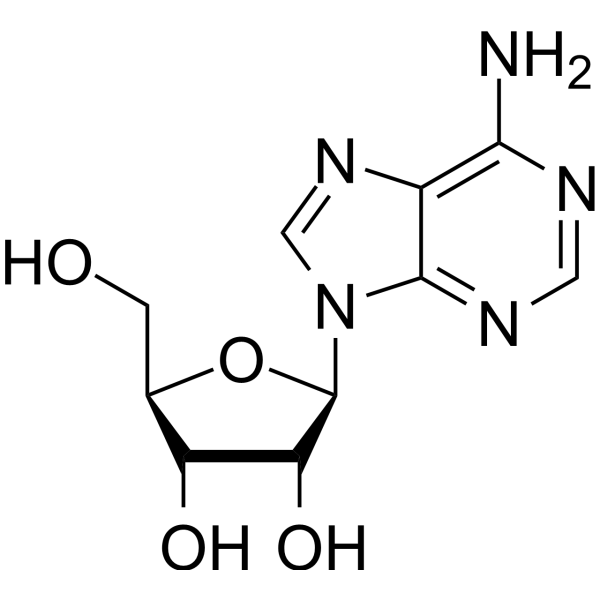
Adenosine- 13C5 is the 13C labeled Adenosine . Adenosine (Adenine riboside), a ubiquitous endogenous autacoid, acts through the enrollment of four G protein-coupled receptors: A1, A2A, A2B, and A3. Adenosine affects almost all aspects of cellular physiology, including neuronal activity, vascular function, platelet aggregation, and blood cell regulation .
|
-
- HY-P10847
-
|
|
Ras
|
Cancer
|
|
KS-58 is a KRpep-2d (HY-P3277) derivative. KS-58 is a K-Ras (G12D) inhibitory peptide that selectively binds K-Ras. KS-58 can enter cells and block intracellular Ras interaction with effector proteins. KS-58 inhibits the proliferation of tumor cells and has antitumor activity .
|
-
- HY-18981S
-
|
(+)-Decursin-d6
|
Isotope-Labeled Compounds
PKC
Apoptosis
CXCR
|
Neurological Disease
Inflammation/Immunology
Cancer
|
|
Decursin-d6 ((+)-Decursin-d6) is the deuterium labeled Decursin (HY-18981). Decursin ((+)-Decursin) is a potent anti-tumor agent. Decursin also is a cytotoxic agent and a potent protein kinase C activator. Decursin induces apoptosis and cell cycle arrest at G1 phase. Decursin decreases the expression of CDK2, CDK4, CDK6, cyclin D1 protein at 48 h. Decursin inhibits cell proliferation and migration. Decursin shows anti-tumor, anti-inflammatory and analgesic activities .
|
-
- HY-169096
-
|
|
Microtubule/Tubulin
Apoptosis
|
Cancer
|
|
DPP-21 is an inhibitor of tubulin polymerization (IC50: 2.4 μM). DPP-21 shows anti-proliferative activity against cancer cell lines, with IC50s of 0.38 nM (HCT116), 11.69 nM (B16), 5.37 nM (HeLa), 9.53 nM (MCF7), 8.94 nM (H23) and 9.37 nM (HepG2) respectively. DPP-21 arrests the cell cycle in the G2/M phase of mitosis, subsequently inducing tumor cell apoptosis (decreases Bcl-2 but upregulates the pro-apoptotic protein Bax) .
|
-
- HY-180172
-
|
|
Trk Receptor
Apoptosis
|
Cancer
|
|
TRK-IN-33 is a TRK inhibitor. TRK-IN-33 exhibits excellent TRKA G667C degradation (DC50 = 24.69 nM; Dmax > 90%), while sparing the wild-type protein in virto. TRK-IN-33 shows antiproliferative activities against Ba/F3-LMNA-NTRK1 G667C cells with an IC50 value of 2.48 nM. TRK-IN-33 effectively inhibits tumor growth and enhances apoptosis in tumor tissues with no apparent toxicity in vivio. TRK-IN-33 can be used for NTRK fusion−positive cancers research .
|
-
- HY-P4279
-
|
|
Angiotensin-converting Enzyme (ACE)
Cholinesterase (ChE)
|
Cardiovascular Disease
|
|
Ovalbumin (154-159) is a protein fragment consisting of residues 154-159 of chicken ovalbumin. Ovalbumin (154-159) is also a poorly conserved sequence (Thr-Asn-Gly-Ile-Ile-Arg) in the α-subunit of the Torpedo acetylcholine receptor, located within the α150-164 epitope region, and exhibits significant angiotensin-converting enzyme (ACE) inhibitory activity .
|
-
- HY-P990986
-
|
|
Interleukin Related
|
Inflammation/Immunology
Cancer
|
|
Efdelikofusp alfa is a bispecific Fc fusion protein. Efdelikofusp alfa is formed by fusing the N-terminal extracellular domain of human CD80 (B7.1) with the Fc fragment of human immunoglobulin G4 (IgG4), and is linked to an interleukin-2 variant (IL-2v) as the C-terminal part. Efdelikofusp alfa exhibits potential immunostimulatory, immune checkpoint inhibitory, and antitumor activities.
|
-
- HY-W779021
-
-
- HY-144436
-
|
|
ATM/ATR
|
Cancer
|
|
ATR-IN-12 (Compound 5g) is a potent inhibitor of ataxia telangiectasia and Rad3-related (ATR) kinase with an IC50 value of 0.007 μM. ATR-IN-12 displays good anti-tumor activity and significantly reduces the phosphorylation level of ATR and its downstream signaling protein. ATR-IN-12 is a promising lead compound for subsequent agent discovery targeting ATR kinase .
|
-
- HY-B0228R
-
|
Adenine riboside (Standard); D-Adenosine (Standard)
|
Reference Standards
Nucleoside Antimetabolite/Analog
Autophagy
Apoptosis
Endogenous Metabolite
|
Metabolic Disease
Cancer
|
|
Adenosine (Standard) is the analytical standard of Adenosine. This product is intended for research and analytical applications. Adenosine (Adenine riboside), a ubiquitous endogenous autacoid, acts through the enrollment of four G protein-coupled receptors: A1, A2A, A2B, and A3. Adenosine affects almost all aspects of cellular physiology, including neuronal activity, vascular function, platelet aggregation, and blood cell regulation .
|
-
- HY-117403
-
|
|
Cannabinoid Receptor
Potassium Channel
|
|
|
AB-FUBICA (Compound 13) is a CB1 and CB2 receptor agonist that activates G-protein coupled inwardly rectifying potassium channels (GIRK) by binding to CB1 and CB2 receptors, displaying notable cannabinoid-like activity. AB-FUBICA has EC50 values of 21 nM for CB1 and 15 nM for CB2. AB-FUBICA may be suitable for studying pain management, neurodegenerative diseases, and inflammation-related mechanisms .
|
-
- HY-P990992
-
|
GI-102
|
Interleukin Related
|
Inflammation/Immunology
Cancer
|
|
Efzilonkofusp alfa is a bispecific Fc fusion protein. Efzilonkofusp alfa is formed by fusing the N-terminal extracellular domain of human CD80 (B7.1) with the Fc fragment of human immunoglobulin G4 (IgG4), and is linked to an interleukin-2 variant (IL-2v) as the C-terminal part. Efzilonkofusp alfa exhibits potential immunostimulatory, immune checkpoint inhibitory, and antitumor activities.
|
-
- HY-13817
-
|
|
Deubiquitinase
Autophagy
Apoptosis
|
Cardiovascular Disease
Neurological Disease
Endocrinology
Cancer
|
|
IU1 is a selective, reversible USP14 inhibitor with an IC50 of 4-5 μM. IU1 binds USP14’s catalytic cleft to block deubiquitinase activity. IU1 induces calpain-dependent Tau cleavage, causes ATP deficits, reduces E1~Ub thioester levels and 26S proteasome assembly. IU1 enhances 26S proteasome chymotrypsin-like activity, modulates LC3B-dependent autophagy flux, reduces cancer cell proliferation and migration, and blocks G0/G1 to S phase cell cycle transition in follicular thyroid cancer cells. IU1 activates autophagy-lysosomal and ubiquitin-proteasome pathways, triggers apoptosis, and reduces cervical cancer cell growth. IU1 enhances degradation of proteasome substrates linked to neurodegenerative disease, accelerates oxidized protein degradation, and increases oxidative stress resistance. IU1 can be used for the research of Alzheimer’s disease, follicular thyroid cancer, ischemic stroke, cervical cancer, and neurodegenerative disease .
|
-
- HY-168739
-
|
|
Topoisomerase
Reactive Oxygen Species (ROS)
Apoptosis
Survivin
Bcl-2 Family
IAP
DNA/RNA Synthesis
|
Cancer
|
|
Topoisomerase I inhibitor 17 (Compound 7h) is a Topoisomerase I (Top1) inhibitor. Topoisomerase I inhibitor 17 reduces DDX5 and reverses the locking of Top1 activity by DDX5. Topoisomerase I inhibitor 17 induces Top1-mediated DNA damage and promotes reactive oxygen species (ROS) production. Topoisomerase I inhibitor 17 induces Apoptosis (reduces antiapoptotic proteins XIAP, Bcl-2, Survivin and up-regulates pro-apoptotic proteins Bax, γH2AX). Topoisomerase I inhibitor 17 also blocks the progression of the G2/M checkpoint and induces cell cycle arrest. Topoisomerase I inhibitor 17 significantly inhibits colony formation and cell migration in colorectal cancer cells. Topoisomerase I inhibitor 17 effectively reduces tumors in human PDX tumor mice .
|
-
- HY-179052
-
|
|
Apoptosis
Autophagy
Bcl-2 Family
Caspase
Atg8/LC3
Atg7
CDK
Reactive Oxygen Species (ROS)
|
Cancer
|
|
Apoptosis inducer 50 (Compound 5e) is an apoptosis inducer as well as an autophagy inducer agent. Apoptosis inducer 50 exhibits potent and selective anti-cancer activity against triple-negative breast cancer cells and metastatic colon cancer cells. Apoptosis inducer 50 upregulates the expression of pro-apoptotic proteins (Bax, Bim, cleaved Caspase-9) and downregulates the expression of the anti-apoptotic protein (BCL-XL). Apoptosis inducer 50 upregulates key autophagy markers such as Beclin-1 and ATG5, and enhances the conversion of LC3-I to LC3-II., Apoptosis inducer 50 arrests cancer cells in the G1/S phase by upregulating the expression of p21 and p27 while downregulating Cyclin D1. Apoptosis inducer 50 increases the level of ROS .
|
-
- HY-W009141
-
|
Glyceryl palmitate
|
P-glycoprotein
IAP
PI3K
Akt
Caspase
Apoptosis
|
Cancer
|
|
1-Monopalmitin (Glyceryl palmitate) is an activator of the PI3K/Akt pathway and an inhibitor of P-glycoprotein (P-gp). 1-Monopalmitin can induce G2/M arrest and caspase-dependent apoptosis in cancer cells, while inhibiting IAPs protein expression. 1-Monopalmitin can increase drug accumulation by inhibiting P-gp activity in intestinal Caco-2 cells. 1-Monopalmitin has the ability to induce protective autophagy and apoptosis of lung cancer cells (IC50=50-58 μg/mL), with low toxicity to normal cells .
|
-
- HY-180809
-
|
|
PARP
|
Cancer
|
|
YCH3292, a derivative of YCH189 (HY-155993) is a potent, selective and orally active PARP1/2 inhibitor with IC50 both <0.001 nM. YCH3292 can increase the stability of PARP-DNA complexes. YCH3292 exhibits robust antiproliferative activity. YCH3292 can induce double-strand breaks in DNA, increase the protein levels of γH2AX, P-RPA32, and P-Chk1 and induce tumor cells S or G2/M phase arrest and apoptosis. YCH3292 can inhibit tumor growth in MC38 xenograft model .
|
-
- HY-P2657
-
|
|
HIF/HIF Prolyl-Hydroxylase
Proton Pump
Endogenous Metabolite
|
Cancer
|
|
Verucopeptin is a potent HIF-1 (IC50=0.22 μM) inhibitor and decreases the expression of HIF-1 target genes and HIF-1α protein levels. Verucopeptin strongly inhibits v-ATPase activity by directly targeting the v-ATPase ATP6V1G subunit but not ATP1V1B2 or ATP6V1D. Verucopeptin exhibits antitumor activity against multidrug resistance (MDR) cancers and can be used for cancer research.
|
-
- HY-139410
-
|
|
c-Fms
|
Inflammation/Immunology
|
|
Sodium caseinates is a kind of sodium salts of major milk proteins, which act as protein-based biopolymers and innate immune system activators. Sodium caseinates induce granulopoiesis, activation and differentiation, promote the production of M-CSF, and increase serum levels of G-CSF and GM-CSF. Sodium caseinates inhibit the proliferation and reduce the viability of leukemia macrophage-like cells, thereby significantly improving the survival rate of mice inoculated with leukemia cells. Sodium caseinates can serve as carriers for probiotics in edible films and exhibit anti-Listeria activity. Sodium caseinates effectively protect vitamin A from degradation, enhance its stability, bioaccessibility and bioavailability, and regulate protein digestibility when complexed with vitamin A. Sodium caseinates can be applied to research related to acute monocytic leukemia and vitamin A deficiency .
|
-
- HY-173280
-
|
CHNQD-01228
|
Arf Family GTPase
BMX Kinase
|
Cancer
|
|
Brefeldin A 4-O-nicotinate (CHNQD-01228) is a dual inhibitor of Arf1 and BMX proteins. The IC50 value for the proliferation of T24 cells is 0.22 μM. It can also dose-dependently inhibit the migration and colony formation of T24 cells, induce G1 phase arrest and trigger Apoptosis. Brefeldin A 4-O-nicotinate exerts its anti-cancer activity by targeting the BMX protein to inhibit the AKT/p-AKT and STAT3/p-STAT3 signaling pathways, as well as by inhibiting the Arf1 protein to eliminate bladder cancer stem cells and activate anti-tumor immunity. Brefeldin A 4-O-nicotinate can be used in the research related to bladder cancer .
|
-
- HY-171184
-
|
|
PARP
Bcr-Abl
Apoptosis
Mitosis
|
Cancer
|
|
EAPB0503 is a quinoline compound with anti-tumor activity, showing strong cytotoxicity against melanoma cells in vitro (IC50=200 nM). EAPB0503 can induce specific cell cycle arrest in mitosis of CML cells and directly activate apoptosis, leading to an increase in the G0 cell population, disruption of mitochondrial membrane potential, PARP cleavage, and DNA fragmentation. EAPB0503 also reduces the levels of BCR-ABL protein .
|
-
- HY-A0098
-
Tunicamycin
Maximum Cited Publications
155 Publications Verification
|
Antibiotic
Influenza Virus
Fungal
Bacterial
Aminotransferases (Transaminases)
Exosomes
|
Infection
Inflammation/Immunology
Cancer
|
|
Tunicamycin is a mixture of homologous nucleoside antibiotic that inhibits N-linked glycosylation and blocks GlcNAc phosphotransferase (GPT). Tunicamycin causes accumulation of unfolded proteins in cell endoplasmic reticulum (ER) and induces ER stress, and causes blocking of DNA synthesis and cell cycle arrest in G1 phase. Tunicamycin inhibits gram-positive bacteria, yeasts, fungi, and viruses and has anti-cancer activity .Tunicamycin increases exosome release in cervical cancer cells .
|
-
- HY-17662
-
|
AK-918/41759663
|
Bcl-2 Family
|
Cancer
|
|
Mol4 (AK-918/41759663) is a highly selective BCL-2 protein inhibitor (IC50=153.3 μM). Mol4 induces mitochondrial outer membrane permeabilization (MOMP) and cytochrome c release, showing significant antiproliferative activity against glioblastoma (U87-MG) cell lines. Mol4 is promising for research of BCL-2-dependent tumors (e.g., chronic lymphocytic leukemia) .
|
-
- HY-165155
-
|
|
Leukotriene Receptor
|
Inflammation/Immunology
|
|
CysLT1 receptor antagonist-1 (Compound 4) is an antagonist for cysteinyl leukotriene receptor 1 (CysLT1R) with an IC50 of 3.9 μM. CysLT1 receptor antagonist-1 exhibits weak agonist activity against G-protein-coupled bile acid receptor 1 (GPBAR1) with an efficact of 23% at 10 μM. CysLT1 receptor antagonist-1 can be used for asthma and allergic diseases researchs .
|
-
- HY-130326
-
|
Ru(η6-p-cymene)Cl2(pta)
|
Apoptosis
Caspase
|
Cardiovascular Disease
Cancer
|
|
RAPTA-C (Ru(η6-p-cymene)Cl2(pta)) acts as an anti-cancer and anti-angiogenic agent. RAPTA-C exhibits anti-metastatic, anti-angiogenic, and anti-tumoral activities through protein and histone-deoxyribonucleic acid alterations. RAPTA-C exhibits cell growth inhibition by triggering G(2)/M phase arrest in cancer cells. RAPTA-C also enhances the levels of p53 and triggers the mitochondrial Apoptotic pathway, resulting in cytochrome C release and caspase-9 activation. RAPTA-C reduces the growth of tumors with the inhibition of angiogenesis in a ovarian carcinoma model .
|
-
- HY-116504
-
|
|
EGFR
Akt
ERK
Apoptosis
|
Cancer
|
|
WB-308 is a novel small molecule that was identified as an inhibitor of EGFR by an in vitro EGFR kinase activity system. WB-308 was able to reduce the proliferation and clonogenicity of NSCLC cells, causing G2/M phase arrest and apoptosis. In addition, WB-308 inhibited tumor growth in two in vivo animal models (lung orthotopic transplantation model and patient-derived clonal mouse model). WB-308 impaired the phosphorylation of EGFR, AKT, and ERK1/2 proteins. Compared with Gefitinib, WB-308 had lower cytotoxicity. This study showed that WB-308 is a new EGFR-TKI that may be considered as an alternative to Gefitinib in the clinical treatment of NSCLC.
|
-
- HY-W414644
-
|
|
Parasite
STAT
Phosphatase
MDM-2/p53
Apoptosis
|
Infection
Neurological Disease
Inflammation/Immunology
Cancer
|
|
Fluacrypyrim, a Miticide, is a STAT3 inhibitor. Fluacrypyrim significantly increases the protein tyrosine phosphatases(PTPs) activity. Fluacrypyrim inhibits the growth of leukemia cells by a predominant G1 arrest with significant decrease of the protein and mRNA levels of cyclin D1. Fluacrypyrim selectively inhibits STAT3 signaling, inducing growth arrest and apoptosis in STAT3-dependent cancer cells. Fluacrypyrim mitigates IR-induced hematopoietic system injury mainly by preventing apoptosis in the HSCs. Fluacrypyrim demonstrates significant analgesic and anti-inflammatory effects by inhibiting uterine smooth muscle contraction and inflammatory responses .
|
-
- HY-W414109
-
|
|
Opioid Receptor
Arrestin
|
Neurological Disease
|
|
ID110460002 possesses both full agonist activity at the μ-opioid receptor (OPRM) and agonist activity at the δ-opioid receptor (OPRD). ID110460002 acts as a potent agonist for the G protein pathways of both receptors, but exhibits only very weak partial agonist activity towards the β-arrestin-2 pathway. The agonistic potency of ID110460002 at OPRM has extremely high intrinsic activity and is unaffected by reduced receptor expression levels, while its potency at OPRD depends on receptor expression levels. ID110460002 displays tissue- or organ-dependent properties, and serves as a critical compound for investigating pain mechanisms and analgesia .
|
-
- HY-170852
-
|
|
PROTACs
RET
|
Cancer
|
|
QZ2135 (compound 20) is a RET-targeted PROTAC degrader with in vivo antitumor properties in a Ba/F3-KIF5B-RET-G810C xenograft mouse model. The degradation activities of QZ2135 targeting KIF5B-RET have DC50 values of 4.7 nM (WT), 17.2 nM (V804M), and 73.8 nM (G810C), respectively. QZ2135 is composed of a target protein ligand (red part) RET ligand-3 (HY-170853), an E3 ligase ligand (blue part) Lenalidomide-F (HY-W039233), and a PROTAC Linker (black part) 7-Iodohept-1-yne (HY-W587352), in which the target protein ligand + linker form a conjugate RET Ligand-Linker Conjugate-1 (HY-170854) .
|
-
- HY-181673
-
|
|
Microtubule/Tubulin
Apoptosis
Bcl-2 Family
Caspase
PARP
|
Cancer
|
|
ICD inducer-2 is a immunogenic cell death inducer. ICD inducer-2 binds to the colchicine binding site on tubulin to inhibit tubulin polymerization. ICD inducer-2 exhibits broad-spectrum antiproliferative activity across multiple cancer cell lines. ICD inducer-2 inhibits cells migration, causes G2/M phase and induces apoptosis. ICD inducer-2 promotes infiltration of CD4+ and CD8+ T cells into the tumor microenvironment. ICD inducer-2 downregulates antiapoptotic protein Bcl-2, upregulates proapoptotic proteins Bax and Bim-1, and increases cleaved caspase 3, cleaved caspase 9, and cleaved PARP levels. ICD inducer-2 overcomes paclitaxel resistance in xenograft models and achieves tumor growth inhibition. ICD inducer-2 can be used for the research of cancer, such as lung carcinoma .
|
-
- HY-175700
-
|
|
Topoisomerase
Apoptosis
|
Cancer
|
|
YCJ-02 is a selective Topoisomerase I (Top I) inhibitor. YCJ-02 can inhibit cell proliferation and induce apoptosis and G2/M phase arrest. YCJ-02 can induce DNA damage and increaseγ-H2AX levels. YCJ-02 can promote Top I deqradation via a ubiquitin/26S proteasome pathway. YCJ-02 increases the expressions of pro-apoptotic proteins Bad, Bax, and cleaved
caspase-3. YCJ-02 shows broad-spectrum antitumor activity. YCJ-02 can be used for the research of cancer, such as intrahepatic cholangiocarcinoma (ICC) .
|
-
- HY-173331
-
|
|
Chloride Channel
Apoptosis
Autophagy
|
Cancer
|
|
Antitumor agent-201 (Compound 10) is a chloride transport activator that targets the Golgi apparatus. Its EC50 for promoting the transmembrane transport of chloride ions is 1.53 mol%, and its IC50 against HepG2 cells is 7.13 μM. Antitumor agent-201 exerts its anti-cancer activity by selectively acting on the Golgi apparatus, disrupting the chloride ion homeostasis within it, reducing the expression of key proteins such as GM130 and GRASP55, altering the structure and function of the Golgi apparatus, triggering Autophagy of the Golgi apparatus, and further inducing Apoptosis of cancer cells and arresting cancer cells in the G2/M phase. Antitumor agent-201 can be used in the research field of cancer diseases .
|
-
- HY-182271
-
|
|
Orphan GPCR
GABA Receptor
Phosphodiesterase (PDE)
|
Metabolic Disease
|
|
GPR61 Inverse agonist 3 is a selective and brain-penetrant GPR61 inverse agonist with human IC50 of 4.0 nM, mouse IC50 of 8.8 nM, human Ki of 0.34 nM, mouse Ki of 1.1 nM. GPR61 Inverse agonist 3 disrupts GPR61-Gαs protein interactions to abolish GPR61 constitutive activity. GPR61 Inverse agonist 3 moderately inhibits GABAA chloride channel and PDE3A1 with IC50 values of 4.6 and 8.9 μM. GPR61 Inverse agonist 3 shows no functional effect on food intake in adult mice co-administered with a pan-CYP inhibitor. GPR61 Inverse agonist 3 can be used for the research of cachexia/sarcopenia .
|
-
- HY-173481
-
|
|
CDK
|
Cancer
|
|
CDK9-IN-37 (Compound 24) is a CDK9 inhibitor (EC50: 5.5 nM) with weak inhibition on other CDK isoforms, showing high selectivity. CDK9-IN-37 has significant antiproliferative activity against acute myeloid leukemia MOLM-13 cells (IC50: 0.034 μM). CDK9-IN-37 inhibits the CDK9 signaling pathway, reduces the phosphorylation level of RNAP II CTD (Ser2), downregulates the anti-apoptotic protein McI-1, induces cell apoptosis, and arrests the cell cycle at the G2/M phase. CDK9-IN-37 can be used in the study of acute myeloid leukemia (AML) .
|
-
- HY-100355
-
|
C18-Ceramide
|
Endogenous Metabolite
|
Neurological Disease
Cancer
|
|
C18-Ceramide (d18:1/18:0) is a bioactive molecule with multiple functions in cells, not a traditional agonist or inhibitor targeting a single site. It can act on multiple cellular targets, such as proteins related to endoplasmic reticulum stress (e.g., ATF-4, XBP-1, CHOP), proteins in the PI3K/AKT signaling pathway, and SNARE complex proteins. It exerts activities like inducing cell death, promoting autophagy, and regulating exocytosis through mechanisms such as activating endoplasmic reticulum stress, inhibiting the PI3K/AKT signaling pathway, and affecting lipid raft - related functions. It can be used in research on the mechanism of neuronal injury in the field of neuroscience and in the treatment research of cancers such as glioma in the field of oncology .
|
-
- HY-B0228S9
-
|
|
Isotope-Labeled Compounds
Apoptosis
Nucleoside Antimetabolite/Analog
Autophagy
Endogenous Metabolite
|
Metabolic Disease
Cancer
|
|
Adenosine- 13C10, 15N5 is the 13C and 15N labeled Adenosine (HY-B0228) . Adenosine (Adenine riboside), a ubiquitous endogenous autacoid, acts through the enrollment of four G protein-coupled receptors: A1, A2A, A2B, and A3. Adenosine affects almost all aspects of cellular physiology, including neuronal activity, vascular function, platelet aggregation, and blood cell regulation .
|
-
- HY-W013935
-
|
|
Endogenous Metabolite
Estrogen Receptor/ERR
Reactive Oxygen Species (ROS)
|
Endocrinology
|
|
Bisphenol B is a close structural analog of Bisphenol A (BPA) (HY-18260). Bisphenol B is a potent, orally active endocrine disruptor (ED). Bisphenol B binds to G protein-coupled estrogen receptor (GPER) (IC50 = 3.3 μM) with higher affinity and agonistic activity than BPA. Bisphenol B promotes GPER mediated cell migration. Bisphenol B exerts estrogenic effects via GPER pathway at nanomolar concentration. Bisphenol B is used in the manufacture of polycarbonate resin with ED properties .
|
-
- HY-B0228S13
-
-
- HY-N7045
-
|
|
Androgen Receptor
Apoptosis
CDK
Caspase
PSMA
|
Cancer
|
|
Isosilybin B is a flavonolignan. Isosilybin B can be isolated from Silybum marianum. Isosilybin B can regulate cell cycle-related proteins (e.g., reduce cyclins (D3, D1, A, E), Cdk4, Cdk2, Cdc25A), and activate Caspases (Caspase-9 and Caspase-3). Isosilybin B can promote Apoptosis, reduce androgen receptor (AR) and PSA. Isosilybin B has anticancer activity against prostate cancer .
|
-
- HY-B2228
-
|
|
Biochemical Assay Reagents
|
Cancer
|
|
Proteinase, Aspergillus oryzae is a serine protease that hydrolyzes peptide bonds in protein substrates, preferring alkaline conditions (optimal pH 10.5). It efficiently degrades casein, poly-L-glutamic acid, and poly-L-lysine, with activity irreversibly inhibited by diisopropylfluorophosphate (DFP) and potato inhibitor. This enzyme catalyzes proteolysis via serine residues in its active site, finding applications in food processing (e.g., soy sauce fermentation), detergents, and leather industries due to its high yield in solid-state fermentation and cost-effective production.
|
-
- HY-B0228S12
-
-
- HY-115831
-
|
S1P1 agonist 3
|
LPL Receptor
|
Cardiovascular Disease
|
|
SAR247799 (S1P1 agonist 3) is an oral activity, selective G-protein-biased sphingosine-1 phosphate receptor-1 (S1P1 ) agonist, with EC50s rang from 12.6 to 493 nM in S1P1-overexpressing cells and HUVECs. SAR247799 can be used for the research of endothelial protection, including type-2 diabetes, metabolic syndrome .
|
-
- HY-177780
-
|
|
Molecular Glues
CDK
Apoptosis
|
Cancer
|
|
Cyclin K degrader 2 is a molecular glucose degrading agent that targets the cyclin K protein. Cyclin K degrader 2 has inhibitory activity against CDK1 and CDK9. Cyclin K degrader 2 causes a decrease in RNA polymerase II Ser2 phosphorylation levels, downregulation of DNA damage response gene expression, accumulation of DNA damage, G1 phase arrest of the cell cycle, and apoptosis. Cyclin K degrader 2 can be used for cancer research .
|
-
- HY-110354
-
UCM05
2 Publications Verification
G28UCM
|
Fatty Acid Synthase (FASN)
Bacterial
|
Infection
|
|
UCM05 (G28UCM) is a fatty acid synthase (FASN) and filamentous temperature-sensitive protein Z (Ftsz) inhibitor. UCM05 inhibits fatty acid synthesis, viral replication, and Gram-positive bacterial growth. UCM05 binds to FtsZ GTP-binding sites, inhibits GTPase activity, and disrupts Z-ring localization. UCM05 can be used for the research of HSV-1/2 infection, HIV-1 infection, and Gram-positive bacterial infections[1][2][3].
|
-
- HY-N3989
-
|
|
Bacterial
UGT
Interleukin Related
SOD
COX
|
Infection
Inflammation/Immunology
|
|
Haplopine is a substance with anti-inflammatory, antioxidant and photoactivated antibacterial activities. It also acts as an inhibitor of UGT1A7 and a photoactivated restriction endonuclease inhibitor. Haplopine inhibits the mRNA/protein expression of IL-6, TSLP, GM-CSF, G-CSF, IL-4, IL-13 and COX-2, while upregulating the mRNA/protein expression of SOD, CAT and HO-1. Haplopine inhibits the glucuronidation reaction catalyzed by UGT1A7 through competitive hydrophobic binding. Haplopine exerts photoactivated restriction endonuclease inhibitory effects by binding to DNA. Haplopine exhibits photoactivated activity against methicillin-resistant Staphylococcus aureus. Haplopine alleviates symptoms of atopic dermatitis. Haplopine can be used in research related to atopic dermatitis and methicillin-resistant Staphylococcus aureus infections .
|
-
- HY-176701
-
|
|
Histone Methyltransferase
|
Cancer
|
|
PRMT5-MTA-IN-4 (Compound 30) is a potent irreversible protein arginine methyltransferase 5 (PRMT5) inhibitor (IC50=8 nM). PRMT5-MTA-IN-4 blocks arginine methylation, inhibiting ribosomal RNA processing and cell cycle-related protein expression. PRMT5-MTA-IN-4 exhibits antiproliferative activity in multiple tumor cell lines (e.g., IC50=0.3 μM in DLD-1 cells). PRMT5-MTA-IN-4 is promising for research of hematological malignancies, such as acute myeloid leukemia, diffuse large B-cell lymphoma .
|
-
- HY-N0805A
-
|
|
Epoxide Hydrolase
CaMK
Autophagy
Apoptosis
|
Metabolic Disease
Inflammation/Immunology
Cancer
|
|
Alisol B is a triterpene with diverse biological activities. Alisol B binds human soluble epoxide hydrolase (sEH) with a Ki of 5.97 μM and reduces sEH activity. Alisol B inhibits RANKL-induced JNK phosphorylation, NFATc1 and c-Fos expression, osteoclast formation, mature osteoclast pit-forming and actin ring activity, and SERCA pump activity. Alisol B induces calcium mobilization, CaMKK-AMPK-mTOR pathway activation, autophagic flux, autophagosome formation, G1 phase cell cycle arrest, endoplasmic reticulum stress, unfolded protein responses, and cancer cell apoptosis. Alisol B can be used for the research of hypercalcemia, osteoporosis, rheumatoid arthritis, periodontitis, acute kidney injury, and breast cancer .
|
-
- HY-15589
-
|
|
Free Fatty Acid Receptor
Potassium Channel
|
Cardiovascular Disease
Metabolic Disease
Inflammation/Immunology
|
|
GW9508 is a potent and selective G protein-coupled receptors FFA1 (GPR40) and GPR120 agonist with pEC50s of 7.32 and 5.46, respectively. GW9508 shows ~100-fold selectivity for GPR40 over GPR120. GW9508 is inactive against other GPCRs, kinases, proteases, integrins and PPARs. GW9508 is a glucose-sensitive insulin secretagogue and an ATP-sensitive potassium (KATP) channels opener. Anti-inflammatory and anti-atherosclerotic activities .
|
-
- HY-182735
-
|
|
CCR
Cytochrome P450
5-HT Receptor
Dopamine Receptor
Serotonin Transporter
|
Inflammation/Immunology
|
|
BMS-570520 is an orally bioavailable CCR3 antagonist with an IC50 of 1.9 nM against hCCR3 and an IC50 of 1300 nM against hCYP2D6. BMS-570520 inhibits CYP2D6, but shows low activity against off-target G protein-coupled receptors, biogenic amine transporters, and the hERG potassium channel. BMS-570520 regulates chemotaxis, calcium mobilization, and anti-inflammatory pathways. BMS-570520 can be used in research related to asthma, allergic rhinitis, and contact dermatitis .
|
-
- HY-178112
-
|
|
CDK
Apoptosis
|
Cancer
|
|
CDK2-IN-47 is a potent CDK2 inhibitor with an IC50 of 0.21 μM. CDK2-IN-47 exhibits outstanding anticancer activity against MCF-7, HCT-116, and MGC-803 cell lines. CDK2-IN-47 effectively induces G1 cell cycle arrest, retinoblastoma protein (Rb) dephosphorylation, and significant apoptosis. CDK2-IN-47 can be used for the studies of breast cancer, colorectal cancer and gastric cancer .
|
-
- HY-117372
-
|
|
TRP Channel
|
Metabolic Disease
|
|
DFL23448 is a selective transient receptor potential melastatin-8 (TRPM8) antagonist. DFL23448 shows IC50 values of 10 and 21 nM in hTRPM8 human embryonic kidney 293 cells activated by Cooling Agent 10 or cold. DFL23448 has limited activity (IC50 >10 μM) at transient receptor potential vanilloids TRPV1, TRPA1, or TRPV4 or at various G protein-coupled receptors. DFL23448 can modify bladder function and reduce bladder overactivity in awake rats .
|
-
- HY-146440
-
|
|
Histone Demethylase
Estrogen Receptor/ERR
Apoptosis
|
Cancer
|
|
LSD1/ER-IN-1 (compound 11g) is a potent ER and LSD1 inhibitor, with an IC50 of 1.55 μM (LSD1). LSD1/ER-IN-1 has high affinity selectivity for ERα protein, with α/β ratio of 7.11. LSD1/ER-IN-1 shows good antiproliferative activity against MCF-7 breast cancer cells, with an IC50 of 8.79 μM .
|
-
- HY-B0228S11
-
|
Adenine riboside-15N5; D-Adenosine-15N5
|
Isotope-Labeled Compounds
|
Cancer
|
|
Adenosine- 15N5 (Adenine riboside- 15N5; D-Adenosine- 15N5) is the 15N labled Adenosine (HY-B0228). Adenosine (Adenine riboside), a ubiquitous endogenous autacoid, acts through the enrollment of four G protein-coupled receptors: A1, A2A, A2B, and A3. Adenosine affects almost all aspects of cellular physiology, including neuronal activity, vascular function, platelet aggregation, and blood cell regulation .
|
-
- HY-174137
-
|
|
Apoptosis
FLT3
|
Cancer
|
|
FLT3-IN-31 (compound 10q) is a potent FLT3 inhibitor with IC50 values of 0.16, 2.4 nM for FLT3, FLT3-D835Y, resprctively. FLT3-IN-31 shows antiproliferation activity. FLT3-IN-31 decreases the protein expression of p-FLT3, P-STAT5, P-ERK. FLT3-IN-31 induces apoptosis and cell cycle arrest at G1 phase. FLT3-IN-31 shows antitumor activity .
|
-
- HY-W009141R
-
|
Glyceryl palmitate (Standard)
|
Reference Standards
Apoptosis
P-glycoprotein
PI3K
IAP
Caspase
Akt
|
Cancer
|
|
1-Monopalmitin (Glyceryl palmitate) (Standard) is the analytical standard of 1-Monopalmitin (HY-W009141). This product is intended for research and analytical applications. 1-Monopalmitin (Glyceryl palmitate) is an activator of the PI3K/Akt pathway and an inhibitor of P-glycoprotein (P-gp). 1-Monopalmitin can induce G2/M arrest and caspase-dependent apoptosis in cancer cells, while inhibiting IAPs protein expression. 1-Monopalmitin can increase drug accumulation by inhibiting P-gp activity in intestinal Caco-2 cells. 1-Monopalmitin has the ability to induce protective autophagy and apoptosis of lung cancer cells (IC50=50-58 μg/mL), with low toxicity to normal cells .
|
-
- HY-W009141S
-
|
Glyceryl palmitate-d31
|
Isotope-Labeled Compounds
P-glycoprotein
PI3K
Apoptosis
Caspase
IAP
Akt
|
Cancer
|
|
1-Monopalmitin-d31 (Glyceryl palmitate-d31) is the deuterium labeled 1-Monopalmitin (HY-W009141). 1-Monopalmitin (Glyceryl palmitate) is an activator of the PI3K/Akt pathway and an inhibitor of P-glycoprotein (P-gp). 1-Monopalmitin can induce G2/M arrest and caspase-dependent apoptosis in cancer cells, while inhibiting IAPs protein expression. 1-Monopalmitin can increase drug accumulation by inhibiting P-gp activity in intestinal Caco-2 cells. 1-Monopalmitin has the ability to induce protective autophagy and apoptosis of lung cancer cells (IC50=50-58 μg/mL), with low toxicity to normal cells .
|
-
- HY-172158
-
|
|
Anaplastic lymphoma kinase (ALK)
Caspase
|
Cancer
|
|
ALKBH5-IN-5 is a highly selective ALKBH5 (IC50 = 0.62 μM, Kd = 804 nM). ALKBH5-IN-5 disrupts ALKBH5 binding to m 6A-RNA and 6mA-DNA substrates. ALKBH5-IN-5 promotes differentiation, induces apoptosis, cause G2-M phase arrest and exerts strong antiproliferative effects in cancer cells. ALKBH5-IN-5 reduces TACC3 and MYC protein levels and increases cleaved caspase-3 levels. ALKBH5-IN-5 exerts antitumor activity in tumor xenograft mice models. ALKBH5-IN-5 can be used for the research of acute myeloid leukemia .
|
-
- HY-170451
-
|
KT-253
|
PROTACs
MDM-2/p53
Apoptosis
|
Cancer
|
|
Seldegamadlin (KT-253) is a selective p53 stabilizer and a MDM2 PROTAC degrader (DC50 = 0.4 nM). Seldegamadlin inhibits the proliferation of cancer cell RS4;11 with an IC50 of 0.3 nM, arrests the cell cycle at G2/M phase, and induces apoptosis. Seldegamadlin upregulates p53 activity and overcomes the p53-MDM2 feedback loop. Seldegamadlin can be used for the study of hematologic and solid tumors, such as acute myeloid leukemia (AML) and acute lymphoblastic leukemia (ALL). (Pink: ligand for target protein MDM2 ligand 4 (HY-170452); Black: linker (HY-W001478); Blue: ligand for E3 ligase cereblon (HY-163927)) .
|
-
- HY-146095
-
|
|
MDM-2/p53
DNA/RNA Synthesis
Apoptosis
|
Cancer
|
|
p53 Activator 2 (compound 10ah) intercalats into DNA and results in significant DNA double-strand break.p53 Activator 2 increases the expression of p53, p-p53, CDK4, p21 to cause cell cycle arrest at G2/M phase.p53 Activator 2 induce apoptosis and significantly down-regulates the anti-apoptosis proteins Bcl-2, Bcl-xL and the levels of cyclin B1.p53 Activator 2 has anti-proliferation activity against MGC-803 cells, with an IC50 of 1.73 µM. p53 Activator 2 displays potent anticancer efficiency against MGC-803 xenograft tumors models .
|
-
- HY-162386
-
|
|
Cuproptosis
Mitochondrial Metabolism
|
Cancer
|
|
UM4118 is a potent copper-selective non-genotoxic copper ionophore that induces cuproptosis in acute myeloid leukemia cells. UM4118 exhibits stronger activity against SF3B1G12C mutant acute myeloid leukemia cells. UM4118 transports extracellular copper into cells, elevates intracellular and mitochondrial copper levels, and triggers lipoylated DLAT aggregation, proteotoxic stress, iron-sulfur cluster protein depletion, reduced lipoylated protein levels, and maximal mitochondrial respiratory damage. UM4118 cytotoxicity can be enhanced by supplementation with extracellular copper, abolished by copper chelation, and shows synthetic lethal effects in the absence of iron-sulfur cluster biosynthesis/transport genes. UM4118 can be used for the study of acute myeloid leukemia .
|
-
- HY-W140439
-
|
18:1 Lyso PC
|
Endogenous Metabolite
|
Inflammation/Immunology
|
|
1-Oleoyl-sn-glycero-3-phosphocholine (18:1 Lyso PC), a lysophospholipid, is a GPR82 inhibitor. 1-Oleoyl-sn-glycero-3-phosphocholine abrogates constitutive Gi-coupled GPR82 activity, shifts active/inactive equilibrium to inactive, suppresses Gi protein activation, increases cAMP production, and decreases GTPγS binding to Gαi proteins. 1-Oleoyl-sn-glycero-3-phosphocholine contributes to adipocyte lipolysis regulation.1-Oleoyl-sn-glycero-3-phosphocholine exhibits reduced serum levels in mouse models of steatohepatitis, linked to hepatic Lpcat 1-4 up-regulation .
|
-
- HY-W355700
-
|
|
Drug Metabolite
|
Infection
|
|
1-oleoyl-sn-glycero-3-phosphoethanolamine (LysoPE 18:1) is a lysophosphatidylethanolamine molecule involved in phospholipid metabolism, targeting cell membrane receptors (such as G protein-coupled receptors) to regulate cell signaling pathways. 1-oleoyl-sn-glycero-3-phosphoethanolamine may activate mitogen-activated protein kinase (MAPK) signaling, promote cell migration, regulate inflammatory responses and lipid metabolism, and has both pro-inflammatory and anti-inflammatory activities. 1-oleoyl-sn-glycero-3-phosphoethanolamine is mainly used in the screening of biomarkers for metabolic diseases (such as non-alcoholic fatty liver disease and obesity), as well as the study of the mechanism of lysophospholipids in cell membrane homeostasis and signal transduction .
|
-
- HY-178909
-
|
|
c-Myc
Apoptosis
Reactive Oxygen Species (ROS)
|
Cancer
|
Y502-2304 is a c-Myc G-quadruplex stabilizer. Y502-2304 exhibits potent antiproliferative activity in multiple myeloma (MM) cells. Y502–2304 downregulates c-Myc mRNA and protein expression. Y502-2304 induces apoptosis in MM cells, characterizes by elevated γH2AX levels, increases reactive oxygen species (ROS) generation, and mitochondrial dysfunction. Y502-2304 significantly inhibits tumor growth in a xenograft MM model. Y502-2304 can be used for the study of multiple myeloma .
|
-
- HY-149517
-
|
|
EGFR
Raf
Caspase
Bcl-2 Family
Apoptosis
|
Inflammation/Immunology
Cancer
|
|
EGFR/BRAFV600E-IN-2 (compound 3g) is a potential multi-target inhibitor of EGFR, BRAF V600E, and EGFR T790M, and an inducer of apoptosis. EGFR/BRAFV600E-IN-2 can activate caspase-3, 8, and Bax, and downregulate the anti-apoptotic protein Bcl2, inducing apoptosis. EGFR/BRAF V600E-IN-2 also has antioxidant activity and DPPH free radical scavenging potency .
|
-
- HY-172891
-
|
|
CDK
HDAC
Apoptosis
|
Cancer
|
|
CDK9/HDAC1/HDAC3-IN-1 is dual-functional inhibitor of CDK9 and HDAC. CDK9/HDAC1/HDAC3-IN-1 inhibits the protein activity of CDK9/HDAC/HDAC3 with IC50 s of 0.17 μM, 1.73 μM and 1.11 μM for CDK9, HDAC1, and HDAC3, respectively. CDK9/HDAC1/HDAC3-IN-1 inhibits cancer cells by inducing cell apoptosis and cell cycle arrest in the G2/M phase, as well as tumor growth in a murine TNBC MDA-MB-231 xenograft model. CDK9/HDAC1/HDAC3-IN-1 has a broad-spectrum anti-cancer activity, such as breast cancer, cervical cancer, and liver cancer .
|
-
- HY-N11846
-
|
|
Apoptosis
Caspase
|
Inflammation/Immunology
Cancer
|
|
4′-O-Methylglabridin is an apoptosis inducer with antioxidant, cell cycle-disrupting and anticancer cytotoxic activities. 4′-O-Methylglabridin inhibits various cancer cell lines including liver cancer, breast cancer and colorectal cancer cell lines. By reducing the expression levels of phosphorylated Rb (Ser807/811) and p21 proteins, 4′-O-Methylglabridin promotes cell accumulation at the subG1 and G2/M phases, and triggers caspase-dependent apoptosis via cytochrome C release and caspase-9 activation. 4′-O-Methylglabridin also exerts antioxidant effects by inhibiting lipid peroxide levels and reducing β-carotene consumption, thereby blocking LDL oxidation. 4′-O-Methylglabridin can be used in the research of various cancers and atherosclerotic diseases .
|
-
- HY-168936
-
|
|
PROTACs
Epigenetic Reader Domain
Apoptosis
|
Cancer
|
|
DP-15 is the degrader for GSPT1 and BRD4 with DC50s of 5.25 nM and 0.48 nM. DP-15 exhibits anti-proliferative activity of AML cells and NHL cells with an IC50 of nanomolar levels, arrests the cell cycle at G1 phase, and induces apoptosis in MOLM13. DP-15 exhibits anti-leukemia activity in MOLM-13 xenograft mouse models . (Pink: ligand for target protein JQ-1 carboxylic acid (HY-78695); Black: linker (HY-W262798); Blue: ligand for E3 ligase Cereblon Thalidomide-5-OH (HY-23095))
|
-
- HY-146325
-
|
|
HSP
|
Cancer
|
|
HSP90-IN-11 (Compound 12c) is a potent inhibitor of HSP90. HSP90-IN-11 displays potent HSP90α inhibition comparable to AUY-922 (Luminespib). HSP90-IN-11 shows significant antiproliferative activity in CRC and NSCLC cells in a double digit nM range. HSP90-IN-11 leads to rapid degradation of client proteins EGFR and Akt in NSCLC cells. HSP90-IN-11 induces significant accumulation of a sub-G1 phase population .
|
-
- HY-W013935R
-
|
|
Reference Standards
Endogenous Metabolite
Estrogen Receptor/ERR
Reactive Oxygen Species (ROS)
|
Endocrinology
|
|
Bisphenol B (Standard) is the analytical standard of Bisphenol B. This product is intended for research and analytical applications. Bisphenol B is a close structural analog of Bisphenol A (BPA) (HY-18260). Bisphenol B is a potent, orally active endocrine disruptor (ED). Bisphenol B binds to G protein-coupled estrogen receptor (GPER) (IC50 = 3.3 μM) with higher affinity and agonistic activity than BPA. Bisphenol B promotes GPER mediated cell migration. Bisphenol B exerts estrogenic effects via GPER pathway at nanomolar concentration. Bisphenol B is used in the manufacture of polycarbonate resin with ED properties .
|
-
- HY-170405
-
|
|
PROTACs
mTOR
|
Cancer
|
|
YB-3-17 is a bifunctional molecule, that inhibits mTOR (IC50=0.22 nM) or degrades G1 to S phase transition 1 gene (GSPT1, DC50=5 nM) in a PROTAC mechanism. YB-3-17 exhibits antiproliferative activity in multi glioblastoma cell lines with IC50 of nanomolare levels. YB-3-17 exhibits antitumor efficacy in mouse models . (Pink: ligand for target protein (HY-170407); Black: linker (HY-A0102); Blue: ligand for E3 ligase Cereblon (HY-14658))
|
-
- HY-112461
-
|
|
P2X Receptor
|
Cardiovascular Disease
|
|
NF449 is a highly potent P2X1 receptor antagonist, with IC50s of 0.28, 0.69, and 120 nM for rP2X1, rP2X1+5, P2X2+3, respectively. NF449 is a Gsα-selective G Protein antagonist. NF449 suppresses the rate of GTP[γS] binding to Gsα-s, inhibits the stimulation of adenylyl cyclase activity, and blocks the coupling of β-adrenergic receptors to Gs .
|
-
- HY-201330
-
|
RGT-419B
|
CDK
|
Cancer
|
|
GDC-4198 (RGT-419B) is an orally active CDK4/2 inhibitor with desired degrees of selectivity against kinases such as CDK6, CDK9 and GSK3β. GDC-4198 inhibits the activity of cyclin-CDK complexes, blocks phosphorylation of the retinoblastoma protein (pRb), arresting the cell cycle transition from G1 to S phase. GDC-4198 is promising for research of cancers, such as breast cancer (especially hormone receptor-positive, HER2-negative type), lung cancer, and colorectal cancer .
|
-
- HY-110354R
-
|
G28UCM (Standard)
|
Reference Standards
Fatty Acid Synthase (FASN)
Bacterial
|
Infection
|
|
UCM05 (Standard) is the analytical standard of Lysipressin. This product is intended for research and analytical applications. UCM05 (G28UCM) is a fatty acid synthase (FASN) and filamentous temperature-sensitive protein Z (Ftsz) inhibitor. UCM05 inhibits fatty acid synthesis, viral replication, and Gram-positive bacterial growth. UCM05 binds to FtsZ GTP-binding sites, inhibits GTPase activity, and disrupts Z-ring localization. UCM05 can be used for the research of HSV-1/2 infection, HIV-1 infection, and Gram-positive bacterial infections [1][2][3].
|
-
- HY-N0805AR
-
|
|
Reference Standards
Epoxide Hydrolase
CaMK
Autophagy
Apoptosis
|
Metabolic Disease
Inflammation/Immunology
Cancer
|
|
Alisol B (Standard) is the analytical standard of Alisol B (HY-N0805A). This product is intended for research and analytical applications. Alisol B is a triterpene with diverse biological activities. Alisol B binds human soluble epoxide hydrolase (sEH) with a Ki of 5.97 μM and reduces sEH activity. Alisol B inhibits RANKL-induced JNK phosphorylation, NFATc1 and c-Fos expression, osteoclast formation, mature osteoclast pit-forming and actin ring activity, and SERCA pump activity. Alisol B induces calcium mobilization, CaMKK-AMPK-mTOR pathway activation, autophagic flux, autophagosome formation, G1 phase cell cycle arrest, endoplasmic reticulum stress, unfolded protein responses, and cancer cell apoptosis. Alisol B can be used for the research of hypercalcemia, osteoporosis, rheumatoid arthritis, periodontitis, acute kidney injury, and breast cancer.
|
-
- HY-137487
-
|
|
PROTACs
Raf
|
Cancer
|
|
PROTAC BRAF-V600E degrader-1 (compound 23) is a potent PROTAC BRAF-V600E degrader whlie no degradation activity against BRAF-WT. PROTAC BRAF-V600E degrader-1 exhibits Kd values of 2.4 nM and 2 nM for BRAF and BRAF-V600E, respectively. PROTAC BRAF-V600E degrader-1 degrades BRAF-V600E via the ubiquitin-proteasome system (UPS) and inhibits the growth of melanoma cells . (In the molecular structure, target protein ligand: BI-882370 (HY-107779), red part; E3 ubiquitin enzyme ligand: Pomalidomide (HY-10984), blue part; PROTAC linker: G007-LK (HY-12438), black part.
|
-
- HY-175666
-
|
|
Cannabinoid Receptor
Reactive Oxygen Species (ROS)
Caspase
p38 MAPK
Arrestin
|
Neurological Disease
Inflammation/Immunology
|
|
ISAM-CG557 is a selective CB2R agonist, with a Ki of 54.6 nM. ISAM-CG557 reduces intracellular ROS levels and caspase activity. ISAM-CG557 exhibits significant MAPK bias and moderate G-protein bias, with CB2R EC50s of 0.60 nM (cAMP), 60.9 nM (β-arrestin) and 0.03 nM (MAPK). ISAM-CG557 exerts potent anti-inflammatory effects by reducing pro-inflammatory cytokines and increasing anti-inflammatory cytokines in cells. ISAM-CG557 can be used for the study of neuroinflammatory and neurodegenerative disorders .
|
-
- HY-16950A
-
|
Afimoxifene; 4-OHT
|
Estrogen Receptor/ERR
Adhesion G Protein-coupled Receptors (AGPCRs)
Drug Metabolite
|
Metabolic Disease
Cancer
|
|
(E/Z)-4-Hydroxytamoxifen (Afimoxifene) is a racemic compound of (Z)-4-Hydroxytamoxifen and (E)-4-Hydroxytamoxifen isomers. (E/Z)-4-Hydroxytamoxifen is a selective estrogen receptor modulator with mixed estrogenic and antiestrogenic activity, which is also an active metabolite of Tamoxifen (HY-13757A). (E/Z)-4-Hydroxytamoxifen is an agonist of the G protein-coupled estrogen receptor (GPER) with relatively low affinity (100-1000 nM). (E/Z)-4-Hydroxytamoxifen is promising for research of cyclical mastalgia, such as breast pain, tenderness, and nodularity .
|
-
- HY-P1064
-
|
|
Apelin Receptor (APJ)
HIV
|
Infection
Cardiovascular Disease
Metabolic Disease
|
|
Apelin-36(human) is an endogenous orphan G protein-coupled receptor APJ agonist, with an EC50 of 20 nM. Apelin-36(human) shows high affinity to human APJ receptors expressed in HEK 293 cells (pIC50=8.61). Apelin-36 has been linked to two major types of biological activities: cardiovascular and metabolic. Apelin-36(human) inhibits the entry of some HIV-1 and HIV-2 into the NP2/CD4 cells expressing APJ .
|
-
- HY-15589R
-
|
|
Free Fatty Acid Receptor
Potassium Channel
Reference Standards
|
Cardiovascular Disease
Metabolic Disease
Inflammation/Immunology
|
|
GW9508 (Standard) is the analytical standard of GW9508. This product is intended for research and analytical applications. GW9508 is a potent and selective G protein-coupled receptors FFA1 (GPR40) and GPR120 agonist with pEC50s of 7.32 and 5.46, respectively. GW9508 shows ~100-fold selectivity for GPR40 over GPR120. GW9508 is inactive against other GPCRs, kinases, proteases, integrins and PPARs. GW9508 is a glucose-sensitive insulin secretagogue and an ATP-sensitive potassium (KATP) channels opener. Anti-inflammatory and anti-atherosclerotic activities .
|
-
- HY-P1109
-
|
|
CDK
|
Cancer
|
|
[Ala92]-p16 (84-103) is a peptide derived from the p16CDKN2/INK4a (p16) tumor suppressor protein. [Ala92]-p16 (84-103) binds to both cdk4 and cdk6 and inhibits cdk4-cyclin D1 kinase activity in vitro (IC50: 1.5 μM). [Ala92]-p16 (84-103) blocks cell cycle progression through the G1 phase .
|
-
- HY-170669
-
|
|
PROTACs
CRM1
Apoptosis
NF-κB
|
Cancer
|
|
PROTAC XPO1 degrader-1 (Compound 2c) is an XPO1 degrader. PROTAC XPO1 degrader-1 exhibits anti-proliferative effects, can induce cell apoptosis, inhibit NF-κB activity, and cause cell cycle arrest in the G1 phase. PROTAC XPO1 degrader-1 can be used in research on hematological malignancies (Pink: Target Protein Ligand (HY-170672); Black: Linker (HY-W010525); Blue: E3 Ligase Ligand (HY-170671); E3 Ligase Ligand-Linker Conjugate (HY-170673)) .
|
-
- HY-112461A
-
|
|
P2X Receptor
|
Cardiovascular Disease
|
|
NF449 octasodium is a highly potent P2X1 receptor antagonist, with IC50s of 0.28, 0.69, and 120 nM for rP2X1, rP2X1+5, P2X2+3, respectively. NF449 octasodium is a Gsα-selective G Protein antagonist. NF449 octasodium suppresses the rate of GTP[γS] binding to Gsα-s, inhibits the stimulation of adenylyl cyclase activity, and blocks the coupling of β-adrenergic receptors to Gs .
|
-
- HY-N7045R
-
|
|
Reference Standards
Androgen Receptor
Apoptosis
CDK
Caspase
PSMA
|
Cancer
|
|
Isosilybin B (Standard) is the analytical standard of Isosilybin B (HY-N7045). This product is intended for research and analytical applications. Isosilybin B is a flavonolignan. Isosilybin B can be isolated from Silybum marianum. Isosilybin B can regulate cell cycle-related proteins (e.g., reduce cyclins (D3, D1, A, E), Cdk4, Cdk2, Cdc25A), and activate Caspases (Caspase-9 and Caspase-3). Isosilybin B can promote Apoptosis, reduce androgen receptor (AR) and PSA. Isosilybin B has anticancer activity against prostate cancer .
|
-
- HY-182759
-
|
|
DNA Alkylator/Crosslinker
Topoisomerase
Caspase
Bcl-2 Family
Apoptosis
|
Cancer
|
|
MN33-47 is a multi-target anti-tumor compound with broad-spectrum anti-proliferative activity. MN33-47 relieves the inhibition of the mitochondrial apoptosis pathway by downregulating the anti-apoptotic protein Bcl-2, while activating caspase-3 and inhibiting Topoisomerase I activity, thereby promoting its degradation through the ubiquitin-proteasome and autophagy-lysosome pathways. MN33-47 can also induce DNA cross-linking and G2/M cell cycle arrest, inhibit cancer cell migration and activate the mitochondrial apoptosis pathway, thus exerting potent anti-tumor effects. MN33-47 can improve the water solubility of SN-38 (HY-13704), and exhibits dose-dependent tumor growth inhibition effects in CT26 tumor-bearing mouse models without obvious toxic and side effects. MN33-47 can be used in related studies on colorectal adenocarcinoma, cervical adenocarcinoma, hepatocellular carcinoma, alveolar basal epithelial adenocarcinoma, gastric cancer and colon cancer .
|
-
- HY-P1064A
-
|
|
HIV
Apelin Receptor (APJ)
|
Infection
Cardiovascular Disease
Metabolic Disease
|
|
Apelin-36(human) TFA is an endogenous orphan G protein-coupled receptor APJ agonist, with an EC50 of 20 nM. Apelin-36(human) TFA shows high affinity to human APJ receptors expressed in HEK 293 cells (pIC550=8.61). Apelin-36(human) TFA has been linked to two major types of biological activities: cardiovascular and metabolic. Apelin-36(human) TFA inhibits the entry of some HIV-1 and HIV-2 into the NP2/CD4 cells expressing APJ .
|
-
- HY-176019
-
|
|
p38 MAPK
c-Myc
|
Cardiovascular Disease
Cancer
|
|
Methylcarbamyl PAF C-8 is resistant to the degradation function of platelet-activating factor acetylhydrolase (PAF-AH). It has a half-life of more than 100 minutes in platelet-poor plasma and possesses the activity of inducing platelet aggregation. In NRK-49 cells overexpressing the PAF receptor, Methylcarbamyl PAF C-8 can induce the expression of c-myc and c-fos, and activate mitogen-activated protein kinase (MAPK). Additionally, Methylcarbamyl PAF C-8 can induce cell cycle arrest in the G1 phase. Methylcarbamyl PAF C-8 holds promise for research in the fields of cardiovascular diseases and anti-cancer therapy .
|
-
- HY-105369
-
|
|
Anaplastic lymphoma kinase (ALK)
Apoptosis
|
Cancer
|
|
KF-20444 is an orally active ALK inhibitor with blood-brain barrier penetration. KF-20444 exhibits strong inhibitory activity against ALK fusion proteins (EML4-ALK) and ALK resistance mutations (including L1196M, G1202R, and F1174L). KF-20444 effectively suppresses the phosphorylation of ALK in ALK-driven cancer cell lines, thereby inhibiting cancer cell proliferation and inducing apoptosis. KF-20444 demonstrates anti-tumor efficacy in mouse models bearing ALK-positive non-small cell lung cancer (NSCLC) or neuroblastoma. KF-20444 can be used for the study of ALK-driven malignancies .
|
-
- HY-180583
-
|
|
G Protein-coupled Receptor Kinase (GRK)
|
Cardiovascular Disease
|
|
GRK5-IN-5 (Compound 4a) is a selective G protein-coupled receptor (GPCR) kinase 5 (GRK5) inhibitor with an IC50 of 0.03 μM. GRK5-IN-5 shows IC50 values of 2.2 and 0.036 μM for GRK2 and GRK6. GRK5-IN-5 has potent anti-myocardial hypertrophy activity and also inhibits the proliferation of non-myocardial cells. GRK5-IN-5 can inhibit the abnormal upregulation of hypertrophy marker genes Nppa and Nppb, thus blocking pathological myocardial remodeling. GRK5-IN-5 can be used for the research of cardiac hypertrophy .
|
-
- HY-125539
-
|
|
Antibiotic
Phosphatase
Fungal
|
Infection
|
|
Roridin E is a glucose-6-phosphatase (G6Pase) inhibitor and antibiotic, and is a metabolic byproduct of Roridin A (HY-N9599). Roridin E induces significant oxidative stress, characterized by depletion of glutathione in vivo, induction of hepatic lipid peroxidation, and inhibition of renal superoxide dismutase activity. Roridin E reduces blood glucose levels in rats, but exhibits acute toxicity (which is enhanced when co-administered with linoleic acid (HY-N0729)) and causes hepatotoxicity in male albino mice. Roridin E induces a decrease in total blood protein and increases in the levels of total lipids, γ-glutamyltransferase, alkaline phosphatase, and 5'-nucleotidase. Roridin E can be isolated from molds, and possesses cytostatic and antifungal activities similar to those of Verrucarin A (HY-107426) and Roridin A. Roridin E exhibits in vivo activity in rodents and is commonly used in hepatotoxicity-related studies .
|
-
- HY-B2132
-
|
3-(2-Aminoethyl)indole~2-(3-Indolyl)ethylamine
|
Endogenous Metabolite
5-HT Receptor
Aryl Hydrocarbon Receptor
|
Neurological Disease
Metabolic Disease
|
|
Tryptamine is a selective, blood-brain-penetrating 5-HT4 receptor agonist (EC50=1-3 mM) and an endogenous ligand of the aryl hydrocarbon receptor (AHR) (Kd=10-50 nM). Tryptamine promotes intestinal anion secretion and fluid transport by activating G protein-coupled receptors (GPCRs) and accelerates gastrointestinal motility. Tryptamine regulates Th17/Treg balance to inhibit neuroinflammation, competitively binds to 5-HT receptors to regulate central nervous system activity, and participates in temperature regulation and spinal reflex regulation as a neuromodulator. Tryptamine can be used to study intestinal motility disorders such as functional constipation, and has shown significant efficacy in multiple sclerosis models .
|
-
- HY-167856A
-
|
|
GPR88
|
Neurological Disease
|
|
RTI-122 dihydrochloride is a selective, blood-brain barrier-permeable GPR88 agonist (cAMP EC50=11 nM), with EC50 values of 11.5 nM and 155 nM for human and mouse GPR88, respectively ([ 35S]GTPγS assay). By activating the GPR88 receptor to regulate the cAMP signaling pathway and G protein activity, RTI-122 dihydrochloride significantly attenuates Binge-like drinking, reduces alcohol intake, and decreases alcohol-seeking motivation. RTI-122 dihydrochloride blocks the reinstatement of alcohol-seeking behavior without affecting water or sucrose intake. RTI-122 dihydrochloride exhibits metabolic stability in mice (T1/2=5.8 h) and can be used to investigate alcohol use disorder .
|
-
- HY-N0086R
-
|
6-Methyladenosine (Standard); N-Methyladenosine (Standard)
|
Endogenous Metabolite
Influenza Virus
Reference Standards
|
Infection
|
|
N6-Methyladenosine (Standard) is the analytical standard of N6-Methyladenosine. This product is intended for research and analytical applications. N6-Methyladenosine is the most prevalent internal (non-cap) modification present in the messenger RNA (mRNA) of all higher eukaryotes. N6-Methyladenosine can modifies viral RNAs and has antiviral activities.
In Vitro: N6-methyladenosine (m6A) is selectively recognized by the human YTH domain family 2 (YTHDF2) protein to regulate mRNA degradation. N6-methyladenosine (m6A), a prevalent internal modification in the messenger RNA of all eukaryotes, is post-transcriptionally installed by m6A methyltransferase (e.g., MT-A70) within the consensus sequence of G(m6A)C (70%) or A(m6A)C (30%). N6-methyladenosine (m6A)-containing RNAs are greatly enriched in the YTHDF-bound portion and diminished in the flow-through portion . N6-methyladenosine (m6A), the most abundant internal RNA modification, functions in diverse biological processes, including regulation of embryonic stem cell self-renewal and differentiation. N6-methyladenosine (m6A) is a large protein complex, consisting in part of methyltransferase-like 3 (METTL3) and methyltransferase-like 14 (METTL14) catalytic subunits .
|
-
- HY-W355700S
-
|
|
Isotope-Labeled Compounds
|
Infection
|
|
1-Oleoyl-2-hydroxy-sn-glycero-3-phosphoethanolamine-d31 is the deuterium labeled 1-Oleoyl-2-hydroxy-sn-glycero-3-phosphoethanolamine (HY-W355700). 1-oleoyl-sn-glycero-3-phosphoethanolamine (LysoPE 18:1) is a lysophosphatidylethanolamine molecule involved in phospholipid metabolism, targeting cell membrane receptors (such as G protein-coupled receptors) to regulate cell signaling pathways. 1-oleoyl-sn-glycero-3-phosphoethanolamine may activate mitogen-activated protein kinase (MAPK) signaling, promote cell migration, regulate inflammatory responses and lipid metabolism, and has both pro-inflammatory and anti-inflammatory activities. 1-oleoyl-sn-glycero-3-phosphoethanolamine is mainly used in the screening of biomarkers for metabolic diseases (such as non-alcoholic fatty liver disease and obesity), as well as the study of the mechanism of lysophospholipids in cell membrane homeostasis and signal transduction .
|
-
- HY-173250
-
|
|
PROTACs
Ras
Apoptosis
|
Cancer
|
|
YN14-H is a PROTAC degrader targeting KRAS G12C. YN14-H inhibits cell growth in NCI-H358 and MIA PaCa-2 cells (IC50 values of 0.042, 0.021 μM, DC50 values of 28.9, 18.1 nM, respectively). YN14-H significantly induces apoptosis and inhibits migration. YN14-H demonstrates favorable pharmacokinetic properties and excellent antitumor activity in vivo. (Structure Note: Pink: target protein ligand (HY-173252); Blue: E3 ligase ligand (HY-125905); Black: linker (HY-Y0840); E3 ligase ligand + linker (HY-173253) .
|
-
- HY-16950AR
-
|
Afimoxifene (Standard); 4-OHT (Standard)
|
Reference Standards
Estrogen Receptor/ERR
Endogenous Metabolite
|
Cancer
|
|
(E/Z)-4-Hydroxytamoxifen (Standard) is the analytical standard of (E/Z)-4-Hydroxytamoxifen. This product is intended for research and analytical applications. (E/Z)-4-Hydroxytamoxifen (Afimoxifene) is a racemic compound of (Z)-4-Hydroxytamoxifen and (E)-4-Hydroxytamoxifen isomers. (E/Z)-4-Hydroxytamoxifen is a selective estrogen receptor modulator with mixed estrogenic and antiestrogenic activity, which is also an active metabolite of Tamoxifen (HY-13757A). (E/Z)-4-Hydroxytamoxifen is an agonist of the G protein-coupled estrogen receptor (GPER) with relatively low affinity (100-1000 nM). (E/Z)-4-Hydroxytamoxifen is promising for research of cyclical mastalgia, such as breast pain, tenderness, and nodularity .
|
-
- HY-12929
-
|
SU093
|
Pim
Apoptosis
|
Cancer
|
|
NSC756093 (SU093) is a GBP1:PIM1 interaction inhibitor. NSC756093 binds to GBP1-PIM1 with a Kd of 38 nM. NSC756093 suppresses proliferation, reduces migration, induces G1 phase cell-cycle arrest, and increases apoptotic cell death in ovarian cancer cells. NSC756093 reduces cellular proteasomal activity, induces accumulation of ubiquitinated proteins, and restrains tumor progression and lung metastasis in murine ovarian cancer xenograft models. NSC756093 increases sensitivity of prostate cancer cells to Docetaxel (HY-B0011) and sensitizes GBP1-overexpressing ovarian cancer cells to Paclitaxel (HY-B0015). NSC756093 can be used for the research of prostate cancer and ovarian cancer .
|
-
- HY-181102
-
|
|
G protein-coupled Bile Acid Receptor 1
|
Metabolic Disease
Inflammation/Immunology
|
|
TGR5 agonist 10 is a selective, allosteric and orally active Takeda G protein coupled receptor 5 (TGR5) agonist with EC50s of 0.8 μM and 0.6 μM for human TGR5 and mouse TGR5, respectively. TGR5 agonist 10 demonstrates selectivity for TGR5 over FXR. TGR5 agonist 10 activates hTGR5 and mTGR5 to induce cAMP accumulation, and positively modulates lithocholic acid functional activity and potency at hTGR5, with higher selectivity for cAMP formation over β-arrestin2 recruitment. TGR5 agonist 10 exerts glucose-lowering effects in Mus musculus oral glucose tolerance tests. TGR5 agonist 10 can be used for the research of diabetes .
|
-
- HY-N3097R
-
-
- HY-N3097
-
-
- HY-162080A
-
|
|
DNA Methyltransferase
Pyruvate Kinase
|
Cancer
|
|
METTL1-WDR4-IN-1 (Compound 1) TFA is a selective competitive inhibitor of the methyltransferase complex METTL1-WDR4 (IC50=144 μM). METTL1-WDR4-IN-1 TFA inhibits the m 7G methyltransferase activity of the METTL1-WDR4 complex, blocking the m 7G modification of PKM mRNA, reducing PKM2 protein expression, disrupting the METTL1/PKM2/H3K9la positive feedback loop, and simultaneously inhibiting PKM2 nuclear translocation-mediated CD155 transcriptional activation. METTL1-WDR4-IN-1 TFA can inhibit tumor cell proliferation, weaken glycolytic metabolism, reverse tumor immune evasion (restoring NK cell and CD8 + T cell function), and regulate RNA epigenetic modification and the tumor immune microenvironment. METTL1-WDR4-IN-1 TFA can be used in immunotherapy research for cancers such as colorectal cancer, and is particularly suitable for use in combination with PKM2 inhibitors to enhance anti-tumor treatment efficacy .
|
-
- HY-162080
-
|
|
DNA Methyltransferase
Pyruvate Kinase
|
Cancer
|
|
METTL1-WDR4-IN-1 (Compound 1) is a selective competitive inhibitor of the methyltransferase complex METTL1-WDR4 (IC50 = 144 μM). METTL1-WDR4-IN-1 inhibits the m 7G methyltransferase activity of the METTL1-WDR4 complex, blocking m 7G modification of PKM mRNA, reducing PKM2 protein expression, disrupting the METTL1/PKM2/H3K9la positive feedback loop, and simultaneously inhibiting PKM2 nuclear translocation-mediated CD155 transcriptional activation. METTL1-WDR4-IN-1 can inhibit tumor cell proliferation, weaken glycolytic metabolism, reverse tumor immune evasion (restoring NK cell and CD8 + T cell function), and regulate RNA epigenetic modification and the tumor immune microenvironment. METTL1-WDR4-IN-1 can be used in immunotherapy research for cancers such as colorectal cancer, and is particularly suitable for use in combination with PKM2 inhibitors to enhance anti-tumor treatment efficacy .
|
-
- HY-W015954
-
|
|
Endogenous Metabolite
Calcium Channel
Bacterial
|
Infection
Metabolic Disease
|
|
(2R,3R)-Butane-2,3-diol is a non-covalent, reversible agonist targeting lanthanum (La 3+)-sensitive calcium channels in bacteria (e.g., Escherichia coli) with an EC50 of approximately 25 mM. (2R,3R)-Butane-2,3-diol binds to calcium channel proteins or related complexes, induces channel opening, promotes extracellular calcium influx, and triggers intracellular calcium transients, which may regulate bacterial physiological activities such as growth, metabolism, and signal transduction. (2R,3R)-Butane-2,3-diol mediates bacterial-host cell signaling interactions and affects the metabolic balance of intestinal microorganisms, and can be used to study lactose intolerance and other related diseases .
|
-
- HY-175984
-
|
|
LPL Receptor
|
Inflammation/Immunology
|
|
S1P1 agonist 7 is a potent, orally active, and β-arrestin-biased S1P1 agonist (EC50(G‑protein) = 12.7 nM and EC50(β‑arrestin) = 3.23 nM). S1P1 agonist 7 demonstrates potent immunomodulatory activity and a favorable safety profile. S1P1 agonist 7 exhibits excellent metabolic stability, minimal to moderate CYP inhibition, and S1P3-sparing selectivity. S1P1 agonist 7 shows pharmacokinetics, effectively reduces circulating lymphocytes, and significantly alleviates disease severity in experimental autoimmune encephalomyelitis (EAE) mouse models under both prophylactic and therapeutic regimens. S1P1 agonist 7 can be used for multiple sclerosis (MS) research .
|
-
- HY-145404
-
|
|
Opioid Receptor
|
Metabolic Disease
|
|
Mitragynine pseudoindoxyl is a potent orally active agonist of the μ-opioid receptor (MOR-1, Ki=0.8 nM) and an antagonist of the δ-opioid receptor (DOR-1, Ki=3.0 nM). Mitragynine pseudoindoxyl has moderate affinity for the κ-opioid receptor (KOR-1, Ki=24 nM) and does not recruit β-arrestin-2, acting through G protein-mediated signaling pathways without β-arrestin-2-related activation. Mitragynine pseudoindoxyl produces potent analgesic activity through a mixed μ-agonist/δ-antagonist mechanism, with low side effects such as physical dependence, respiratory depression, and constipation, and no rewarding or aversive behaviors. Mitragynine pseudoindoxyl reduces hyperactivity, inhibits GI transit, and enhances characteristics, making it a potential analgesic .
|
-
- HY-179623
-
|
|
PI3K
mTOR
Akt
CDK
Cadherin
|
Cancer
|
|
PI3Kα-IN-29 is a potent, orally active and selective PI3Kα with an IC50 of 2.5 nM. PI3Kα-IN-29 exhibits >400-fold selectivity over PI3Kβ/δ/γ/mTOR. PI3Kα-IN-29 selectively degrades the H1047R mutant p110α protein and inhibits PI3Kα kinase activity. PI3Kα-IN-29 suppresses PI3K/AKT/mTOR signaling, induces G1 arrest, and inhibits migration. PI3Kα-IN-29 inhibits tumor growth in a T47 mouse model. PI3Kα-IN-29 can be used for the research of breast cancer .
|
-
- HY-129108
-
|
(9Z)-UAB-30
|
Oct3/4
Microtubule/Tubulin
E1/E2/E3 Enzyme
Proteasome
|
Neurological Disease
Cancer
|
|
9-cis-UAB30 is a rexinoid agonist. 9-cis-UAB30 significantly decreases the proliferation, viability, and motility of both patient-derived xenografts (PDXs). 9-cis-UAB30 induced cell-cycle arrest as demonstrated by the significant increase in the percentage of cells in G1 and a decrease in the percentage of cells in S phase by downregulating SKP2 and/or 20S proteasome activity, which leads to increased p27kip1 protein stability. 9-cis-UAB30 downregulates the abundance of stem cell marker mRNAs (Oct4, Nanog, Sox2, nestin) and upregulates the abundance of differentiation marker mRNAs (β3-tubulin, NSE, HOXC9, GAP43). 9-cis-UAB30 has no adverse effects on the central nervous system and cardiovascular system at the tested dose. 9-cis-UAB30 can be used for the study of neuroblastoma, cutaneous T-cell lymphomas, and breast cancer .
|
-
- HY-W015954R
-
|
|
Reference Standards
Endogenous Metabolite
Calcium Channel
Bacterial
|
Infection
Metabolic Disease
|
|
(2R,3R)-Butane-2,3-diol (Standard) is the analytical standard of (2R,3R)-Butane-2,3-diol (HY-W015954). This product is intended for research and analytical applications. (2R,3R)-Butane-2,3-diol is a non-covalent, reversible agonist targeting lanthanum (La 3+)-sensitive calcium channels in bacteria (e.g., Escherichia coli) with an EC50 of approximately 25 mM. (2R,3R)-Butane-2,3-diol binds to calcium channel proteins or related complexes, induces channel opening, promotes extracellular calcium influx, and triggers intracellular calcium transients, which may regulate bacterial physiological activities such as growth, metabolism, and signal transduction. (2R,3R)-Butane-2,3-diol mediates bacterial-host cell signaling interactions and affects the metabolic balance of intestinal microorganisms, and can be used to study lactose intolerance and other related diseases .
|
-
-
-
HY-L006
-
|
|
3,389 compounds
|
|
GPCRs are a large family of cell surface receptors that respond to a variety of external signals. Binding of a signaling molecule to a GPCR results in G protein activation, which in turn triggers the production of any number of second messengers. GPCRs play an important role in the human body, and increased understanding of these receptors has greatly affected modern medicine. In fact, researchers estimate that between one-third to one-half of all approved drugs act by binding to GPCRs. GPCRs are a large group of drug targets in drug discovery.
MCE provides a unique collection of 3,389 small molecules targeting GPCRs that can be used in the screening for various GPCRs-related research and drug development projects.
|
-
-
HY-L033
-
|
|
370 compounds
|
|
Peptidomimetics are compounds whose essential elements (pharmacophore) mimic a natural peptide or protein in 3D space and which retain the ability to interact with the biological target and produce the same biological effect. Peptidomimetics are designed to circumvent some of the problems associated with a natural peptide: e.g. stability against proteolysis (duration of activity) and poor bioavailability. Certain other properties, such as receptor selectivity or potency, often can be substantially improved. The design and synthesis of peptidomimetics are most important because of the dominant position peptide and protein-protein interactions play in molecular recognition and signaling, especially in living systems. Hence mimics have great potential in drug discovery.
MCE Peptidomimetic Library contains 370 compounds including peptoid, α-helix mimetics, β-turn/sheets mimetics, etc. This library is an indispensable tool of structure-activity relationships in drug discovery.
|
| Cat. No. |
Product Name |
Type |
-
- HY-B2228
-
|
|
Biochemical Assay Reagents
|
|
Proteinase, Aspergillus oryzae is a serine protease that hydrolyzes peptide bonds in protein substrates, preferring alkaline conditions (optimal pH 10.5). It efficiently degrades casein, poly-L-glutamic acid, and poly-L-lysine, with activity irreversibly inhibited by diisopropylfluorophosphate (DFP) and potato inhibitor. This enzyme catalyzes proteolysis via serine residues in its active site, finding applications in food processing (e.g., soy sauce fermentation), detergents, and leather industries due to its high yield in solid-state fermentation and cost-effective production.
|
-
- HY-139410
-
|
|
Biochemical Assay Reagents
|
|
Sodium caseinates is a kind of sodium salts of major milk proteins, which act as protein-based biopolymers and innate immune system activators. Sodium caseinates induce granulopoiesis, activation and differentiation, promote the production of M-CSF, and increase serum levels of G-CSF and GM-CSF. Sodium caseinates inhibit the proliferation and reduce the viability of leukemia macrophage-like cells, thereby significantly improving the survival rate of mice inoculated with leukemia cells. Sodium caseinates can serve as carriers for probiotics in edible films and exhibit anti-Listeria activity. Sodium caseinates effectively protect vitamin A from degradation, enhance its stability, bioaccessibility and bioavailability, and regulate protein digestibility when complexed with vitamin A. Sodium caseinates can be applied to research related to acute monocytic leukemia and vitamin A deficiency .
|
| Cat. No. |
Product Name |
Target |
Research Area |
-
- HY-P2657
-
|
|
HIF/HIF Prolyl-Hydroxylase
Proton Pump
Endogenous Metabolite
|
Cancer
|
|
Verucopeptin is a potent HIF-1 (IC50=0.22 μM) inhibitor and decreases the expression of HIF-1 target genes and HIF-1α protein levels. Verucopeptin strongly inhibits v-ATPase activity by directly targeting the v-ATPase ATP6V1G subunit but not ATP1V1B2 or ATP6V1D. Verucopeptin exhibits antitumor activity against multidrug resistance (MDR) cancers and can be used for cancer research.
|
-
- HY-P3732
-
|
|
Integrin
|
Cancer
|
|
RGD-4C is a arginine-glycine-aspartic acid peptide (ACDCRGDCFC) with integrin binding activity. The Arg-Gly-Asp (RGD) sequence serves as the primary integrin recognition site in extracellular matrix proteins, and peptides containing this sequence can mimic the recognition specificity of the matrix proteins. RGD-4C is a αv-integrin ligand, can conjugate with bioactive molecule to exert antitumor effects in animal models .
|
-
- HY-P1732
-
|
|
Biochemical Assay Reagents
|
Cancer
|
|
Transportan is an amphipathic cell-penetrating peptide containing 12 functional amino acids from the amino terminus of the neuropeptide galanin and mastoparan in the carboxyl terminus, connected via a lysine. Transportan interacts with galanin receptors and G-proteins, modulates GTPase activity, enters cells via direct translocation and endocytic pathways, accumulates in cytoplasmic, nuclear, and membranous structures, and delivers cargo including peptides, PNAs, proteins, siRNA, and liposomes [12].
|
-
- HY-P4279
-
|
|
Angiotensin-converting Enzyme (ACE)
Cholinesterase (ChE)
|
Cardiovascular Disease
|
|
Ovalbumin (154-159) is a protein fragment consisting of residues 154-159 of chicken ovalbumin. Ovalbumin (154-159) is also a poorly conserved sequence (Thr-Asn-Gly-Ile-Ile-Arg) in the α-subunit of the Torpedo acetylcholine receptor, located within the α150-164 epitope region, and exhibits significant angiotensin-converting enzyme (ACE) inhibitory activity .
|
-
- HY-P11273
-
-
- HY-P4846
-
|
|
CXCR
Apoptosis
IFNAR
TNF Receptor
Interleukin Related
|
Infection
Inflammation/Immunology
|
|
Ac-Pro-Gly-Pro-OH is an endogenous degradation product of extracellular collagen and acts as a CXCR2 agonist . Ac-Pro-Gly-Pro-OH exerts bactericidal activity by generating hydrogen peroxide, inhibits pulmonary inflammation, and reduces immune cell apoptosis (apoptosis). Ac-Pro-Gly-Pro-OH promotes the production of IFN-γ and inhibits the production of TNF-α and IL-6 in leukocytes. Ac-Pro-Gly-Pro-OH increases the survival rate of mice in sepsis models, enhances the bactericidal activity of neutrophils, acts as a neutrophil chemoattractant, induces neutrophil polarization, and regulates inflammatory and repair processes. Ac-Pro-Gly-Pro-OH induces chronic inflammation and tissue remodeling through sustained action. Ac-Pro-Gly-Pro-OH is released via alkaline hydrolysis of corneal proteins in alkali-injured eyes, thereby driving the early infiltration of neutrophils into the cornea. Ac-Pro-Gly-Pro-OH is applicable to research related to sepsis, chronic obstructive pulmonary disease, cystic fibrosis, bronchiolitis obliterans syndrome, severe asthma, idiopathic pulmonary fibrosis, and corneal ulcer .
|
-
- HY-P1064
-
|
|
Apelin Receptor (APJ)
HIV
|
Infection
Cardiovascular Disease
Metabolic Disease
|
|
Apelin-36(human) is an endogenous orphan G protein-coupled receptor APJ agonist, with an EC50 of 20 nM. Apelin-36(human) shows high affinity to human APJ receptors expressed in HEK 293 cells (pIC50=8.61). Apelin-36 has been linked to two major types of biological activities: cardiovascular and metabolic. Apelin-36(human) inhibits the entry of some HIV-1 and HIV-2 into the NP2/CD4 cells expressing APJ .
|
-
- HY-P10323
-
|
Tumstatin (74-98), human
|
Integrin
FAK
mTOR
Apoptosis
|
Cancer
|
|
T7 Peptide is a protein synthesis inhibitor and anti-angiogenic agent, with a Kd of 10 nM for human transferrin receptor. T7 Peptide inhibits the phosphorylation of focal adhesion kinase, the activation of phosphatidylinositol 3-kinase and Akt, the kinase activity of mTOR, as well as the phosphorylation of 4E-BP1 in endothelial cells. T7 Peptide induces G0/G1 cell cycle arrest, apoptosis and protective autophagy in hepatocellular carcinoma cells, and suppresses tumor growth in mouse models. T7 Peptide is applicable to research related to cancer, glioblastoma, hepatocellular carcinoma and glioma .
|
-
- HY-P10323A
-
|
Tumstatin (74-98), human TFA
|
Integrin
FAK
mTOR
Apoptosis
|
Cancer
|
|
T7 Peptide TFA is a protein synthesis inhibitor and anti-angiogenic agent, with a Kd of 10 nM for human transferrin receptor. T7 Peptide TFA inhibits the phosphorylation of focal adhesion kinase, the activation of phosphatidylinositol 3-kinase and Akt, the kinase activity of mTOR, as well as the phosphorylation of 4E-BP1 in endothelial cells. T7 Peptide TFA induces G0/G1 cell cycle arrest, apoptosis and protective autophagy in hepatocellular carcinoma cells, and suppresses tumor growth in mouse models. T7 Peptide TFA is applicable to research related to cancer, glioblastoma, hepatocellular carcinoma and glioma .
|
-
- HY-P1109
-
|
|
CDK
|
Cancer
|
|
[Ala92]-p16 (84-103) is a peptide derived from the p16CDKN2/INK4a (p16) tumor suppressor protein. [Ala92]-p16 (84-103) binds to both cdk4 and cdk6 and inhibits cdk4-cyclin D1 kinase activity in vitro (IC50: 1.5 μM). [Ala92]-p16 (84-103) blocks cell cycle progression through the G1 phase .
|
-
- HY-P5364
-
|
|
Peptides
|
Others
|
|
B8R 20-27 is a biological active peptide. (This is amino acids 20 to 27 fragment of B8R, a vaccinia virus (VV) gene that encodes a secreted protein related to gamma interferon receptor. B8R binding to IFN-g neutralizes its antiviral activity.)
|
-
- HY-P1064A
-
|
|
HIV
Apelin Receptor (APJ)
|
Infection
Cardiovascular Disease
Metabolic Disease
|
|
Apelin-36(human) TFA is an endogenous orphan G protein-coupled receptor APJ agonist, with an EC50 of 20 nM. Apelin-36(human) TFA shows high affinity to human APJ receptors expressed in HEK 293 cells (pIC550=8.61). Apelin-36(human) TFA has been linked to two major types of biological activities: cardiovascular and metabolic. Apelin-36(human) TFA inhibits the entry of some HIV-1 and HIV-2 into the NP2/CD4 cells expressing APJ .
|
-
- HY-P10847
-
|
|
Ras
|
Cancer
|
|
KS-58 is a KRpep-2d (HY-P3277) derivative. KS-58 is a K-Ras (G12D) inhibitory peptide that selectively binds K-Ras. KS-58 can enter cells and block intracellular Ras interaction with effector proteins. KS-58 inhibits the proliferation of tumor cells and has antitumor activity .
|
-
- HY-P1306
-
|
|
GHSR
|
Cardiovascular Disease
Inflammation/Immunology
|
|
Obestatin(rat), encoded by the Ghrelin gene, is a cpeptide, comprised of 23 amino acids. Obestatin(rat) suppresses food intake, inhibits jejunal contraction, and decreases body-weight gain. Obestatin is an endogenous ligand of G-protein coupled receptor 39 (GPR39). Obestatin(rat) has anti-inflammatory, anti-myocardial infarction and antioxidant activities .
|
-
- HY-P1318
-
|
|
Opioid Receptor
|
Neurological Disease
|
|
Ac-RYYRIK-NH2 is a potent and partial agonist on ORL1 transfected in CHO cells (Kd=1.5 nM) and behaves as a endogenous ligand of ORL1. Ac-RYYRIK-NH2 is a specific antagonist for the activation of G protein and competitively antagonizes the stimulation of [ 35S]-GTPgS binding to G proteins by nociceptin/orphanin FQ (noc/OFQ) in membranes and sections of rat brain .
|
-
- HY-P1318A
-
|
|
Opioid Receptor
|
Neurological Disease
|
|
Ac-RYYRIK-NH2 TFA is a potent and partial agonist on ORL1 transfected in CHO cells (Kd=1.5 nM) and behaves as a endogenous ligand of ORL1. Ac-RYYRIK-NH2 is a specific antagonist for the activation of G protein and competitively antagonizes the stimulation of [ 35S]-GTPgS binding to G proteins by nociceptin/orphanin FQ (noc/OFQ) in membranes and sections of rat brain .
|
-
- HY-P10036
-
|
|
PKG
|
Others
|
|
G-Subtide is a G-substrate peptide localized in Purkinje cells of the cerebellum. G-Subtide has little activity distinct from background and is a preferentially phosphorylated peptide substrate of recombinant PfPKG2 protein .
|
-
- HY-P4448
-
|
|
Fluorescent Dye
|
Others
|
|
Ac-Gly-Pro-AFC is a fluorogenic substrate for the determination of fibroblast activation protein (FAP) endopeptidase activity .
|
-
- HY-P3817
-
|
|
Peptides
|
Neurological Disease
|
|
Des-[Gly77,His78] Myelin Basic Protein (68-84) is a 68-84 sequence fragment of guinea pig myelin basic protein (GPMBP). Des-[Gly77,His78] Myelin Basic Protein (68-84) regulates functionally diverse encephalitogenic and proliferative activities of experimental autoimmune encephalomyelitis (EAE)-associated T cells .
|
-
- HY-P1915
-
|
|
Neuropeptide Y Receptor
|
Metabolic Disease
|
|
26Rfa, Hypothalamic Peptide, human is a hypothalamic neuropeptide of the RFamide peptide family with orexigenic activity . 26RFa is an orexigenic neuropeptide identified as the endogenous ligand of the orphan G protein-coupled receptor GPR103 .
|
-
- HY-P1306A
-
|
|
GHSR
|
Cardiovascular Disease
Inflammation/Immunology
|
|
Obestatin(rat) TFA, encoded by the Ghrelin gene, is a cpeptide, comprised of 23 amino acids. Obestatin(rat) TFA suppresses food intake, inhibits jejunal contraction, and decreases body-weight gain. Obestatin is an endogenous ligand of G-protein coupled receptor 39 (GPR39). Obestatin(rat) TFA has anti-inflammatory, anti-myocardial infarction and antioxidant activities .
|
-
- HY-P11698
-
|
|
DNA Alkylator/Crosslinker
Transthyretin (TTR)
|
Cancer
|
Guanidino-G-Clamp-PNA is a highly efficient sequence-specific RNA binder and gene silencer. Guanidino-G-Clamp-PNA precisely targets such targets as miR-155 or transthyretin (TTR) mRNA through base pairing: the former regulates tumor-related signaling pathways by reducing microRNA activity, while the latter inhibits the translation of harmful proteins via steric hindrance. Guanidino-G-Clamp-PNA effectively stabilizes DNA/RNA duplexes, induces cancer cell apoptosis, and suppresses tumor growth. In addition, Guanidino-G-Clamp-PNA can be conjugated with targeting ligands to improve tissue-specific delivery and reduce in vivo adverse reactions, and it can also enhance the splicing regulation efficacy of other oligonucleotide platforms (such as PMO) when integrated into them. Guanidino-G-Clamp-PNA is applicable to the research of various diseases including diffuse large B-cell lymphoma and hereditary transthyretin-related amyloidosis .
|
| Cat. No. |
Product Name |
Target |
Research Area |
Image |
-
- HY-P99394
-
|
JNJ-64407564
|
CD3
|
Cancer
|
|
Talquetamab (JNJ-64407564) is a humanized bispecific antibody that binds to GPRC5D (member of G protein-coupled receptor family C5 group D) and CD3 to induce T cell-mediated killing of GPRC5D-expressing MM cells through T cell recruitment and activation. Talquetamab (JNJ-64407564) has antitumor activity .
|
-
(5)
-
- HY-P990021
-
|
TRL1068
|
Bacterial
|
Others
|
|
Calpurbatug is an immunoglobulin G1 antibody. Calpurbatug has activity with anti-bacterial DNA-binding protein DNABII family and anti-human monoclonal TRL1068 γ1-chain .
|
-
(5)
-
- HY-P990986
-
|
|
Interleukin Related
|
Inflammation/Immunology
Cancer
|
|
Efdelikofusp alfa is a bispecific Fc fusion protein. Efdelikofusp alfa is formed by fusing the N-terminal extracellular domain of human CD80 (B7.1) with the Fc fragment of human immunoglobulin G4 (IgG4), and is linked to an interleukin-2 variant (IL-2v) as the C-terminal part. Efdelikofusp alfa exhibits potential immunostimulatory, immune checkpoint inhibitory, and antitumor activities.
|
-
(5)
-
- HY-P990992
-
|
GI-102
|
Interleukin Related
|
Inflammation/Immunology
Cancer
|
|
Efzilonkofusp alfa is a bispecific Fc fusion protein. Efzilonkofusp alfa is formed by fusing the N-terminal extracellular domain of human CD80 (B7.1) with the Fc fragment of human immunoglobulin G4 (IgG4), and is linked to an interleukin-2 variant (IL-2v) as the C-terminal part. Efzilonkofusp alfa exhibits potential immunostimulatory, immune checkpoint inhibitory, and antitumor activities.
|
-
(5)
| Cat. No. |
Product Name |
Category |
Target |
Chemical Structure |
-
- HY-A0098
-
-
-
- HY-114158
-
-
-
- HY-B0228
-
-
-
- HY-16950A
-
-
-
- HY-B2132
-
|
3-(2-Aminoethyl)indole~2-(3-Indolyl)ethylamine
|
Alkaloids
Microorganisms
Classification of Application Fields
Other Diseases
Endogenous metabolite
Disease Research Fields
Indole Alkaloids
|
Endogenous Metabolite
5-HT Receptor
Aryl Hydrocarbon Receptor
|
|
Tryptamine is a selective, blood-brain-penetrating 5-HT4 receptor agonist (EC50=1-3 mM) and an endogenous ligand of the aryl hydrocarbon receptor (AHR) (Kd=10-50 nM). Tryptamine promotes intestinal anion secretion and fluid transport by activating G protein-coupled receptors (GPCRs) and accelerates gastrointestinal motility. Tryptamine regulates Th17/Treg balance to inhibit neuroinflammation, competitively binds to 5-HT receptors to regulate central nervous system activity, and participates in temperature regulation and spinal reflex regulation as a neuromodulator. Tryptamine can be used to study intestinal motility disorders such as functional constipation, and has shown significant efficacy in multiple sclerosis models .
|
-
-
- HY-100355
-
|
C18-Ceramide
|
Structural Classification
Alkaloids
Neurological Disease
Classification of Application Fields
Other Alkaloids
Endogenous metabolite
Disease Research Fields
Source Classification
Cancer
|
Endogenous Metabolite
|
|
C18-Ceramide (d18:1/18:0) is a bioactive molecule with multiple functions in cells, not a traditional agonist or inhibitor targeting a single site. It can act on multiple cellular targets, such as proteins related to endoplasmic reticulum stress (e.g., ATF-4, XBP-1, CHOP), proteins in the PI3K/AKT signaling pathway, and SNARE complex proteins. It exerts activities like inducing cell death, promoting autophagy, and regulating exocytosis through mechanisms such as activating endoplasmic reticulum stress, inhibiting the PI3K/AKT signaling pathway, and affecting lipid raft - related functions. It can be used in research on the mechanism of neuronal injury in the field of neuroscience and in the treatment research of cancers such as glioma in the field of oncology .
|
-
-
- HY-17408
-
-
-
- HY-W013706
-
|
ITP trisodium salt; Inosine triphosphate trisodium salt
|
Classification of Application Fields
Ketones, Aldehydes, Acids
Metabolic Disease
Endogenous metabolite
Disease Research Fields
Source Classification
|
Endogenous Metabolite
|
|
Inosine-5'-triphosphate trisodium salt is a nucleotide analogue that acts on multiple G proteins and is widely used in G protein-related research. It can bind to the α -subunit of G proteins and participate in G protein-mediated signal transduction as a substitute for GTP. Its mechanism of action is to interact with the nucleotide-binding site of the G protein α -subunit, affecting the activity and function of G proteins. In the research field, it is mainly used to explore the role of the G protein signaling pathway in cellular physiological and pathological processes. For example, in HL-60 leukemia cells, its impact on G protein-mediated signal transduction can be studied .
|
-
-
- HY-W011370
-
-
-
- HY-N0837
-
|
NSC17821; NSC23880
|
Alkaloids
Piperidine Alkaloids
Structural Classification
other families
Classification of Application Fields
Plants
Disease Research Fields
Source Classification
Cancer
|
PI3K
Akt
mTOR
Autophagy
Apoptosis
|
|
Veratramine (NSC17821; NSC23880) is an orally active inhibitor of the PI3K/Akt/mTOR signaling pathway and a SIGMAR1 modulator. Veratramine induces autophagic apoptosis of tumor cells, arrests the cell cycle at the G0/G1 phase, and inhibits epithelial-mesenchymal transition (EMT)-related proteins to reduce tumor migration. Veratramine reduces spinal cord and sciatic nerve pathological damage in a neuropathy model by inhibiting SIGMAR1 binding to NMDAR and phosphorylation of NMDAR Ser896. Veratramine has anti-tumor proliferation, apoptosis induction, anti-inflammatory and neuroprotective activities, and can be used in the study of cancers such as liver cancer and osteosarcoma, as well as diabetic peripheral neuropathy .
|
-
-
- HY-18981
-
-
-
- HY-W015954
-
|
|
Natural Products
Human Gut Microbiota Metabolites
Microorganisms
Classification of Application Fields
Metabolic Disease
Endogenous metabolite
Disease Research Fields
Source Classification
|
Endogenous Metabolite
Calcium Channel
Bacterial
|
|
(2R,3R)-Butane-2,3-diol is a non-covalent, reversible agonist targeting lanthanum (La 3+)-sensitive calcium channels in bacteria (e.g., Escherichia coli) with an EC50 of approximately 25 mM. (2R,3R)-Butane-2,3-diol binds to calcium channel proteins or related complexes, induces channel opening, promotes extracellular calcium influx, and triggers intracellular calcium transients, which may regulate bacterial physiological activities such as growth, metabolism, and signal transduction. (2R,3R)-Butane-2,3-diol mediates bacterial-host cell signaling interactions and affects the metabolic balance of intestinal microorganisms, and can be used to study lactose intolerance and other related diseases .
|
-
-
- HY-W013935
-
-
-
- HY-W009141
-
|
Glyceryl palmitate
|
Plants
Source Classification
|
P-glycoprotein
IAP
PI3K
Akt
Caspase
Apoptosis
|
|
1-Monopalmitin (Glyceryl palmitate) is an activator of the PI3K/Akt pathway and an inhibitor of P-glycoprotein (P-gp). 1-Monopalmitin can induce G2/M arrest and caspase-dependent apoptosis in cancer cells, while inhibiting IAPs protein expression. 1-Monopalmitin can increase drug accumulation by inhibiting P-gp activity in intestinal Caco-2 cells. 1-Monopalmitin has the ability to induce protective autophagy and apoptosis of lung cancer cells (IC50=50-58 μg/mL), with low toxicity to normal cells .
|
-
-
- HY-N3097
-
-
-
- HY-N2416
-
-
-
- HY-N2983
-
-
-
- HY-B0228R
-
-
-
- HY-N7045
-
-
-
- HY-N0805A
-
|
|
Triterpenes
Structural Classification
Alisma plantago-aquatica Linn.
Classification of Application Fields
Terpenoids
Metabolic Disease
Alismataceae
Plants
Disease Research Fields
Source Classification
|
Epoxide Hydrolase
CaMK
Autophagy
Apoptosis
|
|
Alisol B is a triterpene with diverse biological activities. Alisol B binds human soluble epoxide hydrolase (sEH) with a Ki of 5.97 μM and reduces sEH activity. Alisol B inhibits RANKL-induced JNK phosphorylation, NFATc1 and c-Fos expression, osteoclast formation, mature osteoclast pit-forming and actin ring activity, and SERCA pump activity. Alisol B induces calcium mobilization, CaMKK-AMPK-mTOR pathway activation, autophagic flux, autophagosome formation, G1 phase cell cycle arrest, endoplasmic reticulum stress, unfolded protein responses, and cancer cell apoptosis. Alisol B can be used for the research of hypercalcemia, osteoporosis, rheumatoid arthritis, periodontitis, acute kidney injury, and breast cancer .
|
-
-
- HY-125539
-
|
|
Structural Classification
Natural Products
Microorganisms
Source Classification
|
Antibiotic
Phosphatase
Fungal
|
|
Roridin E is a glucose-6-phosphatase (G6Pase) inhibitor and antibiotic, and is a metabolic byproduct of Roridin A (HY-N9599). Roridin E induces significant oxidative stress, characterized by depletion of glutathione in vivo, induction of hepatic lipid peroxidation, and inhibition of renal superoxide dismutase activity. Roridin E reduces blood glucose levels in rats, but exhibits acute toxicity (which is enhanced when co-administered with linoleic acid (HY-N0729)) and causes hepatotoxicity in male albino mice. Roridin E induces a decrease in total blood protein and increases in the levels of total lipids, γ-glutamyltransferase, alkaline phosphatase, and 5'-nucleotidase. Roridin E can be isolated from molds, and possesses cytostatic and antifungal activities similar to those of Verrucarin A (HY-107426) and Roridin A. Roridin E exhibits in vivo activity in rodents and is commonly used in hepatotoxicity-related studies .
|
-
-
- HY-N0086R
-
|
6-Methyladenosine (Standard); N-Methyladenosine (Standard)
|
Structural Classification
Natural Products
Microorganisms
Endogenous metabolite
Source Classification
|
Endogenous Metabolite
Influenza Virus
Reference Standards
|
|
N6-Methyladenosine (Standard) is the analytical standard of N6-Methyladenosine. This product is intended for research and analytical applications. N6-Methyladenosine is the most prevalent internal (non-cap) modification present in the messenger RNA (mRNA) of all higher eukaryotes. N6-Methyladenosine can modifies viral RNAs and has antiviral activities.
In Vitro: N6-methyladenosine (m6A) is selectively recognized by the human YTH domain family 2 (YTHDF2) protein to regulate mRNA degradation. N6-methyladenosine (m6A), a prevalent internal modification in the messenger RNA of all eukaryotes, is post-transcriptionally installed by m6A methyltransferase (e.g., MT-A70) within the consensus sequence of G(m6A)C (70%) or A(m6A)C (30%). N6-methyladenosine (m6A)-containing RNAs are greatly enriched in the YTHDF-bound portion and diminished in the flow-through portion . N6-methyladenosine (m6A), the most abundant internal RNA modification, functions in diverse biological processes, including regulation of embryonic stem cell self-renewal and differentiation. N6-methyladenosine (m6A) is a large protein complex, consisting in part of methyltransferase-like 3 (METTL3) and methyltransferase-like 14 (METTL14) catalytic subunits .
|
-
-
- HY-N0837R
-
|
NSC17821 (Standard); NSC23880 (Standard)
|
Alkaloids
Piperidine Alkaloids
Structural Classification
other families
Plants
Source Classification
|
Reference Standards
PI3K
Akt
mTOR
Autophagy
Apoptosis
|
|
Veratramine (NSC17821; NSC23880) (Standard) is the analytical standard of Veratramine (HY-N0837). This product is intended for research and analytical applications. Veratramine (NSC17821; NSC23880) is an orally active inhibitor of the PI3K/Akt/mTOR signaling pathway and a SIGMAR1 modulator. Veratramine induces autophagic apoptosis of tumor cells, arrests the cell cycle at the G0/G1 phase, and inhibits epithelial-mesenchymal transition (EMT)-related proteins to reduce tumor migration. Veratramine reduces spinal cord and sciatic nerve pathological damage in a neuropathy model by inhibiting SIGMAR1 binding to NMDAR and phosphorylation of NMDAR Ser896. Veratramine has anti-tumor proliferation, apoptosis induction, anti-inflammatory and neuroprotective activities, and can be used in the study of cancers such as liver cancer and osteosarcoma, as well as diabetic peripheral neuropathy .
|
-
-
- HY-W015954R
-
|
|
Structural Classification
Natural Products
Human Gut Microbiota Metabolites
Microorganisms
Endogenous metabolite
Source Classification
|
Reference Standards
Endogenous Metabolite
Calcium Channel
Bacterial
|
|
(2R,3R)-Butane-2,3-diol (Standard) is the analytical standard of (2R,3R)-Butane-2,3-diol (HY-W015954). This product is intended for research and analytical applications. (2R,3R)-Butane-2,3-diol is a non-covalent, reversible agonist targeting lanthanum (La 3+)-sensitive calcium channels in bacteria (e.g., Escherichia coli) with an EC50 of approximately 25 mM. (2R,3R)-Butane-2,3-diol binds to calcium channel proteins or related complexes, induces channel opening, promotes extracellular calcium influx, and triggers intracellular calcium transients, which may regulate bacterial physiological activities such as growth, metabolism, and signal transduction. (2R,3R)-Butane-2,3-diol mediates bacterial-host cell signaling interactions and affects the metabolic balance of intestinal microorganisms, and can be used to study lactose intolerance and other related diseases .
|
-
-
- HY-16950AR
-
|
Afimoxifene (Standard); 4-OHT (Standard)
|
Structural Classification
Alkaloids
Monophenols
Other Alkaloids
Phenols
Endogenous metabolite
Source Classification
|
Reference Standards
Estrogen Receptor/ERR
Endogenous Metabolite
|
|
(E/Z)-4-Hydroxytamoxifen (Standard) is the analytical standard of (E/Z)-4-Hydroxytamoxifen. This product is intended for research and analytical applications. (E/Z)-4-Hydroxytamoxifen (Afimoxifene) is a racemic compound of (Z)-4-Hydroxytamoxifen and (E)-4-Hydroxytamoxifen isomers. (E/Z)-4-Hydroxytamoxifen is a selective estrogen receptor modulator with mixed estrogenic and antiestrogenic activity, which is also an active metabolite of Tamoxifen (HY-13757A). (E/Z)-4-Hydroxytamoxifen is an agonist of the G protein-coupled estrogen receptor (GPER) with relatively low affinity (100-1000 nM). (E/Z)-4-Hydroxytamoxifen is promising for research of cyclical mastalgia, such as breast pain, tenderness, and nodularity .
|
-
-
- HY-N14734
-
|
|
Natural Products
Microorganisms
Source Classification
|
Apoptosis
Fungal
Microtubule/Tubulin
Mitosis
|
|
Disorazol A1 is an tubulin inhibitor with antifungal activity. Disorazol A1 functions by inhibiting tubulin polymerization, interfering with microtubule formation, blocking mitosis, thus arresting the cell cycle at the G2/M phase and inducing apoptosis. Disorazol A1 also exhibits an inhibitory effect against L929 mouse fibroblasts with an IC50 value of 3 pM. Disorazol A1 causes the accumulation of p53 protein in the cell nucleus. Disorazol A1 is promising for research of cancers .
|
-
-
- HY-N7224
-
|
SF-1854
|
Microorganisms
Ketones, Aldehydes, Acids
Source Classification
|
Bacterial
Antibiotic
|
|
N-Formylfortimicin A (SF-1854) is an aminoglycoside antibiotic with broad-spectrum antibacterial activity. It primarily acts on bacterial ribosomes to inhibit protein synthesis and exhibits notable inhibitory effects against various Gram-positive and Gram-negative bacteria (e.g., E. coli with a MIC of 12.5-50 μg/mL), making it a potential candidate for research on bacterial infection-related diseases .
|
-
-
- HY-18981R
-
-
-
- HY-N3989
-
-
-
- HY-W009141R
-
|
Glyceryl palmitate (Standard)
|
Plants
Source Classification
|
Reference Standards
Apoptosis
P-glycoprotein
PI3K
IAP
Caspase
Akt
|
|
1-Monopalmitin (Glyceryl palmitate) (Standard) is the analytical standard of 1-Monopalmitin (HY-W009141). This product is intended for research and analytical applications. 1-Monopalmitin (Glyceryl palmitate) is an activator of the PI3K/Akt pathway and an inhibitor of P-glycoprotein (P-gp). 1-Monopalmitin can induce G2/M arrest and caspase-dependent apoptosis in cancer cells, while inhibiting IAPs protein expression. 1-Monopalmitin can increase drug accumulation by inhibiting P-gp activity in intestinal Caco-2 cells. 1-Monopalmitin has the ability to induce protective autophagy and apoptosis of lung cancer cells (IC50=50-58 μg/mL), with low toxicity to normal cells .
|
-
-
- HY-W013935R
-
|
|
Phenols
Polyphenols
Endogenous metabolite
Source Classification
|
Reference Standards
Endogenous Metabolite
Estrogen Receptor/ERR
Reactive Oxygen Species (ROS)
|
|
Bisphenol B (Standard) is the analytical standard of Bisphenol B. This product is intended for research and analytical applications. Bisphenol B is a close structural analog of Bisphenol A (BPA) (HY-18260). Bisphenol B is a potent, orally active endocrine disruptor (ED). Bisphenol B binds to G protein-coupled estrogen receptor (GPER) (IC50 = 3.3 μM) with higher affinity and agonistic activity than BPA. Bisphenol B promotes GPER mediated cell migration. Bisphenol B exerts estrogenic effects via GPER pathway at nanomolar concentration. Bisphenol B is used in the manufacture of polycarbonate resin with ED properties .
|
-
-
- HY-N0805AR
-
|
|
Triterpenes
Structural Classification
Alisma plantago-aquatica Linn.
Terpenoids
Alismataceae
Plants
Source Classification
|
Reference Standards
Epoxide Hydrolase
CaMK
Autophagy
Apoptosis
|
|
Alisol B (Standard) is the analytical standard of Alisol B (HY-N0805A). This product is intended for research and analytical applications. Alisol B is a triterpene with diverse biological activities. Alisol B binds human soluble epoxide hydrolase (sEH) with a Ki of 5.97 μM and reduces sEH activity. Alisol B inhibits RANKL-induced JNK phosphorylation, NFATc1 and c-Fos expression, osteoclast formation, mature osteoclast pit-forming and actin ring activity, and SERCA pump activity. Alisol B induces calcium mobilization, CaMKK-AMPK-mTOR pathway activation, autophagic flux, autophagosome formation, G1 phase cell cycle arrest, endoplasmic reticulum stress, unfolded protein responses, and cancer cell apoptosis. Alisol B can be used for the research of hypercalcemia, osteoporosis, rheumatoid arthritis, periodontitis, acute kidney injury, and breast cancer.
|
-
-
- HY-N7045R
-
-
-
- HY-N3097R
-
-
-
- HY-W013706R
-
|
ITP trisodium salt (Standard); Inosine triphosphate trisodium salt (Standard)
|
Structural Classification
Ketones, Aldehydes, Acids
Endogenous metabolite
Source Classification
|
Endogenous Metabolite
Reference Standards
|
|
Inosine-5'-triphosphate (trisodium salt) (Standard) is the analytical standard of Inosine-5'-triphosphate (trisodium salt) (HY-W013706). This product is intended for research and analytical applications. Inosine-5'-triphosphate trisodium salt is a nucleotide analogue that acts on multiple G proteins and is widely used in G protein-related research. It can bind to the α -subunit of G proteins and participate in G protein-mediated signal transduction as a substitute for GTP. Its mechanism of action is to interact with the nucleotide-binding site of the G protein α -subunit, affecting the activity and function of G proteins. In the research field, it is mainly used to explore the role of the G protein signaling pathway in cellular physiological and pathological processes. For example, in HL-60 leukemia cells, its impact on G protein-mediated signal transduction can be studied .
|
-
-
- HY-N17632
-
-
-
- HY-N16771
-
|
|
Structural Classification
Rutaceae
Coumarins
Phenylpropanoids
Plants
Clausena excavata N. L. Burman
Source Classification
|
Caspase
Apoptosis
Bcl-2 Family
Bacterial
VEGFR
|
|
Clausenidin is a selective inhibitor targeting apoptosis-related pathways, including the mitochondrial pathway and death receptor pathway, and vascular endothelial growth factor (VEGF). Clausenidin induces mitochondrial membrane depolarization by activating caspase-3, caspase-8 and caspase-9, upregulating the pro-apoptotic protein Bax and downregulating the anti-apoptotic protein Bcl-2. Clausenidin also inhibits VEGF expression and blocks angiogenesis, exerting anti-tumor activity. Clausenidin has inhibitory effects against Mycobacterium tuberculosis (MIC=200 μg/mL). Clausenidin can induce apoptosis in liver cancer cells, arrest the cell cycle in the G2/M phase, and inhibit tumor angiogenesis. Clausenidin can be used in the research of malignant tumors such as liver cancer .
|
-
-
- HY-N11846
-
|
|
Structural Classification
Natural Products
Glycyrrhiza glabra Linn.
Leguminosae
Plants
Source Classification
|
Apoptosis
Caspase
|
|
4′-O-Methylglabridin is an apoptosis inducer with antioxidant, cell cycle-disrupting and anticancer cytotoxic activities. 4′-O-Methylglabridin inhibits various cancer cell lines including liver cancer, breast cancer and colorectal cancer cell lines. By reducing the expression levels of phosphorylated Rb (Ser807/811) and p21 proteins, 4′-O-Methylglabridin promotes cell accumulation at the subG1 and G2/M phases, and triggers caspase-dependent apoptosis via cytochrome C release and caspase-9 activation. 4′-O-Methylglabridin also exerts antioxidant effects by inhibiting lipid peroxide levels and reducing β-carotene consumption, thereby blocking LDL oxidation. 4′-O-Methylglabridin can be used in the research of various cancers and atherosclerotic diseases .
|
-
| Cat. No. |
Product Name |
Chemical Structure |
-
- HY-N0593S
-
1 Publications Verification
|
|
Deoxycholic acid-d4 is the deuterium labeled Deoxycholic acid. Deoxycholic acid is specifically responsible for activating the G protein-coupled bile acid receptor TGR5 that stimulates brown adipose tissue (BAT) thermogenic activity.
|
-
-
- HY-B0228S1
-
|
|
|
Adenosine- 13C5 is the 13C labeled Adenosine . Adenosine (Adenine riboside), a ubiquitous endogenous autacoid, acts through the enrollment of four G protein-coupled receptors: A1, A2A, A2B, and A3. Adenosine affects almost all aspects of cellular physiology, including neuronal activity, vascular function, platelet aggregation, and blood cell regulation .
|
-
-
- HY-B0228S11
-
|
|
|
Adenosine- 15N5 (Adenine riboside- 15N5; D-Adenosine- 15N5) is the 15N labled Adenosine (HY-B0228). Adenosine (Adenine riboside), a ubiquitous endogenous autacoid, acts through the enrollment of four G protein-coupled receptors: A1, A2A, A2B, and A3. Adenosine affects almost all aspects of cellular physiology, including neuronal activity, vascular function, platelet aggregation, and blood cell regulation .
|
-
-
- HY-B0228S13
-
|
|
|
Adenosine- 13C10 (Adenine riboside- 13C10; D-Adenosine- 13C10) is 13C-labeled Adenosine (HY-B0228). Adenosine (Adenine riboside), a ubiquitous endogenous autacoid, acts through the enrollment of four G protein-coupled receptors: A1, A2A, A2B, and A3. Adenosine affects almost all aspects of cellular physiology, including neuronal activity, vascular function, platelet aggregation, and blood cell regulation.
|
-
-
- HY-B0228S9
-
|
|
|
Adenosine- 13C10, 15N5 is the 13C and 15N labeled Adenosine (HY-B0228) . Adenosine (Adenine riboside), a ubiquitous endogenous autacoid, acts through the enrollment of four G protein-coupled receptors: A1, A2A, A2B, and A3. Adenosine affects almost all aspects of cellular physiology, including neuronal activity, vascular function, platelet aggregation, and blood cell regulation .
|
-
-
- HY-B0228S
-
|
|
|
Adenosine-d is the deuterium labeled Adenosine. Adenosine (Adenine riboside), a ubiquitous endogenous autacoid, acts through the enrollment of four G protein-coupled receptors: A1, A2A, A2B, and A3. Adenosine affects almost all aspects of cellular physiology, including neuronal activity, vascular function, platelet aggregation, and blood cell regulation .
|
-
-
- HY-N0593S1
-
|
|
|
Deoxycholic acid-d5 is the deuterium labeled Deoxycholic acid. Deoxycholic acid is specifically responsible for activating the G protein-coupled bile acid receptor TGR5 that stimulates brown adipose tissue (BAT) thermogenic activity.
|
-
-
- HY-N0593S3
-
|
|
|
Deoxycholic acid- 13C is the 13C-labeled Deoxycholic acid. Deoxycholic acid is specifically responsible for activating the G protein-coupled bile acid receptor TGR5 that stimulates brown adipose tissue (BAT) thermogenic activity.
|
-
-
- HY-B0228S12
-
|
|
|
Adenosine-d13 (Adenine riboside-d13; D-Adenosine-d13) is deuterium labeled Adenosine (HY-B0228). Adenosine (Adenine riboside), a ubiquitous endogenous autacoid, acts through the enrollment of four G protein-coupled receptors: A1, A2A, A2B, and A3. Adenosine affects almost all aspects of cellular physiology, including neuronal activity, vascular function, platelet aggregation, and blood cell regulation.
|
-
-
- HY-N0593S2
-
|
|
|
Deoxycholic acid-d6 is the deuterium labeled Deoxycholic acid. Deoxycholic acid is specifically responsible for activating the G protein-coupled bile acid receptor TGR5 that stimulates brown adipose tissue (BAT) thermogenic activity.
|
-
-
- HY-W779021
-
|
|
|
Adenosine- 15N (Adenine riboside- 15N) is 15N labeled Adenosine. Adenosine (Adenine riboside), a ubiquitous endogenous autacoid, acts through the enrollment of four G protein-coupled receptors: A1, A2A, A2B, and A3. Adenosine affects almost all aspects of cellular physiology, including neuronal activity, vascular function, platelet aggregation, and blood cell regulation .
|
-
-
- HY-18981S
-
|
|
|
Decursin-d6 ((+)-Decursin-d6) is the deuterium labeled Decursin (HY-18981). Decursin ((+)-Decursin) is a potent anti-tumor agent. Decursin also is a cytotoxic agent and a potent protein kinase C activator. Decursin induces apoptosis and cell cycle arrest at G1 phase. Decursin decreases the expression of CDK2, CDK4, CDK6, cyclin D1 protein at 48 h. Decursin inhibits cell proliferation and migration. Decursin shows anti-tumor, anti-inflammatory and analgesic activities .
|
-
-
- HY-W009141S
-
|
|
|
1-Monopalmitin-d31 (Glyceryl palmitate-d31) is the deuterium labeled 1-Monopalmitin (HY-W009141). 1-Monopalmitin (Glyceryl palmitate) is an activator of the PI3K/Akt pathway and an inhibitor of P-glycoprotein (P-gp). 1-Monopalmitin can induce G2/M arrest and caspase-dependent apoptosis in cancer cells, while inhibiting IAPs protein expression. 1-Monopalmitin can increase drug accumulation by inhibiting P-gp activity in intestinal Caco-2 cells. 1-Monopalmitin has the ability to induce protective autophagy and apoptosis of lung cancer cells (IC50=50-58 μg/mL), with low toxicity to normal cells .
|
-
-
- HY-W355700S
-
|
|
|
1-Oleoyl-2-hydroxy-sn-glycero-3-phosphoethanolamine-d31 is the deuterium labeled 1-Oleoyl-2-hydroxy-sn-glycero-3-phosphoethanolamine (HY-W355700). 1-oleoyl-sn-glycero-3-phosphoethanolamine (LysoPE 18:1) is a lysophosphatidylethanolamine molecule involved in phospholipid metabolism, targeting cell membrane receptors (such as G protein-coupled receptors) to regulate cell signaling pathways. 1-oleoyl-sn-glycero-3-phosphoethanolamine may activate mitogen-activated protein kinase (MAPK) signaling, promote cell migration, regulate inflammatory responses and lipid metabolism, and has both pro-inflammatory and anti-inflammatory activities. 1-oleoyl-sn-glycero-3-phosphoethanolamine is mainly used in the screening of biomarkers for metabolic diseases (such as non-alcoholic fatty liver disease and obesity), as well as the study of the mechanism of lysophospholipids in cell membrane homeostasis and signal transduction .
|
-
| Cat. No. |
Product Name |
|
Classification |
-
- HY-134813
-
|
|
|
Alkynes
|
|
MRTX1133 is a noncovalent, potent, and selective alkyne-based KRAS G12D inhibitor. MRTX1133 optimally fills the switch II pocket and extends three substituents to favorably interact with the protein, resulting in an estimated KD against KRAS G12D of 0.2 pM. MRTX1133 prevents SOS1-catalyzed nucleotide exchange and/or formation of the KRAS G12D/GTP/RAF1 complex, thereby inhibiting mutant KRAS-dependent signal transduction. MRTX1133 selectively inhibits KRAS G12D mutant, but not KRAS wild-type, tumor cells. MRTX1133 has single digit nanomolar activity in cellular assays and marked in vivo efficacy in tumor models harboring KRAS G12D mutations .
|
| Cat. No. |
Product Name |
|
Classification |
-
- HY-W013706
-
|
ITP trisodium salt; Inosine triphosphate trisodium salt
|
|
Nucleotide Analogs
|
|
Inosine-5'-triphosphate trisodium salt is a nucleotide analogue that acts on multiple G proteins and is widely used in G protein-related research. It can bind to the α -subunit of G proteins and participate in G protein-mediated signal transduction as a substitute for GTP. Its mechanism of action is to interact with the nucleotide-binding site of the G protein α -subunit, affecting the activity and function of G proteins. In the research field, it is mainly used to explore the role of the G protein signaling pathway in cellular physiological and pathological processes. For example, in HL-60 leukemia cells, its impact on G protein-mediated signal transduction can be studied .
|
-
- HY-W140439
-
|
18:1 Lyso PC
|
|
Phospholipids
|
|
1-Oleoyl-sn-glycero-3-phosphocholine (18:1 Lyso PC), a lysophospholipid, is a GPR82 inhibitor. 1-Oleoyl-sn-glycero-3-phosphocholine abrogates constitutive Gi-coupled GPR82 activity, shifts active/inactive equilibrium to inactive, suppresses Gi protein activation, increases cAMP production, and decreases GTPγS binding to Gαi proteins. 1-Oleoyl-sn-glycero-3-phosphocholine contributes to adipocyte lipolysis regulation.1-Oleoyl-sn-glycero-3-phosphocholine exhibits reduced serum levels in mouse models of steatohepatitis, linked to hepatic Lpcat 1-4 up-regulation .
|
-
- HY-W355700
-
|
|
|
Phospholipids
|
|
1-oleoyl-sn-glycero-3-phosphoethanolamine (LysoPE 18:1) is a lysophosphatidylethanolamine molecule involved in phospholipid metabolism, targeting cell membrane receptors (such as G protein-coupled receptors) to regulate cell signaling pathways. 1-oleoyl-sn-glycero-3-phosphoethanolamine may activate mitogen-activated protein kinase (MAPK) signaling, promote cell migration, regulate inflammatory responses and lipid metabolism, and has both pro-inflammatory and anti-inflammatory activities. 1-oleoyl-sn-glycero-3-phosphoethanolamine is mainly used in the screening of biomarkers for metabolic diseases (such as non-alcoholic fatty liver disease and obesity), as well as the study of the mechanism of lysophospholipids in cell membrane homeostasis and signal transduction .
|
-
- HY-174727
-
|
|
|
mRNA
Chemokine & Receptors
|
|
Human CXCR2 mRNA encodes the human C-X-C motif chemokine receptor 2 (CXCR2) protein, a member of the G-protein-coupled receptor family. CXCR2 is a receptor for interleukin 8 (IL8). It binds to IL8 with high affinity, and transduces the signal through a G-protein activated second messenger system. This receptor also binds to chemokine (C-X-C motif) ligand 1 (CXCL1/MGSA), a protein with melanoma growth stimulating activity, and has been shown to be a major component required for serum-dependent melanoma cell growth.
|
Your information is safe with us. * Required Fields.
Inquiry Information
- Product Name:
- Cat. No.:
- Quantity:
- MCE Japan Authorized Agent:

