
1. Search Result
Search Result
Results for "

Golgi

" in MedChemExpress (MCE) Product Catalog:

75

Inhibitors & Agonists

20

Fluorescent Dyes

7

Biochemical Assay Reagents

3

Peptides

6

Natural
Products

6

Recombinant Proteins

1

Isotope-Labeled Compounds

9

Antibodies

5

Oligonucleotides

Cat. No. Product Name Target Research Areas Chemical Structure
  • HY-16592
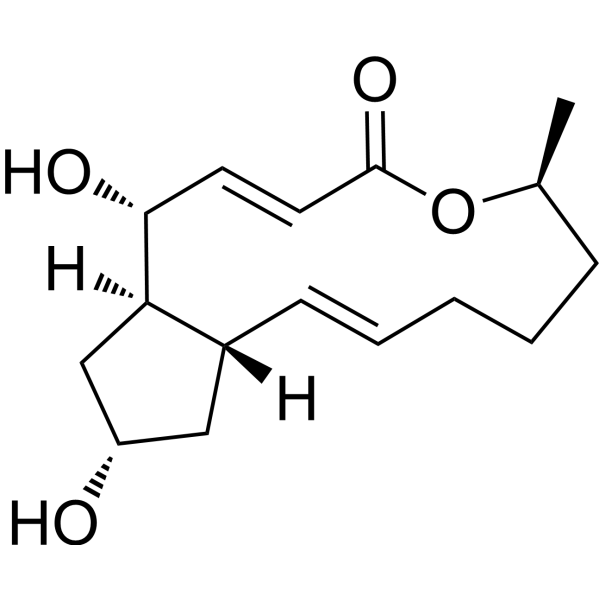
    Brefeldin A
    Maximum Cited Publications
    153 Publications Verification

    BFA; Cyanein; Decumbin

    Autophagy Mitophagy HSV Antibiotic Bacterial Infection Cancer
    Brefeldin A (BFA) is a lactone antibiotic and a specific inhibitor of protein trafficking. Brefeldin A blocks the transport of secreted and membrane proteins from endoplasmic reticulum to Golgi apparatus . Brefeldin A is also an autophagy and mitophagy inhibitor . Brefeldin A inhibits HSV-1 and has anti-cancer activity .
    Brefeldin A
  • HY-14452
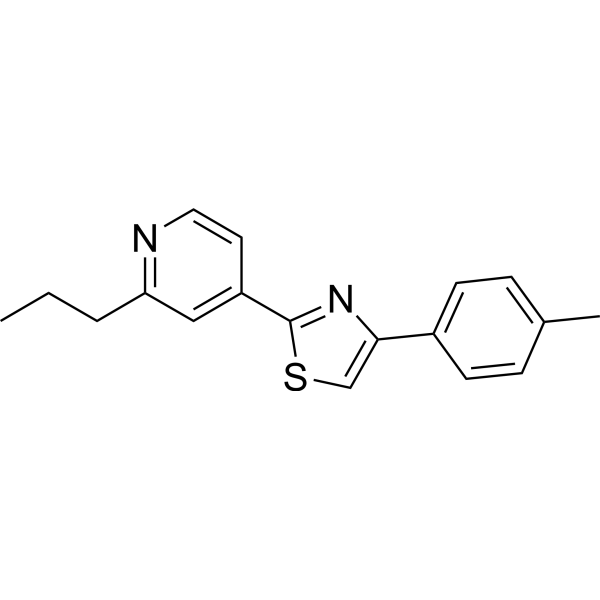
    Fatostatin
    50+ Cited Publications

    125B11

    Fatty Acid Synthase (FASN) Cancer
    Fatostatin (125B11), a specific inhibitor of SREBP activation, impairs the activation of SREBP-1 and SREBP-2. Fatostatin binds to SCAP (SREBP cleavage-activating protein), and inhibits the ER-Golgi translocation of SREBPs. Fatostatin decreases the transcription of lipogenic genes in cells. Fatostatin possesses antitumor properties, and lowers hyperglycemia in ob/ob mice .
    Fatostatin
  • HY-D1533
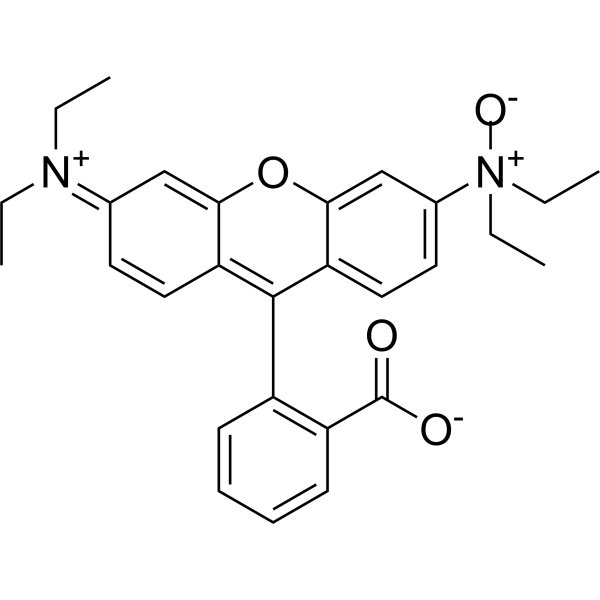
    RhoNox-1
    35+ Cited Publications

    Fluorescent Dye Others
    RhoNox-1 is a fluorescent probe for the specific detection of divalent iron ions, and when RhoNox-1 reacts with Fe 2+. RhoNox-1 can generate an irreversible orange (red) fluorescent product (Ex/Em:540/575 nm) . FeRhoNox-1 can enter the cell well, suitable for the detection of Fe 2+ in living cells, and tends to be localized in the Golgi apparatus .
    RhoNox-1
  • HY-112942A
    CMP-Sialic acid sodium salt
    4 Publications Verification

    CMP-Neu5Ac sodium salt

    Endogenous Metabolite Metabolic Disease
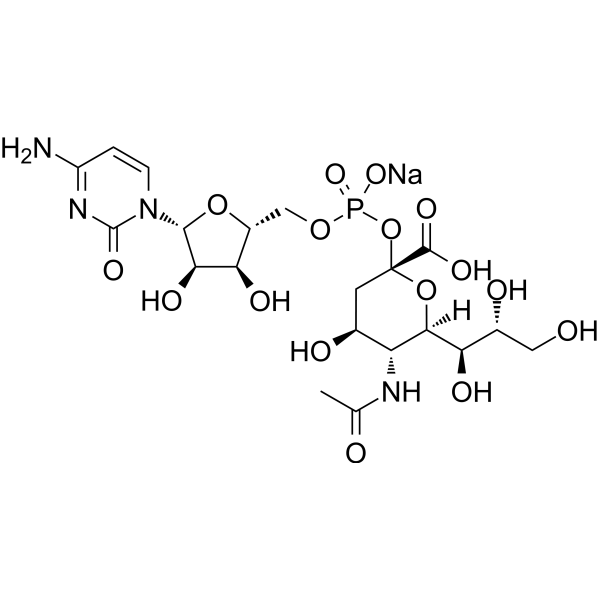
    CMP-Sialic acid (CMP-Neu5Ac) sodium salt is an allosteric inhibitor of UDP-GlcNAc 2-epimerase. CMP-Sialic acid sodium salt provides a substrate for Golgi sialyltransferases. CMP-Sialic acid sodium salt is an important sugar nucleotide for biosynthesis of sialic acid and its conjugates .
    CMP-Sialic acid sodium salt
  • HY-108434
    Ceapin-A7
    20+ Cited Publications

    ATF6 Neurological Disease Metabolic Disease
    Ceapin-A7 is a selective blocker of ATF6α signaling in response to ER stress, with an IC50 of 0.59 μM. Ceapin-A7 can be used to explore both the mechanism of activation of ATF6α and its role in pathological settings .
    Ceapin-A7
  • HY-113679

    Telomerase Metabolic Disease Endocrinology
    Ceramides Mixture is an endogenous ceramide and consists of hydroxy and non-hydroxy fatty acid-containing ceramides. Ceramides Mixture is a main lipid component of the permeability barrier in epidermis. Ceramides Mixture is involved in the regulation of growth inhibition, cell cycle arrest, and modulation of telomerase activity .
    Ceramides Mixture
  • HY-100540
    Golgicide A
    10+ Cited Publications

    GCA

    Enterovirus Infection Cancer
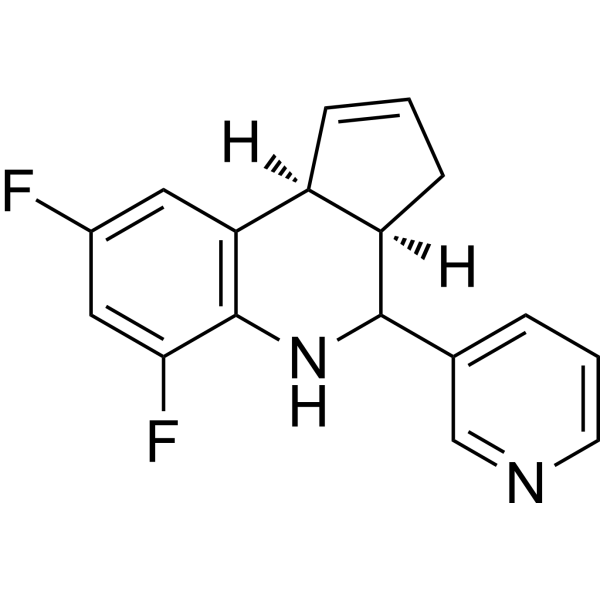
    Golgicide A (GCA) is a potent, highly specific, and reversible inhibitor of the cis-Golgi ADP-ribosylation factor guanine nucleotide exchange factors (ArfGEF) GBF1 . Golgicide A drastically reduced replication of coxsackievirus B3 (CVB3) and other human enterovirus species .
    Golgicide A
  • HY-120821
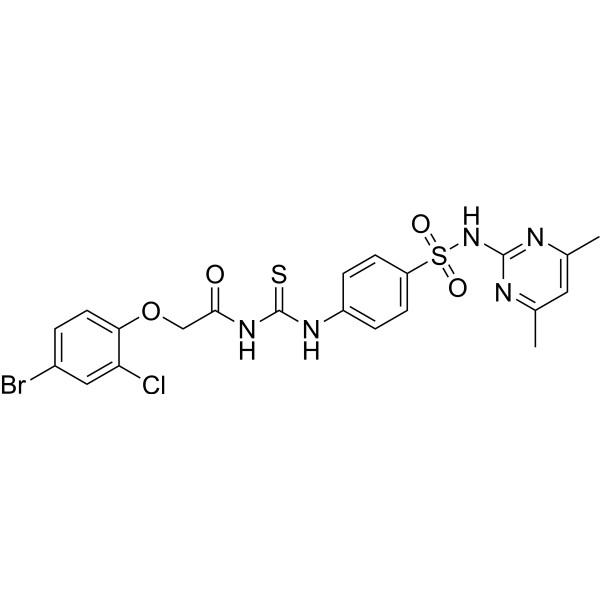
    Endosidin-2
    2 Publications Verification

    ES2

    Exosomes Others
    Endosidin-2 (ES2) is a selective inhibitor targeting the conserved exosome subunit EXO70. Endosidin-2 binds to the C-terminal domain of EXO70, inhibiting exocytosis and endosomal recycling, while promoting vacuolar trafficking in plant cells. Endosidin-2 interferes with the EXO70-mediated vesicle-to-plasma membrane anchoring process, leading to abnormal aggregation of auxin transporters (such as PIN2) in the cytoplasm and redirected to vacuolar degradation, while causing abnormal Golgi structure (such as cup-shaped or ring-shaped vesicles cisternae formation). Endosidin-2 can inhibit exocytosis in plant and mammalian cells and is mainly used to study the dynamic regulation of membrane trafficking (such as polar growth, vesicle sorting) .
    Endosidin-2
  • HY-D1612

    Fluorescent Dye Others
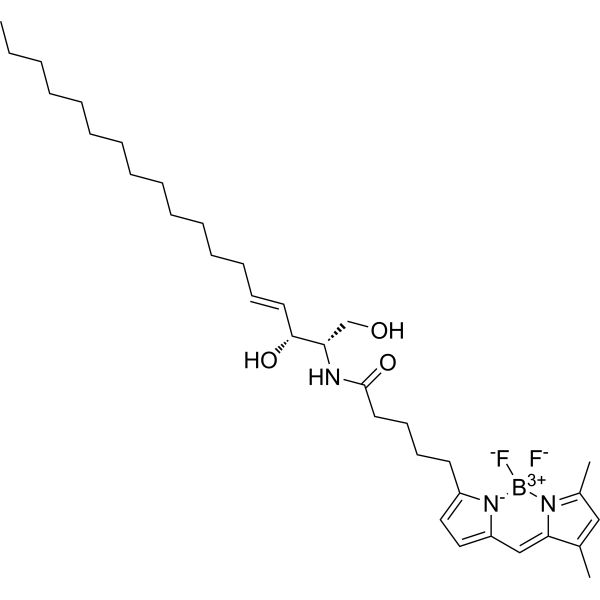
    The Golgi apparatus is composed of flattened vesicles superimposed on each other by unit membranes. The flattened vesicles are round with expanded and perforated edges. The Golgi fluorescent probe is a BODIPY-labeled ceramide derivative, the synthesis of which occurs in the endoplasmic reticulum and can then be transported to the Golgi via ceramide transport protein (CERT) or vesicular translocation, allowing specific labeling of the dye . BODIPY Fl C5-Ceramide is a Golgi-specific green fluorescent dye, which can visualise individual cells . Ex/Em= 505 nm/512 nm.
    BODIPY FL C5-Ceramide
  • HY-122571
    Retro-2
    2 Publications Verification

    Filovirus Parasite Autophagy Infection Cancer
    Retro-2 is a selective inhibitor of retrograde protein trafficking at the endosome-trans-Golgi network interface. Retro-2 is an ebolavirus (EBOV) infection inhibitor with an EC50 of 12.2 μM in HeLa cells. Retro-2 induces cell autophagy .
    Retro-2
  • HY-14452A
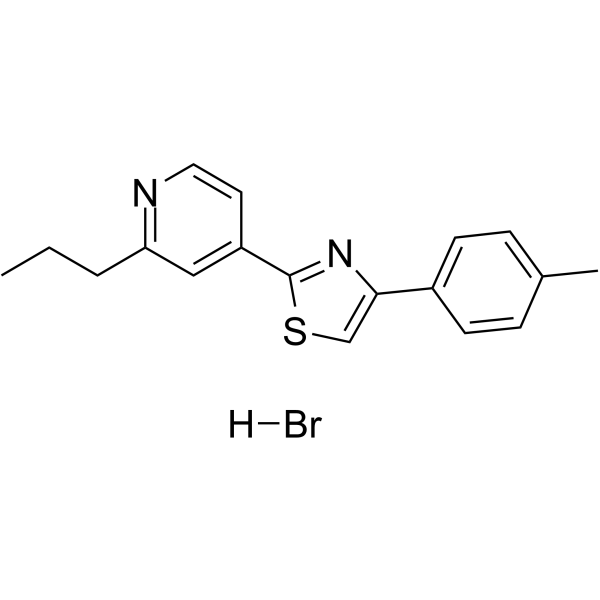
    Fatostatin hydrobromide
    50+ Cited Publications

    125B11 hydrobromide

    Fatty Acid Synthase (FASN) Cancer
    Fatostatin hydrobromide (125B11 hydrobromide), a specific inhibitor of SREBP activation, impairs the activation of SREBP-1 and SREBP-2. Fatostatin hydrobromide binds to SCAP (SREBP cleavage-activating protein), and inhibits the ER-Golgi translocation of SREBPs. Fatostatin hydrobromide decreases the transcription of lipogenic genes in cells. Fatostatin hydrobromide possesses antitumor properties, and lowers hyperglycemia in ob/ob mice .
    Fatostatin hydrobromide
  • HY-134884
    INCB086550
    2 Publications Verification

    PD-1/PD-L1-IN-8

    PD-1/PD-L1 Cancer
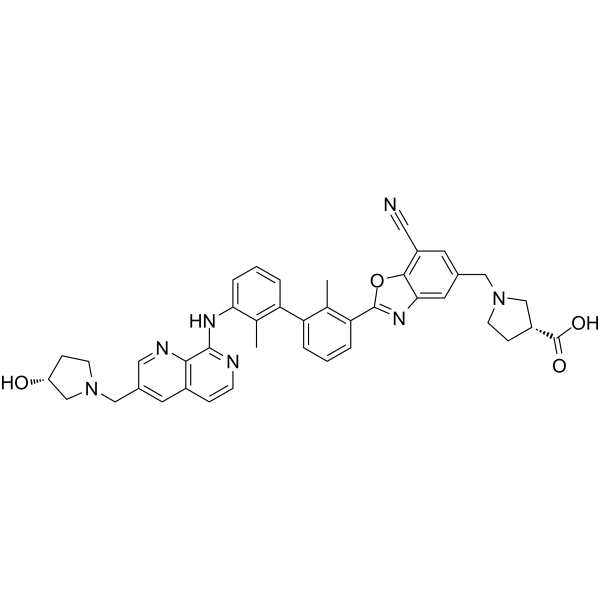
    INCB086550 is a potent, oral, small-molecule PD-L1 inhibitor with IC50s value of 3.1, 4.9 and 1.9 nM for human, cynomolgus, and rat, respectively. INCB086550 promotes the dimerization of cell-surface PD-L1 and induces PD-L1 entry into Golgi vesicles then traffick to the nucleus. INCB086550 can be used for multiple cancers research .
    INCB086550
  • HY-13963
    ZCL278
    3 Publications Verification

    Ras Dengue Virus VSV Arenavirus Infection Neurological Disease Metabolic Disease Cancer
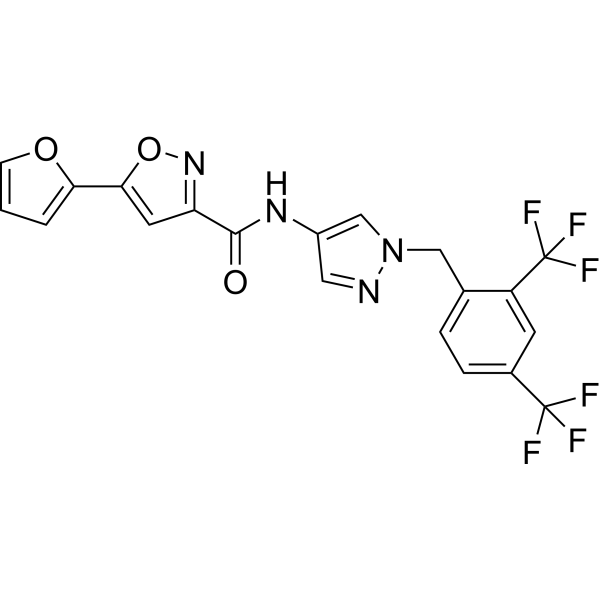
    ZCL278 is a selective Cdc42 inhibitor with Kds of 6.4 μM in fluorescence titration and 11.4 μM in surface plasmon resonance (SPR) measurement. ZCL278 is able to disrupt the Cdc42-ITSN interaction as well as GTP/GDP binding. ZCL278 has inhibitory effects on various enveloped viruses, but is ineffective against non-enveloped viruses. ZCL278 can be used for the studies of arsenic neurotoxicity and HER2-positive gastric cancer (GC) .
    ZCL278
  • HY-115675

    PI4K Others
    NC03 is a PI4K2A inhibitor and reducing agent. NC03 inhibits the activity of PI4K2A, thereby reducing the production of PI4P in the cellular compartments where PI4K2A functions. NC03 rapidly induces a decrease in PI4P pools in the Golgi and endosomal compartments. NC03 reduces PI4P production in Rab7-positive late endosomes .
    NC03
  • HY-W356116

    Nbd-ceramide

    Fluorescent Dye Others
    C6 NBD Ceramide is a Golgi apparatus fluorescent probe with cell membrane permeability. C6 NBD Ceramide can be used for fast and convenient green fluorescent labeling of Golgi in living and fixed cells, and can be used to observe changes in Golgi morphology in living cells (Ex=466 nm, Em=536 nm). C6-NBD-ceramide is metabolized to fluorescent sphingomyelin and glucosylceramide, can be used for the study of sphingolipid transport and metabolic mechanism .
    C6 NBD Ceramide
  • HY-17644
    Redaporfin
    1 Publications Verification

    LUZ11; F2BMet

    Reactive Oxygen Species (ROS) Cancer
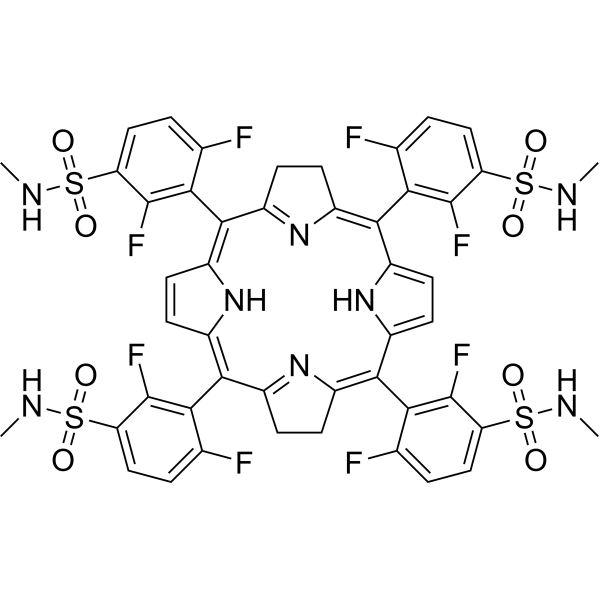
    Redaporfin (LUZ11) acts as a potent photosensitizer. Redaporfin causes direct antineoplastic effects as well as indirect immune-dependent destruction of malignant lesions .
    Redaporfin
  • HY-112942

    CMP-Neu5Ac

    Endogenous Metabolite Metabolic Disease
    CMP-Sialic acid (CMP-Neu5Ac) is an allosteric inhibitor of UDP-GlcNAc 2-epimerase. CMP-Sialic acid provides a substrate for Golgi sialyltransferases. CMP-Sialic acid is an important sugar nucleotide for biosynthesis of sialic acid and its conjugates .
    CMP-Sialic acid
  • HY-132182
    HPA-12
    1 Publications Verification

    Ceramidase Autophagy Apoptosis ATF6 Neurological Disease Cancer
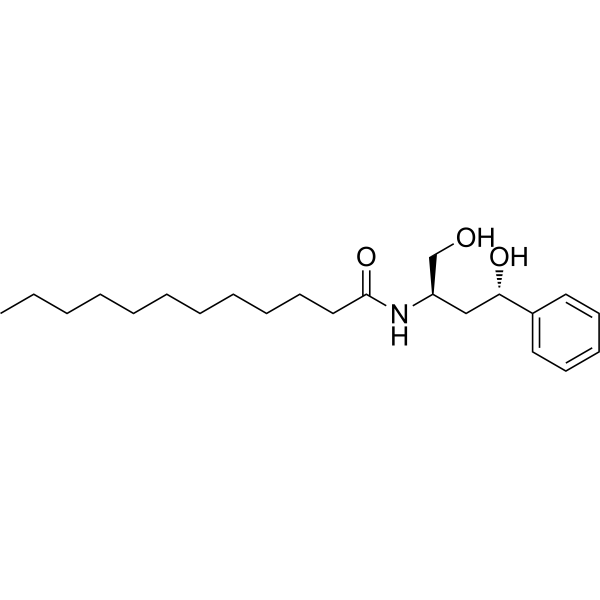
    HPA-12 is a blood-brain barrier-permeable small-molecule inhibitor of ceramide transfer protein (CERT) with four stereoisomers (the (1R,3R)-stereoisomer exhibits the highest activity). HPA-12 blocks the transport of ceramide from the endoplasmic reticulum to the Golgi apparatus by binding to the START domain of CERT, leading to intracellular ceramide accumulation and inhibition of sphingomyelin (SM) synthesis. HPA-12 induces endoplasmic reticulum stress via the GRP78/ATF6/CHOP axis and activates mitochondrial autophagy, thereby inhibiting cell growth and inducing apoptosis. In in vivo experiments, HPA-12 significantly reduces the leukemia burden and splenomegaly in mouse models of acute myeloid leukemia (AML) and prolongs survival. HPA-12 is applicable for the research of lipid metabolism in acute myeloid leukemia and Alzheimer's disease .
    HPA-12
  • HY-107572

    CI 976

    Acyltransferase Metabolic Disease
    PD 128042 (CI 976) is a potent, orally active, and selective inhibitor of ACAT (acyl coenzyme A:cholesterol acyltransferase) with an IC50s of 73 nM. PD 128042 is also a potent LPAT (lysophospholipid acyltransferase) inhibitor. PD 128042 inhibits Golgi-associated LPAT activity (IC50=15 μM). PD 128042 inhibits multiple membrane trafficking steps, including ones found in the endocytic and secretory pathway .
    PD 128042
  • HY-DY1030

    Fluorescent Dye Others
    RhoNox-1 (solution) is a fluorescent probe for the specific detection of divalent iron ions, and when RhoNox-1 reacts with Fe 2+. RhoNox-1 can generate an irreversible orange (red) fluorescent product (Ex/Em:540/575 nm). FeRhoNox-1 can enter the cell well, suitable for the detection of Fe 2+ in living cells, and tends to be localized in the Golgi apparatus .
    Solvent and concentration: DMSO: 5 mM
    RhoNox-1 (solution)
  • HY-D1735

    Golgi-Red Tracke

    Fluorescent Dye Others
    The Golgi apparatus is composed of flattened vesicles superimposed on each other by unit membranes. The flattened vesicles are round with expanded and perforated edges. The Golgi fluorescent probe is a BODIPY-labeled ceramide derivative, the synthesis of which occurs in the endoplasmic reticulum and can then be transported to the Golgi via ceramide transport protein (CERT) or vesicular translocation, allowing specific labeling of the dye. BODIPY TR Ceramide (Golgi-Red Tracke) is a Golgi-specific fluorescent dye, which can visualise individual cells . Ex/Em=589 nm/616 nm.
    BODIPY TR Ceramide
  • HY-W250153

    P2Y Receptor Cardiovascular Disease
    Adenosine 3'-phosphate 5'-phosphosulfate lithium, an adenine nucleotide derivative, is a selective P2Y1 antagonist with no effect on P2Y2, P2Y4, or P2Y6 receptors. Adenosine 3'-phosphate 5'-phosphosulfate lithium can competitive inhibit ADP-induced platelet aggregation, as well as the ability of ADP to cause shape change and increases in Ca 2+ in platelets, but had no effect on the inhibition of stimulated adenylate cyclase by ADP. Adenosine 3'-phosphate 5'-phosphosulfate lithium is a co-substrate used for the sulfonation of glycans. Adenosine 3'-phosphate 5'-phosphosulfate lithium can be used for Golgi-resident PAP-specific 3'-phosphatase-coupled sulfotransferase assays, which as donor substrate to transfer a sulfonate group .
    Adenosine 3'-phosphate 5'-phosphosulfate lithium
  • HY-119500
    Ilimaquinone
    2 Publications Verification

    HIV Bacterial Infection Inflammation/Immunology Cancer
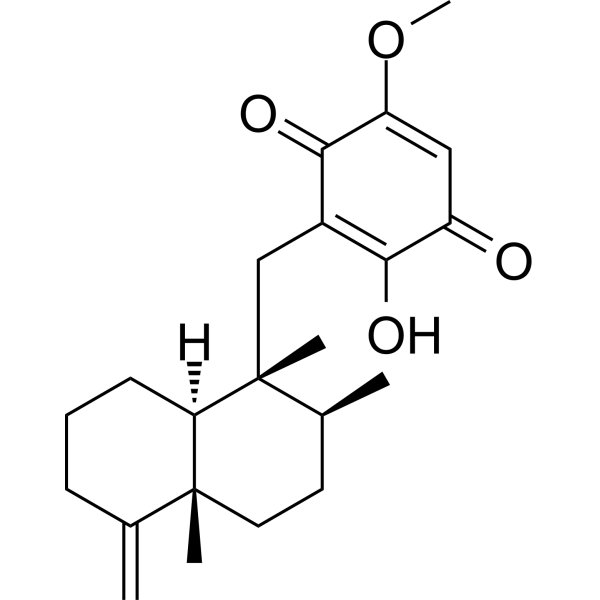
    Ilimaquinone, a marine sponge metabolite, displays anticancer activity via GADD153-mediated pathway. Ilimaquinone can induce vesiculation of the Golgi apparatus . Ilimaquinone exerts anti-HIV, anti-microbial, anti-inflammatory, and effects .
    Ilimaquinone
  • HY-W008048

    Nucleoside Antimetabolite/Analog Others
    2',3'-O-Isopropylideneadenosine is a nucleoside compound and also a Golgi-targeting moiety. 2',3'-O-Isopropylideneadenosine constitutes a furanose ribose group that undergoes cyclization at the O (2') and O (3') atoms. As a component of the fluorescent probe TPE-Ade, 2',3'-O-Isopropylideneadenosine enables specific Golgi localization for fluorescence imaging. 2',3'-O-Isopropylideneadenosine participates in the synthesis of aggregation-induced emission (AIE) fluorescent probes .
    2',3'-O-Isopropylideneadenosine
  • HY-137975

    Bacterial Endocrinology
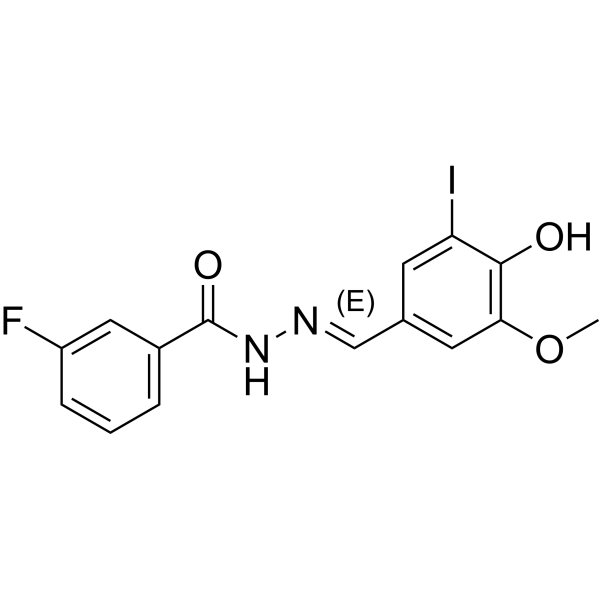
    Exo2 is a secretion inhibitor. Exo2 perturbs trafficking of Shiga toxin between endosomes and the trans-Golgi network. Exo2 blocks secretory cargo exit from the ER (endoplasmic reticulum) and disrupts the Golgi apparatus, but does not affect the morphology of the TGN (trans-Golgi network) Exo2 can stimulate calcium-dependent exocytosis in permeabilized adrenal chromaff in cells .
    Exo2
  • HY-164090

    P2Y Receptor Cardiovascular Disease
    Adenosine 3'-phosphate 5'-phosphosulfate, an adenine nucleotide derivative, is a selective P2Y1 antagonist with no effect on P2Y2, P2Y4, or P2Y6 receptors. Adenosine 3'-phosphate 5'-phosphosulfate can competitive inhibit ADP-induced platelet aggregation, as well as the ability of ADP to cause shape change and increases in Ca 2+ in platelets, but had no effect on the inhibition of stimulated adenylate cyclase by ADP. Adenosine 3'-phosphate 5'-phosphosulfate is a co-substrate used for the sulfonation of glycans. Adenosine 3'-phosphate 5'-phosphosulfate can be used for Golgi-resident PAP-specific 3'-phosphatase-coupled sulfotransferase assays, which as donor substrate to transfer a sulfonate group .
    Adenosine 3'-phosphate 5'-phosphosulfate
  • HY-159621

    ES5

    Annexin A Endocrinology
    Endosidine 5 (ES5) inhibits EPS (extracellular polymeric substance) secretion and cell wall expansion. Endosidine 5 alters secretion of ECM (extracellular matrix) material in Penium margaritaceum by affecting the Golgi apparatus. Endosidine 5 interferes with recycling endosomes through Annexin A6, thereby promoting the release and expression of mRNA into the cytoplasm .
    Endosidine 5
  • HY-110174

    α-synuclein Neurological Disease
    NAB2 is a neuroprotectant that targets the small GTPase Rab1a. NAB2 selectively binds to the GDP-bound form of Rab1a and protects multiple cell types from α-synuclein toxicity by increasing Rab1a expression. Rab1a regulates ER-to-Golgi trafficking and mediates endosomal trafficking events of the E3 ubiquitin ligase Rsp5/Nedd4. NAB2 stimulates ubiquitination of related proteins in a Nedd4-dependent manner and rescues α-synuclein-associated trafficking defects associated with early-onset Parkinson's disease .
    NAB2
  • HY-143209B

    Liposome Cancer
    DSPE-PEG3400 is a phospholipid-PEG polymer conjugate that can be used in drug delivery applications. DSPE-PEG3400 serves as a material for preparing nanocarriers, which is used to prolong blood circulation time, enhance stability and improve encapsulation efficiency .
    DSPE-PEG3400
  • HY-175329

    Pyroptosis Reactive Oxygen Species (ROS) Cancer
    BTF-DNBS is a glutathione (GSH)-responsive small-molecule photosensitizer (PS). BTF-DNBS disrupts mitochondrial function and triggers Golgi-mediated pyroptosis, serving as a reactive oxygen species (ROS) generator. BTF-DNBS is promising for research of cancers .
    BTF-DNBS
  • HY-16592R

    BFA (Standard); Cyanein (Standard); Decumbin (Standard)

    Reference Standards Autophagy Mitophagy HSV Antibiotic Bacterial Infection Cancer
    Brefeldin A (Standard) (BFA (Standard)) is the analytical standard of Rutin. This product is intended for research and analytical applications. Brefeldin A (BFA) is a lactone antibiotic and a specific inhibitor of protein trafficking. Brefeldin A blocks the transport of secreted and membrane proteins from endoplasmic reticulum to Golgi apparatus. Brefeldin A is also an autophagy and mitophagy inhibitor. Brefeldin A inhibits HSV-1 and has anti-cancer activity.
    Brefeldin A (Standard)
  • HY-D2297

    Fluorescent Dye Others
    AIE-GA is a Golgi apparatus (GA) fluorescent probe (green channel: λex = 405 nm, λem = 500-700 nm). AIE-GA has a favourable binding ability to interact with COX-2. AIE-GA binds to the cyclooxygenase catalytic site of COX-2 .
    AIE-GA
  • HY-D2324

    Fluorescent Dye Others
    EE-Flipper 33 is a Flipper probe designed to evaluate the mechanism of early endocytosis. EE-Flipper has a pKa value of 10.6 and is capable of tracking approximately 70% of early endosomes (EE) in live cells. Furthermore, EE-Flipper 33 can also label the Golgi apparatus in live cells with an internal pH ranging from 6.0 to 6.7 .
    EE-Flipper 33
  • HY-151537

    Fluorescent Dye Infection Inflammation/Immunology
    Gol-NTR is a Golgi-targetable probe with high selectivity and sensitivity. Gol-NTR is Nitroreductase (NTR)-activated and has visualization acute lung injury (ALI) and repair function. Gol-NTR has a low detection limit of 54.8 ng/mL. Gol-NTR can be used for the research for monitoring and assessing research response of sepsis-induced ALI .
    Gol-NTR
  • HY-W283166

    Biochemical Assay Reagents Others
    n-Undecyl β-D-maltopyranoside is an n-alkyl β-D-maltopyranoside detergent that can be used for solubilization and structural determination of membrane proteins. n-Undecyl β-D-maltopyranoside effectively solubilizes CST from Golgi-enriched fractions of Pichia pastoris, but fails to maintain the functional activity of CST during subsequent partial purification and reconstitution into proteoliposomes. n-Undecyl β-D-maltopyranoside is more suitable for structural analysis studies of membrane proteins rather than functional reconstitution experiments .
    n-Undecyl β-D-maltopyranoside
  • HY-D2317

    Fluorescent Dye Others
    HaloFlipper 30 is a fluorescent probe that covalently reacts with HaloTag fusion proteins to form an ester bond, which allows the probe to be stably attached to membrane structures. HaloFlipper 30 has high specificity, precision and good cell permeability .
    HaloFlipper 30
  • HY-N16325

    Fluorescent Dye Others
    Golgi-laurdan, a derivative of Laurdan (HY-D0080), is a fluorescent probe. Golgi-Laurdanmimics the structure NBD C6 Ceramide that can be used for the study of the Golgi apparatus .
    Golgi-laurdan
  • HY-N9422

    P2Y Receptor Cardiovascular Disease
    Adenosine 3'-phosphate 5'-phosphosulfate triethylamine, an adenine nucleotide derivative, is a selective P2Y1 antagonist with no effect on P2Y2, P2Y4, or P2Y6 receptors. Adenosine 3'-phosphate 5'-phosphosulfate triethylamine can competitive inhibit ADP-induced platelet aggregation, as well as the ability of ADP to cause shape change and increases in Ca 2+ in platelets, but had no effect on the inhibition of stimulated adenylate cyclase by ADP. Adenosine 3'-phosphate 5'-phosphosulfate triethylamine is a co-substrate used for the sulfonation of glycans. Adenosine 3'-phosphate 5'-phosphosulfate triethylamine can be used for Golgi-resident PAP-specific 3'-phosphatase-coupled sulfotransferase assays, which as donor substrate to transfer a sulfonate group .
    Adenosine 3'-phosphate 5'-phosphosulfate triethylamine
  • HY-122740

    Bacterial Infection
    Retro-1 is a toxin inhibitor. Retro-1 blocks the retrograde transport of STxB to the trans-Golgi network/Golgi. Retro-1 inhibits the cytotoxic effects of Ricin, bacterial toxins Stx1 and Stx2. Retro-1 can also substantially enhance the effectiveness of antisense and splice switching oligonucleotides .
    Retro-1
  • HY-E70286

    MGAT4B

    Biochemical Assay Reagents Cancer
    N-Acetylglucosaminyltransferase V (MGAT4B) is the enzyme that catalyzes the formation of the β1,6-GlcNAc branch of N-glycans in the Golgi apparatus using UDP-GlcNAc as the donor substrate. N-Acetylglucosaminyltransferase V is involved in cancer malignancy and autoimmune disease etiology .
    N-Acetylglucosaminyltransferase V
  • HY-156242

    Paraptosis Cancer
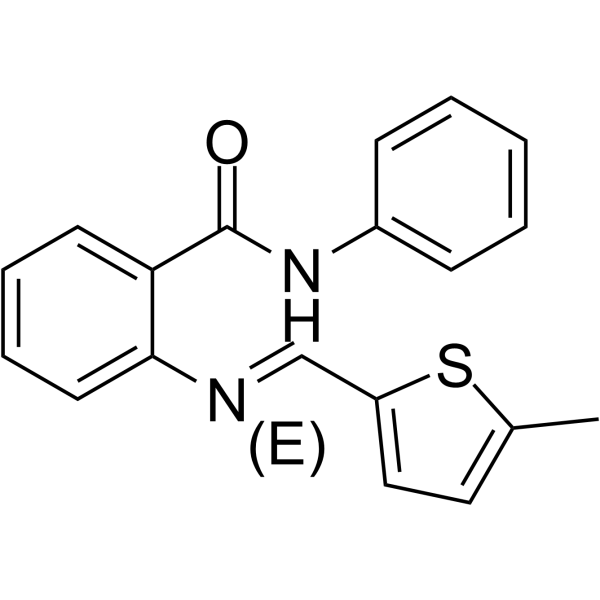
    BQZ-485 is a a potent GDI2 inhibitor through the interaction with Tyr245. BQZ-485 disrupts the intrinsic GDI2-Rab1A interaction, thereby abolishing vesicular transport from the endoplasmic reticulum (ER) to the Golgi apparatus and initiating subsequent paraptosis events .
    BQZ-485
  • HY-112944A

    CMP-NeuNAz sodium

    Sialyltransferase Infection
    CMP-SiaNAz (CMP-NeuNAz) sodium is a sialic acid nucleotide sugar derivative. CMP-SiaNAz sodium is integrated into the glycosidic chain through the action of STs in the Golgi apparatus, forming SiaNAz substances. CMP-SiaNAz sodium can serve as a substrate for bacterial-derived sialic acid transferases and is used for chemical enzymatic labeling and imaging of cell surface glycosides .
    CMP-SiaNAz sodium
  • HY-E70156

    EC:2.4.1.-; FUT7

    Biochemical Assay Reagents Others
    Fucosyltransferase 7 (FUT7) is a golgi stack membrane protein. Fucosyltransferase 7catalyzes the final fucosylation step in the synthesis of Lewis antigens and generates a unique glycosylated product sialyl Lewis X (sLeX). Fucosyltransferase 7 catalyzes alpha-1,3 glycosidic linkages involved in the expression of sialyl Lewis X antigens .
    Fucosyltransferase 7
  • HY-W250153A

    P2Y Receptor Cardiovascular Disease
    Adenosine 3'-phosphate 5'-phosphosulfate lithium hydrate, an adenine nucleotide derivative, is a selective P2Y1 antagonist with no effect on P2Y2, P2Y4, or P2Y6 receptors. Adenosine 3'-phosphate 5'-phosphosulfate lithium hydrate can competitive inhibit ADP-induced platelet aggregation, as well as the ability of ADP to cause shape change and increases in Ca 2+ in platelets, but had no effect on the inhibition of stimulated adenylate cyclase by ADP. Adenosine 3'-phosphate 5'-phosphosulfate lithium hydrate is a co-substrate used for the sulfonation of glycans. Adenosine 3'-phosphate 5'-phosphosulfate lithium hydrate can be used for Golgi-resident PAP-specific 3'-phosphatase-coupled sulfotransferase assays, which as donor substrate to transfer a sulfonate group .
    Adenosine 3'-phosphate 5'-phosphosulfate lithium, hydrate
  • HY-169948

    EGFR Cancer
    BML-265 is a potent EGFR tyrosine kinase inhibitor. BML-265 disrupts Golgi integrity and abolishes secretory protein transport of diverse cargos. BML-265 affects Golgi integrity and transport in human cells but not in rodent cells .
    BML-265
  • HY-D1687

    Fluorescent Dye Others
    Flubi-2 is a fluorescein-biotin based pH-ratio dye (Ex=480 nm, Em= 520-560 nm) with a pK value of 6.7. Flubi-2 is a hydrolysis product of Flubida-2 (non-fluorescent, membrane permeable). Flubi-2 can be used for pH determination of organelles of the secretory pathway (such as golgi apparatus and endoplasmic reticulum) in living cells .
    Flubi-2
  • HY-161798

    Others Cancer
    Orpinolide is a withanolide analog that has anti-leukemia properties. It disrupts the internal balance of the Golgi apparatus, which is related to signaling through inositol 4-phosphate at the interface of the endoplasmic reticulum and Golgi membrane .
    Orpinolide
  • HY-D2967

    Fluorescent Dye Neurological Disease
    Golgi-NO is a Golgi-targeted fluorescent probe for nitric oxide (NO) (Ex/Em: 560 nm/589 nm). Golgi-NO exhibits excellent selectivity for various potential interfering substances. Golgi-NO can be used to study the function of NO within the Golgi apparatus in disease models such as Alzheimer's disease (AD) .
    Golgi-NO
  • HY-D2970

    Fluorescent Dye Neurological Disease
    Golgi-P is a near-infrared Golgi-targeted fluorescent probe specifically used for the detection of Golgi polarity in living cells and living tissues. Golgi-P exhibits a significant polarity-dependent spectral behavior, with its emission wavelength shifting redward with polarity (Ex/Em: 700 nm/780-825 nm). Golgi-P achieves near-infrared fluorescence imaging directly in the brain tissue of depressed mice. Golgi-P combines polarity sensing with Golgi-targeting functionality, providing a new tool for the molecular diagnosis of depression .
    Golgi-P
  • HY-173331

    Chloride Channel Apoptosis Autophagy Cancer
    Antitumor agent-201 (Compound 10) is a chloride transport activator that targets the Golgi apparatus. Its EC50 for promoting the transmembrane transport of chloride ions is 1.53 mol%, and its IC50 against HepG2 cells is 7.13 μM. Antitumor agent-201 exerts its anti-cancer activity by selectively acting on the Golgi apparatus, disrupting the chloride ion homeostasis within it, reducing the expression of key proteins such as GM130 and GRASP55, altering the structure and function of the Golgi apparatus, triggering Autophagy of the Golgi apparatus, and further inducing Apoptosis of cancer cells and arresting cancer cells in the G2/M phase. Antitumor agent-201 can be used in the research field of cancer diseases .
    Antitumor agent-201

Inquiry Online

Your information is safe with us. * Required Fields.

Salutation


Country or Region *

Applicant Name *


Organization Name *

Department *


Email Address *


Product Name *

Cat. No.


Requested quantity *

Phone Number *


Remarks

Inquiry Online

Inquiry Information

Product Name:
Cat. No.:
Quantity:
MCE Japan Authorized Agent:

