
238 Results for "

Heme

" in MedChemExpress (MCE) Product Catalog:
Products (238)

238 Results for "Heme" in MCE Product Catalog:

94
94 Publications Verification
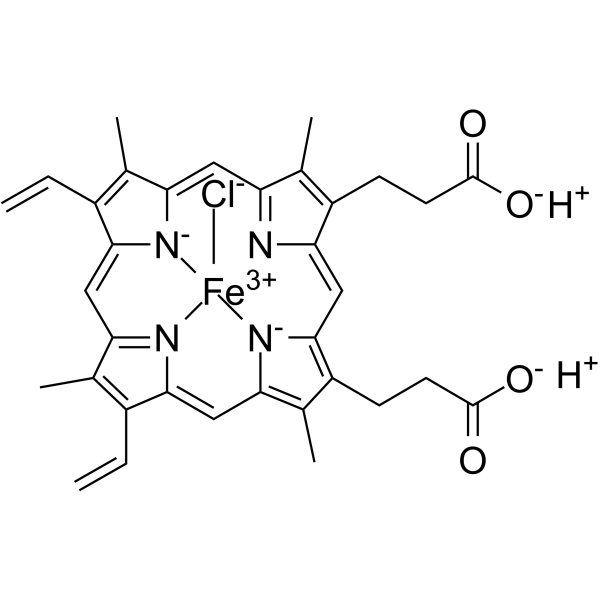
Cat. No.: HY-19424
CAS No.: 16009-13-5
Synonyms: Hemin chloride
Hemin is an iron-containing porphyrin. Hemin is an Heme oxygenase (HO)-1 inducer.
loading...
    loading...
69
69 Cited Publications
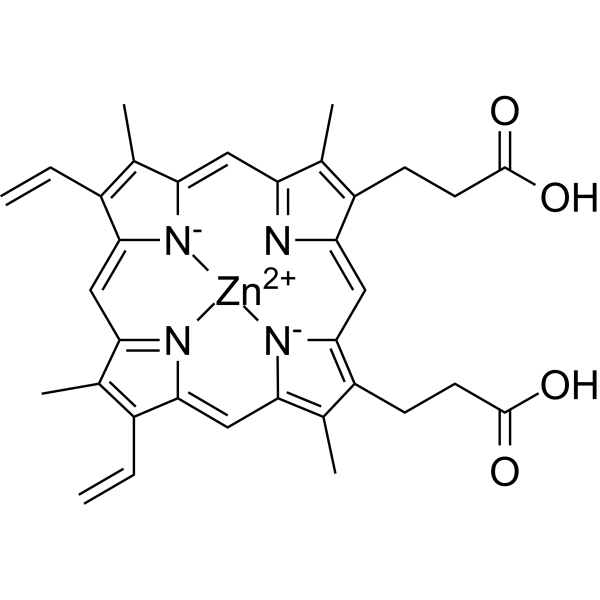
Cat. No.: HY-101193
CAS No.: 15442-64-5
Purity:  99.87%
Synonyms: Zn(II)-protoporphyrin IX; ZnPP; Zinc Protoporphyrin-9
Zinc Protoporphyrin (Zn(II)-protoporphyrin IX) is an orally active and competitive heme oxygenase-1 (HO-1) inhibitor. Zinc Protoporphyrin regulates expression of HO-1 at the transcriptional level. The effect of Zinc Protoporphyrin on HO-1 expression is controversial.  It was shown to induce HO-1 expression in some cells, but suppress it in others. Zinc Protoporphyrin is used as a screening marker of iron deficiency in vivo. Zinc Protoporphyrin has anti-cancer activity .
loading...
    loading...
23
23 Cited Publications
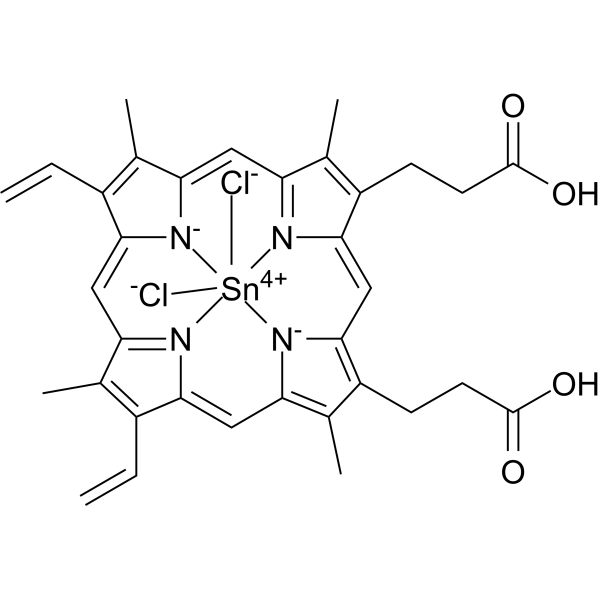
Cat. No.: HY-101194
CAS No.: 14325-05-4
Purity:  96.2%
Synonyms: Tin-protoporphyrin IX; Sn-Protoporphyrin; SnPPIX
Research Areas:  

Cancer

Tin protoporphyrin IX dichloride (SnPPIX) is a potent Heme oxygenase-1 (HO-1) inhibitor. Tin protoporphyrin IX dichloride sensitizes pancreatic ductal adenocarcinoma (PDAC) tumors to chemotherapy in mice model .
loading...
    loading...
22
22 Cited Publications
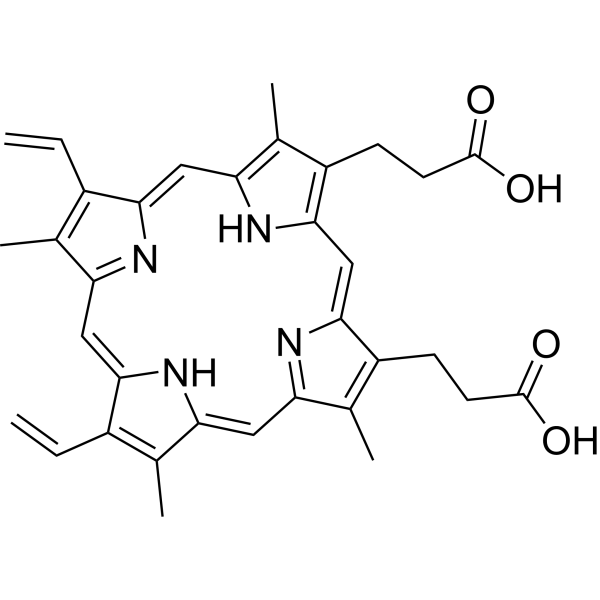
Cat. No.: HY-B1247
CAS No.: 553-12-8
Synonyms: PPIX
Protoporphyrin IX is a final intermediate in the heme biosynthetic pathway, which acts as a radiation sensitizer enhancing ROS generation even in a hypoxic state and inducing DNA damage. Protoporphyrin IX also acts as a photo sensitizer undergoing photobleaching that occurs through direct degradation by light irradiation. Protoporphyrin IX is formed and accumulated following 5-aminolevulinic acid (5-ALA) (HY-W000450) administration in the tumor cells of rats. Protoporphyrin IX causes selective improvement of basal cell carcinoma when activated red fluorescence of a peak wavelength at 405 nm. Protoporphyrin IX is promising for research of sonodynamic and photodynamic agents for a wide range of cancers, such as bladder cancer and nodular basal cell carcinoma .
loading...
    loading...
22
22 Cited Publications
Cat. No.: HY-B1247A
CAS No.: 50865-01-5
Synonyms: PPIX disodium
Target:  

Endogenous Metabolite

Research Areas:  

Cancer

Protoporphyrin IX disodium is a final intermediate in the heme biosynthetic pathway, which acts as a radiation sensitizer enhancing ROS generation even in a hypoxic state and inducing DNA damage. Protoporphyrin IX disodium also acts as a photo sensitizer undergoing photobleaching that occurs through direct degradation by light irradiation. Protoporphyrin IX disodium is formed and accumulated following 5-aminolevulinic acid (5-ALA) (HY-W000450) administration in the tumor cells of rats. Protoporphyrin IX disodium causes selective improvement of basal cell carcinoma when activated red fluorescence of a peak wavelength at 405 nm. Protoporphyrin IX disodium is promising for research of sonodynamic and photodynamic agents for a wide range of cancers, such as bladder cancer and nodular basal cell carcinoma .
loading...
    loading...
20
20 Cited Publications
Cat. No.: HY-N0305
CAS No.: 5451-09-2
Synonyms: 5-ALA hydrochloride; δ-Aminolevulinic acid hydrochloride; 5-Amino-4-oxopentanoic acid hydrochloride
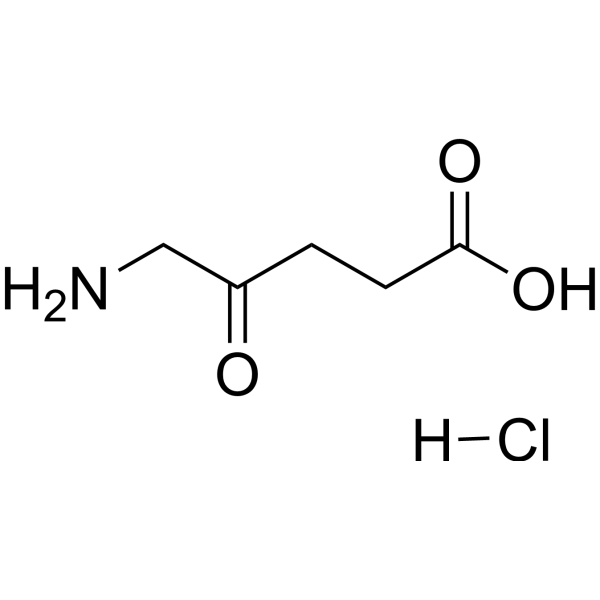
5-Aminolevulinic acid (5-ALA; δ-Aminolevulinic acid; 5-Amino-4-oxopentanoic acid) hydrochloride is an orally active heme precursor. 5-Aminolevulinic acid hydrochloride promotes aerobic energy metabolism and increases ATP levels by enhancing the activity of cytochrome c oxidase. 5-Aminolevulinic acid hydrochloride enhances LPS-induced proinflammatory cytokine production and gene activation, and restores the phagocytic activity and ROS generation capacity of neutrophils. 5-Aminolevulinic acid hydrochloride selectively accumulates protoporphyrin IX in tumor cells; as a photosensitizer and radiosensitizer, it induces ROS burst upon light or X-ray irradiation to inhibit tumor growth. 5-Aminolevulinic acid hydrochloride can be applied to the research of septic shock, melanoma, and cancer radiotherapy .
loading...
    loading...
20
20 Cited Publications
Cat. No.: HY-W000450
CAS No.: 106-60-5
Synonyms: 5-ALA; δ-Aminolevulinic acid; 5-Amino-4-oxopentanoic acid
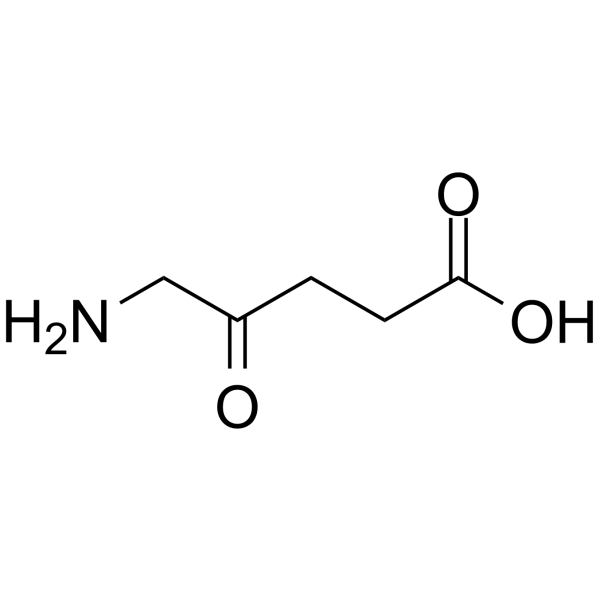
5-Aminolevulinic acid (5-ALA; δ-Aminolevulinic acid; 5-Amino-4-oxopentanoic acid) is an orally active heme precursor. 5-Aminolevulinic acid promotes aerobic energy metabolism and increases ATP levels by enhancing the activity of cytochrome c oxidase. 5-Aminolevulinic acid enhances LPS-induced proinflammatory cytokine production and gene activation, and restores the phagocytic activity and ROS generation capacity of neutrophils. 5-Aminolevulinic acid selectively accumulates protoporphyrin IX in tumor cells; as a photosensitizer and radiosensitizer, it induces ROS burst upon light or X-ray irradiation to inhibit tumor growth. 5-Aminolevulinic acid can be applied to the research of septic shock, melanoma, and cancer radiotherapy .
loading...
    loading...
17
17 Cited Publications
Cat. No.: HY-N0643
CAS No.: 5957-80-2
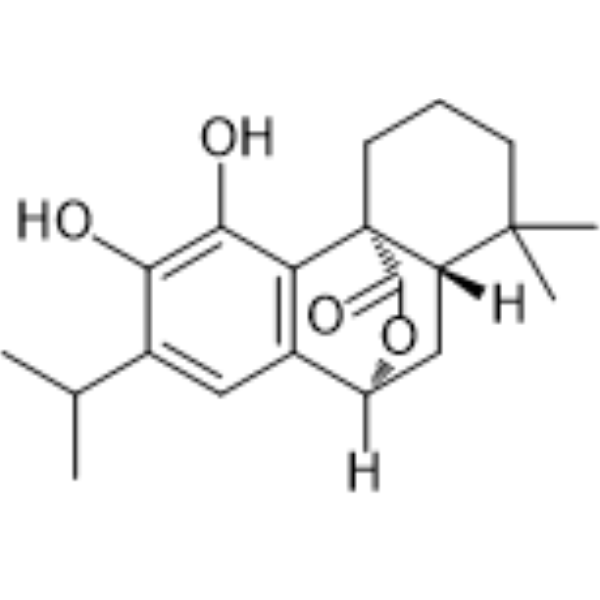
Carnosol is a potent Ribosomal S6 Kinase (RSK2) inhibitor that could be useful for treating gastric cancer, with an IC50 of ~5.5 μM . Carnosol, a Nrf2 activator, increases the nuclear levels of Nrf2 and can promote the expression of heme oxygenase 1 (HMOX1) .
loading...
    loading...
17
17 Cited Publications
Cat. No.: HY-15477
CAS No.: 132836-42-1
Purity:  99.92%
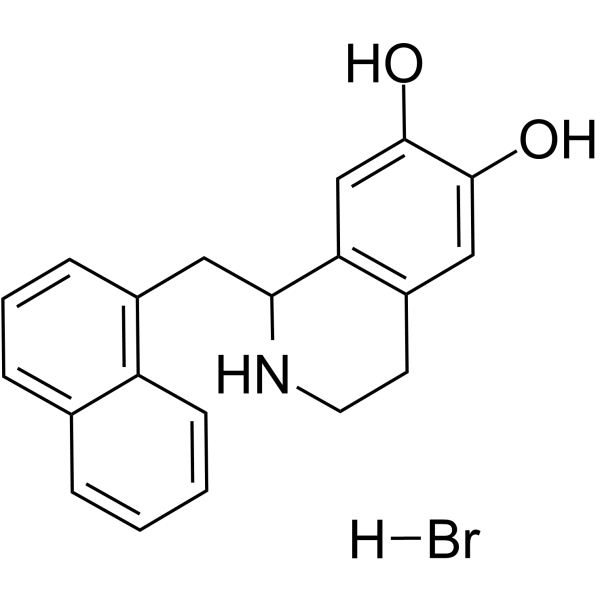
YS-49 is a PI3K/Akt (a downstream target of RhoA) activator, to reduce RhoA/PTEN activation in the 3-methylcholanthrene-treated cells. YS-49 inhibits angiotensin II (Ang II)-stimulated proliferation of VSMCs via induction of heme oxygenase (HO)-1. YS-49 is also an isoquinoline compound alkaloid, has a strong positive inotropic action through activation of cardiac β-adrenoceptors .
loading...
    loading...
17
17 Cited Publications
Cat. No.: HY-15477A
CAS No.: 3028631-24-2
Purity:  99.71%
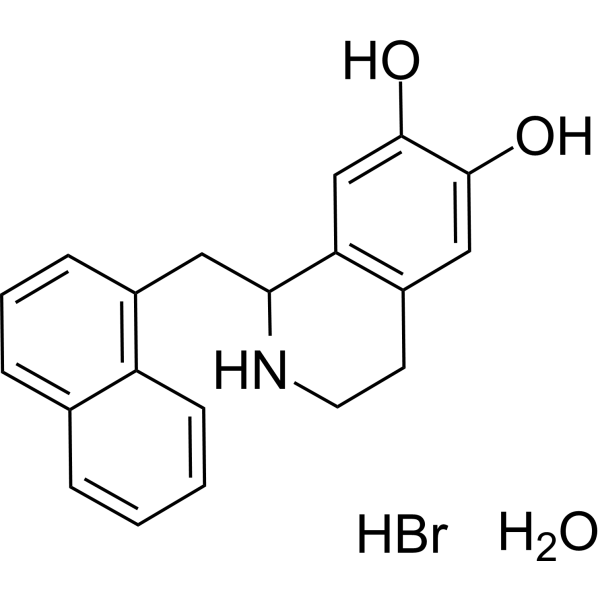
YS-49 (monohydrate) is a PI3K/Akt (a downstream target of RhoA) activator, to reduce RhoA/PTEN activation in the 3-methylcholanthrene-treated cells. YS-49 inhibits angiotensin II (Ang II)-stimulated proliferation of VSMCs via induction of heme oxygenase (HO)-1. YS-49 is also an isoquinoline compound alkaloid, has a strong positive inotropic action through activation of cardiac β-adrenoceptors .
loading...
    loading...
15
15 Cited Publications
Cat. No.: HY-B0754A
CAS No.: 17696-69-4
Synonyms: Hematoporphyrin IX dihydrochloride
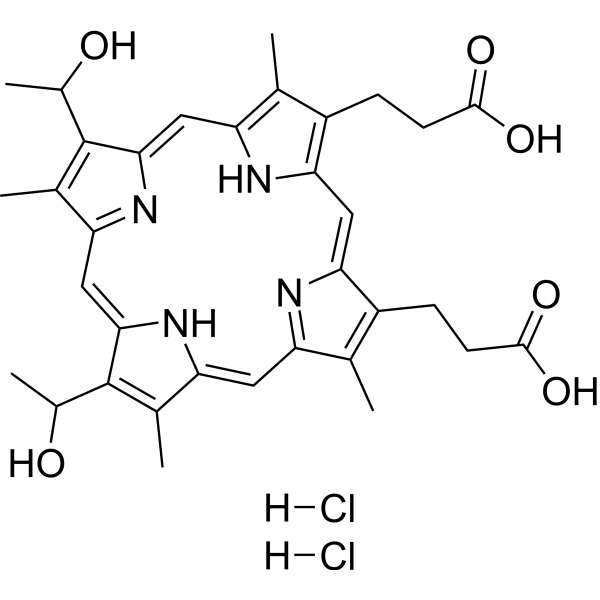
Hematoporphyrin dihydrochloride (Hematoporphyrin IX dihydrochloride), a photosensitizer, is a substrate for affinity chromatography of heme-binding proteins. Hematoporphyrin dihydrochloride can induce apoptosis in U87 glioma cells and decrease tumor growth in vivo when exposed to red light .
loading...
    loading...
12
12 Cited Publications
Cat. No.: HY-111798A
CAS No.: 1092851-70-1
Purity:  99.03%
Research Areas:  

Cancer

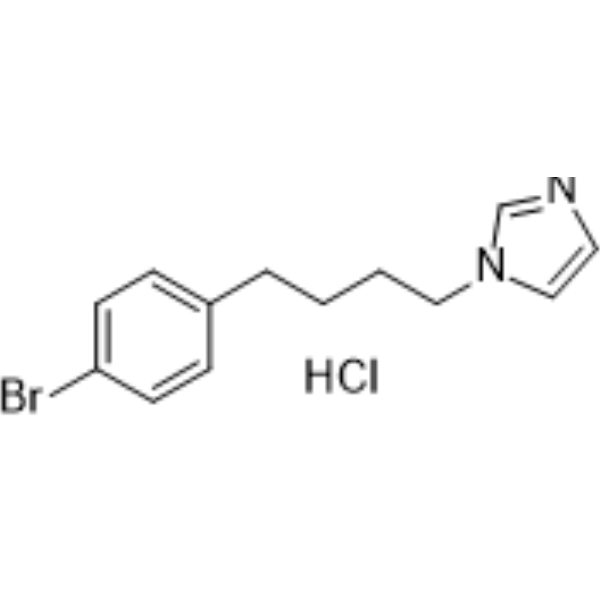
Heme Oxygenase-1-IN-1 (Compound 2) hydrochloride is a heme oxygenase 1 (HO-1) inhibitor with an IC50 of 0.25 μM .
loading...
    loading...
12
12 Cited Publications
Cat. No.: HY-111798
CAS No.: 1093058-52-6
Purity:  99.11%
Research Areas:  

Cancer

Heme Oxygenase-1-IN-1 (compound 2) is a potent heme oxygenase 1 (HO-1) inhibitor, with an IC50 of 0.25 μM. Heme Oxygenase-1-IN-1 can be used for cancer research .
loading...
    loading...
7
7 Cited Publications
Cat. No.: HY-N0323
CAS No.: 635-65-4
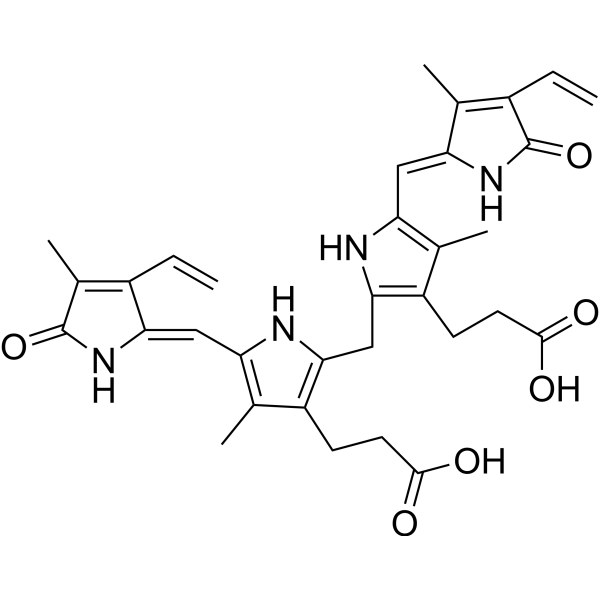
Bilirubin is a yellow breakdown product of heme catabolism . Bilirubin exhibits antioxidant and antimutagenic effects .
loading...
    loading...
6
6 Cited Publications
Cat. No.: HY-W010184
CAS No.: 51568-18-4
Synonyms: Succinylacetone
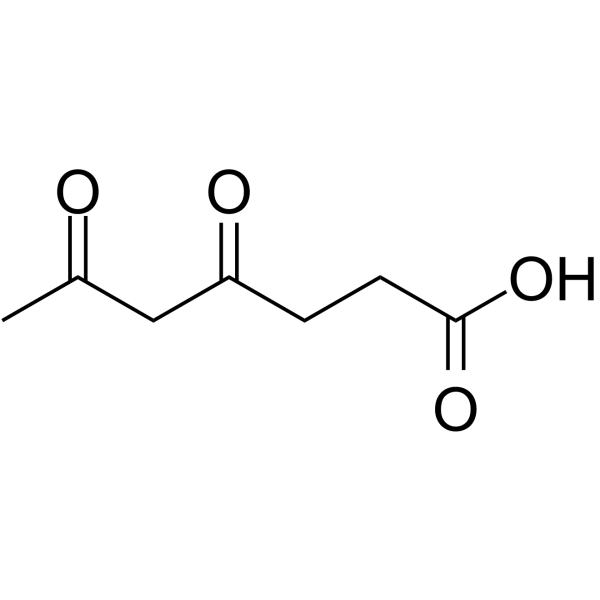
4,6-Dioxoheptanoic acid is a potent inhibitor of heme biosynthesis.
loading...
    loading...
5
5 Cited Publications
Cat. No.: HY-137808
CAS No.: 108347-97-3
Purity:  94%
Synonyms: Succinyl-CoA sodium
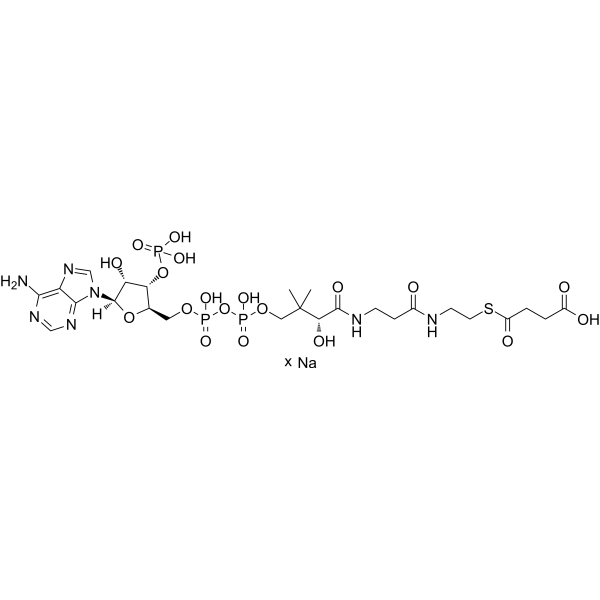
Succinyl CoA (Succinyl-coenzyme A) sodium is a pivotal intermediate metabolite in the tricarboxylic acid cycle and a key coenzyme A metabolite. Succinyl CoA sodium is biosynthesized from α-ketoglutarate or propionyl-CoA. Succinyl CoA sodium acts as a critical precursor and substrate for heme biosynthesis and gluconeogenesis. Succinyl CoA sodium insufficiency caused by cobalamin deficiency is directly linked to growth retardation, impaired heme synthesis, tissue glycine accumulation and neurological abnormalities. Succinyl CoA sodium can be used in research on metabolic, neurological, and hematological abnormalities (such as porphyria) caused by nutritional vitamin B12 deficiency (leading to a lack of Succinyl-Coenzyme A synthesis) .
loading...
    loading...
4
4 Cited Publications
Cat. No.: HY-P2995
CAS No.: 9008-02-0
Hemoglobin is a iron-containing protein in red blood cells with oxygen binding properties. Hemoglobin is an inducer of HO-1. Hemoglobin consits of heme, which binds to oxygen. Hemoglobin also transports other gases, such as carbon dioxide, nitric oxide, hydrogen sulfide and sulfide. Hemoglobin absorbs unneeded oxygen in tissues, as an antioxidant .
loading...
    loading...
4
4 Cited Publications
Cat. No.: HY-N0061
CAS No.: 4046-02-0
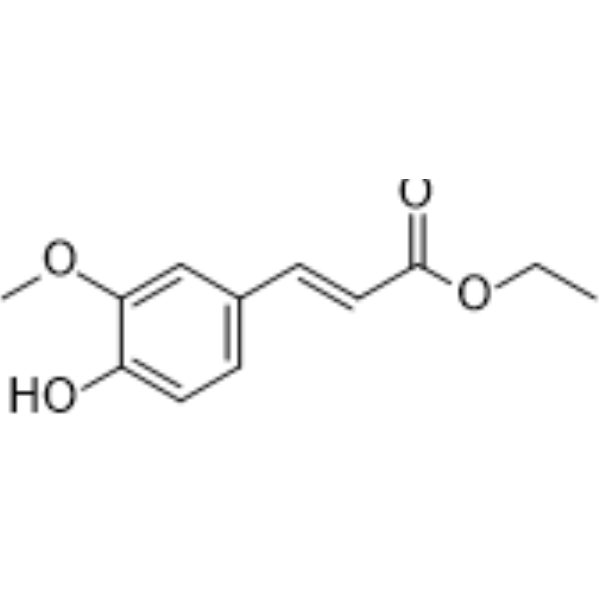
Ethyl ferulate, a naturally lipophilic derivative of ferulic acid originally derived from Rhizoma Chuanxiong, induces heme oxygenase-1 (HO-1) and protects rat neurons against oxidative stress . Ethyl ferulate also protects neurons against amyloid β peptide (1-42)-induced oxidative stress and neurotoxicity .
loading...
    loading...
4
4 Cited Publications
Cat. No.: HY-114758
CAS No.: 737-86-0
Purity:  99.96%
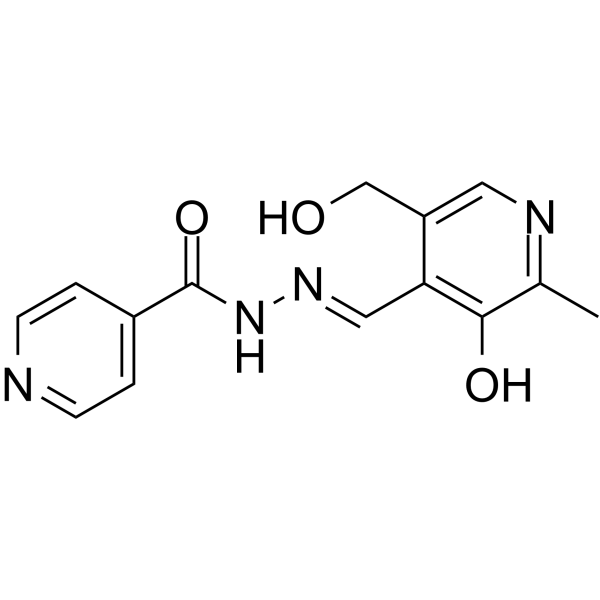
Pyridoxal isonicotinoyl hydrazone is an orally active and lipophilic iron-specific chelator that acts as a non-competitive inhibitor of ferrochelatase (FECH) by binding iron ions. Pyridoxal isonicotinoyl hydrazone disrupts heme biosynthesis, leading to reduced FECH stability and increased protoporphyrin IX (PPIX) accumulation. Pyridoxal isonicotinoyl hydrazone is promising for research of iron-overload diseases (e.g., β-thalassemia) .
loading...
    loading...
3
3 Cited Publications
Cat. No.: HY-B0850
CAS No.: 119446-68-3
Research Areas:  

Infection

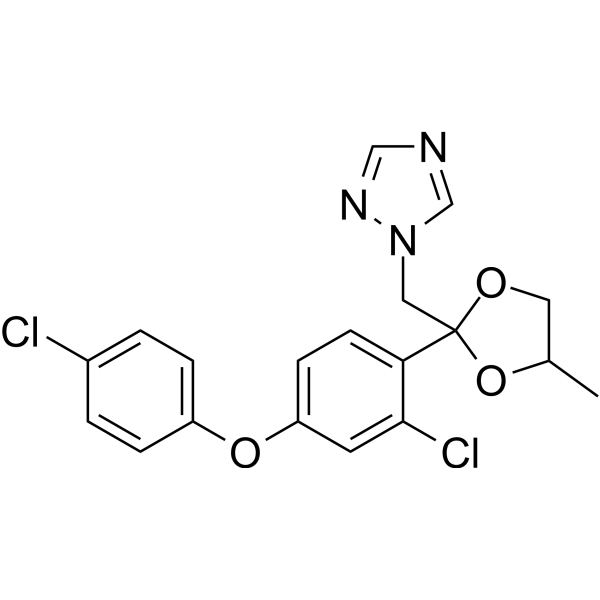
Difenoconazole is a sterol demethylation inhibitor, as a fungicide. Difenoconazole binds the heme portion of the fungal cytochrome P450 51, interferes the mycelial growth and inhibits the spore germination of pathogens, suppressing fungal growth .
loading...
    loading...

