


1. Search Result
Search Result
Results for "

Hyperlipidemia

" in MedChemExpress (MCE) Product Catalog:

116

Inhibitors & Agonists

3

Biochemical Assay Reagents

2

Inhibitory Antibodies

27

Natural
Products

6

Isotope-Labeled Compounds

7

Oligonucleotides

Cat. No. Product Name Target Research Areas Chemical Structure
  • HY-B1068
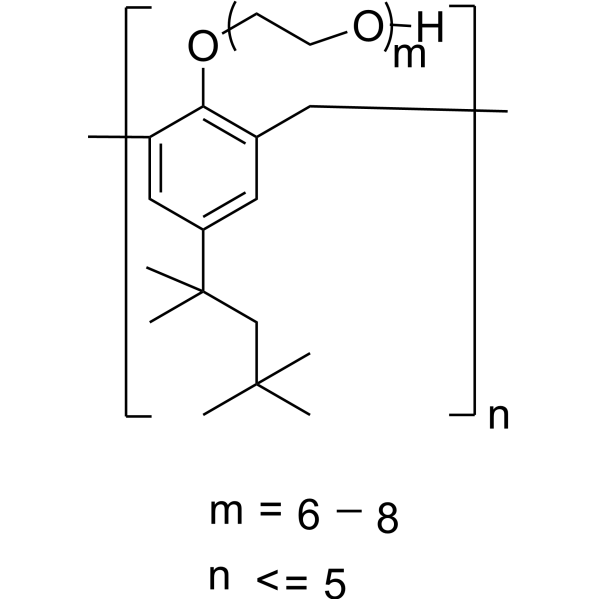
    Tyloxapol
    5 Publications Verification

    Biochemical Assay Reagents Metabolic Disease
    Tyloxapol is a nonionic liquid polymer of the alkyl aryl polyether alcohol type, used as a surface active stabilizer. Tyloxapol is used to induce hyperlipidemia in animals .
    Tyloxapol
  • HY-132591
    Inclisiran
    Maximum Cited Publications
    7 Publications Verification

    ALN-PCSsc

    PCSK9 Small Interfering RNA (siRNA) Pyroptosis PPAR NOD-like Receptor (NLR) Caspase Interleukin Related Cardiovascular Disease Metabolic Disease
    Inclisiran is a double-stranded small interfering RNA (siRNA) molecule. Inclisiran inhibits the transcription of PCSK9. Inclisiran inhibits Pyroptosis, activates PPARγ, and reduces NLRP3, cleaved caspase-1, IL-1β, and IL-18. Inclisiran has anti-inflammatory, lipid-regulating and anti-atherosclerotic activities. Inclisiran can be used in researches of hyperlipidemia and cardiovascular disease (CVD) .
    Inclisiran
  • HY-N0236
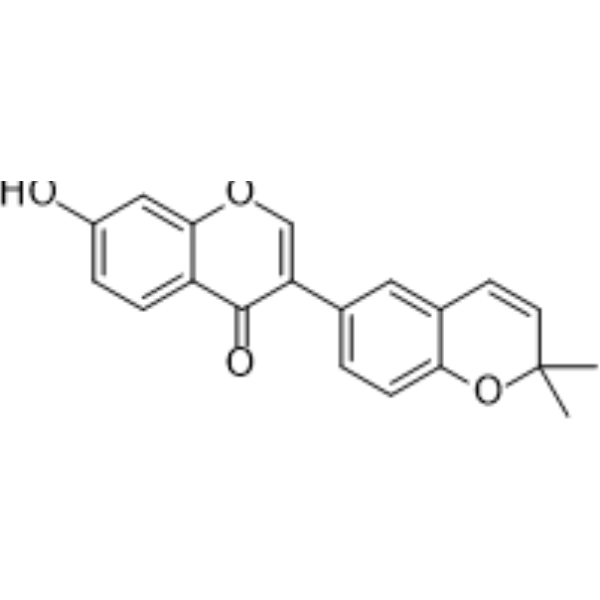
    Corylin
    5+ Cited Publications

    Antibiotic STAT Infection Metabolic Disease Cancer
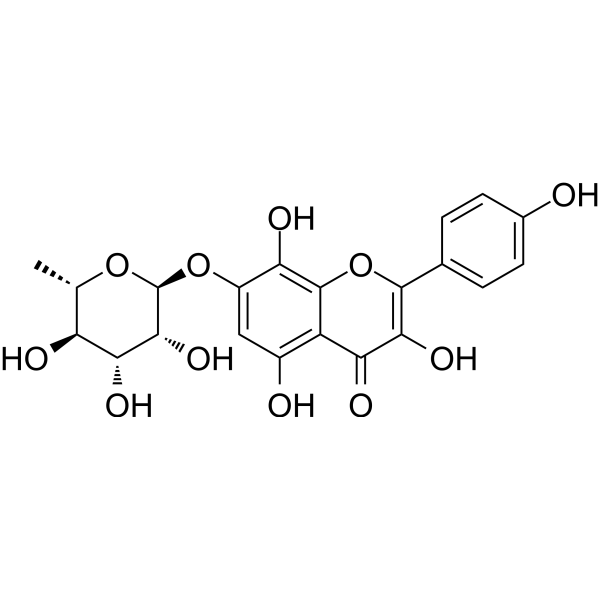
    Corylin is an orally active flavonoid anti-inflammatory and osteogenic agent that inhibits IL-6-induced STAT3 promoter activity and STAT3 phosphorylation. Corylin also has anticancer, antiatherosclerotic, and ameliorating activity in hyperlipidemia and insulin resistance, inducing adipocyte browning and lipolysis through SIRT1 or β3-AR-dependent pathways .
    Corylin
  • HY-I0400
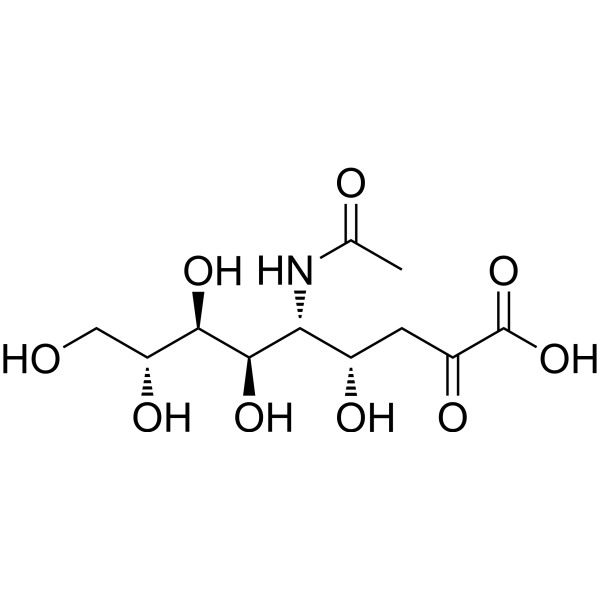
    N-Acetylneuraminic acid
    5 Publications Verification

    NANA; Lactaminic acid

    Tyrosinase Ras Influenza Virus Endogenous Metabolite Cardiovascular Disease Inflammation/Immunology Cancer
    N-Acetylneuraminic acid (NANA; Lactaminic acid), a nonphenolic structure, is the predominant form of sialic from Collocalia esculenta. N-Acetylneuraminic acid plays a biological role in myocardial injury, melanoma and viral or bacterial infection. N-Acetylneuraminic acid inhibits melanogenesis by reducing tyrosinase activity and triggers myocardial injury in vitro and in vivo by activation of the Rho/Rho-associated signaling pathway through binding to RhoA and Cdc42. N-Acetylneuraminic acid may prevent high fat diet (HFD)-induced inflammation and oxidative stress, thereby prevents hyperlipidemia-associated inflammation and oxidative stress. N-Acetylneuraminic acid is promising for research in the field of melanoma, coronary artery, obesity-related diseases and hyperlipidemia .
    N-Acetylneuraminic acid
  • HY-132591A
    Inclisiran sodium
    Maximum Cited Publications
    7 Publications Verification

    ALN-PCSsc sodium

    PCSK9 Small Interfering RNA (siRNA) Pyroptosis PPAR NOD-like Receptor (NLR) Caspase Interleukin Related Cardiovascular Disease Metabolic Disease
    Inclisiran sodium is a double-stranded small interfering RNA (siRNA) molecule. Inclisiran sodium inhibits the transcription of PCSK9. Inclisiran sodium inhibits Pyroptosis, activates PPARγ, and reduces NLRP3, cleaved caspase-1, IL-1β, and IL-18. Inclisiran sodium has anti-inflammatory, lipid-regulating and anti-atherosclerotic activities. Inclisiran sodium can be used in researches of hyperlipidemia and cardiovascular disease (CVD) .
    Inclisiran sodium
  • HY-17367
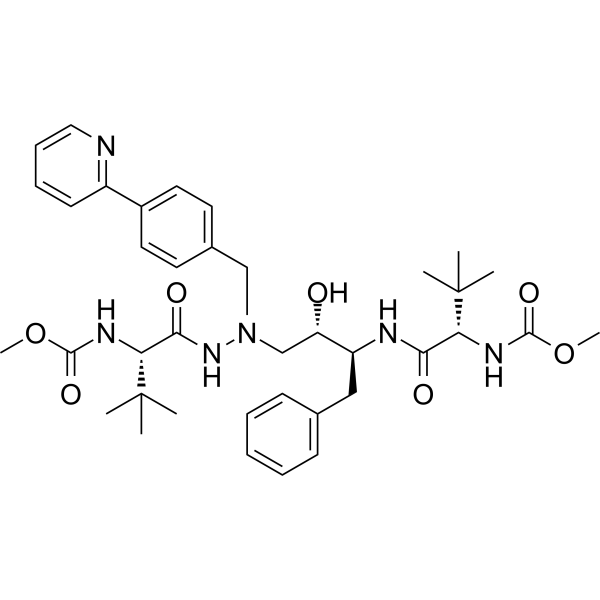
    Atazanavir
    10+ Cited Publications

    BMS-232632

    HIV HIV Protease SARS-CoV Cytochrome P450 P-glycoprotein Endogenous Metabolite Toll-like Receptor (TLR) Infection Cardiovascular Disease Cancer
    Atazanavir (BMS-232632) is a highly selective and orally active HIV-1 protease inhibitor . Atazanavir is a substrate and inhibitor of CYP3A4, and an inhibitor of P-glycoprotein (P-gp). Atazanavir is also a SARS-CoV 3CL pro inhibitor with an IC50 of 3.49 μM. Atazanavir inhibits cardiac fibrosis, hyperlipidemia and induces malignant glioma death .
    Atazanavir
  • HY-N0799

    Endogenous Metabolite Cardiovascular Disease Cancer
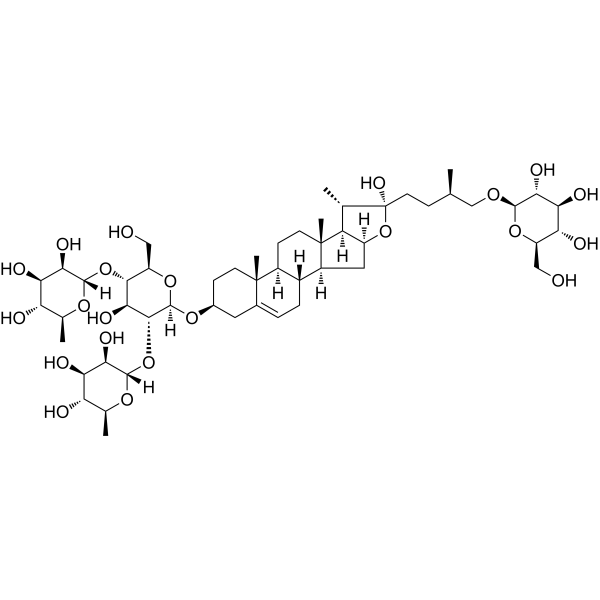
    Protodioscin, a major steroidal saponin in Trigonella foenum-graecum Linn., has been shown to exhibit multiple biological actions, such as anti-hyperlipidemia, anti-cancer, sexual effects and cardiovascular properties.
    Protodioscin
  • HY-147246
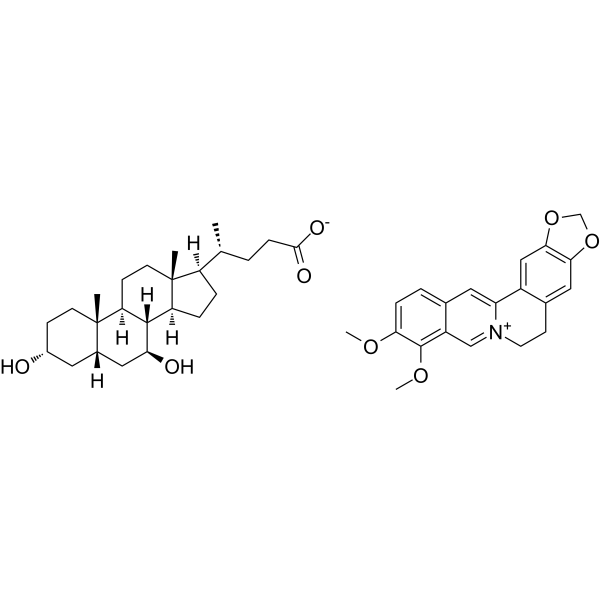
    Berberine ursodeoxycholate
    1 Publications Verification

    HTD1801; BUDCA

    Biochemical Assay Reagents Metabolic Disease
    Berberine ursodeoxycholate (HTD1801), an ionic salt of Berberine and Ursodeoxycholic acid, is an orally active and potent hypolipidemic agent. Berberine ursodeoxycholate shows significantly great reduction in liver fat content. Berberine ursodeoxycholate has a broad spectrum of metabolic activity. Berberine ursodeoxycholate can be used for the research of hyperlipidemia, non-alcoholic steatohepatitis (NASH) and diabetes .
    Berberine ursodeoxycholate
  • HY-N0458
    Pedunculoside
    3 Publications Verification

    Fatty Acid Synthase (FASN) Metabolic Disease
    Pedunculoside exerts lipid-lowering effects partly through the regulation of?lipogenesis?and?fatty acid β-oxidation .
    Pedunculoside
  • HY-42680

    D-(-)-Tagatose

    Endogenous Metabolite Metabolic Disease Inflammation/Immunology Cancer
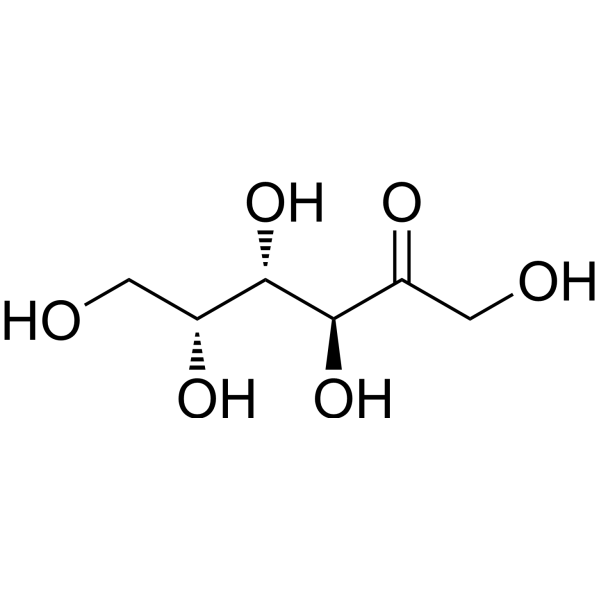
    D-Tagatose (D-(-)-Tagatose) is a natural low-calorie rare sugar. D-Tagatose inhibits the activities of sucrase, maltase and intestinal disaccharidases, reduces the digestion of sucrose and starch, and blocks the absorption of sucrose, maltose and glucose. D-Tagatose promotes glucokinase activity and inhibits glycogen phosphorylase activity via tagatose-1-phosphate, regulates the synthesis and decomposition of hepatic glycogen, reduces postprandial and fasting blood glucose levels, and improves hyperinsulinemia. D-Tagatose regulates lipid profiles, stimulates GLP-1 secretion, and exhibits prebiotic effects. D-Tagatose is a bulking sweetener. D-Tagatose can be used in research related to diabetes, hyperlipidemia, dental caries, atherosclerosis and type 2 diabetes .
    D-Tagatose
  • HY-14739
    Choline Fenofibrate
    3 Publications Verification

    ABT-335

    PPAR COX Cardiovascular Disease
    Choline Fenofibrate (ABT-335), a choline salt of Fenofibric acid (HY-B0760), releases free Fenofibric acid in the gastrointestinal tract. Fenofibric acid is a PPAR activator with antihyperlipidemic effect .
    Choline Fenofibrate
  • HY-143221

    Drug Intermediate Cardiovascular Disease
    AS-Inclisiran sodium is the antisense of Inclisiran (HY-132591). Inclisiran is a double-stranded small interfering RNA (siRNA) molecule. Inclisiran inhibits the transcription of PCSK9. Inclisiran inhibits Pyroptosis, activates PPARγ, and reduces NLRP3, cleaved caspase-1, IL-1β, and IL-18. Inclisiran has anti-inflammatory, lipid-regulating and anti-atherosclerotic activities. Inclisiran can be used in researches of hyperlipidemia and cardiovascular disease (CVD) .
    AS-Inclisiran sodium
  • HY-17367A
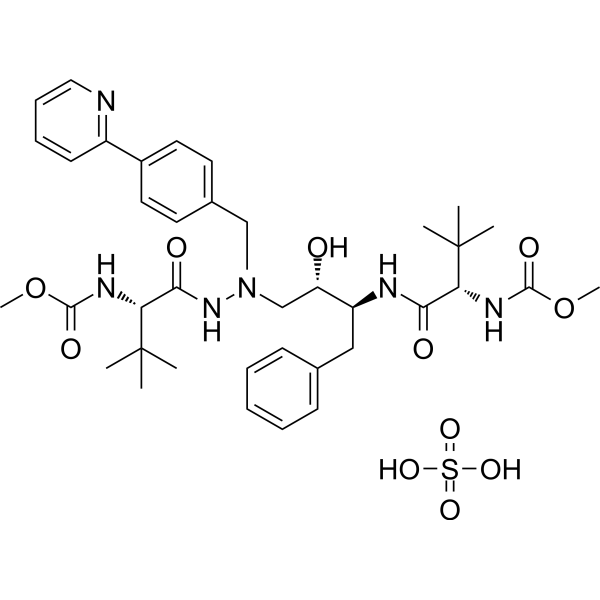
    Atazanavir sulfate
    10+ Cited Publications

    BMS-232632 sulfate

    HIV HIV Protease SARS-CoV Cytochrome P450 P-glycoprotein Endogenous Metabolite Toll-like Receptor (TLR) Infection Cardiovascular Disease Cancer
    Atazanavir (BMS-232632) sulfate is a highly selective and orally active HIV-1 protease inhibitor with blood-brain barrier permeability. Atazanavir sulfate is a substrate and inhibitor of CYP3A4, and an inhibitor of P-glycoprotein (P-gp). Atazanavir sulfate is also a SARS-CoV 3CL pro inhibitor with an IC50 of 3.49 μM. Atazanavir sulfate inhibits cardiac fibrosis, hyperlipidemia and induces malignant glioma death .
    Atazanavir sulfate
  • HY-143613

    Thyroid Hormone Receptor Metabolic Disease
    THR-β agonist 2 is a potent agonist of THR-β. THR-β agonist 2 has the potential for the research of metabolic diseases such as obesity, hyperlipidemia, hypercholesterolemia, diabetes and other conditions such as steatosis and non-alcoholic steatohepatitis (NASH), atherosclerosis and other related conditions and diseases (extracted from patent WO2021121210A1, compound 3) .
    THR-β agonist 2
  • HY-164740

    ARO-APOC3

    Apolipoprotein Metabolic Disease
    Plozasiran is an siRNA targeting APOC3 for the study of mixed hyperlipidemia.
    Plozasiran
  • HY-P1123

    ATP Citrate Lyase Free Fatty Acid Receptor Acetyl-CoA Carboxylase Metabolic Disease
    MEDICA16 is an orally active acetyl-CoA carboxylase and ATP-citrate lyase inhibitor. MEDICA16 limits the acetyl-CoA supply for acetyl-CoA carboxylase, inhibits acetyl-CoA carboxylase activity, exerts citrate-competitive inhibitory effects on ATP-citrate lyase, and reduces hepatic AMPK activity. MEDICA16 can be used in research related to insulin resistance, hyperlipidemia, and obesity .
    MEDICA16
  • HY-156371

    PI3K Cardiovascular Disease Metabolic Disease
    MIPS-21335 is a PI3KC2α inhibitor with an IC50 of 7 nM. MIPS-21335 also inhibits PI3KC2β, p110α, p110β and p110δ, with IC50 values of 43, 140, 386 and 742 nM, respectively. MIPS-21335 has antithrombotic effect. MIPS-21335 can be used for the researches of cardiovascular disease and metabolic disease, such as thrombosis and hyperlipidemia .
    MIPS-21335
  • HY-152221

    PCSK9 Cardiovascular Disease Metabolic Disease
    PCSK9-IN-10 is a potent and orally active PCSK9 inhibitor with an IC50 value of 6.4 µM. PCSK9-IN-10 increases the expression of LDLR protein and decreases the expression of PCSK9. PCSK9-IN-10 reduces atherosclerosis progression. PCSK9-IN-10 has the potential for the research of hyperlipidemia .
    PCSK9-IN-10
  • HY-162562

    PCSK9 Metabolic Disease Inflammation/Immunology
    E28362 is an orally active lipid-lowering agent and a selective PCSK9 antagonist. E28362 blocks the interaction between PCSK9 and LDLR, and induces PCSK9 degradation via the ubiquitin-proteasome pathway. E28362 significantly increases the levels of cell surface and total LDLR proteins, enhances low-density lipoprotein uptake, thereby effectively reducing plasma lipids, hepatic cholesterol and triglyceride levels. E28362 shows no obvious cytotoxicity at high concentrations, and significantly attenuates atherosclerotic lesions in animal models. E28362 is an important molecule in research of hyperlipidemia and atherosclerosis .
    E28362
  • HY-P99822

    SHR-1209

    PCSK9 Metabolic Disease
    Recaticimab (SHR-1209) is a humanized IgG1 mAb that selectively targets PCSK9. Recaticimab reduces low-density lipoprotein cholesterol (LDL-C), non-high-density lipoprotein cholesterol (non-HDL-C), apolipoprotein B (ApoB), triglyceride (TG), and lipoprotein(a) levels. Recaticimab can be used for hyperlipidemia research .
    Recaticimab
  • HY-163794

    ANGPTL PCSK9 Metabolic Disease
    DC371739 is a potent and orally activity PCSK9 inhibitor. DC371739 decreases the mRNA expression of PCSK9 and ANGPTL3. DC371739 decreases the protein expression of PCSK9 and increases the protein expression of LDLR. DC371739 has the potential for the research of hyperlipidemia .
    DC371739
  • HY-B1061

    Drug Derivative Cardiovascular Disease
    Nicotinic acid N-oxide can be used for research on hyperlipidemia.
    Nicotinic acid N-oxide
  • HY-164740A

    ARO-APOC3 sodium

    Apolipoprotein Metabolic Disease
    Plozasiran sodium is an siRNA targeting APOC3 for the study of mixed hyperlipidemia.
    Plozasiran sodium
  • HY-W134326

    Bacterial Infection Cardiovascular Disease Metabolic Disease
    Polydextrose is an orally active prebiotic. Polydextrose promotes the growth of Pediococcus pentosaceus ATCC 43200. Polydextrose reduces cholesterol and synergistically lowers blood sugar with Sitagliptin (HY-13749). Currently, it is mainly used in the research of diseases such as hyperlipidemia, type 2 diabetes, and postoperative iron deficiency anemia .
    Polydextrose
  • HY-103479

    Acyltransferase Cardiovascular Disease Neurological Disease Metabolic Disease Cancer
    GOAT-IN-1 is an inhibitor of ghrelin O-acyltransferase (GOAT), which could be useful for the prophylaxis or treatment of obesity, diabetes, hyperlipidemia, metabolic, non-alcoholic fatty liver, steatohepatitis, sarcopenia, appetite control, alcohol/narcotic dependence, Alzheimer’s disease, Parkinson’s disease, cerebrovascular dementia, cerebral apoplexy, cerebral infarction, cardic disease, some kind of tumors.
    GOAT-IN-1
  • HY-W923642

    Endogenous Metabolite Cardiovascular Disease Metabolic Disease
    Sphingomyelin (d18:1/12:0) is a metabolomic biomarker. Sphingomyelin (d18:1/12:0) exhibits favorable diagnostic properties and may facilitate the early detection and targeted prevention of dyslipidemia-related adverse cardiovascular events .
    Sphingomyelin (d18:1/12:0)
  • HY-W004580

    MOFs Cardiovascular Disease
    5,5'-Dicarboxy-2,2'-bipyridine is a niacin derivative, which is promising for research of hypercholesterolemia, hyperlipidemia, and cardiovascular disease .
    5,5'-Dicarboxy-2,2'-bipyridine
  • HY-164853

    Pyroptosis NOD-like Receptor (NLR) ERK FGFR AMPK Cardiovascular Disease Neurological Disease Inflammation/Immunology
    Kanglexin is an orally active and novel anthraquinone compound. Kanglexin inhibits NLRP3 inflammatory body activation and cell pyroptosis, and has a cardioprotective effect. Kanglexin promotes angiogenesis through FGFR1/ERK signaling pathway and accelerates diabetic wound healing. In addition, Kanglexin has the effect of lipid-lowering and inhibiting the dedifferentiation of vascular smooth muscle cells, and can be used in the study of hyperlipidemia, fatty liver and atherosclerosis .
    Kanglexin
  • HY-W414588

    HMG-CoA Reductase (HMGCR) CETP Metabolic Disease
    Colestolone is a 15-ketosterol compound and an orally active inhibitor of HMG-CoA reductase. Colestolone can inhibit the activity of cholesteryl ester transfer protein (CETP) in vitro (IC50 = 660 μM). Colestolone is a cholesterol-lowering agent, and can be used in the research of endocrine and metabolic diseases such as hyperlipidemia .
    Colestolone
  • HY-I0400R

    NANA (Standard); Lactaminic acid (Standard)

    Reference Standards Tyrosinase Ras Influenza Virus Endogenous Metabolite Cardiovascular Disease Inflammation/Immunology Cancer
    N-Acetylneuraminic acid (Standard) is the analytical standard of N-Acetylneuraminic acid. This product is intended for research and analytical applications. N-Acetylneuraminic acid (NANA; Lactaminic acid), a nonphenolic structure, is the predominant form of sialic from Collocalia esculenta. N-Acetylneuraminic acid plays a biological role in myocardial injury, melanoma and viral or bacterial infection. N-Acetylneuraminic acid inhibits melanogenesis by reducing tyrosinase activity and triggers myocardial injury in vitro and in vivo by activation of the Rho/Rho-associated signaling pathway through binding to RhoA and Cdc42. N-Acetylneuraminic acid may prevent high fat diet (HFD)-induced inflammation and oxidative stress, thereby prevents hyperlipidemia-associated inflammation and oxidative stress. N-Acetylneuraminic acid is promising for research in the field of melanoma, coronary artery, obesity-related diseases and hyperlipidemia .
    N-Acetylneuraminic acid (Standard)
  • HY-W016389

    2-OHFLU

    Endogenous Metabolite Metabolic Disease
    2-Hydroxyfluorene (2-OHFLU) is a polycyclic aromatic hydrocarbon metabolite. 2-Hydroxyfluorene is positively associated with cardiovascular disease (CVD) and hyperlipidemia.
    2-Hydroxyfluorene
  • HY-W423578

    LDLR Cardiovascular Disease
    LDLR regulator-1 (Compound 7b) is a regulator of the low-density lipoprotein receptor (LDLR), capable of increasing the mRNA expression of LDLR .
    LDLR regulator-1
  • HY-148874A

    FXR Metabolic Disease
    FXR antagonist 2 (compound A-26) hydrochloride is a diarylamide derivative, as well as a moderate FXR antagonist. FXR antagonist 2 hydrochloride can be used in the study of hyperlipidemia and type 2 diabetes .
    FXR antagonist 2 hydrochloride
  • HY-N0241

    Cholinesterase (ChE) Lipase Bacterial Cytochrome P450 Infection Metabolic Disease
    Rhodionin is an orally active, multifunctional antivirulence and cytoprotective agent that targets and inhibits Lipase, sortase A (SrtA), CYP2D6 (IC50=0.761 μM), AChE (IC50=2.43-57.5 μM), and DPPH free radicals (IC50=19.49 μM). Rhodionin is isolable from the roots of Rhodiola crenulata. Rhodionin reduces postprandial serum triglyceride levels in mice by inhibiting lipase activity. Rhodionin also binds directly to SrtA to inhibit its transpeptidase activity, thereby reducing the fibrinogen adhesion and surface protein A levels of MRSA, effectively inhibiting biofilm formation and protecting against MRSA-induced cell damage. Rhodionin improves the survival rate of infected mice without affecting MRSA growth, and finds wide application in studies related to hyperlipidemia, exogenous obesity, and pneumonia induced by methicillin-resistant Staphylococcus aureus (MRSA) .
    Rhodionin
  • HY-151959

    FXR Cardiovascular Disease Metabolic Disease Inflammation/Immunology
    FXR agonist 4 (compound 10a) is an agonist of farnesoid X receptor (FXR) with an EC50 value of 1.05 μM. FXR agonist 4 effectively improves hyperlipidemia, hepatic steatosis, insulin resistance and hepatic inflammation in DIO mice. FXR agonist 4 can be used for the research of non-alcoholic fatty liver disease (NAFLD) .
    FXR agonist 4
  • HY-15197

    Acyltransferase Metabolic Disease
    ABT-046 is a potent, selective, and orally active acyl CoA:diacylglycerol acyltransferase 1 (DGAT-1) inhibitor with IC50s of both 8 nM against human and mouse DGAT-1 .
    ABT-046
  • HY-172914

    ATP Citrate Lyase Cardiovascular Disease Metabolic Disease
    ACLY-IN-1 is an orally active ACLY inhibitor. ACLY-IN-1 exhibits potent ACLY inhibitory activity (IC50 = 8.3 nM) and high binding affinity (KD = 72.0 nM) to ACLY. ACLY-IN-1 demonstrates good pharmacokinetic profiles and a potent in vivo hypolipidemic effect .
    ACLY-IN-1
  • HY-146084

    PCSK9 Metabolic Disease
    PCSK9 modulator-3 (Compound 13) is a potent modulator of PCSK9 with an EC50 value of 2.46 nM. PCSK9 is a recently validated target for lowering low-density lipoprotein cholesterol (LDL-C). PCSK9 modulator-3 has the potential for the research of hyperlipidemia .
    PCSK9 modulator-3
  • HY-113144AS

    Isotope-Labeled Compounds Endogenous Metabolite Metabolic Disease Cancer
    L-Hexanoylcarnitine-d3 chloride is the deuterium labeled L-Hexanoylcarnitine chloride. L-Hexanoylcarnitine chloride is an acylcarnitine and also a urinary biomarker for hyperlipidemia. The expression of L-Hexanoylcarnitine chloride is upregulated in colorectal cancer cells, which is associated with metabolic pathways related to cell growth and proliferation. L-Hexanoylcarnitine chloride can be used in studies related to hyperlipidemia and stage B colorectal cancer .
    L-Hexanoylcarnitine-d3 chloride
  • HY-148874

    FXR Metabolic Disease
    FXR antagonist 2 (compound A-26) is a diarylamide derivative, as well as a moderate FXR antagonist. FXR antagonist 2 can be used in the study of hyperlipidemia and type 2 diabetes .
    FXR antagonist 2
  • HY-103327

    Cannabinoid Receptor Metabolic Disease
    MJ15 is a potent and selective CB1 receptor antagonist with a Ki of 27.2 pM and an IC50 of 118.9 pM for rat CB1 receptors. MJ15 exhibits potency in obesity and hyperlipidemia models. MJ15 inhibits food intake and increases in body weight in diet-induced obese rats and mice .
    MJ15
  • HY-150191

    Lipoxygenase Acetyl-CoA Carboxylase Metabolic Disease
    IMA-1 is an inhibitor that inhibits the interaction between arachidonic acid 12-lipoxygenase (ALOX12) and acetyl-CoA carboxylase 1 (ACC1). IMA-1 significantly blocks the progression of diet-induced non-alcoholic steatohepatitis (NASH) in male mice and crab-eating monkeys, and does not cause hyperlipidemia. IMA-1 can be used for the study of NASH .
    IMA-1
  • HY-128334

    PCSK9 Metabolic Disease
    PCSK9 modulator-2 (Compound 1) is a potent modulator of PCSK9 with an EC50 value of 202 nM. PCSK9 is a recently validated target for lowering low-density lipoprotein cholesterol (LDL-C). PCSK9 modulator-2 has the potential for the research of hyperlipidemia .
    PCSK9 modulator-2
  • HY-P99773

    JS002

    PCSK9 Cardiovascular Disease Metabolic Disease
    Ongericimab (JS002) is a humanized anti-PCSK9 monoclonal antibody. Ongericimab has lipid-lowering efficacy. Ongericimab can be used in research of hypercholesteremia and hyperlipidemia .
    Ongericimab
  • HY-19425

    PPAR Metabolic Disease
    NS-220 is an orally active PPARα agonist with high subtype selectivity, with EC50 values of 1.9×10 -8 M, 9.6×10 -6 M and >10 -4 M for PPARα, PPAR γ and PPARδ, respectively. NS-220 is used in the research for hyperlipidemia or metabolic disorders in type-2 diabetes .
    NS-220
  • HY-108744

    HMG-CoA Reductase (HMGCR) Cardiovascular Disease
    Pitavastatin magnesium is an orally active HMG-CoA Reductase inhibitor. Pitavastatin magnesium lowers total cholesterol and low-density lipoprotein cholesterol in a hyperlipidemic rat model. Pitavastatin magnesium can be used in research on cardiovascular and cerebrovascular diseases such as hyperlipidemia .
    Pitavastatin magnesium
  • HY-N2953

    Fatty Acid Synthase (FASN) Metabolic Disease
    Borapetoside E can be isolated from T. crispa. Borapetoside E improves hyperglycemia, insulin resistance, hepatic steatosis, hyperlipidemia, and oxygen consumption in obese mice. Borapetoside E also inhibits SREBPs expression in the liver and adipose tissue .
    Borapetoside E
  • HY-139134

    HMG-CoA Reductase (HMGCR) Acetyl-CoA Carboxylase Cardiovascular Disease
    S-2E is an orally active and noncompetitive HMG-CoA reductase and acetyl-CoA carboxylase inhibitor. S-2E has an anti-hyperlipidemic action. S-2E has the potential for familial hypercholesterolemia and mixed hyperlipidemia research .
    S-2E
  • HY-127055

    Apolipoprotein Metabolic Disease Endocrinology
    Tiadenol is an absorbable hypolipidemic agent. Tiadenol can effectively reduce triglycerides and decrease the level of apolipoprotein E in very low-density lipoproteins in hyperlipoproteinemia. Tiadenol causes hepatomegaly in rats and affects their hepatic lipid levels, cholesterol synthesis and absorption at high doses. Tiadenol can be used in the research of endocrine and metabolic diseases such as hyperlipidemia .
    Tiadenol
  • HY-W016656

    4-Phenyl-1,2,4-triazolidine-3,5-dione

    Drug Intermediate Others
    4-Phenylurazole (4-Phenyl-1,2,4-triazolidine-3,5-dione) is an important intermediate. 4-Phenylurazole also serves as a photographic emulsion stabilizer and a lubricant additive .
    4-Phenylurazole

Inquiry Online

Your information is safe with us. * Required Fields.

Salutation


Country or Region *

Applicant Name *


Organization Name *

Department *


Email Address *


Product Name *

Cat. No.


Requested quantity *

Phone Number *


Remarks

Inquiry Online

Inquiry Information

Product Name:
Cat. No.:
Quantity:
MCE Japan Authorized Agent:

