26 Results for "

Kunming Mice

" in MedChemExpress (MCE) Product Catalog:
Products (26)

26 Results for "Kunming Mice" in MCE Product Catalog:

2
2 Cited Publications
Cat. No.: HY-N0668
CAS No.: 64849-39-4
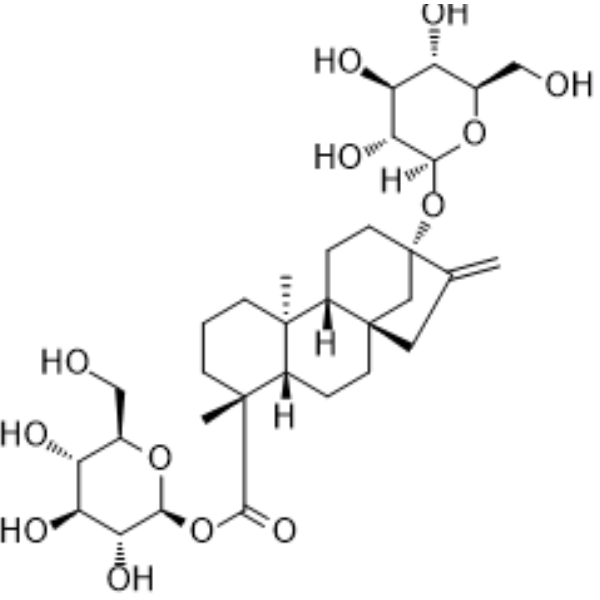
Rubusoside is a diterpene glycoside that is also a sweetener and solubilizer with anti-angiogenic, anti-cancer, anti-obesity, anti-allergic and anti-asthmatic effects. Rubusoside attenuates airway hyperresponsiveness and reduces inflammatory cells in bronchoalveolar lavage fluid (BALF), reducing OVA (HY-W250978)-induced airway inflammation. Rubusoside also prevents palmitic acid-induced lipotoxicity in pancreatic INS-1 cells, reduces the transport of human glucose transporters GLUT-1 and fructose GLUT-5, and inhibits NF-κB and α-amylase (α-amylase) .
loading...
    loading...
1
1 Cited Publications
Cat. No.: HY-146754
CAS No.: 2764598-01-6
Purity:  99.18%
Target:  

MMP Apoptosis

Research Areas:  

Cancer

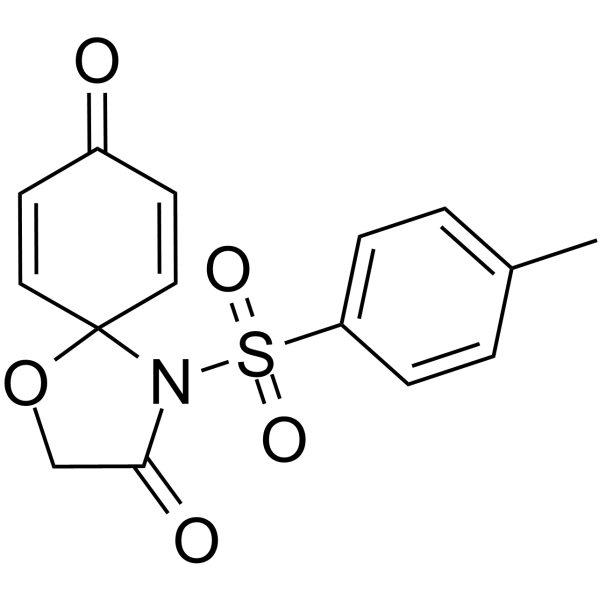
MMP2-IN-1 is a moderate potenet MMP2 inhibitor with IC50 of 6.8 µM. MMP2-IN-1 exhibits remarkable antiproliferative activity in certain cancer cells by arresting the cell cycle and inducing apoptosis .
loading...
    loading...
Cat. No.: HY-154918
CAS No.: 85046-18-0
Purity:  99.59%
Target:  

Drug Metabolite

Research Areas:  

Metabolic Disease

LysoPE (18:2/0:0) is a lysophosphatidylethanolamine implicated in phospholipid metabolism. LysoPE (18:2/0:0) shows significantly altered serum levels in mice exposed to a combination of DEHP (HY-B1945) and Aroclor 1254, which is associated with disturbed phospholipid metabolism. LysoPE (18:2/0:0) can be used for the research of endocrine-disrupting compound-induced metabolic disorders and lipid metabolism disturbance. LysoPE (18:2/0:0) is identified as a potential biomarker for the combined toxicity of DEHP and Aroclor 1254 .
loading...
    loading...
Cat. No.: HY-W014901
CAS No.: 620-92-8
Synonyms: BPF; 4,4'-Dihydroxydiphenylmethane
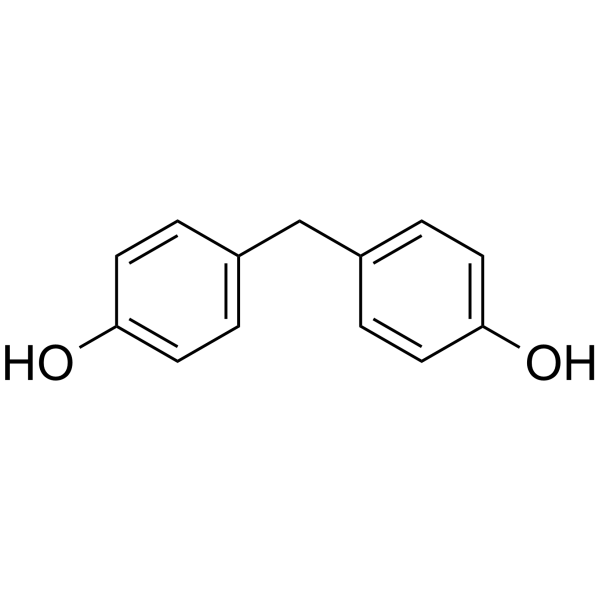
Bisphenol F is an orally active endocrine disruptor. Bisphenol F promotes ROS generation, upregulates p-AKT/p-GSK3β, and induces Apoptosis. Bisphenol F interferes with glucose metabolism, affects neurodevelopment and reproductive function. Bisphenol F reduces social novelty preference in mouse offspring. Bisphenol F can be used in bone, blood, and fat-related studies. Bisphenol F is used as a substitute for Bisphenol A (HY-18260) .
loading...
    loading...
Cat. No.: HY-N0430
CAS No.: 3486-66-6
Synonyms: Coptisin
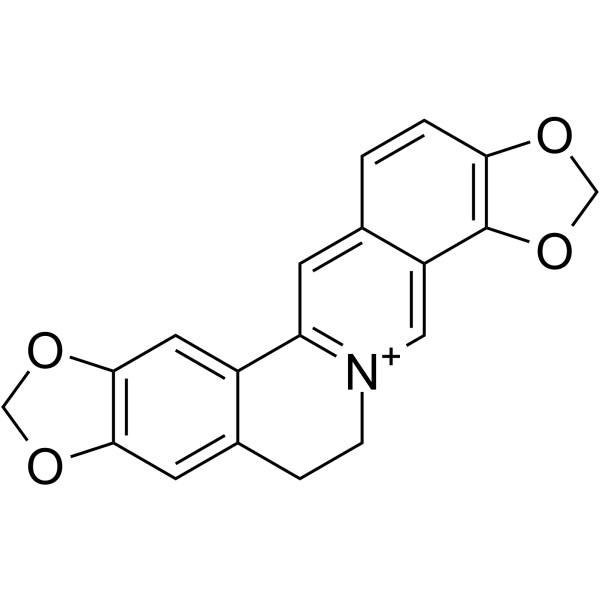
Coptisine is an orally active and brain-penetrant alkaloid found in Coptis chinensis. Coptisine is a reversible, uncompetitive IDO inhibitor with a Ki of 5.8 μM and an IC50 of 6.3 μM. Coptisine suppresses neuroinflammation, reduces Aβ plaque burden and shows neuroprotective activity. Coptisine shows anti-inflammation activity by blocking NF-κB, MAPK, and PI3K/Akt activation. Coptisine inhibits cancer cells proliferation, induces DNA damage, G2/M phase cell cycle arrest, apoptosis, ROS production and mitochondrial dysfunction. Coptisine inhibits Rho/ROCK pathway activation, reduces arrhythmia, limits cardiac injury marker release, reduces infarct size, and preserves cardiac function in rat myocardial ischemia/reperfusion models. Coptisine downregulates HMGCR and upregulates LDLR and CYP7A1 to modulate cholesterol metabolism, reduces abnormal serum lipid levels, and promotes fecal bile acid excretion. Coptisine can be used for the research of cancer, hypercholesterolemia, Alzheimer’s disease, inflammatory disorders and cardiovascular disease .
loading...
    loading...
Cat. No.: HY-N12124
CAS No.: 1011244-19-1
Synonyms: Monascinol
Monascuspiloin (Monascinol) is an orally active compound extracted from red mold-fermented rice, with multiple biological activities including anti-androgenic, anti-inflammatory, hypolipidemic, and anti-cancer properties. Monascuspiloin attenuates the PI3K/Akt/mTOR signaling pathway, enhances AMPK phosphorylation, downregulates FASN/SREBP2, induces apoptosis, G2/M phase arrest and autophagy in prostate cancer cells, interferes with dihydrotestosterone-receptor binding, enhances radiation-induced DNA damage, stimulates endoplasmic reticulum stress, and alleviates hepatic oxidative stress. Monascuspiloin regulates hepatic metabolic pathways and modulates the expression of genes and proteins related to hepatic lipid metabolism. Monascuspiloin can be used in studies related to prostate cancer and alcoholic liver injury .
loading...
    loading...
Cat. No.: HY-42346
CAS No.: 73918-56-6
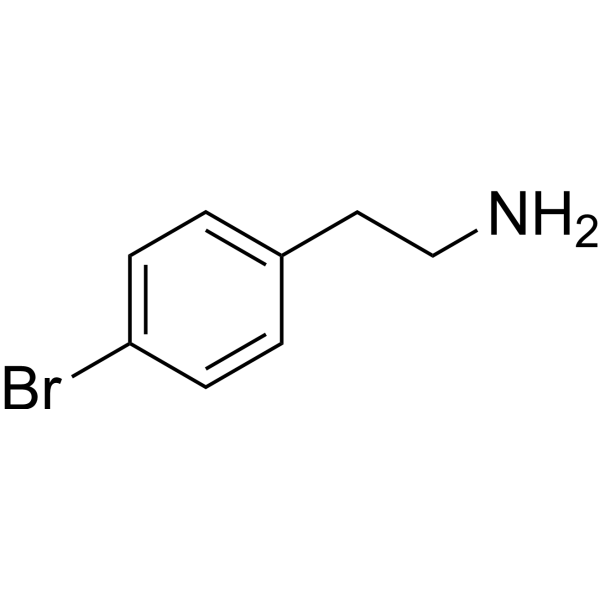
ZH8651 is an orally active TAAR1 agonist. ZH8651 activates the Gs and Gq signaling pathways. ZH8651 alleviates dizocilpine-induced hyperactivity, improves prepulse inhibition deficits, and attenuates cognitive impairment in mice. ZH8651 can be used for the research of schizophrenia .
loading...
    loading...
Cat. No.: HY-N11546
CAS No.: 30994-75-3
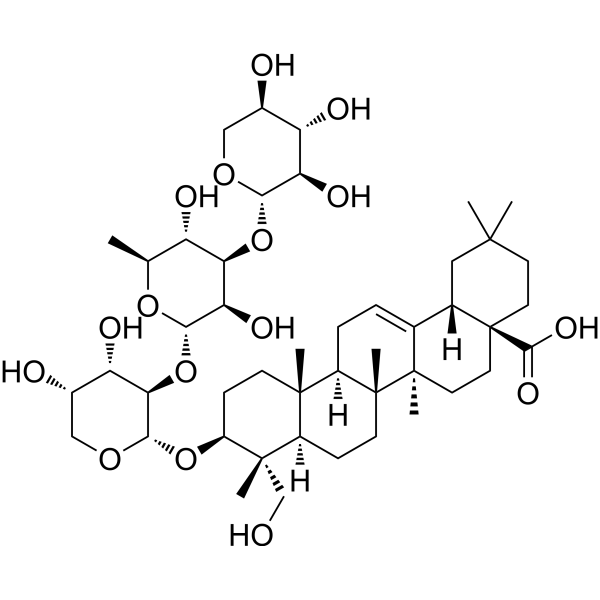
Sapindoside B is a substance with hepatoprotective activity, and also acts as a cytochrome P-450 (cytochrome P-450) inhibitor, antibacterial agent and membrane-disrupting agent. Sapindoside B reversibly inhibits the content of cytochrome P-450 in liver microsomes, suppresses the phenobarbital-induced increase in enzyme content, reduces the production of active metabolites mediated by cytochrome P-450, and alleviates hepatotoxic injury. Sapindoside B binds to Cutibacterium acnes lipase, reduces lipase activity, inhibits biofilm formation, and decreases bacterial adhesion. Sapindoside B exhibits cytotoxicity against human cancer, liver cancer, leukemia and glioblastoma cells. Sapindoside B inhibits mycelial growth of phytopathogenic fungal strains, possesses antibacterial activity against dermatophytes, and also has hemolytic/membrane-lytic activity. Sapindoside B can be used in research related to liver injury, Cutibacterium acnes biofilm-associated infections, gastric cancer, carcinoma, promyelocytic leukemia, glioblastoma, apple scab and grape gray mold .
loading...
    loading...
Cat. No.: HY-N0668R
CAS No.: 64849-39-4
Rubusoside (Standard) is the analytical standard of Rubusoside. This product is intended for research and analytical applications. Rubusoside is a diterpene glycoside that is also a sweetener and solubilizer with anti-angiogenic, anti-cancer, anti-obesity, anti-allergic and anti-asthmatic effects. Rubusoside attenuates airway hyperresponsiveness and reduces inflammatory cells in bronchoalveolar lavage fluid (BALF), reducing OVA (HY-W250978)-induced airway inflammation. Rubusoside also prevents palmitic acid-induced lipotoxicity in pancreatic INS-1 cells, reduces the transport of human glucose transporters GLUT-1 and fructose GLUT-5, and inhibits NF-κB and α-amylase (α-amylase) .
loading...
    loading...
Cat. No.: HY-151967
Target:  

Influenza Virus

Research Areas:  

Infection

Anti-IAV agent 1 (Compound (R)-1a) is an orally active anti-influenza A virus (IAV) agent with IC50s of 0.03 and 0.06 μM against IAV H1N1 and Oseltamivir-resistant IAV H1N1 strains, respectively .
loading...
    loading...
Cat. No.: HY-W026339
CAS No.: 921812-26-2
Target:  

Bacterial

Research Areas:  

Infection

IMB-XMA0038 is a MtASADH inhibitor with an IC50 value of 0.59 μg/mL. IMB-XMA0038 inhibits various agent-resistant Mycobacteria tuberculosis potently with MICs of 0.25-0.5 μg/mL. IMB-XMA0038 shows anti-tuberculosis activity .
loading...
    loading...
Cat. No.: HY-150545
CAS No.: 2413656-04-7
Target:  

Cholinesterase (ChE)

Research Areas:  

Neurological Disease

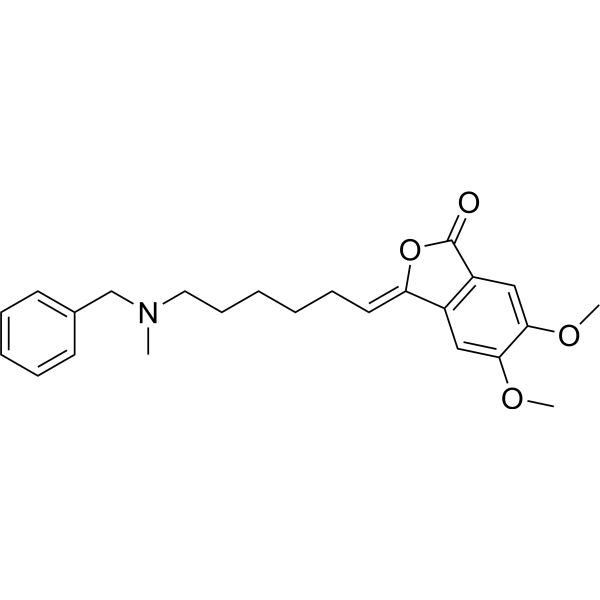
AChE-IN-21 (Compound I-8) is a potent, selective and orally active AChE inhibitor with an IC50 of 2.66 nM. AChE-IN-21 displays excellent BBB permeability in vitro .
loading...
    loading...
Cat. No.: HY-173216
Target:  

DNA/RNA Synthesis HSV

Research Areas:  

Infection

Pseudorabies virus-IN-1 is a potent pseudorabies virus (PRV) inhibitor (EC50: 0.29 nM). Pseudorabies virus-IN-1 inhibits PRV replication by targeting PRV deoxyribonucleic acid polymerase (DNA pol). Pseudorabies virus-IN-1 can effectively inhibit PRV replication at low concentrations (MIC80: 1.6-8 nM). Pseudorabies virus-IN-1 can be used to study PRV infection .
loading...
    loading...
Cat. No.: HY-183658
Target:  

URAT1 GLUT

URAT1/GLUT9-IN-3 is an orally active URAT1/GLUT9 dual inhibitor with IC50 values of 4.01 and 1.60 μM. URAT1/GLUT9-IN-3 inhibits URAT1-mediated uric acid uptake and GLUT9-mediated uric acid transport, reducing renal urate reabsorption. URAT1/GLUT9-IN-3 reduces serum uric acid levels in hyperuricemic mice. URAT1/GLUT9-IN-3 can be used for the researches of gout and hyperuricemia .
loading...
    loading...
Cat. No.: HY-183341
sEH/AChE-IN-5 is a selective, orally active and brain-penetrant acetylcholinesterase (AChE) and soluble epoxide hydrolase (sEH) dual inhibitor with IC50 values of 1.7 nM and 0.7 nM. sEH/AChE-IN-5 mediates neuroprotection and anti-inflammation via reduced TNF-α, IL-1β, IL-6, iNOS. sEH/AChE-IN-5 improves Scopolamine (HY-N0296)-induced learning and memory deficits mice. sEH/AChE-IN-5 can be used for the research of Alzheimer's disease .
loading...
    loading...
Cat. No.: HY-181520
CAS No.: 2681270-30-2
ABCA1 inducer 3 (Compound 85) is an orally active ABCA1 inducer and lipid-modulating agent. ABCA1 inducer 3 increases ABCA1 expression. ABCA1 inducer 3 upregulates hepatic Abcg5 and Abcg8 mRNA expression. ABCA1 inducer 3 promotes cholesterol efflux. ABCA1 inducer 3 improves hyperlipidemia .
loading...
    loading...
Cat. No.: HY-184476
CAS No.: 2084834-44-4
Target:  

Opioid Receptor

Research Areas:  

Neurological Disease

SLL-022CCP is a KOR-selective, high affinity and extremely potent agonist with an EC50 of 9.1 nM and a Ki of 2.0 nM. SLL-022CCP inhibits cAMP production with an EC50 of 0.002 nM, and exhibits high receptor subtype selectivity over the μ-opioid receptor (MOR, EC50 = 1.6 nM) and δ-opioid receptor (DOR, EC50 = 30.0 nM). SLL-022CCP exhibits robust antinociceptive and antipruritic effects with low central side effects .
loading...
    loading...
Cat. No.: HY-171699
CAS No.: 126221-77-0
Target:  

Bacterial

Research Areas:  

Infection

Antibacterial agent 339 is an antibacterial agent. Antibacterial agent 339 inhibits the growth of Fusarium oxysporum f.sp.cubense Race 4 with a MIC of 50.5 μM. Antibacterial agent 339 shows low toxicity in mice. FLT3-IN-30 can be used for the research of banana wilt .
loading...
    loading...
Cat. No.: HY-P11655
CAS No.: 709043-21-0
Target:  

Somatostatin Receptor

Research Areas:  

Neurological Disease

NOTA-TATE is a somatostatin receptor 2 (SSTR2) binder. NOTA-TATE binds to SSTR2 to enable targeting of SSTR2-positive tumour cells for PET imaging. NOTA-TATE can be used for the research of neuroendocrine tumours .
loading...
    loading...
Cat. No.: HY-184917
Target:  

Monoamine Oxidase

Research Areas:  

Neurological Disease

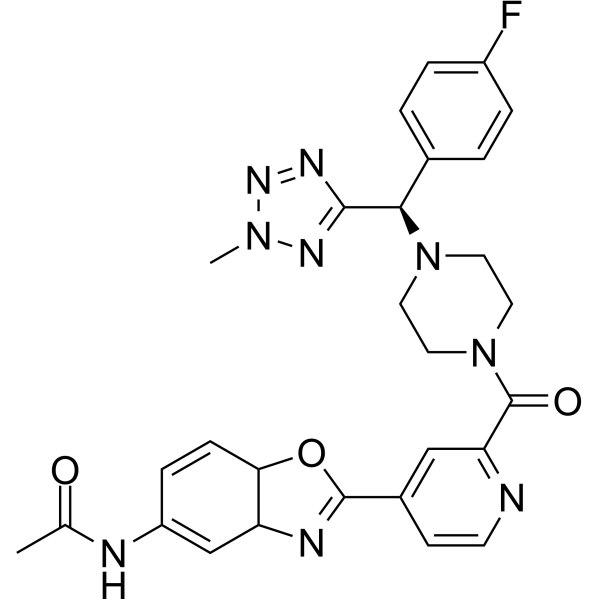
MAO-B-IN-60 is a selective MAO-B inhibitor with blood-brain barrier permeability, with an IC50 of 0.07 nM. MAO-B-IN-60 exhibits region-specific MAO-B binding ability in rat brains. MAO-B-IN-60 can be used for the research of neurodegenerative diseases .
loading...
    loading...

