224 Results for "

Memory Inhibitors

" in MedChemExpress (MCE) Product Catalog:
Products (224)

224 Results for "Memory Inhibitors" in MCE Product Catalog:

141
141 Publications Verification
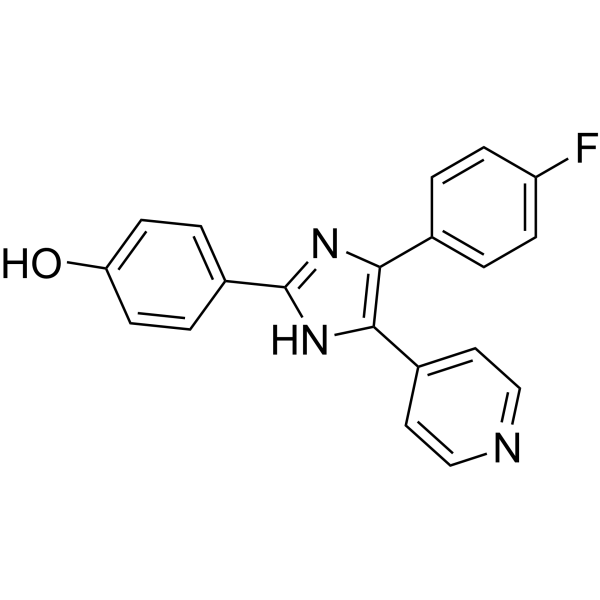
Cat. No.: HY-10295
CAS No.: 152121-30-7
Purity:  99.89%
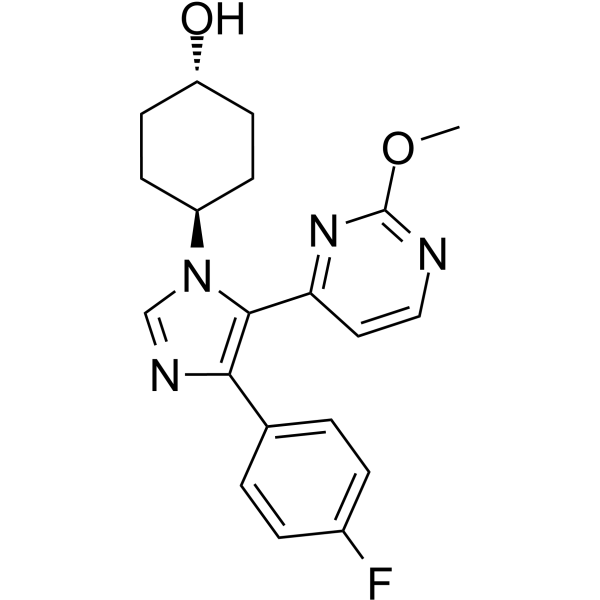
SB 202190 is a selective p38 MAP kinase inhibitor with IC50s of 50 nM and 100 nM for p38α and p38β2, respectively. SB 202190 binds to the ATP pocket of the active recombinant human p38 kinase with a Kd of 38 nM. SB 202190 has anti-cancer activity and rescued memory deficits . SB202190 induces autophagy .
loading...
    loading...
49
49 Cited Publications
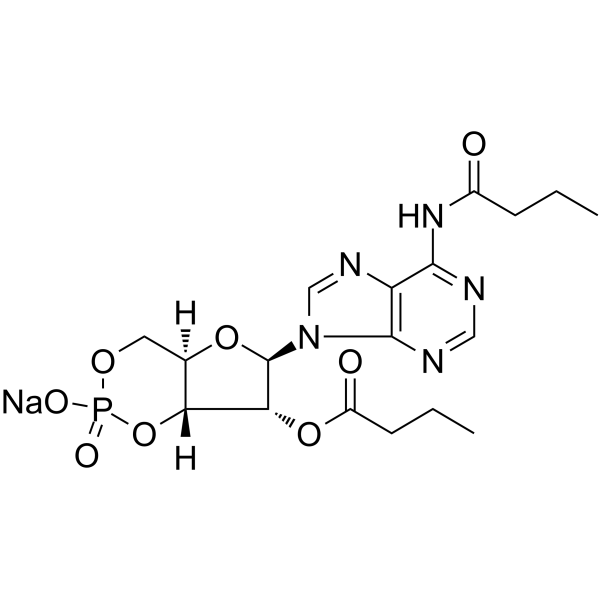
Cat. No.: HY-B0764
CAS No.: 16980-89-5
Synonyms: Dibutyryl cAMP sodium; DBcAMP sodium
Bucladesine (Dibutyryl cAMP; DBcAMP) sodium is a membrane-permeable 3′, 5′-cyclic adenosine monophosphate (cAMP) analog. Bucladesine selectively activates cAMP dependent protein kinase (PKA) by increasing the intracellular level of cAMP. Bucladesine significantly attenuates MDMA-induced increases in hippocampal mitochondrial ROS formation, mitochondrial outer membrane damage, cytochrome c release, and hippocampal ADP/ATP ratio, thereby improving spatial learning and memory impairments. Bucladesine exhibit anti-nociceptive and anti-inflammation effect. Bucladesine can inhibit cancer cells proliferation, induce apoptosis. Bucladesine can be used for the researches of neurological disease, cancer, inflammation .
loading...
    loading...
49
49 Cited Publications
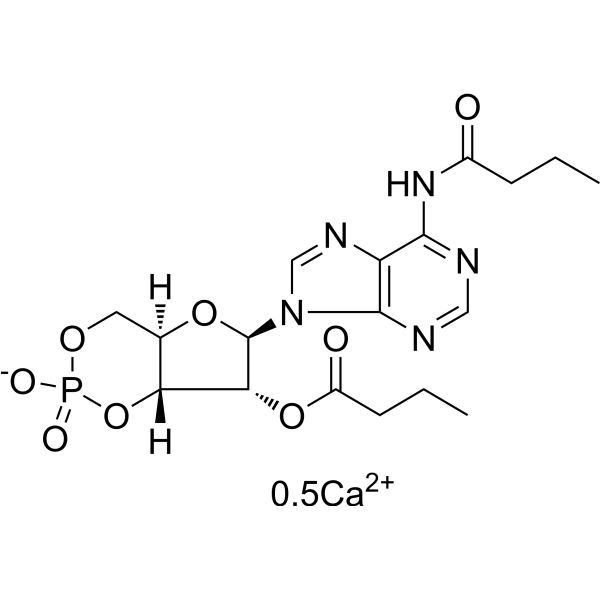
Cat. No.: HY-B0764A
CAS No.: 938448-87-4
Synonyms: Dibutyryl cAMP hemicalcium; DBcAMP hemicalcium
Bucladesine (Dibutyryl cAMP; DBcAMP) hemicalcium is a membrane-permeable 3′, 5′-cyclic adenosine monophosphate (cAMP) analog. Bucladesine selectively activates cAMP dependent protein kinase (PKA) by increasing the intracellular level of cAMP. Bucladesine significantly attenuates MDMA-induced increases in hippocampal mitochondrial ROS formation, mitochondrial outer membrane damage, cytochrome c release, and hippocampal ADP/ATP ratio, thereby improving spatial learning and memory impairments. Bucladesine exhibit anti-nociceptive and anti-inflammation effect. Bucladesine can inhibit cancer cells proliferation, induce apoptosis. Bucladesine can be used for the researches of neurological disease, cancer, inflammation .
loading...
    loading...
48
48 Cited Publications
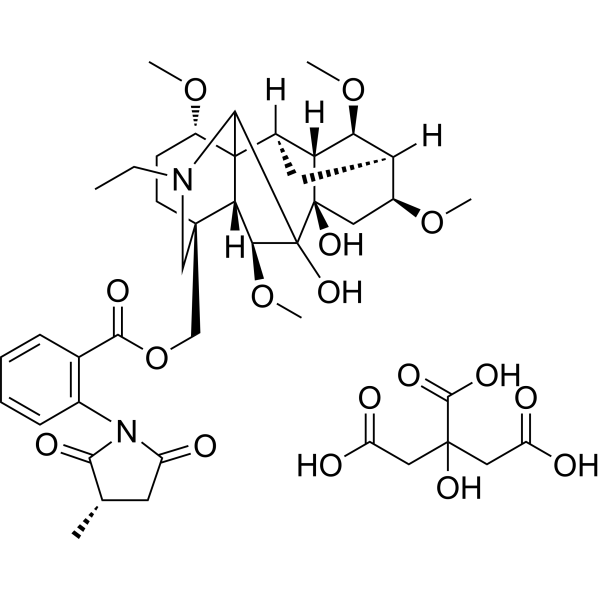
Cat. No.: HY-N2332A
CAS No.: 351344-10-0
Synonyms: MLA citrate
Methyllycaconitine (MLA) citrate is a blood-brain barrier-permeable antagonist of α7 nicotinic acetylcholine receptor (α7nAChR) with an IC50 of 2 nM. Methyllycaconitine citrate inhibits25-35-induced autophagy by restoring the mTOR pathway, and prevents reactive oxygen species (ROS) production, microglial activation, reduced dopamine uptake, loss of dopaminergic terminals and catecholamine secretion. Methyllycaconitine citrate induces hippocampal glutamate efflux, enhances long-term potentiation, and improves memory acquisition. Methyllycaconitine citrate can be used in research related to Alzheimer's disease, cerebral palsy, Parkinson's disease and schizophrenia .
loading...
    loading...
39
39 Cited Publications
Cat. No.: HY-12497
CAS No.: 219766-25-3
Purity:  99.90%
ANA-12 is a brain-penetrant, selective TrkB antagonist with IC50 values of 45.6 nM and 41.1 μM, and Kd values of 10 nM and 12 μM, for high- and low-affinity sites, respectively. ANA-12 specifically inhibits BDNF-induced TrkB receptor activation and its downstream signaling cascades by directly and non-competitively binding to the TrkB receptor, without affecting the functions of TrkA and TrkC. ANA-12 is used in research concerning neuropsychiatric disorders (such as depression and anxiety), acute and chronic pain, neuroimmune inflammation, and the mechanisms of learning and memory .
loading...
    loading...
31
31 Cited Publications
Cat. No.: HY-11068
CAS No.: 193551-21-2
Purity:  99.15%
SB 239063 is a potent, selective and orally active p38 MAPK inhibitor, exhibits an IC50 of 44 nM for recombinant purified human p38α, with equipotent inhibitory activity against p38α and p38β. SB 239063 has no effect on p38γ or p38δ. With anti-asthma activity and also be used to enhance memory which is impaired due to aging or medical conditions, such as, AD. SB 239063 can penetrate the blood brain barrier (BBB) .
loading...
    loading...
29
29 Cited Publications
Cat. No.: HY-18731
CAS No.: 214358-33-5
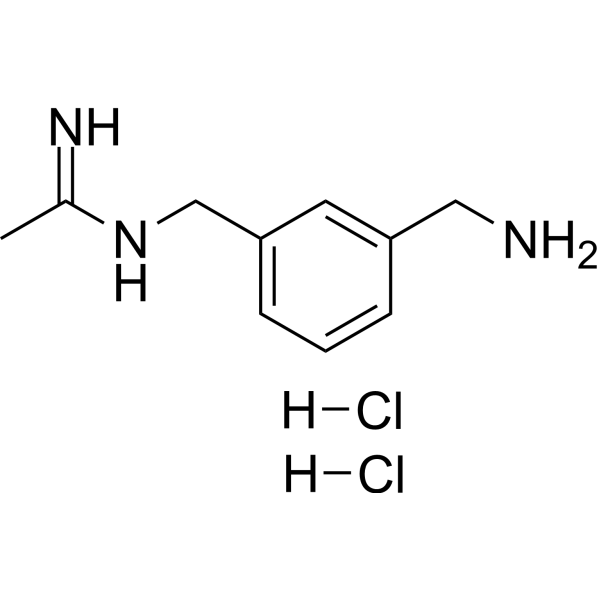
1400W dihydrochloride is the dihydrochloride form of 1400W (HY-18730). 1400W is a slow, tight binding, and highly selective inducible nitric-oxide synthase (iNOS) inhibitor, with a Kd value ≤ 7 nM. 1400W inhibits iNOS induction in microglial cells, and reduces generation of NO, thereby mitigating oxidative stress and neuronal cell apoptosis in the rat cerebral cortex, and improving the spatial memory dysfunction caused by acute hypobaric hypoxia-reoxygenation .
loading...
    loading...
29
29 Cited Publications
Cat. No.: HY-18730
CAS No.: 180001-34-7
Synonyms: W1400
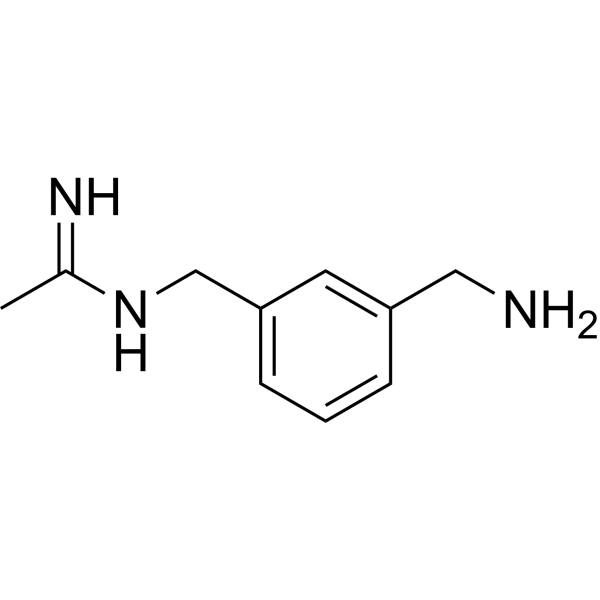
1400W is a slow, tight binding, and highly selective inducible nitric-oxide synthase (iNOS) inhibitor, with a Kd value ≤ 7 nM. 1400W inhibits iNOS induction in microglial cells, and reduces generation of NO, thereby mitigating oxidative stress and neuronal cell apoptosis in the rat cerebral cortex, and improving the spatial memory dysfunction caused by acute hypobaric hypoxia-reoxygenation .
loading...
    loading...
22
22 Cited Publications
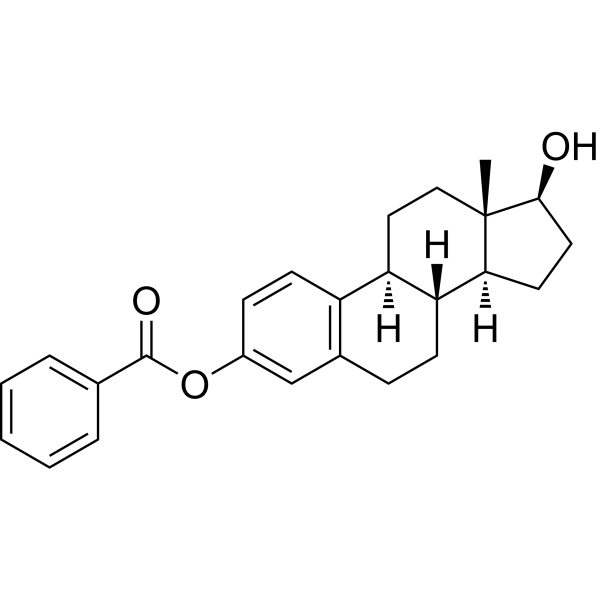
Cat. No.: HY-B1192
CAS No.: 50-50-0
Synonyms: β-Estradiol 3-benzoate; 17β-Estradiol 3-benzoate
Estradiol benzoate (β-Estradiol 3-benzoate) is a HBx protein inhibitor and inhibits androgen and hepatitis B virus (HBV) transcription, replication. Estradiol benzoate shows antifertility effects, anti- Toxoplasma gondii activity and can improve memory behavior of Ovariectomy (Ovx) female mice .
loading...
    loading...
19
19 Cited Publications
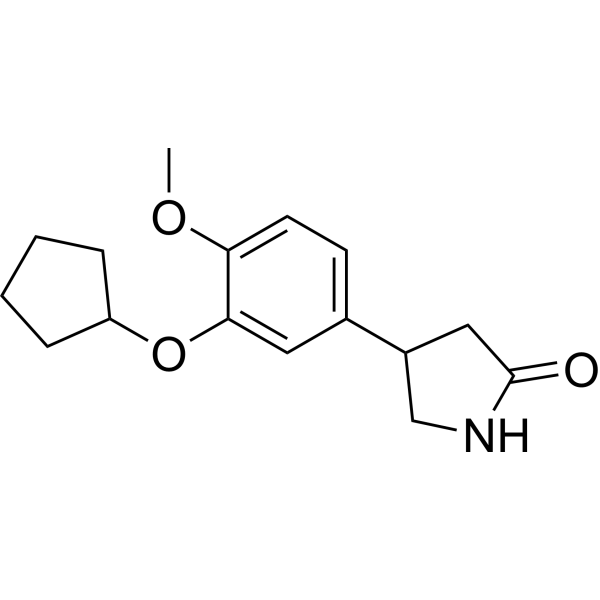
Cat. No.: HY-16900
CAS No.: 61413-54-5
Synonyms: (R,S)-Rolipram; (±)-Rolipram; ZK 62711
Rolipram is a PDE4 inhibitor, with blood-brain barrier permeability, that reverses β-amyloid-induced learning and memory impairment in rats. Rolipram elevates intracellular cAMP and clevels and regulates the cAMP/CREB signaling pathway, thereby alleviating neuroinflammation and apoptotic responses. Rolipram promotes neuronal differentiation of human bone marrow mesenchymal stem cells and inhibits Methamphetamine- and morphine-induced hyperlocomotion in mice. Rolipram also reduces the viability of glioblastoma stem-like cells and enhances Bevacizumab (HY-P9906)-induced cell death. Rolipram inhibits the expression of proinflammatory cytokines and enhances central noradrenergic transmission. Rolipram is mainly used in studies related to various central nervous system diseases including Alzheimer's disease, major depressive disorder, glioblastoma multiforme, and multiple sclerosis .
loading...
    loading...
14
14 Cited Publications
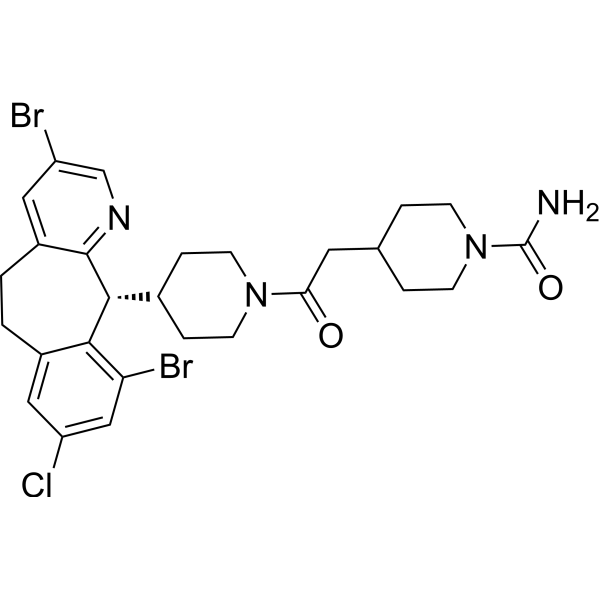
Cat. No.: HY-15136
CAS No.: 193275-84-2
Purity:  99.60%
Synonyms: Sch66336
Lonafarnib (Sch66336) is an orally active, blood-brain barrier penetrant farnesyltransferase (FPTase) inhibitor. Lonafarnib increases the phosphorylation levels of Akt, CaMKII and CREB, upregulates BDNF expression in the hippocampus, elevates the content of α7nAChR on cell membranes, and blocks the isoprenylation of H-Ras. Lonafarnib repairs synapses and reverses spatial memory deficits in Aβ1-42 model mice. Lonafarnib inhibits RSV fusion and replication, and alleviates virus-induced lung injury. Lonafarnib activates the lysosomal and autophagic pathways, and reduces the phosphorylation and aggregation of tau. Lonafarnib acts synergistically with Sorafenib (HY-10201) to promote apoptosis, and inhibits the proliferation and invasion of melanoma cells. Lonafarnib inhibits the farnesylation of progerin, repairs nuclear membrane defects, and activates the cGAS-STING-STAT1 signaling pathway. Lonafarnib can be used in research related to diseases including Alzheimer's disease, viral infections, melanoma, and progeria .
loading...
    loading...
8
8 Cited Publications
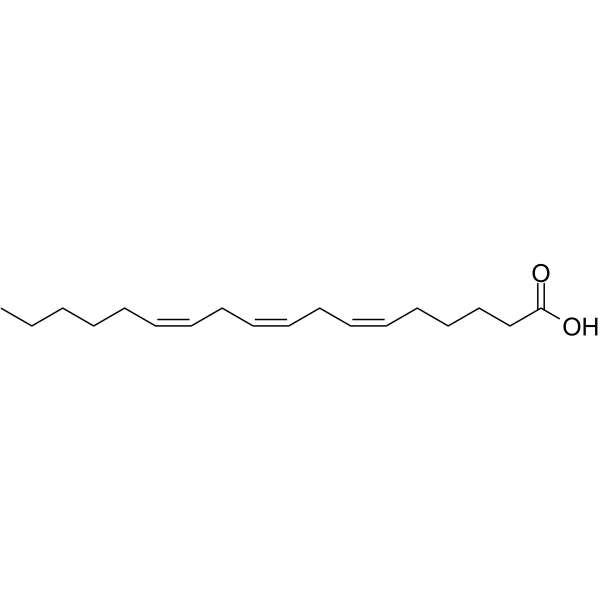
Cat. No.: HY-N7140
CAS No.: 506-26-3
Synonyms: γ-Linolenic acid
Gamma-linolenic acid (γ-Linolenic acid) is an orally active unsaturated fatty acid. Gamma-linolenic acid exerts anti-inflammatory effects by inhibiting the NF-κB pathway and the phosphorylation of ERK1/2 and JNK. At the same time, it exerts anticancer effects by inducing apoptosis (Apoptosis) in cancer cells. Additionally, Gamma-linolenic acid also has antioxidant and memory-improving effects. It holds promise for research in the fields of inflammation, neurology, and cancer diseases .
loading...
    loading...
4
4 Cited Publications
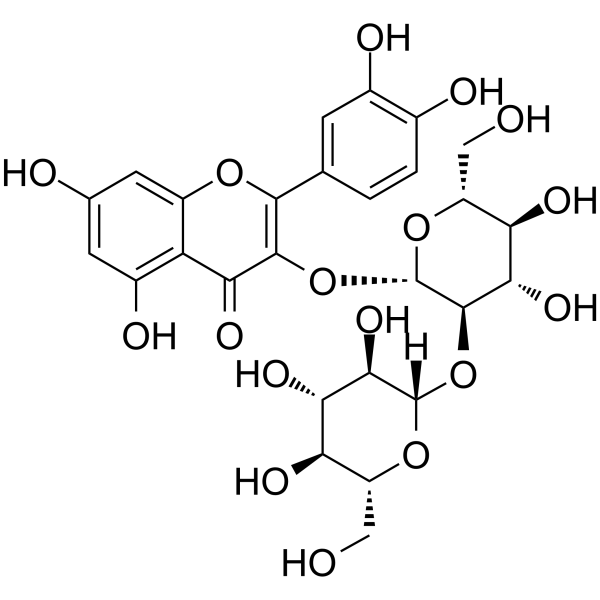
Cat. No.: HY-N2183
CAS No.: 18609-17-1
Synonyms: Quercetin 3-O-sophoroside
Baimaside (Quercetin 3-O-sophoroside) is a flavonoid cholinergic function modulator that binds to SARS-CoV-2-related targets. Baimaside regulates the expression of cholinergic system-related proteins and acetylcholine levels, improves scopolamine-induced learning and memory impairment, protects hippocampal neurons, inhibits pollen protein fluorescence, and protects pollen DNA. Its biosynthesis is regulated by multiple enzymes. Baimaside is completely absorbed in rats, undergoes phase Ⅱ metabolism and gut microbiota decomposition, and inhibits the invasion and proliferation of SARS-CoV-2 and its variants, making it suitable for research related to Alzheimer's disease and COVID-19 .
loading...
    loading...
4
4 Cited Publications
Cat. No.: HY-P99129

Research Areas:  

Inflammation/Immunology

Anti-Mouse CD8a Antibody (53-6.7) is an anti-mouse CD8a IgG2a antibody inhibitor derived from host Rat. Anti-Mouse CD8a Antibody (53-6.7) binds to CD8αβ stabilizes a conformation with a higher affinity for interaction with MHC class I. Anti-Mouse CD8a Antibody (53-6.7) induces the phosphorylation and activation of TCR proximal signaling pathway components Lck and ZAP70 in polyclonal memory T cells. Anti-Mouse CD8a Antibody (53-6.7) depletes CD8+ T cells and neutralizes cytokine in mice .
loading...
    loading...
4
4 Cited Publications
Cat. No.: HY-B1752
CAS No.: 80373-22-4
Synonyms: LY 171555; (-)-LY 141865
Quinpirole (LY 171555; (-)-LY 141865) is a D2/D3 dopamine receptor agonist and a CaV1.3 calcium channel modulator. Quinpirole normalizes dendritic spine density in dopamine-depleted striatum, upregulates the protein expression of BCL2 and GluR2, downregulates the protein expression of BAX, and delays the onset of seizures. Quinpirole enhances learning and memory, inhibits neuronal apoptosis (apoptosis), and induces anxiety-like, stereotyped, and compulsive behaviors. Quinpirole disrupts prepulse inhibition in rhesus monkeys, enhances the activity of paraventricular thalamic neurons to promote recovery from Isoflurane anesthesia, and alters the composition of the gut microbiota in rats. Quinpirole can be used in research related to dyskinesia, pain, epilepsy, and neurological disorders including anxiety disorder, obsessive-compulsive disorder, and schizophrenia .
loading...
    loading...
3
3 Cited Publications
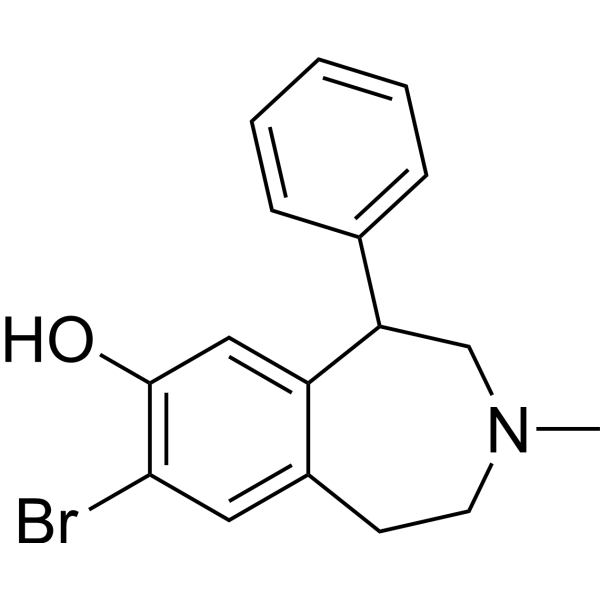
Cat. No.: HY-103430A
CAS No.: 99295-33-7
Purity:  99.82%
SKF-83566 is an orally active, blood-brain barrier-permeable D1/D5 dopamine receptor antagonist with a Ki value of approximately 0.4-0.56 nM. SKF-83566 modulates locomotor behavior and spatial memory by blocking D1 receptors and inhibits glioblastoma progression by targeting the DRD1/c-Myc/UHRF1 pathway. SKF-83566 acts as an inhibitor of the dopamine transporter (DAT) and adenylyl cyclase 2 (AC2). SKF-83566 competitively binds to DAT to inhibit dopamine reuptake and non-competitively inhibits AC2 activity, thereby reducing cAMP accumulation. SKF-83566 is used in research areas such as dopaminergic system mechanisms, learning and memory, targeted intervention for glioblastoma, AC2 pathophysiology, antiparasitic drug screening, and synaptic plasticity (the "gating effect") .
loading...
    loading...
2
2 Cited Publications
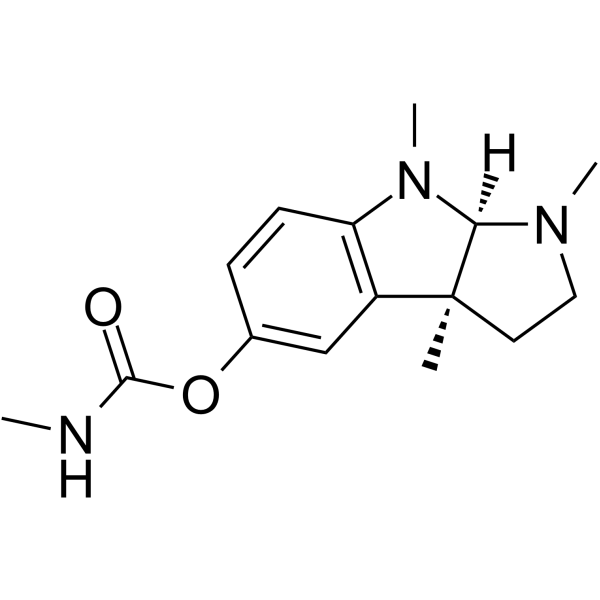
Cat. No.: HY-N6608
CAS No.: 57-47-6
Synonyms: Eserine
Physostigmine (Eserine) is a reversible acetylcholinesterase (AChE) inhibitor. Physostigmine can crosses the blood-brain barrier and stimulates central cholinergic neurotransmission. Physostigmine can reverse memory deficits in transgenic mice with Alzheimer's disease. Physostigmine is also an antidote for anticholinergic poisoning .
loading...
    loading...
2
2 Cited Publications
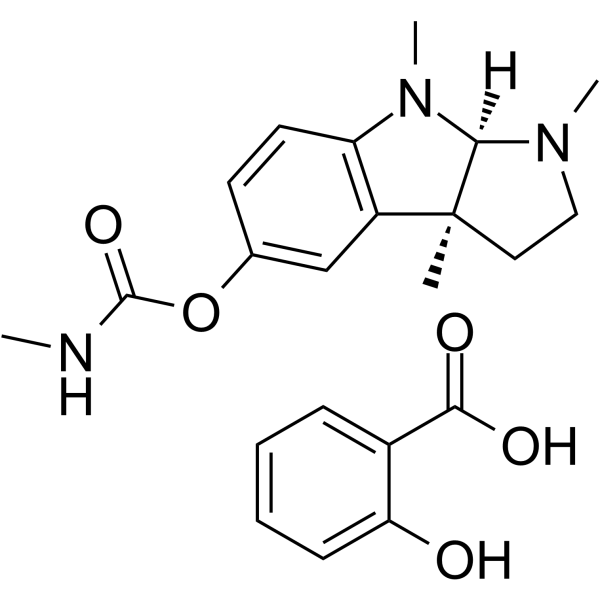
Cat. No.: HY-B1266
CAS No.: 57-64-7
Synonyms: Eserine salicylate
Target:  

Cholinesterase (ChE)

Research Areas:  

Neurological Disease

Physostigmine salicylate (Eserine salicylate) is a reversible acetylcholinesterase (AChE) inhibitor. Physostigmine salicylate crosses the blood-brain barrier and stimulates central cholinergic neurotransmission. Physostigmine salicylate can reverse memory deficits in transgenic mice with Alzheimer's disease. Physostigmine salicylate is also an antidote for anticholinergic poisoning .
loading...
    loading...
2
2 Cited Publications
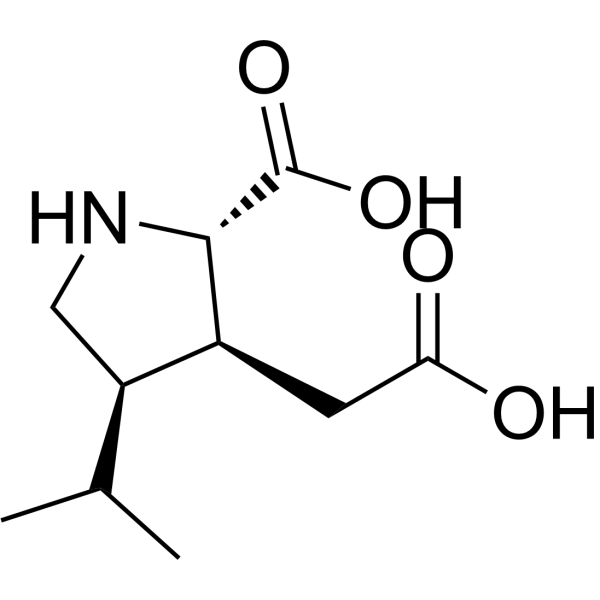
Cat. No.: HY-100784
CAS No.: 52497-36-6
Purity:  ≥99.0%
Target:  

EAAT

Research Areas:  

Neurological Disease

Dihydrokainic acid is a glutamate transporters (especially GLT1) inhibitor. Dihydrokainic acid targets GLT1 with high affinity, effectively inhibiting its transport function. Dihydrokainic acid exerts its effect by inhibiting the uptake of glutamate, leading to an increase in extracellular glutamate concentration, thereby affecting neuronal excitability and neurotransmission. Dihydrokainic acid is mainly applied in the field of neuroscience for research on glutamate-related neural functions, epilepsy, learning, and memory .
loading...
    loading...
2
2 Cited Publications
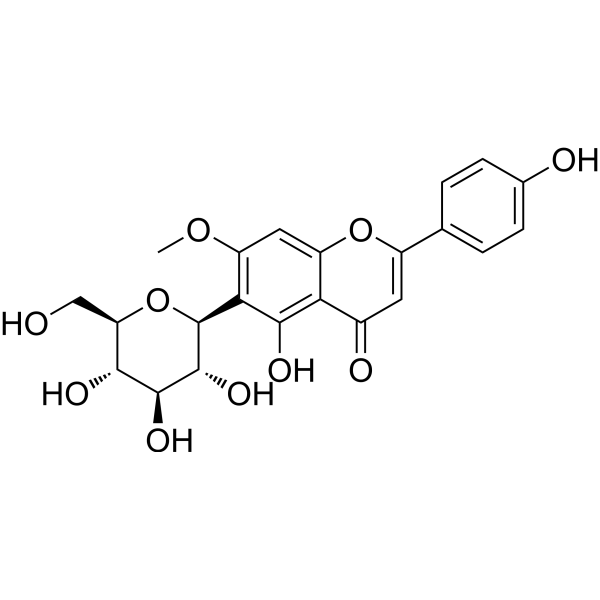
Cat. No.: HY-N2189
CAS No.: 6991-10-2
Swertisin is an oral adenosine A1 receptor antagonist and an SGLT2 inhibitor. Swertisin has anti-diabetic, antioxidant properties, inhibits HBV, and improves cognitive and memory impairments in mice .
loading...
    loading...

