25 Results for "

NOS2

" in MedChemExpress (MCE) Product Catalog:
Products (25)

25 Results for "NOS2" in MCE Product Catalog:

4
4 Cited Publications
Cat. No.: HY-B0464
CAS No.: 304-20-1
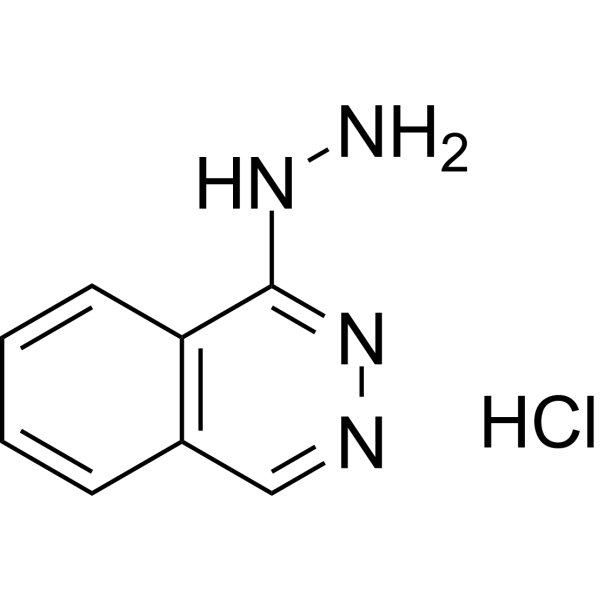
Hydralazine hydrochloride is an orally active, blood-brain barrier-permeable DNA methyltransferase inhibitor with vasodilatory, arterial smooth muscle relaxant and hypotensive activities. Hydralazine hydrochloride reactivates silenced tumor suppressor genes via mediating DNA demethylation, while exerting neuroprotective and anti-inflammatory properties. Hydralazine hydrochloride inhibits NOS-2 (iNOS) and COX-2, and reduces the production of NO and PGEE2; meanwhile, Hydralazine hydrochloride scavenges reactive oxygen species and inhibits macrophage activation. Hydralazine hydrochloride alleviates motor dysfunction, neuropathic inflammatory pain, and formalin-induced somatic and emotional pain responses. In addition, Hydralazine hydrochloride directly induces DNA strand breaks and sister chromatid exchange, exhibiting certain mutagenic characteristics. Hydralazine hydrochloride has been widely used in studies on hypertension, various cancers (such as cervical cancer, leukemia), spinal cord injury and the mechanisms of inflammatory pain [2] .
loading...
    loading...
4
4 Cited Publications
Cat. No.: HY-B0464A
CAS No.: 86-54-4
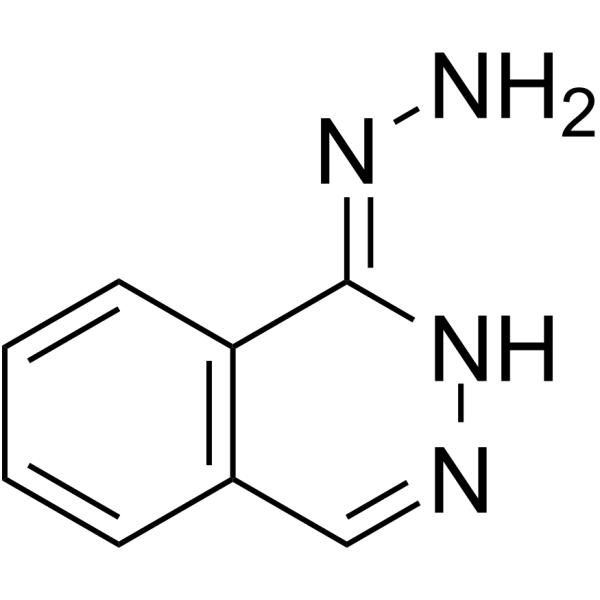
Hydralazine is an orally active, blood-brain barrier-permeable DNA methyltransferase inhibitor with vasodilatory, arterial smooth muscle relaxant and hypotensive activities. Hydralazine reactivates silenced tumor suppressor genes via mediating DNA demethylation, while exerting neuroprotective and anti-inflammatory properties. Hydralazine inhibits NOS-2 (iNOS) and COX-2, and reduces the production of NO and PGEE2; meanwhile, Hydralazine scavenges reactive oxygen species and inhibits macrophage activation. Hydralazine alleviates motor dysfunction, neuropathic inflammatory pain, and formalin-induced somatic and emotional pain responses. In addition, Hydralazine directly induces DNA strand breaks and sister chromatid exchange, exhibiting certain mutagenic characteristics. Hydralazine has been widely used in studies on hypertension, various cancers (such as cervical cancer, leukemia), spinal cord injury and the mechanisms of inflammatory pain [2] .
loading...
    loading...
4
4 Cited Publications
Cat. No.: HY-P80725
Synonyms: INOSl; NOS2; Inducible NO synthase; Macrophage NOS; NOS type II; Peptidyl-cysteine S-nitrosylase NOS2; Inducible NOS; iNOS; MAC-NOS

Host:  

Rabbit

Application:  

WB, IHC-P, IHC-F, ICC/IF

Reactivity:  

Human, Mouse, Rat

loading...
    loading...
2
2 Cited Publications
Cat. No.: HY-145801
CAS No.: 2582816-37-1
Purity:  99.48%
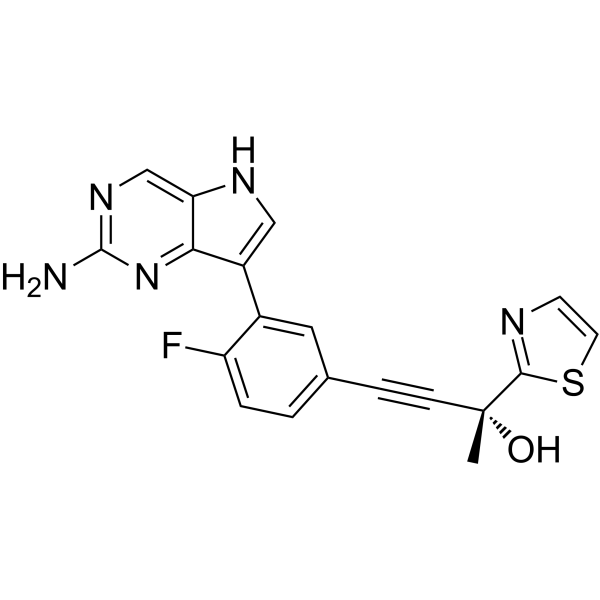
XT2 is a selective NIK inhibitor with an IC50 of 9.1 nM. XT2 dose-dependently inhibits the mRNA of TNFα, CCL2, CCL5, CXCL5, and NOS2. XT2 reduces serum ALT. XT2 can be used for research on CCl4 (HY-Y0298)-induced liver injury .
loading...
    loading...
Cat. No.: HY-N12586
CAS No.: 603-17-8
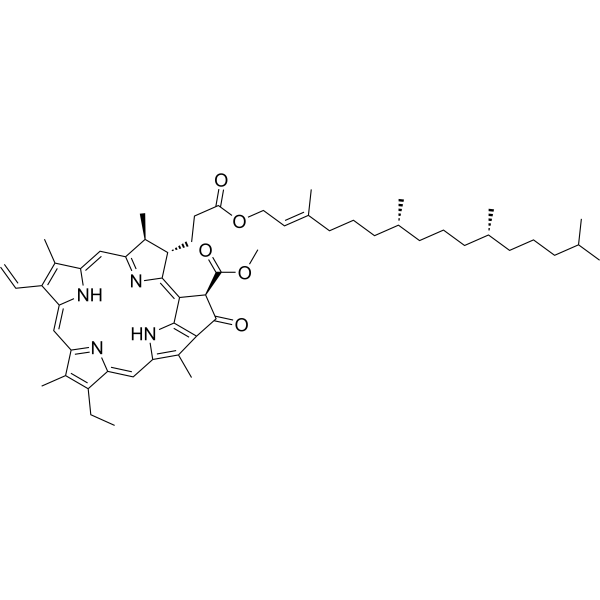
Pheophytin a is a multi-target inhibitor, anticancer agent, antioxidant and antiviral agent. Pheophytin a directly binds to and inhibits HCV-NS3/4A protease (IC50=0.89 μM) to block viral replication. Pheophytin a also scavenges free radicals, reduces ferric ions, and exhibits cytotoxic activity against breast cancer cells. Pheophytin a effectively inhibits LPS-induced production of nitric oxide, prostaglandin E2, NOS2 and COX-2, as well as various pro-inflammatory cytokines, by downregulating the transcription levels of inflammatory mediators and blocking the ERK1/2 and STAT-1 pathways. In a low nerve growth factor environment, Pheophytin a also enhances ERK1/2 phosphorylation and synergistically promotes neurite outgrowth through MAPK pathway. Pheophytin a can be used to investigate the pathogenic mechanisms of diseases including chronic hepatitis C, sepsis, breast cancer and Alzheimer's disease [2] .
loading...
    loading...
Cat. No.: HY-RS09438
Research Areas:  

Others

Nos2 Mouse Pre-designed siRNA Set A contains three designed siRNAs for Nos2 gene (Mouse), as well as a negative control, a positive control, and a FAM-labeled negative control.

loading...
    loading...
Cat. No.: HY-12124
CAS No.: 402934-09-2
Purity:  99.51%
Target:  

NO Synthase

Research Areas:  

Cardiovascular Disease

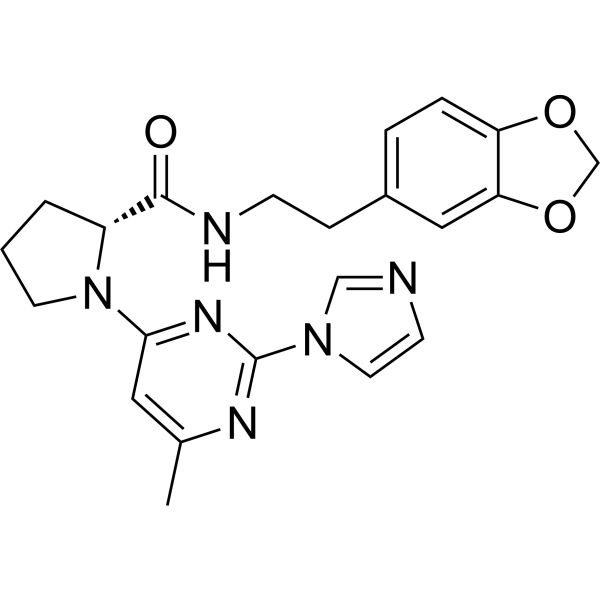
BBS-4 is a potent and selective inducible nitric oxide synthase (NOS2) dimerization inhibitor, with an IC50 of 0.49 nM. BBS-4 can protect mice from the cardiovascular dysfunction of sepsis .
loading...
    loading...
Cat. No.: HY-15538
CAS No.: 100981-43-9
Purity:  98.51%
Synonyms: FI3542
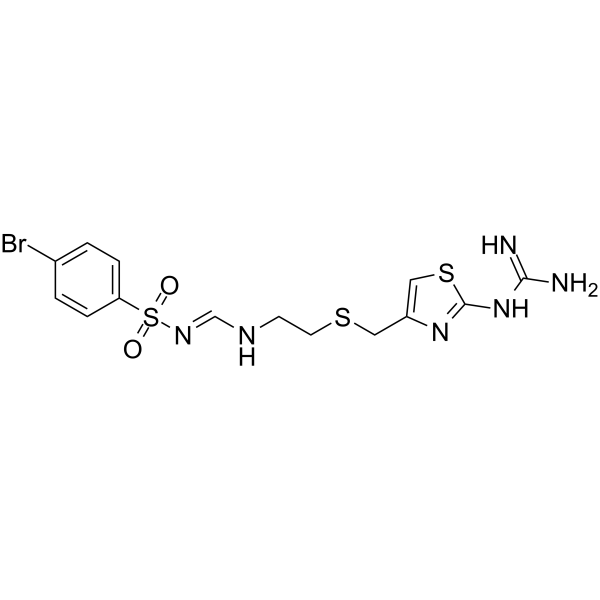
Ebrotidine (FI3542) is a competitive histamine H2 receptor (histamine H2 receptor) antagonist with gastric acid secretion inhibitory and gastric mucosal protective effects. Ebrotidine alleviates gastric mucosal injury and epithelial cell apoptosis induced by Indomethacin (HY-14397) and Helicobacter pylori LPS (HY-D1056), and accelerates chronic gastric ulcer healing by promoting rapid recovery of IL-4 and inhibiting TNF-α, endothelin-1 (ET-1) and NOS-2. Ebrotidine can be used in studies on gastric ulcer healing, NSAID-induced gastric mucosal injury, Helicobacter pylori-associated gastritis, and H2 receptor-mediated gastric mucosal protection mechanisms [2] .
loading...
    loading...
Cat. No.: HY-RS09437
Research Areas:  

Others

NOS2 Human Pre-designed siRNA Set A contains three designed siRNAs for NOS2 gene (Human), as well as a negative control, a positive control, and a FAM-labeled negative control.

loading...
    loading...
Cat. No.: HY-RS09439
Research Areas:  

Others

NOS2 Rat Pre-designed siRNA Set A contains three designed siRNAs for NOS2 gene (Rat), as well as a negative control, a positive control, and a FAM-labeled negative control.

loading...
    loading...
Cat. No.: HY-B0464S1
CAS No.: 2012598-61-5
Hydralazine-d5 (hydrochloride) is deuterium-labeled Hydralazine (hydrochloride) (HY-B0464). Hydralazine hydrochloride is an orally active, blood-brain barrier-permeable DNA methyltransferase inhibitor with vasodilatory, arterial smooth muscle relaxant and hypotensive activities. Hydralazine hydrochloride reactivates silenced tumor suppressor genes via mediating DNA demethylation, while exerting neuroprotective and anti-inflammatory properties. Hydralazine hydrochloride inhibits NOS-2 (iNOS) and COX-2, and reduces the production of NO and PGEE2; meanwhile, Hydralazine hydrochloride scavenges reactive oxygen species and inhibits macrophage activation. Hydralazine hydrochloride alleviates motor dysfunction, neuropathic inflammatory pain, and formalin-induced somatic and emotional pain responses. In addition, Hydralazine hydrochloride directly induces DNA strand breaks and sister chromatid exchange, exhibiting certain mutagenic characteristics. Hydralazine hydrochloride has been widely used in studies on hypertension, various cancers (such as cervical cancer, leukemia), spinal cord injury and the mechanisms of inflammatory pain [2] .
loading...
    loading...
Cat. No.: HY-123823
CAS No.: 175033-36-0
Purity:  98.57%
Synonyms: NCX 4016
Research Areas:  

Inflammation/Immunology Cancer

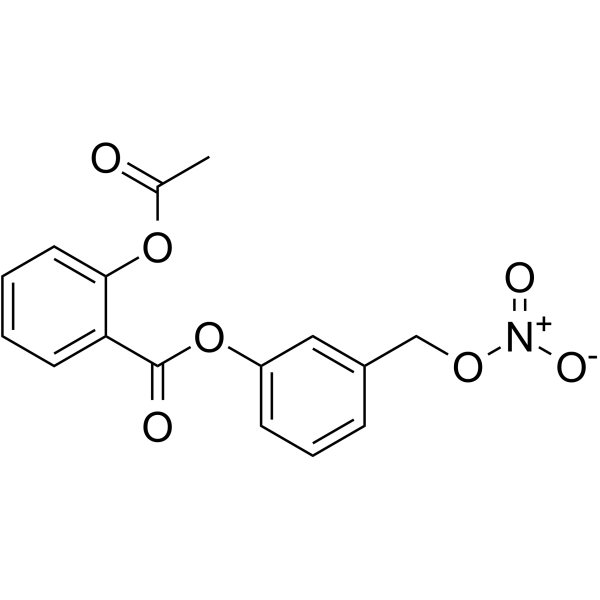
Nitroaspirin (NCX 4016) is an orally active ARG1 and NOS2 inhibitor. Nitroaspirin reduces ARG1 enzyme activity through a STAT6-mediated signaling pathway and feedback-inhibits the catalytic activity of NOS2 in a manner dependent on the NO-releasing group. Nitroaspirin continuously releases intracellular NO, thereby inducing redox-dependent loss of cell viability. Nitroaspirin also inhibits COX (IC50 of 68 μM for oCOX-1), exerting antithrombotic and anti-inflammatory effects, and effectively inhibits the proliferation of Cisplatin (HY-17394)-resistant human ovarian cancer cells . Nitroaspirin is useful for research on colon cancer, breast cancer, and cisplatin-resistant human ovarian cancer [2] .
loading...
    loading...
Cat. No.: HY-152213
CAS No.: 2506823-08-9
Research Areas:  

Inflammation/Immunology

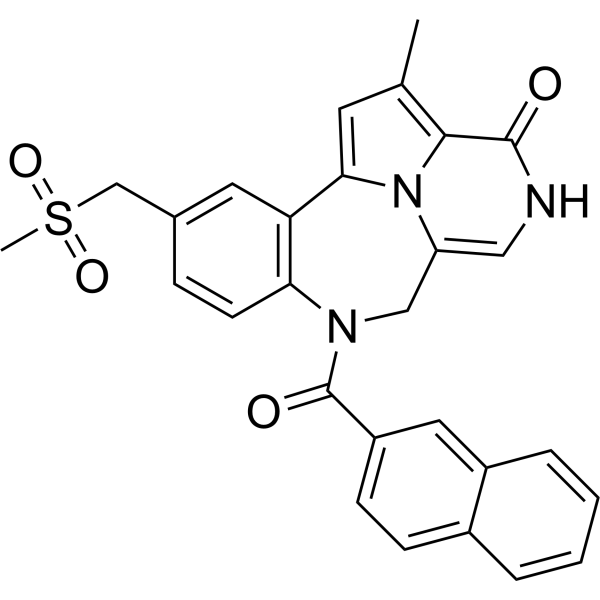
BET-IN-13 is a potent BET inhibitor with an IC50 value of 1.6 nM. BET-IN-13 reduces LPS-induced TNF-α, IL-1β, IL-6, and NOS2 mRNA expression levels. BET-IN-13 shows anti-inflammatory activity. BET-IN-13 has the potential for the research of acute liver injury .
loading...
    loading...
Cat. No.: HY-B0464S
CAS No.: 2749234-32-8
Hydralazine-d4 hydrochloride is the deuterium labeled Hydralazine hydrochloride. Hydralazine hydrochloride is an orally active, blood-brain barrier-permeable DNA methyltransferase inhibitor with vasodilatory, arterial smooth muscle relaxant and hypotensive activities. Hydralazine hydrochloride reactivates silenced tumor suppressor genes via mediating DNA demethylation, while exerting neuroprotective and anti-inflammatory properties. Hydralazine hydrochloride inhibits NOS-2 (iNOS) and COX-2, and reduces the production of NO and PGEE2; meanwhile, Hydralazine hydrochloride scavenges reactive oxygen species and inhibits macrophage activation. Hydralazine hydrochloride alleviates motor dysfunction, neuropathic inflammatory pain, and formalin-induced somatic and emotional pain responses. In addition, Hydralazine hydrochloride directly induces DNA strand breaks and sister chromatid exchange, exhibiting certain mutagenic characteristics. Hydralazine hydrochloride has been widely used in studies on hypertension, various cancers (such as cervical cancer, leukemia), spinal cord injury and the mechanisms of inflammatory pain [2] .
loading...
    loading...
Cat. No.: HY-179407
CAS No.: 2574572-03-3
Research Areas:  

Inflammation/Immunology

LT-104A is a potent PDE4 inhibitor that elevates intracellular cAMP levels (EC50 = 1.9 μM) and inhibits PDE4D3 activity (IC50 = 9.3 μM). LT-104A activates the cAMP-PKA-CREB anti-inflammatory signaling pathway and suppresses NF-κB-related gene expression (Il1b and Nos2). LT-104A can be used for inflammation-related disease research .
loading...
    loading...
Cat. No.: HY-P11469
CAS No.: 322639-20-3
PG-901 is a selective MC5R agonist and also an MC3R/MC4R antagonist. PG-901 activates the MC5R‑cAMP‑PKA signaling axis in skeletal muscle, mediating increased skeletal muscle glucose uptake and enhanced glycolysis. PG-901 downregulates genes related to pro-hypertrophy, cardiac remodeling, inflammation, and fibrosis, including αSMA, αSKA, TGF-β, IL-6, NOS2, Col3A1, Nppb, and CTGF, and reduces JNK/ERK phosphorylation and cAMP levels. PG-901 synergizes with insulin to increase glucose uptake in myotubes, improves glucose tolerance in wild-type mice, and lowers fasting plasma glucose in MC4R-deficient mice. PG-901 can be used in research related to diseases such as cardiac hypertrophy, heart failure, and diabetes [2] .
loading...
    loading...
Cat. No.: HY-P86080
Synonyms: INOSl; NOS2; Inducible NO synthase; Macrophage NOS; NOS type II; Peptidyl-cysteine S-nitrosylase NOS2; Inducible NOS; iNOS; MAC-NOS

Host:  

Rabbit

Application:  

WB, ICC/IF, IP, ELISA

Reactivity:  

Human, Mouse, Rat

loading...
    loading...
Cat. No.: HY-P84272
Synonyms: INOSl; NOS2; Inducible NO synthase; Macrophage NOS; NOS type II; Peptidyl-cysteine S-nitrosylase NOS2; Inducible NOS; iNOS; MAC-NOS

Host:  

Mouse

Application:  

IHC-P, FC, ELISA

Reactivity:  

Human, Mouse, Rat, Monkey

loading...
    loading...
Cat. No.: HY-P84272A
Synonyms: INOSl; NOS2; Inducible NO synthase; Macrophage NOS; NOS type II; Peptidyl-cysteine S-nitrosylase NOS2; Inducible NOS; iNOS; MAC-NOS

Host:  

Mouse

Application:  

WB, IHC-P, FC, ELISA

Reactivity:  

Human, Mouse, Rat, Monkey

loading...
    loading...
Cat. No.: HY-N3911
CAS No.: 119725-20-1
Fupenzic acid is a triterpenoid compound that can be found in the fruits of plants in the genus Rubus. Fupenzic acid inhibits LPS (HY-D1056)-induced NF-κB activation and reduces the expression of NO, NOS-2, COX-2, inflammatory cytokines, and chemokines. Fupenzic acid binds to RBMS1, downregulates RBMS1/cGAS/STING signaling, enhances PINK1/Parkin-mediated mitophagy, and alleviates oxidative stress and radiation-induced liver fibrosis. Fupenzic acid exhibits cytotoxic activity against various tumor cells and can inhibit melanin production. Fupenzic acid has inactivation, protective, and replication-inhibitory activities against TMV and CMV. Fupenzic acid can be used in research related to liver fibrosis, malignant glioma, colon cancer, gastric cancer, hepatocellular carcinoma, TMV, and CMV infection [2] .
loading...
    loading...

