1. Search Result
Search Result
Results for "

P2Y

" in MedChemExpress (MCE) Product Catalog:

203

Inhibitors & Agonists

4

Biochemical Assay Reagents

21

Natural
Products

4

Recombinant Proteins

18

Isotope-Labeled Compounds

20

Antibodies

6

Oligonucleotides

Targets Recommended:
Cat. No. Product Name Target Research Areas Chemical Structure
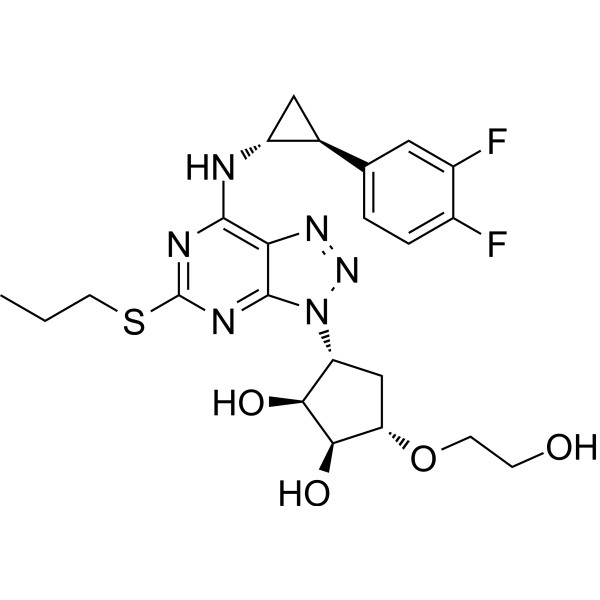
  • HY-10064
    Ticagrelor
    10+ Cited Publications

    AZD6140; AR-C 126532XX

    P2Y Receptor Cardiovascular Disease Cancer
    Ticagrelor (AZD6140) is a reversible oral P2Y12 receptor antagonist for the treatment of platelet aggregation.
    Ticagrelor
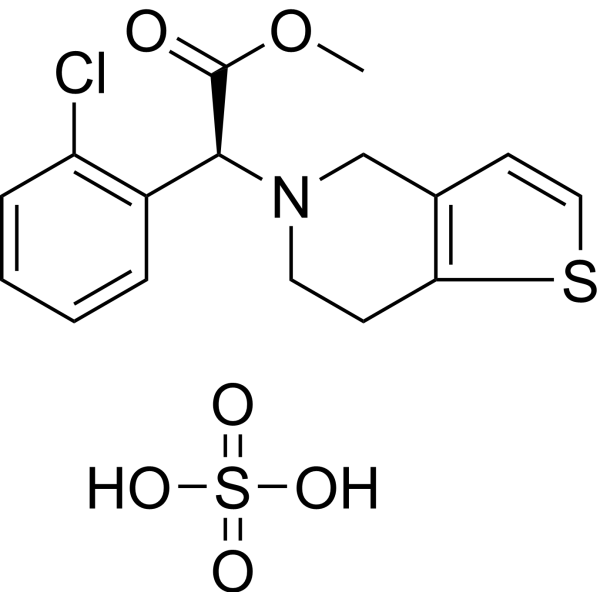
  • HY-17459
    Clopidogrel hydrogen sulfate
    Maximum Cited Publications
    30 Publications Verification

    (S)-(+)-Clopidogrel bisulfate; (S)-(+)-Clopidogrel hydrogen sulfate

    Cytochrome P450 P2Y Receptor Cardiovascular Disease Cancer
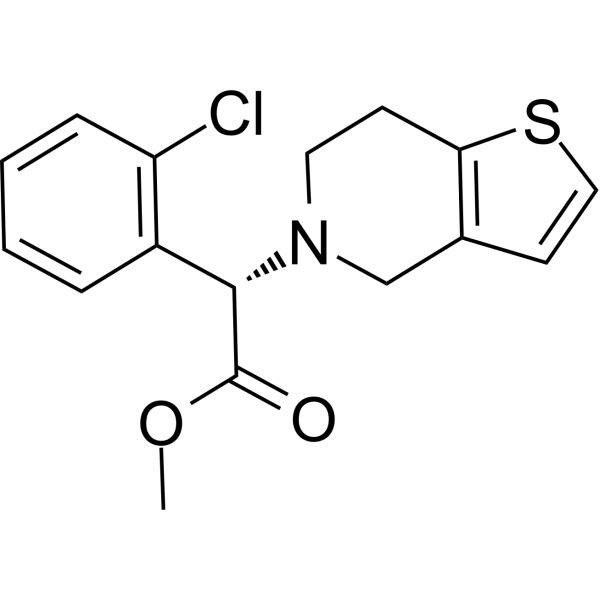
    Clopidogrel hydrogen sulfate is an antiplatelet agent to prevent blood clots. Clopidogrel hydrogen sulfate inhibits CYP2B6 and CYP2C19 with IC50s of 18.2 nM and 524 nM, respectively . Clopidogrel hydrogen sulfate is a potent antithrombotic agent that inhibits ADP-induced platelet aggregation [2].Clopidogrel hydrogen sulfate also is an orally active P2Y(12) inhibitor .
    Clopidogrel hydrogen sulfate
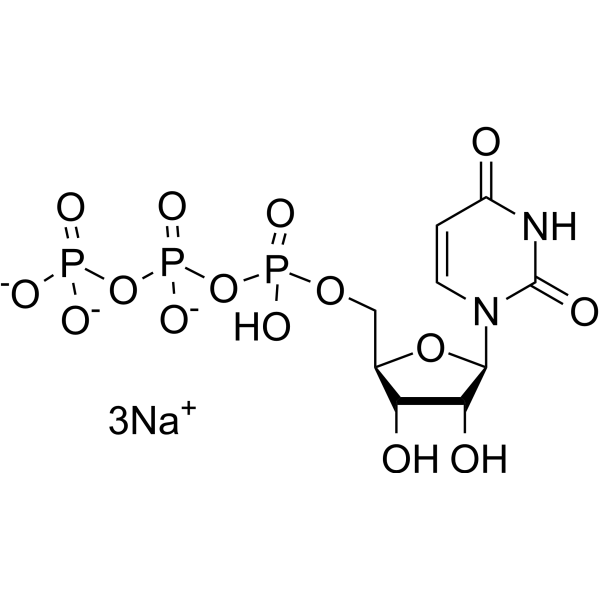
  • HY-W010832
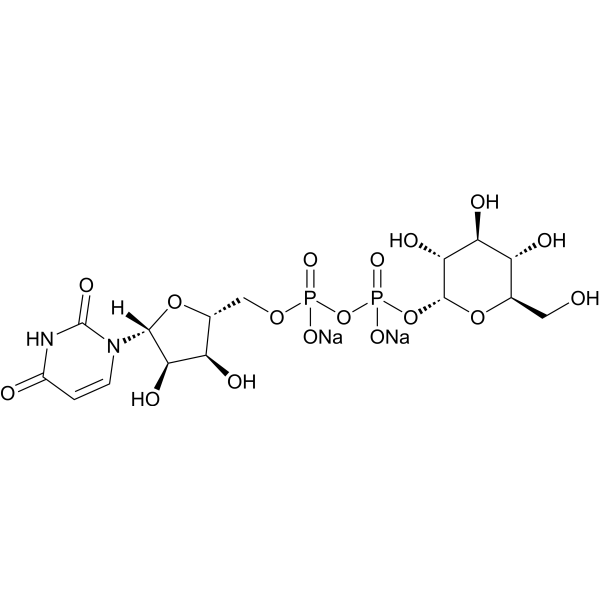
    Uridine-5'-diphosphate disodium salt
    2 Publications Verification

    P2Y Receptor DNA/RNA Synthesis Endogenous Metabolite Metabolic Disease Inflammation/Immunology
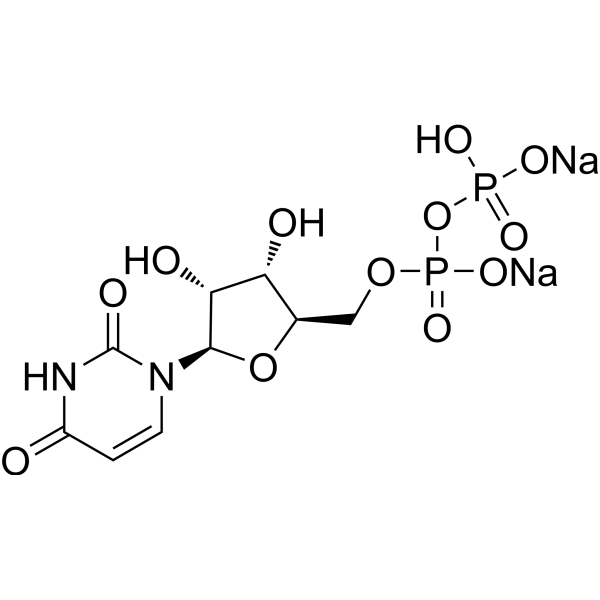
    Uridine-5'-diphosphate disodium salt is a potent, selective P2Y6 receptor native agonist (EC50=300 nM; pEC50=6.52 for human P2Y6 receptor). Uridine-5'-diphosphate disodium salt, an endogenous metabolite, catalyzes the glucuronidation of a wide array of substrates and is used in nucleic acid (RNA) biosynthesis [2].
    Uridine-5'-diphosphate disodium salt
  • HY-13104
    MRS 2578
    10+ Cited Publications

    P2Y Receptor Apoptosis Cardiovascular Disease
    MRS 2578 is a selective and potent P2Y6 receptor antagonist with IC50s of 37 nM (human) and 98 nM (rat). MRS 2578 exhibits insignificant activity at P2Y1, P2Y2, P2Y4, and P2Y11 receptors [2].
    MRS 2578
  • HY-101044
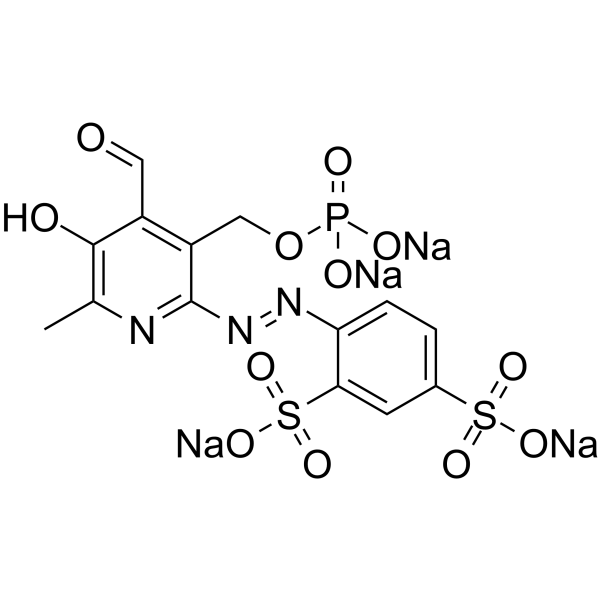
    PPADS tetrasodium
    5+ Cited Publications

    P2X Receptor Na+/Ca2+ Exchanger Neurological Disease
    PPADS tetrasodiuma is a non-selective P2X receptor antagonist. PPADS tetrasodiuma blocks recombinant P2X1, -2, -3, -5 with IC50s ranging from 1 to 2.6 μM. PPADS tetrasodiuma blocks native P2Y2-like (IC50~0.9 mM) and recombinant P2Y4 (IC50~15 mM) receptors. PPADS tetrasodiuma is an inhibitor of the reverse mode of the Na/Ca 2+ exchanger in guinea pig airway smooth muscle [2].
    PPADS tetrasodium
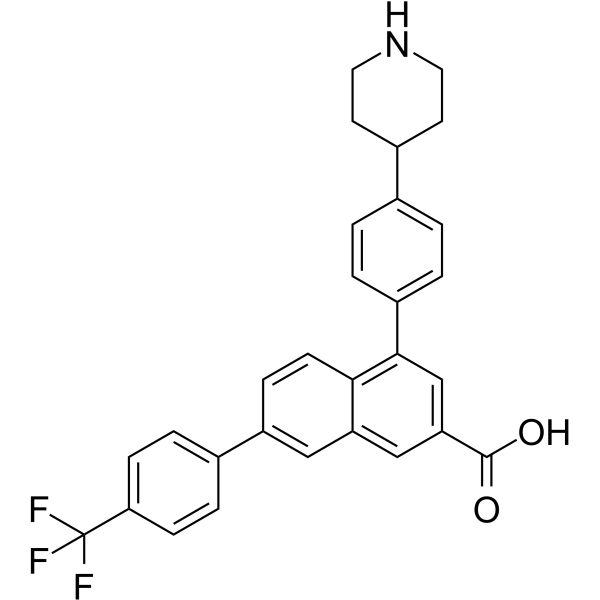
  • HY-110322A
    PPTN
    4 Publications Verification

    P2Y Receptor Inflammation/Immunology
    PPTN, a chemical probe, is a potent, high-affinity, competitive and highly selective P2Y14 receptor antagonist with a KB value of 434 pM. PPTN exhibits no agonist or antagonist effect at the P2Y1, P2Y2, P2Y4, P2Y6, P2Y11, P2Y12, or P2Y13 receptors. Anti-inflammatory and immune activity .
    PPTN
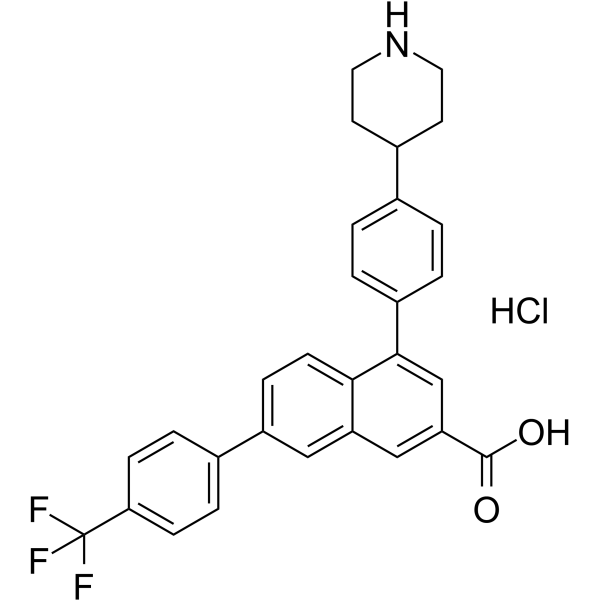
  • HY-110322
    PPTN hydrochloride
    4 Publications Verification

    P2Y Receptor Inflammation/Immunology
    PPTN hydrochloride is a potent, high-affinity, competitive and highly selective P2Y14 receptor antagonist with a KB value of 434 pM. PPTN hydrochloride exhibits no agonist or antagonist effect at the P2Y1, P2Y2, P2Y4, P2Y6, P2Y11, P2Y12, or P2Y13 receptors. Anti-inflammatory and anti-immune activity .
    PPTN hydrochloride
  • HY-13831
    BPTU
    1 Publications Verification

    BMS-646786

    P2Y Receptor Neurological Disease Cancer
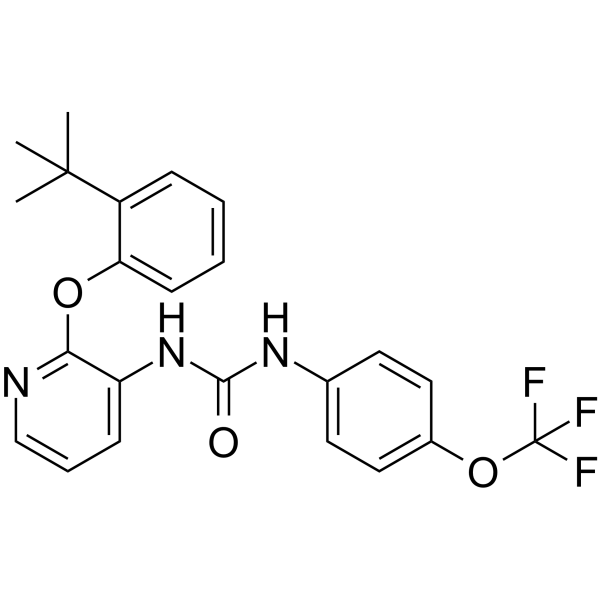
    BPTU (BMS-646786) is a non-nucleotide P2Y1 receptor allosteric antagonist with antithrombotic activity. BPTU is able to block the P2Y1 receptor located at the neuromuscular junction of the gastrointestinal tract [2].
    BPTU
  • HY-108660
    PSB-0739
    1 Publications Verification

    P2Y Receptor Cardiovascular Disease
    PSB-0739 is a high-affinity potent, competitive, nonselective platelet P2Y12 receptor antagonist with a Ki values of 24.9 nM. The P2Y12 receptor plays a crucial role in platelet aggregation. Antithrombotic effect .
    PSB-0739
  • HY-108648

    2-Methylthioadenosine diphosphate trisodium; 2-Methylthio-ADP trisodium

    P2Y Receptor Neurological Disease
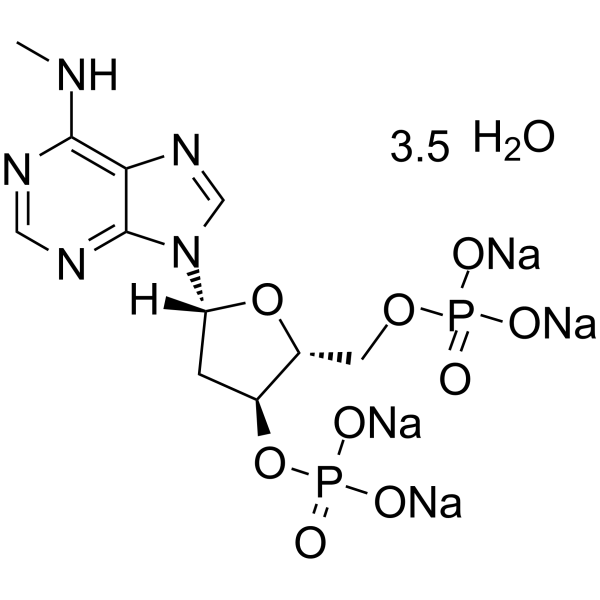
    2-Methylthioadenosine diphosphate trisodium is a potent purinergic P2Y receptors agonist, with EC50s of 19, 6.2, and 5 nM for human P2Y13, mouse P2Y13 and human P2Y12, respectively. 2-Methylthioadenosine diphosphate trisodium has pEC50s of 8.29 and 5.75 for human P2Y1 and rat P2Y6, respectively. 2-Methylthioadenosine diphosphate trisodium induces platelet aggregation and shape change, and inhibits cyclic AMP accumulation in platelets exposed to prostaglandin E1 [2] .
    2-MeS-ADP trisodium
  • HY-134353B

    Adenosine 5'-β-thiodiphosphate trilithium

    P2Y Receptor NF-κB Interleukin Related Caspase Neurological Disease Inflammation/Immunology Cancer
    ADP-β-S (Adenosine 5'-(β-thiodiphosphate)) trilithium is a non-hydrolyzable ADP analog and a P2Y12 receptor agonist. ADP-β-S trilithium activates the P2Y12 receptor in microglia, thereby triggering downstream inflammatory signaling pathways. ADP-β-S trilithium activates P2Y purinergic receptors in rat pancreatic β cells and enhances glucose-induced insulin secretion. ADP-β-S trilithium can be used in the research of diseases such as inflammation and diabetes [2].
    ADP-β-S trilithium
  • HY-B0606
    Diquafosol tetrasodium
    5 Publications Verification

    INS365

    P2Y Receptor Inflammation/Immunology
    Diquafosol tetrasodium is a P2Y2 receptor agonist that stimulates fluid and mucin secretion on the ocular surface, as a topical treatment of dry eye disease.
    Diquafosol tetrasodium
  • HY-108648A

    2-Methylthioadenosine diphosphate; 2-Methylthio-ADP

    P2Y Receptor Neurological Disease
    2-MeSADP is a P2Y receptor agonist, with an EC50 of 5 nM for human P2Y12, EC50 values of 19 nM and 13 nM for human P2Y13, and an EC50 of 6.2 nM for mouse P2Y13. It shows slightly higher selectivity for P2Y12 over human P2Y13. 2-MeSADP triggers increases in intracellular calcium levels, Gi-mediated cAMP inhibition, adenylate cyclase inhibition and downstream signal transduction. 2-MeSADP can be used in research related to glaucoma [2] .
    2-MeSADP
  • HY-113044R

    UDP-D-Glucose (Standard)

    Reference Standards Endogenous Metabolite P2Y Receptor Cardiovascular Disease Metabolic Disease Inflammation/Immunology
    Uridine 5′-diphosphoglucose (Standard) (UDP-D-Glucose (Standard)) is the analytical standard of Uridine 5′-diphosphoglucose (HY-113044). This product is intended for research and analytical applications. Uridine 5’-diphosphoglucose (UDP-glucose), secreted by cardiomyocytes during ischemia and reperfu, is a potent agonist of the proinflammatory P2Y14 receptor. It acts an important role in the regulation of inflammation and neutrophil polarization in neutrophils. Uridine 5’-diphosphoglucose is also the precursor of glucose-containing oligosaccharides, polysaccharides, glycoproteins, and glycolipids in animal tissues and in some microorganisms. Uridine 5’-diphosphoglucose is promising for research in counteracting myocardial infarction/reperfusion (MIR)-induced inflammation in the heart tissue.
    Uridine 5′-diphosphoglucose (Standard)
  • HY-108662

    2,2'-Pyridylisatogen tosylate

    P2Y Receptor Inflammation/Immunology Cancer
    PIT (2,2'-Pyridylisatogen tosylate) is a selective and non-competitive antagonist of P2Y1 receptor with an IC50 value of 0.14 μM for human P2Y1 receptor. PIT antagonizes P2Y1 receptor signaling without affecting nucleotide binding. PIT is an irreversible antagonist of responses to ATP at metabotropic purinoceptors (of the P2Y family) in some smooth muscles. PIT can be used for the research of chronic bronchitis and asthma [2] .
    PIT
  • HY-108672

    P2Y Receptor Inflammation/Immunology
    NF157 is a highly selective nanomolar P2Y11 antagonist with a pKi of 7.35. The IC50s are 463 nM, 1811 µM, 170 µM for P2Y11 (Ki=44.3 nM), P2Y1 (Ki=187 µM), P2Y2 (Ki=28.9 µM), respectively . NF157, significantly reduces expression of metalloproteinase (MMP)-3, MMP-13, can be used in the treatment of osteoarthritis (OA) [2].
    NF157
  • HY-W010820
    Uridine 5'-diphosphate sodium salt
    2 Publications Verification

    P2Y Receptor DNA/RNA Synthesis Endogenous Metabolite Metabolic Disease Inflammation/Immunology
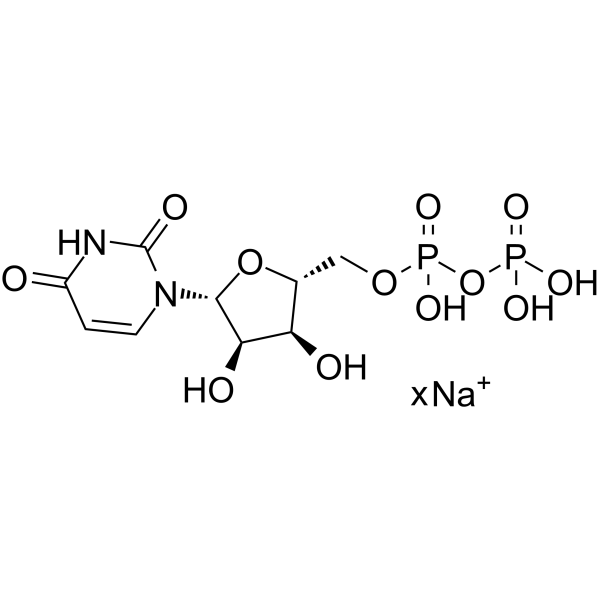
    Uridine 5'-diphosphate sodium salt is a potent, selective P2Y6 receptor native agonist (EC50=300 nM; pEC50=6.52) and a potent P2Y14 antagonist (pEC50=7.28). Uridine 5'-diphosphate sodium salt, an endogenous metabolite, catalyzes the glucuronidation of a wide array of substrates and is used in nucleic acid (RNA) biosynthesis [2].
    Uridine 5'-diphosphate sodium salt
  • HY-146486

    P2Y Receptor Inflammation/Immunology
    P2Y2R/GPR17 antagonist 1 (Compound 14m) is a dual P2Y2R and GPR17 antagonist with IC50 values of 3.17 µM and 1.67 µM against P2Y2R and GPR17, respectively. P2Y2R/GPR17 antagonist 1 shows excellent metabolic stability in human liver microsomes .
    P2Y2R/GPR17 antagonist 1
  • HY-129576

    P2Y Receptor Inflammation/Immunology
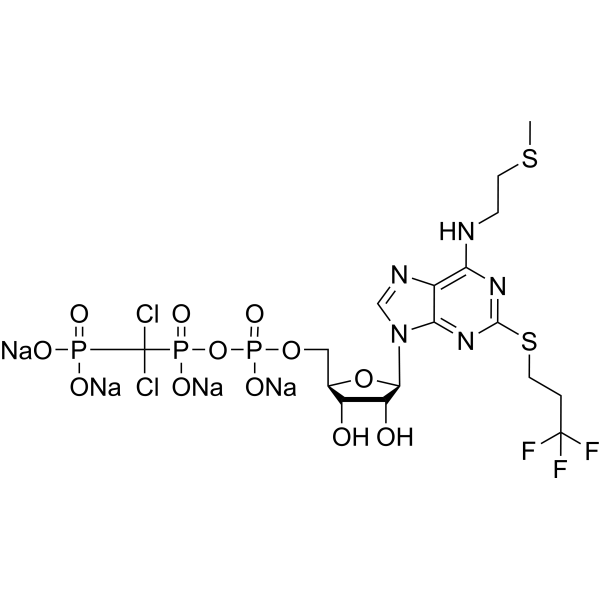
    PSB-16133 (sodium) is a tool compound specifically designed to block P2Y receptor subtypes .
    PSB-16133 sodium
  • HY-113359

    UDP

    P2Y Receptor Endogenous Metabolite Metabolic Disease Inflammation/Immunology
    Uridine 5'-diphosphate (UDP) is a P2Y6 receptor agonist with an EC50 of 0.013 μM for human P2Y6 receptor [2].
    Uridine 5'-diphosphate
  • HY-108658

    P2Y Receptor Cardiovascular Disease
    MRS2500 tetraammonium is a potent, selective and stable antagonist of the P2Y1 receptor (Ki=0.78 nM for recombinant human P2Y1 receptor). MRS2500 tetraammonium inhibits the ADP-induced aggregation of human platelets with an IC50 value of 0.95 nM. Antithrombotic activity [2] .
    MRS2500 tetraammonium
  • HY-W250153

    P2Y Receptor Cardiovascular Disease
    Adenosine 3'-phosphate 5'-phosphosulfate lithium, an adenine nucleotide derivative, is a selective P2Y1 antagonist with no effect on P2Y2, P2Y4, or P2Y6 receptors. Adenosine 3'-phosphate 5'-phosphosulfate lithium can competitive inhibit ADP-induced platelet aggregation, as well as the ability of ADP to cause shape change and increases in Ca 2+ in platelets, but had no effect on the inhibition of stimulated adenylate cyclase by ADP. Adenosine 3'-phosphate 5'-phosphosulfate lithium is a co-substrate used for the sulfonation of glycans. Adenosine 3'-phosphate 5'-phosphosulfate lithium can be used for Golgi-resident PAP-specific 3'-phosphatase-coupled sulfotransferase assays, which as donor substrate to transfer a sulfonate group [2] .
    Adenosine 3'-phosphate 5'-phosphosulfate lithium
  • HY-108659

    P2Y Receptor Inflammation/Immunology
    NF340 is a P2Y11 receptor inhibitor with a pIC50 of 7.3-7.7 against human P2Y11 receptor, and it exhibits high selectivity over other P2Y family receptors. NF340 binds to the ATP-binding amino acid residues of the P2Y11 receptor to inhibit its activity, block nociceptive activity, and reduce spinal dorsal horn P2Y11 receptor upregulation induced by spinal cord injury. NF340 attenuates the NFκB signaling pathway activated by IL-1β by decreasing IκBα phosphorylation, nuclear p65 accumulation and NFκB promoter activity. NF340 inhibits IL-1β-induced pro-inflammatory cytokine expression, reduces intracellular ROS and 4-HNE levels, and suppresses IL-1β-induced matrix metalloproteinase expression in primary fibroblast-like synoviocytes. NF340 inhibits ATP-induced elevation of intracellular calcium 2+ concentration and cell migration in human hepatocellular carcinoma cells. NF340 is applicable to the research of neuropathic pain, myocardial ischemia/reperfusion injury, inflammatory pain, rheumatoid arthritis and hepatocellular carcinoma [2] .
    NF340
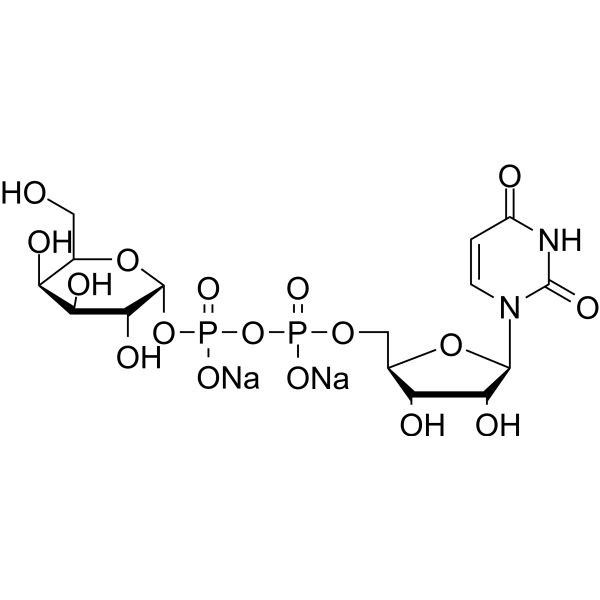
  • HY-113044

    UDP-D-Glucose

    Endogenous Metabolite P2Y Receptor Cardiovascular Disease Metabolic Disease Inflammation/Immunology
    Uridine 5’-diphosphoglucose (UDP-glucose), secreted by cardiomyocytes during ischemia and reperfu, is a potent agonist of the proinflammatory P2Y14 receptor. It acts an important role in the regulation of inflammation and neutrophil polarization in neutrophils. Uridine 5’-diphosphoglucose is also the precursor of glucose-containing oligosaccharides, polysaccharides, glycoproteins, and glycolipids in animal tissues and in some microorganisms. Uridine 5’-diphosphoglucose is promising for research in counteracting myocardial infarction/reperfusion (MIR)-induced inflammation in the heart tissue [2] .
    Uridine 5′-diphosphoglucose
  • HY-168098

    P2Y Receptor Inflammation/Immunology
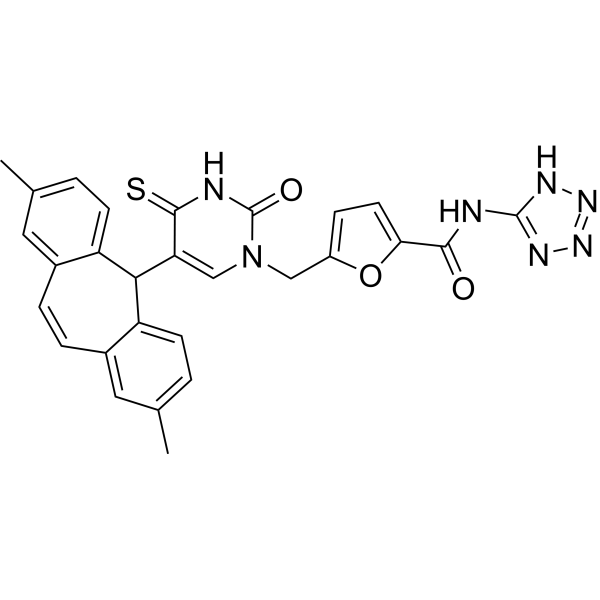
    P2Y6R antagonist 1 (compound 5ab) is a selective, orally active P2Y6R antagonist with an IC50 value of 19.6 nM. P2Y6R antagonist 1 has anti-inflammatory activity .
    P2Y6R antagonist 1
  • HY-101308A
    MRS2179 tetrasodium hydrate
    2 Publications Verification

    P2Y Receptor Cardiovascular Disease
    MRS2179 tetrasodium hydrate is a competitive P2Y1 receptor antagonist, with a Kb of 102 nM and a pA2 of 6.99 for turkey P2Y1 receptor. MRS2179 tetrasodium hydrate is selective for P2Y1 over P2X1 (IC50=1.15 µM), P2X3 (12.9 µM), P2X2, P2X4, P2Y2, P2Y4, and P2Y6 receptors [2]. MRS2179 tetrasodium hydrate inhibits platelet aggregation .
    MRS2179 tetrasodium hydrate
  • HY-108656

    P2Y Receptor Arrestin Cardiovascular Disease
    MRS2365 is a potent and selective P2Y1 receptor (EC50=0.4 nM) /[ 35S]GTPγS binding/β-arrestin 2 recruitment agonist with an EC50 of 0.4 nM. MRS2365 relieves mechanical allodynia and increases mechanical sensitivity. MRS2365 shows little agonist or antagonist activity at the P2Y12 or P2Y13 receptors [2] .
    MRS2365
  • HY-164090

    P2Y Receptor Cardiovascular Disease
    Adenosine 3'-phosphate 5'-phosphosulfate, an adenine nucleotide derivative, is a selective P2Y1 antagonist with no effect on P2Y2, P2Y4, or P2Y6 receptors. Adenosine 3'-phosphate 5'-phosphosulfate can competitive inhibit ADP-induced platelet aggregation, as well as the ability of ADP to cause shape change and increases in Ca 2+ in platelets, but had no effect on the inhibition of stimulated adenylate cyclase by ADP. Adenosine 3'-phosphate 5'-phosphosulfate is a co-substrate used for the sulfonation of glycans. Adenosine 3'-phosphate 5'-phosphosulfate can be used for Golgi-resident PAP-specific 3'-phosphatase-coupled sulfotransferase assays, which as donor substrate to transfer a sulfonate group [2] .
    Adenosine 3'-phosphate 5'-phosphosulfate
  • HY-149454
    P2Y1/P2Y12 antagonist-1
    1 Publications Verification

    P2Y Receptor Cancer
    P2Y1/P2Y12 antagonist-1 (compound 24w) is an orally available dual inhibitor of P2Y1 and P2Y12 with antiplatelet activity. P2Y1/P2Y12 antagonist-1 inhibits ADP-induced platelet aggregation in rabbit plasma with an IC50 of 4.23 μM. P2Y1/P2Y12 antagonist-1 exhibits potent inhibitory effects in rat thrombosis model.
    P2Y1/P2Y12 antagonist-1
  • HY-162661

    P2Y Receptor Inflammation/Immunology
    P2Y14R antagonist 2 (compound 39) is a potent, selective and orally active P2Y14R antagonist with an IC50 value of 0.40 nM. P2Y14R antagonist 2 shows anti-inflammatory activity. P2Y14R antagonist 2 has the potential for the research of colitis .
    P2Y14R antagonist 2
  • HY-161727

    P2Y Receptor NOD-like Receptor (NLR) Inflammation/Immunology
    P2Y14R antagonist 1 (compound I-17) is a selective P2Y14R antagonist with an IC50 of 0.6 nM. It exhibits potent P2Y14R antagonistic activity, both in vitro and in vivo efficacy, and favorable pharmacokinetic profiles. P2Y14R antagonist 1 reduces the release of inflammatory factors and cell pyroptosis through the NOD-like receptor family pyrin domain-containing 3 (NLRP3)/gasdermin D (GSDMD) signaling pathway. P2Y14R antagonist 1 holds promise for research in the field of acute gouty arthritis .
    P2Y14R antagonist 1
  • HY-137955

    P2Y Receptor Cardiovascular Disease Others Neurological Disease
    MRS 2211 sodium hydrate is a competitive P2Y13 receptor antagonist (pIC50= 5.97). MRS 2211 sodium hydrate is highly selective to the P2Y13 receptor, showing more than 20-fold selectivity compared to the P2Y1 and P2Y12 receptors. MRS 2211 sodium hydrate can be used to further investigate the role of the P2Y13 receptor in different physiological and pathological processes, such as its function in blood cells, the nervous system and the immune system .
    MRS 2211 sodium hydrate
  • HY-123669

    P2Y Receptor Drug Metabolite Cardiovascular Disease
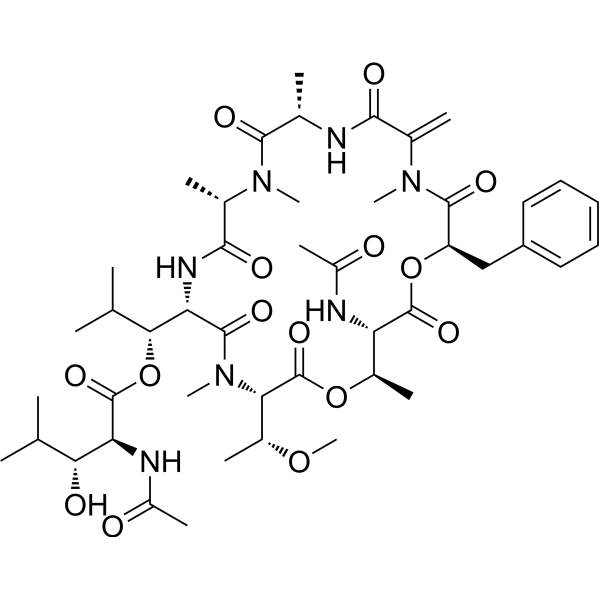
    R-138727, the major active metabolite of Prasugrel (HY-15284), is a highly potent and selective irreversible antagonist of the P2Y12 receptor, with an IC50 of 2.5 μM. R-138727 covalently binds to the P2Y12 receptor on the platelet surface, blocking adenosine diphosphate-mediated platelet activation and aggregation. R-138727 can be used to study stroke, cerebral infarction and neurological deficits.
    R-138727
  • HY-110089

    P2Y Receptor Inflammation/Immunology
    mrs 4062 (TEA) is a selective P2Y4 receptor agonist with an EC50 of 23 nM. mrs 4062 (TEA) has EC50s of 640 nM and 740 nM for P2Y2 and P2Y6, respectively .
    mrs 4062 TEA
  • HY-113359AS2

    UDP-13C9,15N2 dilithium

    Isotope-Labeled Compounds Endogenous Metabolite P2Y Receptor Others
    Uridine 5'-diphosphate- 13C9, 15N2 dilithium is 13C and 15N-labeled Uridine 5'-diphosphate (HY-113359). Uridine 5'-diphosphate is a P2Y6 receptor agonist with an EC50 of 0.013 μM for human P2Y6 receptor.
    Uridine 5'-diphosphate-13C9,15N2 dilithium
  • HY-115273

    P2Y Receptor Others
    MRS-2179 is a selective and competitive antagonist for P2Y1 receptor, with KB of 0.177 μM .
    MRS-2179
  • HY-108671

    P2X Receptor Neurological Disease
    NF110 is a P2X3 receptor antagonist (Ki = 36 nM) and inactive toward P2Y receptors stably expressed (IC50s > 10 M). NF110 blocks alphabeta-methylene-ATP-induced currents (IC50 = 527 nM) in rat dorsal root ganglia neurons .
    NF110
  • HY-137418

    2-Methylthio-ATP

    P2Y Receptor Others Inflammation/Immunology
    2-MeS-ATP (2-Methylthio-ATP) is an analog of adenosine nucleotides and acts as a P2Y purinergic receptor agonist specific for adenosine nucleotide activation. 2-MeS-ATP is also able to inhibit the release of toxic mediators from macrophages stimulated by endotoxin (LPS). 2-MeS-ATP can be used in the study of endotoxin shock and inflammatory diseases .
    2-MeS-ATP
  • HY-179133

    P2Y Receptor PKA Raf MEK ERK Inflammation/Immunology
    HDB-1 is a selective inhibitor of the P2Y14 receptor (P2Y14R) with an IC50 of 26 pM. HDB-1 shows no significant inhibition on P2Y1R, P2Y2R, P2Y4R, P2Y6R, and P2Y12R. HDB-1 blocks the activation of hepatic stellate cells (HSC) by inhibiting the PKA/Raf1/MEK/ERK signaling pathway mediated by P2Y14R, thereby alleviating the core pathological process of liver fibrosis. HDB-1 can be used for the study of liver fibrosis .
    HDB-1
  • HY-101308

    P2Y Receptor Cardiovascular Disease
    MRS2179 tetrasodium is a competitive P2Y1 receptor antagonist, with a Kb of 102 nM and a pA2 of 6.99 for turkey P2Y1 receptor. MRS2179 tetrasodium is selective for P2Y1 over P2X1 (IC50=1.15 µM), P2X3 (12.9 µM), P2X2, P2X4, P2Y2, P2Y4, and P2Y6 receptors [2]. MRS2179 tetrasodium inhibits platelet aggregation .
    MRS2179 tetrasodium
  • HY-N9422

    P2Y Receptor Cardiovascular Disease
    Adenosine 3'-phosphate 5'-phosphosulfate triethylamine, an adenine nucleotide derivative, is a selective P2Y1 antagonist with no effect on P2Y2, P2Y4, or P2Y6 receptors. Adenosine 3'-phosphate 5'-phosphosulfate triethylamine can competitive inhibit ADP-induced platelet aggregation, as well as the ability of ADP to cause shape change and increases in Ca 2+ in platelets, but had no effect on the inhibition of stimulated adenylate cyclase by ADP. Adenosine 3'-phosphate 5'-phosphosulfate triethylamine is a co-substrate used for the sulfonation of glycans. Adenosine 3'-phosphate 5'-phosphosulfate triethylamine can be used for Golgi-resident PAP-specific 3'-phosphatase-coupled sulfotransferase assays, which as donor substrate to transfer a sulfonate group [2] .
    Adenosine 3'-phosphate 5'-phosphosulfate triethylamine
  • HY-125313

    Orphan GPCR Cardiovascular Disease Inflammation/Immunology
    PSB-1737 is a human-selective GPR17 agonist with an EC50 for human GPR17 of 270 nM, and its activity on murine GPR17 is relatively weak (EC50 > 10 μM). PSB-1737 shows no significant inhibition at the glycine binding site of NMDA receptors, and has no significant agonistic or antagonistic activity on P2Y receptor subtypes. PSB-1737 can be used in demyelinating diseases (such as multiple sclerosis) or inflammatory-related anemia .
    PSB-1737
  • HY-179053

    P2Y Receptor Phosphodiesterase (PDE) Cardiovascular Disease
    P2Y12/PDE5-IN-1 (Compound 10) is a dual-target inhibitor of P2Y12 (IC50 = 0.271 μg/mL) and PDE5 (IC50 = 0.154 μg/mL). P2Y12/PDE5-IN-1 can be used for research on anti-thrombosis and vasodilation .
    P2Y12/PDE5-IN-1
  • HY-174977

    P2Y Receptor Neurological Disease
    P2Y12R ligand-1 (Compound 41) is a high-affinity P2Y12R ligand with a Ki value of 17.1 nM. P2Y12R ligand-1 labeled with [ 18F] can be used in studies of brain PET imaging .
    P2Y12R ligand-1
  • HY-111755

    P2Y Receptor Cardiovascular Disease
    P2Y12 antagonist 2 is a potent P2Y12 receptor antagonist. P2Y12 antagonist 2 exhibits excellent antiplatelet aggregation potency with an IC50 value of 2.94 μM as well as antithrombotic efficacy in a rat ferric chloride model. P2Y12 antagonist 2 shows a superior safety profile than Clopidogrel (HY-15283) in a rat tail-bleeding model. P2Y12 antagonist 2 can be used to research thromboembolic disorders .
    P2Y12 antagonist 2
  • HY-175675

    P2Y Receptor Keap1-Nrf2 Cardiovascular Disease Neurological Disease
    P2Y1 antagonist 4 is a selective P2Y1 receptor antagonist with excellent blood-brain barrier (BBB) penetration. P2Y1 antagonist 4 inhibits P2Y1 receptor-mediated cytosolic Ca 2+ increase (IC50 = 1.95 μM) and platelet aggregation (IC50 = 3.24 μM) induced by ADP in rabbit washed platelets. P2Y1 antagonist 4 significantly upregulates the level of nuclear Nrf2 protein in H2O2-treated HT22 cells. P2Y1 antagonist 4 reduces myocardial infarct size in a mouse acute myocardial infarction (MI) model. P2Y1 antagonist 4 can be used for the study of ischemic stroke and myocardial infarction .
    P2Y1 antagonist 4
  • HY-172226

    P2Y Receptor Inflammation/Immunology
    P2Y14R antagonist 3 (Compound A) is a potent and orally active P2Y14R antagonist with an IC50 value of 23.60 nM and a Kd value of 7.26 μM. P2Y14R antagonist 3 can reduce the degree of lung injury in the Lipopolysaccharides (LPS) (HY-D1056)-induced acute lung injury mice. P2Y14R antagonist 3 can be used for inflammatory diseases .
    P2Y14R antagonist 3
  • HY-134369

    P2Y Receptor Others Inflammation/Immunology
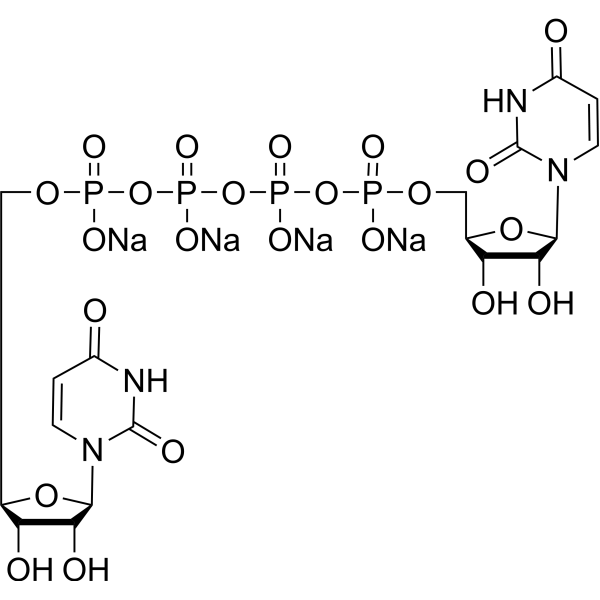
    Ap4C tetrasodium is a dinucleoside polyphosphate containing purine and pyrimidine base moieties. Ap4C tetrasodium acts as a signaling molecule by binding to specific P2Y receptors, activating P2Y2 and P2Y4 receptors in platelets, leading to platelet aggregation and other cellular responses. Ap4C tetrasodium can be used for research in inflammation and blood coagulation .
    Ap4C tetrasodium
  • HY-111064

    P2Y Receptor Cardiovascular Disease
    BX 667 is an orally active reversible P2Y(12) receptor antagonist. BX 667 attenuates thrombosis .
    BX 667
  • HY-108663

    5-Methoxyuridine 5'-trihydrogen diphosphate

    P2Y Receptor Neurological Disease Metabolic Disease
    5-OMe-UDP (5-methoxyuridine 5'-trihydrogen diphosphate) is a P2Y6 receptor agonist (EC50=0.08 μM). 5-OMe-UDP activates the P2Y6 receptor by binding to it, which triggers signaling pathways within the cell. This activation can lead to an increase in intracellular calcium ion concentration, which in turn regulates cellular function. The methoxy groups of 5-OMe-UDP provide additional activity and selectivity, contributing to the binding of 5-OMe-UDP to the P2Y6 receptor. 5-OMe-UDP can be used to study diseases related to P2Y6 receptor function, such as diabetes, inflammatory bowel disease, Alzheimer's disease, etc .
    5-OMe-UDP

Inquiry Online

Your information is safe with us. * Required Fields.

Salutation


Country or Region *

Applicant Name *


Organization Name *

Department *


Email Address *


Product Name *

Cat. No.


Requested quantity *

Phone Number *


Remarks

Inquiry Online

Inquiry Information

Product Name:
Cat. No.:
Quantity:
MCE Japan Authorized Agent:

