1. Search Result
Search Result
Results for "

PARP-1-IN-2

" in MedChemExpress (MCE) Product Catalog:

35

Inhibitors & Agonists

1

Isotope-Labeled Compounds

Cat. No. Product Name Target Research Areas Chemical Structure
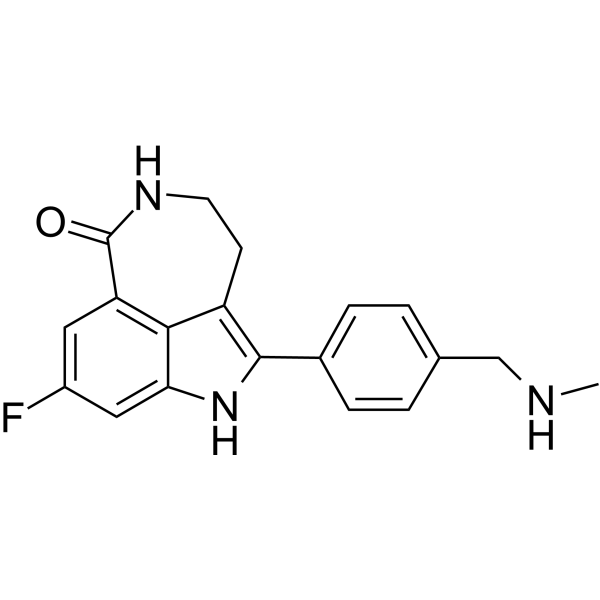
  • HY-10617A
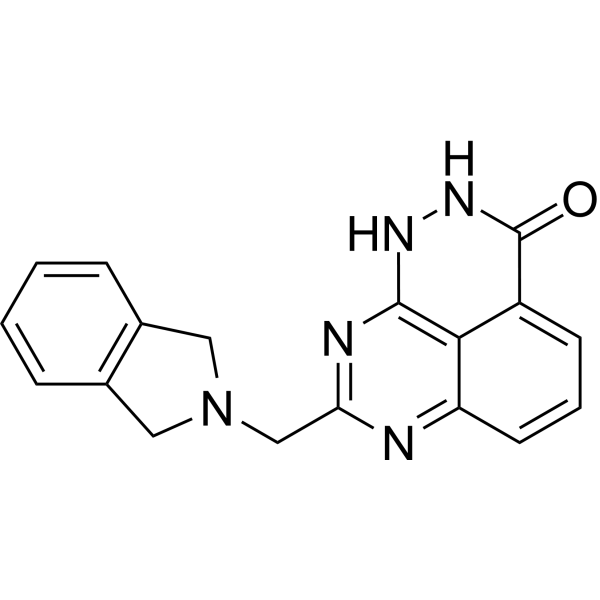
    Rucaparib
    Maximum Cited Publications
    47 Publications Verification

    AG014699; PF-01367338

    PARP Cancer
    Rucaparib (AG014699) is an orally active, potent inhibitor of PARP proteins (PARP-1, PARP-2 and PARP-3) with a Ki of 1.4 nM for PARP1. Rucaparib is a modest hexose-6-phosphate dehydrogenase (H6PD) inhibitor. Rucaparib has the potential for castration-resistant prostate cancer (CRPC) research .
    Rucaparib
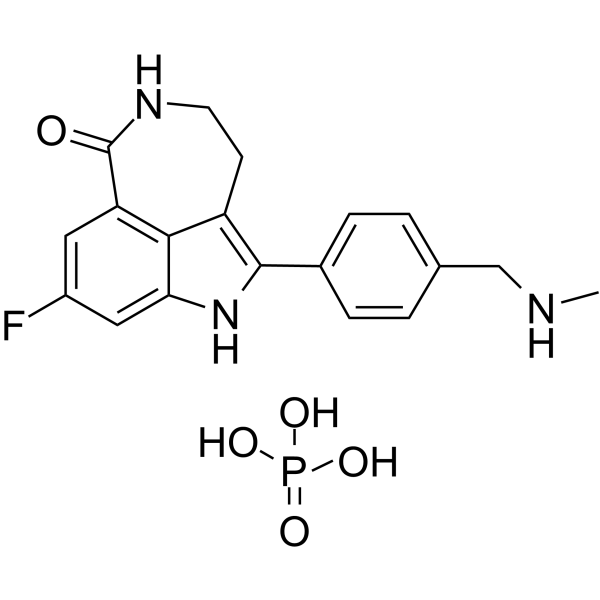
  • HY-10617
    Rucaparib phosphate
    45+ Cited Publications

    AG-014699 phosphate; PF-01367338 phosphate

    PARP Cancer
    Rucaparib (AG014699) phosphate is an orally active, potent inhibitor of PARP proteins (PARP-1, PARP-2 and PARP-3) with a Ki of 1.4 nM for PARP1. Rucaparib phosphate is a modest hexose-6-phosphate dehydrogenase (H6PD) inhibitor. Rucaparib phosphate has the potential for castration-resistant prostate cancer (CRPC) research .
    Rucaparib phosphate
  • HY-12418
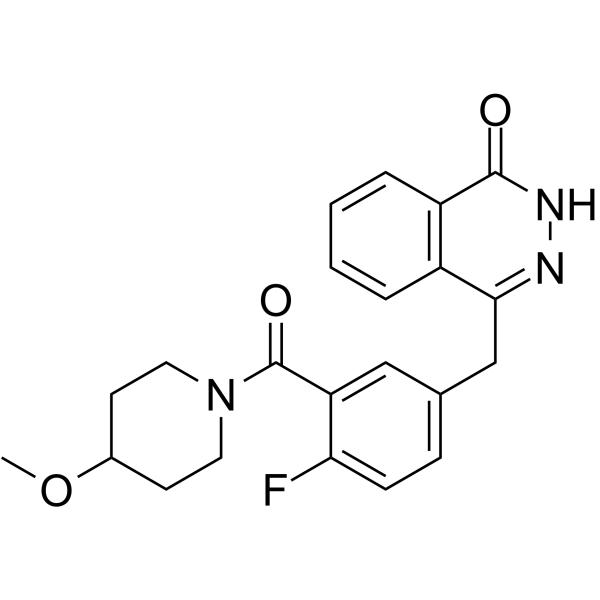
    Stenoparib
    2 Publications Verification

    E7449; 2X-121

    PARP Cancer
    Stenoparib (E7449) is a potent PARP1 and PARP2 inhibitor and also inhibits TNKS1 and TNKS2, with IC50s of 2.0, 1.0, ~50 and ~50 nM for PARP1, PARP2, TNKS1 and TNKS2, respectively, using 32P-NAD + as substrate.
    Stenoparib
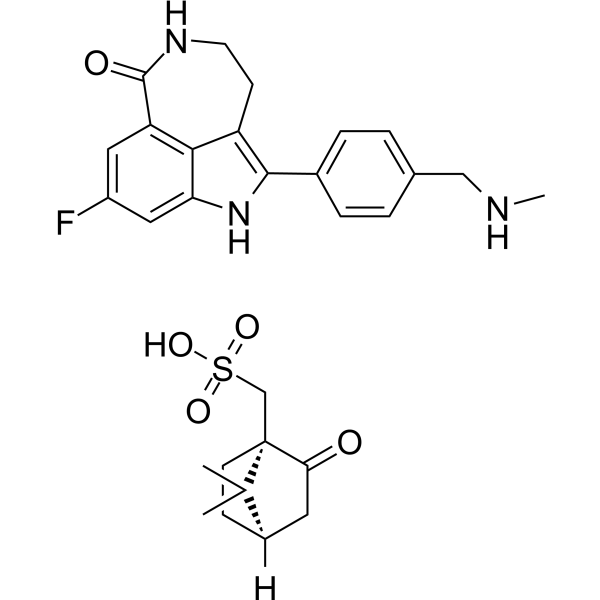
  • HY-102003
    Rucaparib monocamsylate
    35+ Cited Publications

    AG014699 monocamsylate; PF-01367338 monocamsylate

    PARP Cancer
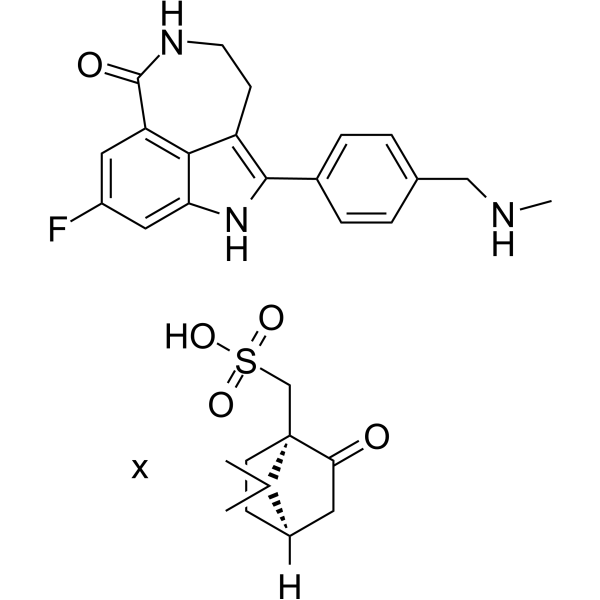
    Rucaparib (AG014699) monocamsylate is an orally active, potent inhibitor of PARP proteins (PARP-1, PARP-2 and PARP-3) with a Ki of 1.4 nM for PARP1. Rucaparib monocamsylate is a modest hexose-6-phosphate dehydrogenase (H6PD) inhibitor. Rucaparib monocamsylate has the potential for castration-resistant prostate cancer (CRPC) research .
    Rucaparib monocamsylate
  • HY-13536
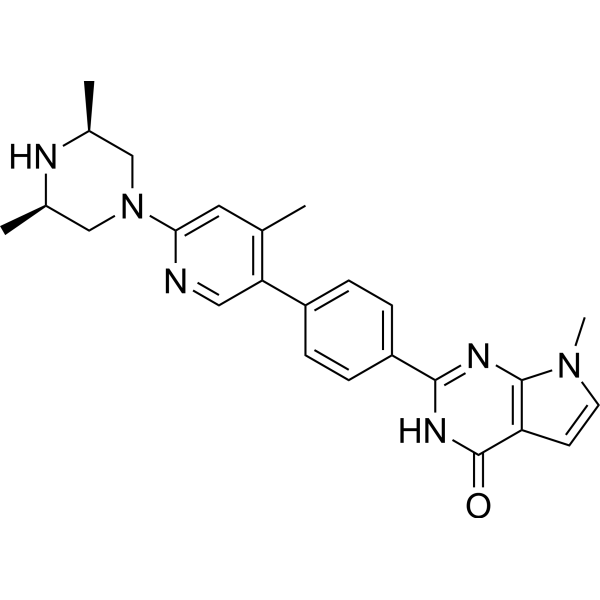
    AZD-2461
    5+ Cited Publications

    PARP Cancer
    AZD-2461 is a potent PARP inhibitor, with IC50s of 5 nM, 2 nM and 200 nM for PARP1, PARP2 and PARP3, respectively.
    AZD-2461
  • HY-12975
    AZ6102
    3 Publications Verification

    PARP Cancer
    AZ6102 is a potent dual TNKS1 and TNKS2 inhibitor, with IC50s of 3 nM and 1 nM, respectively, and alao has 100-fold selectivity against other PARP family enzymes, with IC50s of 2.0 μM, 0.5 μM, and >3 μM, for PARP1, PARP2, and PARP6, respectively.
    AZ6102
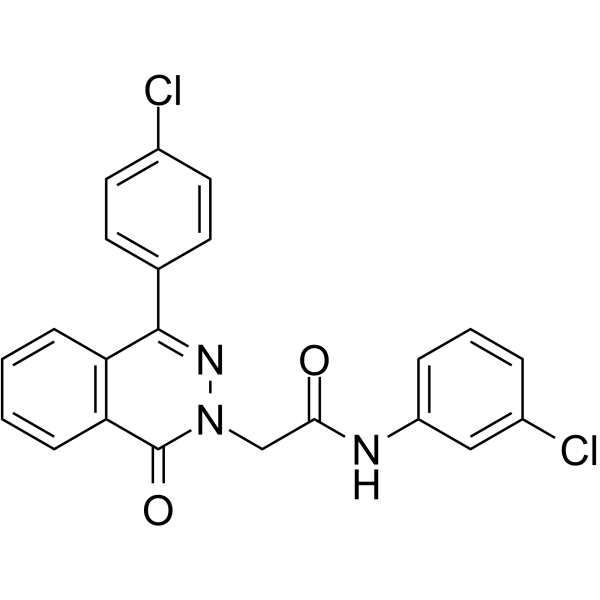
  • HY-147027

    PARP Caspase Apoptosis Neurological Disease Inflammation/Immunology Cancer
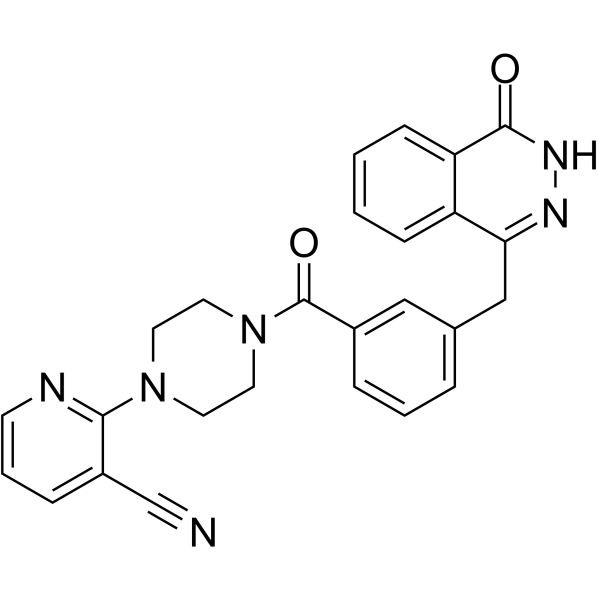
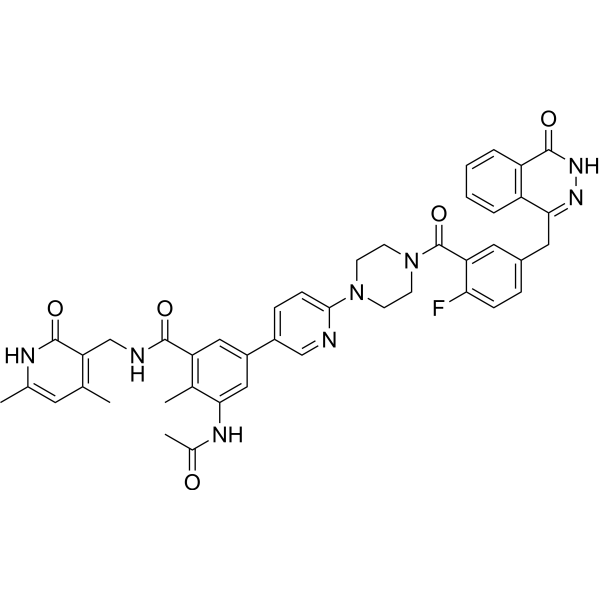
    PARP-1-IN-2 (compound 11g) is a potent PARP1 inhibitor, with an IC50 of 149 nM, and ADME prediction indicates it has high blood-brain barrier permeability. PARP1-IN-2 shows significantly potent anti-proliferative activity against Human lung adenocarcinoma epithelial cell line A549. PARP1-IN-2 can induce A549 cells apoptosis .
    PARP-1-IN-2
  • HY-119653

    PARP Cancer
    AZ9482 is a triple PARP1/2/6 inhibitor, with IC50 values of 1 nM, 1 nM and 640 nM for PARP1, PARP2 and PARP6, respectively .
    AZ9482
  • HY-146336

    PARP Apoptosis Cancer
    PARP1/2/TNKS1/2-IN-1 (Compound I-9) is a dual PARP-1, PARP-2, TNKS1 and TNKS2 inhibitor with IC50 values of 0.25 nM, 1.2 nM, 13.5 nM and 4.15 nM against PARP-1, PARP-2, TNKS1 and TNKS2, respectively. PARP1/2/TNKS1/2-IN-1 exhibits favorable synergistic antitumor efficacy and induces apoptosis .
    PARP1/2/TNKS1/2-IN-1
  • HY-102003A

    AG014699 camsylate; PF-01367338 camsylate

    PARP Cancer
    Rucaparib (AG014699) camsylate is an orally active, potent inhibitor of PARP proteins (PARP-1, PARP-2 and PARP-3) with a Ki of 1.4 nM for PARP1. Rucaparib camsylate is a modest hexose-6-phosphate dehydrogenase (H6PD) inhibitor. Rucaparib camsylate has the potential for castration-resistant prostate cancer (CRPC) research .
    Rucaparib camsylate
  • HY-133124

    PARP PI3K Apoptosis Cancer
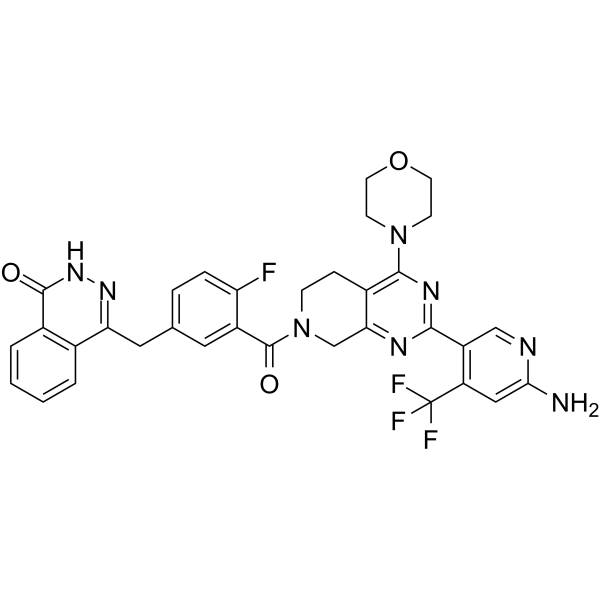
    PARP/PI3K-IN-1 (compound 15) is a potent PARP/PI3K inhibitor with pIC50 values of 8.22, 8.44, 8.25, 6.54, 8.13, 6.08 for PARP-1, PARP-2, PI3Kα, PI3Kβ, PI3Kδ, and PI3Kγ, respectively. PARP/PI3K-IN-1 is a highly effective anticancer compound targeted against a wide range of oncologic diseases .
    PARP/PI3K-IN-1
  • HY-179386

    PARP Histone Methyltransferase Apoptosis Pyroptosis Necroptosis Reactive Oxygen Species (ROS) PANoptosis Cancer
    PARP1/EZH2-IN-1 is a selective PARP1 and EZH2 dual inhibitor. PARP1/EZH2-IN-1 has IC50s of 28 nM, 414 nM and 74 nM for PARP1, PARP2 and EZH2, respectively. PARP1/EZH2-IN-1 inhibits the proliferation and migration of TNBC cells (triple-negative breast Cancer cells). PARP1/EZH2-IN-1 induces PANoptosis (Apoptosis, Pyroptosis and Necroptosis), increases the level of reactive oxygen species (ROS), and activates related inflammatory pathways. PARP1/EZH2-IN-1 can be used in triple-negative breast cancer research .
    PARP1/EZH2-IN-1
  • HY-170972

    Apoptosis PARP NAMPT Cancer
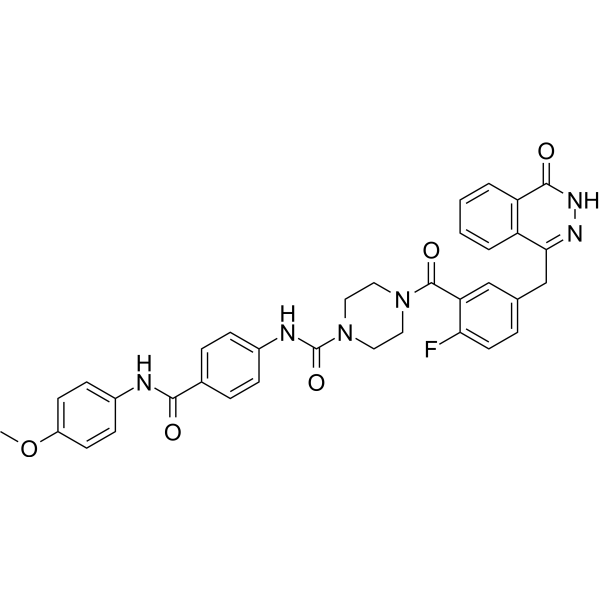
    PARP1/NAMPT-IN-2 (Compound 13j) is a dual PARP/NAMPT inhibitor with IC50 values of 0.8 nM and 18 nM for PARP1 and NAMPT, respectively. PARP1/NAMPT-IN-2 can inhibit the proliferation, migration and induce apoptosis of breast cancer cells. PARP1/NAMPT-IN-2 can be used for the research of triple-negative breast cancer .
    PARP1/NAMPT-IN-2
  • HY-164306

    PROTACs PARP Cancer
    PROTAC PARP1 degrader-2 (Compound 72) is a PROTAC degrader for PARP with a DC50<10 nM in MDA-MB-231 cell. PROTAC PARP1 degrader-2 inhibits the cell viability of MDA-MB-436 with an IC50 <100 nM. (Blue: ligand for target protein (HY-160937); Pink: ligand for E3 ligase (HY-W998262))
    PROTAC PARP1 degrader-2
  • HY-157490

    PARP HDAC Cancer
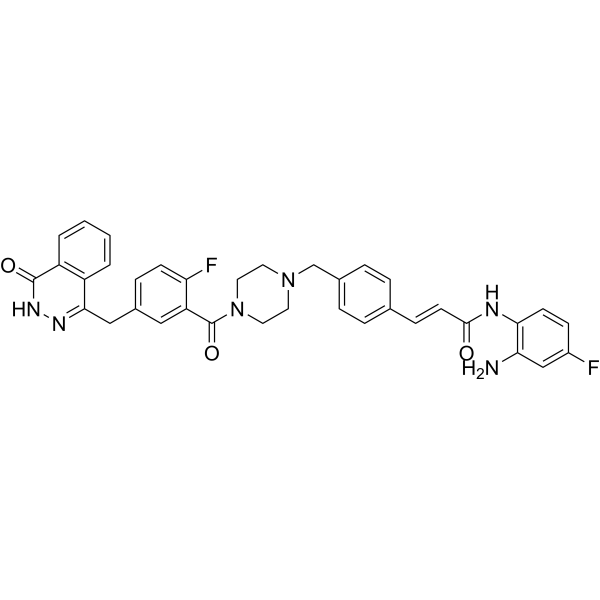
    PARP/HDAC-IN-1 (compound B102) is a potent dual inhibitor of PARP and HDAC. PARP/HDAC-IN-1 inhibits PARP1, PARP2 and HDAC1 with IC50s of 19.01, 2.13, 1690 nM, respectively .
    PARP/HDAC-IN-1
  • HY-169299

    PARP Topoisomerase Apoptosis Cancer
    TOPOI/PARP-1-IN-2 (compound 6c) is a dual PARP-1 and topoisomerase 1 (TOPO-1) inhibitor with IC50s of 32.2 nM and 46.2 nM, respectively. TOPOI/PARP-1-IN-2 shows a selectivity for PARP-1 over PARP-2. TOPOI/PARP-1-IN-2 disrupts the cell cycle at the S phase and induces apoptosis in NCI-60 cancer cell lines .
    TOPOI/PARP-1-IN-2
  • HY-10617B

    AG014699 hydrochloride; PF-01367338 hydrochloride

    PARP Cancer
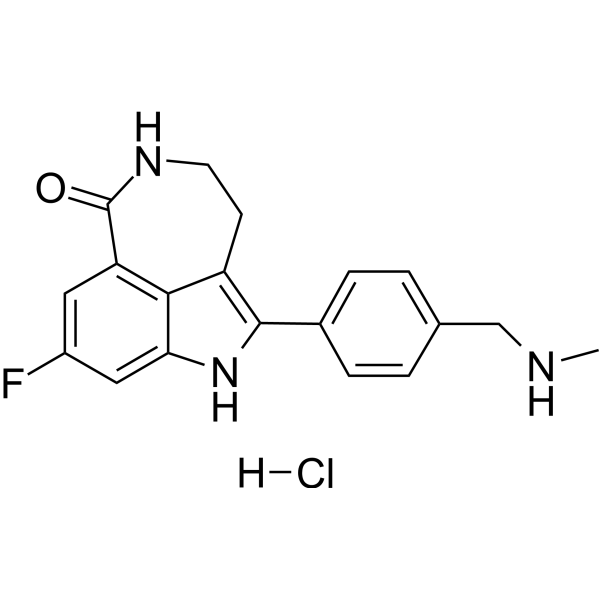
    Rucaparib (AG014699) hydrochloride is an orally active, potent inhibitor of PARP proteins (PARP-1, PARP-2 and PARP-3) with a Ki of 1.4 nM for PARP1. Rucaparib hydrochloride is a modest hexose-6-phosphate dehydrogenase (H6PD) inhibitor. Rucaparib hydrochloride has the potential for castration-resistant prostate cancer (CRPC) research .
    Rucaparib hydrochloride
  • HY-10617C

    AG-014699 tartrate; PF-01367338 tartrate

    PARP Cancer
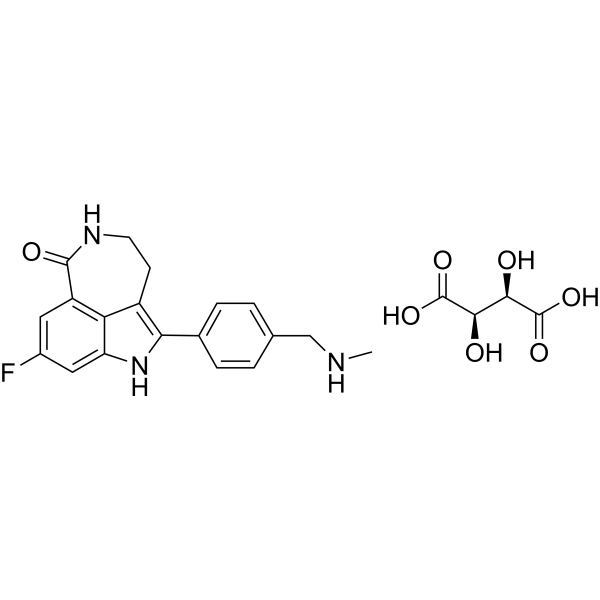
    Rucaparib (AG014699) tartrate is an orally active, potent inhibitor of PARP proteins (PARP-1, PARP-2 and PARP-3) with a Ki of 1.4 nM for PARP1. Rucaparib tartrate is a modest hexose-6-phosphate dehydrogenase (H6PD) inhibitor. Rucaparib tartrate has the potential for castration-resistant prostate cancer (CRPC) research .
    Rucaparib tartrate
  • HY-10617AR

    AG014699 (Standard); PF-01367338 (Standard)

    Reference Standards PARP Cancer
    Rucaparib (Standard) is the analytical standard of Rucaparib. This product is intended for research and analytical applications. Rucaparib (AG014699) is an orally active, potent inhibitor of PARP proteins (PARP-1, PARP-2 and PARP-3) with a Ki of 1.4 nM for PARP1. Rucaparib is a modest hexose-6-phosphate dehydrogenase (H6PD) inhibitor. Rucaparib has the potential for castration-resistant prostate cancer (CRPC) research .
    Rucaparib (Standard)
  • HY-100847

    PARP Cancer
    AZ0108 is an inhibitor for poly ADP-ribose polymerase (PARP), which inhibits PARP1, PARP2, PARP3, PARP6, TNKS1, TNKS2, with IC50s of <0.03, <0.03, 2.8, 0.083, 3.2, >3 μM, respectively. AZ0108 prevents centrosome clustering with an EC50 of 0.053 μM, and exhibits cytotoxicity in cell OCI-LY-19 with GI50 of 0.017 μM. AZ0108 exhibits good in vivo pharmacokinetic characters in rat/mouse models .
    AZ0108
  • HY-178348

    PARP c-Met/HGFR DNA/RNA Synthesis Cancer
    PARP1/c-Met-IN-2 is a highly potent, orally active, PARP1 (IC50 = 21.8 nM) and c-Met (IC50 = 30.2 nM) dual inhibitor. PARP1/c-Met-IN-2 can elevate the expression level of γH2AX, cause DNA damage. PARP1/c-Met-IN-2 exhibits remarkable anti-tumor efficacy in the Olaparib (HY-10162)-resistant HCT116 (HCT116OR) xenograft models. PARP1/c-Met-IN-2 can be used for the study of Colon Cancer .
    PARP1/c-Met-IN-2
  • HY-15050

    PARP Neurological Disease Inflammation/Immunology
    KCL-440 is a CNS-penetrated PARP inhibitor, with an IC50 of 68 nM. KCL-440 has strong inhibition of PARP-1 .
    KCL-440
  • HY-W998262

    E3 Ligase Ligand-Linker Conjugates Cancer
    Pomalidomide 5-piperidylamine is the conjugate of an E3 ligase ligand and a linker. Pomalidomide 5-piperidylamine can be used for synthesis of PROTAC PARP1 degrader-2 (HY-164306) .
    Pomalidomide 5-piperidylamine
  • HY-10617D

    AG014699 acetate; PF-01367338 acetate

    PARP Cancer
    Rucaparib (AG014699) acetate is an orally active, potent inhibitor of PARP proteins (PARP-1, PARP-2 and PARP-3) with a Ki of 1.4 nM for PARP1. Rucaparib acetate is a modest hexose-6-phosphate dehydrogenase (H6PD) inhibitor. Rucaparib acetate has the potential for castration-resistant prostate cancer (CRPC) research .
    Rucaparib acetate
  • HY-168851

    PARP Cancer
    PARP1-IN-35 (compound T26) is a selective, orally active, cross -the blood-brain barrierPARP1 inhibitor with IC50 values of 0.2, 122 nM for PARP1, PARP2, respectively. PARP1-IN-35 shows antiproliferative activity and anticancer activity. PARP1-IN-35 has the potential for the research of breast cancer .
    PARP1-IN-35
  • HY-157320

    Microtubule/Tubulin Apoptosis Cancer
    Tubulin/PARP-IN-2 (compound 14) is a dual PARP-Tubulin inhibitor. Tubulin/PARP-IN-2 inhibits PARP1, PARP2, and tubulin activity with IC50 values of 74 nM, 109 nM, and 1.4 µM, respectively. Tubulin/PARP-IN-2 induces apoptosis as well as autophagy. Tubulin/PARP-IN-2 causes cell cycle arrest at the G2/M phase .
    Tubulin/PARP-IN-2
  • HY-10617R

    AG-014699 phosphate (Standard); PF-01367338 phosphate (Standard)

    Reference Standards PARP Cancer
    Rucaparib (phosphate) (Standard) is the analytical standard of Rucaparib (phosphate). This product is intended for research and analytical applications. Rucaparib (AG014699) phosphate is an orally active, potent inhibitor of PARP proteins (PARP-1, PARP-2 and PARP-3) with a Ki of 1.4 nM for PARP1. Rucaparib phosphate is a modest hexose-6-phosphate dehydrogenase (H6PD) inhibitor. Rucaparib phosphate has the potential for castration-resistant prostate cancer (CRPC) research .
    Rucaparib phosphate (Standard)
  • HY-176713

    PARP CDK Wnt β-catenin Apoptosis Cancer
    KWZY-11 (Compound 11) is a potent PARP/CDK6 dual inhibitor with IC50 values of 156.8, 197.3, and 13.3 nM for PARP1, PARP2, and CDK6, respectively. KWZY-11 inhibits tumor cell proliferation by regulating the Wnt/β-catenin signaling pathway. KWZY-11 induces excessive DNA damage and apoptosis in MDA-MB-231 breast cancer cells .
    KWZY-11
  • HY-10617AS

    AG014699-d8 ; PF-01367338-d8

    Isotope-Labeled Compounds PARP Cancer
    Rucaparib-d8 (AG014699-d8 ) is deuterium labeled Rucaparib. Rucaparib (AG014699) is an orally active, potent inhibitor of PARP proteins (PARP-1, PARP-2 and PARP-3) with a Ki of 1.4 nM for PARP1. Rucaparib is a modest hexose-6-phosphate dehydrogenase (H6PD) inhibitor. Rucaparib has the potential for castration-resistant prostate cancer (CRPC) research .
    Rucaparib-d8
  • HY-179020

    PARP VEGFR DNA/RNA Synthesis Apoptosis Autophagy Cancer
    PARP/VEGFR3-IN-1 (Compound 18) is a dual PARP-VEGFR3 target inhibitor. Its IC50 values for PARP1, PARP2, and VEGFR3 are 0.0763, 0.0366, and 4.25 nM respectively. PARP/VEGFR3-IN-1 has no inhibitory effect on VEGFR1/2 and shows subtype selectivity. PARP/VEGFR3-IN-1 exhibits significant anti-proliferative activity in various cancer cells (leukemia, lung cancer, and triple-negative breast cancer). PARP/VEGFR3-IN-1 induces DNA damage and cell cycle arrest. PARP/VEGFR3-IN-1 triggers various forms of cell death by inducing apoptosis and autophagy. PARP/VEGFR3-IN-1 can be formulated into nanodelivery systems, significantly enhancing tumor targeting and therapeutic window .
    PARP/VEGFR3-IN-1
  • HY-183765

    PARP Pyruvate Kinase Cancer
    PARP1/PKM2-IN-1 is a dual PARP1/PKM2 inhibitor, with an IC50 of 39.5 nM against PARP1, and IC50 values of 261 nM (recombinant PKM2) and 50 nM (dimeric PKM2) against PKM2. PARP1/PKM2-IN-1 reduces the dimerization of PKM2 and decreases its nuclear accumulation level. PARP1/PKM2-IN-1 also selectively downregulates PKM2 mRNA and impairs poly (ADP-ribose)-mediated nuclear retention of PKM2. PARP1/PKM2-IN-1 exhibits antiproliferative activity and inhibits the formation of 3D cancer spheroids. PARP1/PKM2-IN-1 can be used in research related to mammary adenocarcinoma, triple-negative breast cancer, BRCA1-mutant triple-negative breast cancer, and prostate adenocarcinoma .
    PARP1/PKM2-IN-1
  • HY-181460

    HyT PARP Cancer
    PARP1 degrader-2 (Compound 11e) is a potent, selective PARP1 HYT degrader (DC50: 2.16 μM). PARP1 degrader-2 selectively binds to and degrades PARP1 but not PARP2. PARP1 degrader-2 mediates the degradation of PARP1 via the ubiquitin-proteasome system (UPS). PARP1 degrader-2 exhibits anticancer activity against triple-negative breast cancer and colon cancer (hydrophobic tag: (HY-W022007); PARP1 ligand: (HY-75706); Linker: (HY-W015300)) .
    PARP1 degrader-2
  • HY-W022007

    JBP

    Ligands for E3 Ligase Others
    5-Norbornene-2-methylamine (JBP) is a hydrophobic tag. 5-Norbornene-2-methylamine can be used for the synthesis of HyT degraders, such as PARP1 degrader-2 (HY-181460) .
    5-Norbornene-2-methylamine
  • HY-181068

    PARP Apoptosis Microtubule/Tubulin Cancer
    2'-Nitroflavone is a PARP1 inhibitor. 2'-Nitroflavone inhibits the proliferation, induces cell cycle arrest and apoptosis of triple-negative breast cancer cells. 2'-Nitroflavone also inhibits the migration of triple-negative breast cancer cells and endothelial cells. 2'-Nitroflavone exhibits antitumor activity and can be used in the research of tumors such as triple-negative breast cancer .
    2'-Nitroflavone
  • HY-102003R

    AG014699 monocamsylate (Standard); PF-01367338 monocamsylate (Standard)

    Reference Standards PARP Cancer
    Rucaparib monocamsylate (Standard) is the analytical standard of Rucaparib monocamsylate (HY-102003). This product is intended for research and analytical applications. Rucaparib (AG014699) monocamsylate is an orally active, potent inhibitor of PARP proteins (PARP-1, PARP-2 and PARP-3) with a Ki of 1.4 nM for PARP1. Rucaparib monocamsylate is a modest hexose-6-phosphate dehydrogenase (H6PD) inhibitor. Rucaparib monocamsylate has the potential for castration-resistant prostate cancer (CRPC) research .
    Rucaparib monocamsylate (Standard)

Inquiry Online

Your information is safe with us. * Required Fields.

Salutation


Country or Region *

Applicant Name *


Organization Name *

Department *


Email Address *


Product Name *

Cat. No.


Requested quantity *

Phone Number *


Remarks

Inquiry Online

Inquiry Information

Product Name:
Cat. No.:
Quantity:
MCE Japan Authorized Agent:

