1. Search Result
Search Result
Results for "

PGE2 receptor

" in MedChemExpress (MCE) Product Catalog:

37

Inhibitors & Agonists

4

Natural
Products

1

Recombinant Proteins

3

Isotope-Labeled Compounds

1

Antibodies

Targets Recommended:
Cat. No. Product Name Target Research Areas Chemical Structure
  • HY-B0084
    Dienogest
    2 Publications Verification

    STS 557

    Progesterone Receptor Endocrinology
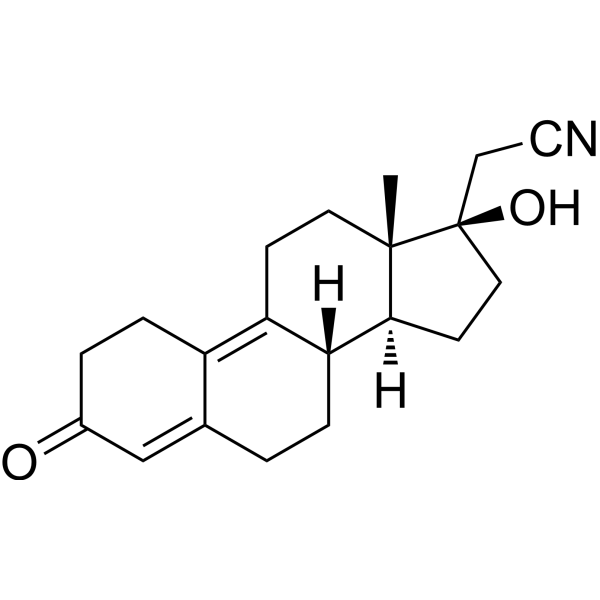
    Dienogest (STS-557) is an orally active and selective progesterone receptor agonist that effectively reduces the gene expression of COX-2, mPGES-1 and aromatase. Dienogest also inhibits the mRNA and protein expression of PGE2 synthase and the activation of NF-κB. Dienogest can be used in studies of endometriosis, menopause and menorrhagia .
    Dienogest
  • HY-16781
    Grapiprant
    4 Publications Verification

    CJ-023423; RQ-00000007; AAT-007

    Prostaglandin Receptor Metabolic Disease Endocrinology Cancer
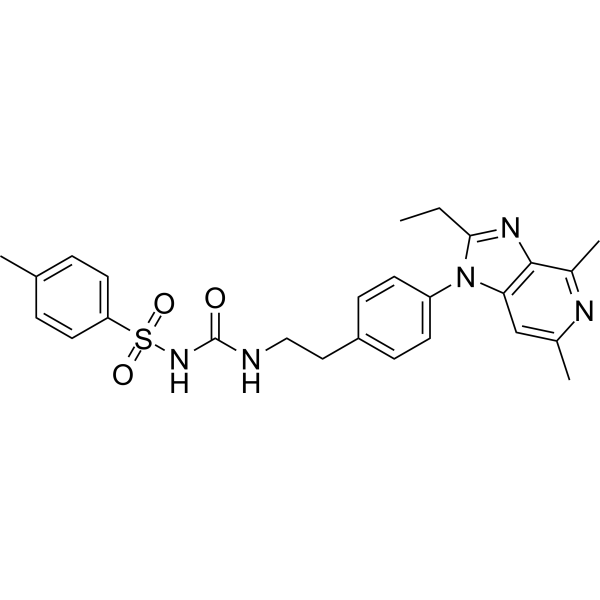
    Grapiprant (CJ-023423) is a selective EP4 receptor antagonist whose physiological ligand is prostaglandin E2 (PGE2). Grapiprant displaces [ 3H]-PGE2 (1 nM) binding to dog recombinant EP4 receptor with IC50 value of 35 nM and Ki value of 24 nM. Grapiprant has the potential for osteoarthritic pain and inflammation treatment [3] .
    Grapiprant
  • HY-N2392
    Kukoamine A
    1 Publications Verification

    Parasite Lipoxygenase Opioid Receptor Apoptosis Autophagy Reactive Oxygen Species (ROS) Interleukin Related TNF Receptor PGE synthase COX Infection Neurological Disease Metabolic Disease Inflammation/Immunology Cancer
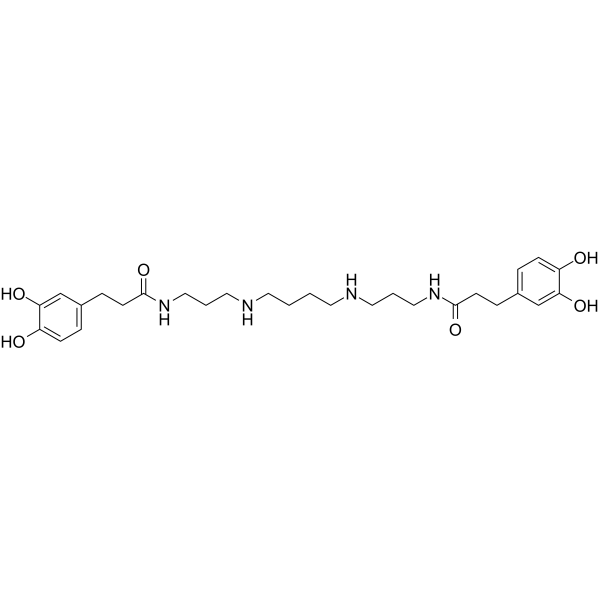
    Kukoamine A, a spermine alkaloid, is an orally active and brain-penetrant component found in the root barks of Lycium chinense (L. chinense) Miller. Kukoamine A inhibits purified Crithidia fasciculata trypanothione reductase and soybean lipoxygenase, activates μ-opioid receptor. Kukoamine A can inhibt cancer cell proliferation, migration and invasion, cause G0/G1 phase cell cycle arrest and induce apoptosis. Kukoamine A exerts neuroprotective effect and can induce autophagy . Kukoamine A inhibits LPS (HY-D1056)-induced NO, ROS, PGE2, TNF-α, IL-1β, IL-6 production and COX-2 activity. Kukoamine A reverses palmitic acid-induced insulin resistance, lipid accumulation, and oxidative stress via downregulation of Srebp-1c. Kukoamine A can be used for the research of cancer, infection, inflammation, metabolic and neurological disease, such as glioblastoma and Parkinson's disease .
    Kukoamine A
  • HY-108559
    L-161982
    1 Publications Verification

    Prostaglandin Receptor Inflammation/Immunology
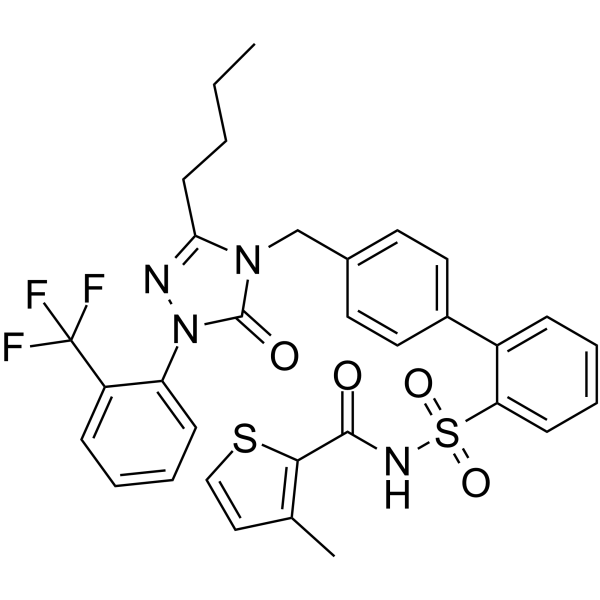
    L-161982 is a selective EP4 receptor antagonist. L-161982 completely blocks PGE2-induced ERK phosphorylation and cell proliferation of HCA-7 cells. L-161982 alleviates collagen-induced arthritis in mice .
    L-161982
  • HY-156131
    Loperamide
    Maximum Cited Publications
    12 Publications Verification

    ADL 2-1294

    Opioid Receptor Neurological Disease Inflammation/Immunology
    Loperamide (ADL 2-1294) is selective and orally active μ opioid receptor agonist with Ki valuess of 3, 48 and 1156 nM against μ, δ and κ opioid receptor, respectively. Loperamide produces antinociception and antihyperalgesia. Loperamide exhibits peripheral selectivity, enhancing fluid, electrolyte, and glucose absorption, reversing PGE2 (HY-101952)- and Cholera toxin (HY-P1446)-induced intestinal secretion, and reducing intestinal motility. Loperamide can be used for the researches of inflammatory pain and protracted diarrhoea .
    Loperamide
  • HY-10835
    DG-041
    3 Publications Verification

    Prostaglandin Receptor Cardiovascular Disease
    DG-041 is a potent, high affinity and selective EP3 receptor antagonist with IC50s of 4.6 nM and 8.1 nM in the binding and FLIPR assay, respectively. DG-041 inhibits PGE2 facilitation of platelet aggregation. DG-041 crosses the blood-brain barrier .
    DG-041
  • HY-113205

    15-keto-PGE2

    Endogenous Metabolite Prostaglandin Receptor STAT PPAR Fungal Drug Metabolite Cardiovascular Disease Infection Endocrinology Cancer
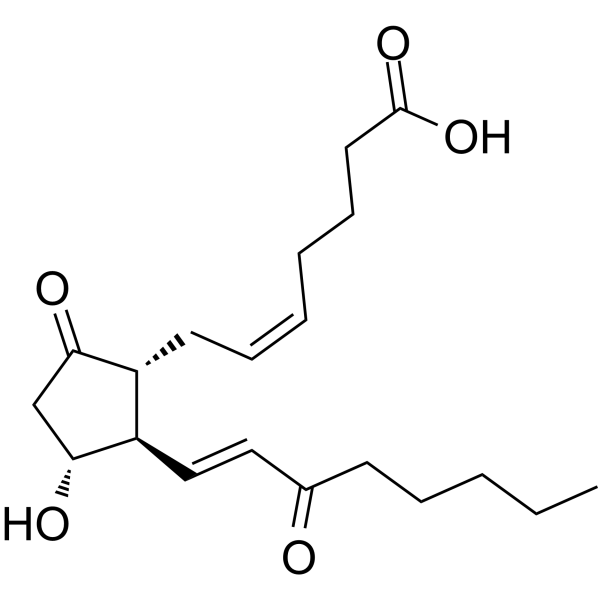
    15-keto-Prostaglandin E2 (15-keto-PGE2) is an endogenous PGE2 metabolite. 15-keto-Prostaglandin E2 inhibits STAT3 activation by binding to the Cys259 residue of STAT3. 15-keto-Prostaglandin E2 binds to and stabilizes EP2 and EP4 receptors. 15-keto-Prostaglandin E2 inhibits the growth and progression of breast cancer cells. 15-keto-Prostaglandin E2 activates PPAR-γ and promotes fungal growth. 15-keto-Prostaglandin E2 disrupts glomerular vascularization during zebrafish development and reduces the surface area of the glomerular filtration barrier .
    15-keto-Prostaglandin E2
  • HY-19360

    SHB 286; CP-34089; ZK-57671

    Prostaglandin Receptor Cardiovascular Disease Inflammation/Immunology
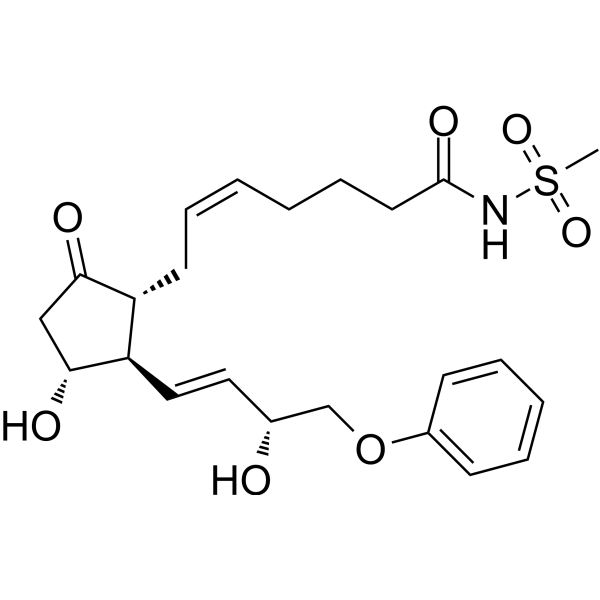
    Sulprostone (SHB 286) is a potent and selective EP3 receptor agonist. Sulprostone (SHB 286) is a prostaglandin E2 (PGE2) analogue and has antiulcer and nonsteroidal abortifacient effects. Sulprostone has potential for the research of pregnancy termination and hemorrhages during delivery .
    Sulprostone
  • HY-128039

    Prostaglandin Receptor Others
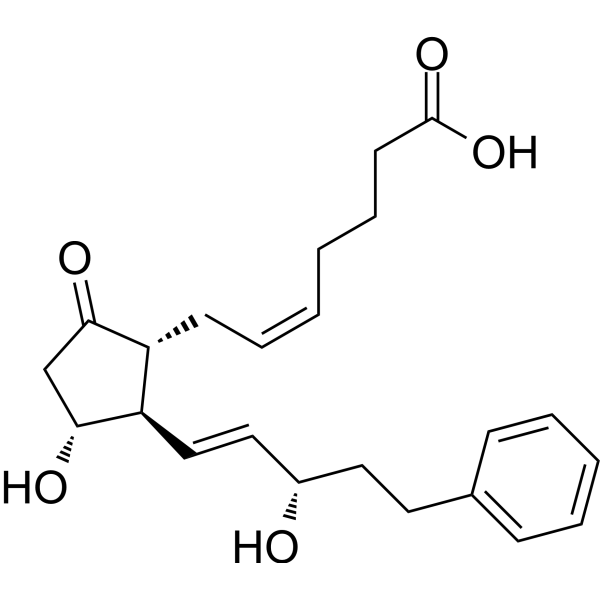
    17-Phenyl-ω-trinor-PGE2 is a PGE2 (HY-101952) analog, which is an agonist for EP1 and EP3 receptor. 17-Phenyl-ω-trinor-PGE2 inhibits the PAF-induced aggregation of human platelet-rich plasma (PRP) and Cicaprost (HY-19583) induced Cyclic AMP (HY-B1511) production .
    17-Phenyl-ω-trinor-PGE2
  • HY-153129

    Prostaglandin Receptor Endocrinology
    EP2 receptor antagonist-2 (CID891729) is an antagonist of EP2 receptor. EP2 receptor antagonist-2 inhibits the EP2 receptor activation induced by PGE2. EP2 receptor antagonist-2 also suppresses lactate dehydrogenase (LDH) release induced by N-methyl-D-aspartate (NMDA) .
    EP2 receptor antagonist-2
  • HY-108562

    Prostaglandin Receptor Neurological Disease
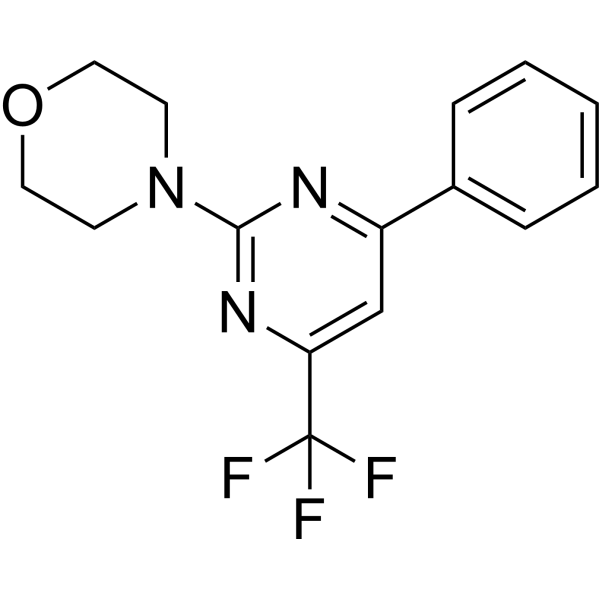
    SC-51322 is a potent and selective antagonist of prostaglandin E2 (PGE2) receptor (EP 1), with a pA2 of 8.1. SC-51322 has the pain-relieving effect .
    SC-51322
  • HY-N4267

    Calcium Channel Platelet-activating Factor Receptor (PAFR) UGT Leukotriene Receptor TNF Receptor PGE synthase Interleukin Related Cardiovascular Disease Infection Inflammation/Immunology
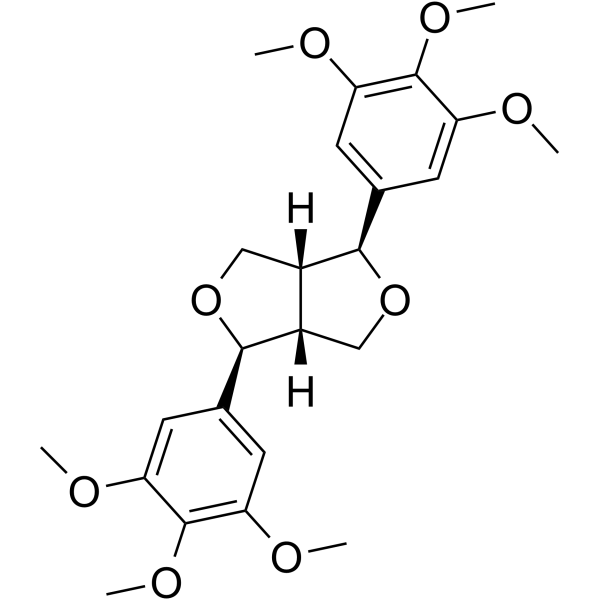
    Yangambin is a PAF receptor antagonist and UGT1A1/UGT1A3 inhibitor, with an IC50 of 29.7 μM and a Ki of 17.1 μM against human UGT1A1, and an IC50 of 56.5 μM and a Ki of 66.8 μM against human UGT1A3. Yangambin blocks PAF-mediated responses, inhibits LTB4-mediated neutrophil infiltration, and suppresses inflammatory events and anaphylactic contraction. Yangambin acts as a central nervous system inhibitor to reduce spontaneous activity, and also exhibits analgesic, anticonvulsant, antileishmanial, vasodilatory and hypotensive effects. Yangambin blocks voltage-gated Ca 2+ channels, reduces the production of NO, TNF-α, IL-6 and PGE2 in cells, increases the production of IL-10, and exerts a protective effect against cardiovascular injury. Yangambin can be used in research related to allergies, cutaneous leishmaniasis, central nervous system diseases and cardiovascular diseases .
    Yangambin
  • HY-169859

    Prostaglandin Receptor Interleukin Related Inflammation/Immunology Cancer
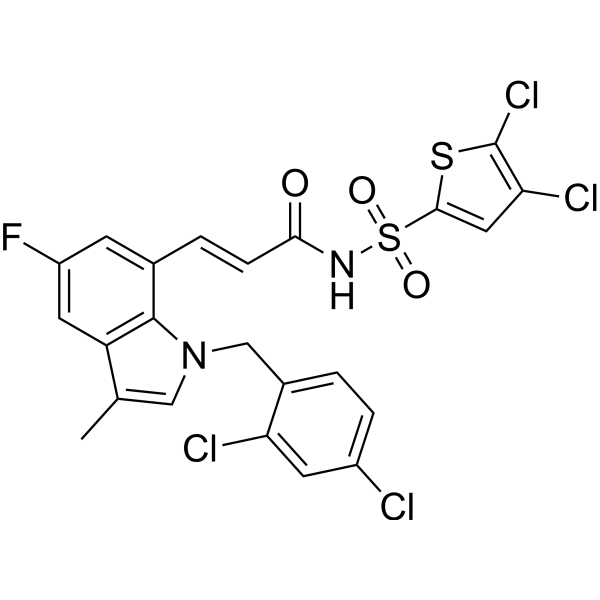
    EP4 receptor antagonist 7 (Compound 14) is an antagonist of the prostaglandin E2 (PGE2) receptor subtype EP4 with an IC50 value of 1.1 nM. EP4 receptor antagonist 7 inhibits PGE2-induced β-arrestin recruitment in HEK293 cells with an IC50 value of 0.9 nM. EP4 receptor antagonist 7 decreases PGE2-induced expression of mRNA encoding IL-4, macrophage mannose receptor 1 (Mrc1), chitinase-like protein 3 (Chil3), chemokine (C-X-C) motif ligand 1 (Cxcl1), triggering receptor expressed on myeloid cells 2 (Trem2), and arginase-1 (Arg1), in RAW 264.7 macrophages. EP4 receptor antagonist 7 combined with an anti-PD-1 antibody inhibits tumor growth and increases infiltration of CD 8+ T cells into tumors in a CT26 murine colon cancer model .
    EP4 receptor antagonist 7
  • HY-106054

    Prostaglandin Receptor Metabolic Disease Inflammation/Immunology
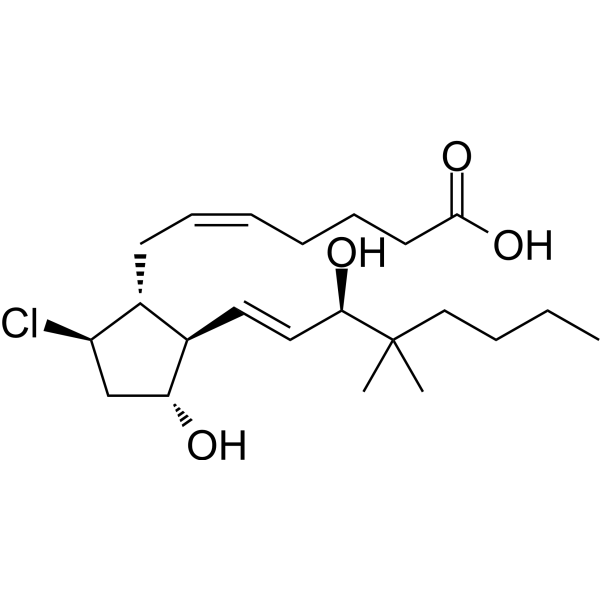
    Nocloprost, a prostaglandin E2 (PGE2) analog, is an orally active EP1- and EP3-receptor agonist. Nocloprost inhibits evoked [ 3H]ACh release. Nocloprost has gastroprotective and ulcer-healing properties. Nocloprost accelerates the healing of chronic gastric ulcerations and enhances mucosal growth in rats .
    Nocloprost
  • HY-B0084R

    STS 557 (Standard)

    Reference Standards Progesterone Receptor Endocrinology
    Dienogest (Standard) is the analytical standard of Dienogest. This product is intended for research and analytical applications. Dienogest (STS-557) is an orally active and selective progesterone receptor agonist that effectively reduces the gene expression of COX-2, mPGES-1 and aromatase. Dienogest also inhibits the mRNA and protein expression of PGE2 synthase and the activation of NF-κB. Dienogest can be used in studies of endometriosis, menopause and menorrhagia .
    Dienogest (Standard)
  • HY-116099

    Prostaglandin Receptor Inflammation/Immunology
    ER-819762 is an orally active, highly selective prostaglandin E2 (PGE2) EP4 receptor antagonist with an EC50 of 70 nM against human EP4 receptor. ER-819762 can be used for rheumatoid arthritis research .
    ER-819762
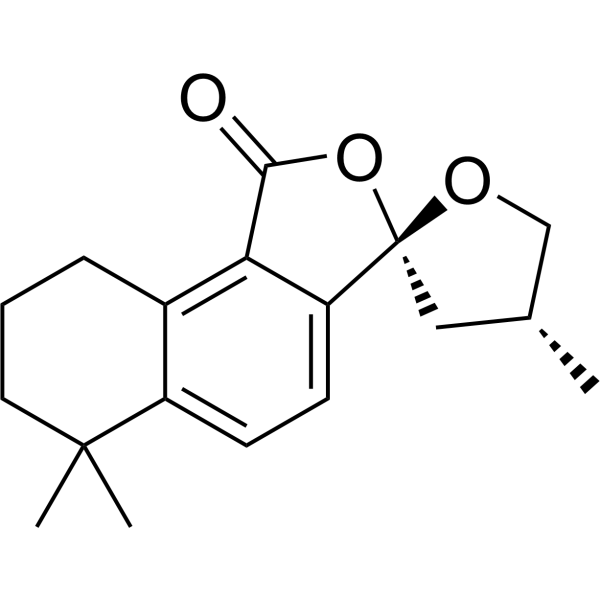
  • HY-N7748A

    Estrogen Receptor/ERR Prostaglandin Receptor Inflammation/Immunology Endocrinology
    Epi-cryptoacetalide is a natural diterpenoid. Epi-cryptoacetalide reveals high affinity to ER-α and PGE2 receptor (EP2 subtype) with Ki values of 0.3 μM and 1.92 μM, respectively. Epi-cryptoacetalide has anti-endometriosis activities .
    Epi-cryptoacetalide
  • HY-124209

    Prostaglandin Receptor Endocrinology
    9-keto Fluprostenol is an analog of prostaglandin E2 (PGE2) with structural modifications intended to give it a prolonged half-life and greater potency. Fluprostenol is a well-studied, potent analog of PGF2α and acts primarily through the FP receptor. Oxidation at C-9 of fluprostenol yields 9-keto fluprostenol. It is anticipated that this analog will have strong affinity for EP receptors and act as a PGE2 agonist.
    9-keto Fluprostenol
  • HY-136696

    Prostaglandin Receptor Metabolic Disease
    11-Deoxy-16,16-dimethyl-PGE2, a Prostaglandin E2 analog, is a EP2 and EP3 receptors agonist. 11-Deoxy-16,16-dimethyl-PGE2 protects proximal renal tubular epithelial cells from potent nephrotoxicity-induced cell damage by exerting anti-oxidative stress .
    11-Deoxy-16,16-dimethyl-PGE2
  • HY-16781R

    CJ-023423 (Standard); RQ-00000007 (Standard); AAT-007 (Standard)

    Prostaglandin Receptor Reference Standards Metabolic Disease Endocrinology Cancer
    Grapiprant (Standard) is the analytical standard of Grapiprant. This product is intended for research and analytical applications. Grapiprant (CJ-023423) is a selective EP4 receptor antagonist whose physiological ligand is prostaglandin E2 (PGE2). Grapiprant displaces [3H]-PGE2 (1 nM) binding to dog recombinant EP4 receptor with IC50 value of 35 nM and Ki value of 24 nM. Grapiprant has the potential for osteoarthritic pain and inflammation treatment .
    Grapiprant (Standard)
  • HY-112446

    Others Inflammation/Immunology
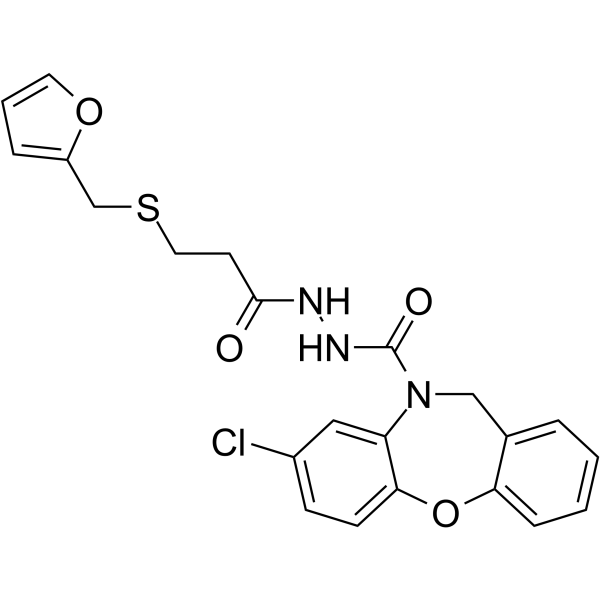
    ST638 is a potent tyrosine kinase inhibitor (IC50=370 nM). ST638 also targets the CSF-1 receptor and inhibits PGE2 production .
    ST638
  • HY-157495

    Prostaglandin Receptor Endocrinology
    EP3 antagonist 6 (compound 5) is a potent, orally and selective EP3 receptor antagonist, with an IC50 of 1.9 nM. EP3 antagonist 6 can inhibits PGE2-induced (HY-101952) uterine contraction in pregnant rats .
    EP3 antagonist 6
  • HY-159997

    Sigma Receptor Neurological Disease
    AD353 is a selective sigma-1 receptor ligand with antiallodynic activity. AD353 exhibits high potency both in a model of Capsaicin (HY-10448)-induced allodynia and in PGE2-induced mechanical hyperalgesia. AD353 exhibits a favorable pharmacokinetic profile .
    AD353
  • HY-106699

    CG 4203 sodium

    Prostaglandin Receptor nAChR Cardiovascular Disease
    Taprostene sodium is a partial agonist at prostanoid prostacyclin (IP) receptors. Taprostene sodium interacts additively with Prostaglandin E2 (PGE2) (HY-101952), ONO-AE1-259 (selective EP2 agonist), and acetylcholine. Taprostene sodium exerts a significant cardioprotection .
    Taprostene sodium
  • HY-138868

    17-Phenyl trinor PGE2 ethyl amide

    Prostaglandin Receptor Metabolic Disease
    17-Phenyl trinor prostaglandin E2 ethyl amide (17-Phenyl trinor PGE2 ethyl amide) is a EP1 receptor agonist. 17-Phenyl trinor prostaglandin E2 ethyl amide aggravates renal dysfunction and glomerulosclerosis .
    17-Phenyl trinor prostaglandin E2 ethyl amide
  • HY-139120

    19(R)-Hydroxy PGE2; 19(R)-OH PGE2

    Prostaglandin Receptor Metabolic Disease
    19(R)-hydroxy Prostaglandin E2 (19(R)-hydroxy PGE2) is found in the semen of primates, including man. It is a potent smooth muscle relaxant and a selective agonist for the EP2 receptor. It has an EC50 value of 200 nM for relaxing cat tracheal rings which express EP2 receptors.
    19(R)-hydroxy Prostaglandin E2
  • HY-158659

    Prostaglandin Receptor Neurological Disease Inflammation/Immunology
    TG11-77 hydrochloride is a potent, selective, orally active and brain permeant EP2 antagonist, with a KB of 9.7 nM. TG11-77 hydrochloride inhibits PGE2-induced human EP2 receptor activation. TG11-77 hydrochloride exhibits anti-inflammatory activity. TG11-77 hydrochloride reduces delayed mortality and memory deficit .
    TG11-77 hydrochloride
  • HY-108559R

    Prostaglandin Receptor Inflammation/Immunology
    L-161982 (Standard) is the analytical standard of L-161982. This product is intended for research and analytical applications. L-161982 is a selective EP4 receptor antagonist. L-161982 completely blocks PGE2-induced ERK phosphorylation and cell proliferation of HCA-7 cells. L-161982 alleviates collagen-induced arthritis in mice .
    L-161982 (Standard)
  • HY-163651

    (R)-CR6086

    Prostaglandin Receptor Inflammation/Immunology
    (R)-Vorbipiprant ((R)-CR6086) is an orally active antagonist for prostaglandin E2 receptor 4 (EP4) with Ki of 16.6 nM for human EP4. (R)-Vorbipiprant inhibits PGE2 (HY-101952)-induced cAMP production with an IC50 of 22 nM. (R)-Vorbipiprant exhibits immunomodulatory and anti-angiogenic activities, and ameliorates the collagen-induced arthritis in mice .
    (R)-Vorbipiprant
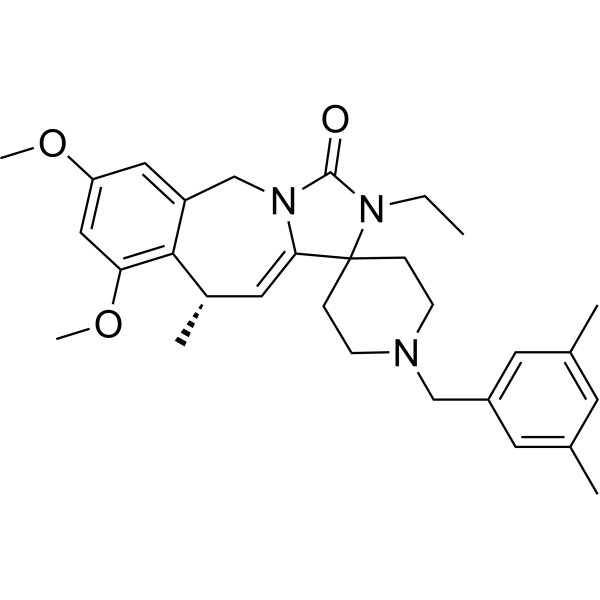
  • HY-105449A

    KB 6806 maleate

    5-HT Receptor Cardiovascular Disease
    KB R6933 (KB 6806 maleate) is a potent, selective and orally active 5-HT3 receptor antagonist. KB R6933 can inhibit the diarrhea induced by 5-HT (HY-B1473A), but not that by Castor Oil (HY-107799) or prostaglandin E2 (PGE2) (HY-101952). KB R6933 can inhibit 5-HT-induced bradycardia .
    KB R6933
  • HY-114826S

    PGE2-1-glyceyl ester-d5

    Isotope-Labeled Compounds Cannabinoid Receptor Metabolic Disease Cancer
    Prostaglandin E2-1-glyceryl ester-d5 (PGE2-1-glyceyl ester-d5) is deuterium labeled Prostaglandin E2-1-glyceryl ester. Prostaglandin E2-1-glyceryl ester, a Prostaglandin Glycerol Ester, is an endocannabinoid ligand for the CB1 receptor. Prostaglandin E2-1-glyceryl ester induces rapid, transient elevation of intracellular free Ca 2+ .
    Prostaglandin E2-1-glyceryl ester-d5
  • HY-B0084S4

    STS 557-13C,15N,d4

    Isotope-Labeled Compounds Progesterone Receptor Endocrinology
    Dienogest-13C,15N,d4 (STS 557-13C,15N,d4) is the 13C, 15N and deuterium labeled isotope of Dienogest (HY-B0084). Dienogest (STS-557) is an orally active and selective progesterone receptor agonist that effectively reduces the gene expression of COX-2, mPGES-1 and aromatase. Dienogest also inhibits the mRNA and protein expression of PGE2 synthase and the activation of NF-κB. Dienogest can be used in studies of endometriosis, menopause and menorrhagia .
    Dienogest-13C,15N,d4
  • HY-115827

    Prostaglandin Receptor Others
    AH22921 is an EP4 prostaglandin receptor antagonist with the activity of antagonizing the activation of adenylate cyclase by prostaglandins in CHO cells. AH22921 can shift the PGE2 concentration-response curve to the right in CHO cells. It is a non-competitive antagonist that is selective for EP4 receptors and has an antagonistic effect on EP4 receptors in CHO cells, but does not affect the PGE2 concentration-response curve in NPE cells containing EP2 receptors.
    AH22921
  • HY-16781S

    CJ-023423-d4; RQ-00000007-d4; AAT-007-d4

    Isotope-Labeled Compounds Prostaglandin Receptor Metabolic Disease Cancer
    Grapiprant-d4 (CJ-023423-d4) is the deuterium labeled Grapiprant (HY-16781). Grapiprant (CJ-023423) is a selective EP4 receptor antagonist whose physiological ligand is prostaglandin E2 (PGE2). Grapiprant displaces [ 3H]-PGE2 (1 nM) binding to dog recombinant EP4 receptor with IC50 value of 35 nM and Ki value of 24 nM. Grapiprant has the potential for osteoarthritic pain and inflammation treatment [3] .
    Grapiprant-d4
  • HY-183845

    Prostaglandin Receptor Cancer
    HTL0039732 is an orally active antagonist of the prostaglandin EP4 receptor (Prostaglandin E2 Receptor EP4). HTL0039732 reverses PGE2-induced differentiation toward M2-like macrophages. HTL0039732 exhibits efficacy in syngeneic tumor models and acts synergistically with PD-1/PD-L1 pathway blockers. HTL0039732 can be used for the research of advanced solid tumors .
    HTL0039732
  • HY-179901

    Others Endocrinology
    17-phenyl trinor Prostaglandin F2α isopropyl amide is a derivative of 17-phenyl trinor prostaglandin F2α ethyl amide.17-Phenyl trinor prostaglandin E2 ethyl amide (17-Phenyl trinor PGE2 ethyl amide) is a EP1 receptor agonist. 17-Phenyl trinor prostaglandin E2 ethyl amide aggravates renal dysfunction and glomerulosclerosis.
    17-Phenyl trinor prostaglandin F2α isopropyl amide
  • HY-10835R

    Reference Standards Prostaglandin Receptor Cardiovascular Disease
    DG-041 (Standard) is the analytical standard of DG-041 (HY-10835). This product is intended for research and analytical applications. DG-041 is a potent, high affinity and selective EP3 receptor antagonist with IC50s of 4.6 nM and 8.1 nM in the binding and FLIPR assay, respectively. DG-041 inhibits PGE2 facilitation of platelet aggregation. DG-041 crosses the blood-brain barrier .
    DG-041 (Standard)

Inquiry Online

Your information is safe with us. * Required Fields.

Salutation


Country or Region *

Applicant Name *


Organization Name *

Department *


Email Address *


Product Name *

Cat. No.


Requested quantity *

Phone Number *


Remarks

Inquiry Online

Inquiry Information

Product Name:
Cat. No.:
Quantity:
MCE Japan Authorized Agent:

