1. Search Result
Search Result
Results for "

Plant hormones

" in MedChemExpress (MCE) Product Catalog:

78

Inhibitors & Agonists

1

Screening Libraries

10

Biochemical Assay Reagents

3

Peptides

35

Natural
Products

12

Isotope-Labeled Compounds

Cat. No. Product Name Target Research Areas Chemical Structure
  • HY-18569
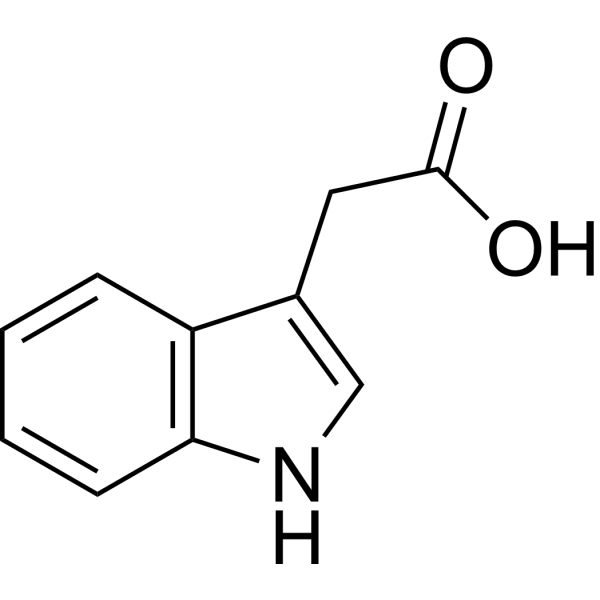
    3-Indoleacetic acid
    Maximum Cited Publications
    21 Publications Verification

    Indole-3-acetic acid; 3-IAA

    Environmental Pollutants Endogenous Metabolite Metabolic Disease
    3-Indoleacetic acid is is an IAA hormone and growth regulator that can promote plant nutritional growth through processes such as cell expansion, differentiation, morphogenesis, and organogenesis .
    3-Indoleacetic acid
  • HY-129038
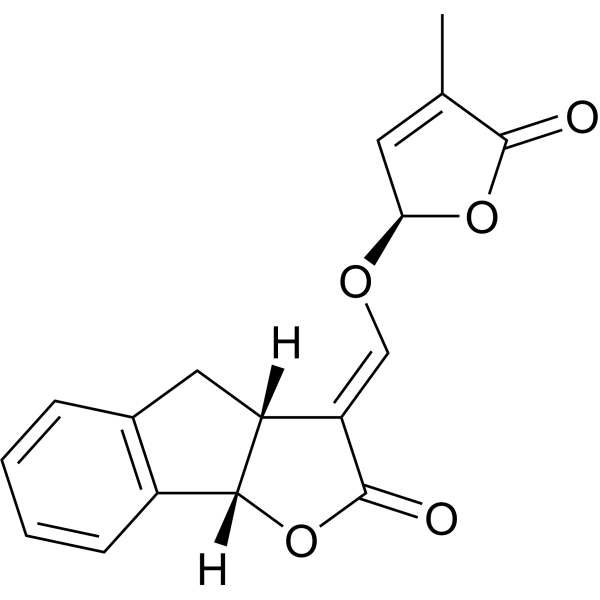
    GR24
    1 Publications Verification

    Strigolactone GR24

    Biochemical Assay Reagents Others
    (Rac)-GR24 (Strigolactone GR24) is a plant hormone analog. (Rac)-GR24 can mimic the natural germination stimulus of parasitic plant seeds, promoting seed germination in the absence of host plants, thereby reducing the number of parasitic seeds in the soil. (Rac)-GR24 can be used in agricultural research .
    GR24
  • HY-100560
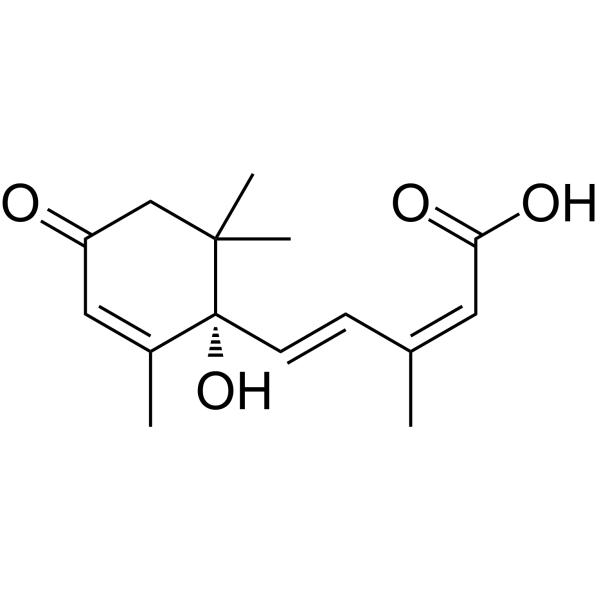
    Abscisic acid
    3 Publications Verification

    (S)​-​(+)​-​Abscisic acid; ABA

    Environmental Pollutants Endogenous Metabolite ABA Receptor Proton Pump Metabolic Disease
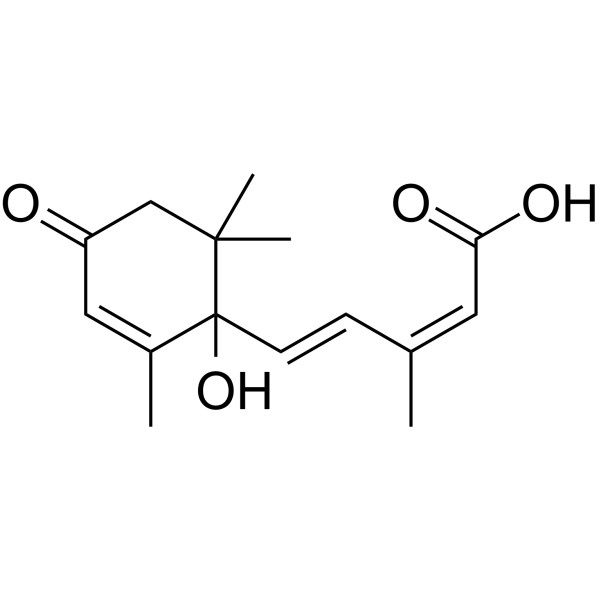
    Abscisic acid ((S)-(+)-Abscisic acid), an orally active phytohormone in fruits and vegetables, is an endogenously produced mammalian hormone. Abscisic acid is a growth inhibitor and can regulate many aspects of plant growth and development. Abscisic acid inhibits proton pump (H +-ATPase) and leads to the plasma membrane depolarization in a Ca 2+-dependent manner. Abscisic acid, a LANCL2 natural ligand, is a potent insulin-sensitizing compound and has the potential for pre-diabetes, type 2 diabetes and metabolic syndrome .
    Abscisic acid
  • HY-18569A
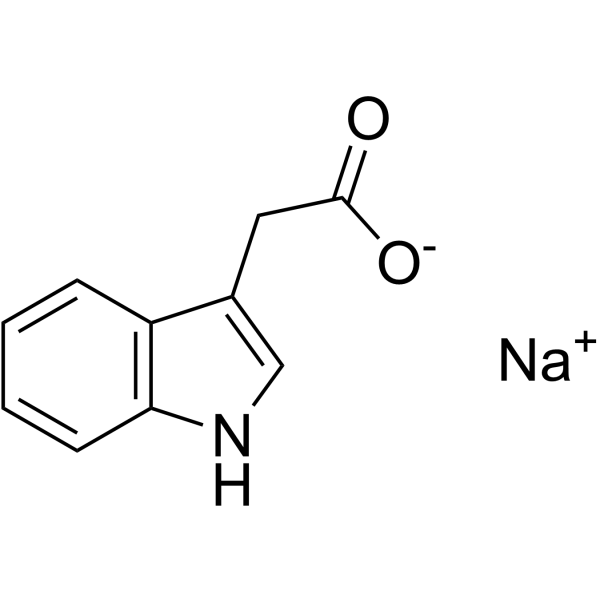
    3-Indoleacetic acid sodium
    Maximum Cited Publications
    21 Publications Verification

    Indole-3-acetic acid sodium; 3-IAA sodium

    Endogenous Metabolite Metabolic Disease
    3-Indoleacetic acid (Indole-3-acetic acid) sodium is an IAA hormone and growth regulator that can promote plant nutritional growth through processes such as cell expansion, differentiation, morphogenesis, and organogenesis .
    3-Indoleacetic acid sodium
  • HY-N0160
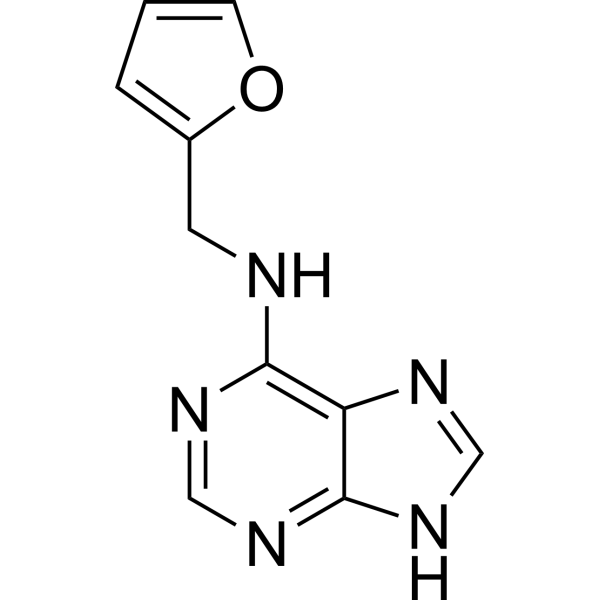
    Kinetin
    5+ Cited Publications

    6-Furfuryladenine; N6-Furfuryladenine

    Environmental Pollutants SOD Neurological Disease
    Kinetin (N6-furfuryladenine) belongs to the family of N6-substituted adenine derivatives known as cytokinins, which are plant hormones involved in cell division, differentiation and other physiological processes. Kinetin has anti-aging effects .
    Kinetin
  • HY-N2549

    (±)-ABA

    Calcium Channel Metabolic Disease Inflammation/Immunology
    (±)-Abscisic acid is an orally active plant hormone that is present also in animals. (±)-Abscisic acid (ABA) contributes to the regulation of glycemia in mammals .
    (±)-Abscisic acid
  • HY-N0848
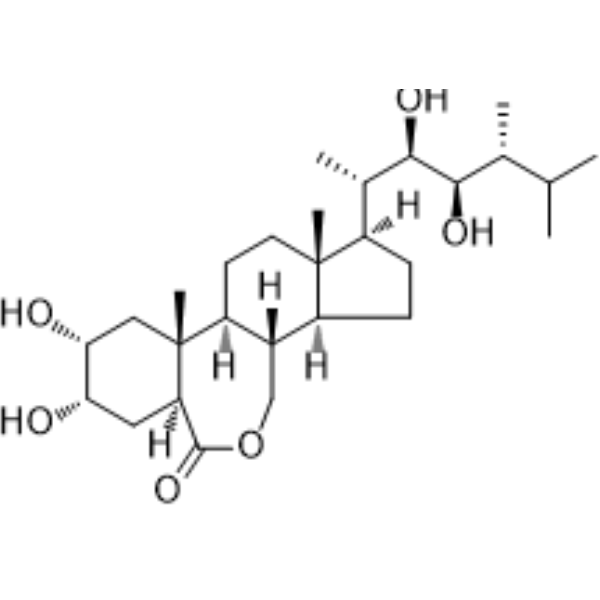
    Epibrassinolide
    15+ Cited Publications

    24-Epibrassinolide; B1105; BP55

    Environmental Pollutants Apoptosis Cancer
    Epibrassinolide (24-Epibrassinolide) is a ubiquitously occurring plant growth hormone which shows great potential to alleviate heavy metals and pesticide stress in plants . Epibrassinolide is a potential apoptotic inducer in various cancer cells without affecting the non-tumor cell growth .
    Epibrassinolide
  • HY-N11420

    Bacterial Phytohormone Others
    Coronatine is a plant growth regulator that mimicks the jasmonic acid-isoleucine conjugate (JA-Ile), targets the jasmonic acid receptor COI1, activates the jasmonic acid signaling pathway, thereby inhibiting salicylic acid (SA)-dependent defense responses. Coronatine antagonizes the stomatal closure, induces plant cell necrosis and chlorosis, interfers with plant hormone balance, thereby promoting pathogen infection .
    Coronatine
  • HY-122464

    Herbicide Others
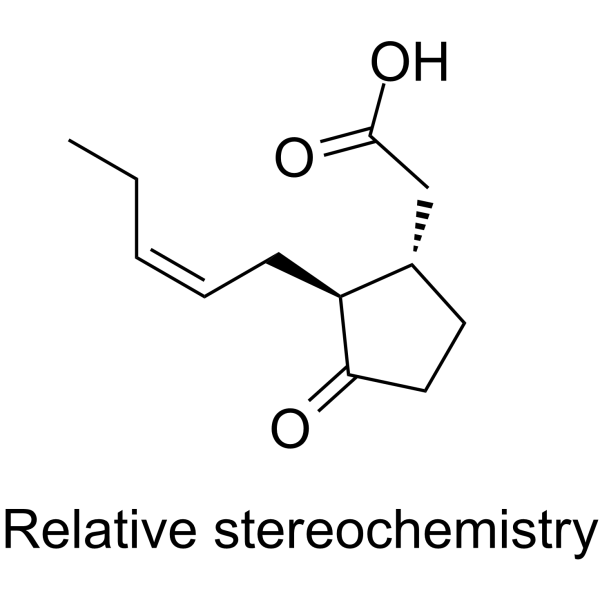
    (±)-Jasmonic acid is an endogenous growth regulator closely related to plant resistance to abiotic stresses, used to activate defense responses to wounding, herbivory, and pathogen attacks. (±)-Jasmonic acid does not play an independent regulatory role, but works in a complex signaling network with other plant hormone signaling pathways. In addition, (±)-Jasmonic acid can also reduce chlorophyll levels in green and etiolated barley leaf segments and inhibit the elongation of rice seedlings .
    (±)-Jasmonic acid
  • HY-18569B

    IAA

    Endogenous Metabolite Infection
    3-Indoleacetic acid, suitable for plant cell culture (IAA), is a naturally occurring plant growth hormone that is widely present in plants, bacteria, and fungi. 3-Indoleacetic acid, suitable for plant cell culture, is a plant growth-promoting hormone that not only promotes plant growth but also protects bacteria from the toxic damage to cell membrane potential caused by other indole intermediate products (such as I3P) produced during their own metabolic processes. 3-Indoleacetic acid, suitable for plant cell culture, can be used in plant cell culture .
    3-Indoleacetic acid,suitable for plant cell culture
  • HY-108468
    KL001
    2 Publications Verification

    Cryptochrome Metabolic Disease
    KL001 is a first-in-class cryptochrome (CRY, a flavoproteins that are sensitive to blue light, and is involved in the circadian rhythms of plants and animals) stabilizer which specifically interacts with CRY1 and CRY2. KL001 prevents ubiquitin-dependent degradation of CRY, resulting in lengthening of the circadian period. KL001 has the potential to control fasting hormone-induced gluconeogenesis .
    KL001
  • HY-125572

    GA7

    Endogenous Metabolite Reactive Oxygen Species (ROS) Fungal Infection
    Gibberellin A7 (GA7) is a terpenoid that serve as an important plant hormone. Gibberellin A7 acts as a growth and response modulator against injuries and parasitism. Gibberellin A7 presents antibiofilm properties at 940 mM concentration. Gibberellin A7 can inhibit flower bud formation in some plants. Gibberellin A7 shows antioxidant activity against peroxyl radicals. Gibberellin A7 exhibits anti-Candida activity against Candia albicans .
    Gibberellin A7
  • HY-18570B

    NAA

    Biochemical Assay Reagents Others
    1-Naphthaleneacetic acid,suitable for plant cell culture (NAA) is a plant growth hormone. 1-Naphthaleneacetic acid,suitable for plant cell culture promotes plant growth and induces root cluster formation. Naphthaleneacetic acid,suitable for plant cell culture is applicable for plant cell culture .
    1-Naphthaleneacetic acid,suitable for plant cell culture
  • HY-N7443
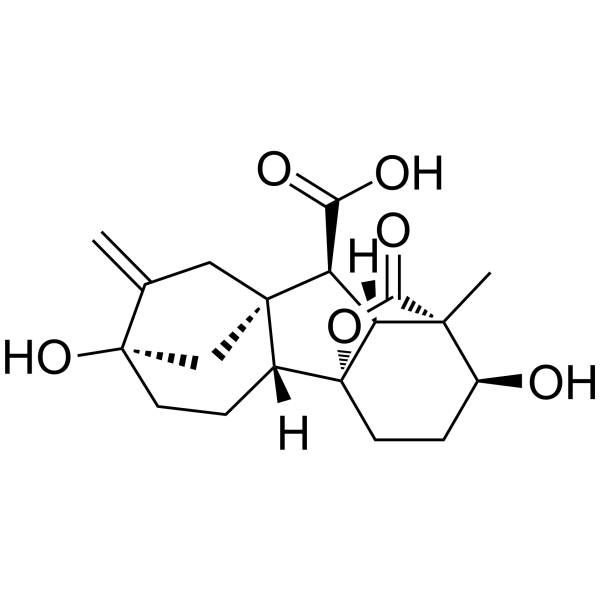
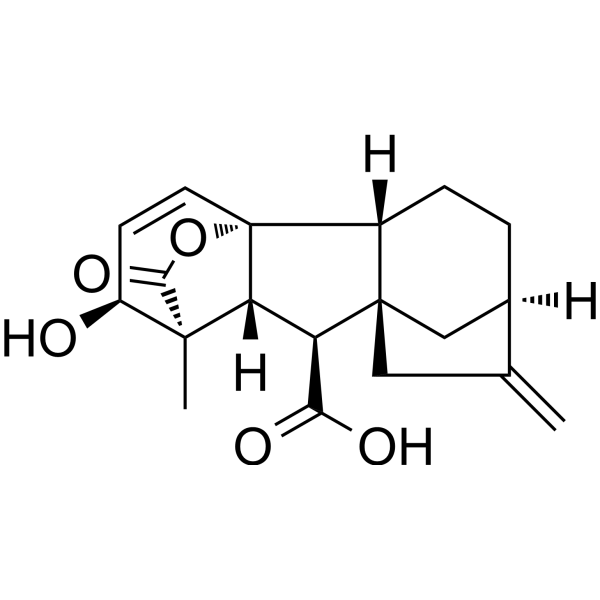
    Gibberellin A1
    1 Publications Verification

    Phytohormone Others
    Gibberellin A1 is a kind of plant hormones. Gibberellin A1 is a growth-promoting acids isolated from immature seed of Phaseolus multiflorus .
    Gibberellin A1
  • HY-W016784
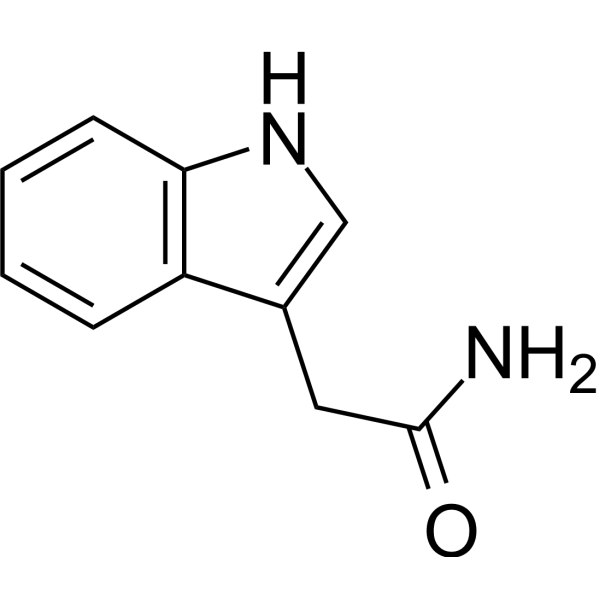
    Indole-3-acetamide
    2 Publications Verification

    Endogenous Metabolite Others
    Indole-3-acetamide is a biosynthesis intermediate of 3-Indoleacetic acid (HY-18569). Indole-3-acetic acid is the most common natural plant growth hormone of the auxin class .
    Indole-3-acetamide
  • HY-N10568

    Phytohormone Others
    Gibberellin A9 is a plant hormone that targets gibberellin receptor GID1. Gibberellin A9 binds to GID1 to form a GA-GID1-DELLA protein complex, which promotes the degradation of DELLA proteins. This relieves the inhibitory effect of DELLA proteins on plant growth, thereby promoting plant cell elongation and division, and increasing seed germination rate. Gibberellin A9 is promising for use in studies on plant growth and development, such as stem elongation and flowering induction .
    Gibberellin A9
  • HY-Y0136
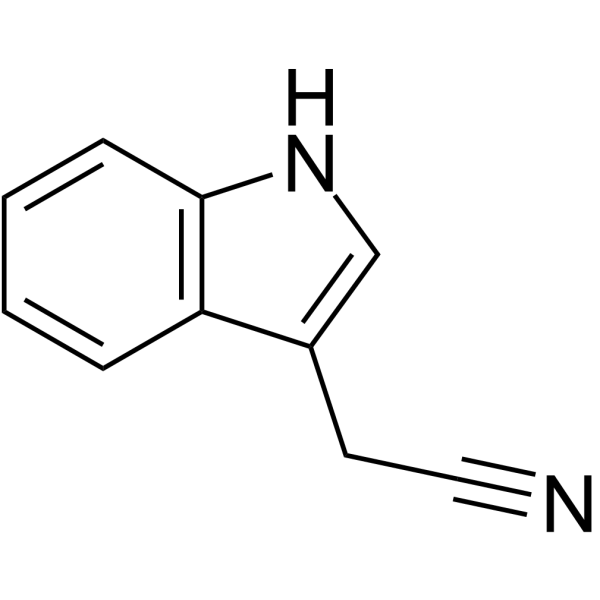
    3-Indoleacetonitrile
    2 Publications Verification

    Endogenous Metabolite Influenza Virus HSV VSV Infection
    3-Indoleacetonitrile is an indole derivative with anti-influenza activity. 3-Indoleacetonitrile is a plant hormone produced by cruxiferous vegetables. 3-Indoleacetonitrile exerts profound antiviral activity against a broad spectrum of influenza A viruses, HSV-1 and VSV viruses in vitro. 3-Indoleacetonitrile diminishes lung virus titers and alleviates lung lesions in vivo. 3-Indoleacetonitrile induces an increase in mitochondrial antiviral-signaling (MAVS) protein levels. 3-Indoleacetonitrile can be used in research for combating viral infections including COVID-19, HSV-1, and VSV .
    3-Indoleacetonitrile
  • HY-111973

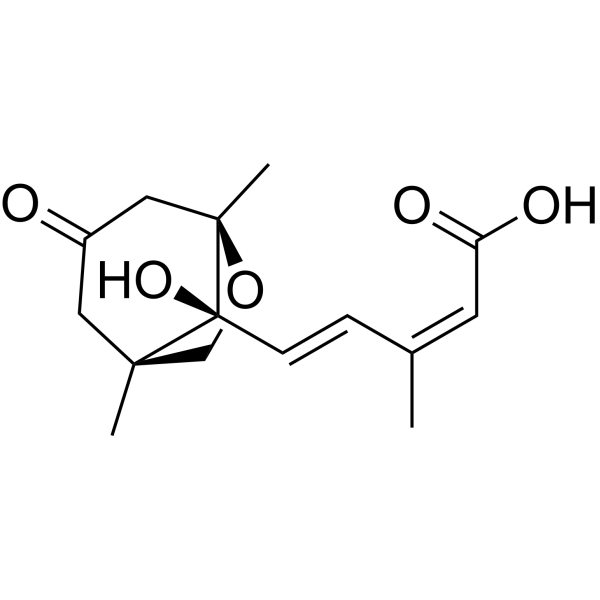
    Phytohormone iGluR Neurological Disease
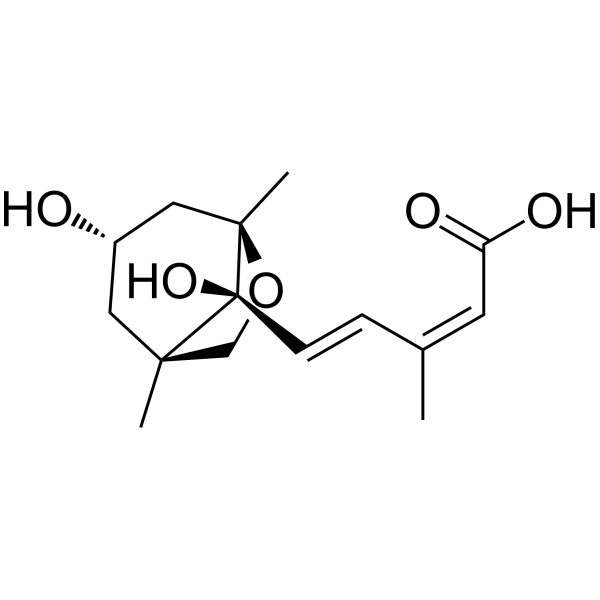
    Phaseic acid is a Abscisic acid terpenoid catabolite that can able to activate a subset of Abscisic acid repectors. Phaseic acid is a plant hormone associated with photosynthesis arrest and abscission. Phaseic acid is the antagonist for NMDA-type glutamate receptor (NMDAR) that inhibits NMDAR currents with an IC50 of 34.37 μM. Phaseic acid reduces intracellular calcium influx, and exhibits neuroprotective effect .
    Phaseic acid
  • HY-116831

    Drug Metabolite Others
    4′-Dihydrophaseic acid is a metabolite of the plant hormone abscisic acid and is present in legume seeds .
    4′-Dihydrophaseic acid
  • HY-18569S3

    Indole-3-acetic acid-d7; 3-IAA-d7

    Isotope-Labeled Compounds Endogenous Metabolite Metabolic Disease
    3-Indoleacetic acid-d7 is the deuterium labeled 3-Indoleacetic acid (HY-18569). 3-Indoleacetic acid (Indole-3-acetic acid) is the most common natural plant growth hormone of the auxin class. It can be added to cell culture medium to induce plant cell elongation and division .
    3-Indoleacetic acid-d7
  • HY-18569S4

    Indole-3-acetic acid-13C6; 3-IAA-13C6

    Isotope-Labeled Compounds Endogenous Metabolite Metabolic Disease
    3-Indoleacetic acid- 13C6 is the 13C labeled 3-Indoleacetic acid (HY-18569). 3-Indoleacetic acid (Indole-3-acetic acid) is the most common natural plant growth hormone of the auxin class. It can be added to cell culture medium to induce plant cell elongation and division .
    3-Indoleacetic acid-13C6
  • HY-151931

    Jasmonyl-ACC

    Phytohormone Metabolic Disease
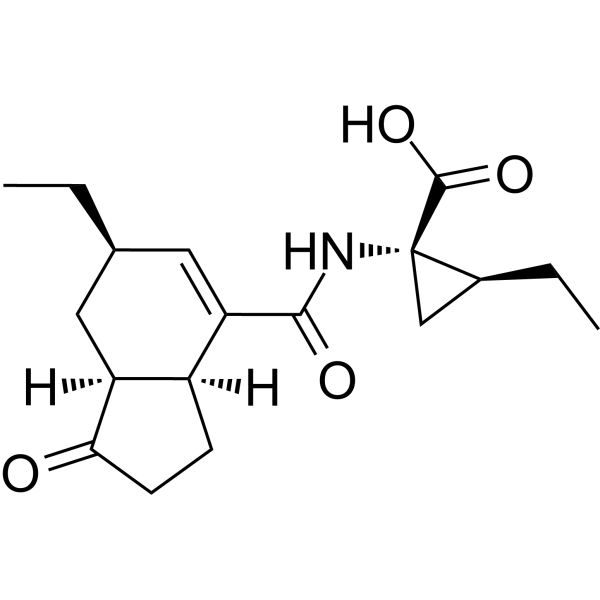
    JA-ACC (Jasmonyl-ACC) is a derivative of 1-aminocyclopropane-1-carboxylic acid (ACC). ACC is the direct precursor of the plant hormone ethylene. JA-ACC inhibits root growth in Arabidopsis and the inhibition is independent of jasmonic acid (JA) signaling .
    JA-ACC
  • HY-122940

    Ageratochromene

    Endogenous Metabolite Metabolic Disease
    Precocene II (Ageratochromene) is a plant larva hormone antagonists that inhibits the biosynthesis of juvenile hormone. Precocene II inhibits corpora allata function and downregulates juvenile hormone levels, while exerting multiple effects including inducing precocious metamorphosis, forming macropterous morphs, inhibiting ovarian growth, producing cytotoxicity, disrupting insect development, and causing sterility and kidney damage. Precocene II blocks normal nymphal development, causes renal tubular damage and increases blood urea nitrogen levels, and also blocks juvenile hormone biosynthesis in vitro. Precocene II undergoes oxidative metabolism catalyzed by NADPH-dependent monooxygenase to generate a variety of metabolites. Precocene II can be applied in studies related to insect growth regulation and nephrotoxicity .
    Precocene II
  • HY-18569R
    3-Indoleacetic acid (standard)
    Maximum Cited Publications
    21 Publications Verification

    Indole-3-acetic acid (standard); 3-IAA (standard)

    Molecular Glues Reference Standards Endogenous Metabolite Others
    3-Indoleacetic acid (Standard) is the analytical standard of 3-Indoleacetic acid. This product is intended for research and analytical applications. 3-Indoleacetic acid is is an IAA hormone and growth regulator that can promote plant nutritional growth through processes such as cell expansion, differentiation, morphogenesis, and organogenesis .
    3-Indoleacetic acid (standard)
  • HY-W006267

    4-Cl-IAA

    Endogenous Metabolite Others
    4-Chloroindole-3-acetic acid (4-Cl-IAA) is a chlorinated analogue of indole-3-acetic acid (IAA) (HY-18569) auxin that functions as a plant hormone, which is found in the seeds of Medicago truncatulaMelilotus indicus and Trifolium .
    4-Chloroindole-3-acetic acid
  • HY-W588263

    IAGlu

    Drug Derivative Others
    Indole-3-acetyl glutamate (IAGlu) is a derivative of the plant hormone indole-3-acetic acid (IAA). As a conjugated form of IAA, Indole-3-acetyl glutamate involves in the transport, storage, and homeostatic regulation of IAA within the plant. Indole-3-acetyl glutamate can be used for research into the effects of plant hormones on the growth and development of plants .
    Indole-3-acetyl glutamate
  • HY-N9418

    Others Others
    Gibberellin A5 is a plant hormone that promotes floral development .
    Gibberellin A5
  • HY-122464A

    (-)-Jasmonic acid

    Drug Derivative Others
    Jasmonic acid ((-)-Jasmonic acid) is a plant growth regulator and a derivative of Linolenic acid (HY-N0728). Jasmonic acid enhances plant resistance and is widely used as a stress protectant. Jasmonic acid is an endogenous plant hormone and a plant growth inhibitor .
    Jasmonic acid
  • HY-126558

    Phytohormone Others
    GA3-AM is a cell permeable analog of the plant hormone gibberellic acid that acts as a chemical dimerizer or chemical inducer of dimerization .
    GA3-AM
  • HY-18569S2

    Indole-3-acetic acid-2,2-d2; 3-IAA-2,2-d2

    Isotope-Labeled Compounds Endogenous Metabolite Metabolic Disease
    3-Indoleacetic acid-2,2-d2 is the deuterium labeled 3-Indoleacetic acid (HY-18569). 3-Indoleacetic acid (Indole-3-acetic acid) is the most common natural plant growth hormone of the auxin class. It can be added to cell culture medium to induce plant cell elongation and division .
    3-Indoleacetic acid-2,2-d2
  • HY-18572S2

    Isotope-Labeled Compounds Herbicide DNA/RNA Synthesis Apoptosis Cancer
    2,4-D-d5 (2,4-Dichlorophenoxyacetic acid-d5) is the deuterium labeled 2,4-D (HY-18572) . 2,4-D (2,4-Dichlorophenoxyacetic acid) is a selective systemic herbicide for the control of broad-leaved weeds. 2,4-D acts as a plant hormone, causing uncontrolled growth in the meristematic tissues. 2,4-D inhibits DNA and protein synthesis and thereby prevents normal plant growth and development .
    2,4-D-d5
  • HY-100560R

    (S)​-​(+)​-​Abscisic acid (Standard); ABA (Standard)

    Reference Standards Endogenous Metabolite Proton Pump ABA Receptor Metabolic Disease
    Abscisic acid (Standard) is the analytical standard of Abscisic acid. This product is intended for research and analytical applications. Abscisic acid ((S)-(+)-Abscisic acid), an orally active phytohormone in fruits and vegetables, is an endogenously produced mammalian hormone. Abscisic acid is a growth inhibitor and can regulate many aspects of plant growth and development. Abscisic acid inhibits proton pump (H+-ATPase) and leads to the plasma membrane depolarization in a Ca2+-dependent manner. Abscisic acid, a LANCL2 natural ligand, is a potent insulin-sensitizing compound and has the potential for pre-diabetes, type 2 diabetes and metabolic syndrome .
    Abscisic acid (Standard)
  • HY-W020005

    Isotope-Labeled Compounds Others
    2-Carboxyphenol-d4 is the deuterium labeled 2-Carboxyphenol. 2-Carboxyphenol is a plant hormone and mediates host responses against microbial pathogens.
    2-Carboxyphenol-d4
  • HY-P3182

    Endogenous Metabolite Cancer
    NADH oxidase is a cyanide-resistant oxidase located on the plasma membrane of animals and plants, which is regulated by growth factors and hormones. NADH oxidase catalyzes the electron transfer from NADH to oxygen, and its activity is closely related to cell growth. The hormone response of NADH oxidase is attenuated in tumor-transformed cells, and it can serve as an anti-tumor target .
    NADH oxidase
  • HY-N7659A

    Phytohormone Microtubule/Tubulin Apoptosis Others
    Glucobrassicin potassium is an indole-based anticancer agent and plant growth-regulating hormone. Glucobrassicin potassium exerts its biological activity by disrupting the integrity of microtubule networks in both plant and mammalian cells. At high concentrations, Glucobrassicin potassium inhibits seed germination and root growth; it can also specifically induce apoptosis in mammalian cancer cells and interfere with the intercellular transmission of viruses that rely on microtubules. In plants, Glucobrassicin potassium can be catalyzed by myrosinase to release growth-regulating substances, exhibiting a concentration-dependent growth-regulating effect .
    Glucobrassicin potassium
  • HY-N7659

    Phytohormone Apoptosis Microtubule/Tubulin Cancer
    Glucobrassicin is an indole-based anticancer agent and plant growth-regulating hormone. Glucobrassicin exerts its biological activity by disrupting the integrity of microtubule networks in both plant and mammalian cells. At high concentrations, Glucobrassicin inhibits seed germination and root growth; it can also specifically induce apoptosis in mammalian cancer cells and interfere with the intercellular transmission of viruses that rely on microtubules. In plants, Glucobrassicin can be catalyzed by myrosinase to release growth-regulating substances, exhibiting a concentration-dependent growth-regulating effect .
    Glucobrassicin
  • HY-18569S1

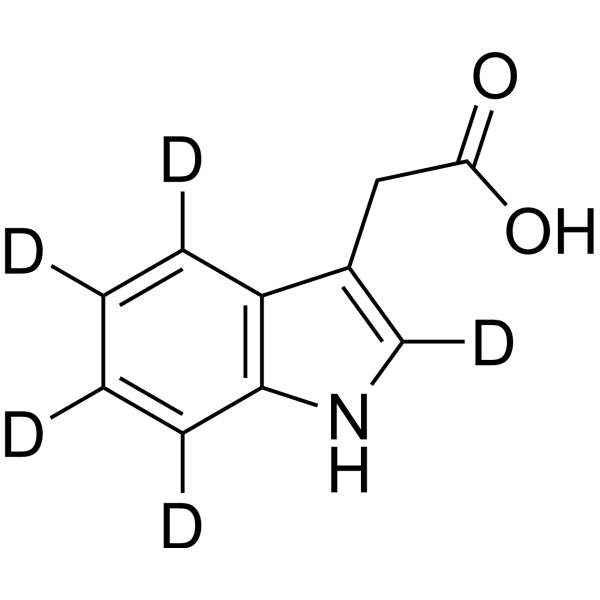
    Indole-3-acetic acid-d4; 3-IAA-d4

    Isotope-Labeled Compounds Molecular Glues Endogenous Metabolite Metabolic Disease
    3-Indoleacetic acid-d4 (Indole-3-acetic acid-d4; 3-IAA-d4) is the deuterium labeled 3-Indoleacetic acid (HY-18569) . 3-Indoleacetic acid (Indole-3-acetic acid) is the most common natural plant growth hormone of the auxin class. It can be added to cell culture medium to induce plant cell elongation and division .
    3-Indoleacetic acid-d4
  • HY-W016784S

    Endogenous Metabolite Others
    Indole-3-acetamide-d5 is the deuterium labeled Indole-3-acetamide . Indole-3-acetamide is a biosynthesis intermediate of indole-3-acetic acid (HY-18569). Indole-3-acetic acid is the most common natural plant growth hormone of the auxin class .
    Indole-3-acetamide-d5
  • HY-N0160R

    6-Furfuryladenine (Standard); N6-Furfuryladenine (Standard)

    SOD Reference Standards Neurological Disease
    Kinetin (Standard) is the analytical standard of Kinetin. This product is intended for research and analytical applications. Kinetin (N6-furfuryladenine) belongs to the family of N6-substituted adenine derivatives known as cytokinins, which are plant hormones involved in cell division, differentiation and other physiological processes. Kinetin has anti-aging effects .
    Kinetin (Standard)
  • HY-N0848R

    24-Epibrassinolide (Standard); B1105 (Standard); BP55 (Standard)

    Reference Standards Apoptosis Cancer
    Epibrassinolide (Standard) is the analytical standard of Epibrassinolide. This product is intended for research and analytical applications. Epibrassinolide (24-Epibrassinolide) is a ubiquitously occurring plant growth hormone which shows great potential to alleviate heavy metals and pesticide stress in plants[1]. Epibrassinolide is a potential apoptotic inducer in various cancer cells without affecting the non-tumor cell growth[2].
    Epibrassinolide (Standard)
  • HY-N7523

    DNA/RNA Synthesis Apoptosis Cancer
    Neoxanthin is a major xanthophyll carotenoid and a precursor of the plant hormone abscisic acid in dark green leafy vegetables. Neoxanthin is a potent antioxidant and light-harvesting pigment. Neoxanthin induces apoptosis and has anticancer actions .
    Neoxanthin
  • HY-N9693

    Drug Derivative Metabolic Disease
    Gibberellin A8 is a derivative of Gibberellic acid (HY-N1964), a hormone that is found in plants which promotes the growth and elongation of cells. Gibberellin A8 shows a weak growth-promoting activity on rice seedlings and oat mesocot .
    Gibberellin A8
  • HY-18572S

    2,4-Dichlorophenoxyacetic acid-13C6

    Isotope-Labeled Compounds Herbicide DNA/RNA Synthesis Apoptosis Cancer
    2,4-D- 13C6 is the 13C-labeled 2,4-D (HY-18572). 2,4-D (2,4-Dichlorophenoxyacetic acid) is a selective systemic herbicide for the control of broad-leaved weeds. 2,4-D acts as a plant hormone, causing uncontrolled growth in the meristematic tissues. 2,4-D inhibits DNA and protein synthesis and thereby prevents normal plant growth and development .
    2,4-D-13C6
  • HY-W016784R

    Reference Standards Endogenous Metabolite Others
    Indole-3-acetamide (Standard) is the analytical standard of Indole-3-acetamide. This product is intended for research and analytical applications. Indole-3-acetamide is a biosynthesis intermediate of indole-3-acetic acid (HY-18569). Indole-3-acetic acid is the most common natural plant growth hormone of the auxin class[1].
    Indole-3-acetamide (Standard)
  • HY-Y0136S1

    Isotope-Labeled Compounds Endogenous Metabolite Influenza Virus HSV VSV Infection
    3-Indoleacetonitrile-d4 is deuterium labeled 3-Indoleacetonitrile (HY-Y0136). 3-Indoleacetonitrile is an indole derivative with anti-influenza activity. 3-Indoleacetonitrile is a plant hormone produced by cruxiferous vegetables. 3-Indoleacetonitrile exerts profound antiviral activity against a broad spectrum of influenza A viruses, HSV-1 and VSV viruses in vitro. 3-Indoleacetonitrile diminishes lung virus titers and alleviates lung lesions in vivo. 3-Indoleacetonitrile induces an increase in mitochondrial antiviral-signaling (MAVS) protein levels. 3-Indoleacetonitrile can be used in research for combating viral infections including COVID-19, HSV-1, and VSV.
    3-Indoleacetonitrile-d4
  • HY-N13014

    Others Others
    Indole-3-acetyl β-D-glucopyranose is a glucose esterified derivative of the plant hormone indole-3-acetic acid (IAA). Indole-3-acetyl β-D-glucopyranose is involved in regulating plant growth and can be used to study the metabolism and regulatory mechanisms of plant hormones .
    Indole-3-acetyl β-D-glucopyranose
  • HY-N15245

    Phytohormone Others
    (+)-Sorgomol is the plants hormone that can be isolated from Sorghum bicolor. (+)-Sorgomol is the germination stimulant for plants, which induces seed germination of root parasites .
    (+)-Sorgomol
  • HY-112102

    SSHB

    Environmental Pollutants Endogenous Metabolite PI3K Akt Metabolic Disease
    (22S,23S)-Homobrassinolide is one of the most active brassinosteroids in inducing plant growth in various plant bioassay systems. (22S,23S)-Homobrassinolide shows Akt-dependent anabolic activity in rat skeletal muscle cells. Orally active .
    (22S,23S)-Homobrassinolide
  • HY-19699

    NAAM; 1-Naphthaleneacetamide; α-Naphthylacetamide

    Environmental Pollutants Phytohormone Neurological Disease Endocrinology
    1-Naphthylacetamide is an orally active nonsteroidal anti-inflammatory agent (NAIA) and also an indole-type auxin plant growth regulator. 1-Naphthylacetamide inhibits inflammatory response-related pathways and modulates plant hormone signaling, exhibiting anti-inflammatory, local anesthetic, antispasmodic, analgesic, and diuretic activities. 1-Naphthylacetamide promotes plant cell expansion, differentiation, and fruit enlargement. Additionally, 1-Naphthylacetamide induces central nervous system (CNS) depression in mice, characterized by reduced spontaneous activity, decreased irritability, decreased muscle tone, and attenuated ear-cuff reflex, ipsilateral flexor reflex, and corneal reflex [1][2].
    1-Naphthylacetamide
  • HY-Y0136R

    Reference Standards Endogenous Metabolite Influenza Virus HSV VSV Metabolic Disease
    3-Indoleacetonitrile (Standard) is the analytical standard of 3-Indoleacetonitrile. This product is intended for research and analytical applications. 3-Indoleacetonitrile is an indole derivative with anti-influenza activity. 3-Indoleacetonitrile is a plant hormone produced by cruxiferous vegetables. 3-Indoleacetonitrile exerts profound antiviral activity against a broad spectrum of influenza A viruses, HSV-1 and VSV viruses in vitro. 3-Indoleacetonitrile diminishes lung virus titers and alleviates lung lesions in vivo. 3-Indoleacetonitrile induces an increase in mitochondrial antiviral-signaling (MAVS) protein levels. 3-Indoleacetonitrile can be used in research for combating viral infections including COVID-19, HSV-1, and VSV .
    3-Indoleacetonitrile (Standard)

Inquiry Online

Your information is safe with us. * Required Fields.

Salutation


Country or Region *

Applicant Name *


Organization Name *

Department *


Email Address *


Product Name *

Cat. No.


Requested quantity *

Phone Number *


Remarks

Inquiry Online

Inquiry Information

Product Name:
Cat. No.:
Quantity:
MCE Japan Authorized Agent:

