1. Search Result
Search Result
Results for "

Protein ubiquitination

" in MedChemExpress (MCE) Product Catalog:

105

Inhibitors & Agonists

6

Screening Libraries

6

Natural
Products

3

Recombinant Proteins

1

Antibodies

1

Click Chemistry

Cat. No. Product Name Target Research Areas Chemical Structure
  • HY-100487
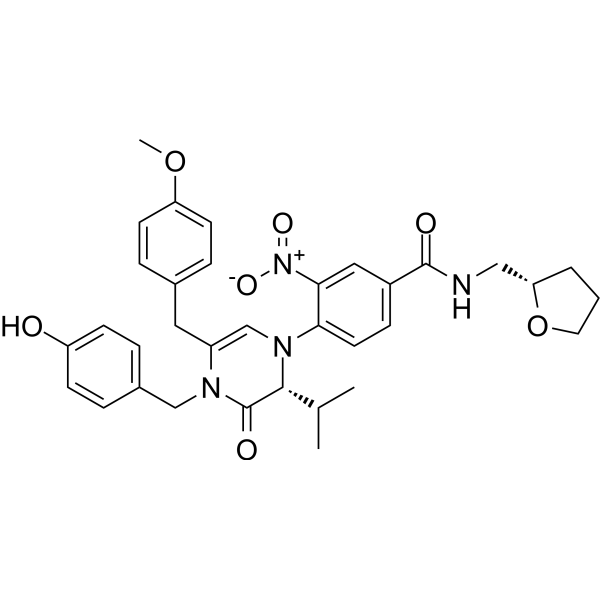
    TAK-243
    Maximum Cited Publications
    83 Publications Verification

    MLN7243

    E1/E2/E3 Enzyme NF-κB Apoptosis Cancer
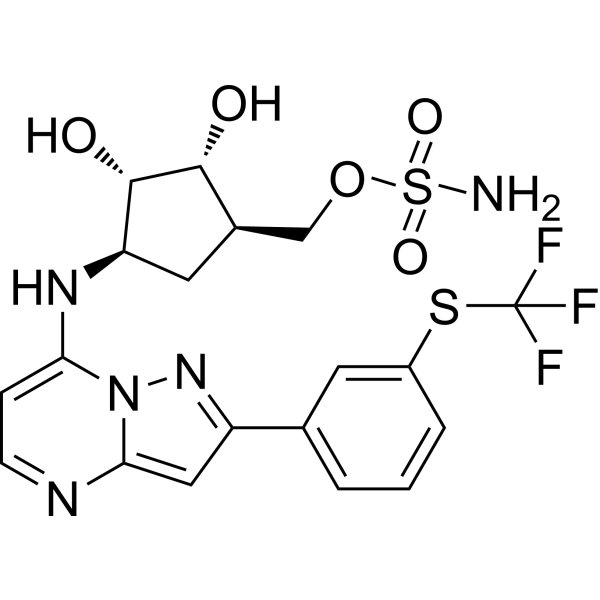
    TAK-243 (MLN7243) is a first-in-class, selective ubiquitin activating enzyme, UAE (UBA1) inhibitor (IC50=1 nM), which blocks ubiquitin conjugation, disrupting monoubiquitin signaling as well as global protein ubiquitination. TAK-243 (MLN7243) induces endoplasmic reticulum (ER) stress, abrogates NF-κB pathway activation and promotes apoptosis .
    TAK-243
  • HY-W020033
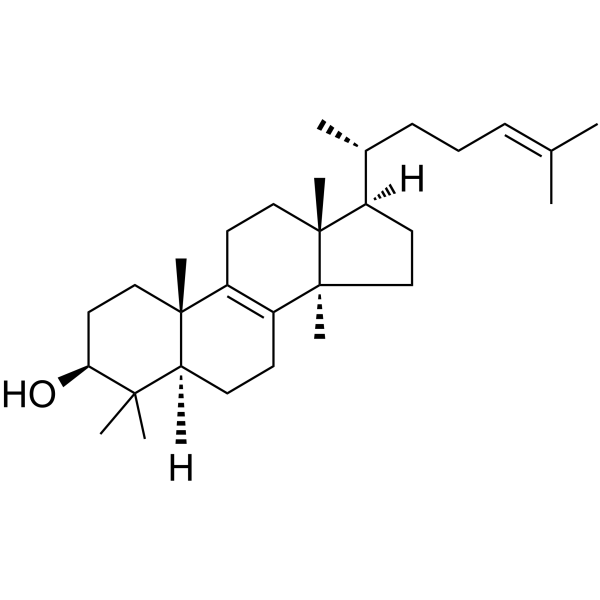
    Lanosterol
    3 Publications Verification

    Endogenous Metabolite Neurological Disease
    Lanosterol is an intermediate of cholesterol synthesis and use of lanosterol induces ubiquitination and degradation of a rate-controlling enzyme of cholesterol synthesis, i.e., HMG CoA reductase. Lanosterol suppresses the aggregation and cytotoxicity of misfolded proteins linked with neurodegenerative diseases .
    Lanosterol
  • HY-160019

    Deubiquitinase Mitophagy Neurological Disease
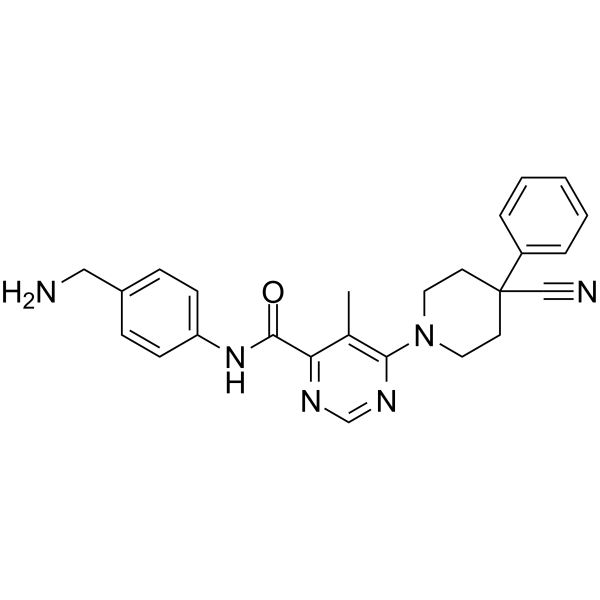
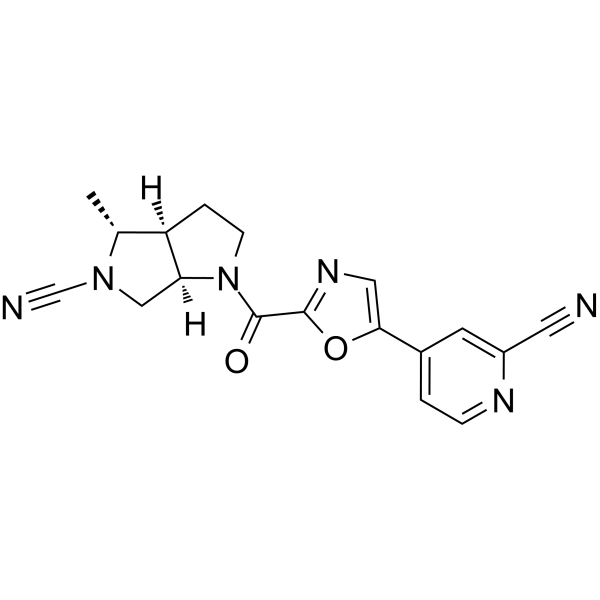
    MTX115325 (Example 1) is an orally active, brain-penetrating USP30 inhibitor (IC50=12 nM) with neuroprotective activity. MTX115325 increases ubiquitination (EC50=32 nM) of the mitochondrial outer membrane protein TOM20 (a USP30 substrate), increasing mitophagy. MTX115325 prevents dopaminergic neuron loss and preserves striatal dopamine .
    MTX115325
  • HY-112438
    MF-094
    5+ Cited Publications

    Deubiquitinase Cancer
    MF-094 is a potent and selective USP30 inhibitor with an IC50 of 120 nM. MF-094 increases protein ubiquitination and accelerates mitophagy .
    MF-094
  • HY-153357

    PROTACs Btk Cancer
    NRX-0492 is an orally active PROTAC-class BTK degrader. NRX-0492 catalyzes BTK ubiquitination and proteasome degradation (DC50 ≤ 0.2 nM, DC90 ≤ 0.5 nM). NRX-0492 inhibits B cell receptor (BCR) mediated signaling, transcription programs, and chemokine secretion. NRX-0492 has antitumor effects against chronic lymphocytic leukemia.NRX-0492 consists of a target protein ligand (red part) BTK-IN-40 (HY-170324), an E3 ligase ligand (blue part) Thalidomide 5-fluoride (HY-W087383), and a PROTAC linker (black part) (3R)-3-Pyrrolidinemethanol (HY-60263).
    NRX-0492
  • HY-141659
    CMPD-39
    3 Publications Verification

    Mitophagy Deubiquitinase Neurological Disease
    CMPD-39 is a selective non-covalent inhibitor of the ubiquitin-specific protease USP30 (IC50=~20 nM), with high selectivity over other DUB family members (1-100 μM). CMPD-39 inhibits the deubiquitinating activity of USP30, enhances the ubiquitination of mitochondrial proteins TOMM20 and SYNJ2BP; thus, CMPD-39 promotes phosphoubuitin accumulation, thereby accelerating mitochondrial autophagy (mitophagy) and peroxisomal autophagy (pexophagy). CMPD-39 significantly restores impaired mitochondrial function in dopaminergic neurons derived from Parkinson's disease patients .
    CMPD-39
  • HY-120929
    BI8622
    4 Publications Verification

    E1/E2/E3 Enzyme c-Myc Inflammation/Immunology Cancer
    BI8622 is a specific inhibitor of the ubiquitin ligase HUWE1 with an IC50 of 3.1 μM. BI8622 can decrease the protein expression levels of c-myc and glycolytic markers as well as immune modulatory markers after HUWE1 inhibition in triple-negative breast cancer (TNBC) cell lines. BI8622 significantly protects against cisplatin (HY-17394)-induced acute kidney injury (AKI). BI8622 significantly reduces the growth of multiple myeloma (MM) cell lines and induces cell cycle arrest. BI8622 can prevent HUWE1-dependent TTBK2 ubiquitination. BI8622 can be studied in research for various diseases including medulloblastoma, acute kidney injury, breast cancer and MM .
    BI8622
  • HY-119264

    Molecular Glues Ras Apoptosis HIF/HIF Prolyl-Hydroxylase Cancer
    PRLX-93936 is a molecular Glues that binds to and reprograms the TRIM21 ubiquitin ligase to degrade nuclear pore complexes. PRLX-93936 binds to TRIM21, forms a ternary complex with TRIM21 and NUP98, and mediates the ubiquitination and proteasomal degradation of NUP98 and other nuclear pore complex proteins. PRLX-93936 induces the loss of short-lived cytoplasmic mRNA transcripts, triggers cancer cell apoptosis (Apoptosis), and inhibits the activated Ras pathway. PRLX-93936 inhibits HIF-1 under hypoxic conditions (IC50 = 0.09 μM in cell-based reporter gene assay). PRLX-93936 suppresses tumor growth in mouse models and improves survival rates in mouse models of multiple myeloma. PRLX-93936 is applicable to research related to pancreatic cancer and multiple myeloma .
    PRLX-93936
  • HY-171830

    YX39-105

    PROTACs Tyrosinase Apoptosis Cancer
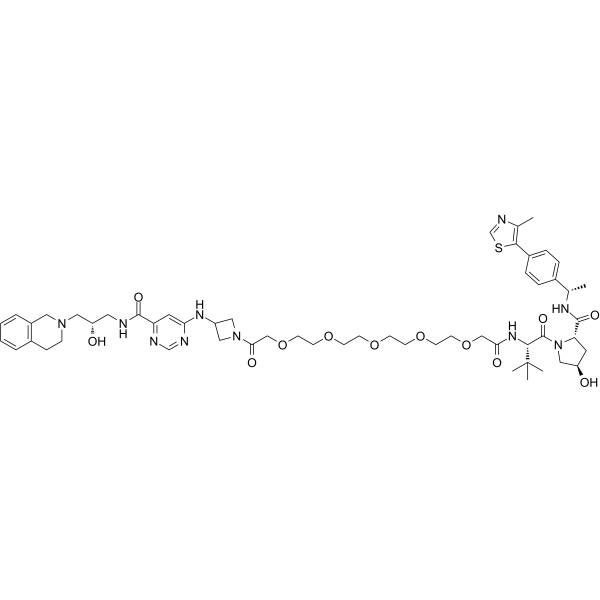
    MS105 (YX39-105) is an orally active and selective protein tyrosine kinase 6 (PTK6) (BRK) PROTAC degrader. MS105 recruits VHL E3 ligase via a VHL ligand moiety, promotes PTK6 ubiquitination and proteasomal degradation, inhibits the proliferation and migration of breast cancer cells, and induces apoptosis. MS105 shows potential for use in breast cancer research .
    MS105
  • HY-128481

    STING Inflammation/Immunology Cancer
    SB24011 is a STING modulator and a TRIM29-STING protein-protein interaction inhibitor. SB24011 blocks TRIM29-induced K48-linked specific ubiquitination by binding to STING, thereby upregulating intracellular STING protein levels. SB24011 enhances inflammatory cytokine expression and STING-mediated immune responses, and exhibits abscopal antitumor activity that promotes tumor regression and activates T cell infiltration. When combined with STING agonists or anti-PD1 antibodies, SB24011 synergistically enhances antitumor responses. SB24011 is suitable for research related to colon cancer and melanoma .
    SB24011
  • HY-N6929
    Angelic acid
    1 Publications Verification

    Ferroptosis Keap1-Nrf2 Reactive Oxygen Species (ROS) Neurological Disease Cancer
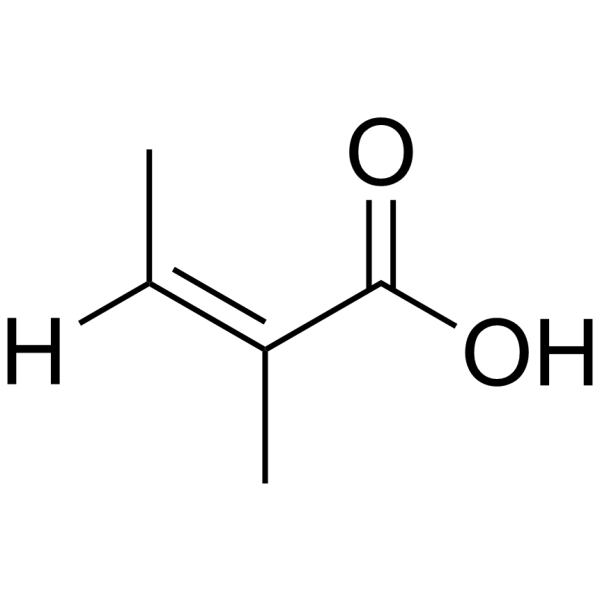
    Angelic acid is a ferroptosis inducer, targeting NRF2 degradation. Angelic acid binds to NRF2 protein and promotes NRF2 degradation via ubiquitination-proteasome pathway, relieves the inhibitory effect of NRF2 on oxidative stress and lipid peroxidation. Then, Angelic acid induces ferroptosis in tumor cells. Angelic acid can enhance the accumulation of intracellular reactive oxygen species (ROS), upregulate ferroptosis-related markers CHAC1 and PTGS2, and synergize with ferroptosis inducers to enhance anti-tumor effects. Angelic acid also has the activity of scavenging UVA-induced ROS in vitro, inhibiting skin fibroblast senescence and extracellular matrix degradation. Angelic Acid helps wound healing with sedative activity .
    Angelic acid
  • HY-131864

    PROTACs EGFR Cancer
    SJF-1528 (PROTAC 1) is a potent EGFR PROTAC degrader with DC50 values of 39.2 nM and 736.2 nM for wild-type EGFR in OVCAR8 cells and Exon 20 Ins mutant EGFR in HeLa cells. SJF-1528 also degrades HER2. SJF-1528 promotes ubiquitination and degradation of EGFR and can be used in breast cancer research (Pink: ligand for target protein (HY-159047); Black: linker Tos-PEG2-CH2-Boc (HY-130532); Blue: ligand for E3 ligase (S,R,S)-AHPC (HY-125845)) .
    SJF-1528
  • HY-164027

    E1/E2/E3 Enzyme Metabolic Disease Cancer
    MyoMed 205 is an orally active muscle ring finger protein 1 (MuRF1) inhibitor. MyoMed-205 reduces ubiquitination and subsequent proteasomal degradation of muscle proteins by inhibiting MuRF1 activity. MyoMed 205 augments muscle performance, attenuates muscle weight loss and alleviates disease-induced weight loss. MyoMed 205 can be used for the research of cancer cachexia, type 2 diabetes mellitus, and heart failure with preserved ejection fraction .
    MyoMed 205
  • HY-138669

    PROTACs Tau Protein Neurological Disease
    C004019 is a BBB-penetrable and small-molecule PROTAC that targets tau. C004019 can simultaneously recruit tau and E3 ligase, and effectively clear tau proteins by promoting the ubiquitination and proteasome-dependent degradation of tau, thereby improving synaptic and cognitive functions in Alzheimer's disease (AD) mice. C004019 can be used in the research of AD and tau protein-related diseases. (Pink: Ligand for target protein (HY-138679); Black: linker (HY-140189); Blue: E3 Ligase Ligand (HY-138678))
    C004019
  • HY-128841
    PROTAC MDM2 Degrader-2
    1 Publications Verification

    PROTACs MDM-2/p53 E1/E2/E3 Enzyme Cancer
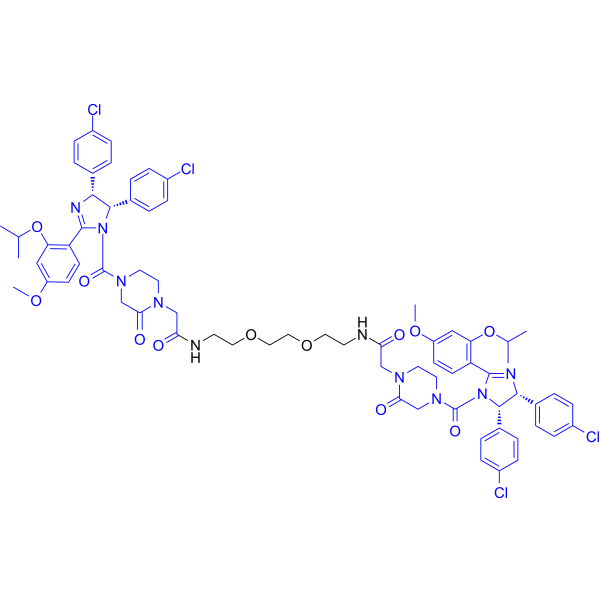
    PROTAC MDM2 Degrader-2 is an MDM2 PROTAC degrader. PROTAC MDM2 Degrader-2 can induce the self-ubiquitination and degradation of MDM2, thereby upregulating the level of p53 protein. PROTAC MDM2 Degrader-2 has anti-tumor activity and can be used in the study of cancer . (Blue: MDM2 ligand (HY-128836); Black: linker (HY-128833))
    PROTAC MDM2 Degrader-2
  • HY-176444A

    Molecular Glues CDK Cancer
    (R)-CDK2 degrader 6 is the R-enantiomer of CDK2 degrader 6 (HY-176444), a cereblon-based molecular glue degrader of CDK2 with a DC50 of 27 nM. (R)-CDK2 degrader 6 induces ubiquitination and proteasomal degradation of CDK2 by bridging cereblon and CDK2. (R)-CDK2 degrader 6 is applicable for cancer research .
    (R)-CDK2 degrader 6
  • HY-170823

    E1/E2/E3 Enzyme Cancer
    PRC1-IN-1 is a PRC1 complex inhibitor. PRC1-IN-1 binds to both RING1A and RING1B proteins, and inhibits the activities of RING1B-BMI1 and RING1B-PCGF1. PRC1-IN-1 effectively inhibits H2AK119 ubiquitination and induces cell differentiation in leukemia cells. PRC1-IN-1 can be used for the research of leukemia .
    PRC1-IN-1
  • HY-156106

    HIF/HIF Prolyl-Hydroxylase Ligands for E3 Ligase E1/E2/E3 Enzyme Cancer
    VHL-IN-1 (Compound 30) is an E3 ligase VHL inhibitor with a Kd value of 37 nM. VHL-IN-1 blocks VHL-mediated ubiquitination and degradation of HIF-1α. VHL-IN-1 stabilizes the protein levels of HIF-1α and hydroxylated HIF-1α, and induces the transcriptional activity of HIF-1α. VHL-IN-1 can be used for PROTAC development. VHL-IN-1 is applicable for cancer research .
    VHL-IN-1
  • HY-135199

    E1/E2/E3 Enzyme Cancer
    Ubiquitination-IN-1 (compound 24) is a ubiquitination and Cksl-Skp2 protein-protein interaction (IC50=0.17 μM) inhibitor. Ubiquitination-IN-1 increases levels of p27. Ubiquitination-IN-1 has the potential for treatment disease by blocking the degradation of tumor suppressors .
    Ubiquitination-IN-1
  • HY-157416

    ATGL E1/E2/E3 Enzyme Metabolic Disease
    COP1-ATGL modulator 1 (86) is an orally active modulator for COP1-ATGL axis. COP1-ATGL modulator 1 (86) could increase ATGL protein expression, reduce ATGL ubiquitination and COP1 autoubiquitination, and diminish lipid accumulation in hepatocytes in the nanomolar range .
    COP1-ATGL modulator 1
  • HY-161410

    PROTACs Apoptosis Bcl-2 Family Cancer
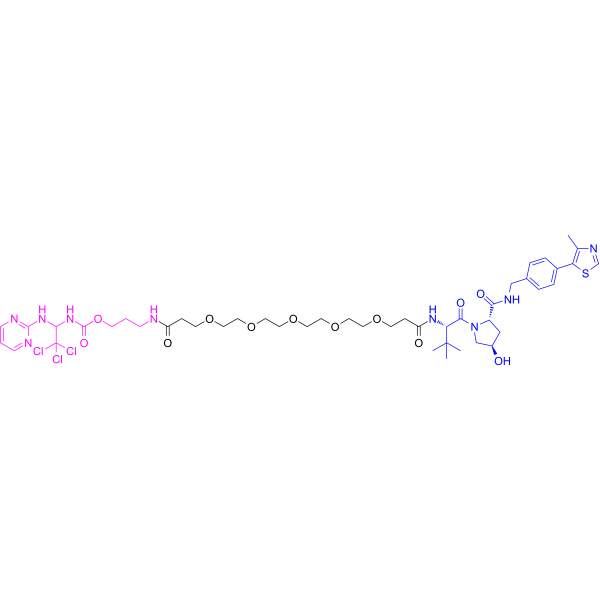
    WH244 is a second generation BCL-2 and BCL-xL dual depressant (PROTAC). The primary activity of WH244 is the specific degradation of BCL-2 and BCL-xL proteins (BCL-xL: DC50=0.6 nM, BCL-2: DC50=7.4 nM). WH244 promotes their ubiquitination and subsequent proteasome degradation by targeting these proteins, thereby restoring the cell's apoptosis pathway. WH244 has good antitumor activity. (Pink: BCL-2/BCL-xL ligand (HY-161415); Blue: E3 ligase ligand (HY-112078); Black: linker) .
    WH244
  • HY-171860

    PROTACs HIV Infection Cancer
    FC-14369 is a PROTAC degrader targeting the HIV-1 Nef protein, with a DC50 value of 160 nM. Through its bifunctional structure, FC-14369 binds to Nef and the Cereblon E3 ubiquitin ligase, induces Nef ubiquitination and proteasomal degradation, restores the expression of cell-surface CD4 and MHC-I, and inhibits HIV-1 replication. FC-14369 can be used in research on HIV infection and AIDS. FC-14369 is applicable to studies related to HIV-1 infection .
    FC-14369
  • HY-147025

    PROTACs TGF-beta/Smad HIF/HIF Prolyl-Hydroxylase Inflammation/Immunology Cancer
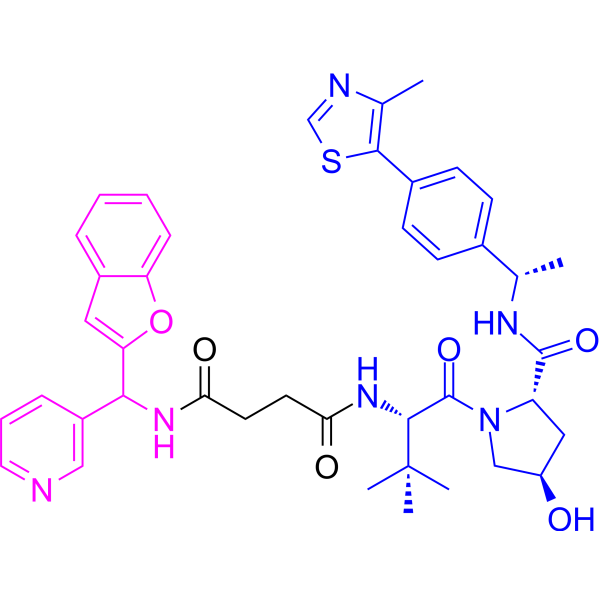
    (S,R,S)-AHPC-C2-amide-benzofuranylmethyl-pyridine is a dual target PROTAC that can not only target to the ubiquitination and degradation of Smad3 but also improve the HIF-α protein level. (S,R,S)-AHPC-C2-amide-benzofuranylmethyl-pyridine has a multi-path anti-fibrosis function and a renal protection function for research of renal anemia. (S,R,S)-AHPC-C2-amide-benzofuranylmethyl-pyridine can be used for research on prostate cancer and other cancers .
    (S,R,S)-AHPC-C2-amide-benzofuranylmethyl-pyridine
  • HY-W181530

    Molecular Glues CDK Apoptosis Ligands for E3 Ligase Cancer
    NCT02 is a molecular glue degrader based on the E3 ubiquitin ligase DDB1 that targets CDK12 and its binding partner CCNK. NCT02 triggers the ubiquitination and proteasomal degradation of CCNK, thereby downregulating CDK12 protein levels and inhibiting its downstream signaling pathways. NCT02 can induce tumor cell apoptosis, arrest the cell cycle, and selectively inhibit the proliferation of colorectal cancer cells carrying TP53 defects or belonging to the consensus molecular subtype CMS4. NCT02 has the potential to inhibit tumor growth in in vitro and in vivo models .
    NCT02
  • HY-101508

    Histone Methyltransferase Cancer
    GNA002 is a highly potent, specific and covalent EZH2 (Enhancer of zeste homolog 2) inhibitor with an IC50 of 1.1 μM. GNA002 can specifically and covalently bind to Cys668 within the EZH2-SET domain, triggering EZH2 degradation through COOH terminus of Hsp70-interacting protein (CHIP)-mediated ubiquitination. GNA002 efficiently reduces EZH2-mediated H3K27 trimethylation, reactivates polycomb repressor complex 2 (PRC2)-silenced tumor suppressor genes .
    GNA002
  • HY-141877
    MS4322
    1 Publications Verification

    YS43-22

    PROTACs Histone Methyltransferase Cancer
    MS4322 (YS43-22) is a specific PRMT5 PROTAC degrader. MS4322 reduces the PRMT5 protein level with a DC50 of 1.1 μM in MCF-7 cells. MS4322 inhibits the methyltransferase activity of PRMT5 with an IC50 of 18 nM. MS4322 promotes ubiquitination and degradation of PRMT5. MS4322 can be used for the research of breast cancer, lung cancer, and hepatocellular cancer. (Pink: PRMT5 ligand (HY-173092); Blue: E3 ligase ligand HY-112078); Black: linker (HY-124780); E3+linker (HY-173093 )) .
    MS4322
  • HY-153803

    PROTACs Molecular Glues Btk Cancer
    GBD-9 is a degrader based on the E3 ubiquitin ligase CRBN that targets BTK and the G1 to S phase transition protein GSPT1. GBD-9 has both PROTAC and molecular glue properties by inducing ubiquitination and proteasomal degradation of target proteins. GBD-9 can efficiently degrade wild-type and mutant BTK (such as C481S mutation) and GSPT1. GBD-9 significantly inhibits tumor cell proliferation by inducing G1 phase arrest in cancer cells, downregulating anti-apoptotic proteins (BCL-2, MCL-1) and activating Caspase-3 to induce apoptosis. GBD-9 is mainly used in the research of hematological tumors such as diffuse large B-cell lymphoma (DLBCL) and acute myeloid leukemia (AML) .
    GBD-9 is composed of E3 ubiquitin ligase ligand (pink part) 5-Aminothalidomide (HY-W023573), target protein ligand (blue part) Btk Inhibitor: IBT6A (HY-13036A), and PROTAC linker (black part) Nonanoic acid (HY-N7057).
    GBD-9
  • HY-153598

    PROTACs RIP kinase Apoptosis Inflammation/Immunology Cancer
    LD4172 is a selective RIPK1 PROTAC degrader with a Ki of 4.8 nM. LD4172 induces RIPK1 protein degradation via ternary complex formation with RIPK1 and VHL E3 ligase, driving ubiquitination and proteasomal breakdown. LD4172 abrogates TNF-induced classical NF-κB signaling in TRAF2-deficient cells, impairing IκBα phosphorylation and degradation, and reducing IL-8 production. LD4172 induces apoptosis and immunogenic cell death in tumor cells, enhances tumor-infiltrating lymphocyte responses, and sensitizes tumors to anti-PD1 therapy. LD4172 acts as a chemical probe for investigating RIPK1 scaffolding functions. LD4172 can be used for the research of melanoma, colon cancer .
    LD4172
  • HY-130841

    APC Ligands for Target Protein for PROTAC Cancer
    Apcin-A is a small molecule inhibitor that selectively targets the cell division cycle protein Cdc20 and is a derivative of Apcin (HY-110287). Apcin-A competitively binds to the D-box binding pocket of Cdc20 and inhibits substrate ubiquitination mediated by the anaphase promoting complex APC/C-Cdc20. Apcin-A also blocks the binding of Cdc20 to substrates (such as securin and cyclin B1), inhibiting anaphase initiation and cell cycle exit. Apcin-A can promote or prolong mitotic slippage in coordination with p31 comet under conditions of high spindle assembly checkpoint (SAC) activity. Apcin-A can be used to develop anti-mitotic drugs and overcome tumor chemotherapy resistance. Apcin-A can be used to synthesize PROTAC CP5V (HY-130257)[1][2][3].
    Apcin-A
  • HY-101460

    E3 Ligase Ligand-Linker Conjugates Drug Derivative Cancer
    Tz-Thalidomide is a tetrazine-tagged Thalidomide (HY-14658), an E3 ligase ligand. Tz-Thalidomide self-assembles with TCO-labeled target protein inhibitors, forming a CLIP-TAC (targeted protein degradation chimera) via click chemistry. This chimera recruits the E3 ubiquitin ligase CRBN to the target protein, thereby inducing ubiquitination and subsequent degradation of the target protein. When used in combination with JQ1-TCO (HY-148864), Tz-Thalidomide induces concentration-dependent degradation of BRD4 in cells. When combined with ERK-targeting protein inhibitors, Tz-Thalidomide induces degradation of ERK1/2 in cells. Tz-Thalidomide can be used in cancer-related research .
    Tz-Thalidomide
  • HY-136001

    PROTACs α-synuclein Neurological Disease
    PROTAC α-synuclein degrader 3 (Compound 5) is a selective α-synuclein PROTAC degrader. PROTAC α-synuclein degrader 3 can promote the ubiquitination and degradation of α-synuclein. PROTAC α-synuclein degrader 3 can be used for Parkinson's disease research (Pink: target protein ligand (HY-W278021); Black: linker; HY-133302; Blue: E3 ligase VHL ligand (HY-112078)) .
    PROTAC α-synuclein degrader 3
  • HY-124713

    DNA/RNA Synthesis Neurological Disease
    ML372 inhibits survival motor neuron (SMN) protein ubiquitination, increases SMN protein stability without affecting mRNA expression. ML372 improves spinal muscular atrophy (SMA) in mice. ML372 is brain penetrant and has a reasonable exposure and half-life in vivo .
    ML372
  • HY-163743

    Salt-inducible Kinase (SIK) Cancer
    SIC-19 is a SIK2 inhibitor and promotes SIK2 protein degradation via the ubiquitination pathway. SIC-19 inhibits cancer cell growth and sensitizes cells to PARP inhibitors (Such as Olaparib (HY-10162)), as well as in ovarian cancer organoids and xenograft models .
    SIC-19
  • HY-110174

    α-synuclein Neurological Disease
    NAB2 is a neuroprotectant that targets the small GTPase Rab1a. NAB2 selectively binds to the GDP-bound form of Rab1a and protects multiple cell types from α-synuclein toxicity by increasing Rab1a expression. Rab1a regulates ER-to-Golgi trafficking and mediates endosomal trafficking events of the E3 ubiquitin ligase Rsp5/Nedd4. NAB2 stimulates ubiquitination of related proteins in a Nedd4-dependent manner and rescues α-synuclein-associated trafficking defects associated with early-onset Parkinson's disease .
    NAB2
  • HY-173333

    PROTACs Epigenetic Reader Domain Apoptosis Cancer
    PROTAC SMARCA2/4 degrader-38 is a degrader SMARCA2/4 PROTAC (DC50: 3.0 nM and 4.0 nM respectively). PROTAC SMARCA2/4 degrader-38 promotes the ubiquitination and degradation of SMARCA2/4. PROTAC SMARCA2/4 degrader-38 blocks the G0/G1 cell cycle and induces apoptosis. PROTAC SMARCA2/4 degrader-38 can be used in acute myeloid leukemia (AML) research. (Pink: SMARCA2/4 ligand; Blue: VHL ligand (HY-112078); Black: linker; Target Protein Ligand-Linker Conjugates (HY-173343)) .
    PROTAC SMARCA2/4 degrader-38
  • HY-169133

    PROTACs Glutathione Peroxidase Ferroptosis Cancer
    GDCNF-11 is a HIM-PROTAC GPX4 degrader based on the chaperone protein HSP90. GDCNF-11 promotes the ubiquitination and degradation of GPX4 through the HSP 90 chaperone complex, reduces endogenous GPX4 expression to induce ferroptosis in HT-1080 cells, and the DC50 value is 0.08 μM (Pink: Target protein ligand (HY-153748); Blue: HSP90 ligand (HY-10212); Black: Linker (HY-W169526)) .
    GDCNF-11
  • HY-175600

    IKZF Family Casein Kinase Molecular Glues Cancer
    MI-2-80 is a molecular glue degrader. MI-2-80 induces proteins (such as IKZF1/3 and CSNK1A1) to bind to CRBN, promoting their ubiquitination and degradation .
    MI-2-80
  • HY-114383

    Deubiquitinase Autophagy Neurological Disease
    ST-539 is the inhibitor for deubiquitinase USP30 with IC50 of 0.37 μM. ST-539 promotes the ubiquitination of mitochondrial proteins, and induces mitochondrial autophagy, thereby regulating mitochondrial homeostasis. ST-539 can be used in research of neurodegenerative diseases .
    ST-539
  • HY-130297

    Bcr-Abl Ligands for Target Protein for PROTAC Cancer
    PROTAC BCR-ABL1 ligand 1, compound GMB-475, is the ligand of PROTAC that allosterically targets BCR-ABL1 protein and recruits the E3 ligase Von Hippel-Lindau, resulting in ubiquitination and subsequent degradation of BCR-ABL1 .
    PROTAC  BCR-ABL1 ligand 1
  • HY-W020033R

    Reference Standards Endogenous Metabolite Neurological Disease
    Lanosterol (Standard) is the analytical standard of Lanosterol. This product is intended for research and analytical applications. Lanosterol is an intermediate of cholesterol synthesis and use of lanosterol induces ubiquitination and degradation of a rate-controlling enzyme of cholesterol synthesis, i.e., HMG CoA reductase. Lanosterol suppresses the aggregation and cytotoxicity of misfolded proteins linked with neurodegenerative diseases[1][2].
    Lanosterol (Standard)
  • HY-174368

    Pro-BA

    PROTACs Apoptosis Anaplastic lymphoma kinase (ALK) Cancer
    PROTAC EML4-ALK Degrader-2 (Pro-BA) is a selective and orally active linker-free EML4-ALK PROTAC degrader with the DC50 of 74 nM in H1322 cells (T1/2 = 8 h). PROTAC EML4-ALK Degrader-2 relies on GID4 and proteasome pathways to promote ubiquitination of target proteins, leading to cell apoptosis. PROTAC EML4-ALK Degrader-2 can be used for research on cancer. (Pink: EML4-ALK Ligand (HY-40114); Blue: GID4 Ligand (HY-150908))
    PROTAC EML4-ALK Degrader-1
  • HY-141877B

    YS43-22 (isomer)

    PROTACs Histone Methyltransferase Cancer
    MS4322 (YS43-22) isomer is an isomer of MS4322. MS4322 is a specific PRMT5 PROTAC degrader. MS4322 reduces the PRMT5 protein level with a DC50 of 1.1 μM in MCF-7 cells. MS4322 inhibits the methyltransferase activity of PRMT5 with an IC50 of 18 nM. MS4322 promotes ubiquitination and degradation of PRMT5. MS4322 can be used for the research of breast cancer, lung cancer, and hepatocellular cancer. (Pink: PRMT5 ligand (HY-173092); Blue: E3 ligase ligand HY-112078); Black: linker (HY-124780); E3+linker (HY-173093 )) .
    MS4322 (isomer)
  • HY-156566

    PROTACs Epigenetic Reader Domain HSP Cancer
    PROTAC BRD4 Degrader-21 is a BRD4-targeting PROTAC degrader with an IC50 value of 59 nM. PROTAC BRD4 Degrader-21 induces ubiquitination of BRD4, leading to its degradation via the proteasome. PROTAC BRD4 Degrader-21 binds to recombinant HSP90α protein with moderate affinity, having an IC50 of 100-1000 nM. PROTAC BRD4 Degrader-21 induces cancer cell death. PROTAC BRD4 Degrader-21 inhibits tumor growth in xenograft mouse models. PROTAC BRD4 Degrader-21 can be used for the research of acute myeloid leukemia, diffuse large B-cell lymphoma .
    PROTAC BRD4 Degrader-21
  • HY-178389

    Molecular Glues Glutathione Peroxidase Ferroptosis Reactive Oxygen Species (ROS) Cancer
    GPX4-IN-20, a Arctigenin (HY-N0035) derived, is a GPX4& molecular gluedegrader. GPX4-IN-20 induces ferroptosis by increasing lipid ROS levels and suppressing GSH levels. GPX4-IN-20 reduces the protein expression and enzyme activity of GPX4 in a dose-dependent manner without affecting other ferroptosis-related proteins. GPX4-IN-20 induces ubiquitination-dependent proteasomal degradation of GPX4. GPX4-IN-20 also increases the level of malondialdehyde (MDA) in HCT-116 cells. GPX4-IN-20 can be used for the research of colorectal cancer .
    GPX4-IN-20
  • HY-43961
    E3 ligase Ligand 8
    3 Publications Verification

    Ligands for E3 Ligase Cancer
    E3 ligase Ligand 8 is a ligand for E3 ubiquitin ligase. E3 ligase Ligand 8 can be connected to the ligand for protein by a linker to form PROTACs. PROTACs are inducers of ubiquitination-mediated degradation of cancer-promoting proteins .
    E3 ligase Ligand 8
  • HY-150825

    IAP Ligands for E3 Ligase Cancer
    CST530 is an inhibitor of apoptosis protein (IAP) antagonist. CST530 is an IAP-type Ligands for E3 Ligase. CST530 binds to the BIR3 domain of IAP and interferes with its function, thereby promoting the ubiquitination and degradation of cIAP1. CST530 can be used to prepare PROTACs .
    CST530
  • HY-170900

    PROTACs Epigenetic Reader Domain c-Myc MDM-2/p53 Neurological Disease Cancer
    SJ44236 is a BET PROTAC degrader with activity against BRD2, BRD3 and BRD4 (DC50 = 127 pM). SJ44236 induces ubiquitination and proteasomal degradation by forming a ternary complex with BET proteins and CRBN-DDB1. SJ44236 downregulates c-Myc, upregulates p53 and reduces cancer cell viability. SJ44236 can be used for the research of leukemia and medulloblastoma .
    SJ44236
  • HY-156152

    PROTACs Histone Methyltransferase Cancer
    CARM1 degrader-1 is a CARM1 PROTAC degrader (DC50 = 8.1 nM) with high selectivity over other protein arginine methyltransferases. CARM1 degrader-1 degrades CARM1 in a VHL- and proteasome-dependent manner. CARM1 degrader-1 downregulates the methylation level of CARM1 substrates in cell-based assays. CARM1 degrader-1 inhibits cancer cell migration in cell-based assays. CARM1 degrader-1 can be used for the research of breast cancer .
    CARM1 degrader-1
  • HY-174984

    p97 Caspase p62 Cancer
    VCP/p97 IN-3 is a VCP/p97 allosteric inhibitor. VCP/p97 IN-3 shows the inhibitory activity against the VCP proteins with an IC50 of 9 nM and the mutant VCP proteins with IC50 of 12 nM (N660K) and 19 nM (V474A/D649A). VCP/p97 IN-3 increases K48-linked ubiquitination and the level of cleaved caspase-3. VCP/p97 IN-3 activates ER-stress and the UPR. VCP/p97 IN-3 inhibits tumor growth in RPMI-8226 cell subcutaneous xenograft mouse models. VCP/p97 IN-3 can be used for the study of multiple myeloma .
    VCP/p97 IN-3
  • HY-141659A

    Mitophagy Deubiquitinase Neurological Disease
    (R)-CMPD-39 is the R enantiomer of CMPD-39 ( HY-141659 ). CMPD-39 is a selective non-covalent inhibitor of the ubiquitin-specific protease USP30 (IC50 =~20 nM), with high selectivity over other DUB family members (1-100 μM). CMPD-39 inhibits the deubiquitinating activity of USP30, enhances the ubiquitination of mitochondrial proteins TOMM20 and SYNJ2BP; thus, CMPD-39 promotes phosphoubuitin accumulation, thereby accelerating mitochondrial autophagy (mitophagy) and peroxisomal autophagy (pexophagy). CMPD-39 significantly restores impaired mitochondrial function in dopaminergic neurons derived from Parkinson's disease patients .
    (R)-CMPD-39

Inquiry Online

Your information is safe with us. * Required Fields.

Salutation


Country or Region *

Applicant Name *


Organization Name *

Department *


Email Address *


Product Name *

Cat. No.


Requested quantity *

Phone Number *


Remarks

Inquiry Online

Inquiry Information

Product Name:
Cat. No.:
Quantity:
MCE Japan Authorized Agent:

