
1. Search Result
Search Result
Pathways Recommended: Stem Cell/Wnt Cell Cycle/DNA Damage
Results for "

T cells

" in MedChemExpress (MCE) Product Catalog:

2379

Inhibitors & Agonists

3

Screening Libraries

37

Fluorescent Dye

202

Biochemical Assay Reagents

242

Peptides

11

MCE Kits

456

Inhibitory Antibodies

175

Natural
Products

2

Recombinant Proteins

43

Isotope-Labeled Compounds

15

Antibodies

14

Click Chemistry

82

Oligonucleotides

3

GMP Molecules

Cat. No. Product Name Target Research Areas Chemical Structure
  • HY-13624A
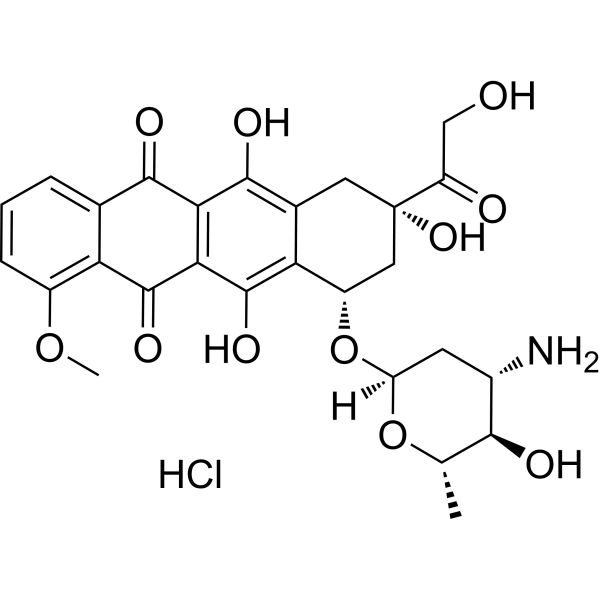
    Epirubicin hydrochloride
    35+ Cited Publications

    4'-Epidoxorubicin hydrochloride

    DNA/RNA Synthesis Topoisomerase Apoptosis Antibiotic Infection Neurological Disease Inflammation/Immunology Cancer
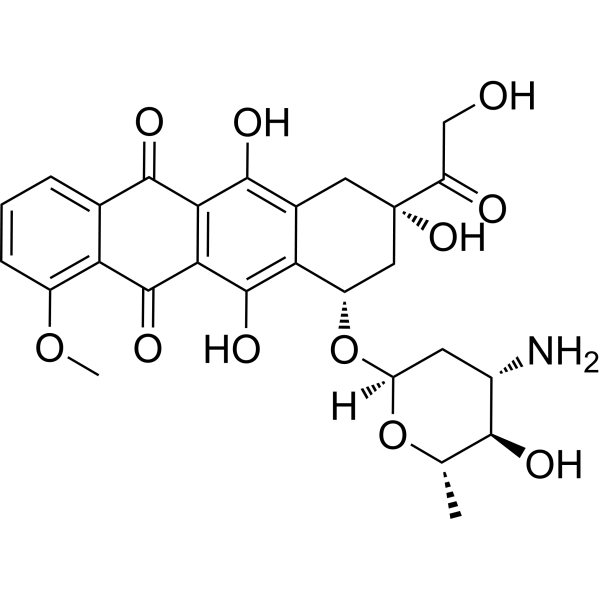
    Epirubicin hydrochloride (4'-Epidoxorubicin hydrochloride), a semisynthetic L-arabino derivative of doxorubicin, has an antineoplastic agent by inhibiting Topoisomerase . Epirubicin hydrochloride inhibits DNA and RNA synthesis. Epirubicin hydrochloride is a Forkhead box protein p3 (Foxp3) inhibitor and inhibits regulatory T cell activity .
    Epirubicin hydrochloride
  • HY-P99392

    JNJ-7957; JNJ-64007957; Tecvayli

    CD3 Cancer
    Teclistamab is a human bispecific antibody to BCMA and CD3 that recognizes BCMA on target cells and CD3 on T cells and induces T cell-mediated cytotoxicity leading to T cell activation and subsequent target cell lysis. Teclistamab can be used in studies of diseases related to multiple myeloma (MM) .
    Teclistamab
  • HY-19344
    Lifitegrast
    10+ Cited Publications

    SAR 1118; SHP-606

    Integrin Inflammation/Immunology
    Lifitegrast (SAR 1118) is a potent integrin antagonist. Lifitegrast blocks the binding of intercellular adhesion molecule 1 (ICAM-1) to lymphocyte function-associated antigen 1 (LFA-1), interrupting the T cell-mediated inflammatory cycle. Lifitegrast inhibits Jurkat T cell attachment to ICAM-1 with an IC50 of 2.98 nM. Lifitegrast can be used for researching dry eye disease .
    Lifitegrast
  • HY-B0172A
    Isoallolithocholic acid
    3 Publications Verification

    3β-Hydroxy-5α-cholanic acid

    Drug Derivative Inflammation/Immunology
    Isoallolithocholic acid (3β-Hydroxy-5α-cholanic acid), a derivative of Lithocholic acid (HY-10219), is a T cell regulator. Isoallolithocholic acid enhances regulatory T cells (Tregs) differentiation .
    Isoallolithocholic acid
  • HY-13624
    Epirubicin
    35+ Cited Publications

    4'-Epidoxorubicin

    DNA/RNA Synthesis Topoisomerase Apoptosis Antibiotic Cancer
    Epirubicin (4'-Epidoxorubicin), a semisynthetic L-arabino derivative of doxorubicin, has an antineoplastic agent by inhibiting Topoisomerase . Epirubicin inhibits DNA and RNA synthesis. Epirubicin is a Forkhead box protein p3 (Foxp3) inhibitor and inhibits regulatory T cell activity .
    Epirubicin
  • HY-159649

    DGK PERK Interleukin Related Inflammation/Immunology Cancer
    BMS-986408 is an orally active inhibitor of DGKα and DGKζ, with IC50 values of 0.0003 μM and 0.002 μM, respectively. BMS-986408 activates intratumoral T cell responses, enhances the priming and expansion of tumor-reactive T cells in tumor-draining lymph nodes, and functions as an immunostimulant. BMS-986408 can be used in the research of tumors .
    BMS-986408
  • HY-P99948

    AMG-596

    EGFR CD3 Neurological Disease Cancer
    Etevritamab (AMG-596) is a bispecific T-cell engager that targets EGFRvIII and CD3. Etevritamab simultaneously binds CD3 on T cells and EGFRvIII on glioblastoma multiforme cells, thereby forming a bridge structure. Etevritamab triggers T-cell activation, proliferation, secretion of cytotoxic substances, and tumor cell lysis. Etevritamab extends overall survival and induces tumor regression in mouse models of glioblastoma multiforme. Etevritamab can be used for research related to glioblastoma .
    Etevritamab
  • HY-19344A
    Lifitegrast sodium
    10+ Cited Publications

    SAR 1118 sodium; SHP-606 sodium

    Integrin Inflammation/Immunology
    Lifitegrast (SAR 1118) sodium is a potent integrin antagonist. Lifitegrast sodium blocks the binding of intercellular adhesion molecule 1 (ICAM-1) to lymphocyte function-associated antigen 1 (LFA-1), interrupting the T cell-mediated inflammatory cycle. Lifitegrast sodium inhibits Jurkat T cell attachment to ICAM-1 with an IC50 of 2.98 nM. Lifitegrast sodium can be used for researching dry eye disease .
    Lifitegrast sodium
  • HY-P991155

    JNJ-79635322; JNJ-5322

    CD3 TNF Receptor Cancer
    Ramantamig (JNJ-79635322) is a humanized monoclonal antibody targeting human CD3ε, GPRC5D, and TNFRSF17 (BCMA). Ramantamig binds to BCMA and GPRC5D on multiple myeloma cells, binds to CD3ε on T cells, forms immunological synapses, and enables T-cell-mediated cytotoxicity. Ramantamig activates T cells concomitantly with inducing myeloma cell cytotoxicity, with no nonspecific T-cell activation in the absence of target myeloma cells. Ramantamig carries mutations to reduce interaction with Fc receptors and disrupt protein A binding of monomeric and homodimerized chains. Ramantamig can be used for the research of multiple myeloma .
    Ramantamig
  • HY-131140
    BD750
    5 Publications Verification

    JAK STAT Inflammation/Immunology Cancer
    BD750, an effective immunosuppressant and a JAK3/STAT5 inhibitor, inhibits IL-2-induced JAK3/STAT5-dependent T cell proliferation, with IC50 values of 1.5 μM and 1.1 μM in mouse and human T cells, respectively .
    BD750
  • HY-P99617

    REGN3767

    LAG-3 Inflammation/Immunology Cancer
    Fianlimab (REGN3767) is a human monoclonal antibody that targets the immune checkpoint receptor LAG-3 on T cells and has anti-tumour activity .
    Fianlimab
  • HY-P991731

    ZG006

    CD3 Notch Neurological Disease Cancer
    Alveltamig (ZG006) is a trispecific T cell engager targeting Delta-like ligand 3 (DLL3)/CD3, mediating T cell-specific killing of DLL3-expressing tumor cells. Alveltamig can be used for the researches of small cell lung cancer and neuroendocrine carcinoma .
    Alveltamig
  • HY-176244

    Histone Acetyltransferase Cancer
    KI-TOX-A3 is a TOX protein-protein interaction inhibitor that blocks the TOX-KAT7 protein-protein interaction with an IC50 of 0.51 μM. KI-TOX-A3 induces proteasomal degradation of TOX, restores KAT7-mediated H3K14 acetylation, reverses exhaustion of CD8 + T cells, and inhibits the proliferation of T cell acute lymphoblastic leukemia (T-ALL) cells. KI-TOX-A3 shows promise for use in studies of hematological malignancies such as T-ALL .
    KI-TOX-A3
  • HY-P99259

    FPA 008; Anti-Human CSF1R Recombinant Antibody

    c-Fms Inflammation/Immunology Cancer
    Cabiralizumab (FPA 008) is an anti-CSF1R monoclonal antibody (MAb). Cabiralizumab enhances T cell infiltration and antitumor T cell immune responses. Cabiralizumab inhibits the activation of osteoclasts and blocks bone destruction, and can be used in the research of rheumatoid arthritis (RA). Cabiralizumab can combine with Nivolumab (HY-P9903) for lung cancer research .
    Cabiralizumab
  • HY-P99152

    Muromanab-CD3

    CD3 Interleukin Related IFNAR Inflammation/Immunology Cancer
    Muromonab (Muromonab-CD3; OKT3) is a mouse monoclonal antibody targeting the CD3 antigen. Muromonab specifically binds to the CD3 antigen on the surface of human and higher primate T cells. Muromonab blocks the function of T cell receptors to recognize foreign antigens and inhibits T cell-mediated immune responses, including cell-mediated lymphocyte lysis and T cell proliferation responses. Muromonab can be used to study acute kidney, liver, heart and combined kidney-pancreas transplant rejection, and can also be used to study graft-versus-host disease in bone marrow transplant patients .
    Muromonab
  • HY-P9947
    Efalizumab
    1 Publications Verification

    Integrin Others
    Efalizumab is a targeted T cell modulator, and is a humanized monoclonal antibody of CD11a, the α subunit of LFA-1. Efalizumab inhibits T cell activation, cutaneous T cell trafficking, and T cell adhesion to keratinocytes, can be used for plaque psoriasis research .
    Efalizumab
  • HY-162501
    Yaddle1
    1 Publications Verification

    Piezo Channel Inflammation/Immunology
    Yaddle1 is an agonist of the mechano-activated ion channel (Piezo1) with a half-maximal effective concentration (MEC50) of 0.40 μM. Yaddle1 can significantly trigger Ca 2+ inflow in T cells and induce T cell activation response. Yaddle1 can be used in the study of vaccine adjuvants .
    Yaddle1
  • HY-W019721

    Nuclear Factor of activated T Cells (NFAT) Inflammation/Immunology
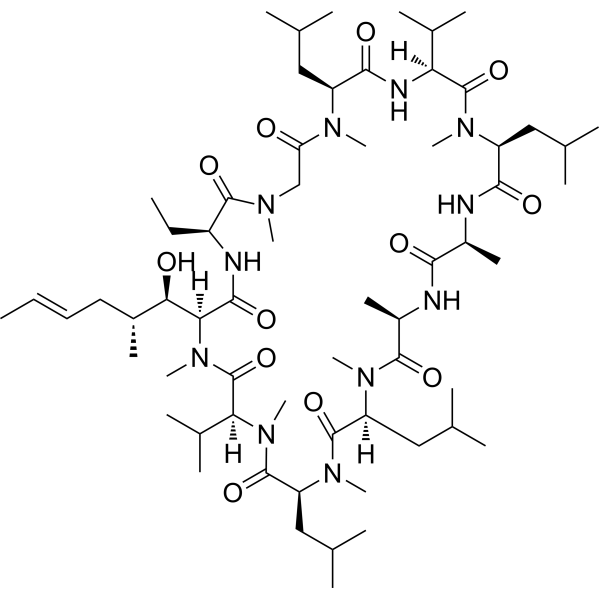
    Cyclosporin D, a metabolite of Cyclosporin A, is a weak immunosuppressant. Cyclosporin D is used as internal standard for quantification of Cyclosporin A . Cyclosporin A is a potent immunosuppressant agent, suppress T cell activation by inhibiting calcineurin and the calcineurin-dependent transcription factors nuclear factor of activated T cells (NFAc) .
    Cyclosporin D
  • HY-P2511

    Transmembrane Glycoprotein Metabolic Disease
    Insulin β Chain Peptide (15-23) is one of the earliest antigenic epitopes to which CD8 T-cells respond .
    Insulin β Chain Peptide (15-23)
  • HY-119347
    Cirsilineol
    3 Publications Verification

    IFNAR STAT Inflammation/Immunology Cancer
    Cirsilineol, a natural flavone compound, selectively inhibits IFN-γ/STAT1/T-bet signaling in intestinal CD4 + T cells. Cirsilineol has potent immunosuppressive and anti-tumor properties. Cirsilineol significantly ameliorates trinitro-benzene sulfonic acid (TNBS)-induced T-cell-mediated experimental colitis in mice .
    Cirsilineol
  • HY-P990981

    ALPS-12; RG-6524; RO 7616789

    CD3 Inflammation/Immunology Cancer
    Clesitamig (ALPS-12) is a trispecific T cell engager with two CD3/CD137 dual-specific Fabs and one DLL3 Fab. Clesitamig engages CD3 and CD137 on T cells to activate and co-stimulate T cells, promoting their proliferation, survival, and antitumor activity. Clesitamig binds to DLL3 on tumor cells for tumor-specific recognition. Clesitamig can be used for the research of small cell lung cancer (SCLC) .
    Clesitamig
  • HY-P99129
    Anti-Mouse CD8a Antibody (53-6.7)
    3 Publications Verification

    Transmembrane Glycoprotein Inflammation/Immunology
    Anti-Mouse CD8a Antibody (53-6.7) is an anti-mouse CD8a IgG2a antibody inhibitor derived from host Rat. Anti-Mouse CD8a Antibody (53-6.7) binds to CD8αβ stabilizes a conformation with a higher affinity for interaction with MHC class I. Anti-Mouse CD8a Antibody (53-6.7) induces the phosphorylation and activation of TCR proximal signaling pathway components Lck and ZAP70 in polyclonal memory T cells. Anti-Mouse CD8a Antibody (53-6.7) depletes CD8+ T cells and neutralizes cytokine in mice .
    Anti-Mouse CD8a Antibody (53-6.7)
  • HY-P991526

    CD3 Cancer
    M701 is a T-cell engager bispecific humanized antibody targeting epithelial cell adhesion molecule (EpCAM) and cluster of differentiation 3 (CD3). M701 binds to EpCAM on tumor cells and CD3 on T cells, thereby linking the two cell populations to achieve targeted cytotoxicity and T cell-mediated cytotoxicity. M701 is applicable to research related to advanced epithelial solid tumors .
    M701
  • HY-156659

    Phosphatase ERK Inflammation/Immunology
    NC1 is a selective non-competitive and allosteric lymphoid-specific tyrosine phosphatase (LYP) inhibitor, with a Ki value 4.3 μM. NC1 allosterically regulates LYP/PTPN22 activity by restricting WPD loop movement. NC1 inhibits LYP activity in lymphoid T cells and enhances T-cell receptor signaling. NC1 can be used for the research of autoimmune diseases .
    NC1
  • HY-126037
    (±)-ML 209
    1 Publications Verification

    ROR Inflammation/Immunology
    (±)-ML 209 (compound 4n), a diphenylpropanamide, is a retinoic acid-related orphan receptor RORγ antagonist with an IC50 of 1.1 μM. (±)-ML 209 inhibits RORγt transcriptional activity with an IC50 of 300 nM in HEK293t cells. (±)-ML 209 inhibits the transcriptional activity of RORγt, but not RORα in cells. (±)-ML 209 selectively inhibits murine Th17 cell differentiation without affecting the differentiation of naïve CD4 + T cells into other lineages, including Th1 and regulatory T cells .
    (±)-ML 209
  • HY-P99390

    MCLA 117

    CD3 Interleukin Related IFNAR TNF Receptor Inflammation/Immunology Cancer
    Tepoditamab (MCLA-117) is a full-length human IgG1 bispecific monoclonal antibody that binds to CLEC12A of myeloid cells and CD3 of cytotoxic T cells. Among others, CLEC12A is a myeloid differentiation antigen. Tepoditamab kills AML leukaemia mother cells and AML leukaemia stem cells, induces T cell-mediated proliferative lysis of AML cells. Tepoditamab induces upto 30-fold T-cell expansion. Tepoditamab results in moderate to strong cytokine (IFNγ, IL-6, IL-8, IL-10, and TNFα) and IFNγ release in human whole blood and PBMC, respectively. Tepoditamab can be used in acute myeloid leukaemia (AML) research .
    Tepoditamab
  • HY-P1684
    Peptide P60
    1 Publications Verification

    FOXP3 inhibitor P60

    NF-κB Nuclear Factor of activated T Cells (NFAT) Infection Inflammation/Immunology Cancer
    Peptide P60 is a FOXP3 inhibitor. Peptide P60 reduces the nuclear translocation of FOXP3 and impairs FOXP3-mediated inhibition of NF-κB and NFAT activity. Peptide P60 inhibits the immunosuppressive activity of regulatory T cells and restores the proliferation and activation of effector T cells. Peptide P60 induces lymphoproliferative autoimmune syndrome in neonatal ICR mice and reduces the number of CD4 +CD25 +Foxp3 + T cells in the spleen. Peptide P60 enhances the efficacy of AH1 (HY-P4193) peptide vaccine and recombinant adenovirus-based HCV NS3 vaccine in BALB/c mice, including protective effects against CT26 tumor implantation. Peptide P60 can be used in studies related to tumor immunity, viral infection and lymphoproliferative autoimmune syndrome .
    Peptide P60
  • HY-P991061

    CHS-114; SRF-114

    CCR Cancer
    Tagmokitug (CHS-114; SRF-114) is a fully human IgG1 antibody targeting CCR8. Tagmokitug selectively binds to human CCR8 (Kd = 502 pM) and mediates the death of CCR8-expressing cells via antibody-dependent cellular cytotoxicity and antibody-dependent cellular phagocytosis. Tagmokitug selectively eliminates intratumoral regulatory T cells, induces tumor growth inhibition, remodels the tumor immune microenvironment, and promotes the differentiation of cytotoxic CD8 + T cell subsets. Tagmokitug can be used for the research of solid tumors .
    Tagmokitug
  • HY-P1585
    Gp100 (25-33), human
    1 Publications Verification

    Hgp100 (25-33)

    MHC Cancer
    Gp100 (25-33), human (Hgp100 (25-33)) is the amino acids 25-33 fragment of the human melanoma antigen. Gp100 (25-33), human is a 9-amino acid (AA) epitope restricted by MHC class I H-2D b and recognized by the T cells. Gp100 (25-33), human has immunogenicity and induces specific T cells. Gp100 (25-33), human can be used for the cancer research, such as melanoma .
    Gp100 (25-33), human
  • HY-P99123
    Anti-Mouse CD28 Antibody (37.51)
    2 Publications Verification

    CD28 Inflammation/Immunology
    Anti-Mouse CD28 Antibody (37.51) is an agonistic agonistic CD28-specific antibody derived from the host Syrian Hamster. Anti-Mouse CD28 Antibody (37.51) partially prevents lethal graft-versus-hostdisease (GVHD) by selective depletion of alloreactive T cells in mice .
    Anti-Mouse CD28 Antibody (37.51)
  • HY-18555
    TMPA
    3 Publications Verification

    Nuclear Hormone Receptor 4A/NR4A AMPK Metabolic Disease Inflammation/Immunology Cancer
    TMPA is a high-affinity Nur77 antagonist that binds to Nur77 leading to the release and shuttling of LKB1 in the cytoplasm to activate AMPKα. TMPA effectively lowers blood glucose and attenuates insulin resistance in type II db/db, high-fat diet and streptozotocin-induced diabetic mice. TMPA reduces RICD (restimulation-induced cell death) in human T cells, can also be used in studies of cancer and T-cell apoptosis dysregulation .
    TMPA
  • HY-P99814

    AMG-701

    CD3 Inflammation/Immunology Cancer
    Pavurutamab (AMG-701) is a bispecific T cell engager molecule that anti-CD3 and anti-B cell maturation antigens (BCMA). Pavurutamab has an extended half-life based on Pacanalotamab (HY-P99798). The Fc of Pavurutamab is coupled to molecules to improve pharmacokinetic parameters. Pavurutamab has potential applications in immune regulation and multiple myeloma (MM) .
    Pavurutamab
  • HY-144088
    ZYF0033
    2 Publications Verification

    HPK1-IN-22

    MAP4K Inflammation/Immunology Cancer
    ZYF0033 is an orally active inhibitor of the hematopoietic progenitor cell kinase HPK1 with an IC50 of less than 10 nM based on the phosphorylation inhibition of MBP protein. ZYF0033 promotes anti-cancer immune responses and reduces phosphorylation of SLP76 (serine 376). ZYF0033 inhibits tumor growth in the 4T-1 syngeneic mouse model and leads to increased intratumoral infiltration of DCs, NK cells, and CD107a +CD8 + T cells, but not T cells, PD-1 +CD8 + T cells, TIM-3 +CD8 + Infiltration of T cells and LAG3 +CD8 + T cells was reduced .
    ZYF0033
  • HY-141549

    DNA/RNA Synthesis Others Inflammation/Immunology
    BPK-21, an active acrylamide, suppresses T cell activation through blockade of ERCC3 function. BPK-21 specifically targets C342 in the helicase ERCC3 .
    BPK-21
  • HY-P991192

    TNF Receptor Cancer
    BI-1808 is a human IgG1 monoclonal antibody that targets TNFR2by blocking interaction of TNFR2 with ligand TNF-α, confers FcγR-dependent depletion of Treg and mediates expansion of intratumoral CD8 + T cells .
    BI-1808
  • HY-135898

    DGK Inflammation/Immunology Cancer
    DGK-IN-1 is a DGK inhibitor (DGKa/DGKz IC50: 0.65/0.25 μM). DGK-IN-1 is a T cell activator that can be used in cancer and viral infection research .
    DGK-IN-1
  • HY-168022
    CAM2602
    1 Publications Verification

    Aurora Kinase Cancer
    CAM2602 is an orally active Aurora A-TPX2 protein−protein interaction inhibitor with a human Kd of 19 nM for Aurora A. CAM2602 increases the proportion of PH3 positive cells while reducing P-T288 Aurora A levels. CAM2602 arrests tumor xenograft growth in mice. CAM2602 can be used for the research of cancer, such as acute T cell leukemia .
    CAM2602
  • HY-NP028

    KLH-FITC

    Biochemical Assay Reagents Fluorescent Dye Inflammation/Immunology
    Keyhole Limpet Hemocyanin-FITC induces both T-cell-dependent and T-cell-independent immune responses .
    Keyhole Limpet Hemocyanin-FITC
  • HY-W181026

    Fluorescent Dye Inflammation/Immunology
    KLF10-IN-1 (#48-15) is a KLF10 inhibitor with an IC50 value of 40 μM for KLF10 reporter gene. KLF10-IN-1 can inhibit KLF10-DNA binding and transcriptional activity, block the conversion of CD4+CD25 T cells to CD4+CD25+T regulatory cells, and inhibit the expression of KLF10 target genes. KLF10-IN-1 can be used as a useful mechanistic probe to study KLF10-mediated effects and T regulatory cell biology .
    KLF10-IN-1
  • HY-P991364

    PYX-106; BSI-060T

    Transmembrane Glycoprotein Cancer
    Aldastotug (PYX-106; BSI-060T) is a human monoclonal antibody (mAb) targeting Siglec-15/CD33L3. Aldastotug reverses Siglec-15-mediated immunosuppression and enhances T-cell proliferation. Aldastotug induces significantly increased levels of IFNγ and TNFα in T cells. Aldastotug can be used in cancer immunity research. Recommended isotype control: Human IgG1 kappa, Isotype Control (HY-P99001) .
    Aldastotug
  • HY-159643

    MAP4K IFNAR Interleukin Related Inflammation/Immunology Cancer
    NDI-101150 is an orally active, potent and selective hematopoietic progenitor cell kinase 1 (HPK1) inhibitor with an IC50 of 0.7 nM. NDI-101150 blocks HPK1-mediated negative regulation of immune receptor signaling, inhibits immunosuppression of T cell activation, enhances antigen-specific antibody production and augments B-cell activation. NDI-101150 inhibits tumor growth in syngeneic tumor models, establishes durable antitumor immune memory, and synergizes with anti-PD1 to enhance exhausted T cell activity and drive tumor regressions. NDI-101150 can be used for the research of cancer, such as breast cancer and colon cancer .
    NDI-101150
  • HY-P990303

    Nuclear Factor of activated T Cells (NFAT) Others
    Anti-Mouse 2C TCR Antibody (1B2) is a mouse-derived IgG1 type antibody inhibitor, targeting to mouse 2C TCR. Anti-Mouse 2C TCR Antibody (1B2) recognizes determinants on the variable regions of both the α and β subunits of the TCR (T cell receptor) expressed by the mouse cytotoxic T lymphocyte clone 2C. Anti-Mouse 2C TCR Antibody (1B2) can be used for the detections of immunofluorescence and flow cytometry .
    Anti-Mouse 2C TCR Antibody (1B2)
  • HY-P1585A
    Gp100 (25-33), human TFA
    1 Publications Verification

    Hgp100 (25-33) TFA

    MHC Cancer
    Gp100 (25-33), human TFA (Hgp100 (25-33) (TFA)) is the amino acids 25-33 fragment of the human melanoma antigen. Gp100 (25-33), human TFA is a 9-amino acid (AA) epitope restricted by MHC class I H-2D b and recognized by the T cells. Gp100 (25-33), human TFA has immunogenicity and induces specific T cells. Gp100 (25-33), human TFA can be used for the cancer research, such as melanoma .
    Gp100 (25-33), human TFA
  • HY-105063

    HSP Metabolic Disease Inflammation/Immunology
    DiaPep277 is a 24 amino acid peptide derived from positions 437-460 in HSP60. DiaPep277 arrests the progression of β-cell destruction in NOD mice. DiaPep277 has an immune modulatory effect on diabetogenic T cells in animal models of diabetes .
    DiaPep277
  • HY-P99790

    CEN 000029; cM-T412

    Transmembrane Glycoprotein Inflammation/Immunology
    Priliximab (CEN 000029) is an anti-CD4 humanized monoclonal antibody. Priliximab binds to CD4 on the surface of T cells, resulting in a significant and sustained reduction in circulating CD4 + T cells. Priliximab can be used in research of rheumatoid arthritis (RA) .
    Priliximab
  • HY-P991402

    TNF Receptor Cancer
    BI-1910 is a human monoclonal antibody (mAb) targeting TNFRSF1B. BI-1910 enhances T cell activation and induces CD8 T cell-dependent anti-tumor effects. BI-1910 can be used in solid tumors research. Recommended isotype control: Human IgG2 lambda, Isotype Control (HY-P991206) .
    BI-1910
  • HY-P991178

    TNF Receptor Cancer
    BMS-986156 is a fully humanized IgG1 agonist monoclonal antibody agonist corticosteroid-induced tumor necrosis factor receptor-related protein (GITR). BMS-986156 binds to GITR and promotes activation of T effector cells and inactivates T regulatory cells. BMS-986156 is indicated for use in advanced solid tumor studies .
    BMS-986156
  • HY-P991110

    Interleukin Related Inflammation/Immunology
    Anti-Mouse CD25 Antibody (7D4) is a mouse IgG2 monoclonal antibody targeting CD25. Anti-Mouse CD25 Antibody (7D4) enables the isolation of naive CD4 + T cells by depleting CD25-expressing cells .
    Anti-Mouse CD25 Antibody (7D4)
  • HY-P991455

    TNF Receptor Cancer
    PTX-35 is a human IgG monoclonal antibody (mAb) targeting TNFRSF25. PTX-35 reduces the suppressive activity of regulatory T cells and enhances CD4+ T cell effector responses in a mouse melanoma model. PTX-35 can be used in Islet cell transplant rejection and Solid tumours research. Recommended isotype control: Human IgG1 lambda2, Isotype Control (HY-P990096) .
    PTX-35
  • HY-19486

    Nuclear Factor of activated T Cells (NFAT) CD3 CD28 Interleukin Related Inflammation/Immunology
    UR-1505 is a nuclear factor of activated T cells (NF-AT) inhibitor. UR-1505 can suppress CD3/CD28 induced T cell proliferation, increase p27 KIP levels, and induce G1/S cell cycle arrest. UR-1505 can also inhibit the production of IL-5 and IFN-γ in activated T cells. UR-1505 has immunomodulatory properties and can be used in the study of atopic dermatitis .
    UR-1505

Inquiry Online

Your information is safe with us. * Required Fields.

Salutation


Country or Region *

Applicant Name *


Organization Name *

Department *


Email Address *


Product Name *

Cat. No.


Requested quantity *

Phone Number *


Remarks

Inquiry Online

Inquiry Information

Product Name:
Cat. No.:
Quantity:
MCE Japan Authorized Agent:

