
1. Search Result
Search Result
Results for "

Tumor suppressor

" in MedChemExpress (MCE) Product Catalog:

106

Inhibitors & Agonists

7

Screening Libraries

1

Fluorescent Dyes

2

Biochemical Assay Reagents

13

Peptides

2

Inhibitory Antibodies

8

Natural
Products

12

Recombinant Proteins

7

Isotope-Labeled Compounds

27

Antibodies

4

Oligonucleotides

1

GMP Molecules

Cat. No. Product Name Target Research Areas Chemical Structure
  • HY-B0660
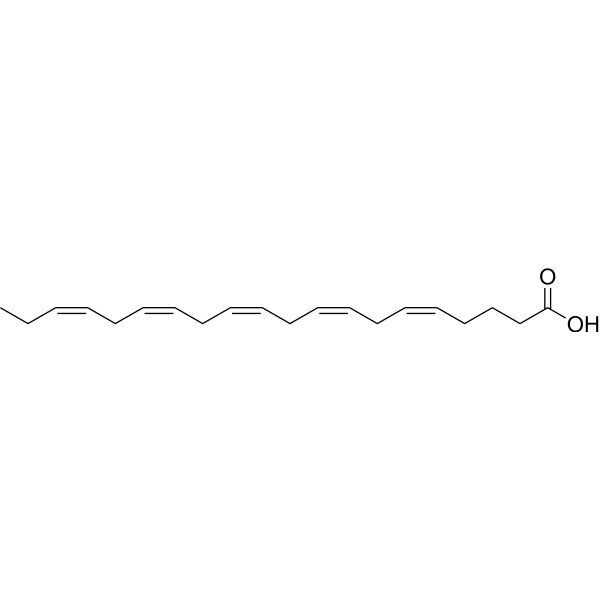
    Eicosapentaenoic Acid
    Maximum Cited Publications
    30 Publications Verification

    EPA; Timnodonic acid

    Endogenous Metabolite Histone Demethylase Neurological Disease Cancer
    Eicosapentaenoic Acid (EPA) is an orally active Omega-3 long-chain polyunsaturated fatty acid (ω-3 LC-PUFA). Eicosapentaenoic Acid exhibits a DNA demethylating action that promotes the re-expression of the tumor suppressor gene CCAAT/enhancer-binding protein δ (C/EBPδ). Eicosapentaenoic Acid activates RAS/ERK/C/EBPβ pathway through H-Ras intron 1 CpG island demethylation in U937 leukemia cells. Eicosapentaenoic Acid can promote relaxation of vascular smooth muscle cells and vasodilation .
    Eicosapentaenoic Acid
  • HY-156633
    Rezatapopt
    3 Publications Verification

    PC14586

    MDM-2/p53 Cancer
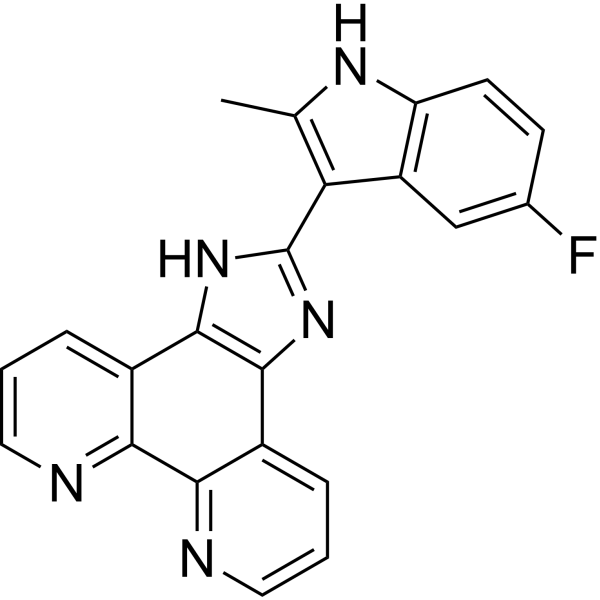
    Rezatapopt (PC14586) is an orally active antineoplastic agent. Rezatapopt binds to a pocket created by the TP53 Y220C mutation. Rezatapopt restores p53 tumor suppressor functions by stabilization of the p53 protein structure. Rezatapopt demonstrates tumor inhibition and regression in mouse models with established human tumor xenografts harboring the TP53 Y220C mutation .
    Rezatapopt
  • HY-13642
    RG108
    10+ Cited Publications

    N-Phthalyl-L-tryptophan

    DNA Methyltransferase Inflammation/Immunology Cancer
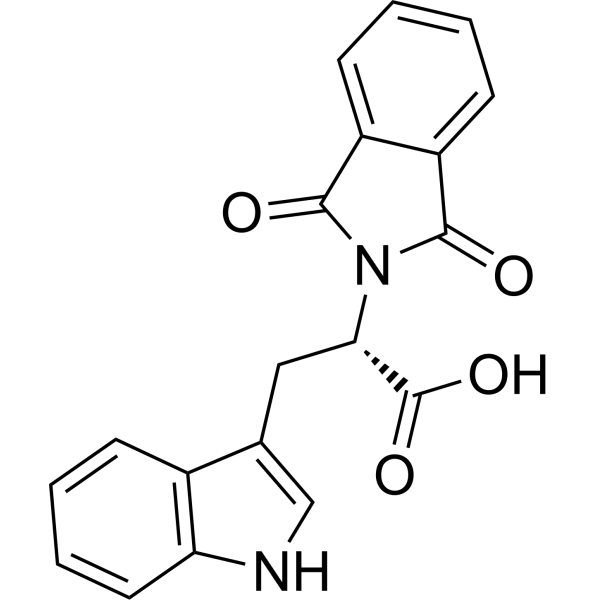
    RG108 (N-Phthalyl-L-tryptophan) is a non-nucleoside DNA methyltransferases (DNMTs) inhibitor (IC50=115 nM) that blocks the DNMTs active site. RG108 (N-Phthalyl-L-tryptophan) causes demethylation and reactivation of tumor suppressor genes, but it does not affect the methylation of centromeric satellite sequences .
    RG108
  • HY-B0464
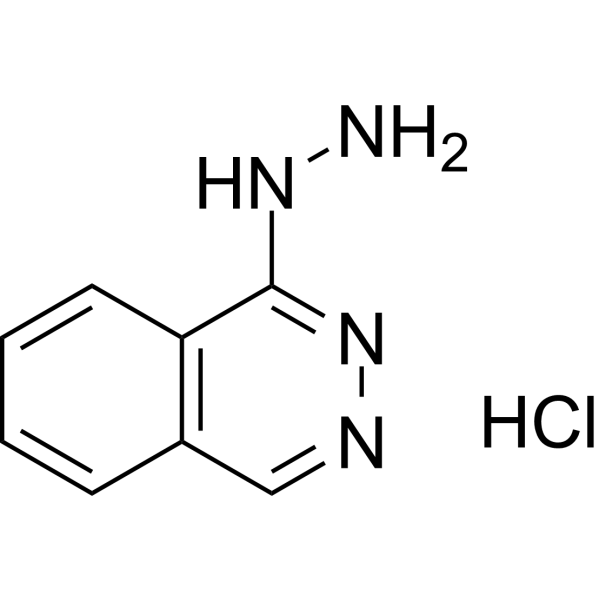
    Hydralazine hydrochloride
    3 Publications Verification

    PGE synthase NO Synthase Reactive Oxygen Species (ROS) DNA Methyltransferase COX Cardiovascular Disease Inflammation/Immunology Cancer
    Hydralazine hydrochloride is an orally active, blood-brain barrier-permeable DNA methyltransferase inhibitor with vasodilatory, arterial smooth muscle relaxant and hypotensive activities. Hydralazine hydrochloride reactivates silenced tumor suppressor genes via mediating DNA demethylation, while exerting neuroprotective and anti-inflammatory properties. Hydralazine hydrochloride inhibits NOS-2 (iNOS) and COX-2, and reduces the production of NO and PGEE2; meanwhile, Hydralazine hydrochloride scavenges reactive oxygen species and inhibits macrophage activation. Hydralazine hydrochloride alleviates motor dysfunction, neuropathic inflammatory pain, and formalin-induced somatic and emotional pain responses. In addition, Hydralazine hydrochloride directly induces DNA strand breaks and sister chromatid exchange, exhibiting certain mutagenic characteristics. Hydralazine hydrochloride has been widely used in studies on hypertension, various cancers (such as cervical cancer, leukemia), spinal cord injury and the mechanisms of inflammatory pain .
    Hydralazine hydrochloride
  • HY-139361
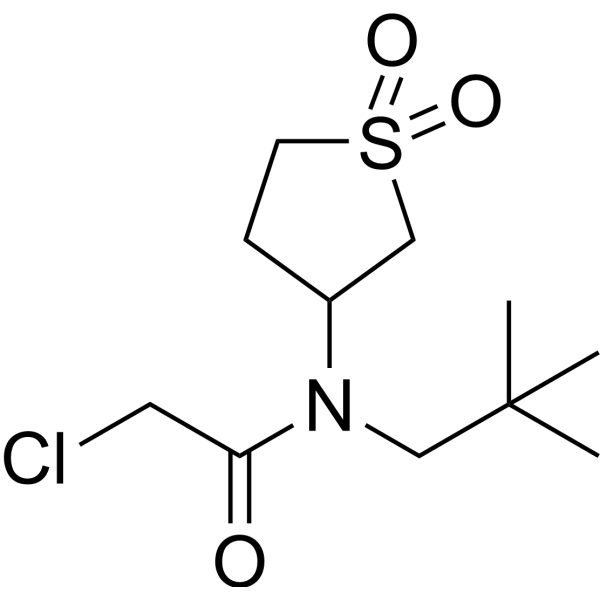
    Sulfopin
    3 Publications Verification

    PIN1-3

    PIN1 Cancer
    Sulfopin (PIN1-3) is a highly selective covalent inhibitor of Pin1 with an apparent Ki of 17 nM. Sulfopin blocks Myc-driven tumors in vivo. The peptidyl-prolyl isomerase, Pin1, is exploited in cancer to activate oncogenes and inactivate tumor suppressors .
    Sulfopin
  • HY-119339
    SX-682
    5+ Cited Publications

    CXCR Inflammation/Immunology Endocrinology Cancer
    SX-682 is an orally bioavailable, potent allosteric inhibitor of CXCR1 and CXCR2. SX-682 can block tumor myeloid-derived suppressor cells (MDSCs) recruitment and enhance T cell activation and antitumor immunity .
    SX-682
  • HY-152859

    BI 907828

    E1/E2/E3 Enzyme MDM-2/p53 Cancer
    Brigimadlin (BI 907828) is an orally active E3 ubiquitin-protein ligase MDM-2 inhibitor, preventing MDM-2 from negatively regulating the tumor suppressor p53. Brigimadlin can be used for antineoplastic research .
    Brigimadlin
  • HY-16291
    APTO-253
    20+ Cited Publications

    LOR-253; LT-253

    c-Myc KLF Apoptosis Inflammation/Immunology Cancer
    APTO-253 (LOR-253) is a small molecule that inhibits c-Myc expression, stabilizes G-quadruplex DNA, and induces cell cycle arrest and apoptosis in acute myeloid leukemia cells. APTO-253 mediates anticancer activity through induction of the Krüppel-like factor 4 (KLF4) tumor suppressor . APTO-253 has antiarthritic activity .
    APTO-253
  • HY-147082
    GA-017
    5+ Cited Publications

    Large Tumor Suppressor (LATS) YAP Cancer
    GA-017 is a potent and selective LATS1 and LATS2 (large tumor suppressor kinase 1/2) inhibitor, with IC50 values of 4.10 and 3.92 nM, respectively. GA-017 is an activator of cell proliferation. GA-017 promotes YAP/TAZ activation and nuclear translocation. GA-017 promotes cell growth under 3D culture conditions. GA-017 enhances the ex vivo formation of mouse intestinal organoids .
    GA-017
  • HY-P0254
    Kisspeptin-10, human
    1 Publications Verification

    Kisspeptin Receptor Cardiovascular Disease Cancer
    Kisspeptin-10, human is a potent vasoconstrictor and inhibitor of angiogenesis. Kisspeptin-10, human acts as a tumor metastasis suppressor via its receptor GPR54. Kisspeptin-10-GPR54 system plays an important role in embryonic kidney development. Kisspeptin-10/GPR54 signaling induces osteoblast differentiation via NFATc4-mediated BMP2 expression .
    Kisspeptin-10, human
  • HY-103397
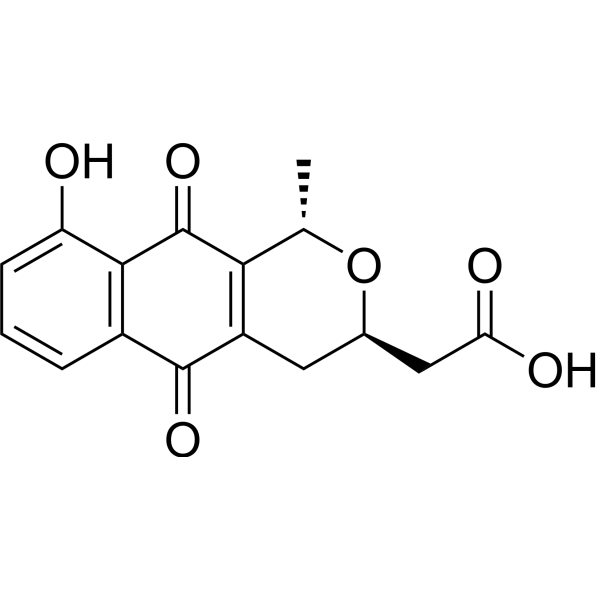
    Nanaomycin A
    4 Publications Verification

    Antibiotic DNA Methyltransferase Parasite Infection Cancer
    Nanaomycin A is the first selective DNMT3B inhibitor with an IC50 of 500 nM. Nanaomycin A, a quinone antibiotics, reactivates silenced tumor suppressor genes in human cancer cells . Nanaomycin A inhibits in vitro growth of the human malaria parasite Plasmodium falciparum with an IC80 value of 33.1 nM .
    Nanaomycin A
  • HY-152830

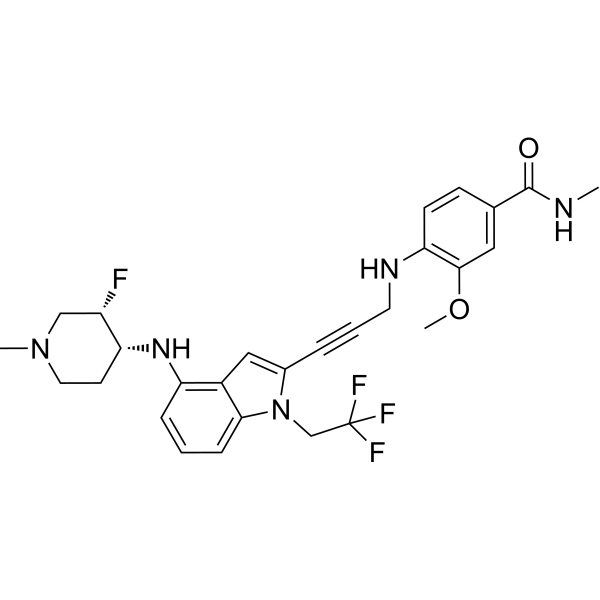
    Q702

    c-Fms TAM Receptor MHC Cancer
    Adrixetinib (Q702) is an orally active triple inhibitor against CSF1R, Mer, and Axl, with Kd values of 8.7 nM, 0.8 nM, and 0.3 nM, respectively. Adrixetinib acts as a potent immune modulator that remodels the tumor microenvironment. Adrixetinib increases the abundance of M1 macrophages and CD8⁺ T cells, while decreasing the levels of M2 macrophages and myeloid-derived suppressor cells (MDSCs). Adrixetinib upregulates the expression of MHC class I and E-cadherin in tumor cells. Adrixetinib shows remarkable antitumor efficacy in syngeneic mouse tumor models. Adrixetinib is suitable for the research of breast cancer, renal adenocarcinoma, colon carcinoma, and melanoma .
    Adrixetinib
  • HY-152293

    VEGFR ERK Cancer
    EVT801 is an orally active and selective inhibitor of VEGFR-3 (IC50=11 nM), which has antitumor effects. EVT801 inhibits not only VEGF-C-induced human endothelial cell proliferation, but also tumor (lymphatic) angiogenesis in tumor mouse models. EVT801 can reduce tumor hypoxia, immunosuppressive cytokines (CCL4, CCL5) and myeloid derived suppressor cells (MDSC) production. EVT801 has synergistic effect with immune checkpoint therapy (ICT), which improves ICT response rate and has better inhibitory effect on cancer mouse models . EVT801 is a click chemistry reagent, it contains an Alkyne group and can undergo copper-catalyzed azide-alkyne cycloaddition (CuAAc) with molecules containing Azide groups.
    EVT801
  • HY-N6985
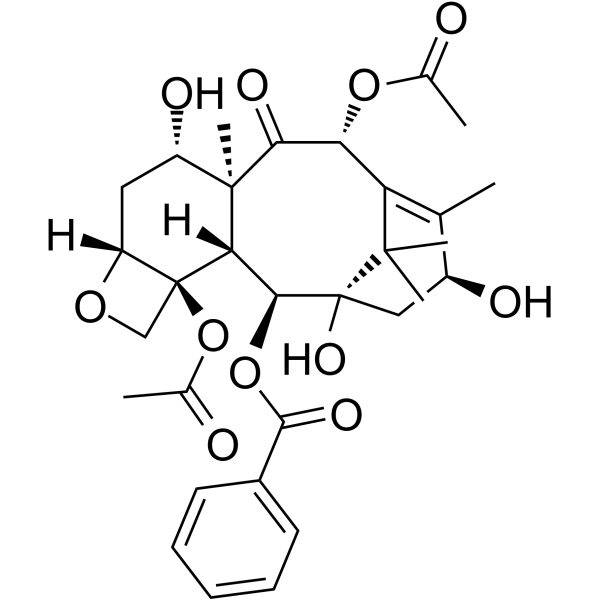
    Baccatin III
    2 Publications Verification

    Others Cancer
    Baccatin III is an orally available, selective inhibitor of the TGF-β1 signaling pathway and myeloid-derived suppressor cell (MDSC) activation. Baccatin III targets the AKT/STAT6 and Smad2/3 pathways, blocking TGF-β1-induced fibroblast differentiation and MDSC-mediated immunosuppression. Baccatin III exerts anti-inflammatory and anti-fibrotic effects by inhibiting macrophage activation and extracellular matrix deposition, and shows potential in the treatment of pulmonary fibrosis and cancer in terms of regulating the tumor immune microenvironment .
    Baccatin III
  • HY-A0084A
    Procainamide
    5+ Cited Publications

    Procaine amide; SP 100

    DNA Methyltransferase Potassium Channel Cardiovascular Disease Cancer
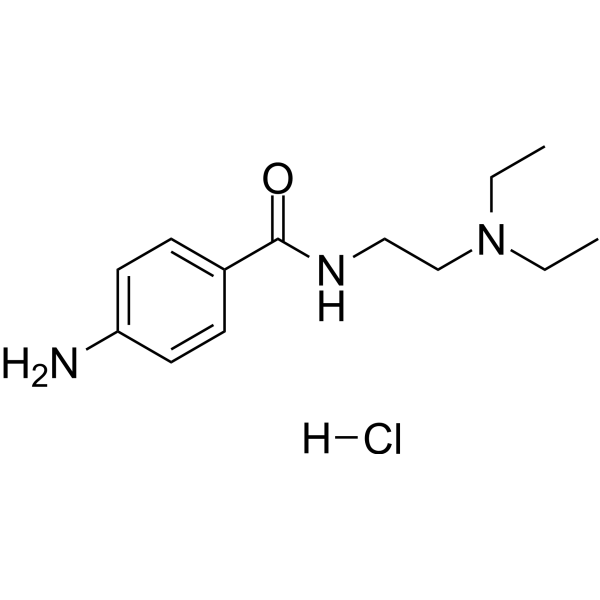
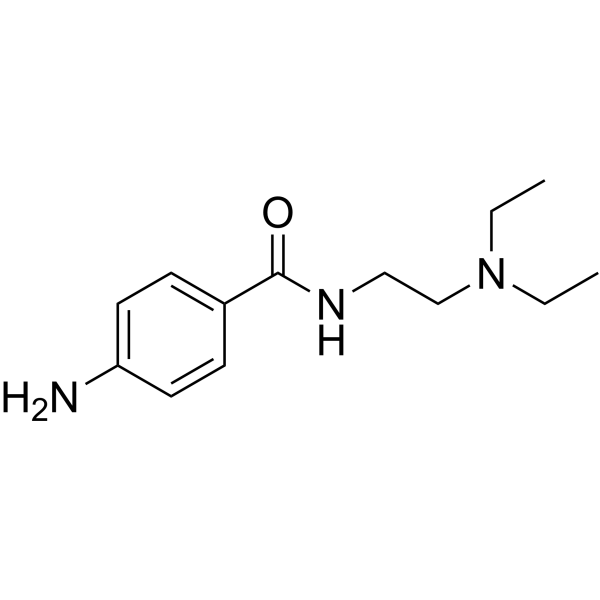
    Procainamide (Procaine amide) is a specific and potent inhibitor of DNA methyltransferase 1 (DNMT1), which reactivates the expression of tumor suppressor factors by demethylating tumor suppressor genes. Procainamide induces vacuolization in various cell types and reduces cell proliferation and migration. Procainamide relaxes airway smooth muscle by activating potassium channels. Procainamide can be used in cancer and arrhythmia research .
    Procainamide
  • HY-A0084
    Procainamide hydrochloride
    5+ Cited Publications

    Procaine amide hydrochloride; SP 100 hydrochloride

    DNA Methyltransferase Potassium Channel Cancer
    Procainamide hydrochloride (Procaine amide hydrochloride) is a specific and potent inhibitor of DNA methyltransferase 1 (DNMT1), which reactivates the expression of tumor suppressor factors by demethylating tumor suppressor genes. Procainamide hydrochloride induces vacuolization in various cell types and reduces cell proliferation and migration. Procainamide hydrochloride relaxes airway smooth muscle by activating potassium channels. Procainamide hydrochloride can be used in cancer and arrhythmia research .
    Procainamide hydrochloride
  • HY-10201S
    Sorafenib-d3
    1 Publications Verification

    Donafenib; Bay 43-9006-d3

    Raf VEGFR FLT3 Ferroptosis Autophagy Apoptosis Cancer
    Sorafenib-d3 (Donafenib), a deuterated compound of Sorafenib, is the first deuterium-generation tumor suppressor small molecule. Sorafenib is a multikinase inhibitor IC50s of 6 nM, 20 nM, and 22 nM for Raf-1, B-Raf, and VEGFR-3, respectively .
    Sorafenib-d3
  • HY-176426

    Deubiquitinase NF-κB IFNAR Cancer
    Subquinocin is a tumor suppressor CYLD inhibitor that inhibits USP family deubiquitinases (DUBs) activity of CYLD with an IC50 of 30 μM. Subquinocin enhances the activation of NF-κB and IFN pathways by inhibiting CYLD. Subquinocin promotes RIG-I-mediated activation of IRF3/IRF7 in the interferon pathway. Subquinocin can be used for the research of cancer and neurodegenerative diseases .
    Subquinocin
  • HY-B0464A
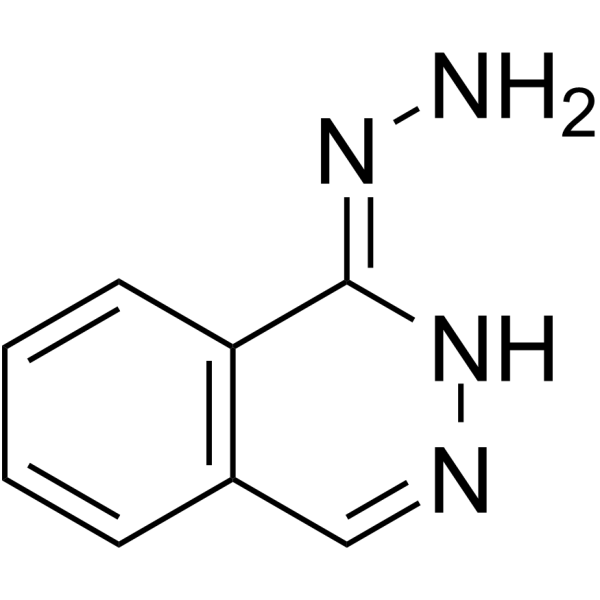
    Hydralazine
    3 Publications Verification

    DNA Methyltransferase Reactive Oxygen Species (ROS) COX NO Synthase PGE synthase Cardiovascular Disease Neurological Disease Inflammation/Immunology Cancer
    Hydralazine is an orally active, blood-brain barrier-permeable DNA methyltransferase inhibitor with vasodilatory, arterial smooth muscle relaxant and hypotensive activities. Hydralazine reactivates silenced tumor suppressor genes via mediating DNA demethylation, while exerting neuroprotective and anti-inflammatory properties. Hydralazine inhibits NOS-2 (iNOS) and COX-2, and reduces the production of NO and PGEE2; meanwhile, Hydralazine scavenges reactive oxygen species and inhibits macrophage activation. Hydralazine alleviates motor dysfunction, neuropathic inflammatory pain, and formalin-induced somatic and emotional pain responses. In addition, Hydralazine directly induces DNA strand breaks and sister chromatid exchange, exhibiting certain mutagenic characteristics. Hydralazine has been widely used in studies on hypertension, various cancers (such as cervical cancer, leukemia), spinal cord injury and the mechanisms of inflammatory pain .
    Hydralazine
  • HY-B1336
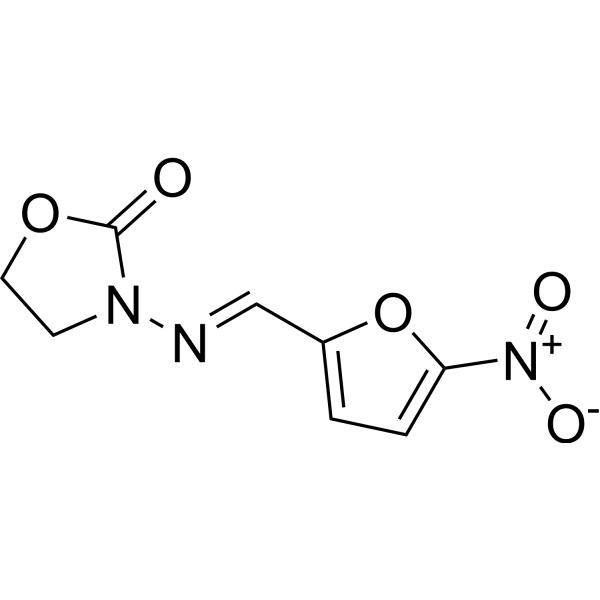
    Furazolidone
    3 Publications Verification

    Environmental Pollutants Antibiotic Bacterial Apoptosis Parasite Infection Cancer
    Furazolidone is a monoamine oxidase (MAO) inhibitor with antiproliferative, apoptosis-inducing and differentiation-promoting activities. Furazolidone may inhibit leukemia fusion protein-mediated bone marrow transformation by upregulating the stability of the tumor suppressor protein p53. Furazolidone exhibits anti-leukemic activity in acute myeloid leukemia (AML) cell lines and can be used for anti-AML research [2].
    Furazolidone
  • HY-148409

    Ferroptosis Apoptosis Autophagy MDM-2/p53 Cancer
    MMRi62, a ferroptosis inducer targeting MDM2-MDM4 (negative regulators of tumor suppressor p53). MMRi62 shows a P53-independent pro-apoptotic activity against pancreatic ductal adenocarcinoma (PDAC) cells and induce autophagy. MMRi62 inducesferroptosis, resulting in a increase of reactive oxygen and lysosomal degradation of ferritin heavy chain (FTH1). MMRi62 also leads to proteasomal degradation of mutant p53, also inhibits orthotopic xenograft PDAC mouse model in vivo with high frequency mutation characteristics of KRAS and TP53.12 .
    MMRi62
  • HY-P1181A
    Pam2CSK4 TFA
    1 Publications Verification

    Toll-like Receptor (TLR) NO Synthase IKK Akt PKC NF-κB p38 MAPK Interleukin Related Cardiovascular Disease Infection Inflammation/Immunology Cancer
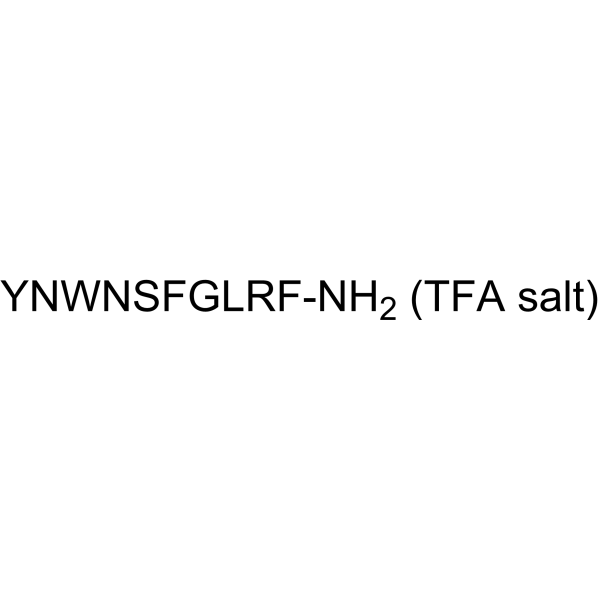
    Pam2CSK4 TFA is a TLR2 agonist. Pam2CSK4 TFA induces the expression of iNOS and NO in macrophage cell lines via TBK1 and MyD88 molecules. Pam2CSK4 TFA activates the NF-κB and Bruton's tyrosine kinase signaling pathways in platelets, and promotes platelet-endothelial cell interactions. TLR2 activation triggered by Pam2CSK4 TFA expands myeloid-derived suppressor cells (MDSCs) and suppresses anti-tumor immune responses in the tumor microenvironment. Pam2CSK4 TFA acts as a Th2-polarizing adjuvant in mouse vaccine models against Leishmania major and Brugia malayi. Pam2CSK4 TFA can be used in the research of various diseases, including thromboinflammatory diseases, sepsis, atherosclerosis, heart failure, influenza, lymphoma, melanoma, cutaneous leishmaniasis and lymphatic filariasis .
    Pam2CSK4 TFA
  • HY-135199

    E1/E2/E3 Enzyme Cancer
    Ubiquitination-IN-1 (compound 24) is a ubiquitination and Cksl-Skp2 protein-protein interaction (IC50=0.17 μM) inhibitor. Ubiquitination-IN-1 increases levels of p27. Ubiquitination-IN-1 has the potential for treatment disease by blocking the degradation of tumor suppressors .
    Ubiquitination-IN-1
  • HY-141584

    MDM-2/p53 Cancer
    ATSP-7041, a selective dual peptide inhibitor of MDM2 and MDMX, effectively reactivates the p53 tumor suppressor pathway in a mechanism-dependent manner in p53-positive cancers .
    ATSP-7041
  • HY-159779

    PROTACs Nuclear Hormone Receptor 4A/NR4A Inflammation/Immunology Cancer
    NR-V04 is a selective NR4A1 PROTAC degrader. NR-V04 forms a ternary complex with NR4A1 and the VHL E3 ligase, mediates proteasome-dependent degradation of NR4A1. NR-V04 induces tumor-infiltrating B cells and effector memory CD8 + T cells and reduces monocytic myeloid-derived suppressor cells in tumor microenvironments. NR-V04 can be used for the research of melanoma and colon cancer .
    NR-V04
  • HY-101508

    Histone Methyltransferase Cancer
    GNA002 is a highly potent, specific and covalent EZH2 (Enhancer of zeste homolog 2) inhibitor with an IC50 of 1.1 μM. GNA002 can specifically and covalently bind to Cys668 within the EZH2-SET domain, triggering EZH2 degradation through COOH terminus of Hsp70-interacting protein (CHIP)-mediated ubiquitination. GNA002 efficiently reduces EZH2-mediated H3K27 trimethylation, reactivates polycomb repressor complex 2 (PRC2)-silenced tumor suppressor genes .
    GNA002
  • HY-P1181

    Toll-like Receptor (TLR) NO Synthase IKK Akt PKC NF-κB p38 MAPK Interleukin Related Cardiovascular Disease Infection Inflammation/Immunology Cancer
    Pam2CSK4 is a TLR2 agonist. Pam2CSK4 induces the expression of iNOS and NO in macrophage cell lines via TBK1 and MyD88 molecules. Pam2CSK4 activates the NF-κB and Bruton's tyrosine kinase signaling pathways in platelets, and promotes platelet-endothelial cell interactions. TLR2 activation triggered by Pam2CSK4 expands myeloid-derived suppressor cells (MDSCs) and suppresses anti-tumor immune responses in the tumor microenvironment. Pam2CSK4 acts as a Th2-polarizing adjuvant in mouse vaccine models against Leishmania major and Brugia malayi. Pam2CSK4 can be used in the research of various diseases, including thromboinflammatory diseases, sepsis, atherosclerosis, heart failure, influenza, lymphoma, melanoma, cutaneous leishmaniasis and lymphatic filariasis .
    Pam2CSK4
  • HY-151595

    Epigenetic Reader Domain Cancer
    Menin-MLL inhibitor-22 (compound C20) is an orally active inhibitor of the interaction between menin and mixed lineage leukemia (MLL) (IC50=7 nM). Menin-MLL inhibitor-22 binds menin protein and inhibits cancer cell growth (MV4 cells, IC50=0.3 μM). Menin is a putative tumor suppressor associated with multiple endocrine neoplasia type 1 (MEN-1 syndrome) .
    Menin-MLL inhibitor-22
  • HY-108636

    MDM-2/p53 Cancer
    RETRA is a mutant p53-dependent activator of p73 that suppresses mutant p53-bearing cancer cells. RETRA increases the expression level of p73, and a release of p73 from the blocking complex with mutant p53, which produces tumor-suppressor effects .
    RETRA
  • HY-176886

    Large Tumor Suppressor (LATS) YAP Others
    LATS-IN-2 is an efficiently acting LATS (large tumor suppressor kinase) inhibitor. LATS-IN-2 shows potent inhibitory activity against LATS1 with an IC50 value of 1.3 nM. LATS-IN-2 suppresses the phosphorylation of YAP by inhibiting LATS kinase activity. LATS-IN-2 increases the thickness of the epidermis in mice. LATS-IN-2 can be used for the study of ocular diseases such as limbal stem cell deficiency and corneal endothelial dysfunction .
    LATS-IN-2
  • HY-144707

    Apoptosis VEGFR MMP PTEN Cancer
    AK-778-XXMU is a potent DNA binding inhibitor 2 (ID2) antagonist with a KD of 129 nM. AK-778-XXMU can inhibit cell migration and invasion of glioma cell lines, induce apoptosis, and exhibits significant cancer-suppressing potency. AK-778-XXMU inhibits the ID2-KDR signaling axis, thereby down-regulating the downstream angiogenic factors (VEGFA) and invasion-related proteins (MMP2/9), and up-regulating the tumor suppressor factor (PTEN). AK-778-XXMU can be used for the study of glioma .
    AK-778-XXMU
  • HY-B0660R

    EPA (Standard); Timnodonic acid (Standard)

    Reference Standards Endogenous Metabolite Histone Demethylase Neurological Disease Cancer
    Eicosapentaenoic Acid (Standard) is the analytical standard of Eicosapentaenoic Acid. This product is intended for research and analytical applications. Eicosapentaenoic Acid (EPA) is an orally active Omega-3 long-chain polyunsaturated fatty acid (ω-3 LC-PUFA). Eicosapentaenoic Acid exhibits a DNA demethylating action that promotes the re-expression of the tumor suppressor gene CCAAT/enhancer-binding protein δ (C/EBPδ). Eicosapentaenoic Acid activates RAS/ERK/C/EBPβ pathway through H-Ras intron 1 CpG island demethylation in U937 leukemia cells. Eicosapentaenoic Acid can promote relaxation of vascular smooth muscle cells and vasodilation .
    Eicosapentaenoic Acid (Standard)
  • HY-117737A

    Raf Apoptosis Cancer
    RRD-251 is an inhibitor of retinoblastoma tumor suppressor protein (Rb)-Raf-1 interaction, with potent anti-proliferative, anti-angiogenic and anti-tumor activities .
    RRD-251
  • HY-156382

    Akt ERK E1/E2/E3 Enzyme Cancer
    SPOP-IN-1 is a selective SPOP E3 ubiquitin ligase inhibitor. SPOP-IN-1 leads to the accumulation of tumor suppressors PTEN and DUSP7 and decreased levels of phosphorylated AKT and ERK in clear-cell renal cell carcinoma .
    SPOP-IN-1
  • HY-106263B

    PTEN PDK-1 MDM-2/p53 Apoptosis Akt Cancer
    Tyroserleutide hydrochloride is a tripeptide isolated from the degradation products of porcine spleen with antitumor activity. Tyroserleutide hydrochloride can upregulate the expression of the tumor suppressor gene PTEN and inhibit the activity of AKT and PDK1. Tyroserleutide hydrochloride inhibits tumor cell proliferation and MDM2 phosphorylation by inhibiting the PI3K/AKT pathway, and also upregulates P21, P27, P53, and induces mitochondrial damage and cell apoptosis .
    Tyroserleutide hydrochloride
  • HY-155971

    Autophagy Inflammation/Immunology Cancer
    VISTA-IN-2 (Compound 1) is an inhibitor of V-domain Ig suppressor of T-cell activation (VISTA). VISTA-IN-2 induces VISTA degradation in cells through an autophagic mechanism. VISTA-IN-2 rescues VISTA-mediated immunosuppression, and enhances antitumor activity of immune cells. VISTA-IN-2 also activates the antitumor immunity and inhibits tumor growth in a CT26 mouse model .
    VISTA-IN-2
  • HY-N0867

    HIV ULK Bcl-2 Family Infection Cancer
    13-Oxyingenol-dodecanoate (13OD) is a tumor suppressor agent. 13-Oxyingenol-dodecanoate has anti-HIV-1 activity with EC50 value of 33.7 nM .13-Oxyingenol-dodecanoate can induce the expression of ULK1 to effect mitochondrial dysfunction and cellular autophagy. 13-Oxyingenol-dodecanoate also increases the expression of BAX and suppresses the expression of BCL-2 to effect apoptosis .
    13-Oxyingenol-13-dodecanoate
  • HY-P0254A
    Kisspeptin-10, human TFA
    1 Publications Verification

    Kisspeptin Receptor Cardiovascular Disease Cancer
    Kisspeptin-10, human TFA is a potent vasoconstrictor and inhibitor of angiogenesis. Kisspeptin-10, human TFA acts as a tumor metastasis suppressor via its receptor GPR54. Kisspeptin-10-GPR54 system plays an important role in embryonic kidney development. Kisspeptin-10/GPR54 signaling induces osteoblast differentiation via NFATc4-mediated BMP2 expression .
    Kisspeptin-10, human TFA
  • HY-146887

    Deubiquitinase Apoptosis Cancer
    USP7-IN-9 is a highly potent ubiquitin-specific protease 7 (USP7) inhibitor with an IC50 value of 40.8 nM. USP7-IN-9 can induce apoptosis and arrest cell progression at G0/G1 and S phases in RS4; 11 cells. USP7-IN-9 reduces the protein levels of oncoproteins MDM2 and DNMT1 and increases the protein levels of tumor suppressors p53 and p21 .
    USP7-IN-9
  • HY-142118A
    Trabedersen sodium
    1 Publications Verification

    AP 12009 sodium

    TGF-beta/Smad Cancer
    Trabedersen (AP 12009) sodium is an orally active synthetic antisense phosphorothioate oligodeoxynucleotide that selectively targets human TGFβ2 mRNA. Trabedersen sodium blocks TGFβ2 protein production, enters the nucleus without a transfection vector, and exerts dose-dependent antitumor effects. By reversing TGFβ2-induced immunosuppression and enhancing immune cytotoxicity, Trabedersen sodium exhibits significant antiproliferative, antimigratory, and antimetastatic activities, with favorable safety profiles. Trabedersen sodium is widely used in research related to various solid tumors, including anaplastic astrocytoma, glioblastoma, colorectal tumor, and melanoma .
    Trabedersen sodium
  • HY-P1109

    CDK Cancer
    [Ala92]-p16 (84-103) is a peptide derived from the p16CDKN2/INK4a (p16) tumor suppressor protein. [Ala92]-p16 (84-103) binds to both cdk4 and cdk6 and inhibits cdk4-cyclin D1 kinase activity in vitro (IC50: 1.5 μM). [Ala92]-p16 (84-103) blocks cell cycle progression through the G1 phase .
    [Ala92]-p16 (84-103)
  • HY-N7325

    PTEN Orexin Receptor (OX Receptor) Neurological Disease Cancer
    Valerosidate is an OX2R antagonist. Valerosidate increases expression of tumor suppressor proteins p53 and PTEN, selectively reduces colon cancer cell viability, and suppresses colon cancer cell migration. Valerosidate can be used for the research of colon cancer and insomnia .
    Valerosidate
  • HY-144999

    Wee1 Cancer
    LEB-03-146 is a WEE1 DUBTAC (deubiquitinase-targeting chimera) linking AZD1775 (Adavosertib) to the OTUB1 recruiter EN523 through a PEG2 linker. LEB-03-146 shows significant WEE1 stabilization in HEP3B hepatoma cancer cells .
    LEB-03-146
  • HY-P990249

    TNF Receptor Inflammation/Immunology Cancer
    Anti-Mouse DR5/CD262 Antibody (MD5-1) is an anti-mouse DR5/CD262 IgG monoclonal antibody. Anti-Mouse DR5/CD262 Antibody (MD5-1) can eliminate myeloid derived suppressor cells (MDSCs) and enhance T cell anti-tumor immunity. Anti-Mouse DR5/CD262 Antibody (MD5-1) can be used for research on cancer such as gastric and colon cancer .
    Anti-Mouse DR5/CD262 Antibody (MD5-1)
  • HY-P10424

    PD-1/PD-L1 Cancer
    OPBP-1 is a D-peptide obtained by phage display screening, molecular docking and molecular dynamics simulation. OPBP-1 has high stability and strong antitumor and oral activity. OPBP-1 can selectively bind PD-L1 protein, significantly block the interaction between PD-1 and PD-L1, and this blocking effect helps to restore and improve the function of T lymphocytes and reduce the proportion of bone marrow derived suppressor cells (MDSCs) to combat tumor-induced immune escape. OPBP-1 can be used in cancer immunotherapy research .
    OPBP-1
  • HY-P10553

    Apoptosis Cancer
    ARF(26–44), cell-permeable is a cell-penetrating peptide derived from a specific amino acid sequence of the p14ARF tumor suppressor protein. As a functional inhibitor of FoxM1, ARF(26–44) cell-permeable shows significant anti-tumor activity in the treatment of mouse hepatocellular carcinoma (HCC), significantly increasing tumor cell apoptosis and reducing tumor cell proliferation and angiogenesis. ARF(26–44), cell-permeable can be used in research on tumor therapy .
    ARF(26–44), cell-permeable
  • HY-128590
    PHT-7.3
    1 Publications Verification

    Ras Cancer
    PHT-7.3 is a selective inhibitor of connector enhancer of kinase suppressor of Ras 1 (Cnk1) pleckstrin homology (PH) domain (Kd=4.7 μM). PHT-7.3 inhibits mut-KRas, but not wild-type KRas cancer cell and tumor growth and signaling. PHT-7.3 has antitumor activity .
    PHT-7.3
  • HY-143342

    Wee1 Cancer
    LEB-03-144 is a WEE1 DUBTAC (deubiquitinase-targeting chimera) linking AZD1775 (Adavosertib) to the OTUB1 recruiter EN523 through a C3 alkyl linker. LEB-03-144 shows significant WEE1 stabilization in HEP3B hepatoma cancer cells .
    LEB-03-144
  • HY-W011269
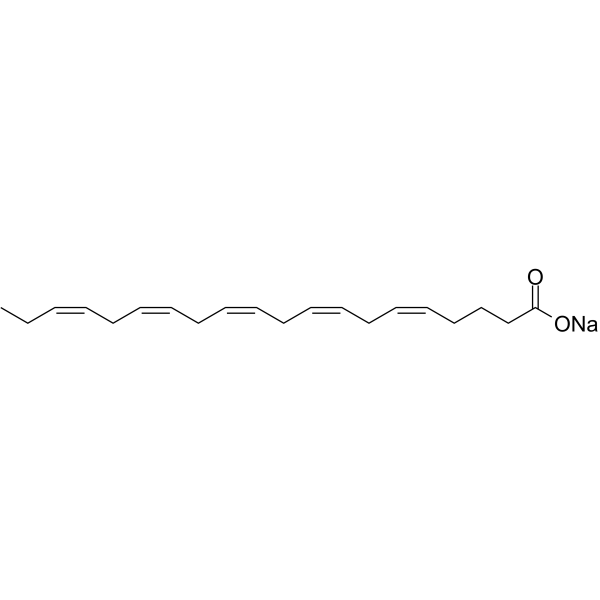
    Eicosapentaenoic Acid sodium
    Maximum Cited Publications
    30 Publications Verification

    EPA sodium; Timnodonic acid sodium

    Endogenous Metabolite Histone Demethylase Cardiovascular Disease Metabolic Disease Cancer
    Eicosapentaenoic Acid (EPA)sodium is an orally active Omega-3 long-chain polyunsaturated fatty acid (ω-3 LC-PUFA). Eicosapentaenoic Acid sodium exhibits a DNA demethylating action that promotes the re-expression of the tumor suppressor gene CCAAT/enhancer-binding protein δ (C/EBPδ). Eicosapentaenoic Acid sodium activates RAS/ERK/C/EBPβ pathway through H-Ras intron 1 CpG island demethylation in U937 leukemia cells. Eicosapentaenoic Acid sodium can promote relaxation of vascular smooth muscle cells and vasodilation .
    Eicosapentaenoic Acid sodium
  • HY-13906

    (+)-Largazole

    HDAC Neurological Disease Cancer
    Largazole ((+)-Largazole) is a potent, selective, orally active and brain-penetrant class I HDAC inhibitor found in marine cyanobacteria. Largazole shows an IC50 of 0.07 nM for HDAC2. Largazole releases its active form Largazole thiol (HY-170890) after hydrolysis. Largazole has a strong inhibitory effect on SF-268, SF-295 and SH-SY5Y cells, with IC50 values of 62, 68 and 102 nM respectively Largazole can upregulate the tumor suppressor gene Pax6 to inhibit the proliferation, invasion and colony formation of glioblastoma cells. Largazole can significantly upregulated brain-derived neurotrophic factor BDNF, neuronal transcription factor Pax6, and μ-opioid receptor gene Oprm1. Largazole exerts antitumor and neuroprotective effects. Largazole can be used for researches of Glioblastoma and Alzheimer’s disease .
    Largazole

Inquiry Online

Your information is safe with us. * Required Fields.

Salutation


Country or Region *

Applicant Name *


Organization Name *

Department *


Email Address *


Product Name *

Cat. No.


Requested quantity *

Phone Number *


Remarks

Inquiry Online

Inquiry Information

Product Name:
Cat. No.:
Quantity:
MCE Japan Authorized Agent:

